Tag

Liquid Water

All articles tagged with #liquid water

space6 hours ago

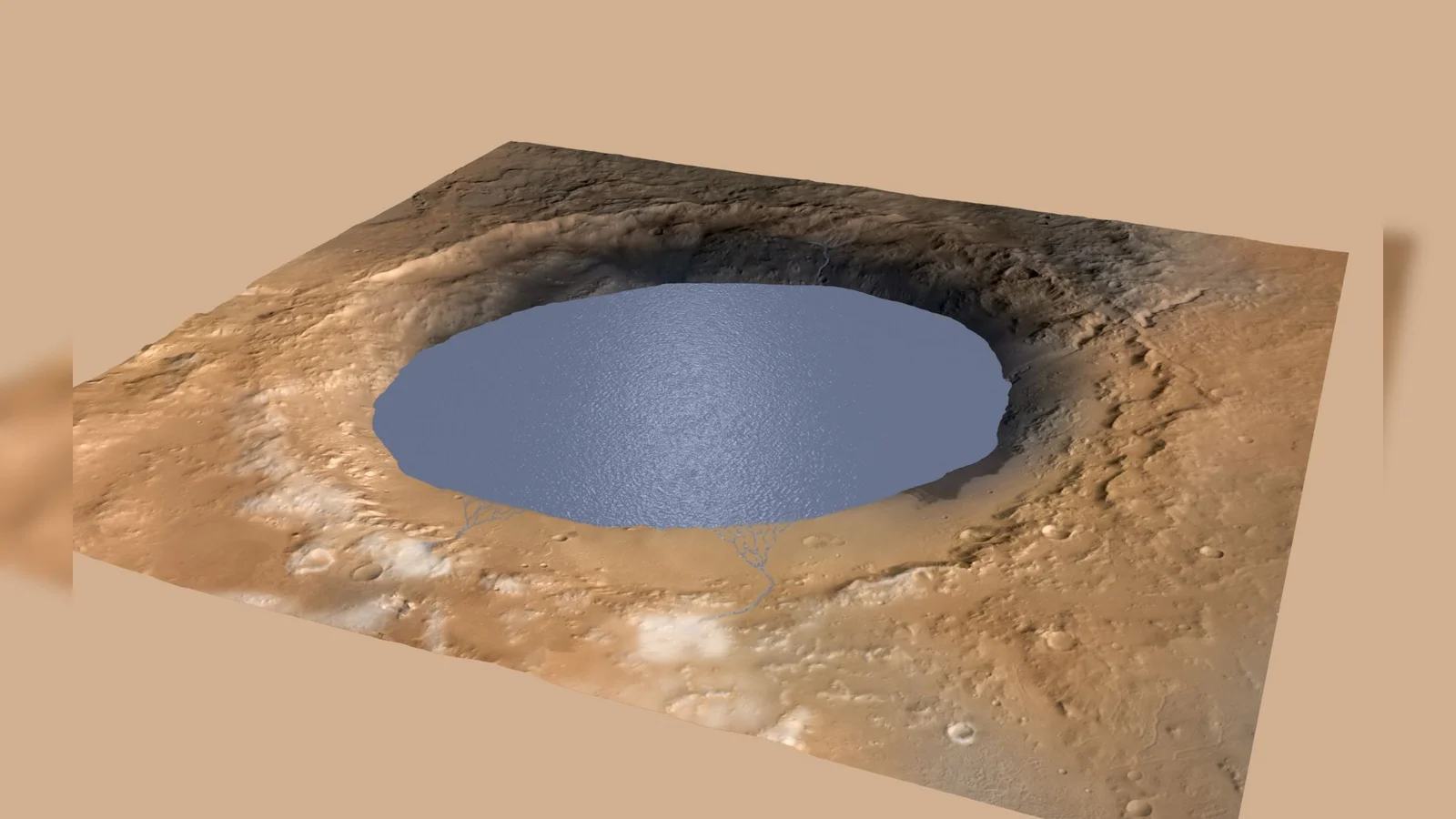
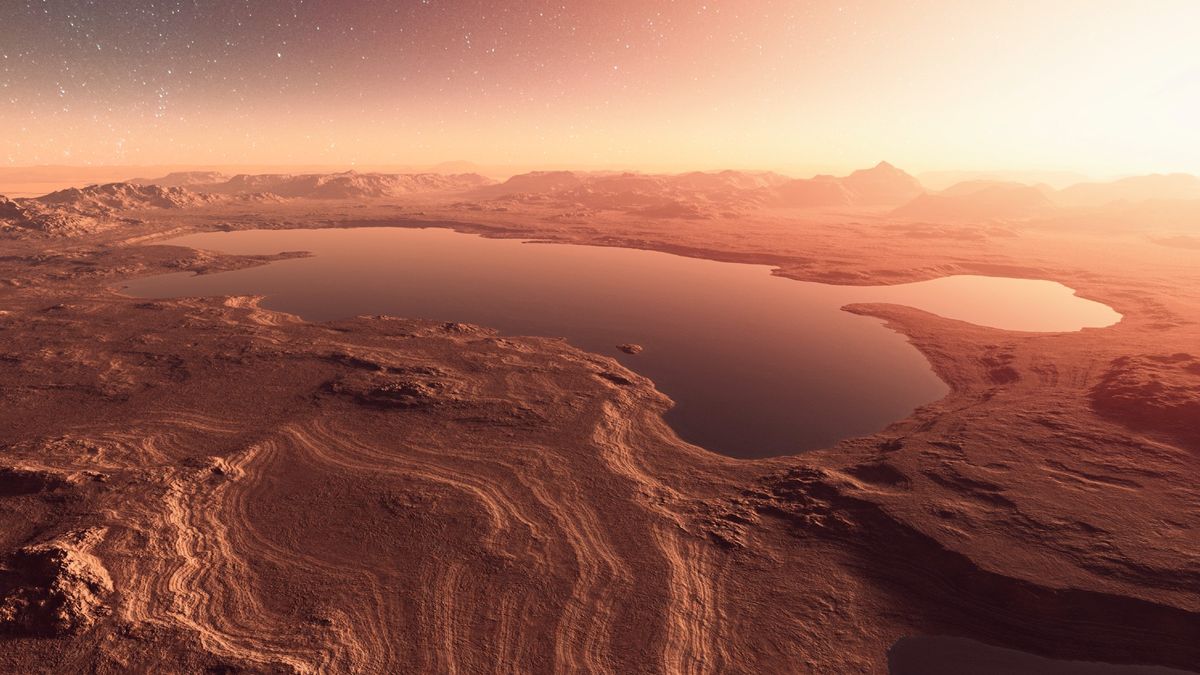
Ice blankets could keep ancient Martian lakes liquid while the planet froze

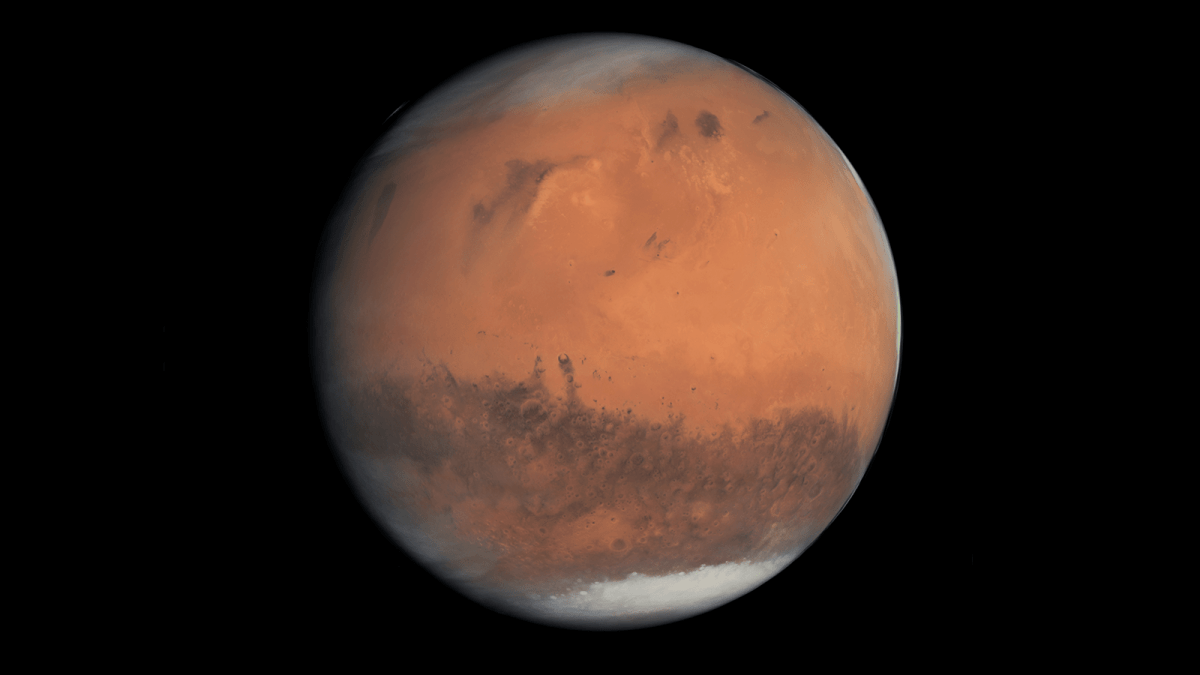
A LakeM2ARS modeling study using Curiosity data from Gale crater simulated 64 possible ancient Martian lakes over 30 Martian years each (about 56 Earth years). In some cases the lakes froze solid in winter; in others a thin ice lid formed and melted seasonally, insulating the water below and allowing long-term liquid water despite a cooling climate. This mechanism helps explain how liquid water persisted on early, colder Mars and supports the idea that habitable, water-bearing environments could endure even as the planet grew freezing, without requiring a globally warm Mars.

science2 months ago

Nearby Super-Earths with Water and Life Potential

Scientists have discovered a super-Earth called GJ 251 c, located just 18 light-years away, which resides in its star's habitable zone where liquid water could exist, making it a promising candidate in the search for extraterrestrial life. The discovery was made using advanced radial velocity techniques and state-of-the-art instruments, highlighting the potential for future direct imaging and the possibility of finding life beyond Earth.

science1 year ago

New Clues Suggest Diverse Liquids Shaped Ancient Mars

Scientists are reconsidering the idea that Mars' ancient surface features were solely shaped by liquid water, proposing that liquid carbon dioxide may have also played a significant role. Under early Mars' dense atmosphere, carbon dioxide could have liquefied, carving the planet's surface similarly to water. This theory is supported by experiments showing carbon dioxide's interaction with minerals, forming carbonates and other compounds found on Mars today. The research suggests a combination of liquid water and carbon dioxide may have shaped Mars' landscape, challenging traditional assumptions.

science1 year ago

Reevaluating Venus: New Insights on Water and Habitability

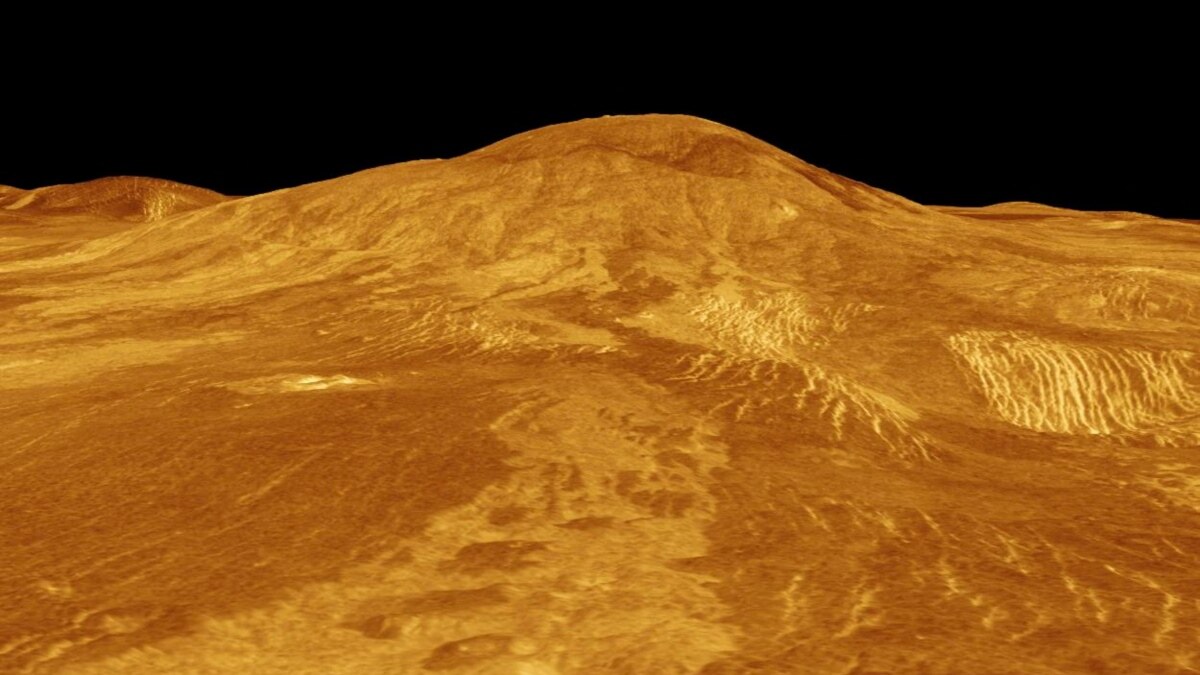
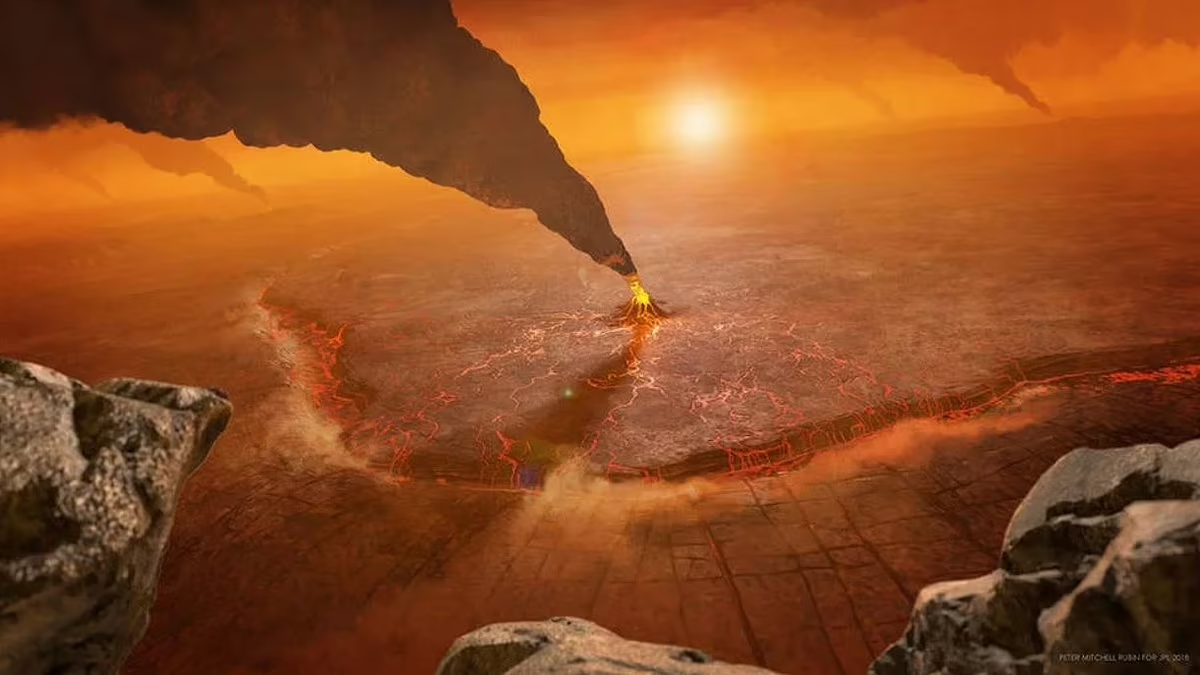
A new study by researchers from the University of Cambridge suggests that Venus likely never had liquid water on its surface, challenging previous theories that it might have once harbored oceans. The study, published in Nature Astronomy, analyzed the chemical composition of Venus' atmosphere and found that volcanic gases released on the planet contain less than 6% water vapor, indicating a very dry interior. This suggests Venus was never habitable, as water is crucial for supporting life.

science1 year ago

New Research Confirms Venus Never Hosted Oceans or Life

A new study by the University of Cambridge suggests that Venus has never had liquid water, dashing hopes of finding Earth-like life on the planet. Researchers found that Venusian volcanic eruptions contain only six percent water by volume, indicating a dry history. This challenges the idea of Venus being within the sun's habitable zone. However, the possibility of unconventional life forms existing in Venus's acidic clouds remains open. Future missions by NASA and China aim to further explore Venus's atmospheric composition to resolve these questions.

science1 year ago

Ancient Meteorite Reveals Mars Had Liquid Water 742 Million Years Ago

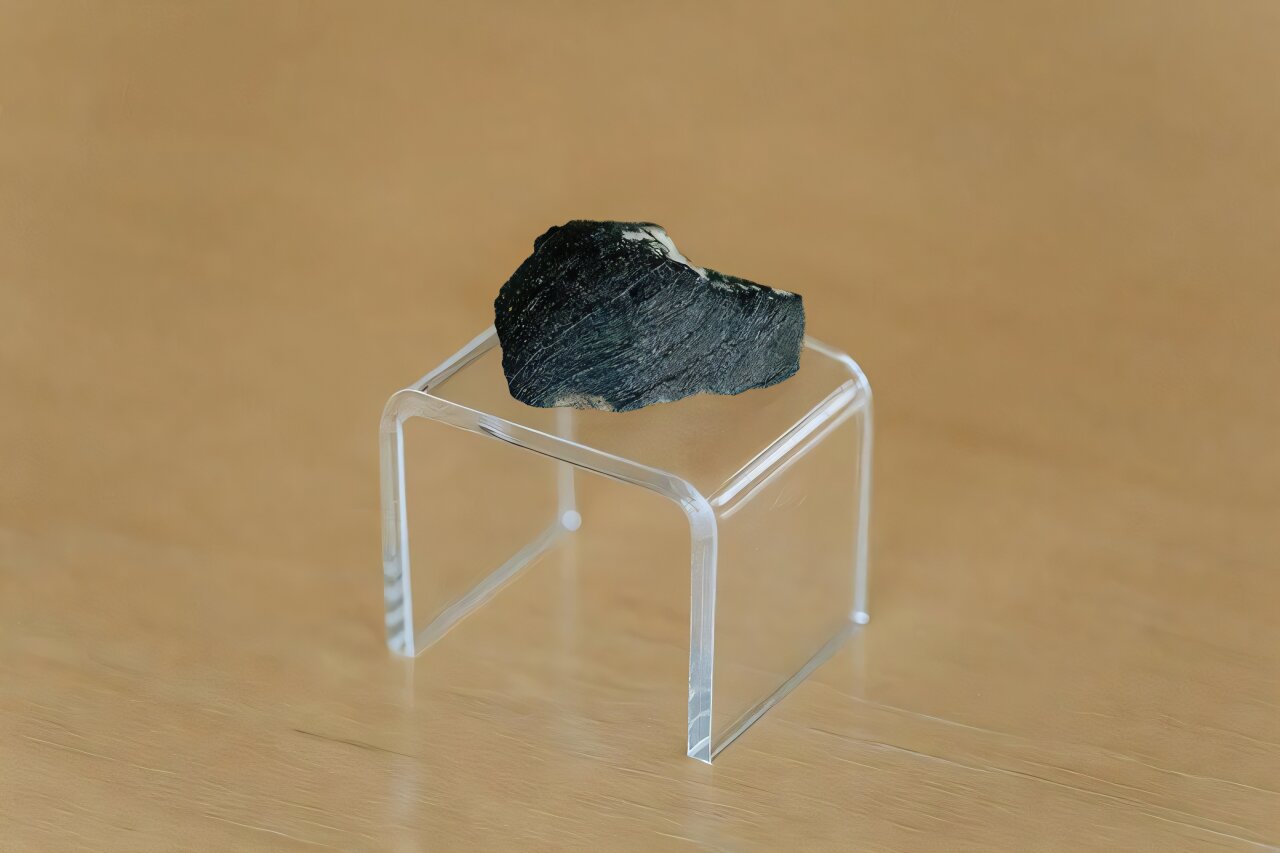
Scientists have determined that the Lafayette Meteorite, a piece of Mars that landed on Earth, contains minerals formed by interaction with liquid water on Mars 742 million years ago. This discovery suggests that the water likely originated from melting subsurface ice due to magmatic activity. The research, led by Purdue University, provides a robust method for dating such interactions, offering insights into Mars' geologic past.

space-science1 year ago

"Revisiting Mars' Watery Past: New Insights on Potential for Life"

New research suggests that gullies on Mars may have been shaped by the sublimation of carbon dioxide ice rather than just liquid water, potentially indicating that the planet's history of liquid water and habitability may have been shorter than previously thought. Lab experiments simulating Martian conditions demonstrated that CO2 sublimation can fluidize and sustain granular flows, raising questions about the duration of Mars' habitable period and its potential for supporting life.

space-science1 year ago

"Revisiting Mars' Watery Past: New Insights and Clues Uncovered"

Scientists believe that Mars may have been habitable for millions of years longer than previously thought, with its surface once covered in oceans, lakes, and rivers resembling early Earth. This raises the possibility of simple life evolving in Martian waters, but not for long enough to develop into complex organisms. The disappearance of liquid water from Mars more than three billion years ago likely ended any nascent life, but the tantalizing prospect remains that life may have thrived there.

science1 year ago

"Real-Time Capture of Electron Motion in Liquid Water Reveals Fastest Molecular Snapshot"

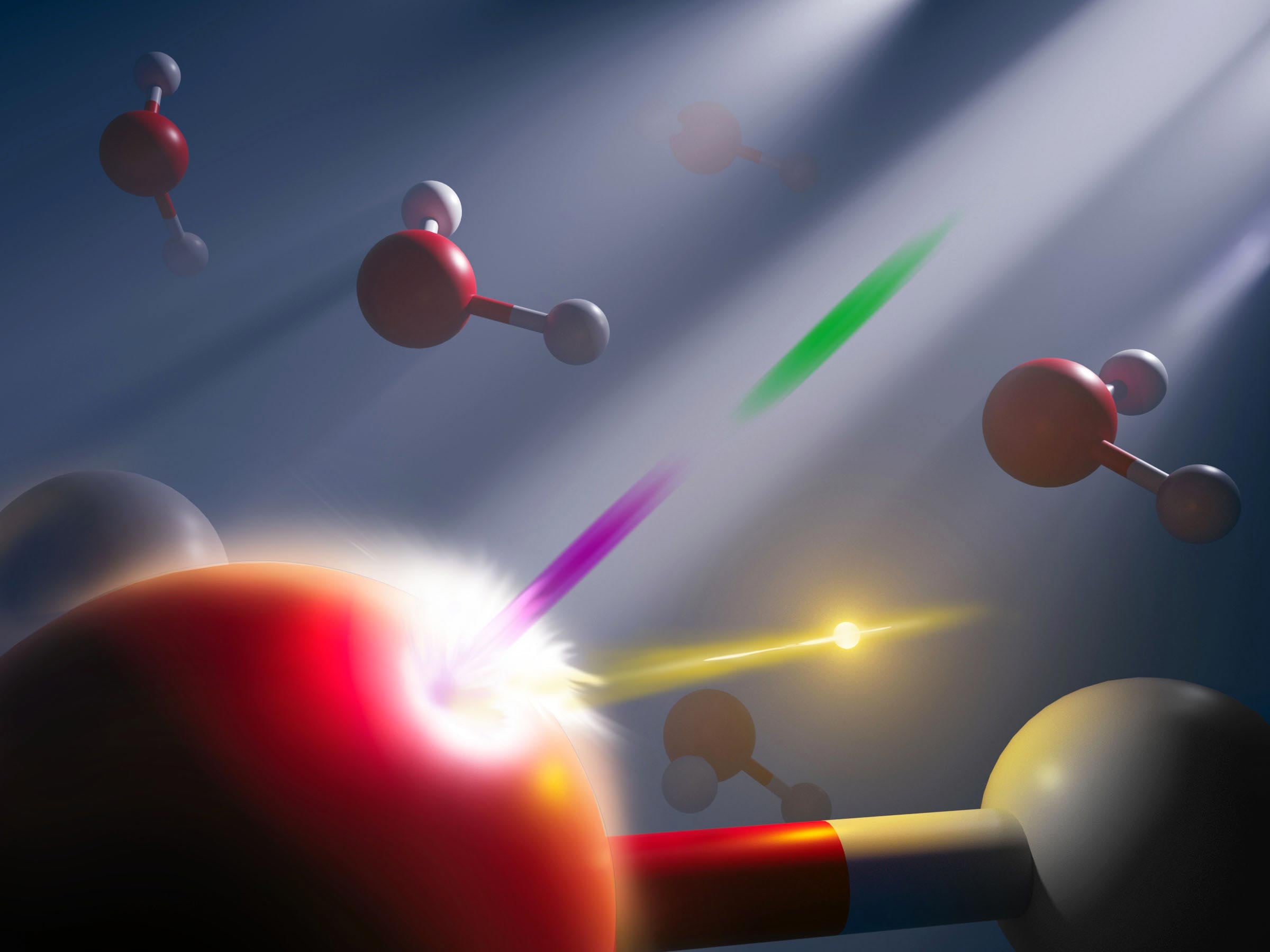
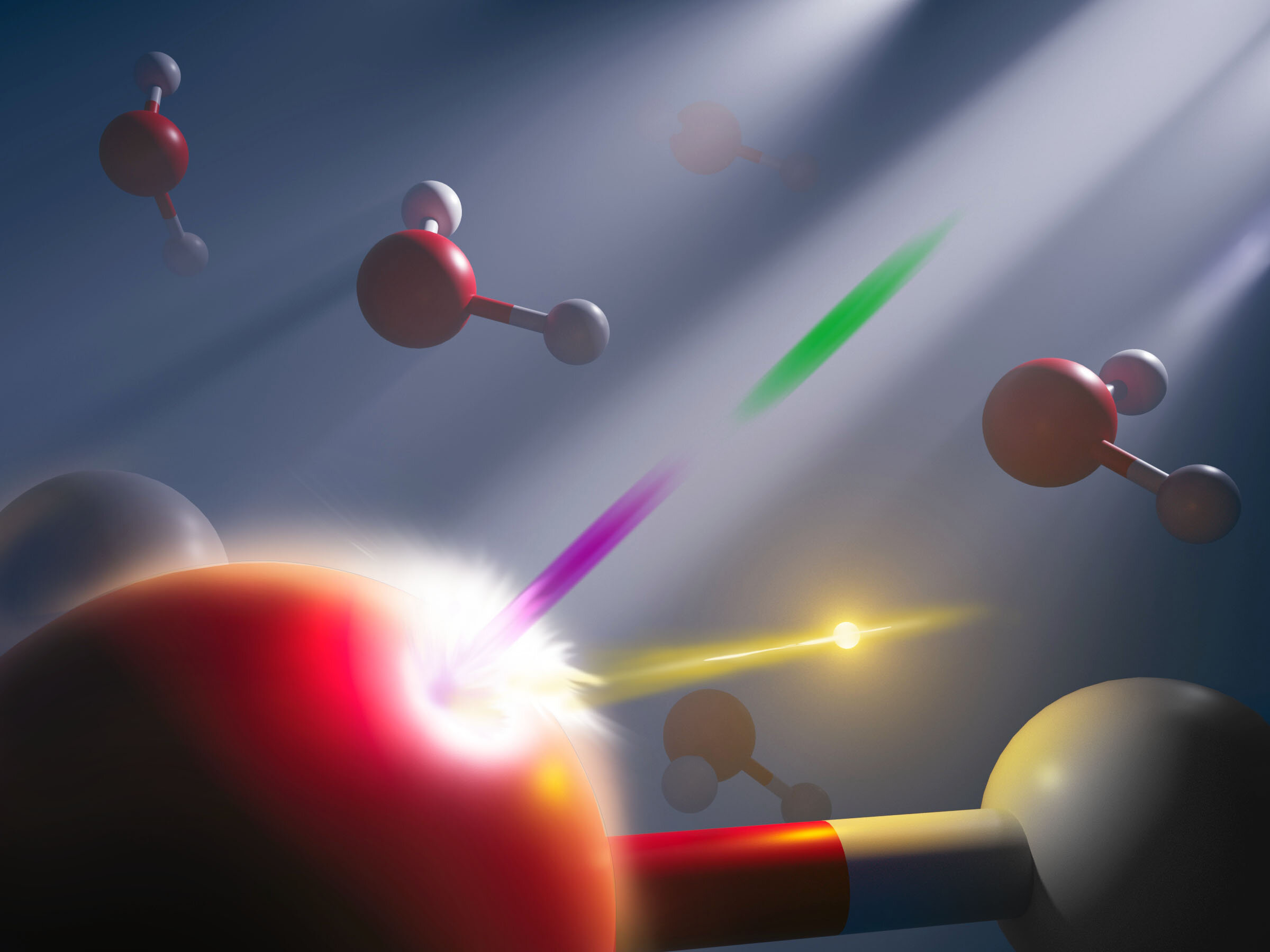
Scientists have captured the real-time movement of electrons in liquid water for the first time using attosecond X-ray pulses, providing new insights into the electronic structure of molecules and radiation-induced chemistry. This breakthrough opens up possibilities for understanding the effects of radiation exposure in various fields such as space travel, cancer treatments, nuclear reactors, and legacy waste. The research, published in Science, was made possible by a multi-institutional team's collaboration and the development of attosecond X-ray free-electron lasers, marking a significant advancement in the field of attosecond physics.

science1 year ago

"Capturing Electrons in Action: Groundbreaking Real-Time Study of Liquid Water"

Scientists have successfully captured the movement of electrons in real-time in liquid water using attosecond X-ray pulses, providing new insights into the electronic structure of molecules in the liquid phase and the immediate electronic response to X-ray exposure. This breakthrough allows for a deeper understanding of radiation-induced chemistry and its effects on objects and people, with potential applications in space travel, cancer treatments, nuclear reactors, and legacy waste. The research, published in the journal Science, involved a multi-institutional collaboration and marks a significant advancement in attosecond physics.

science1 year ago

"The Truth About Habitable Zones"

The habitable zone around a star, also known as the Goldilocks zone, is the region where a planet can potentially host liquid water on its surface, making it suitable for life. This zone varies for each star based on its mass, age, and brightness. While Earth lies within the habitable zone of the Sun, the presence of life on our planet remains a mystery. Additionally, liquid water can exist beneath the frozen surfaces of moons in the outer solar system, sustained by heat from their molten cores, offering potential habitats for life beyond the traditional definition of habitability.

space-science2 years ago

"Intermittent Flow of Water in Martian Valleys Lasted for Centuries, Study Suggests"

Research suggests that Martian valley networks were formed over hundreds of millions of years, with intermittent flow events, based on the dating of impact craters. This challenges the previous understanding of early Mars as either "warm and wet" or "cold and icy," indicating that conditions permitting surface water likely varied considerably. The slow erosion rate of Mars' rivers is comparable to parts of the Atacama Desert in Chile, and the intermittent flow may have been influenced by factors such as volcanic activity or variations in the planet's axial tilt and orbit around the sun.

space-exploration2 years ago

"17 Exoplanets: Potential Havens for Liquid Water and Life's Essential Ingredient"

NASA has identified 17 exoplanets that could potentially harbor oceans of liquid water beneath icy shells, even though they are too distant and cold to exist within their host star's habitable zone. These worlds, similar to Jupiter's moon Europa and Saturn's moon Enceladus, could be promising places to search for signs of life. The amount of geyser activity on two of these exoplanets, Proxima Centauri b and LHS1140 b, could exceed that of Europa by hundreds to thousands of times, making them prime targets for telescopic observations.