On January 10, 2026, a rare alignment of Saturn and Uranus signals significant, sudden changes in love and relationships, encouraging trust in the process and embracing new opportunities for growth and connection.
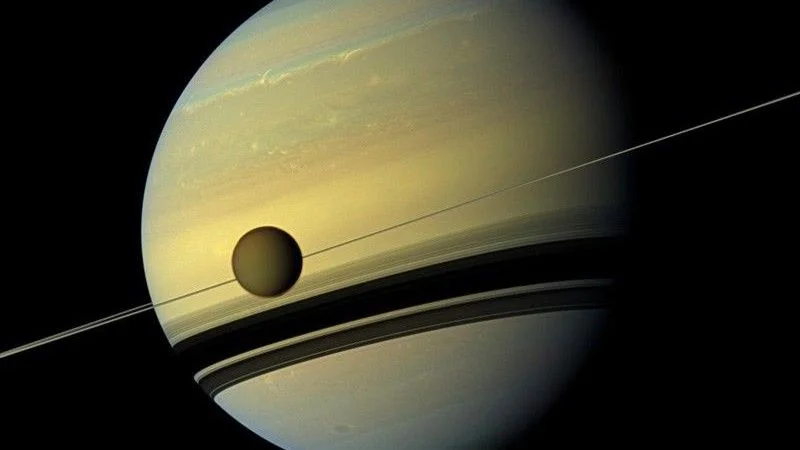
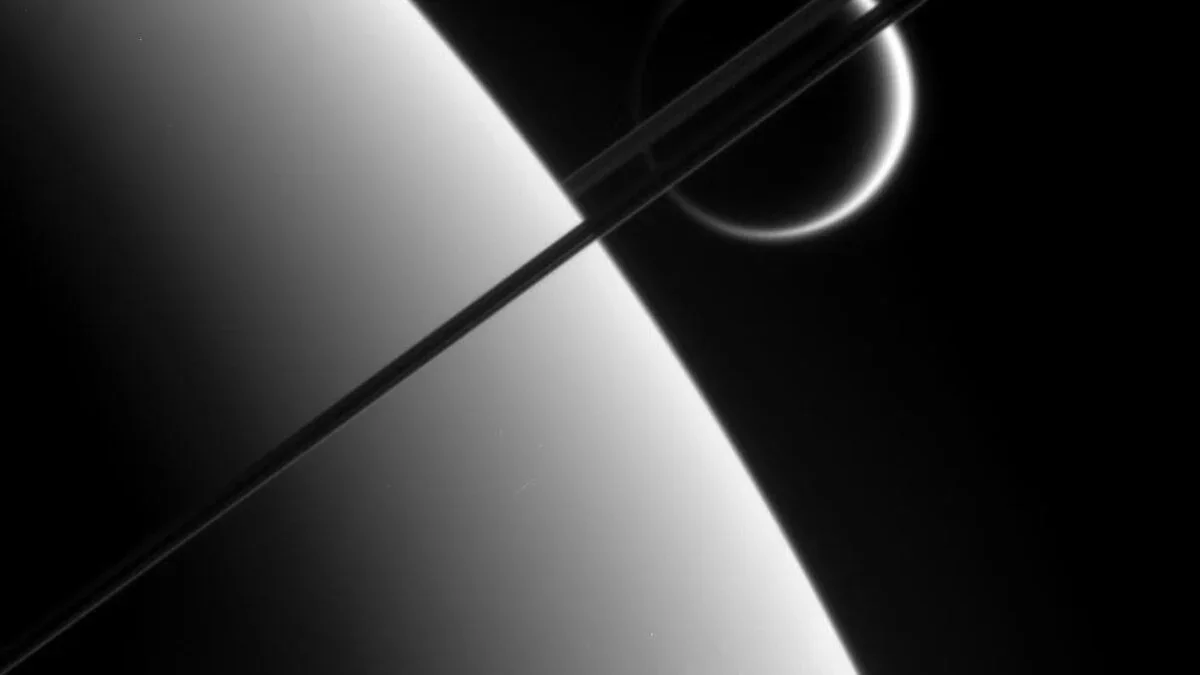
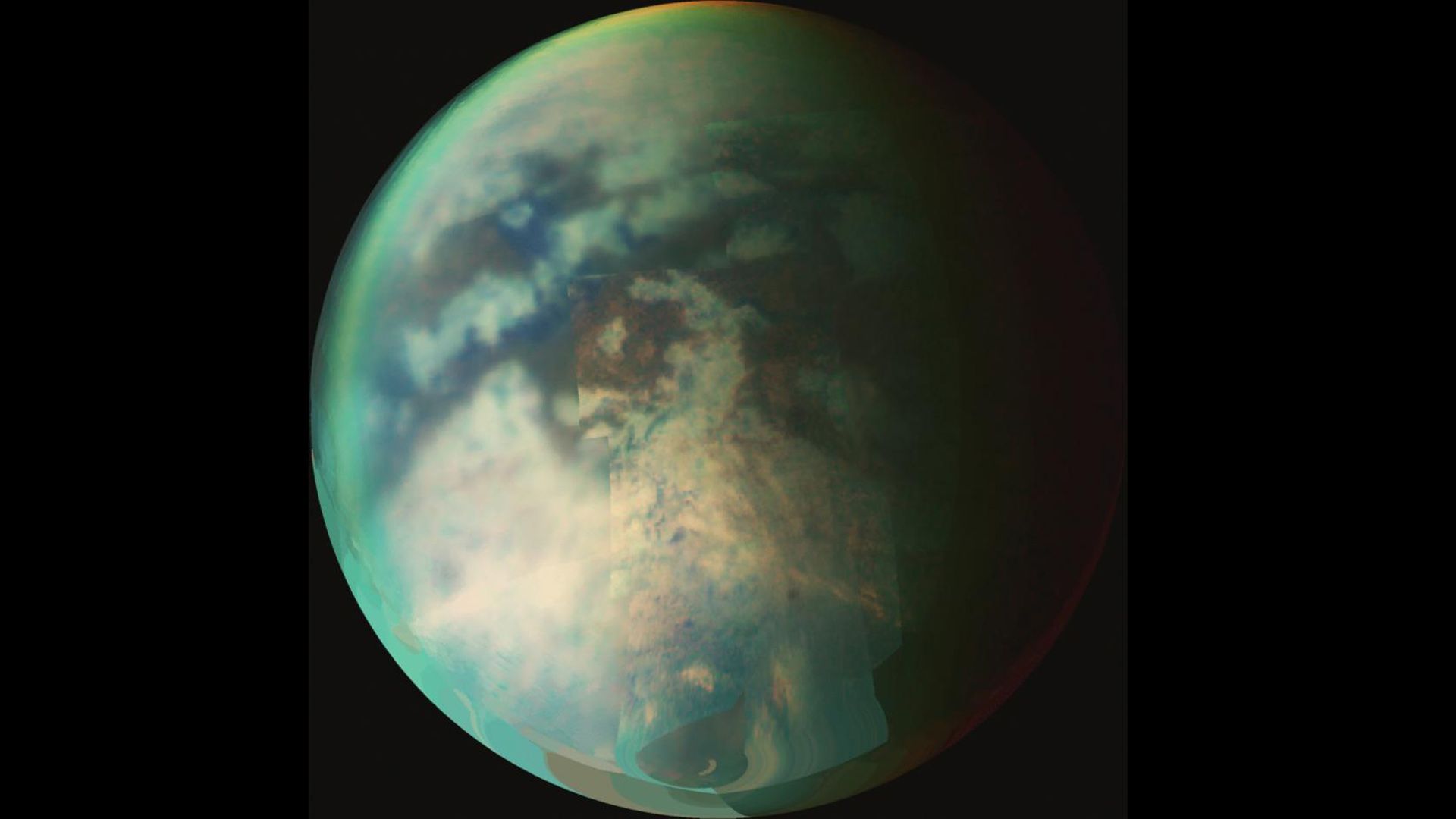
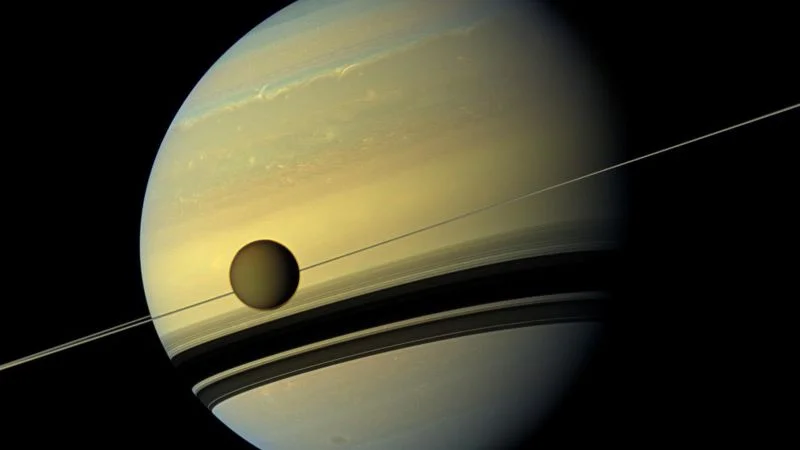
A new study suggests Saturn's moon Titan may not have a buried ocean but instead contains widespread pockets of liquid water within a layer of ice, challenging previous assumptions about its internal structure and habitability potential.
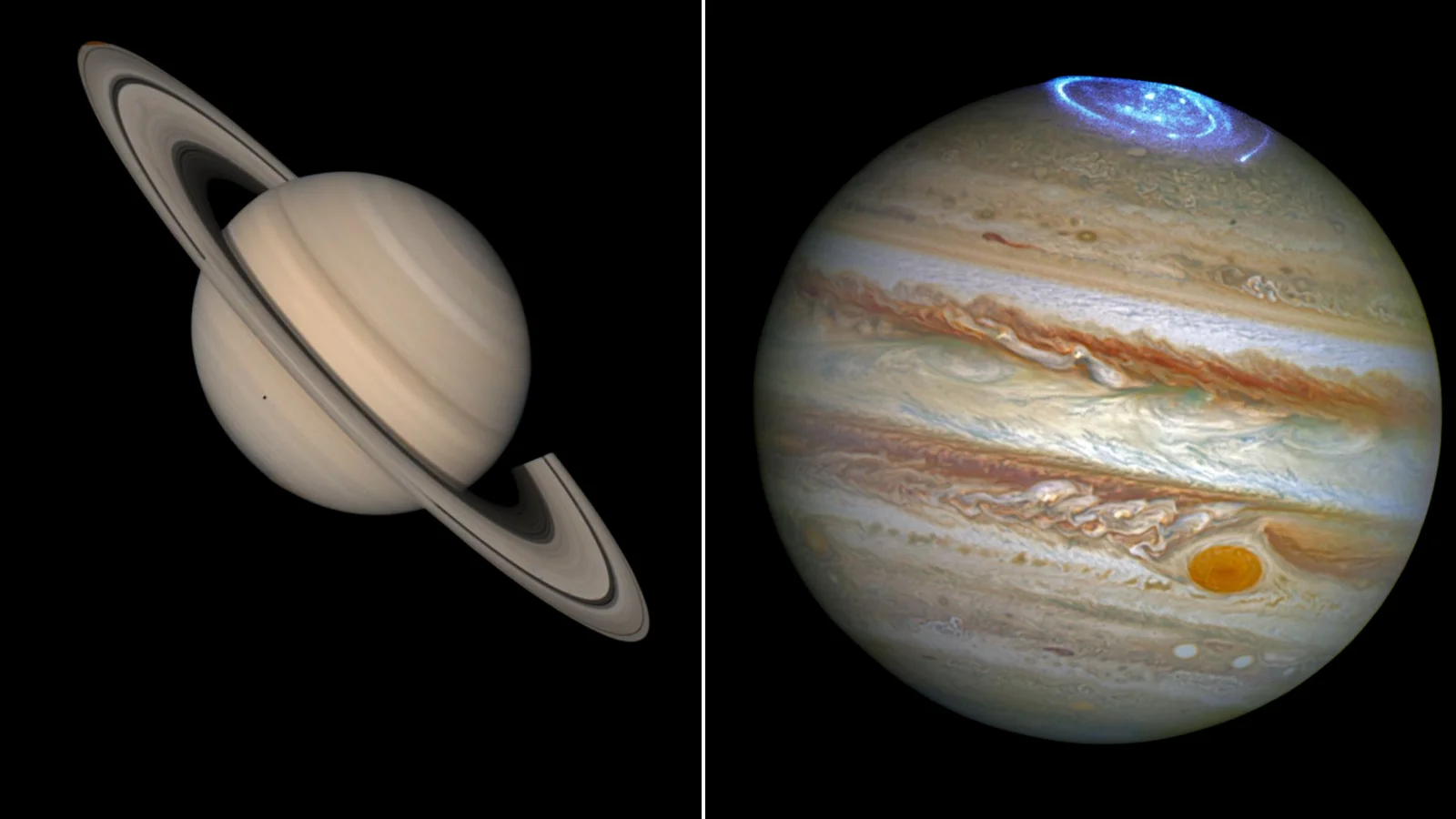
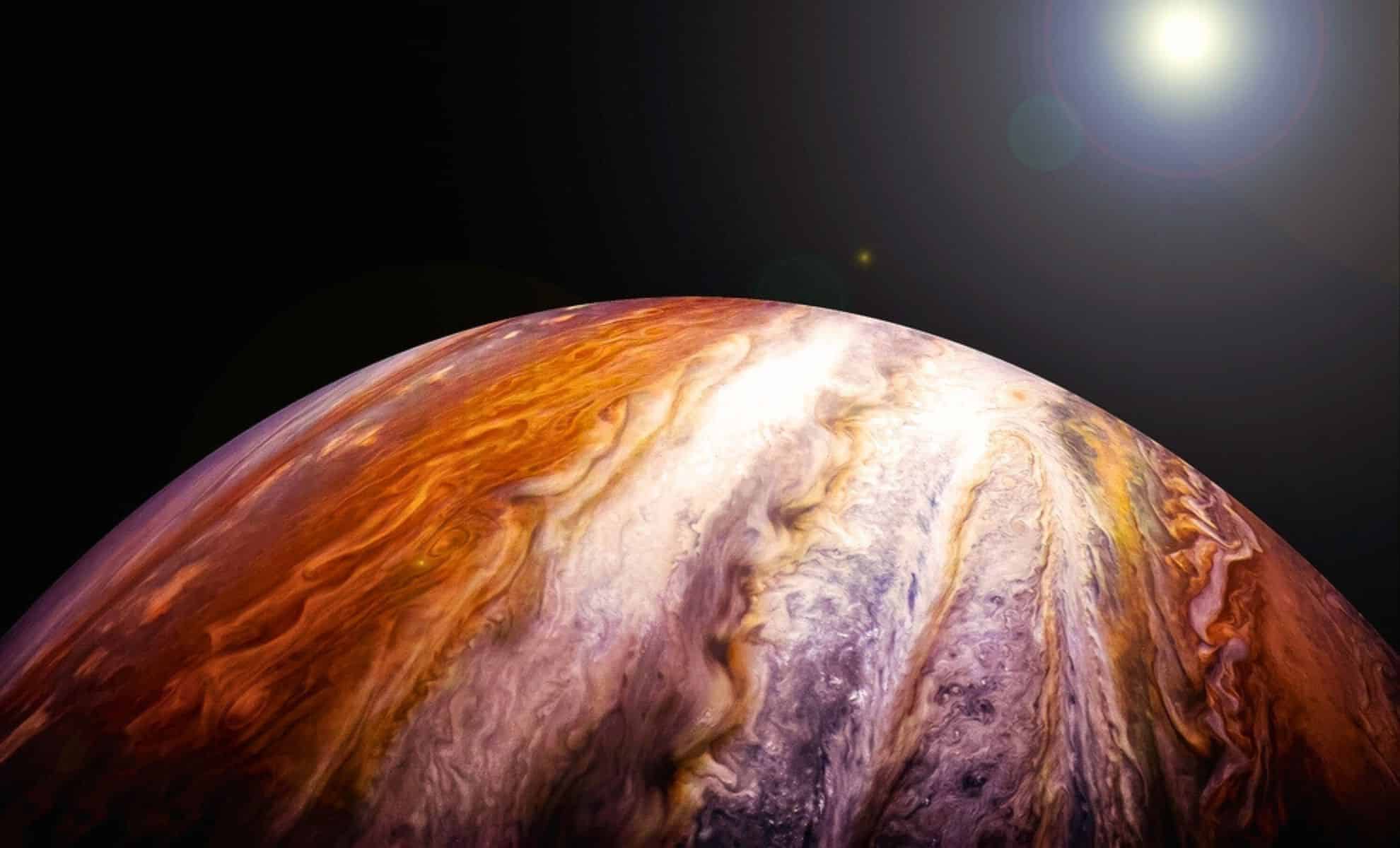
To see Saturn and Jupiter clearly through a telescope, a refractor with at least 50mm aperture is recommended, with larger apertures like 102mm or 125mm providing more detail such as Saturn's rings and Jupiter's Great Red Spot. For higher detail, pricier catadioptric telescopes are ideal. Viewing Uranus and Neptune requires even larger telescopes, around 200mm, and a motorized mount can help locate these distant planets.
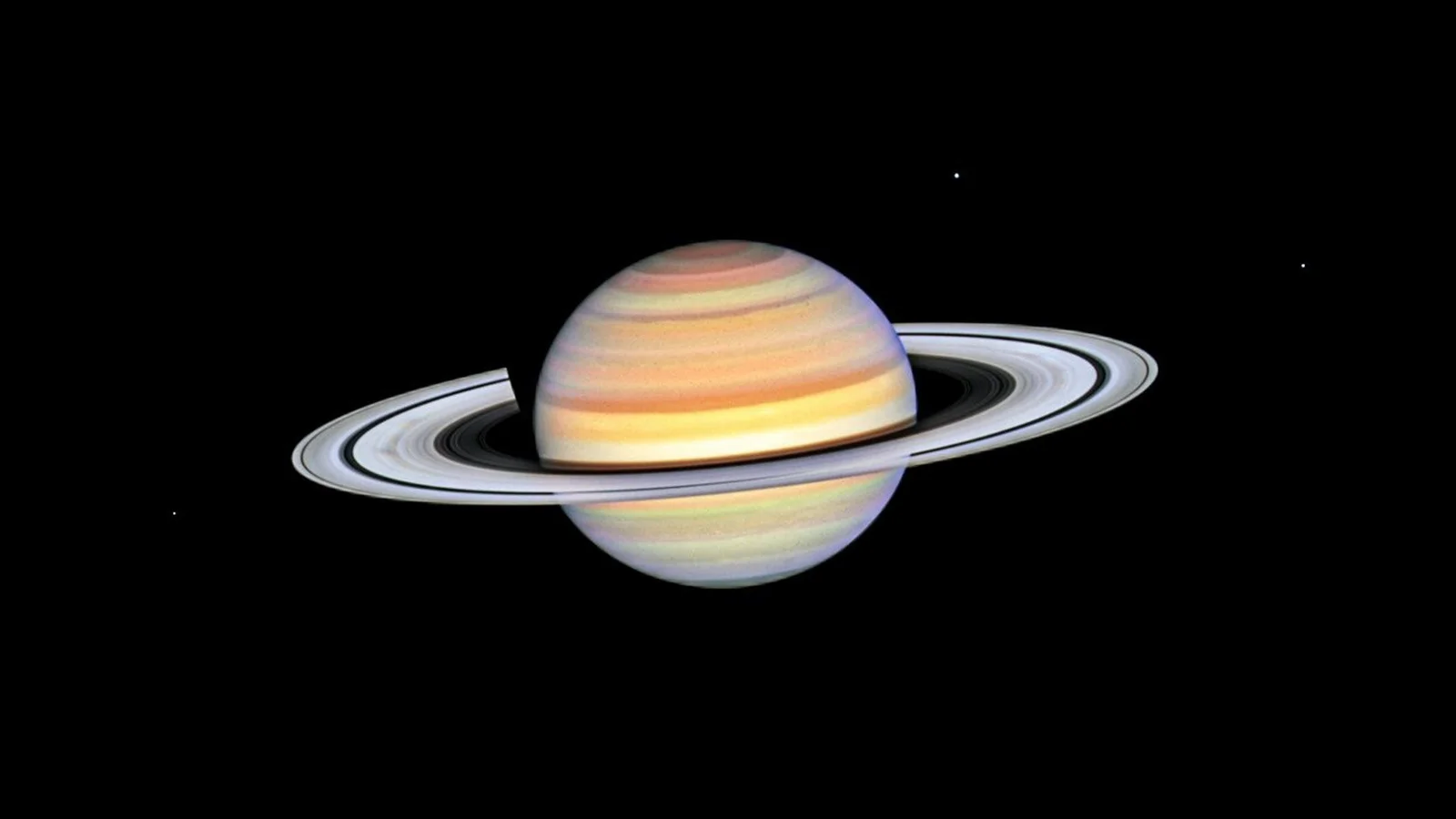
NASA's James Webb Space Telescope has discovered two mysterious atmospheric phenomena on Saturn—dark beads in the ionosphere and an asymmetric star-shaped pattern in the stratosphere—that defy current scientific understanding, suggesting new, unexplored dynamics in planetary atmospheres.
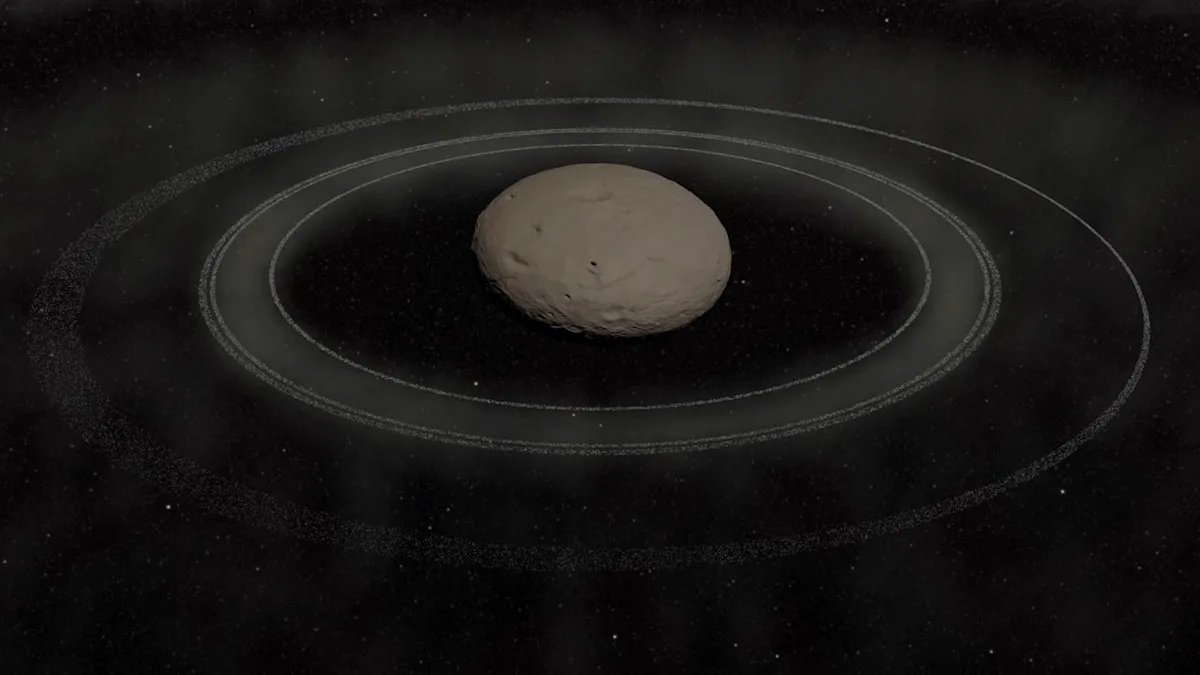
Astronomers have observed a small icy world, Chiron, building its own rings in real time, providing a rare glimpse into the process of ring formation around small celestial bodies, which may also shed light on how larger planetary rings formed billions of years ago.
On October 11, 2025, Venus in Virgo opposes retrograde Saturn in Pisces, marking the final of three karmic lessons in love for each zodiac sign, encouraging reflection on growth since 2023 and guiding towards healthier relationships.
Research suggests Saturn's moon Mimas may have a young, buried subsurface ocean, formed by gravitational interactions with Saturn that generate heat, with evidence from crust thickness and crater analysis supporting this possibility. Future missions could potentially detect this ocean by measuring heat flow beneath the ice shell.
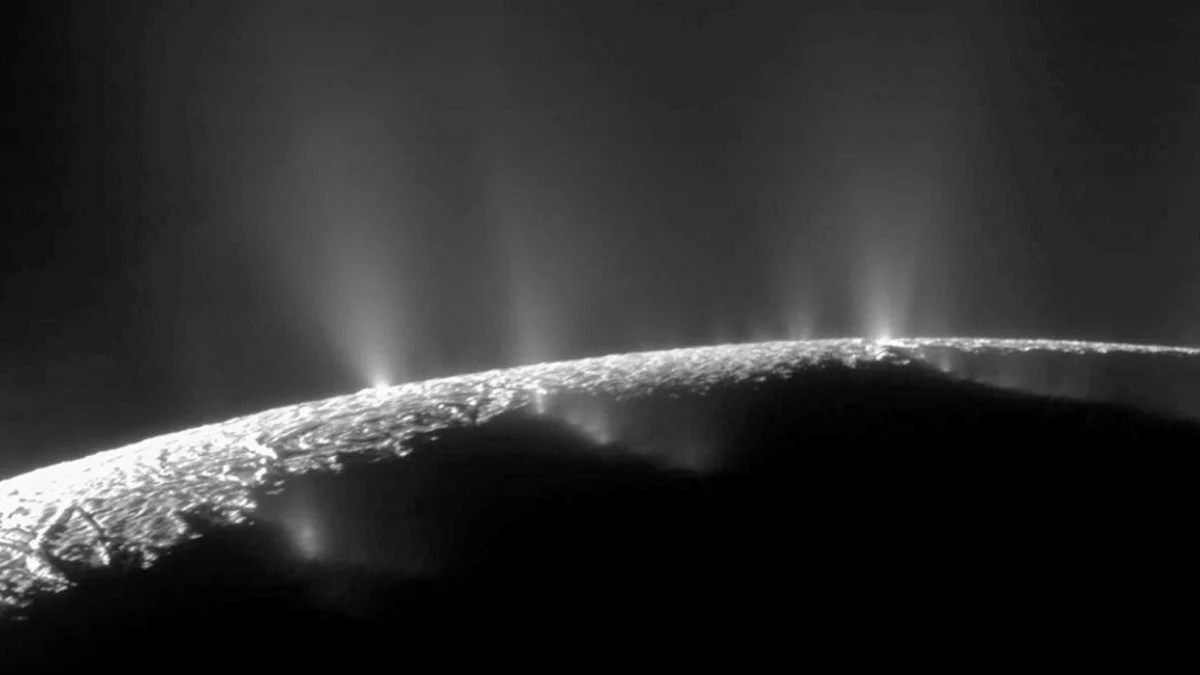
Astronomers have found complex organic molecules in Saturn's moon Enceladus, suggesting it may be a promising candidate in the search for extraterrestrial life, based on data from the Cassini spacecraft indicating chemical reactions in its underground ocean. While not confirming life, these findings increase the moon's habitability potential, prompting interest in future missions.
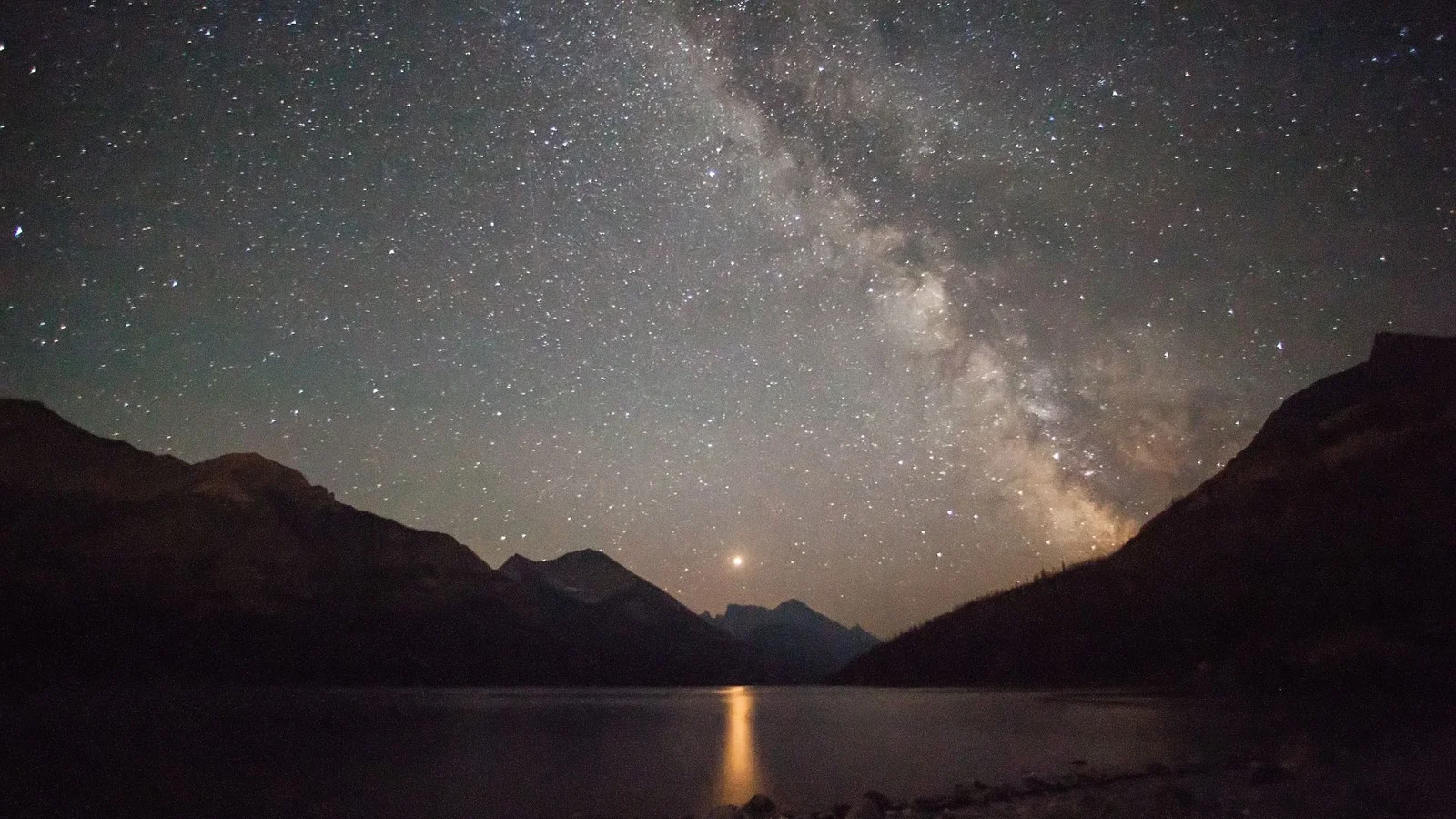
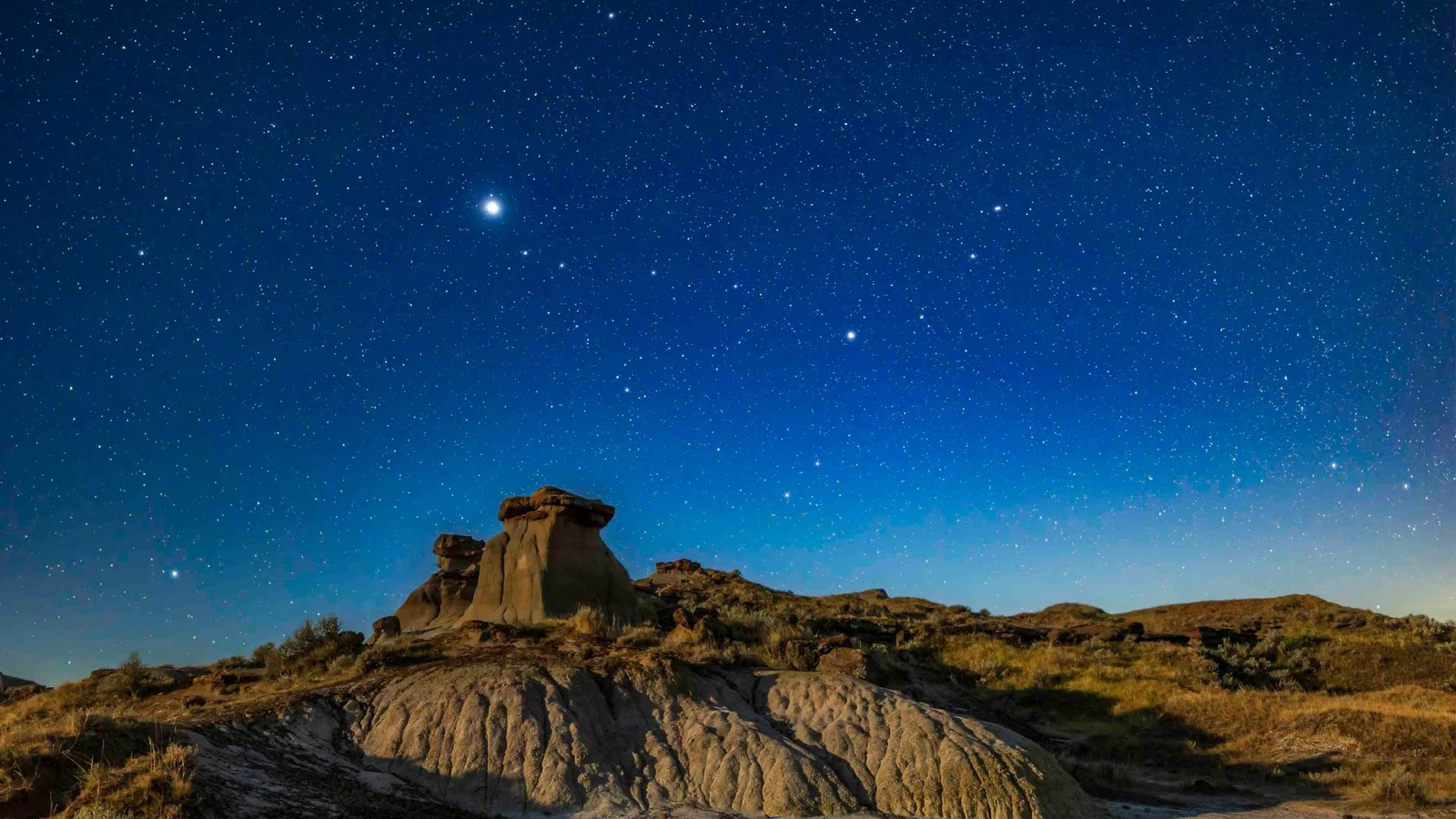
On October 5, viewers can observe a sky event where the moon and Saturn appear close together, with Saturn just below the moon, offering a great opportunity for stargazing and telescope viewing of Saturn's rings, which are currently nearly edge-on and will become more visible in the coming years.
Recent analysis of data from NASA's Cassini spacecraft provides stronger evidence that Saturn's moon Enceladus has a subsurface ocean containing complex organic molecules, making it a promising candidate in the search for extraterrestrial life, although no direct signs of life have been found yet.
Scientists have found evidence of complex organic molecules in the hidden ocean beneath Saturn's moon Enceladus, suggesting it has the right conditions to support life, although it remains unconfirmed if life exists there. The discovery was made through analysis of ice particles collected by the Cassini spacecraft, highlighting the moon's potential habitability and the importance of future missions to explore its environment.
Scientists analyzing data from NASA's Cassini spacecraft have found complex organic molecules in the plumes of Saturn's moon Enceladus, suggesting the presence of a potentially habitable environment in its subsurface ocean, although further direct sampling is needed to confirm this.
The European Space Agency plans a long-term mission to Saturn's moon Enceladus, aiming to study its subsurface ocean and potential habitability, with a launch targeted around 2042 and a landing around 2058, involving advanced technologies and international collaboration.
The James Webb Space Telescope has captured unprecedented images of Saturn's upper atmosphere, revealing mysterious 'dark beads' in its auroras and a lopsided star-shaped pattern near the pole, features that are currently unexplained and could provide insights into the planet's magnetic and atmospheric interactions.
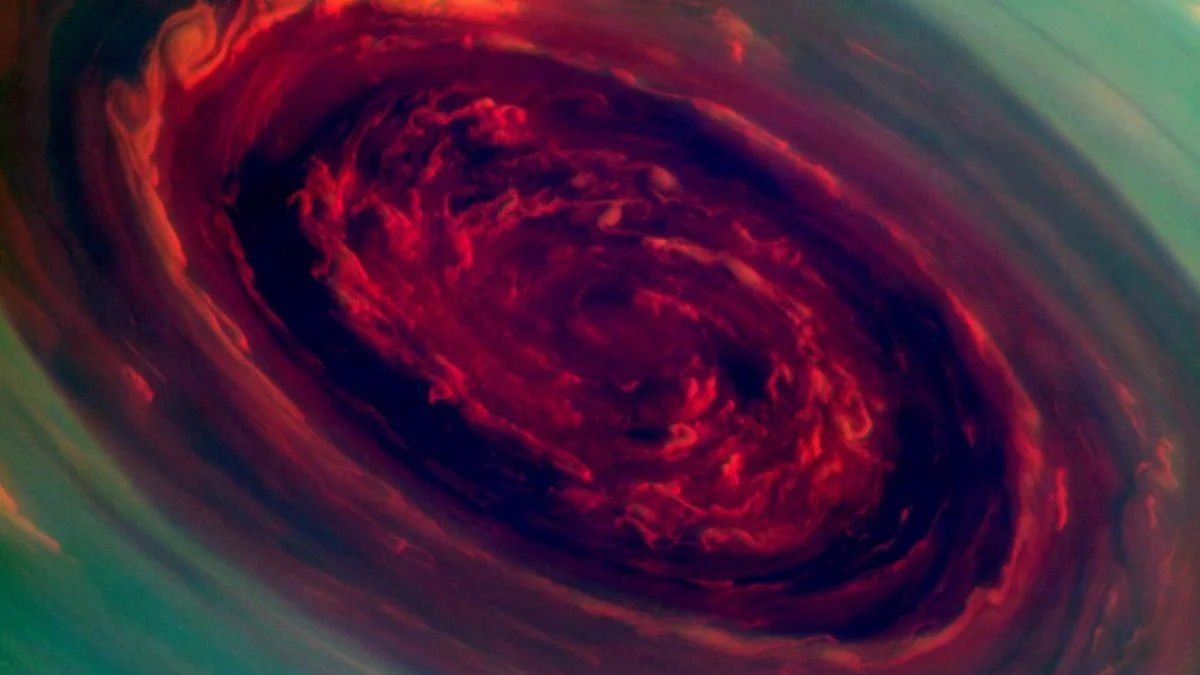
The James Webb Space Telescope has discovered mysterious dark bead-like structures and an unusual star-shaped formation in Saturn's atmosphere, potentially linked to its iconic hexagon storm, revealing new insights into the planet's atmospheric dynamics and magnetosphere interactions.