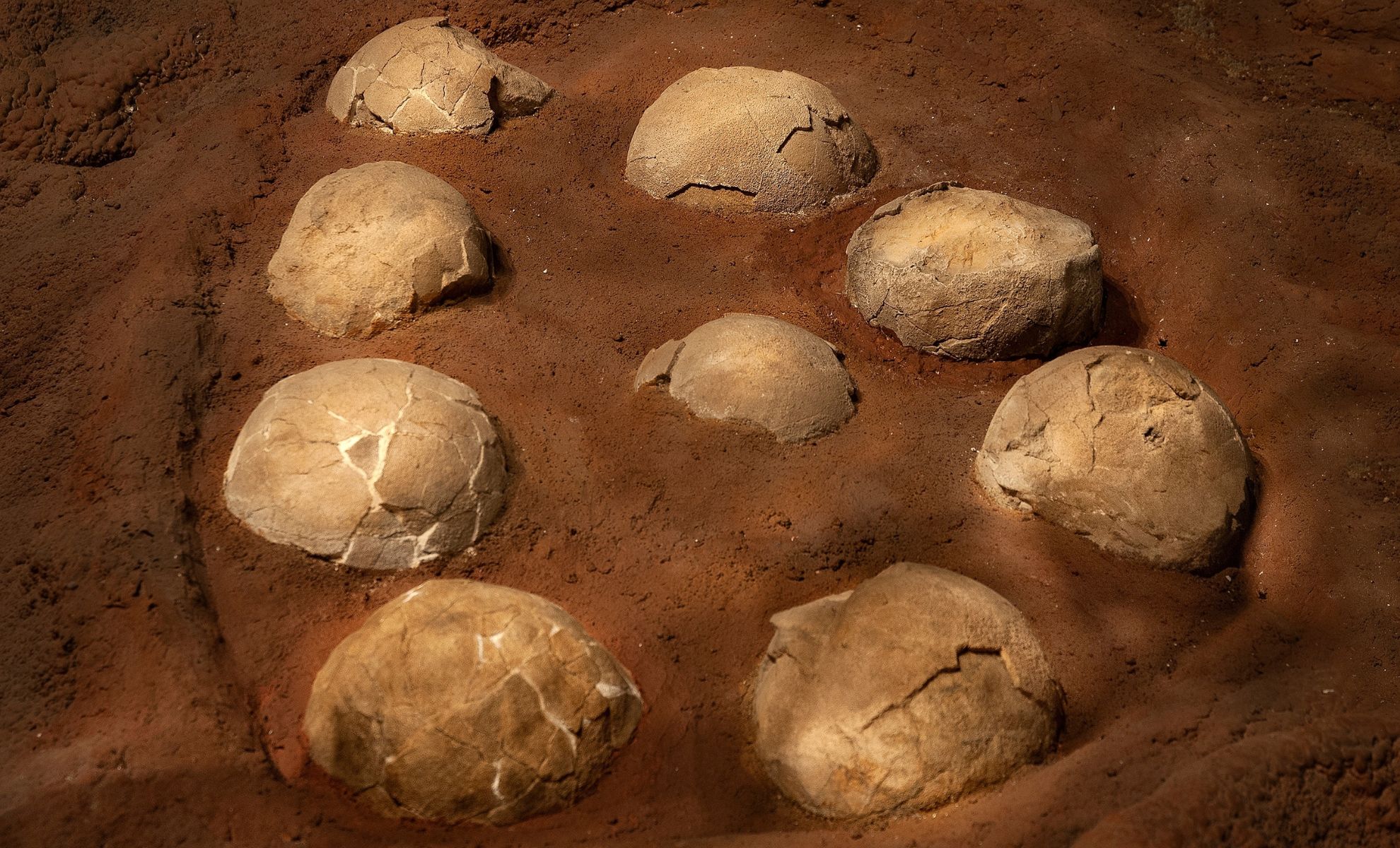
Scientists have developed a new method of dating dinosaur eggshells using uranium-lead decay, allowing for precise age determination of fossils even in the absence of volcanic ash, which could revolutionize paleontological research and provide accurate timelines for ancient ecosystems.
A new method using uranium-lead dating on fossilized dinosaur eggshells allows for more accurate dating of fossil sites, helping to better understand dinosaur evolution and geological timelines, especially in areas lacking volcanic ash layers.
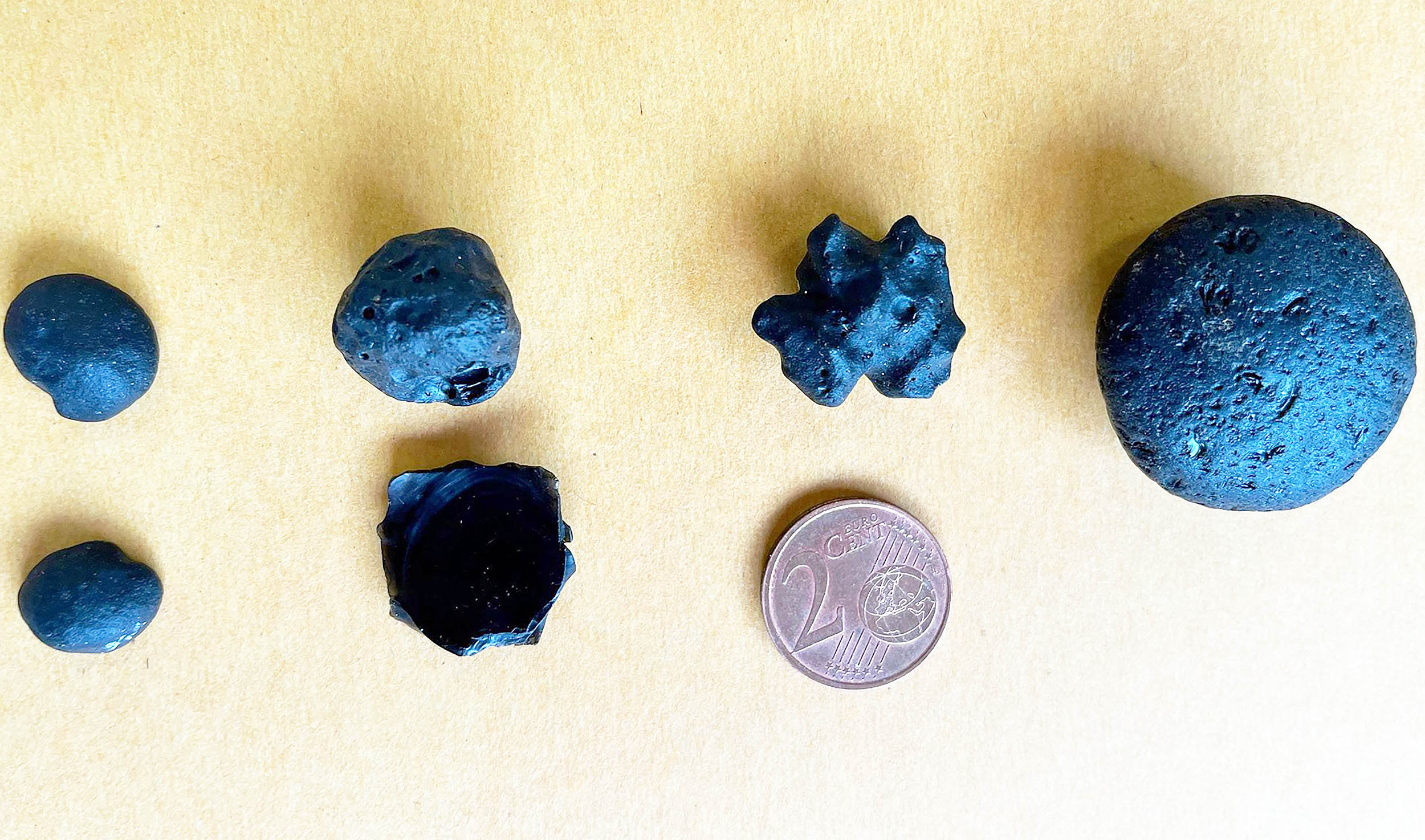
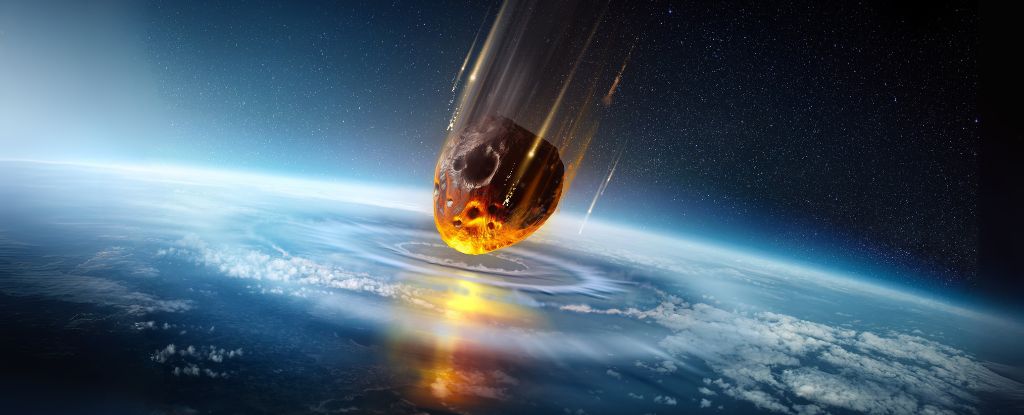
Scientists discovered unique impact glass in South Australia, dating back about 10.76 million years, indicating a previously unknown asteroid impact that created a strewn field over a large area, with no visible crater found yet.
Researchers have precisely dated the colonization of microbial life in the hydrothermal system of a 78-million-year-old impact crater in Finland, showing microbes thrived for millions of years after the asteroid impact, providing insights into life's resilience and implications for astrobiology.
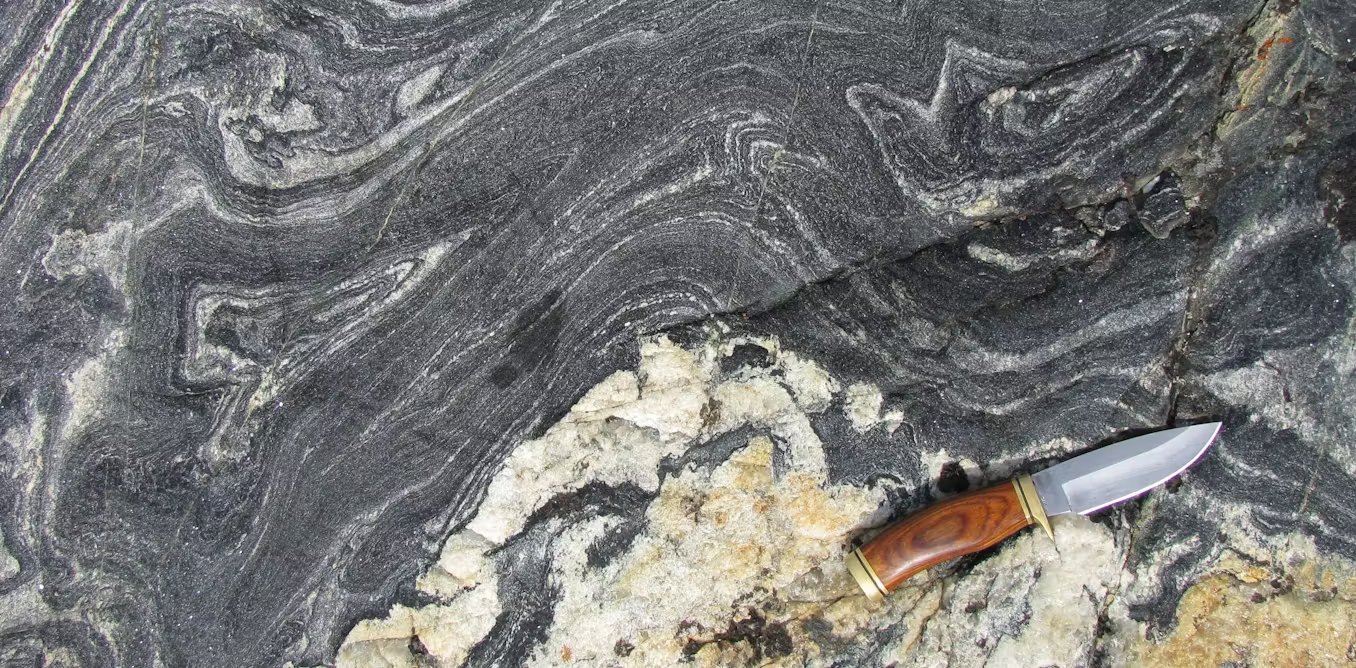
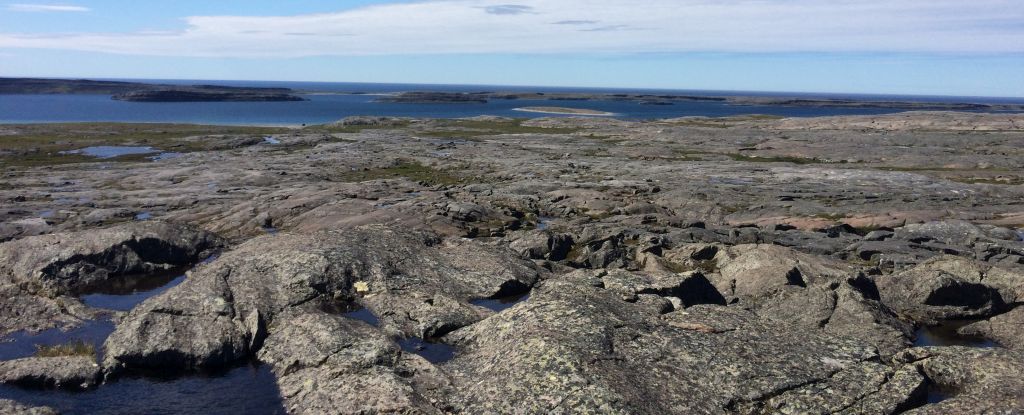
Scientists have confirmed that the oldest rocks on Earth, located in northern Québec's Nuvvuagittuq Greenstone Belt, are over 4.16 billion years old, providing rare insights into Earth's earliest history and the conditions during the Hadean Eon.
A new dating analysis suggests that parts of the Nuvvuagittuq Greenstone Belt in Canada are as old as 4.16 billion years, making it one of the oldest known surface rocks on Earth and providing valuable insights into Earth's early history.
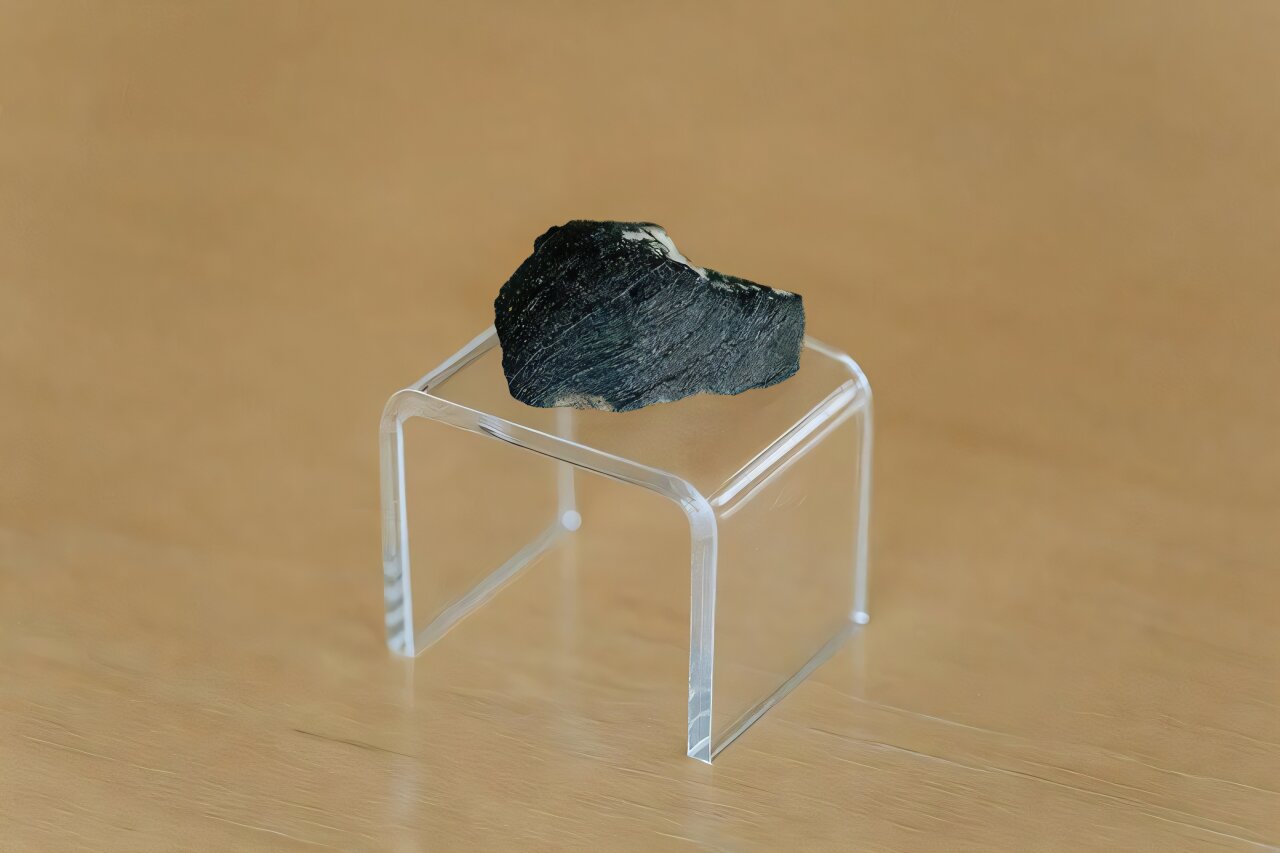
Scientists have determined that the Lafayette Meteorite, a piece of Mars that landed on Earth, contains minerals formed by interaction with liquid water on Mars 742 million years ago. This discovery suggests that the water likely originated from melting subsurface ice due to magmatic activity. The research, led by Purdue University, provides a robust method for dating such interactions, offering insights into Mars' geologic past.
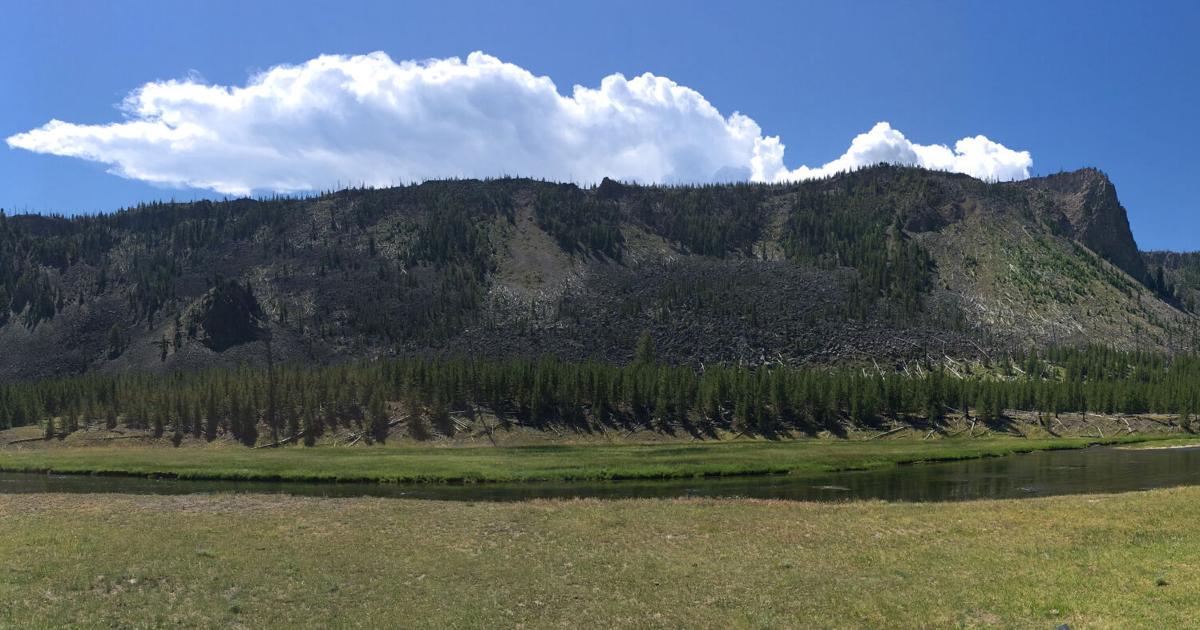
Recent research using 40Ar/39Ar geochronology has revealed that Yellowstone's intracaldera rhyolite eruptions, occurring over the past 160,000 years, were more dramatic than previously believed. The study found that these eruptions occurred in five brief episodes, involving multiple eruptions spread over several kilometers to tens of kilometers, with each episode lasting a maximum of 400 years. The results suggest that intracaldera eruptions can involve multiple simultaneous eruptions and are less frequent than previously thought, shedding new light on the volcanic activity at Yellowstone.
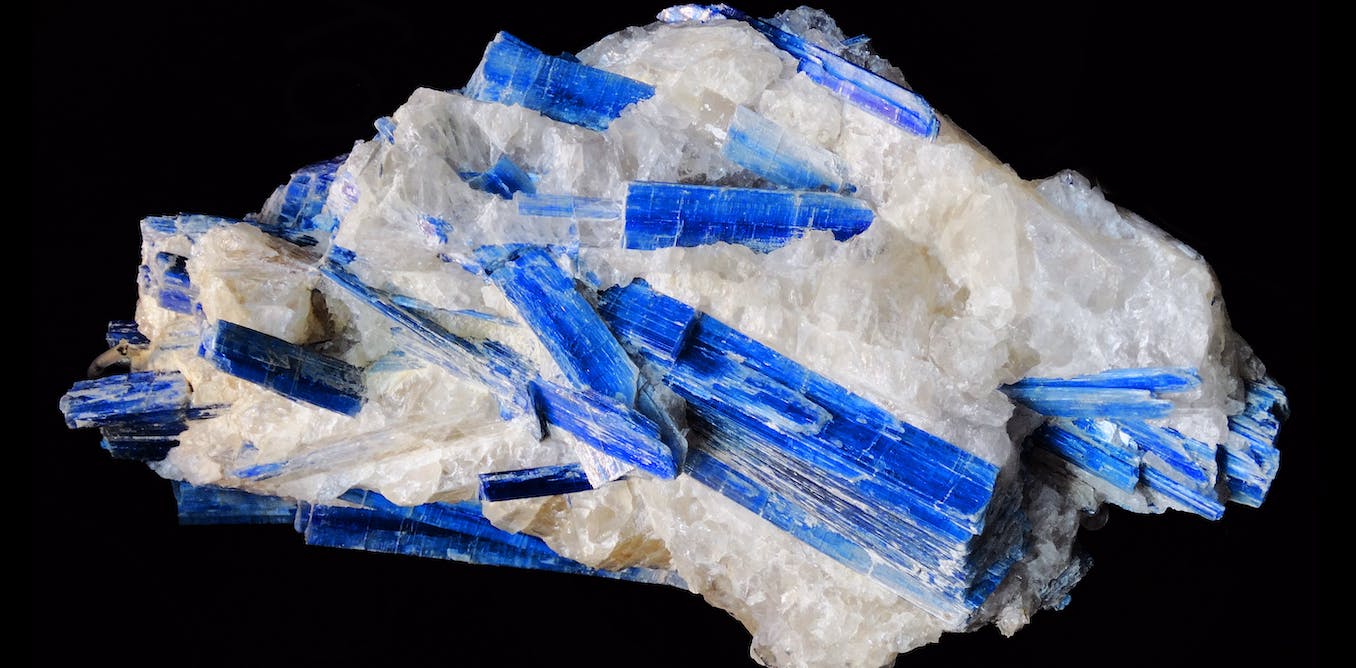
Crystals form when molecules with similar properties come together and stick, forming chemical bonds. They require special conditions and a nucleation site to grow on. Crystals can form from dissolved molecules in water or from cooling magma. Different types of crystals can provide valuable information to scientists, such as the age of rocks and environmental conditions. Some crystals grow through metamorphism, and larger crystals can form when there is more space for growth. Certain crystals are also used as gemstones for jewelry.
Scientists studying Yellowstone's volcanic history have gained new insights into the timing and nature of the park's rhyolite eruptions. Using a radiometric dating technique called 40Ar/39Ar geochronology, researchers found that the most recent stage of intracaldera rhyolite eruptions occurred in five brief episodes between 160,000 and 71,000 years ago. These episodes involved multiple eruptions spread out over several kilometers and released between 10 km3 and 130 km3 of magma. The findings suggest that intracaldera eruptions are more dramatic and less frequent than previously thought, with implications for understanding volcanic hazards at Yellowstone.
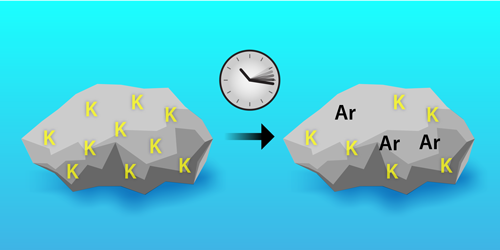
Researchers have made the first direct observation of a rare decay mode of potassium-40 to argon-40, which has implications for fundamental physics and the dating of rocks. Potassium-40 is a common isotope that decays to produce argon-40, and its decays are used in geochronology to determine the age of rocks. The measured decay rate suggests a smaller probability of this decay mode than previously assumed, requiring corrections to some potassium-argon ages. However, the impact on argon-argon dating, a relative technique, will be limited. The findings highlight the need for accurate measurements of decay rates and branching ratios in the decay of potassium-40 to argon-40 for improved geochronology.