
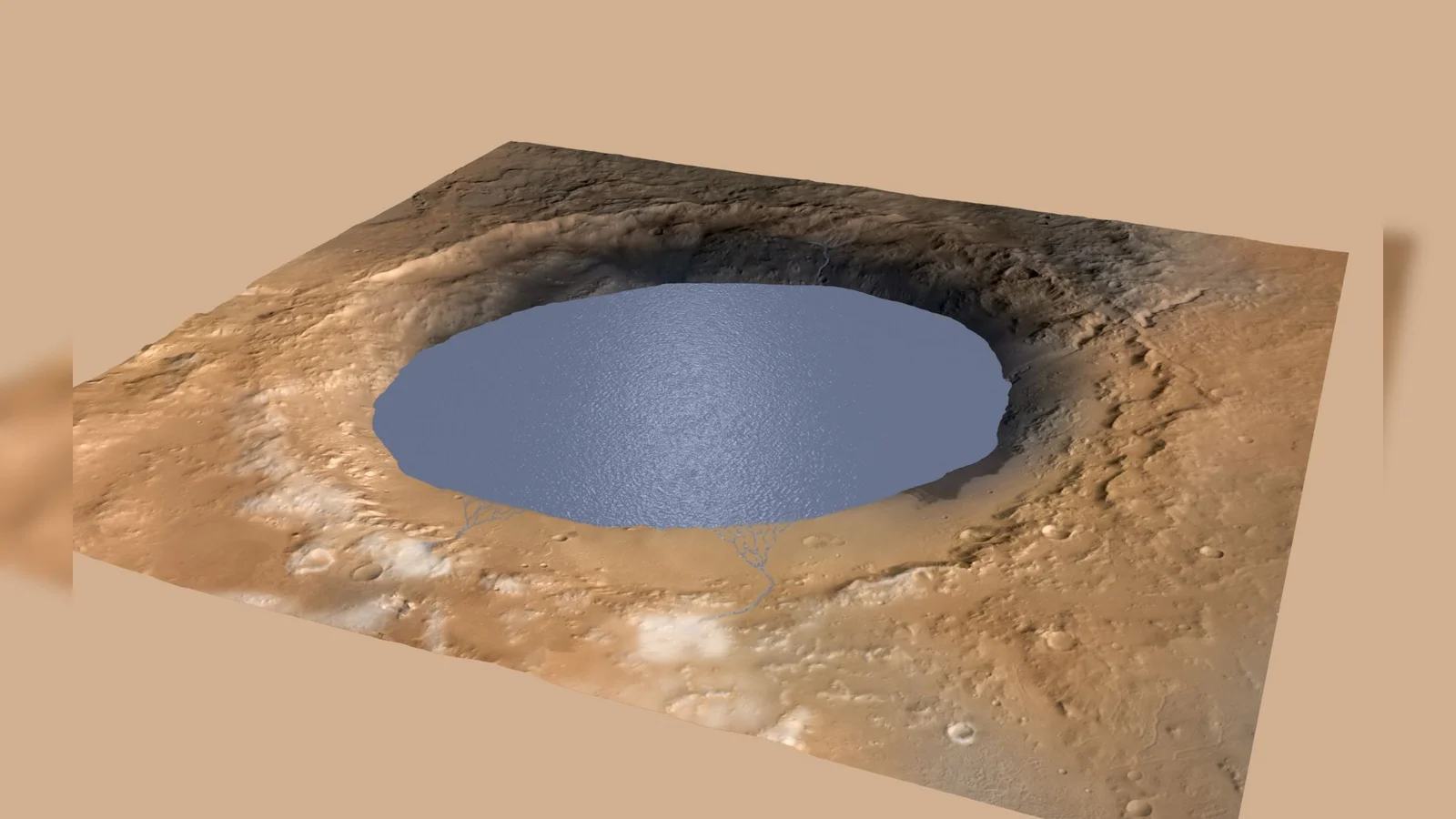
Ice blankets could keep ancient Martian lakes liquid while the planet froze
A LakeM2ARS modeling study using Curiosity data from Gale crater simulated 64 possible ancient Martian lakes over 30 Martian years each (about 56 Earth years). In some cases the lakes froze solid in winter; in others a thin ice lid formed and melted seasonally, insulating the water below and allowing long-term liquid water despite a cooling climate. This mechanism helps explain how liquid water persisted on early, colder Mars and supports the idea that habitable, water-bearing environments could endure even as the planet grew freezing, without requiring a globally warm Mars.