Tag

Habitability

All articles tagged with #habitability

Inside-Out Exoplanet System Upends Formation Theory
world14 days ago

Inside-Out Exoplanet System Upends Formation Theory

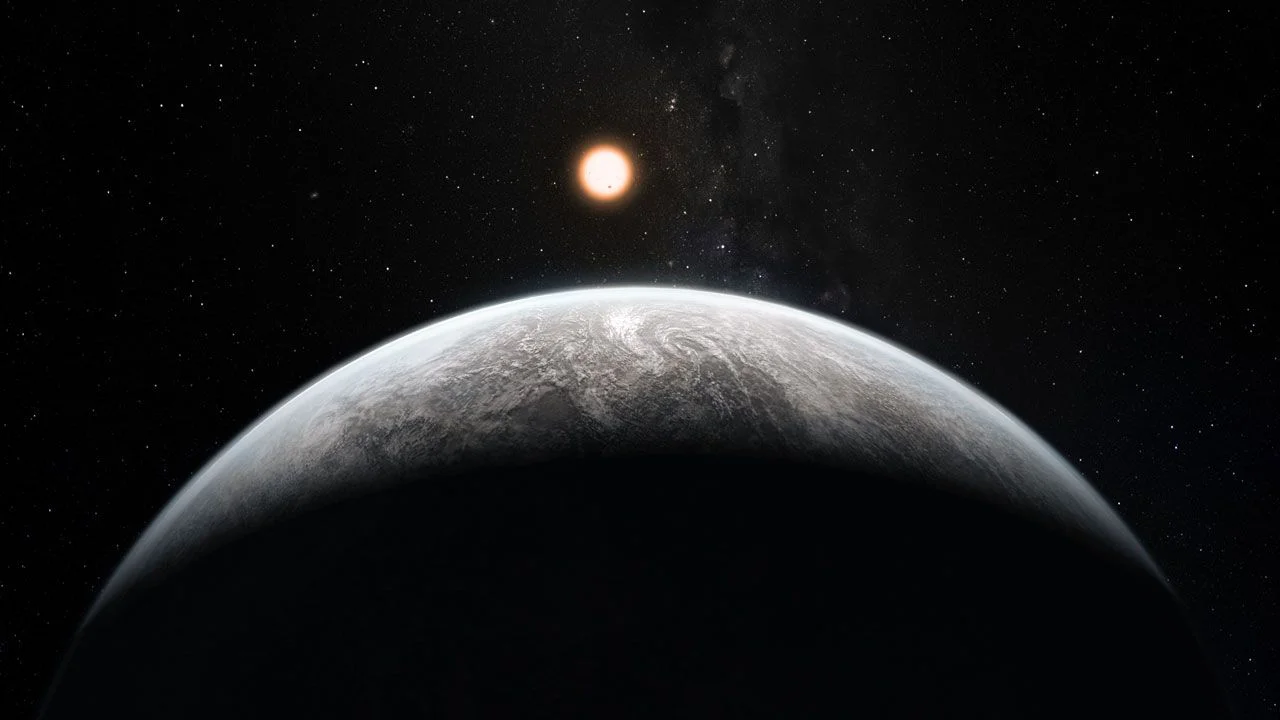
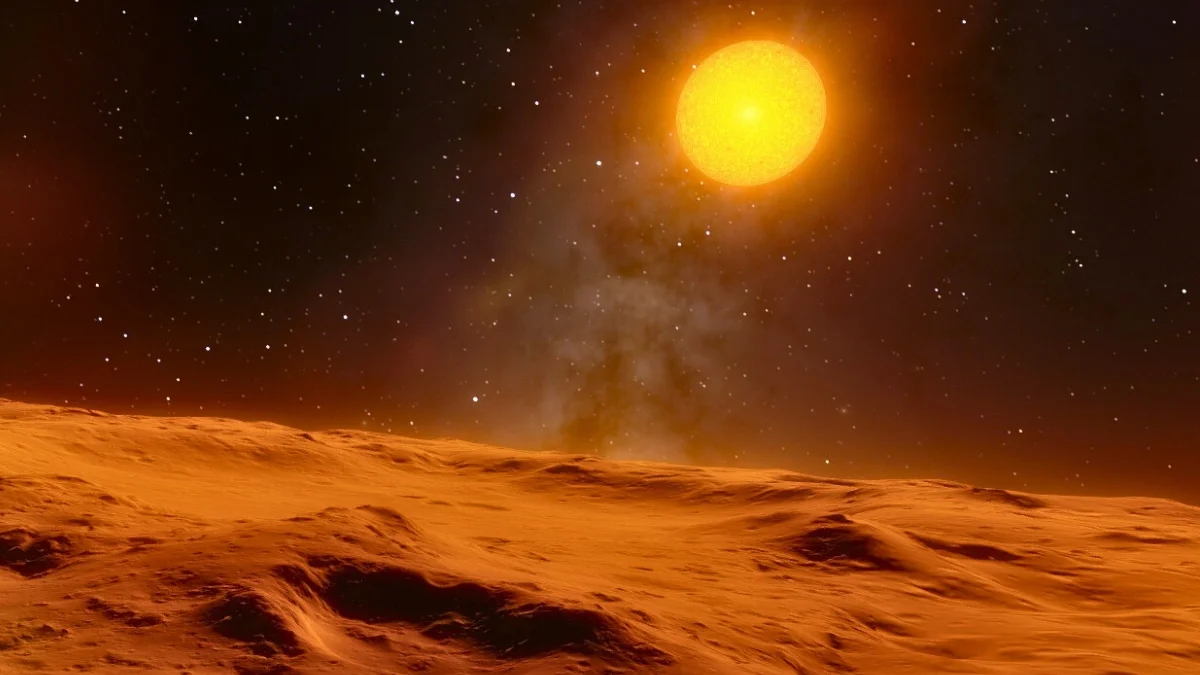
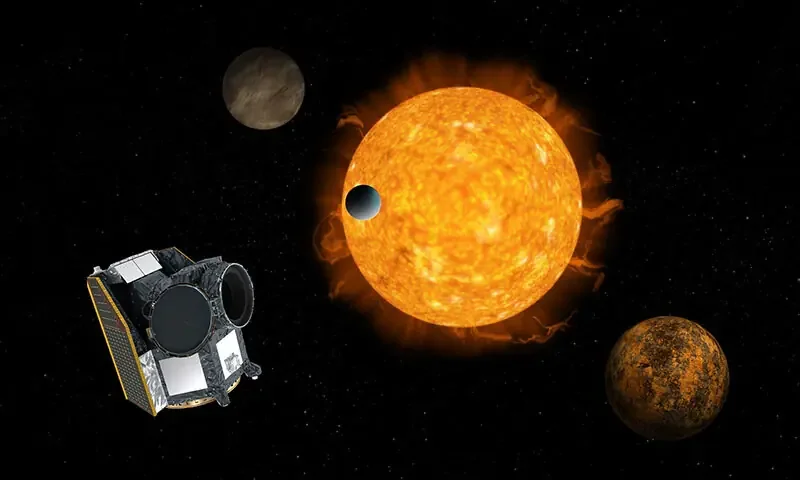
CHEOPS observations reveal four planets orbiting the red dwarf LHS 1903 far closer to their star than Mercury is to the Sun: two rocky super-Earths and two gaseous mini-Neptunes. The outermost planet, surprisingly rocky, challenges standard models that predict rocky worlds close in and gas giants farther out, suggesting an 'inside-out' assembly in which gas was depleted by inner planets or the atmosphere was stripped after formation. With a mass of about 5.8 Earth masses and a surface temperature around 60°C, it could be marginally habitable, and future JWST studies could probe its atmosphere.
Europa’s Ice Shell Is Much Thicker Than We Thought, New Juno Data Show
space-and-spaceflight1 month ago

Europa’s Ice Shell Is Much Thicker Than We Thought, New Juno Data Show

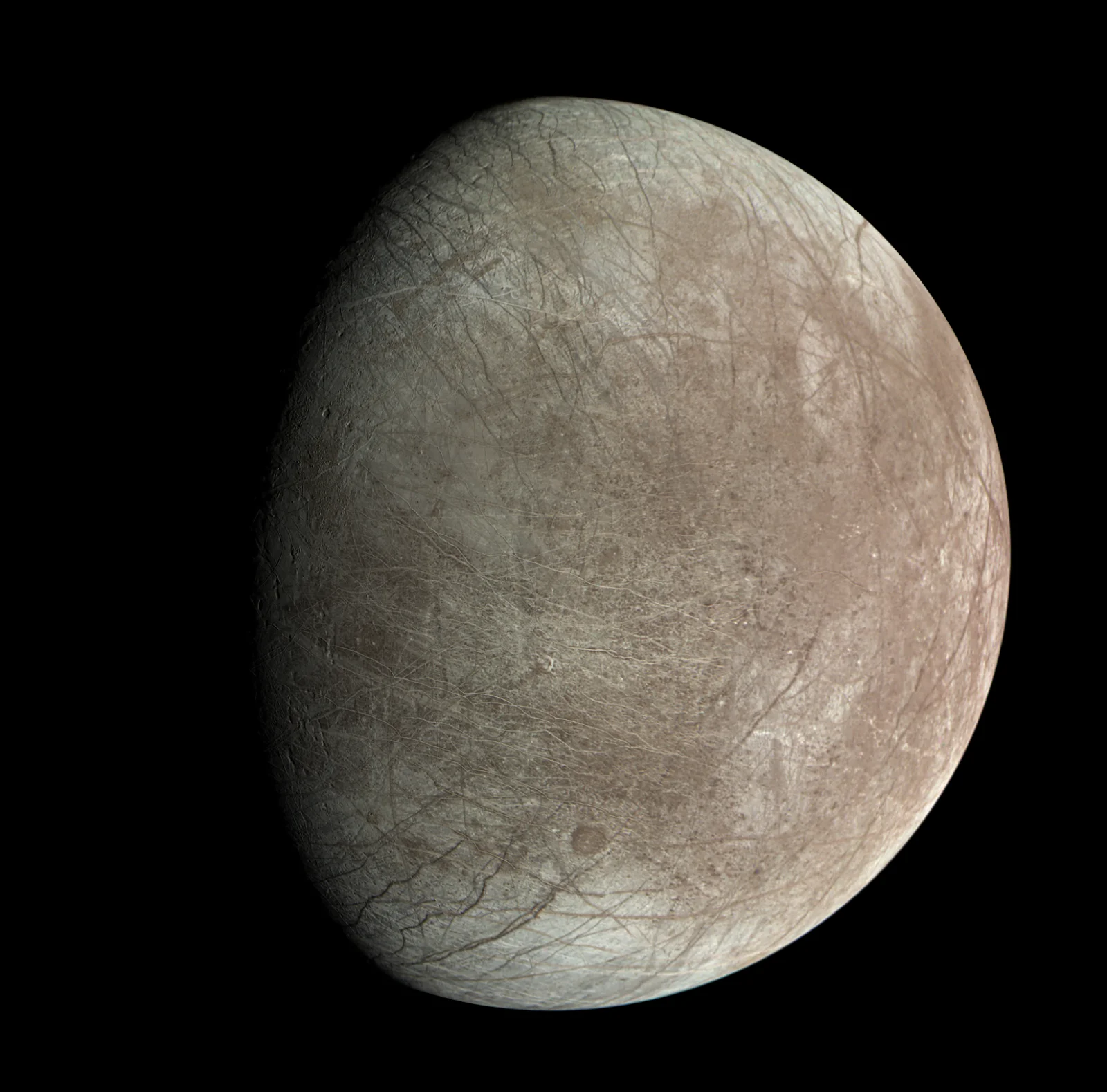
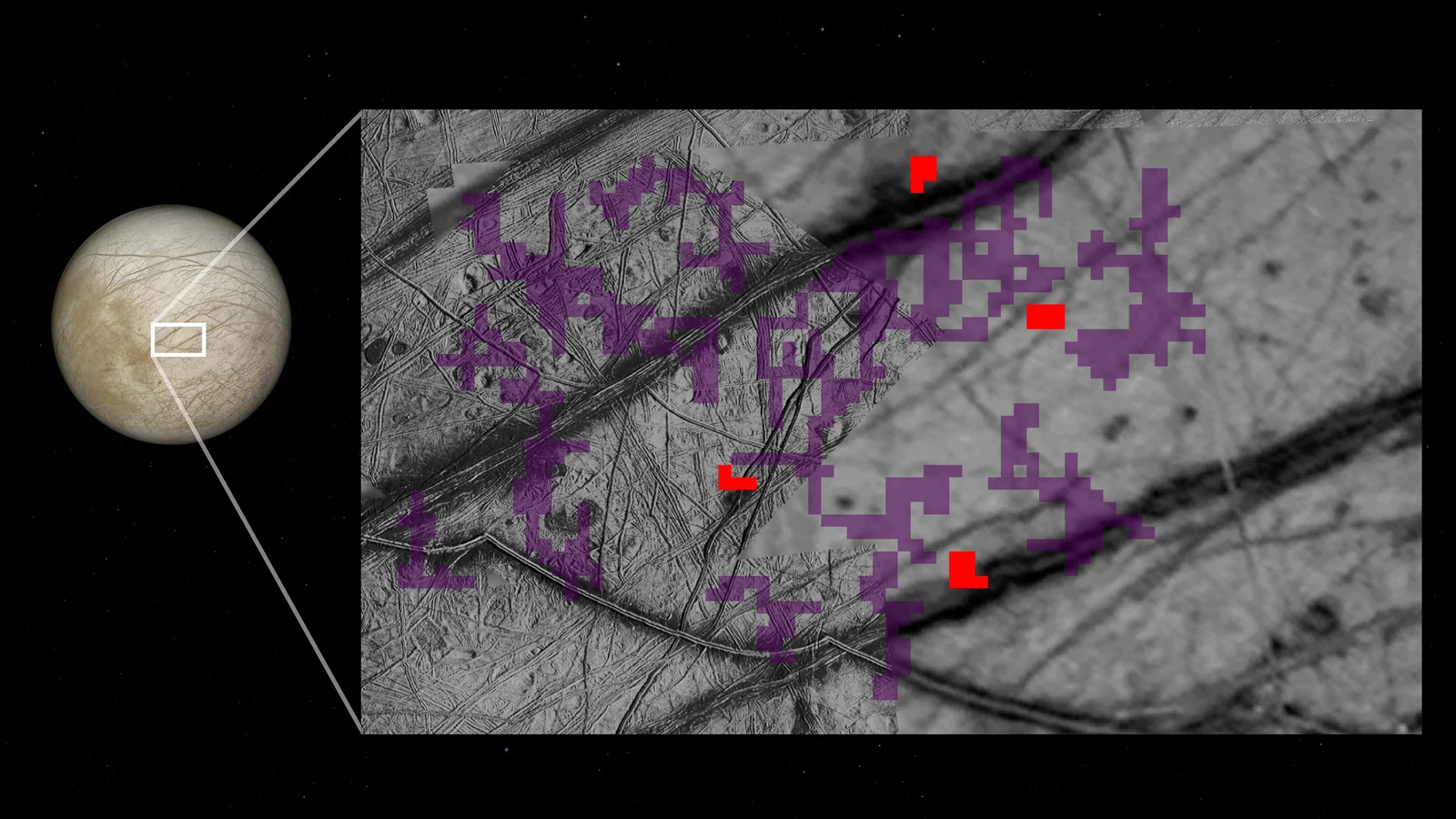
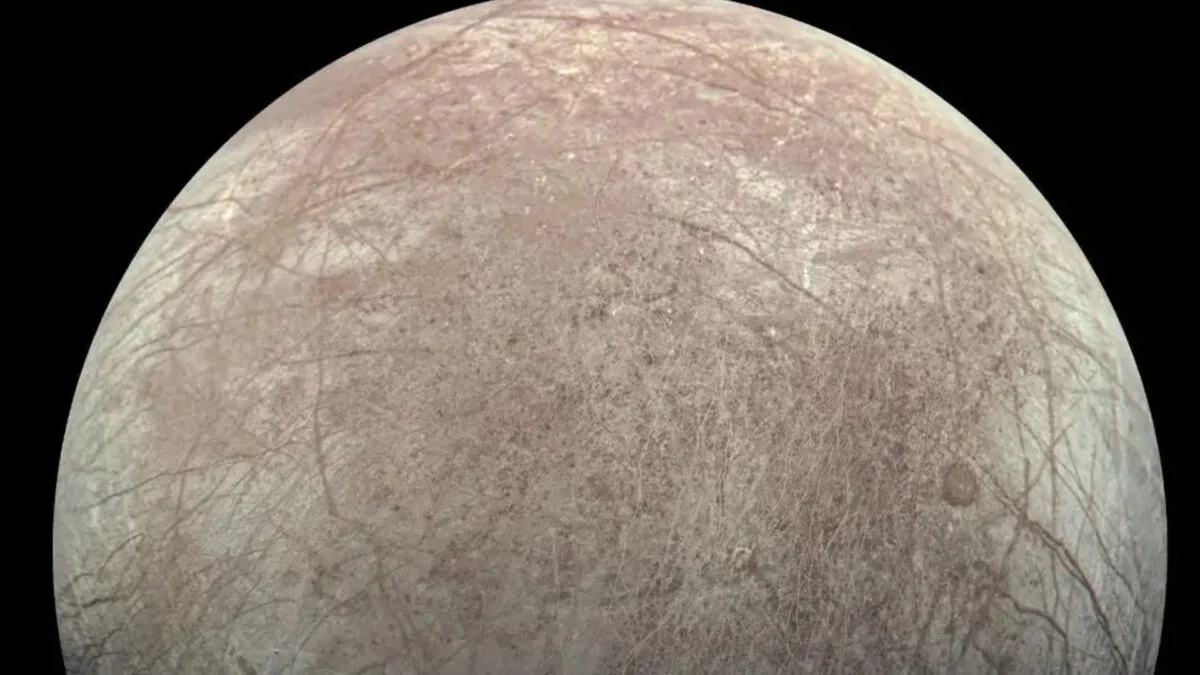
A 2022 Juno flyby analysis estimates Europa’s ice shell in the observed region to be about 29 kilometers (18 miles) thick on average. If a warmer, convective inner layer exists, the total thickness could be greater; the presence of dissolved salt could reduce thickness by roughly 4.8 kilometers. Near-surface “scatterers” (cracks/pores) are likely small and not major pathways for exchange with the ocean. These findings help constrain how the subsurface ocean might connect to the surface and inform upcoming Europa Clipper and Juice missions in assessing the moon’s habitability.

Juno Estimates Europa’s Ice Shell at 29 Kilometers, Hinting at a Deeper Ocean
space1 month ago

Juno Estimates Europa’s Ice Shell at 29 Kilometers, Hinting at a Deeper Ocean

NASA’s Juno used its Microwave Radiometer to measure Europa’s near-surface ice shell during a 2022 flyby, finding an average thickness of about 29 km (18 miles) in the observed region and favoring thicker-shell models; if a salty layer exists, thickness could be reduced by about 3 miles. The data also reveal small near-surface scatterers—cracks and pores—not likely to provide major nutrient pathways to the subsurface ocean, with implications for future Europa Clipper and Juice missions.

Basal magma oceans could power magnetic shields on super-Earths, boosting habitability
space1 month ago

Basal magma oceans could power magnetic shields on super-Earths, boosting habitability

A Nature Astronomy study suggests that some super-Earths (about 3–6 times Earth's mass) may sustain long‑lived magnetic fields not from a core dynamo but from a basal magma ocean layer between the core and mantle, potentially protecting atmospheres and improving habitability; while detecting such fields remains challenging, future observations could test this BMO‑driven dynamo scenario.

New Insights into Planetary Tectonics and Habitability
science3 months ago

New Insights into Planetary Tectonics and Habitability

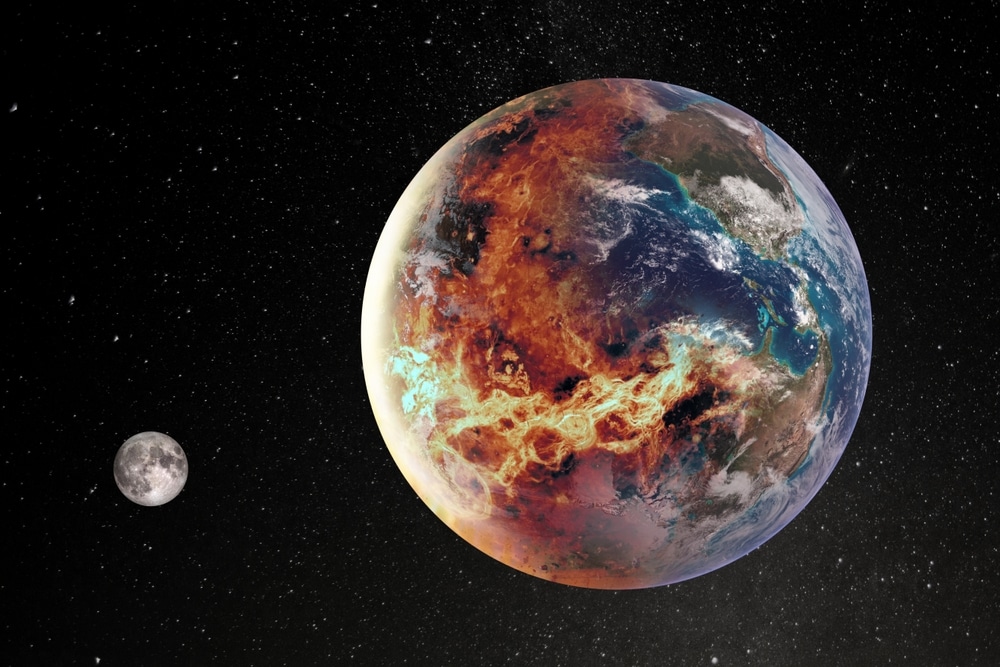
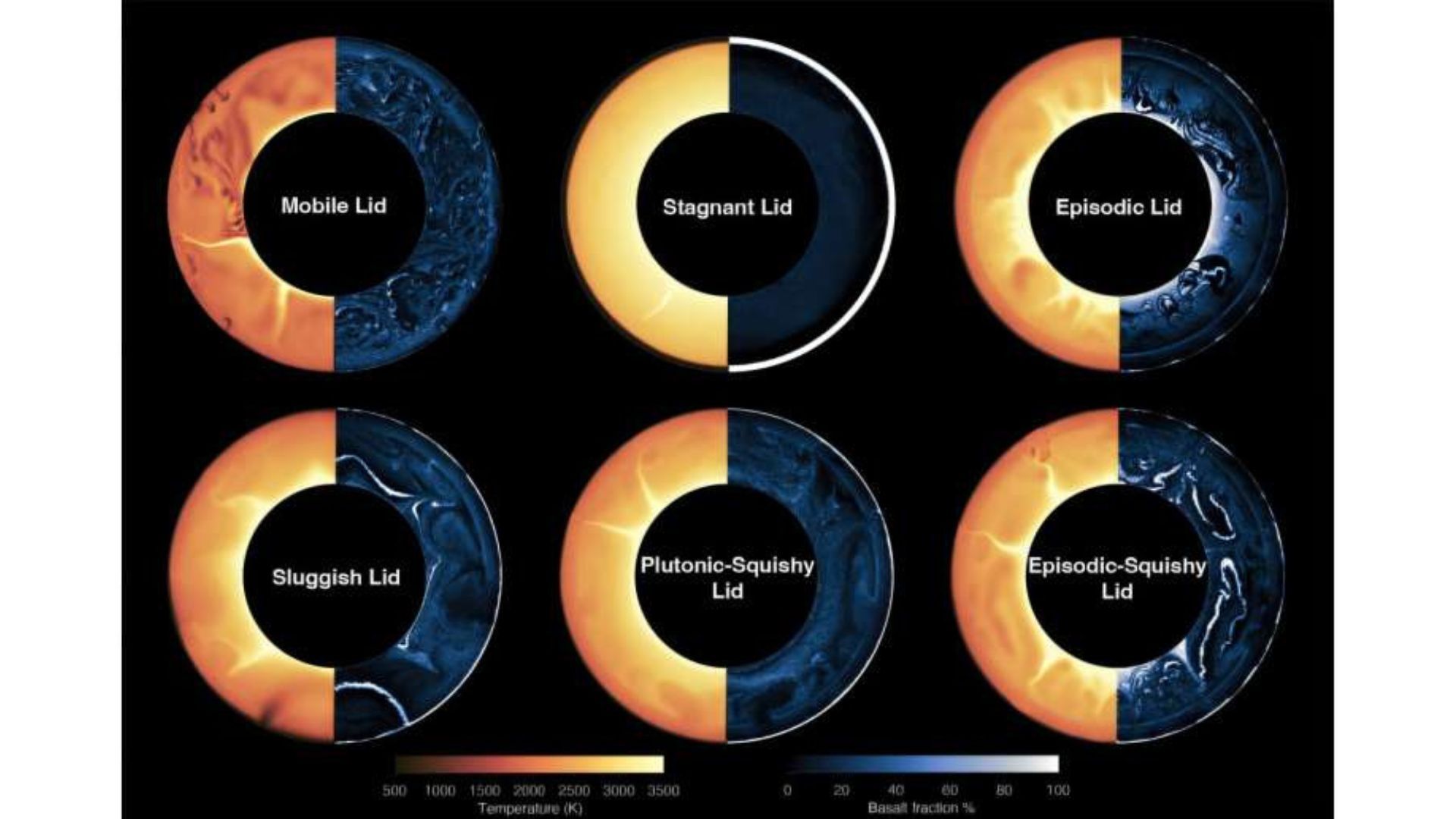
Scientists have identified a new tectonic regime called the 'episodic-squishy lid' that could explain how planets like Earth and Venus evolve differently, impacting their habitability. This regime describes a planet's outer shell cycling between quiet and active phases, which may have played a role in Earth's development of plate tectonics and could help identify potentially habitable exoplanets. The findings, published in Nature Communications, offer new insights into planetary geology and the conditions that support life.