Scientists suggest that a collision between proto-Earth and a Mars-sized body called Theia not only formed Earth but also delivered essential volatile elements like water, creating conditions conducive to life. Recent research indicates Earth was initially dry and hot, with the impact providing the chemical richness necessary for life's emergence, although water alone did not trigger life.
Scientists have found complex organic molecules around a protostar in Orion, suggesting that the building blocks of life may form in space and survive star formation processes, potentially spreading throughout the cosmos.
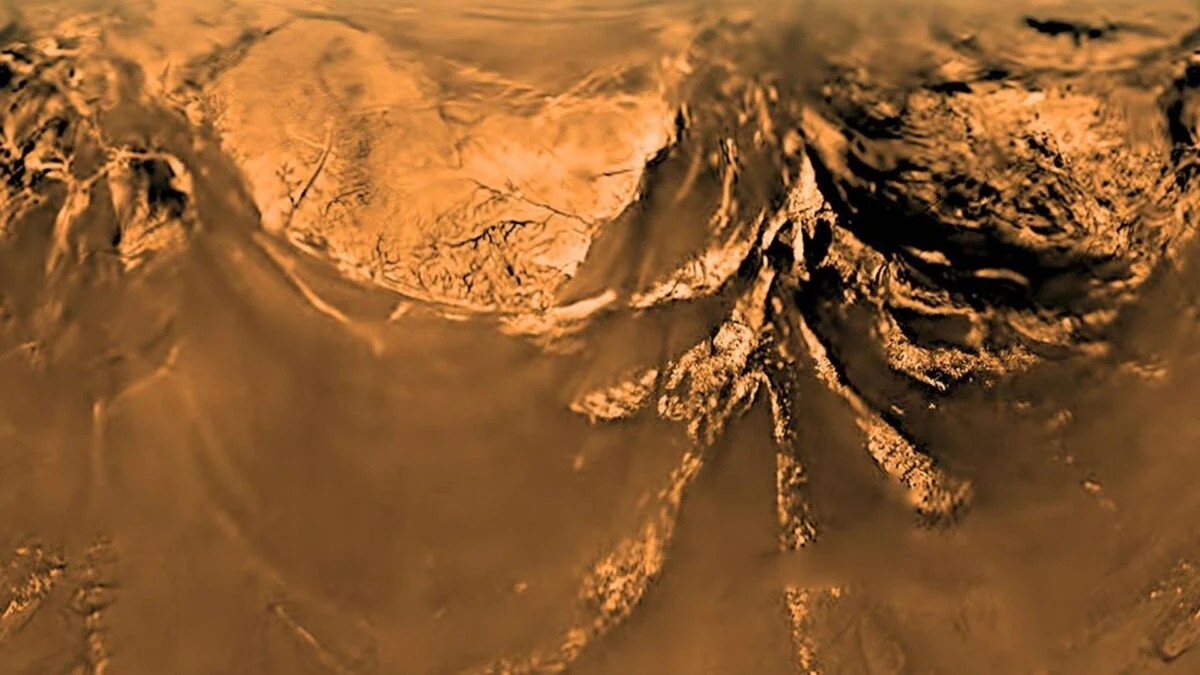
Scientists suggest that bubble-like vesicles could naturally form in Titan's methane lakes, potentially serving as precursors to life, which enhances the moon's candidacy as a site for extraterrestrial life; NASA's upcoming Dragonfly mission aims to explore this intriguing environment further.
A study by UCLA and NASA's Goddard Space Flight Center challenges the traditional view of life's molecular origins, suggesting early RNA structures were more flexible in their chirality preferences than previously thought. This finding implies that life's building blocks on Earth may not have been strictly "left-handed" or "right-handed," as once believed, and could have evolved through environmental pressures rather than chemical determinism. The research has significant implications for understanding life's origins and the search for extraterrestrial life, suggesting that life elsewhere might not conform to Earth's chiral norms.
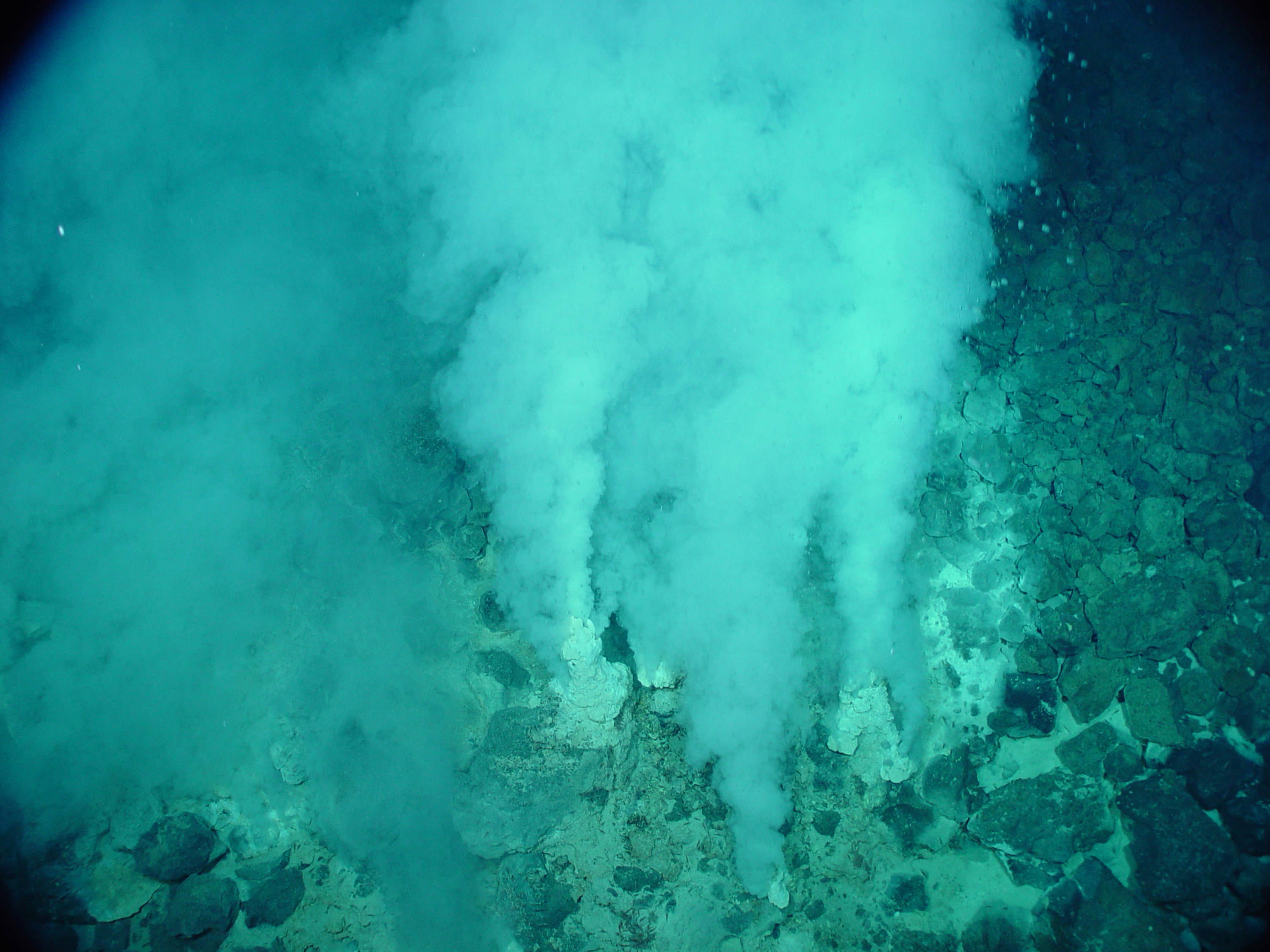
Chinese scientists have discovered abiotic organic compounds in the oceanic crust of the Southwest Indian Ridge, providing insights into deep-sea carbon cycles and the origins of life. This research, published in PNAS, highlights the role of mineral-catalyzed reactions in forming complex organic compounds, which could inform the search for life on other planets. The study combines multimodal microanalysis and density functional theory to explore abiotic organic synthesis, emphasizing the catalytic role of goethite in these processes.
A new study published in Nature Geoscience reveals that fresh water and dry land existed on Earth 4 billion years ago, half a billion years earlier than previously thought. This discovery, based on the analysis of ancient zircon crystals from the Jack Hills in Western Australia, provides crucial insights into the early conditions that could have supported the emergence of life on our planet.
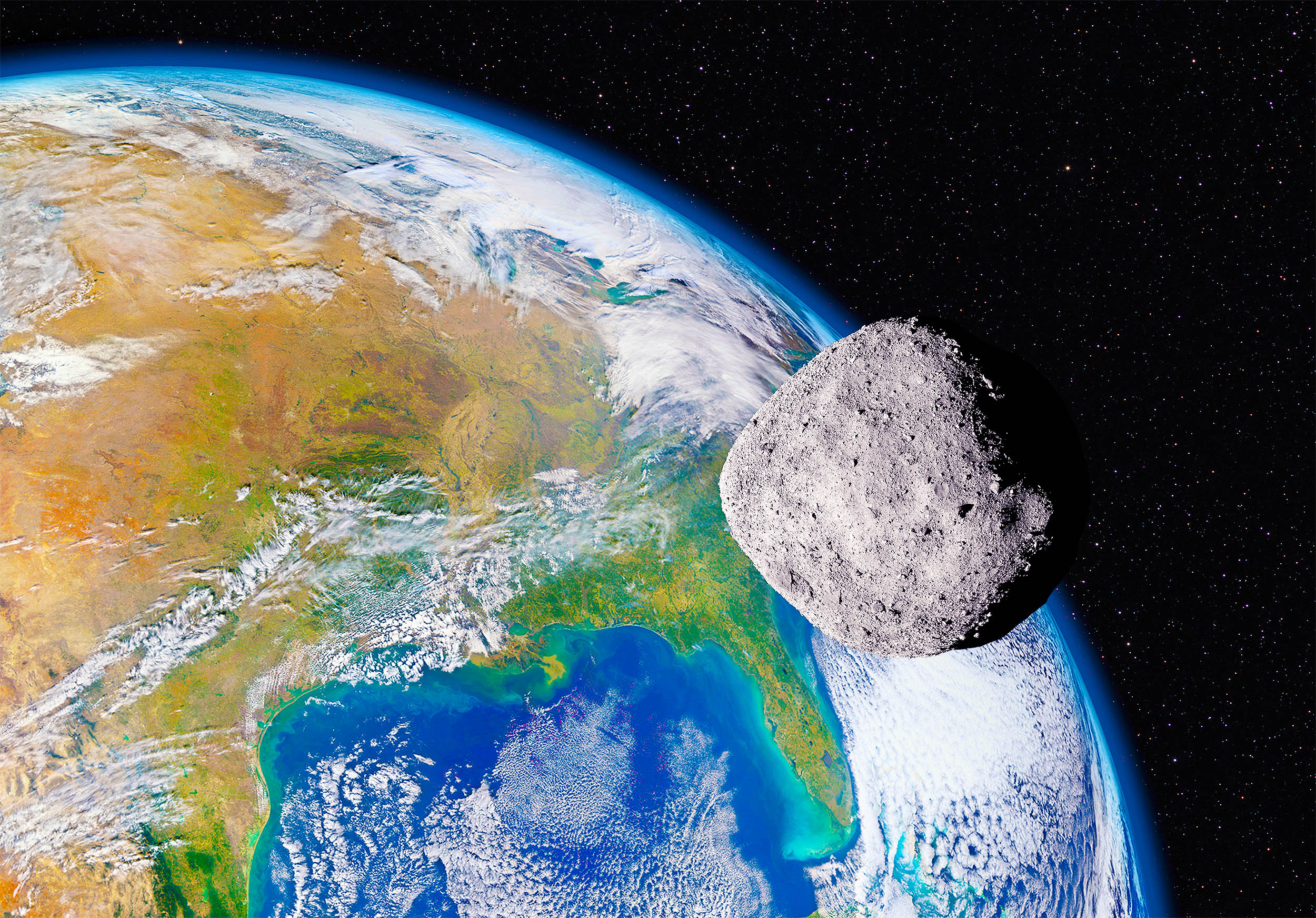
NASA's analysis of asteroid Bennu samples suggests they may have originated from an ancient ocean world, potentially laying the groundwork for life as we know it. The samples revealed large amounts of water and carbon, leading scientists to speculate that asteroids like Bennu could have delivered essential ingredients for life to Earth. Researchers believe Bennu was once part of a water-rich planet billions of years ago, with evidence suggesting similarities to materials found on Saturn's moon Enceladus. While not claiming proof of life, the findings could contribute to understanding life's origins, not just on Earth but potentially elsewhere in the universe, transforming our understanding of our place in the cosmos.
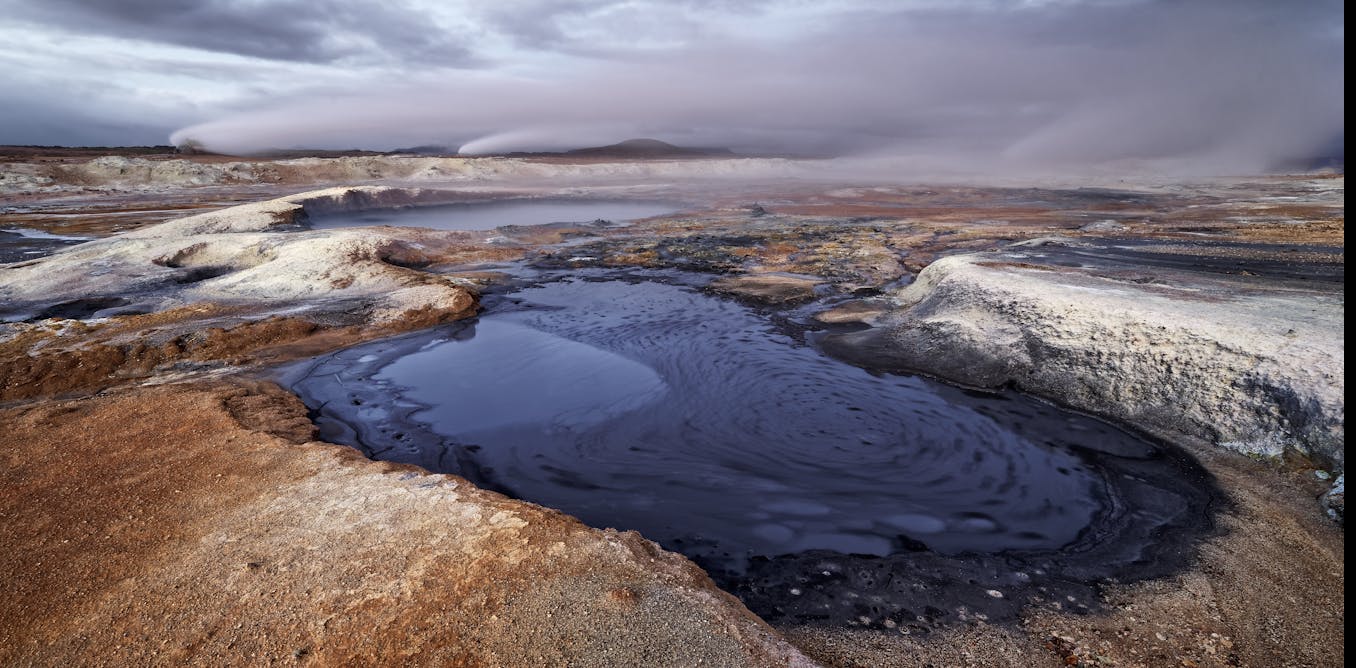
The mystery of abiogenesis, the emergence of life from non-life, continues to puzzle scientists. Astronomers believe that organic compounds crucial for life were delivered to Earth after it cooled and solidified, possibly through cometary impacts. Despite the harsh conditions of the early Earth, evidence suggests that life may have emerged as early as 4.5 billion years ago, with some scientists proposing deep-sea hydrothermal vents or tidal pools as potential cradles for the first life forms. The exact process and location of life's origins remain uncertain, but the evidence indicates that life arose as soon as it could.