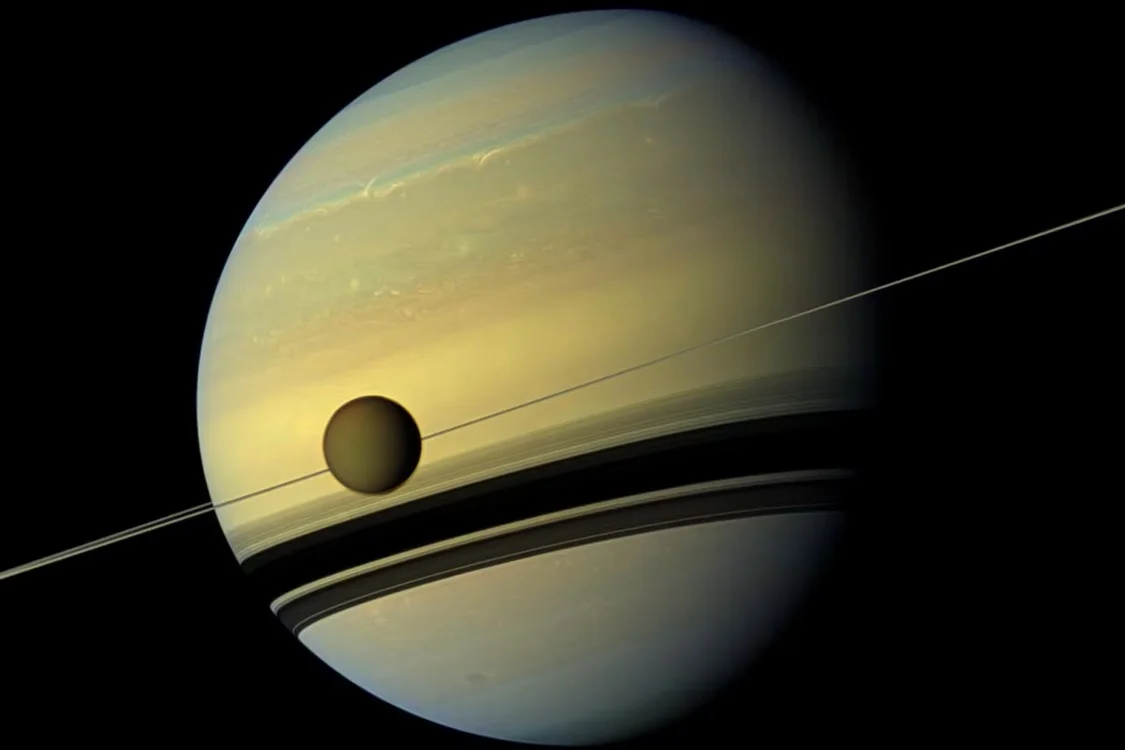
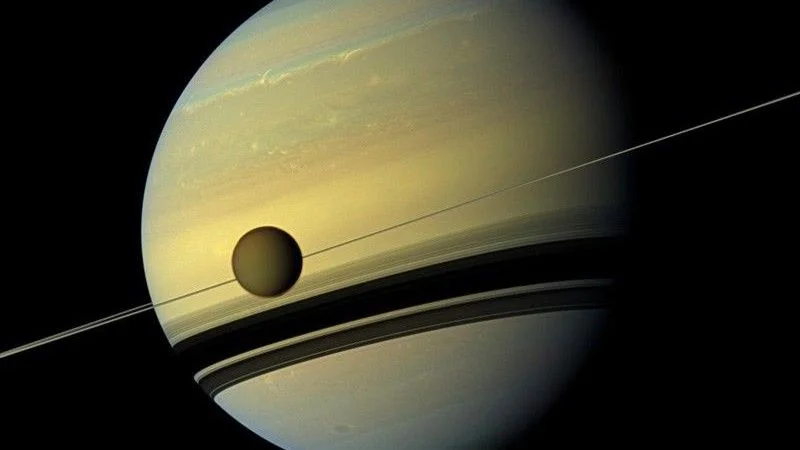
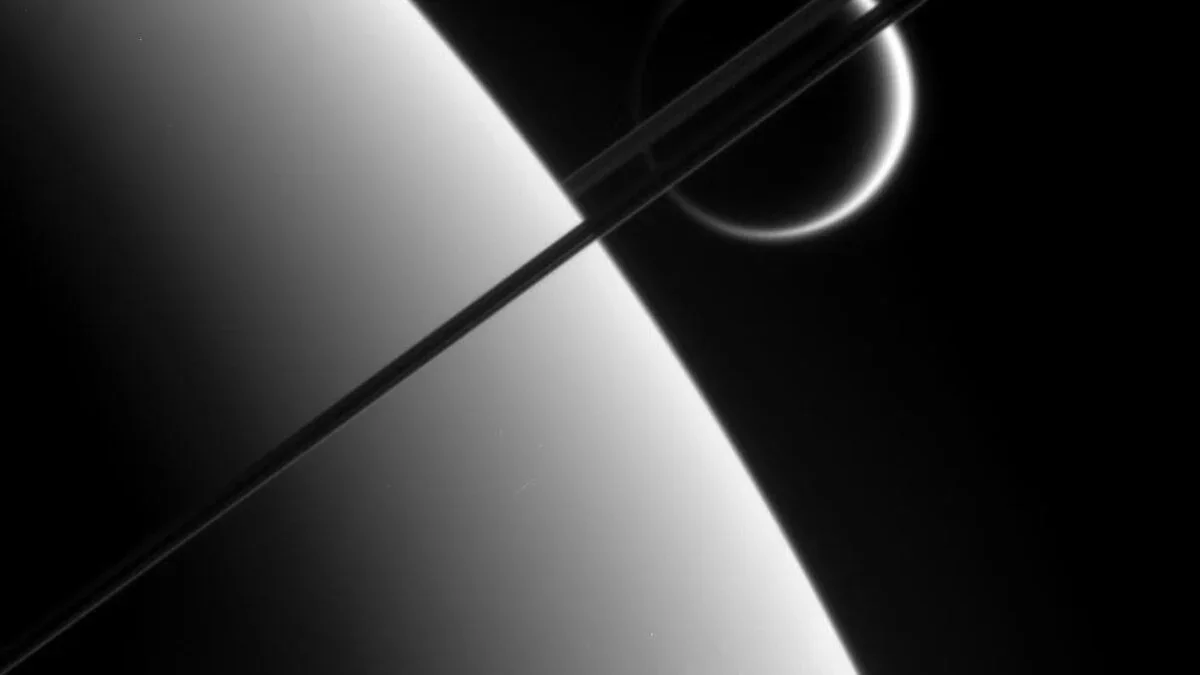
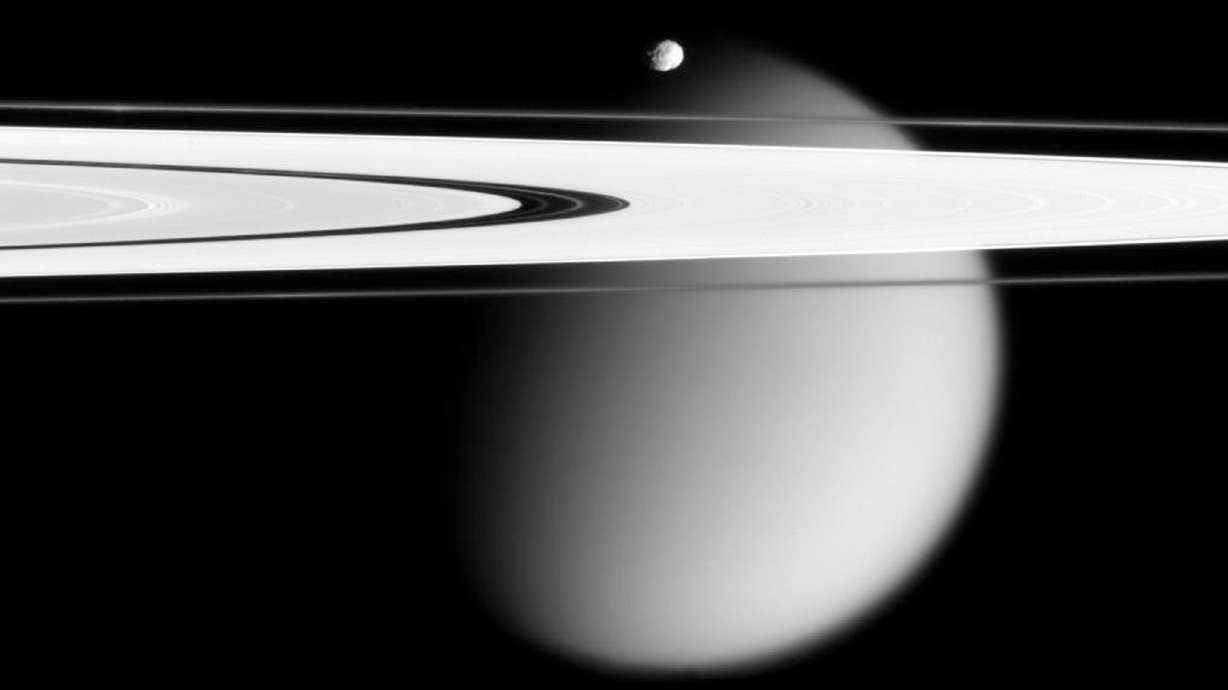
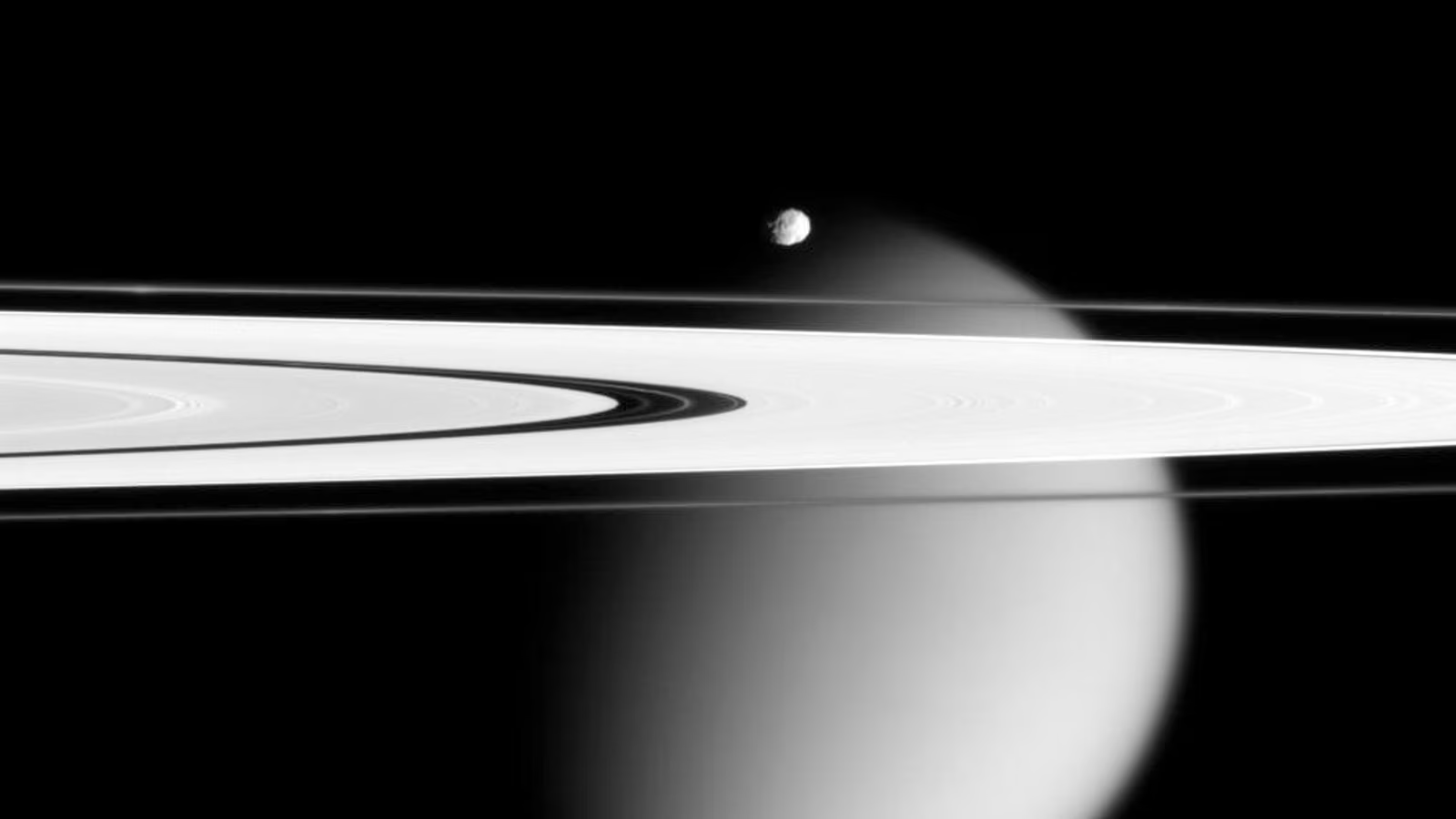
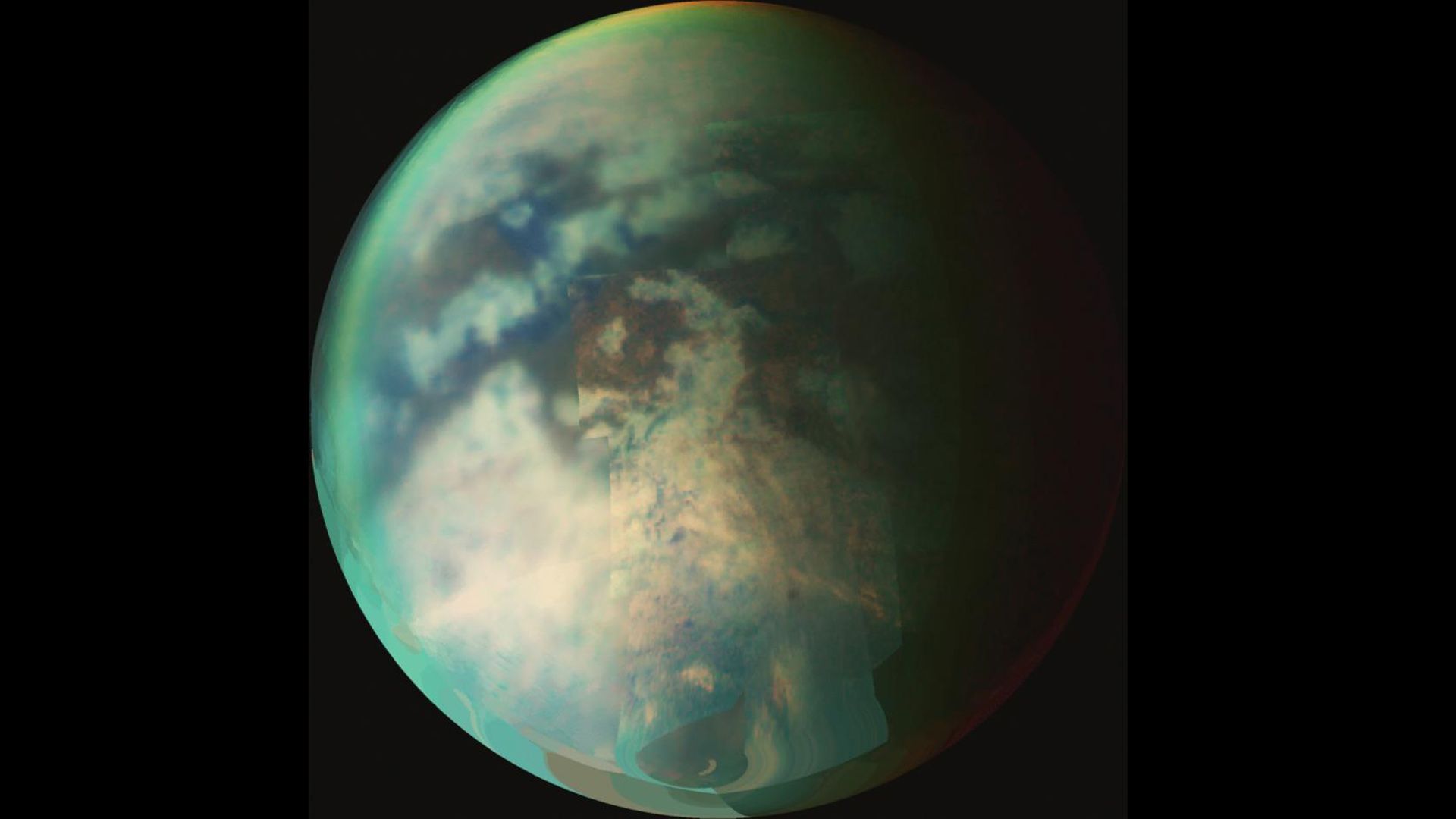
A planetary scientist proposes Titan grew large after an ancient collision with an extra moon, a cataclysm that could explain Saturn’s tilt and rings and align Cassini-era data with Neptune’s gravitational influence.
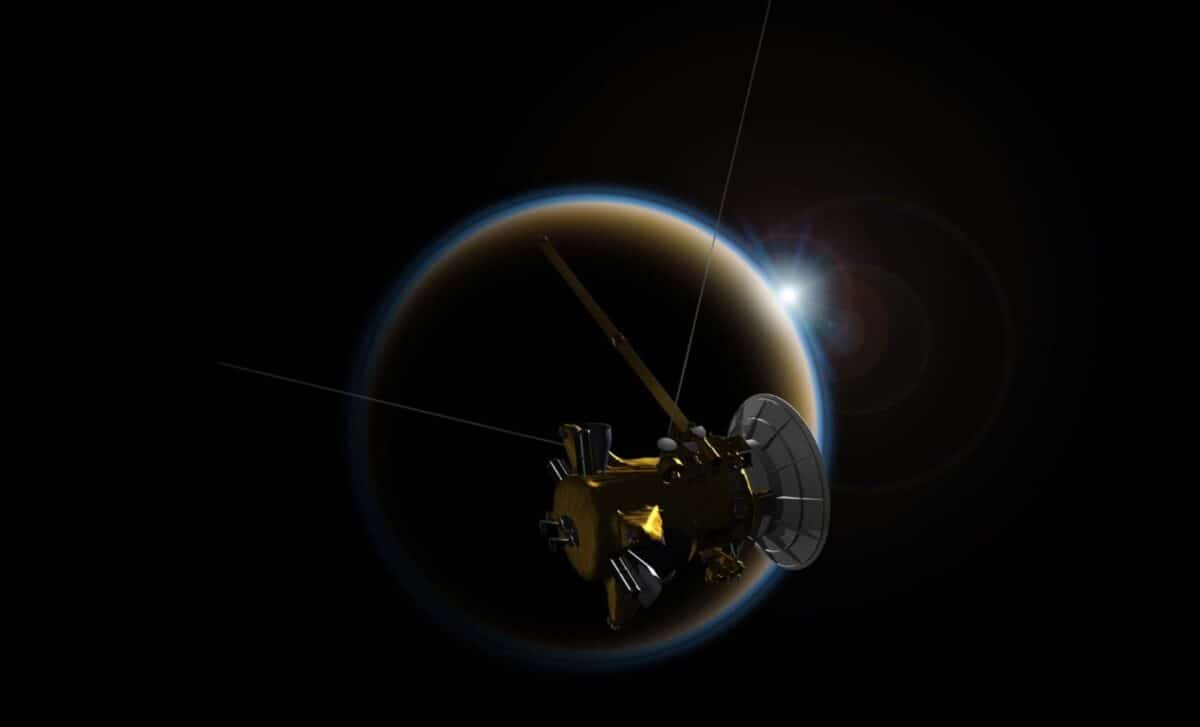
A new study combining Cassini observations, arXiv simulations and planetary modeling suggests Titan formed after an ancient collision with a lost moon (proto-Hyperion, possibly Chrysalis) about 0.5 billion years ago. The merger could explain Titan’s drifting orbit, Saturn’s axial tilt, and the creation of Hyperion and Saturn’s rings, with Dragonfly’s upcoming Titan exploration offering a potential test of the theory.
Scientists combining Titan formation ideas, Cassini data, and simulations propose that Titan collided with a lost proto-moon about 500 million years ago; the wreckage may have become Hyperion and also helped forge Saturn’s rings, while Titan’s altered mass could have nudged Saturn’s tilt and resonance with Neptune. Titan’s orbit is expanding, and NASA’s Dragonfly mission to Titan (launch 2028, arrival 2034) could test this scenario.
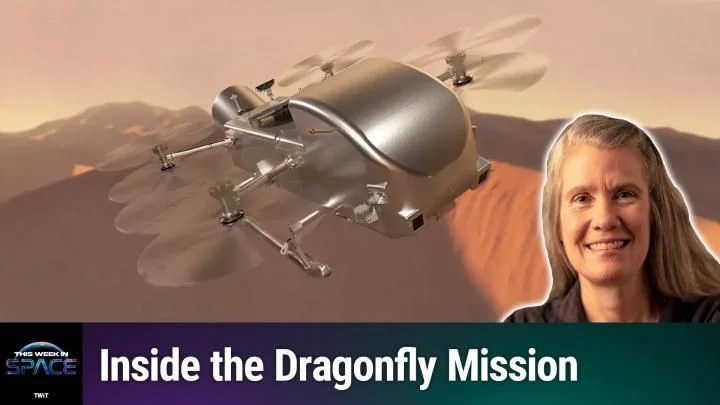
Space.com’s This Week In Space Episode 198 features Rod Pyle and Tariq Malik discussing NASA’s Dragonfly mission to Saturn’s moon Titan with principal investigator Dr. Elizabeth “Zibi” Turtle. The car-sized rotorcraft, slated for a 2028 launch and a 2034 arrival, will descend into Titan’s atmosphere and then fly across its hydrocarbon dunes and methane seas, stepping through its surface and atmospheric exploration plans.
Space.com reports Matija Ćuk and colleagues propose Saturn’s Titan may have formed from a collision/merger with a now-missing moon called Chrysalis about 100–200 million years ago. This upheaval could have widened Titan’s orbit, triggered further moon collisions, redistributed Saturn’s mass to alter its precession, and helped form Saturn’s rings. Hyperion might be a debris remnant from the event. Cassini data revised Saturn’s internal mass distribution, moving it slightly out of Neptune’s orbital resonance. There’s no direct evidence yet, but the scenario is being explored in Planetary Science Journal with an arXiv preprint, and future Dragonfly observations could test it.
A new Planetary Science Journal preprint argues Saturn’s young rings and Titan’s odd orbit could come from a past collision between two proto-moons, which produced Hyperion and destabilized inner moons; the Dragonfly mission to Titan (2034) may help test this scenario with fresh data.
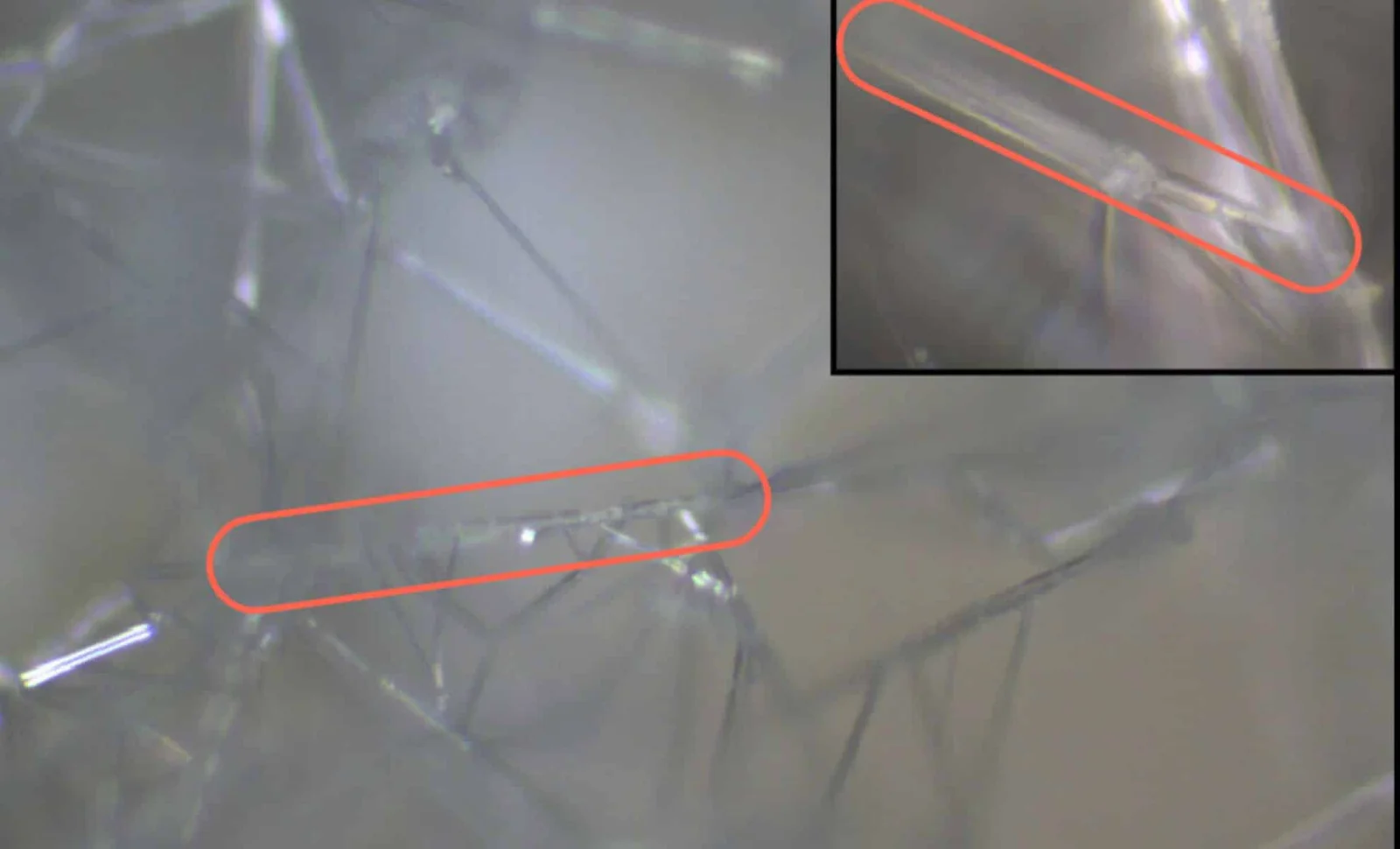
A study in ACS Central Science shows that frozen hydrogen cyanide forms needle-like crystal surfaces that generate strong electric fields and catalyze reactions, including HCN→HNC isomerization, at cryogenic temperatures. This surface catalysis could drive early prebiotic chemistry and help explain HNC’s abundance in cold space environments like Titan and comets, suggesting solid HCN crystals may have acted as tiny reaction engines in the origins of life.
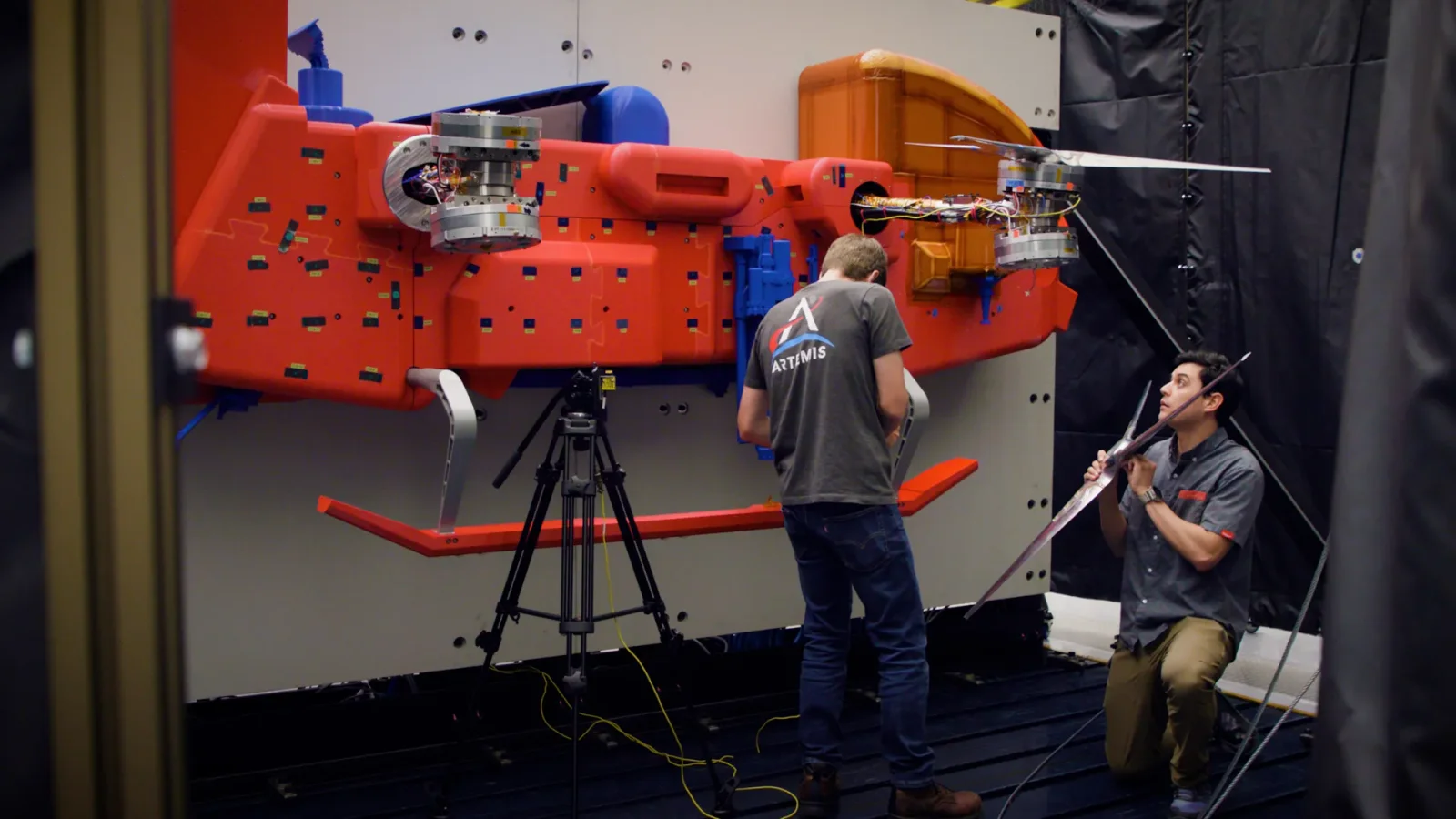
NASA's Dragonfly mission, set to launch in 2028, involves a car-sized rotorcraft designed to explore Saturn's moon Titan. Extensive testing, including aerodynamic and structural assessments at NASA's Langley Research Center, has validated the rotor design, which is crucial for the mission's success. The project is a collaborative effort involving multiple institutions, aiming to study Titan's diverse environments and potentially find conditions suitable for life.
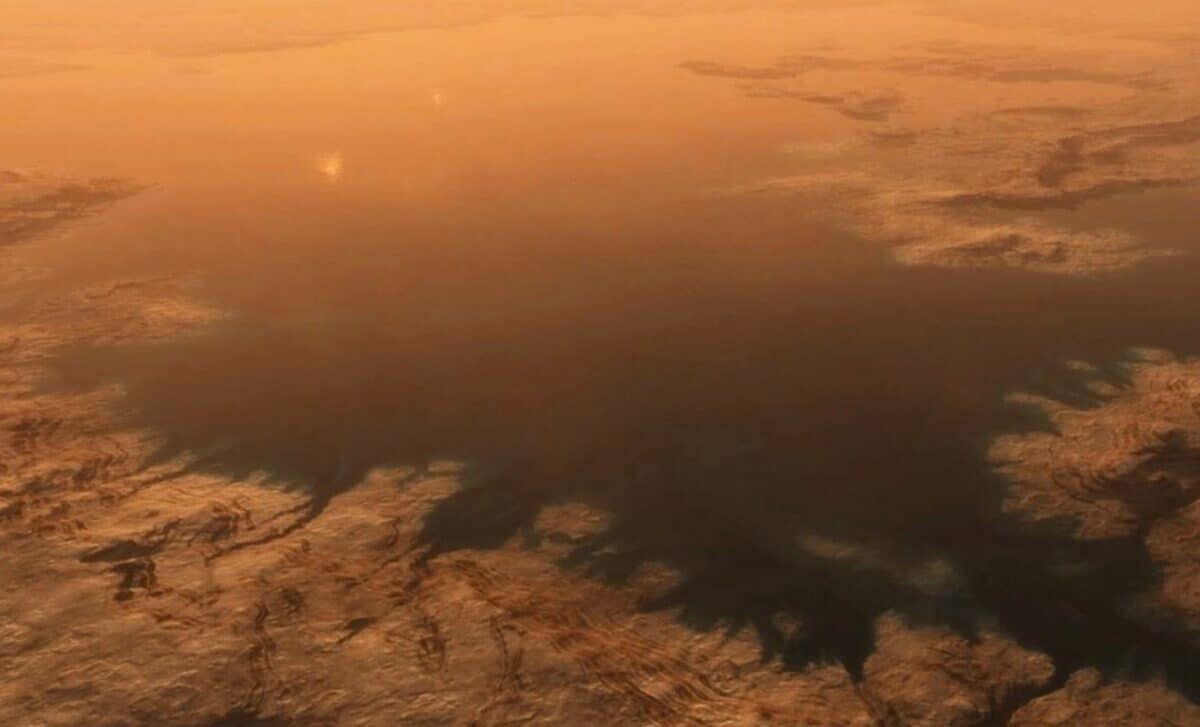
New analysis of NASA's Cassini data reveals that Kraken Mare, Titan's largest sea, may reach depths of up to 300 meters, making it the deepest known sea on Titan and a significant surface reservoir, which raises new questions about the moon's geophysical processes and potential habitability.
Recent analysis of NASA's Cassini data suggests that Saturn's moon Titan does not have a global subsurface ocean but instead has a slushy, semi-solid interior with potential pockets of liquid water near its core, altering previous beliefs about its habitability.
New analysis of data from NASA's Cassini mission suggests that Titan, Saturn's largest moon, likely does not have a deep liquid water ocean beneath its surface as previously thought. Instead, it probably contains a thick, slushy layer of ice and water, which could still support some forms of life in isolated pockets of liquid water, potentially improving the prospects for habitability. These findings will influence future missions like NASA's Dragonfly and our understanding of icy worlds.
New research suggests Saturn's moon Titan contains slushy ice layers with pockets of liquid water, challenging the previous idea of a vast underground ocean, and expanding the possibilities for potential life environments on Titan.
A new study suggests Saturn's moon Titan may not have a global underground ocean as previously thought, but instead has deep layers of ice and slush with pockets of liquid water, which could still harbor microbial life. This challenges earlier assumptions based on Cassini data, and upcoming missions like NASA's Dragonfly aim to provide more insights.
A new study suggests Saturn's moon Titan may not have a global underground ocean as previously thought, but instead has deep layers of ice and slush with pockets of liquid water, which could still harbor microbial life, challenging earlier assumptions based on Cassini data.
A new study suggests Saturn's moon Titan may not have a buried ocean but instead contains widespread pockets of liquid water within a layer of ice, challenging previous assumptions about its internal structure and habitability potential.