
Hot Weather Raises Risk of Brain-Eating Amoeba Infections
High temperatures increase the risk of infection from brain-eating amoebas, which live in fresh water sources, raising concerns about water safety during hot weather activities.

All articles tagged with #fresh water
High temperatures increase the risk of infection from brain-eating amoebas, which live in fresh water sources, raising concerns about water safety during hot weather activities.
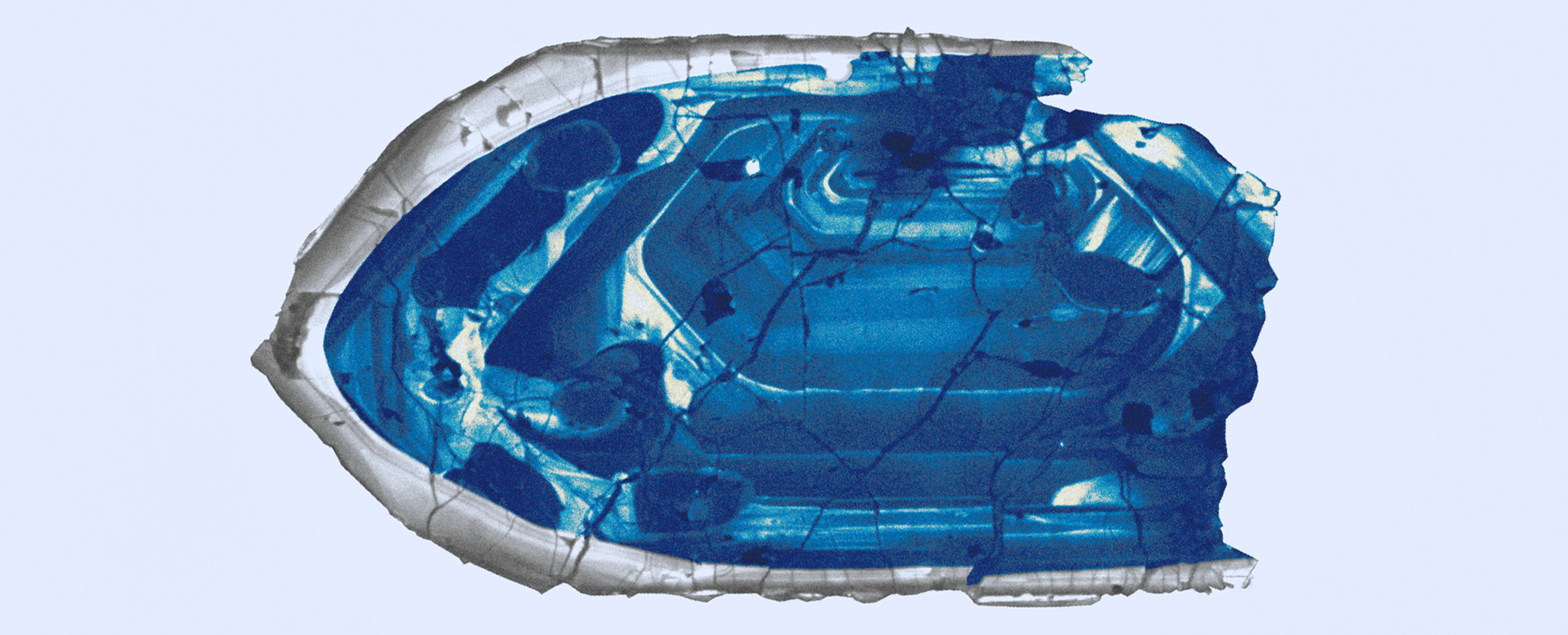
New research reveals that Earth's first rains fell around 4 billion years ago, 500 million years earlier than previously believed. Scientists from Australia and China analyzed oxygen isotopes in ancient zircon crystals from the Jack Hills in Western Australia, finding evidence of fresh water that challenges the theory of a completely ocean-covered early Earth. This discovery suggests that landmasses and fresh water existed much earlier, potentially setting the stage for life to emerge sooner than thought. The findings support the "cool early Earth" theory and have significant implications for understanding Earth's early history and the origins of life.
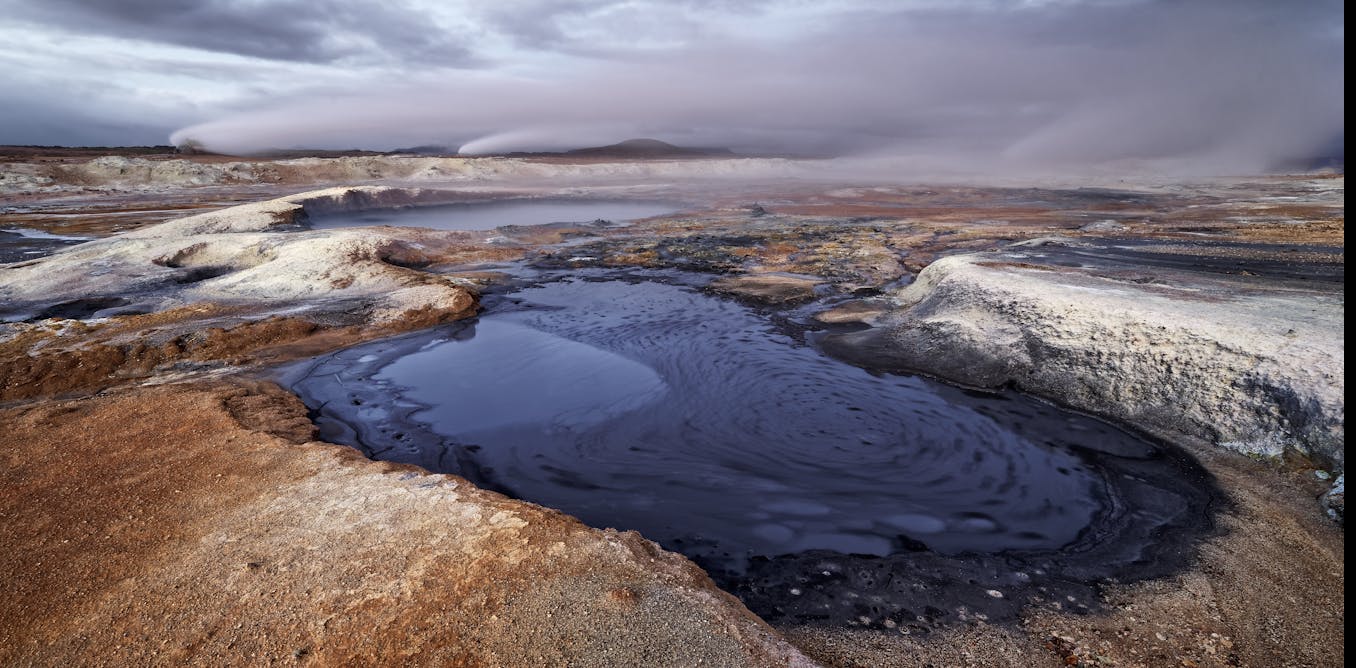
A new study published in Nature Geoscience reveals that fresh water and dry land existed on Earth 4 billion years ago, half a billion years earlier than previously thought. This discovery, based on the analysis of ancient zircon crystals from the Jack Hills in Western Australia, provides crucial insights into the early conditions that could have supported the emergence of life on our planet.
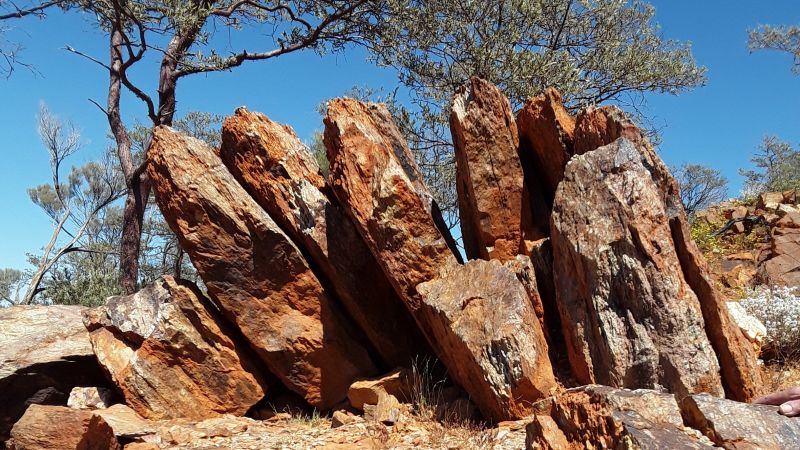
A study of ancient zircon crystals from the Australian outback reveals that Earth had dry land and fresh water 4 billion years ago, challenging the belief that the planet was entirely ocean-covered at that time. This discovery suggests that the conditions necessary for life existed much earlier than previously thought, providing new insights into Earth's early history and the origins of life.
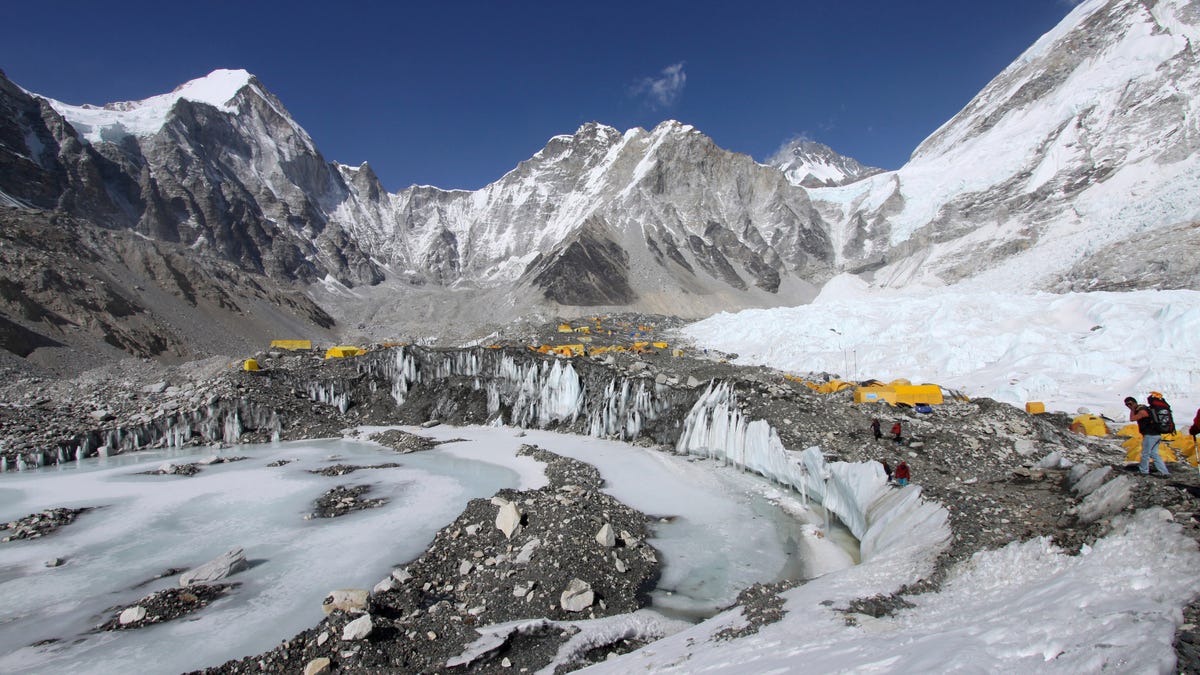
Glaciers in the Hindu Kush Himalayan mountain ranges could lose up to 80% of their volume this century if greenhouse gas emissions aren’t sharply reduced, according to a report. The report warned that flash floods and avalanches would grow more likely in coming years, and that the availability of fresh water could be curtailed for nearly 2 billion people who live downstream of 12 rivers that originate in the mountains.
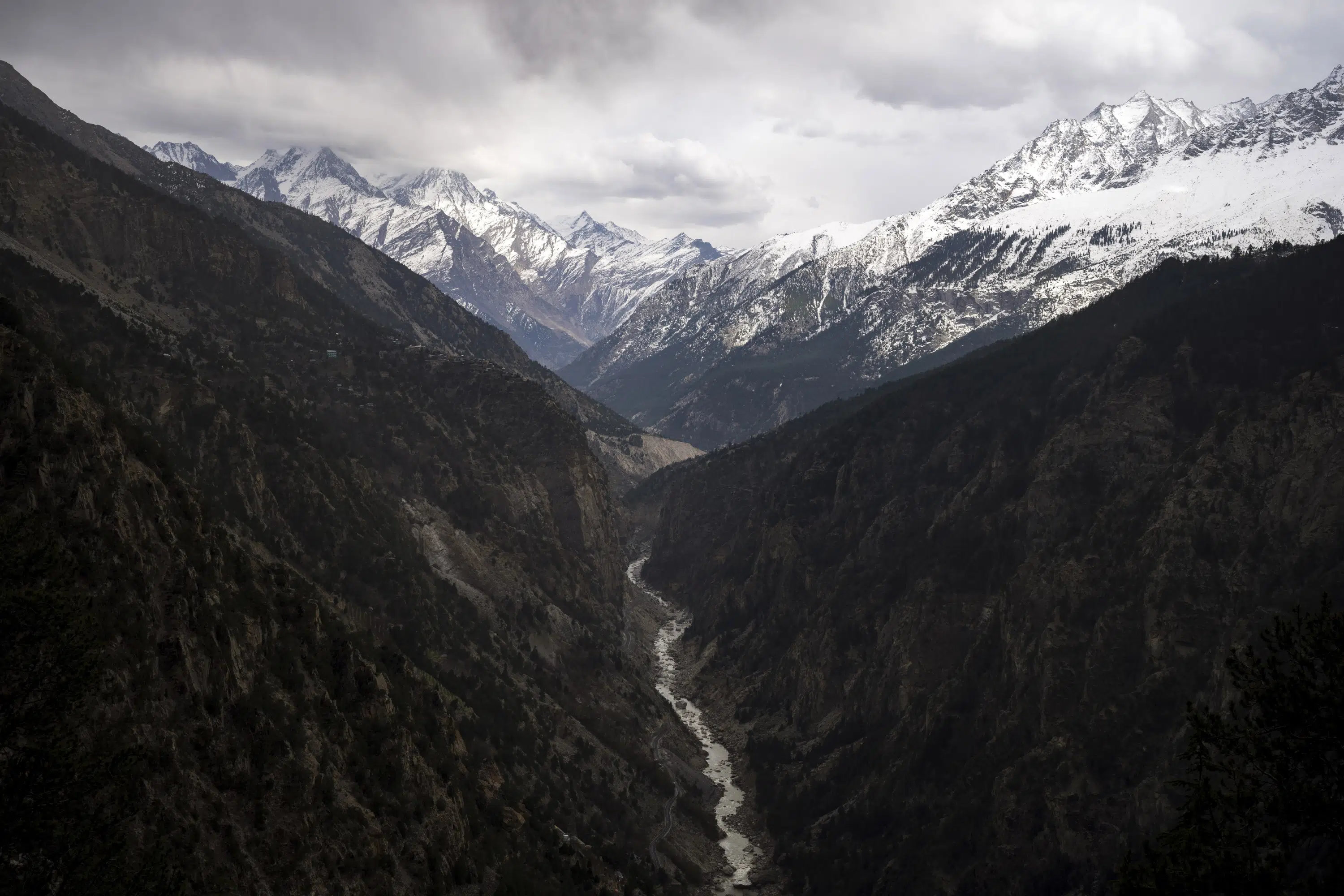
Glaciers in the Hindu Kush Himalayan mountain ranges could lose up to 80% of their volume this century if greenhouse gas emissions aren’t sharply reduced, according to a report from the International Centre for Integrated Mountain Development. The report warns that flash floods and avalanches would grow more likely in coming years, and that the availability of fresh water could be curtailed for nearly 2 billion people who live downstream of 12 rivers that originate in the mountains.