Tag

Protostar

All articles tagged with #protostar

James Webb Telescope Detects Complex Organic Molecules Beyond the Milky Way

Originally Published 2 months ago — by Space

Featured image for James Webb Telescope Detects Complex Organic Molecules Beyond the Milky Way
Source: Space

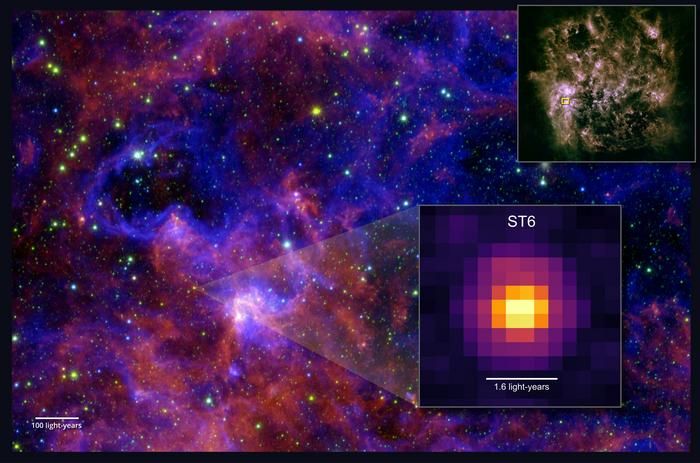
The James Webb Space Telescope has made the first-ever detection of complex organic molecules in ice around a young protostar in the galaxy beyond the Milky Way, specifically in the Large Magellanic Cloud, providing new insights into the chemistry of star formation and the potential origins of life in different cosmic environments.

NASA Webb Detects Massive Stellar Jet on Milky Way's Edge

Originally Published 4 months ago — by NASA Science (.gov)

Featured image for NASA Webb Detects Massive Stellar Jet on Milky Way's Edge
Source: NASA Science (.gov)

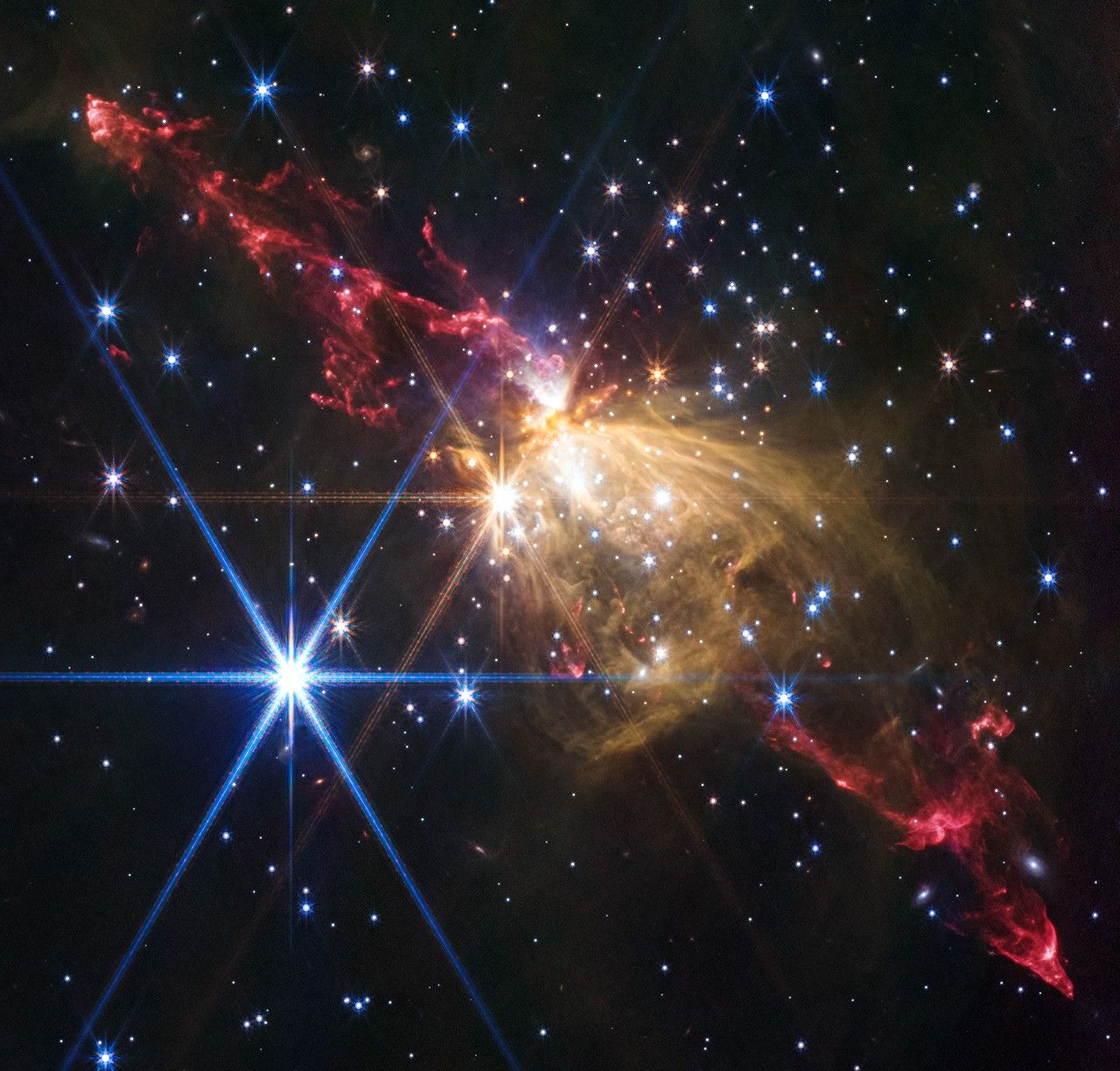
NASA's James Webb Space Telescope captured a rare, massive stellar jet stretching 8 light-years from a young star in the outer Milky Way, providing insights into the formation of massive stars and supporting the core accretion model over chaotic theories like competitive accretion.

Astronomers Spot Youngest Known Exoplanet Orbiting Unusual Star

Originally Published 1 year ago — by Livescience.com

Featured image for Astronomers Spot Youngest Known Exoplanet Orbiting Unusual Star
Source: Livescience.com

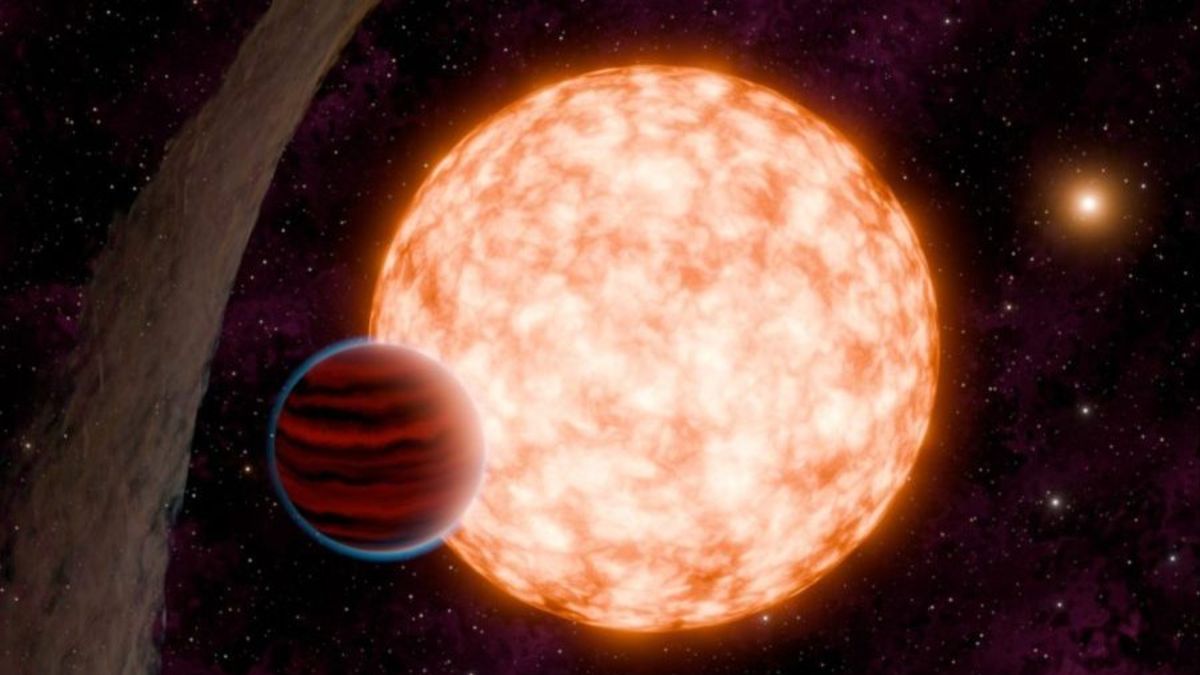
Astronomers have discovered the youngest exoplanet ever observed, named TIDYE-1b, which is a gas giant orbiting a protostar in the Taurus molecular cloud, about 520 light-years from Earth. This exoplanet, only up to 3 million years old, challenges current understanding of planetary formation due to its misaligned protoplanetary disk and distant companion star. The discovery, made using NASA's TESS, provides insights into the early stages of planetary development.

"NASA's Webb Telescope Spots Margarita Ingredients in Cosmic Cocktail Mix"

Originally Published 1 year ago — by Hindustan Times

Featured image for "NASA's Webb Telescope Spots Margarita Ingredients in Cosmic Cocktail Mix"
Source: Hindustan Times

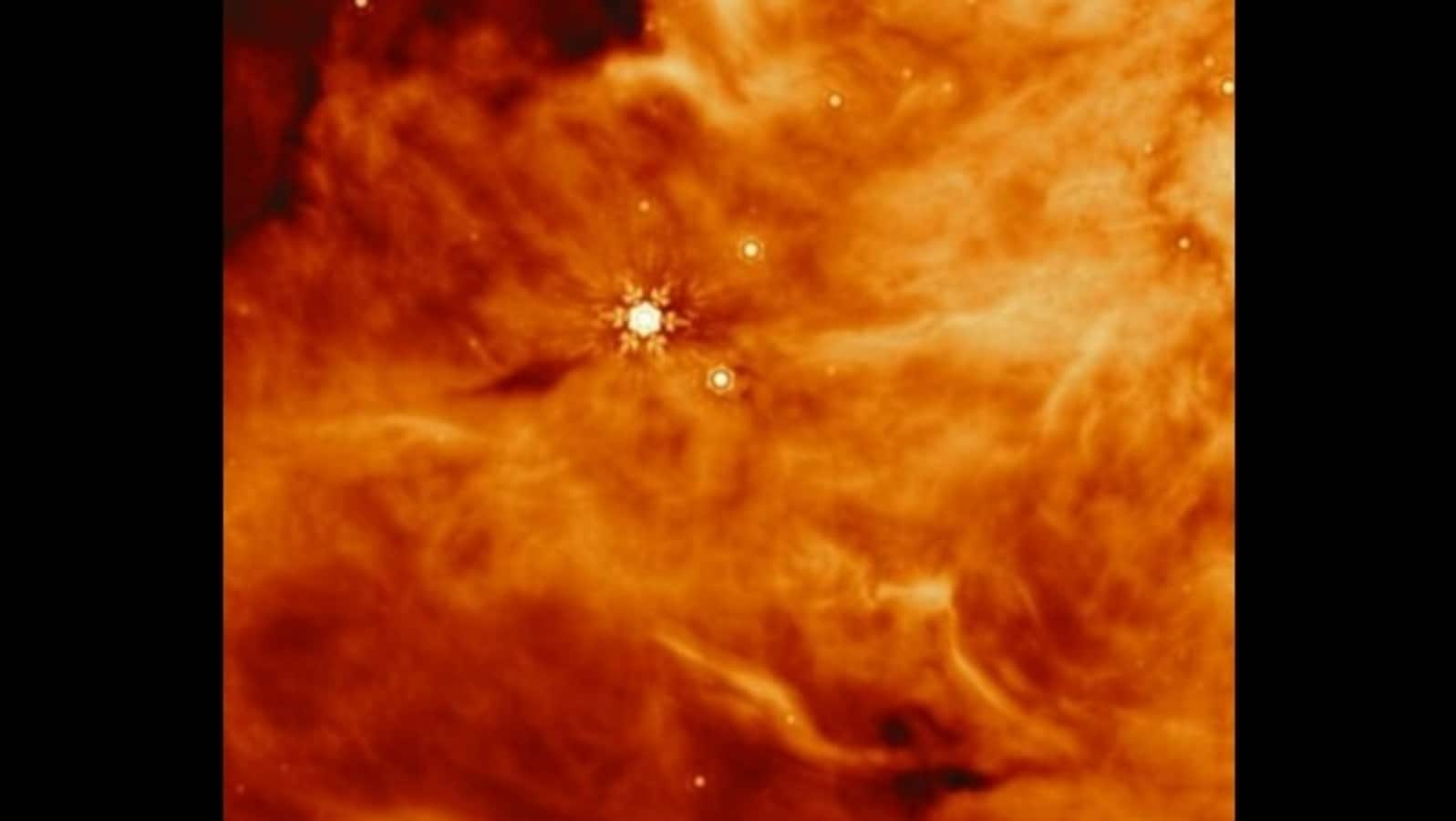
NASA's Webb Telescope discovered chemical ingredients similar to those found in margaritas and vinegar on a protostar, sharing the news on Instagram with a snapshot of the protostar. The discovery was made in two baby stars that have yet to form planets, with NASA suggesting that the chemicals identified may have been present in the early stages of our own solar system's development and later delivered to primitive Earth. The post garnered over three lakh likes and various comments, with Instagram users expressing awe and curiosity about the findings.

"Stunning Cosmic Light Show: Hubble Captures Birth of New Star"

Originally Published 1 year ago — by Space.com

Featured image for "Stunning Cosmic Light Show: Hubble Captures Birth of New Star"
Source: Space.com

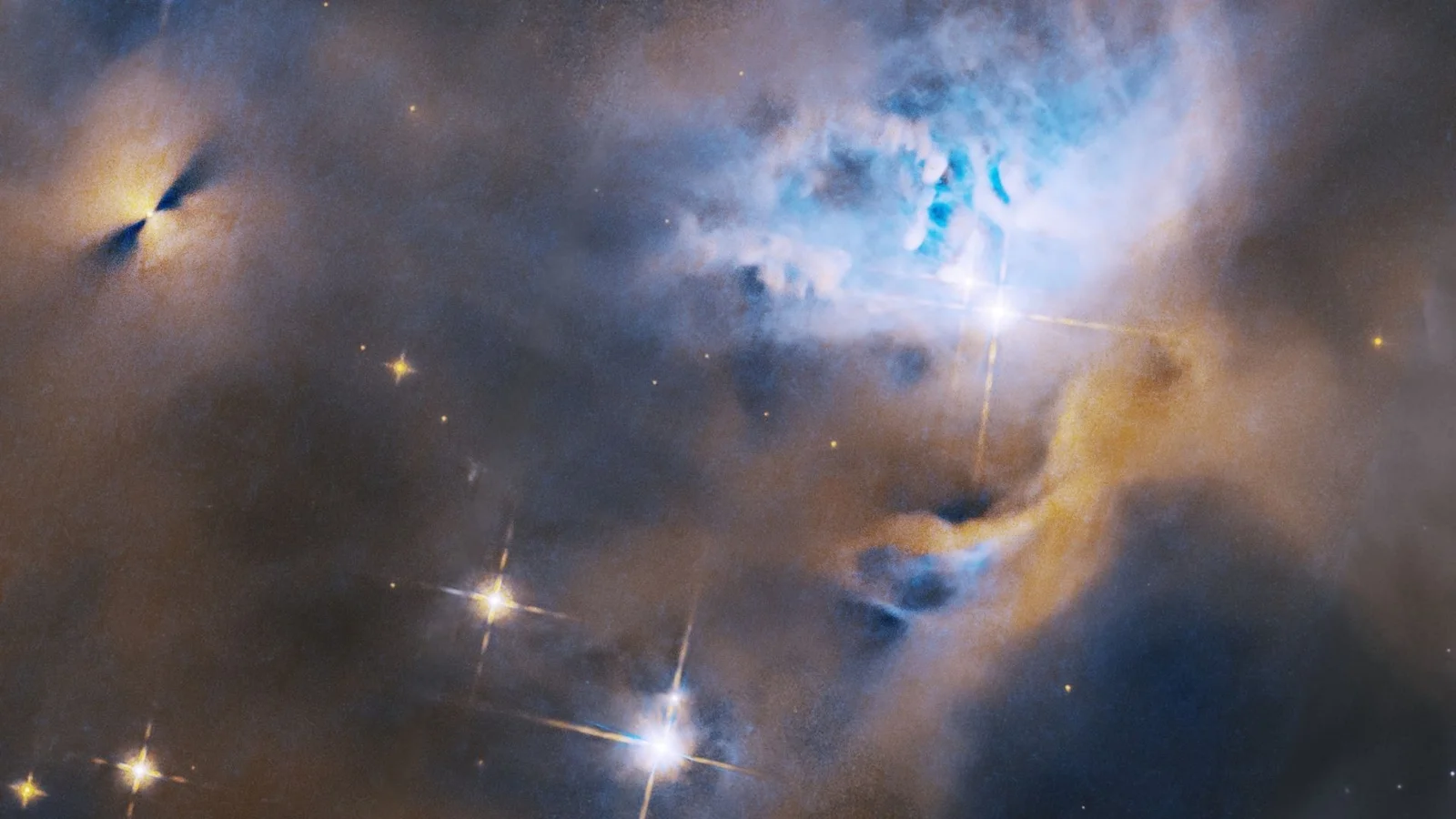
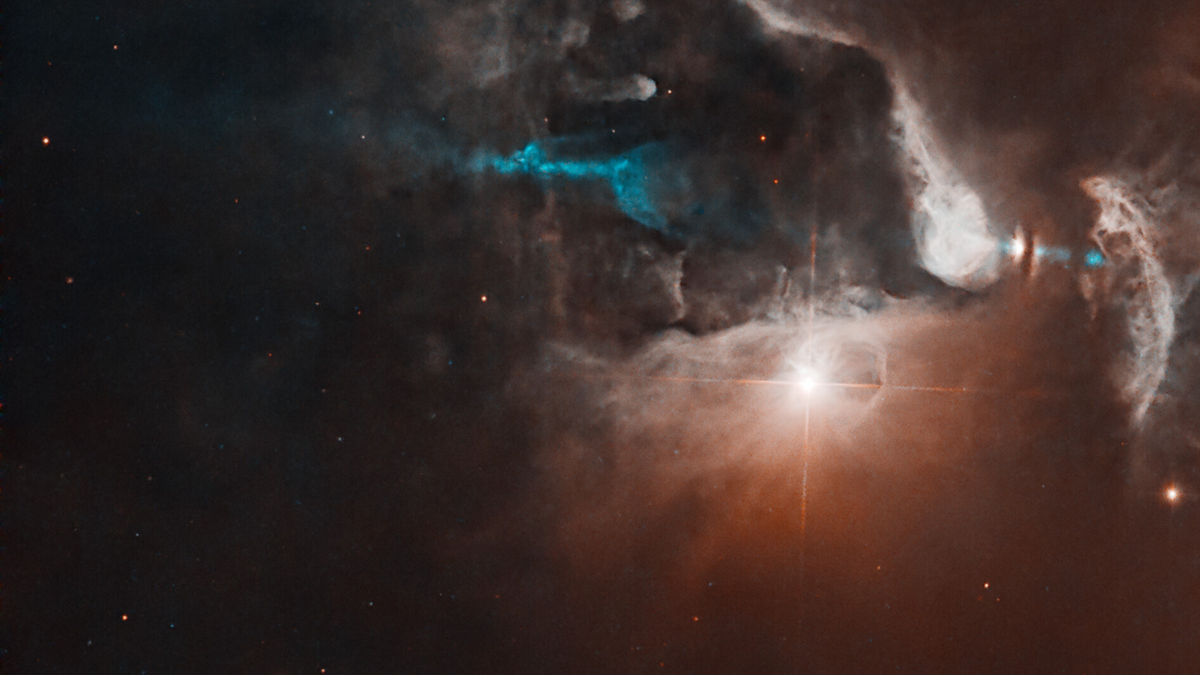
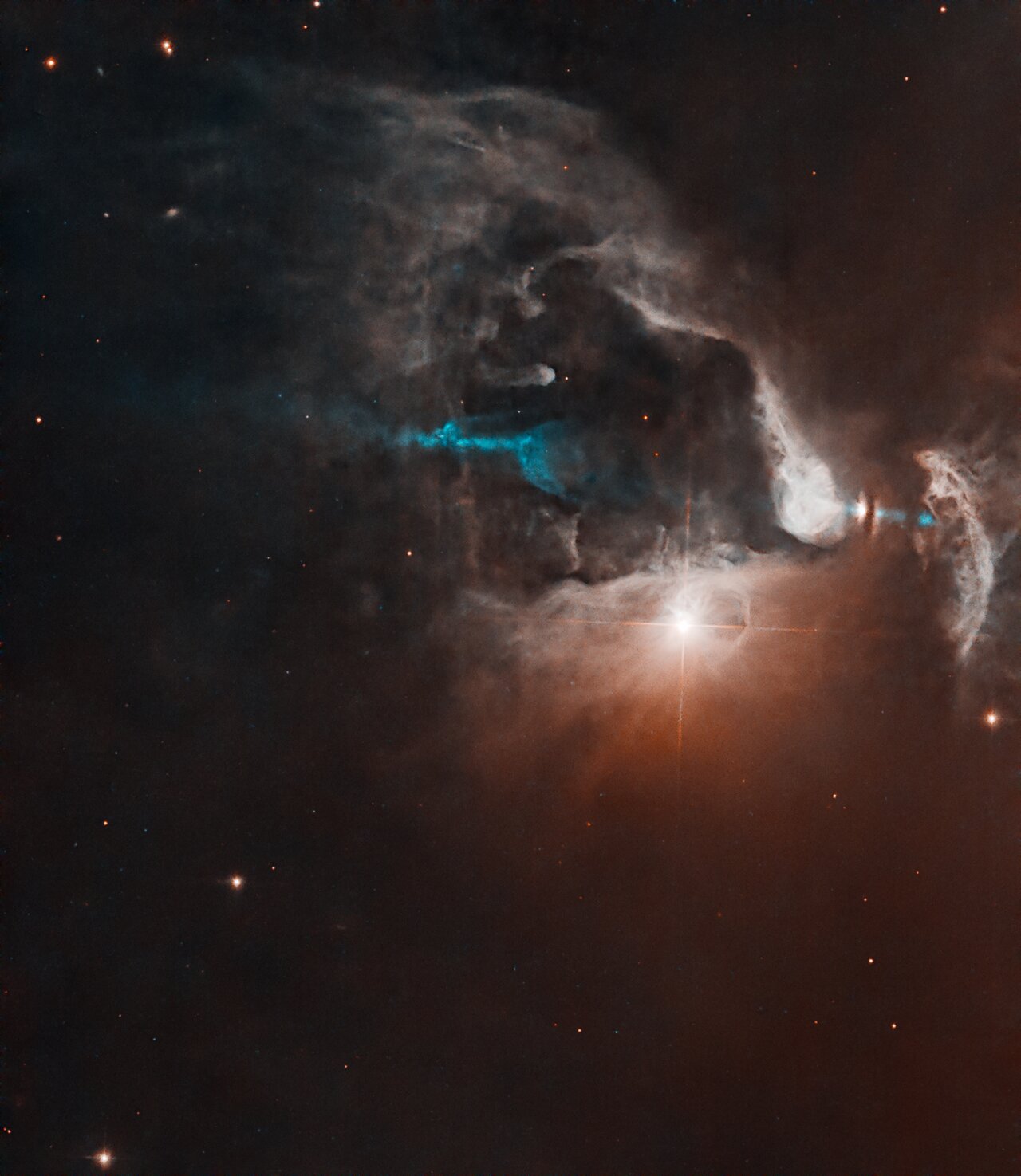
The Hubble Space Telescope has captured an image of a new star, FS Tau B, emerging from a nebula in the Taurus-Auriga region, 450 light years from Earth. This protostar is surrounded by gas and dust, and is in the process of gathering material to eventually undergo nuclear fusion. The image also shows a double-sided, asymmetrical jet erupting from the star, a phenomenon typical of protostars. Once it leaves the protostar phase, FS Tau B will become a T Tauri star on its way to main sequence status.

"Stunning Cosmic Light Shows: Hubble's Glimpse into Newborn Stars"

Originally Published 1 year ago — by Ars Technica

Featured image for "Stunning Cosmic Light Shows: Hubble's Glimpse into Newborn Stars"
Source: Ars Technica

The Hubble Space Telescope captured an image of the young multi-star system FS Tau, showcasing a T Tauri binary system and a protostar surrounded by a protoplanetary disc. The system is approximately 2.8 million years old and located about 450 light-years away from Earth, offering a glimpse into the formation of stars and planets in the universe.

"Stunning Cosmic Light Show: Hubble Captures New Star's Spectacular Debut"

Originally Published 1 year ago — by ESA/Hubble

Featured image for "Stunning Cosmic Light Show: Hubble Captures New Star's Spectacular Debut"
Source: ESA/Hubble

The NASA/ESA Hubble Space Telescope has captured a stunning image of the newly forming star system FS Tau, showcasing jets emerging from the protostar and slicing through the gas and dust of a shining nebula. FS Tau B, a newly forming star, is surrounded by a protoplanetary disc and is likely in the process of becoming a T Tauri star. The system, located in the Taurus-Auriga region roughly 450 light-years away, provides a striking example of protostar activity and is part of ongoing research into edge-on dust discs around young stellar objects.

"Discovery of a Monstrous Protostar in a Distant Nebula"

Originally Published 2 years ago — by Ars Technica

Featured image for "Discovery of a Monstrous Protostar in a Distant Nebula"
Source: Ars Technica

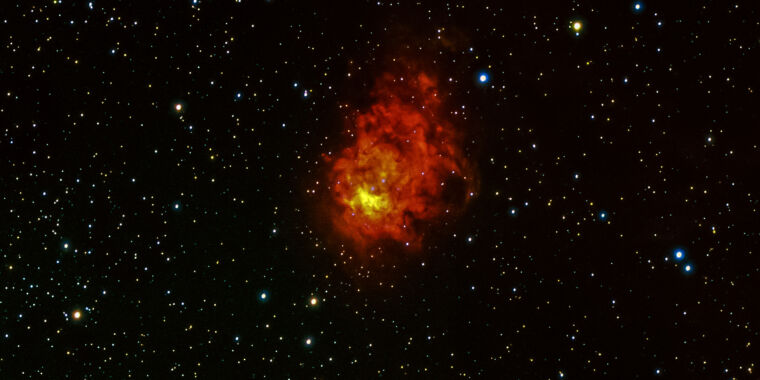
Astronomers have discovered a massive protostar within the NGC 7538 nebula, located 9,000 light-years from Earth in the constellation Cepheus. Estimated to be 300 times larger than our Solar System and with a mass of 2,000 Suns, this gargantuan protostar is a region of active star formation, producing a large amount of hydrogen. The image was captured by Paul Buckley using a Celestron 9.25-inch Edge HD telescope from his backyard in New York.

"James Webb Space Telescope Reveals Stunning View of Cosmic Birth"

Originally Published 2 years ago — by Phys.org

Featured image for "James Webb Space Telescope Reveals Stunning View of Cosmic Birth"
Source: Phys.org

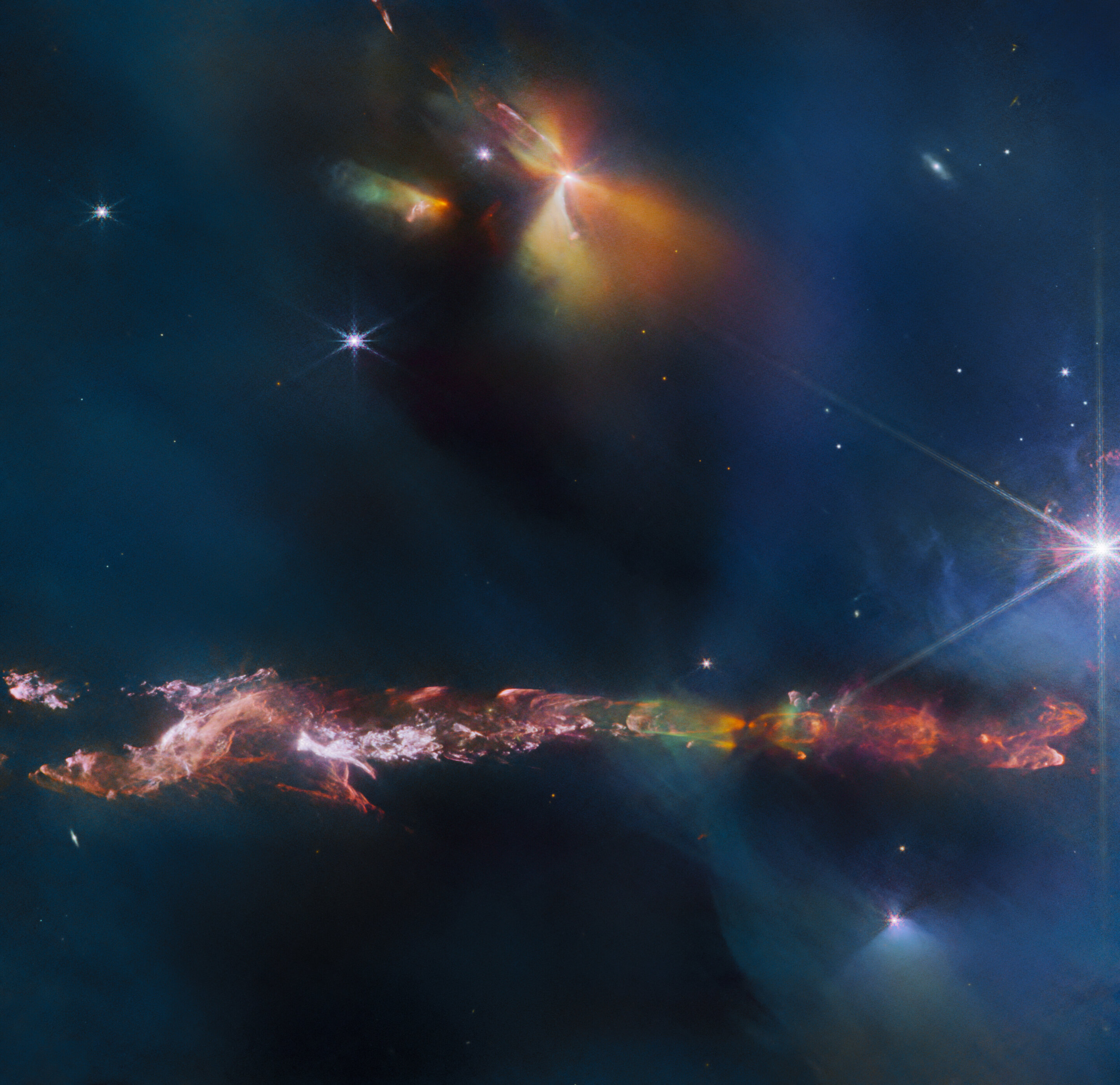
The NASA/ESA/CSA James Webb Space Telescope has captured a detailed image of the Herbig Haro object 797 (HH 797), a luminous region surrounding a newborn star in the Perseus dark cloud complex. The image reveals intricate details of the protostar and its outflows, which are formed when stellar winds or jets of gas collide with nearby gas and dust. The image was captured using Webb's Near-InfraRed Camera (NIRCam), which is particularly effective in studying newborn stars and their outflows. The image shows that what was previously thought to be one outflow is actually two parallel outflows, each produced by a separate star.

"James Webb Telescope Captures Stunning Images of Star Birth"

Originally Published 2 years ago — by BGR

Featured image for "James Webb Telescope Captures Stunning Images of Star Birth"
Source: BGR

The latest photo captured by the James Webb Space Telescope shows a baby star in the Orion constellation, providing a glimpse into what our Sun may have looked like during its birth. The image reveals powerful shocks and jets of energy, indicating the violent nature of star formation. Scientists believe that the outflows of gas seen in the photo are likely used to regulate the star's birthing process. Although the protostar itself is hidden behind a dense disc of gas and dust, the image offers a breathtaking view and highlights the transformative impact of the James Webb telescope on our understanding of the universe.

"NASA's James Webb Telescope Captures Stunning Image of Baby Star's First 'Screams'"

Originally Published 2 years ago — by Daily Mail

Featured image for "NASA's James Webb Telescope Captures Stunning Image of Baby Star's First 'Screams'"
Source: Daily Mail

NASA's James Webb Space Telescope has captured a stunning image of a newborn star, known as Herbig-Haro 212 (HH212), located about 1,300 light-years away in the constellation Orion. The image shows red jets of gas and outflows originating from the protostar, which is estimated to be around 50,000 years old. HH212 is surrounded by older stars and a distant galaxy, and the image provides unprecedented detail of the region. The James Webb Space Telescope's NIRCam captured the image in the infrared wavelength range, as HH212 emits infrared light and is almost invisible to the human eye.

"Stunning Image: James Webb Telescope Witnesses Birth of a Star"

Originally Published 2 years ago — by NDTV

Featured image for "Stunning Image: James Webb Telescope Witnesses Birth of a Star"
Source: NDTV

NASA's James Webb Space Telescope has captured an image of a protostar named HH12, located 1,300 light years from Earth, providing new insights into the formation of stars. The image reveals pinkish-red jets shooting in opposite directions, indicating the expulsion of angular momentum through magnetic fields. This is the first time scientists have obtained a "good color image" of a protostar, which will also shed light on the birth of our own Sun. The James Webb Space Telescope, launched two years ago, is situated over one million miles away and has been delivering stunning images of deep space.

Astounding Image: Birth of a Star 1,300 Light-Years Away

Originally Published 2 years ago — by New York Post

Featured image for Astounding Image: Birth of a Star 1,300 Light-Years Away
Source: New York Post

The James Webb Space Telescope has captured an incredible image of the protostar HH 212, located 1,300 light-years from Earth. This is the first time scientists have seen a clear color image of the protostar, revealing symmetrical pink plumes of gas emissions indicating the presence of molecular hydrogen. The image provides new insights into star formation and demonstrates the telescope's ability to reshape our understanding of the cosmos and make groundbreaking scientific discoveries.