Tag

Chirality

All articles tagged with #chirality

science3 months ago

Scientists Address Doomsday Threats of 'Mirror Life'

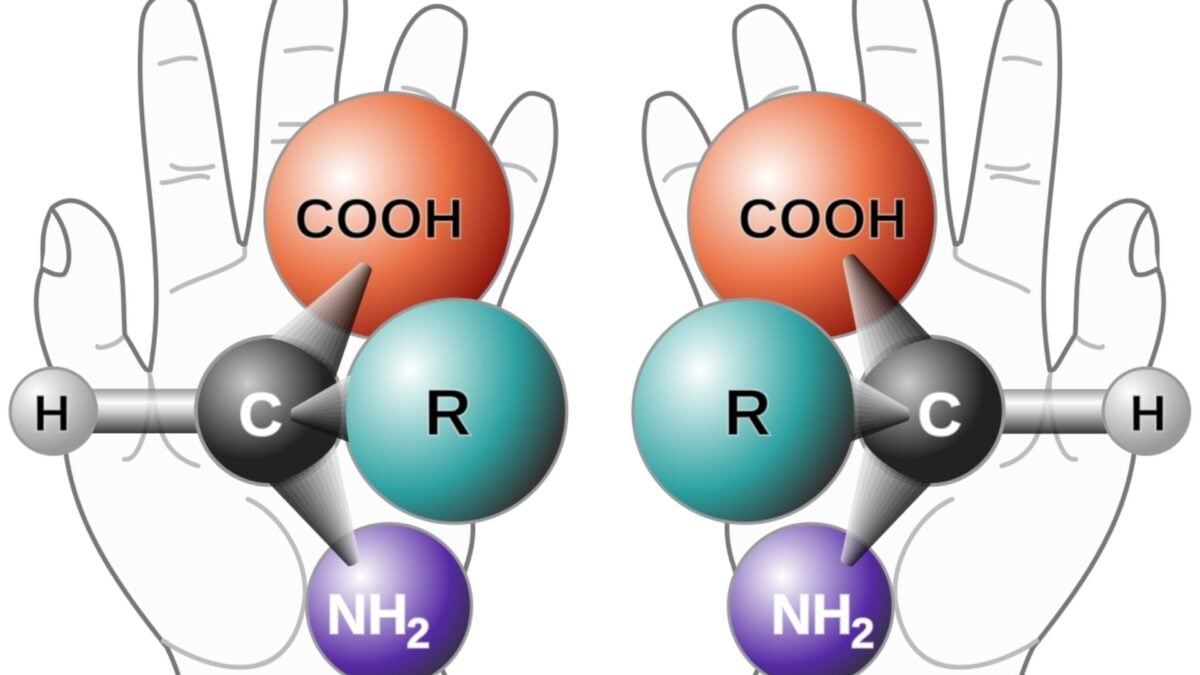
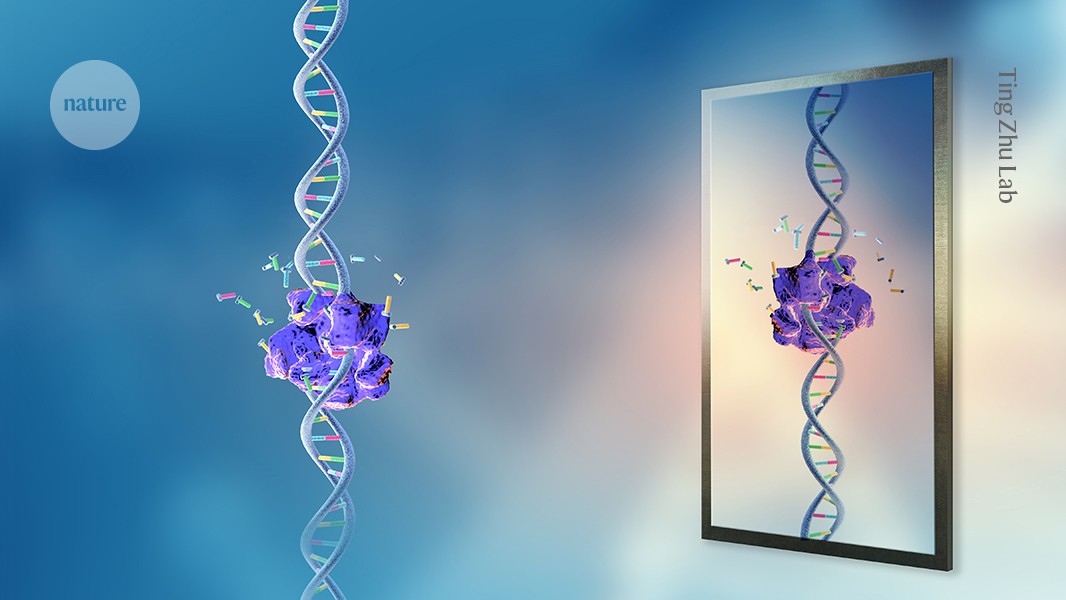
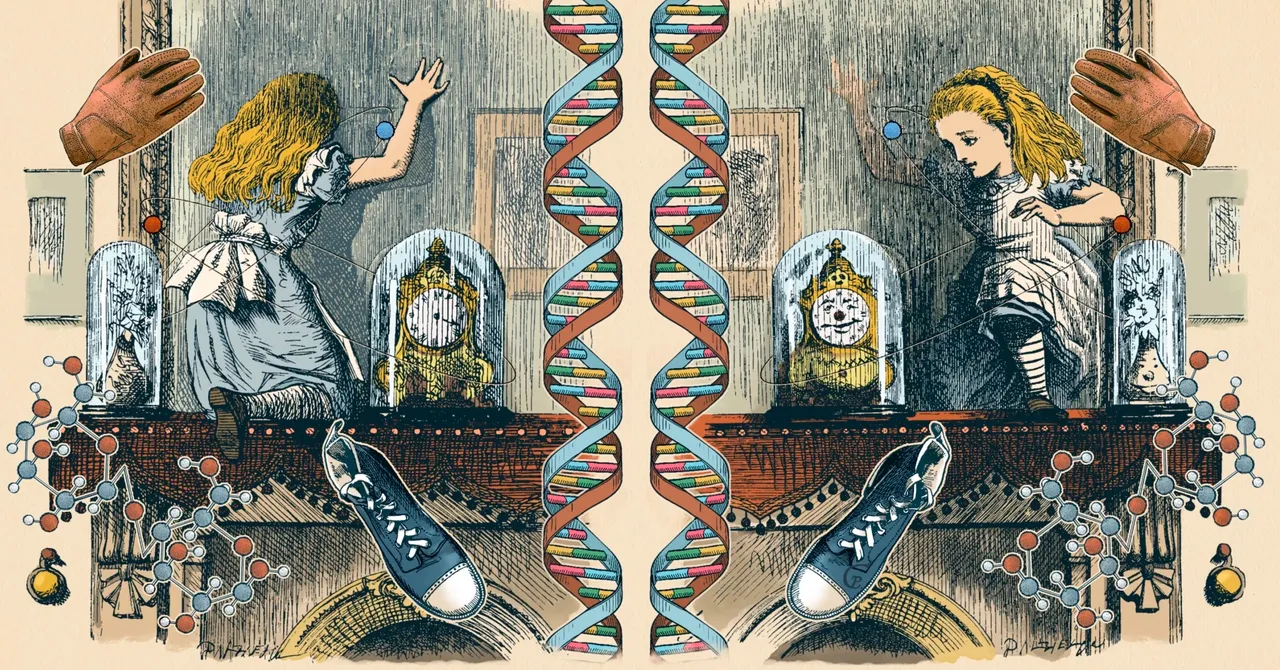
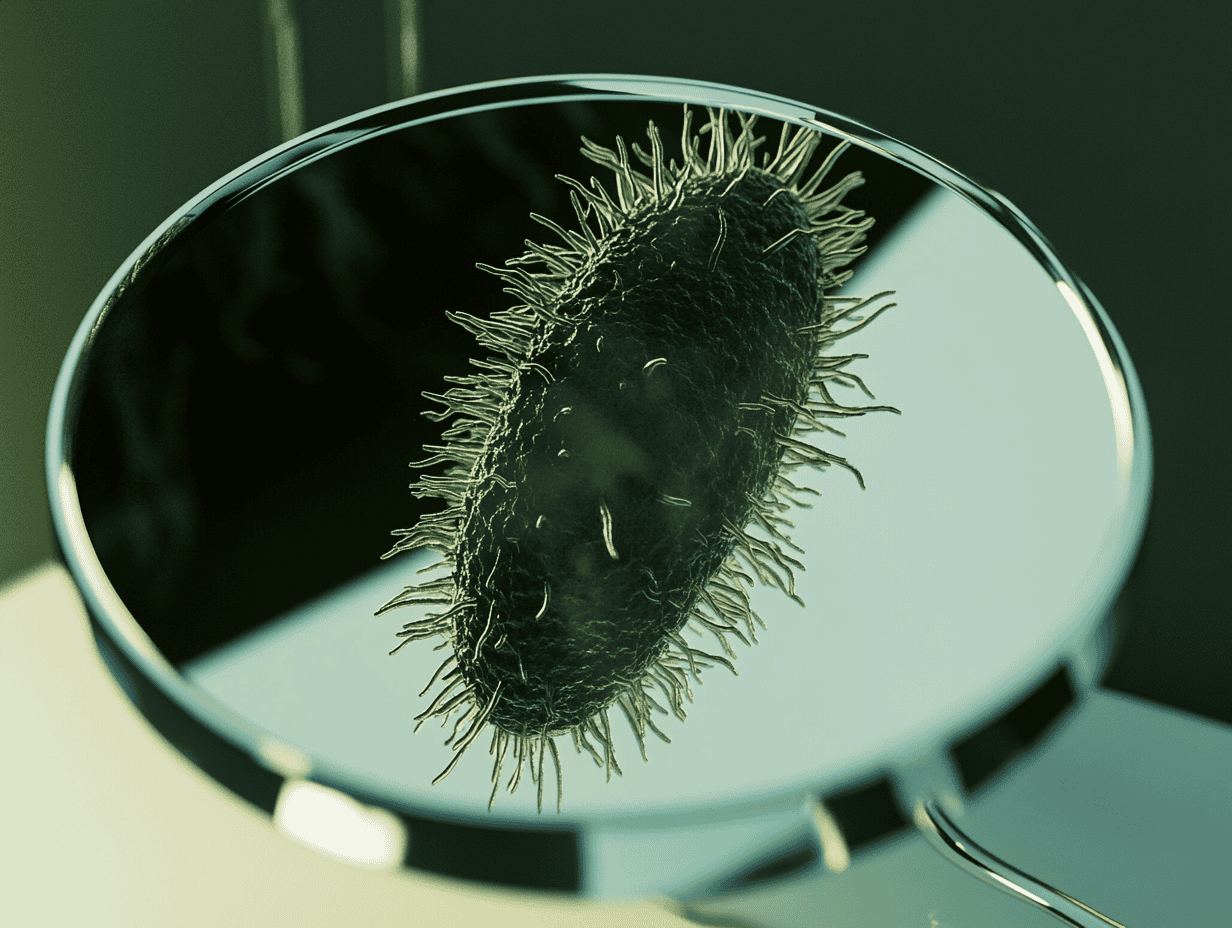
Scientists worldwide are discussing the potential risks and benefits of creating mirror life, synthetic cells made from molecules that are mirror images of natural ones, due to concerns about environmental and health dangers versus potential medical and scientific benefits. The conference in Manchester aims to establish guidelines for safe research in this emerging field.

science4 months ago

Debate Over Mirror-Image Biology and Its Potential Risks

Experts are debating the risks and benefits of researching mirror-image molecular biology and the potential creation of mirror-image organisms, which could have significant scientific and medical applications but also pose unknown risks. Current scientific challenges make the creation of fully functional mirror-image life forms unlikely in the near future, but ongoing research offers promising benefits in drug development and biotechnology. Caution and responsible regulation are emphasized to balance innovation with safety.

science-and-technology1 year ago

Scientists Urge Halt on Risky 'Mirror Life' Research to Protect Humanity

Scientists are urging a global pause on creating 'mirror life'—synthetic organisms with reversed molecular handedness—due to potential catastrophic consequences. These mirror microbes could evade immune systems, leading to uncontrollable infections and ecological disruptions. The call for caution comes as advancements in synthetic biology and AI bring us closer to realizing such organisms, prompting demands for international guidelines to prevent reckless experimentation.

science1 year ago

NASA's Discovery Redefines Life's Origins and Molecular Mysteries

A study by UCLA and NASA's Goddard Space Flight Center challenges the traditional view of life's molecular origins, suggesting early RNA structures were more flexible in their chirality preferences than previously thought. This finding implies that life's building blocks on Earth may not have been strictly "left-handed" or "right-handed," as once believed, and could have evolved through environmental pressures rather than chemical determinism. The research has significant implications for understanding life's origins and the search for extraterrestrial life, suggesting that life elsewhere might not conform to Earth's chiral norms.

science1 year ago

NASA's RNA Discovery Challenges Life's Origin Theories

Researchers from UCLA and NASA have discovered that the chirality of molecules, crucial to life's structure, may not have been as fixed in early Earth as previously thought. This suggests a more adaptable origin for life, challenging the notion that early life was predisposed to select left-handed amino acids. The study, published in Nature Communications, indicates that RNA might not have initially favored one chiral form of amino acids, offering new insights into the origins of biological homochirality and implications for the search for extraterrestrial life.

physics1 year ago

"Chiral Electron Paths: A Twist in Physics Revolutionizing Technology"

Researchers in Germany have successfully sent single electrons along structured chiral paths, achieving chirality in electron matter waves without angular momentum. This work, which parallels earlier research with photons, could have significant applications in electron microscopy and the study of magnetic materials. However, some scientists are skeptical about the claim of chirality without angular momentum and the lack of citation of previous related work.

science-and-technology1 year ago

"Revolutionary Laser Technique Could Transform Future Technology"

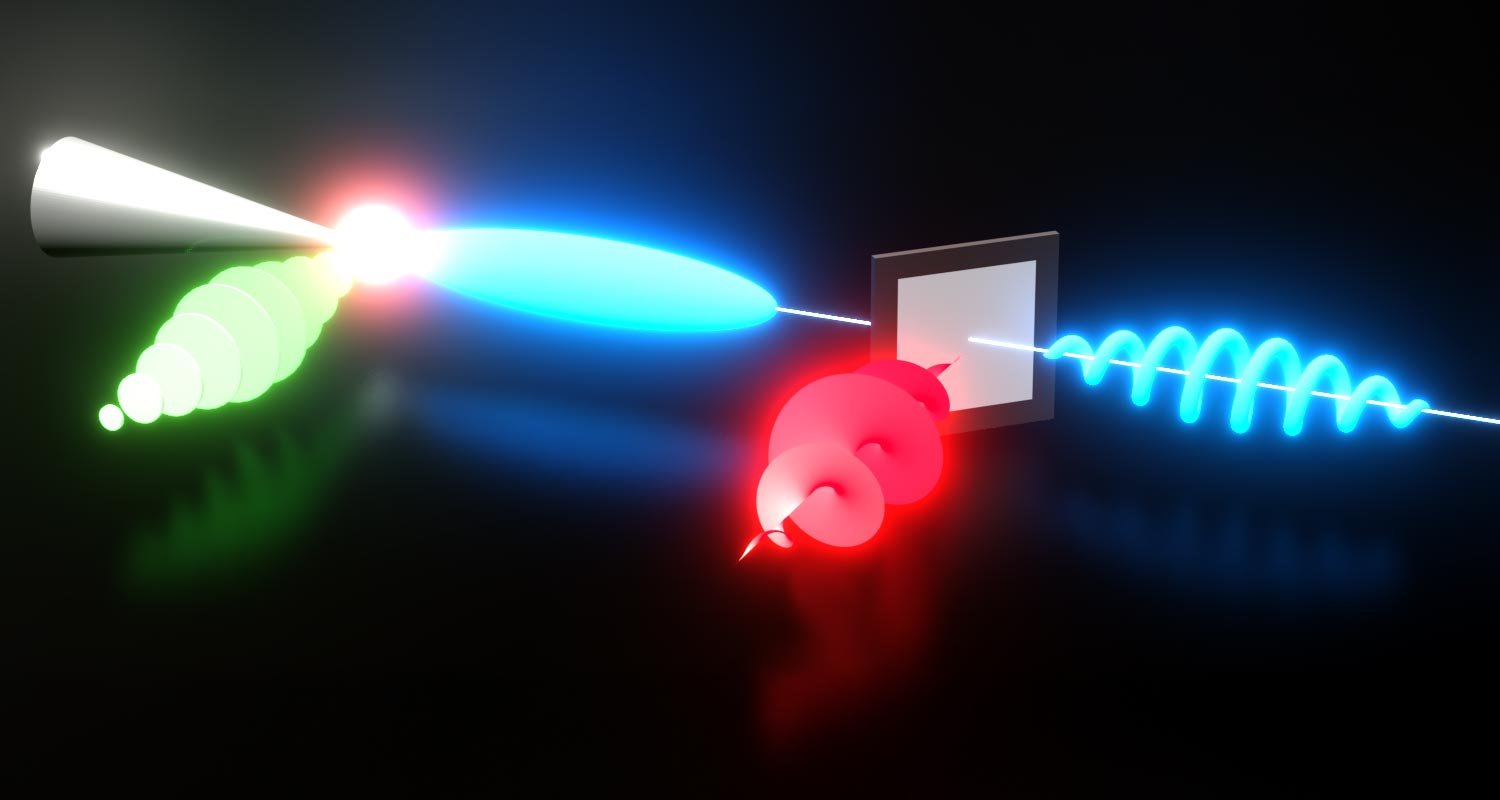
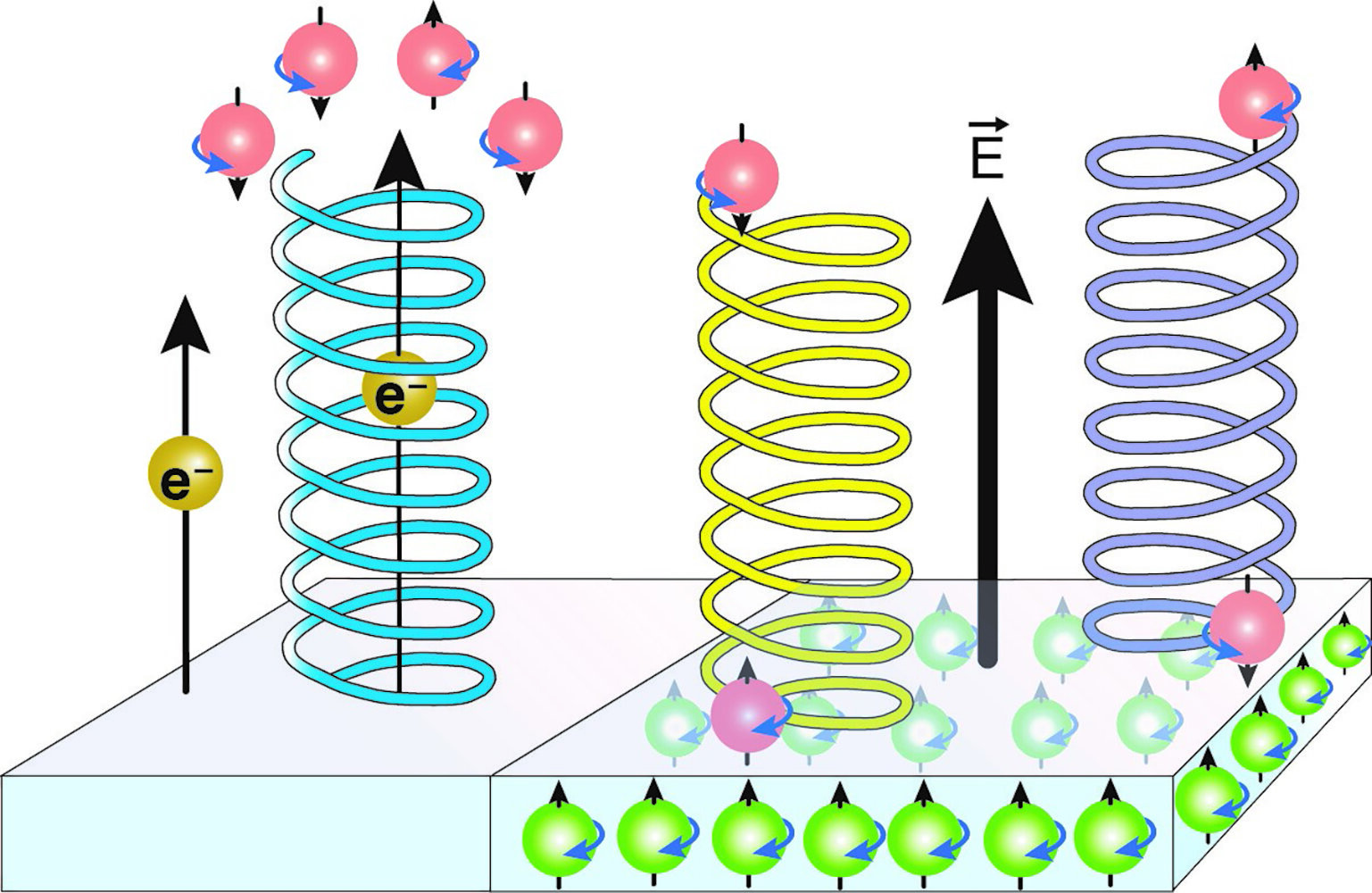
Physicists at the University of Konstanz have discovered a method to imprint chirality onto electrons using laser light, creating chiral coils of mass and charge. This breakthrough has significant implications for quantum optics, particle physics, and electron microscopy, potentially leading to new scientific explorations and technological advancements.

science1 year ago

"The 'Sphinx' Shape: Unraveling the Mystery of Handedness in Biology"

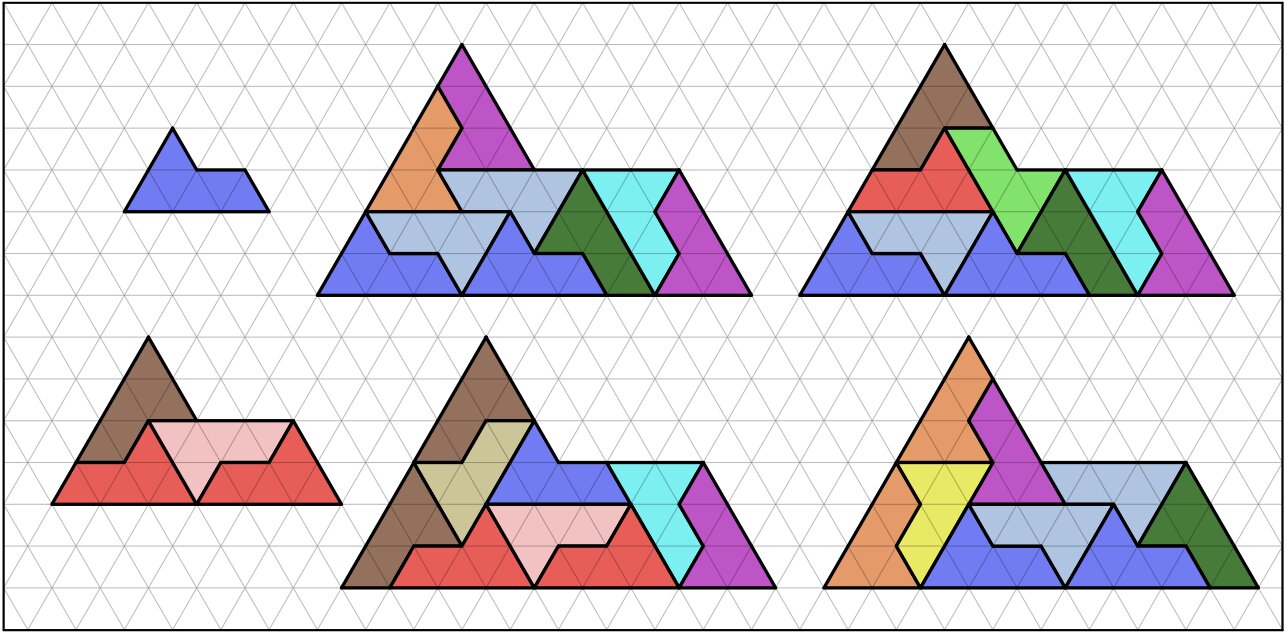
A recent study explores the role of a simple chiral shape called the sphinx in understanding the prevalence of left- and right-handedness in biology. Researchers used computer models to investigate how sphinx tiles, based on triangles, interact in different arrangements. The study revealed that even in symmetrical systems, sphinxes of the same chirality tend to cluster together, shedding light on the emergence of chiral patterns. Understanding these geometric patterns could have implications for various scientific fields, from virus structure to the origins of molecular asymmetry.

science1 year ago

Unraveling the Mystery of DNA's Right-Handed Helix

Biophysicist Greg Huber and his team explored the reasons behind the prevalence of chirality in biological structures such as DNA and alpha helices by studying the sphinx tile, an asymmetric shape with intrinsic handedness. Their study, "Entropy and chirality in sphinx tilings," published in Physical Review Research, revealed unexpected properties related to chirality, shedding light on the mysterious preference for right-handed helices in biological systems and the connections between geometry, chirality, and biology.

science1 year ago

"The Origin of Biological Handedness: Unraveling Life's Symmetry"

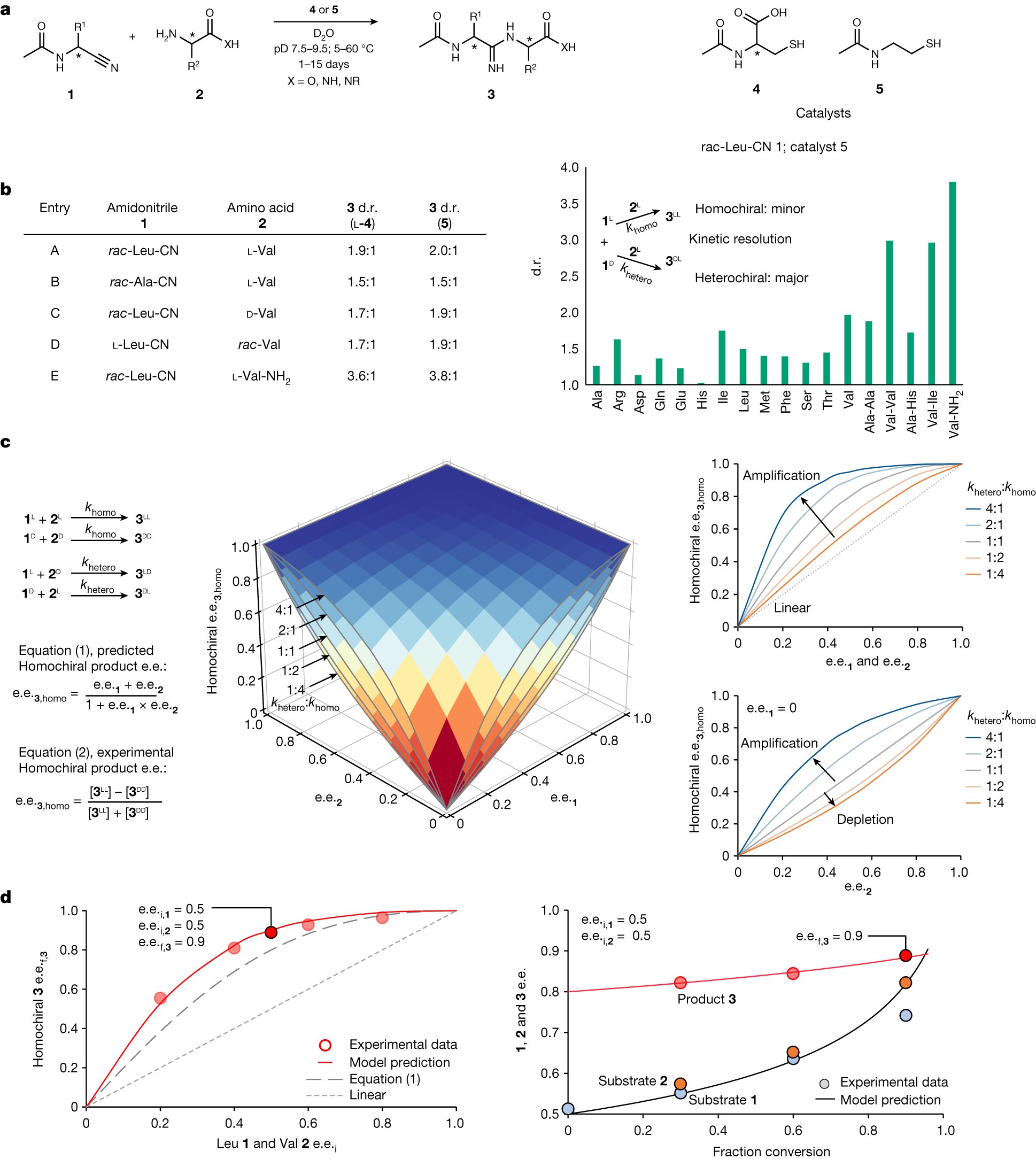
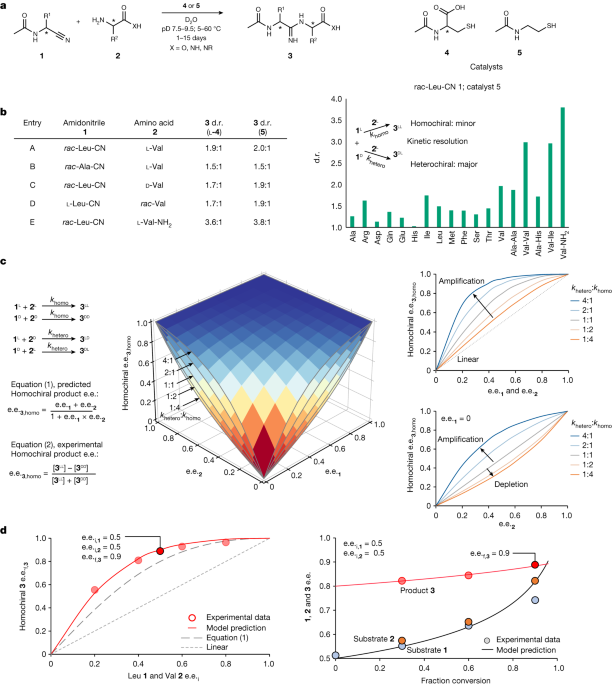
Scripps Research chemists have proposed a solution to the mystery of how molecular "handedness" or homochirality emerged in early biology, showing that it could have become established through a chemistry phenomenon called kinetic resolution. Their studies suggest that the emergence of homochirality was largely due to kinetic resolution, where one chiral form becomes more abundant than another due to faster production and/or slower depletion. This explanation offers a broad and convincing explanation for the emergence of homochirality in fundamental biological molecules such as amino acids, DNA, and RNA.

science1 year ago

"Unraveling the Origins of Molecular Handedness and Homochirality in Prebiotic Chemistry"

A study published in Nature explores a prebiotically plausible route to proteinogenic peptides and discovers a preference for heterochiral ligation, which initially seems problematic for the emergence of homochiral l-peptides. However, the study paradoxically demonstrates that this heterochiral preference provides a mechanism for enantioenrichment in homochiral chains, leading to symmetry breaking, chiral amplification, and chirality transfer processes in multicomponent competitive reactions. The findings offer insights into the emergence of homochirality in biological polymers and provide a prebiotically plausible mechanism for this phenomenon.

science1 year ago

"The Role of Magnetic Effects in the Origin of Life"

Researchers have found evidence suggesting that the interplay between electric and magnetic fields could be responsible for the preference of one mirror-image form of biomolecules over the other in living organisms. Experiments with chiral molecules on magnetic surfaces revealed that the direction of the magnetic field influenced the preference for a specific form of the molecules. This discovery could have implications for understanding the origin of life and the accumulation of biomolecules, shedding light on the longstanding mystery of molecular chirality.

science2 years ago

"Flowing Liquid Crystal Stripes Point to Chiral Fluid Pathway"

MIT engineers have discovered that chirality can emerge in a nonchiral material, specifically in a liquid crystal, when it flows slowly, forming large twisted structures. This unexpected finding opens new possibilities for designing structured fluids for drug delivery and optical sensing. The study's authors envision using the chiral liquid crystals as spiral scaffolds for assembling molecular structures and as optical sensors with altered light interactions. The research provides a simple way to engineer structured fluids and was supported by the U.S. National Science Foundation.