Tag

Theia

All articles tagged with #theia

science3 months ago

Cosmic Collisions Shaped Earth's Habitability and Life

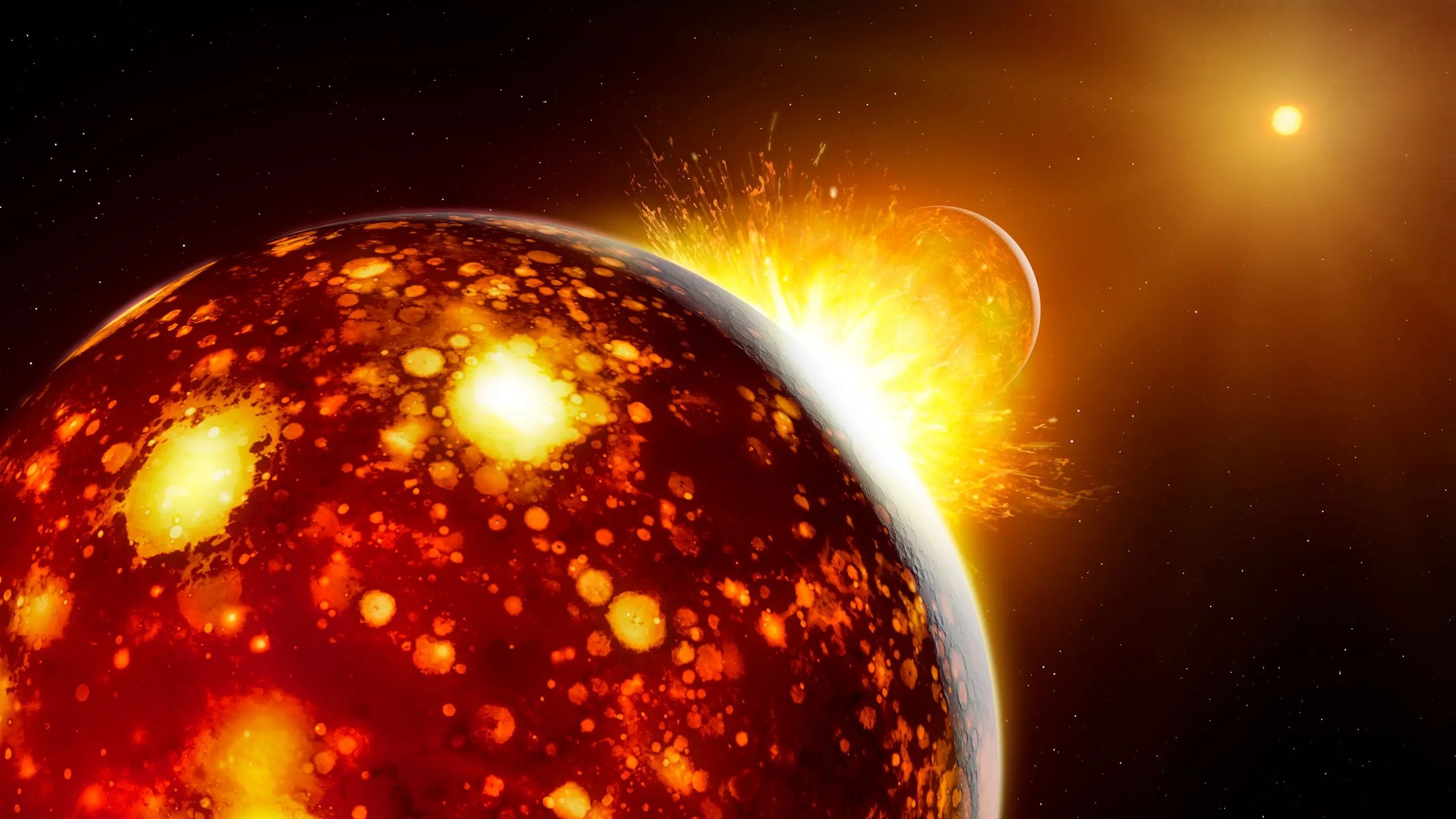
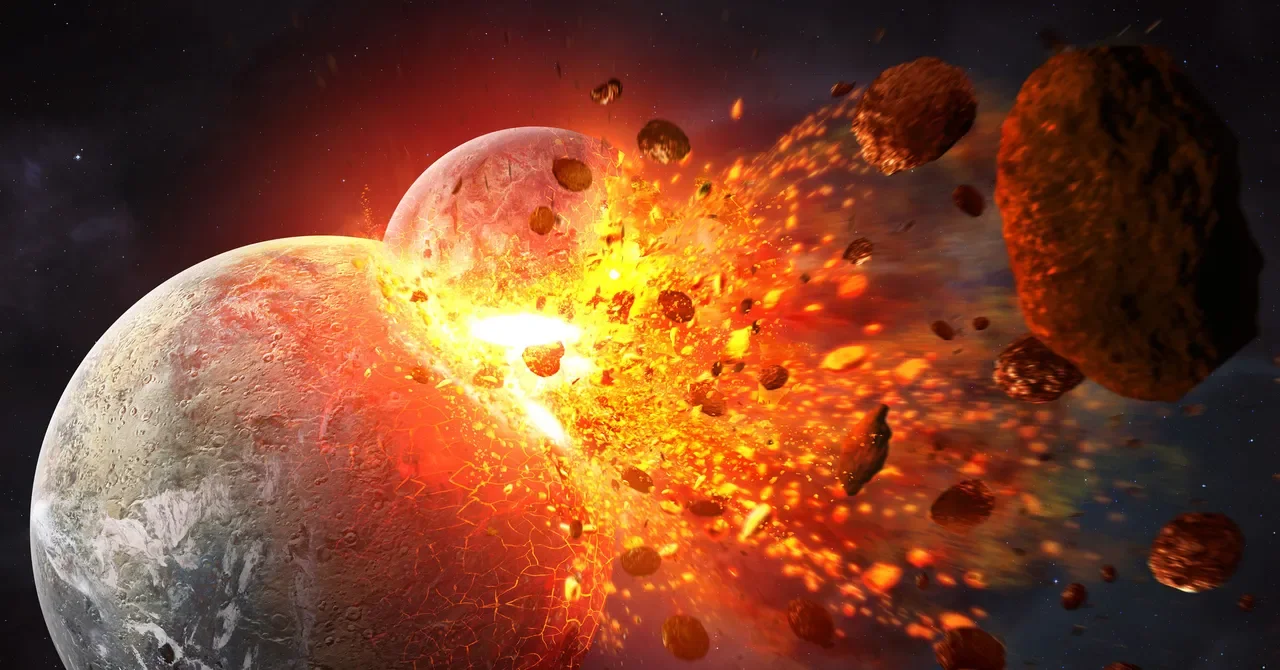
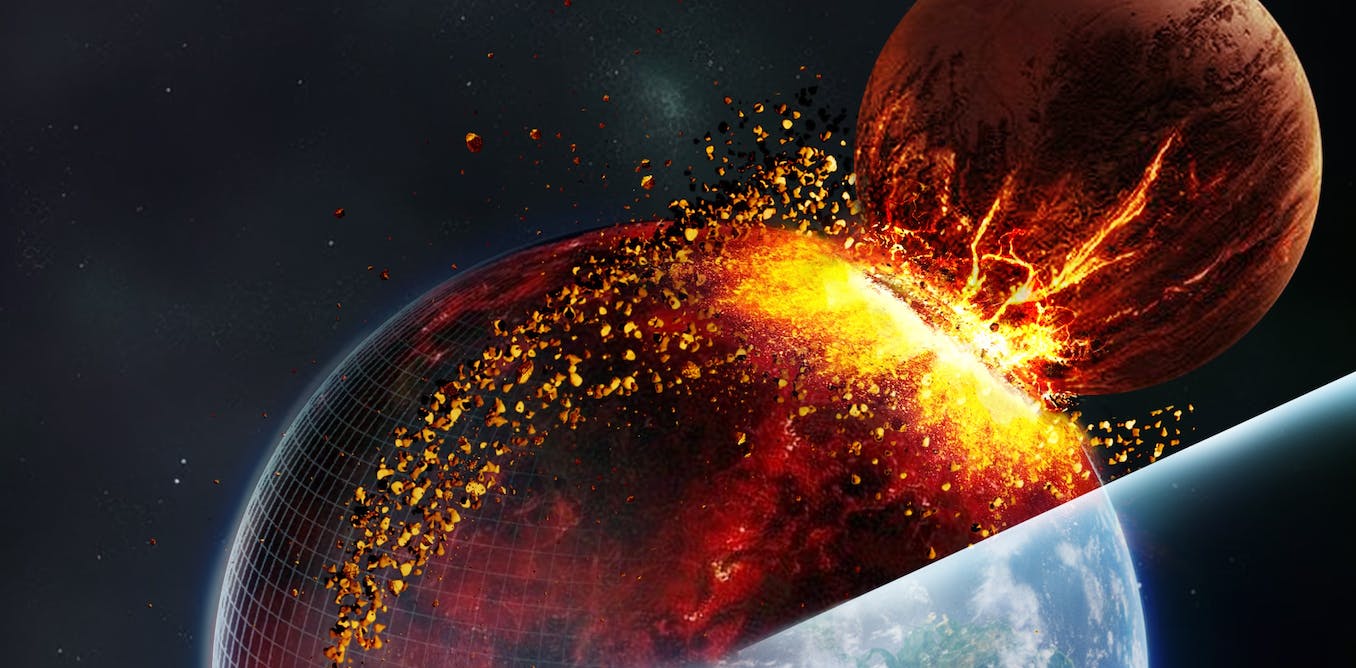
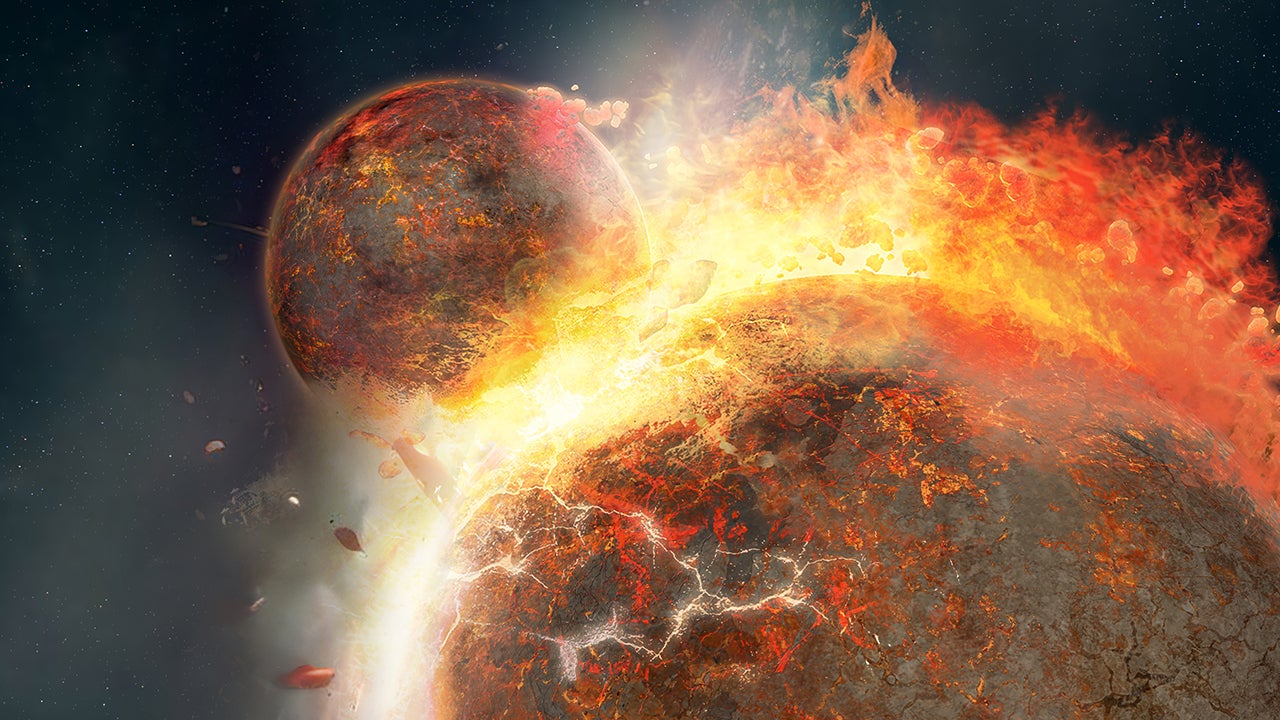
Scientists suggest that a collision between proto-Earth and a Mars-sized body called Theia not only formed Earth but also delivered essential volatile elements like water, creating conditions conducive to life. Recent research indicates Earth was initially dry and hot, with the impact providing the chemical richness necessary for life's emergence, although water alone did not trigger life.

science1 year ago

New Theory Challenges Popular Moon Origin Belief

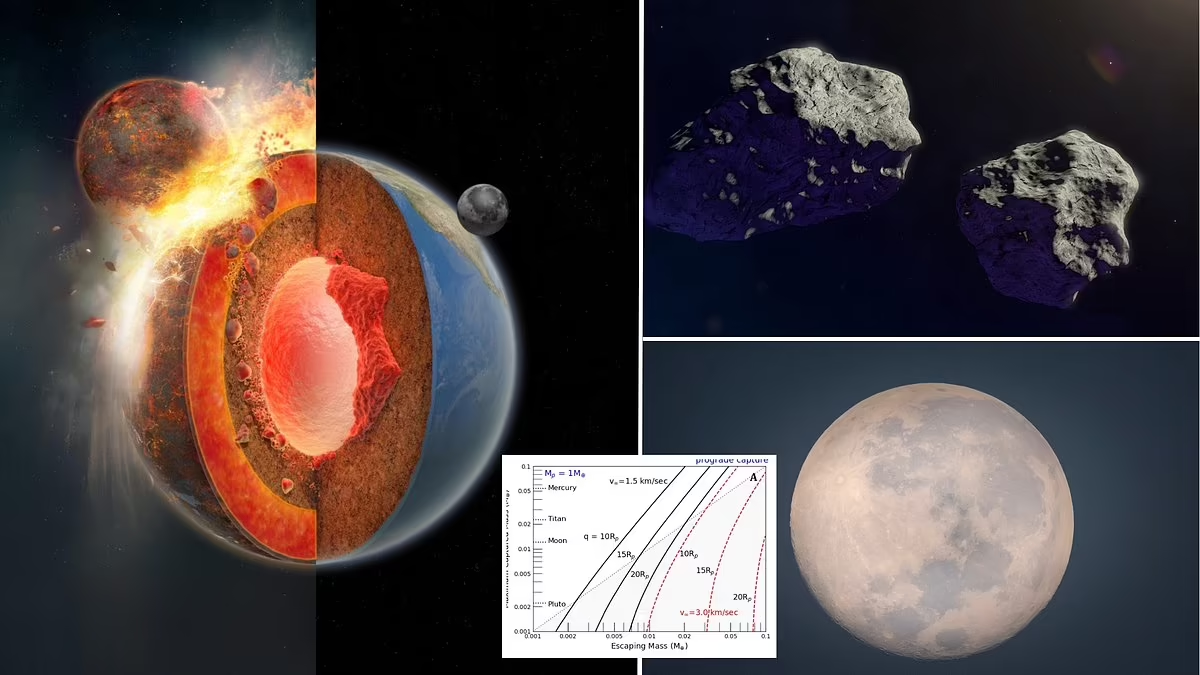
A new theory proposed by researchers from Penn State University challenges the long-held belief that the Moon was formed from a collision between Earth and a protoplanet named Theia. Instead, the study suggests the Moon may have been captured by Earth through a process called binary-exchange capture, where it was part of a pair of rocky bodies orbiting each other. This theory could explain the Moon's tilted orbit and its chemical similarities to Earth, offering an alternative to the traditional collision theory.

science1 year ago

Moon-Forming Impact May Have Sparked Earth's Continental Drift

A study suggests that the collision between Earth and a Mars-sized object named Theia 4.5 billion years ago, which formed the moon, may have also initiated plate tectonics. Researchers propose that the impact generated the necessary heat to start tectonic activity, supported by computer simulations and geological evidence from ancient zircons in Australia. While the theory is compelling, it remains one of several hypotheses about the origin of plate tectonics.

science1 year ago

"Alien Planet's Remains Found Buried at Earth's Core"

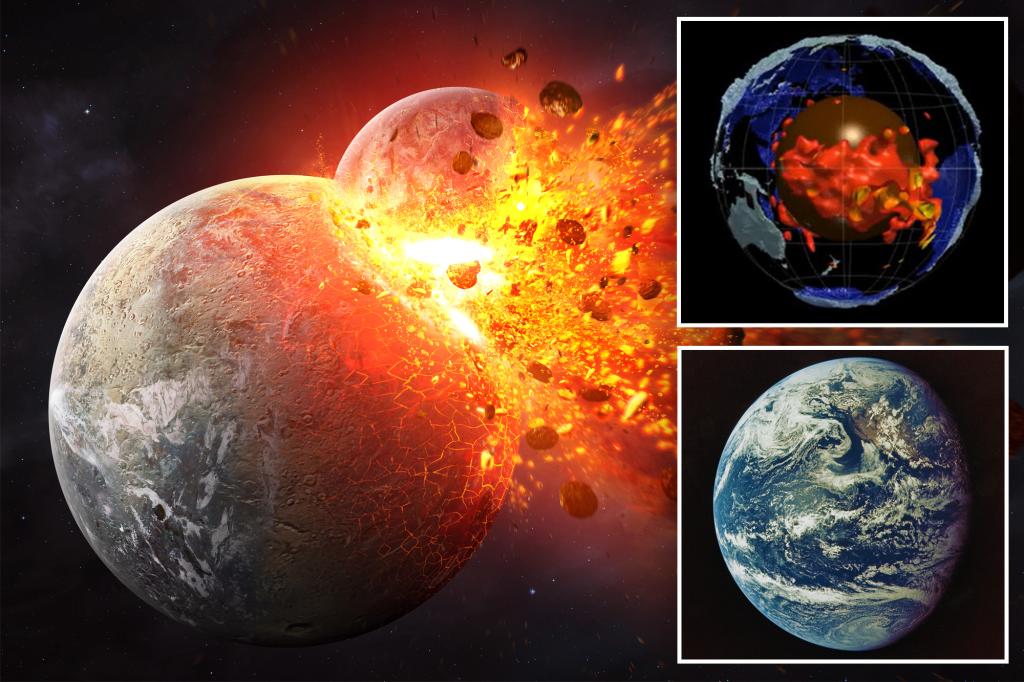
The remains of a planet called Theia, which collided with Earth billions of years ago, are believed to be buried near the Earth's core, forming Large Low-Velocity Provinces (LLVPs) in the mantle. These LLVPs are denser than the surrounding material and are thought to have resulted from the collision, which also created the Moon. Recent studies have used seismic wave measurements and simulations to confirm that the LLVPs are remnants of Theia, and researchers are now investigating their impact on Earth's early evolution.

science2 years ago

Uncovering Evidence of a Collision with Another Planet Inside Earth

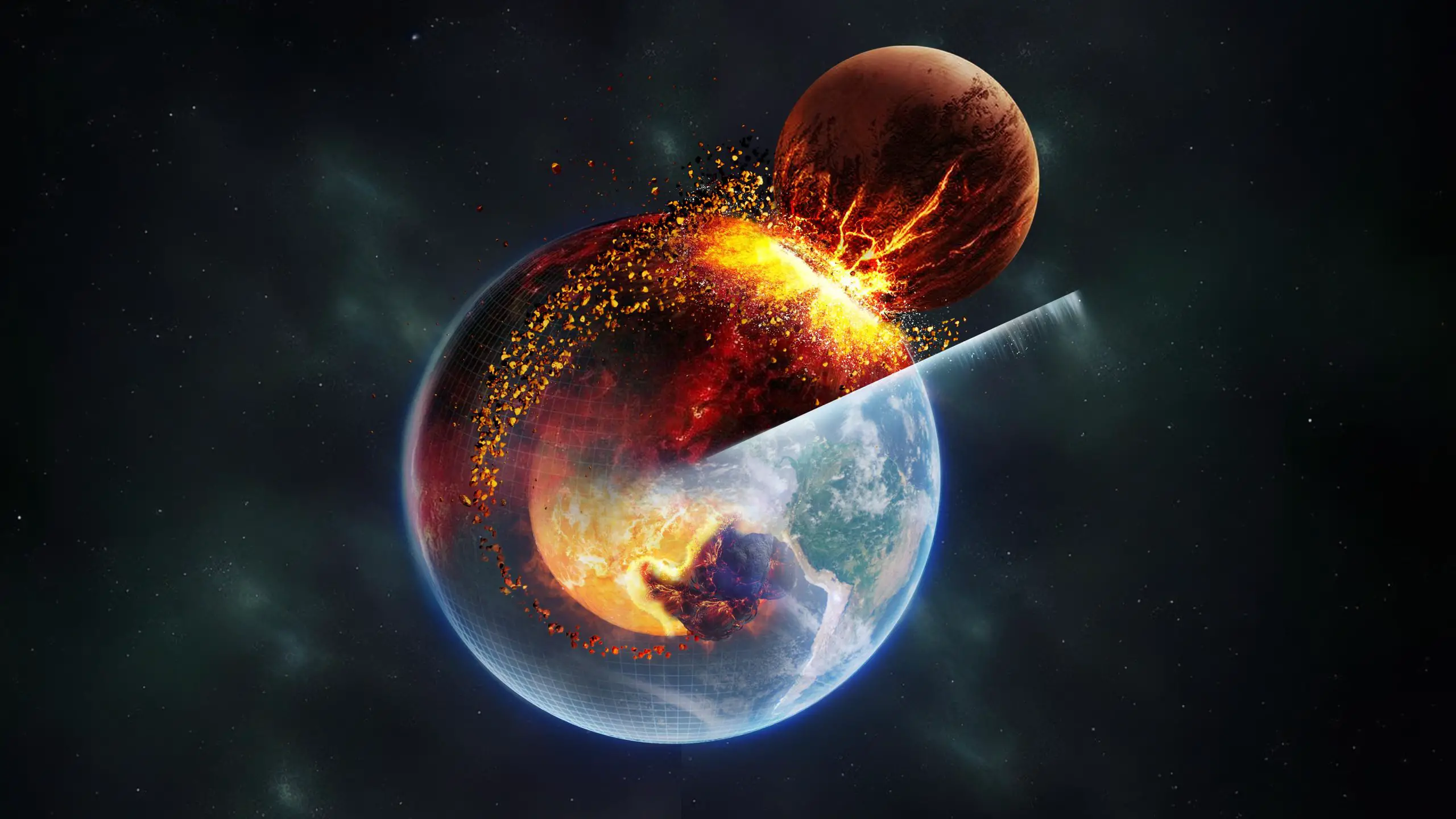
Scientists have discovered two large, dense masses in the Earth's mantle, one under Africa and the other under the South Pacific Ocean, which they believe could be remnants of a collision between Earth and a Mars-sized object called Theia that occurred over 4.46 billion years ago. Computer simulations suggest that most of Theia was absorbed into Earth, forming the two masses, while the remaining pieces formed the moon. If confirmed, this would provide evidence of the moon-forming crash and shed light on the evolution of Earth and other rocky planets.

science2 years ago

Traces of Moon's Formation Found Within Earth

New research suggests that remnants of the Mars-sized body called Theia, which collided with Earth to form the Moon, are still identifiable as two large lumps within the Earth's mantle. These lumps make up about 8% of the mantle's volume and correspond to the existence of two large low-velocity provinces (LLVPs) below the Pacific and Africa. The study argues that the heat generated by the collision was not enough to melt the entire mantle, allowing the Theia remnants to remain distinct. The discovery could have implications for plate tectonics and the formation of the Atlantic Ocean.

science2 years ago

Ancient Planet Fragments Discovered in Earth's Core

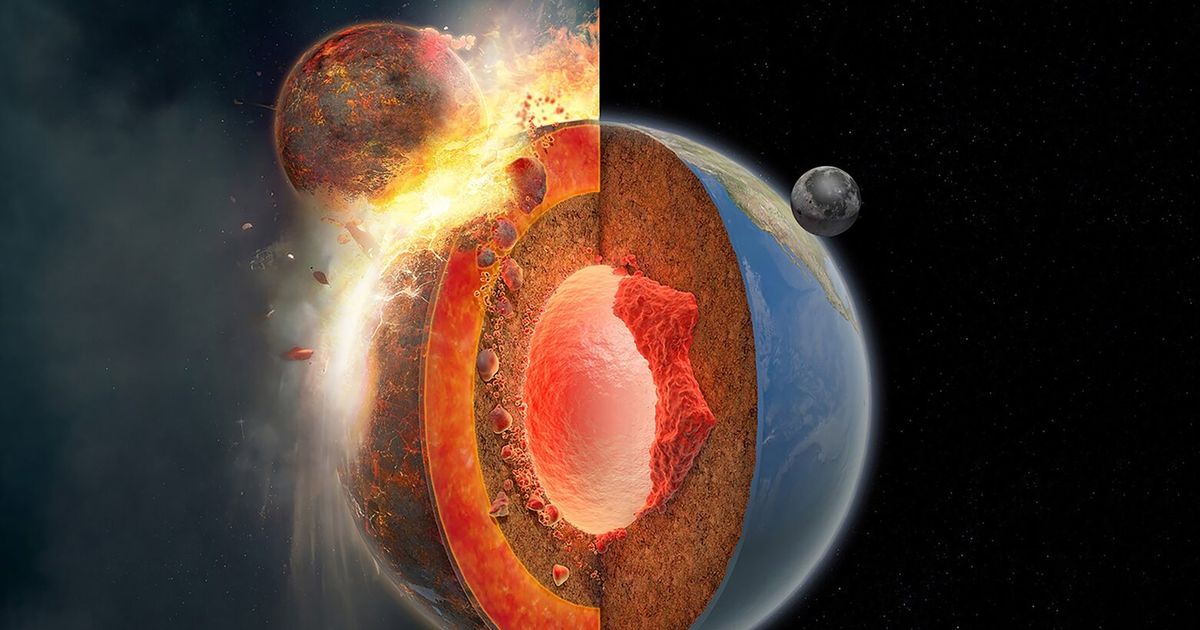
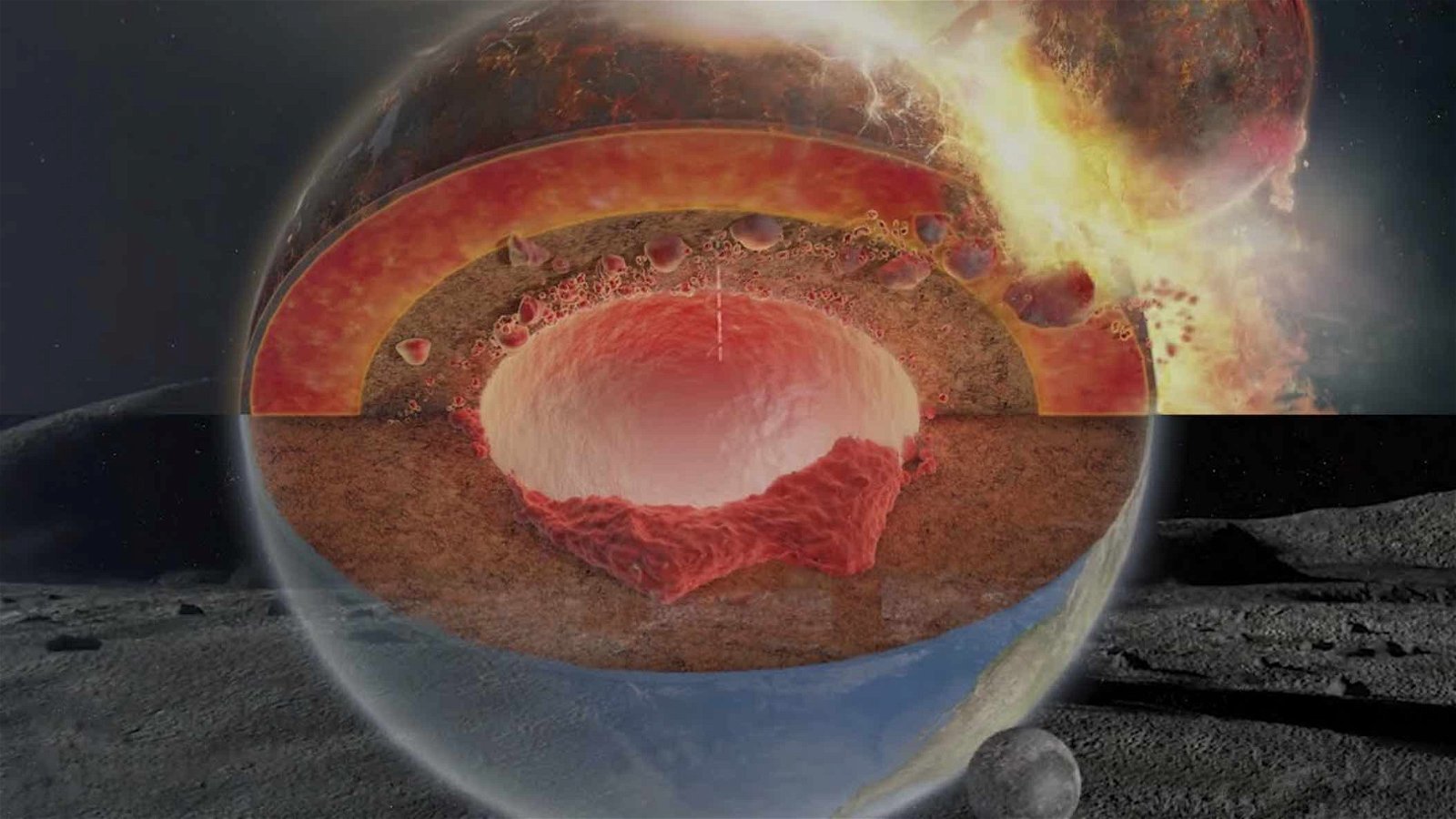
Scientists have discovered that remnants of the ancient planet Theia may be present in Earth's deep mantle, shedding light on the origin of the Moon and Earth's early history. Through computational fluid dynamics simulations, researchers found that the giant impact between Theia and Earth resulted in mantle stratification, with the upper mantle forming a magma ocean and the lower mantle retaining the composition of Earth (Gaia). This stratification may have persisted to the present day, explaining the presence of Large Low Velocity Provinces (LLVPs) in the mantle. The study challenges previous theories of Moon formation and provides insights into Earth's geological evolution and the formation of the inner solar system.

science2 years ago

Unearthing the Ancient Planet That Shaped Earth's Destiny

Scientists believe that remnants of an ancient Mars-sized planet called Theia, which collided with Earth 4.5 billion years ago and gave rise to the formation of the moon, may be buried deep within Earth's mantle close to the core. Computer simulations support the theory that two continent-sized masses of material located under Africa and the Pacific Ocean are remnants of Theia. These masses, known as large low-velocity provinces (LLVPs), have a different composition and higher density than the surrounding mantle. The simulations suggest that Theia's matter, which partially melted Earth's mantle during the collision, settled into these LLVPs over time. Further research will explore how this alien material may have influenced Earth's evolution and the formation of its first continents.

science2 years ago

Ancient Planet's Remnants Unearthed in Earth's Mantle, Study Reveals

Scientists propose a new theory that remnants of the ancient planet Theia, which collided with Earth billions of years ago to form the moon, may still exist buried deep within Earth's mantle. The theory suggests that molten slabs of Theia could have embedded themselves within Earth's mantle after impact and solidified, leaving portions of the ancient planet's material resting above Earth's core. This theory provides additional details to support the giant-impact hypothesis and offers a potential explanation for the existence of large low-velocity provinces (LLVPs) deep within Earth, which have remained a mystery to scientists. However, the theory is still a hypothesis and requires further research and investigation.

science2 years ago

"Alien Origins: Earth's Mantle Holds Traces of a Long-Lost World"

Scientists propose that the Earth's mantle contains two extra-dense blobs, known as large low-velocity provinces (LLVPs), which may have been leftover from a collision between Earth and a protoplanet called Theia 4.5 billion years ago. Seismic wave behavior suggests that these blobs are compositionally different and made of denser material than the surrounding mantle. Simulations suggest that during the collision, molten material from Theia mixed with the Earth's upper liquid layer, while denser solid material sank and embedded itself in the solid layer below. Further research will involve comparing rock samples from the Earth's mantle with samples from the Moon to support this hypothesis.

science2 years ago

Earth's Mantle Holds Clues to Ancient Planetary Collision

Scientists propose that two massive "blobs" deep inside Earth, discovered in the 1980s, are remnants of the planet Theia, which collided with Earth and created the Moon. These blobs, located near Earth's molten core, are hotter and denser than the surrounding rock. The research suggests that Theia's remnants have been hidden inside Earth since the collision, and their presence may have played a role in Earth's evolution and its ability to support life. While the theory is not 100% certain, it provides a credible explanation for the anomalies at the core-mantle boundary.

science2 years ago

Earth's Hidden Secret: Evidence of an Ancient Alien World Buried Within

Scientists at the California Institute of Technology believe that the planet, Theia, which collided with Earth billions of years ago, could still be inside Earth and may have led to the formation of the Moon. Dense material detected under large parts of Africa and the Pacific Ocean, known as large low-velocity provinces (LLVPs), is believed to be remnants of Theia. The LLVPs contain high levels of iron and react differently to seismic waves than surrounding solids. Further research is needed to understand why the remnants of Theia are grouped around Earth's mantle.

science2 years ago

Lost Planet Theia Found in Earth's Core, Unraveling Moon's Origins

Scientists at the California Institute of Technology have discovered two massive iron-rich structures near Earth's core that they believe are the remnants of Theia, a lost planet that collided with Earth and gave birth to the Moon. These structures, known as large low-velocity provinces (LLVPs), were first discovered in the 1980s and have a unique seismic signature due to their high iron content. The discovery of Theia's final resting place could revolutionize our understanding of Earth's history and lunar origins, shedding light on the violent events that shaped our planet and the enduring dance of celestial bodies in the cosmos. Further research will explore the consequences of Theia's materials on Earth's ancient interior processes, such as plate tectonics and the formation of continents.