Tag

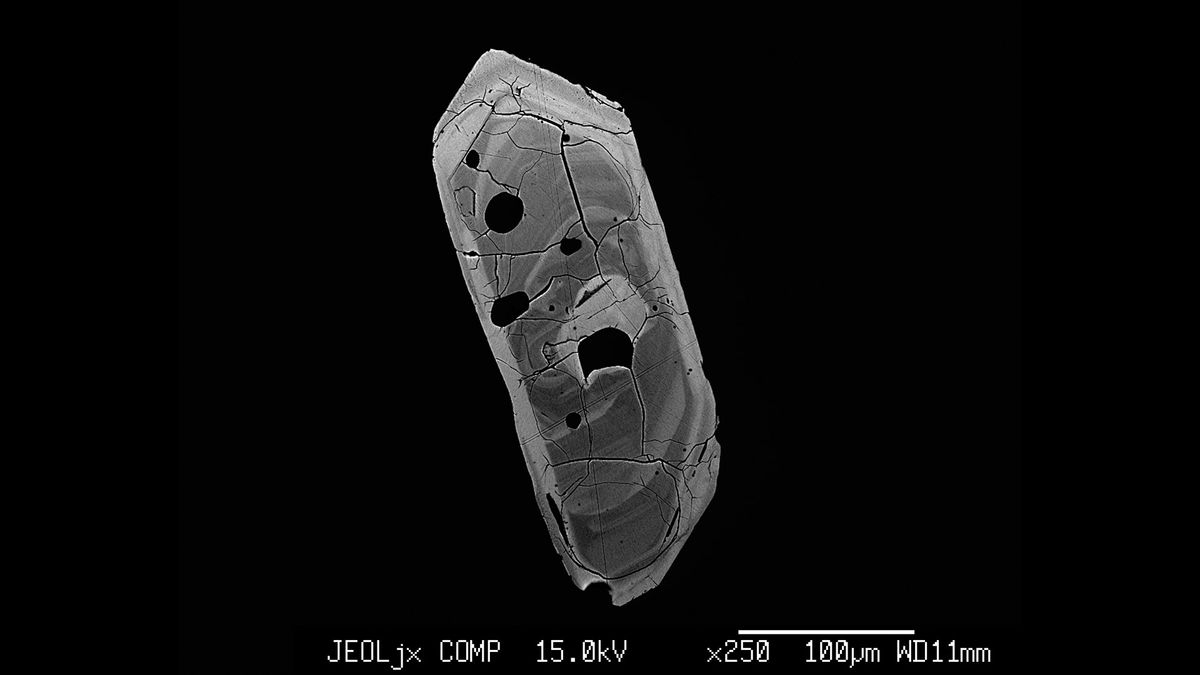
Zircon Crystals

All articles tagged with #zircon crystals

science1 year ago

"Ancient Crystals Reveal Fresh Water Existed on Earth 4 Billion Years Ago"

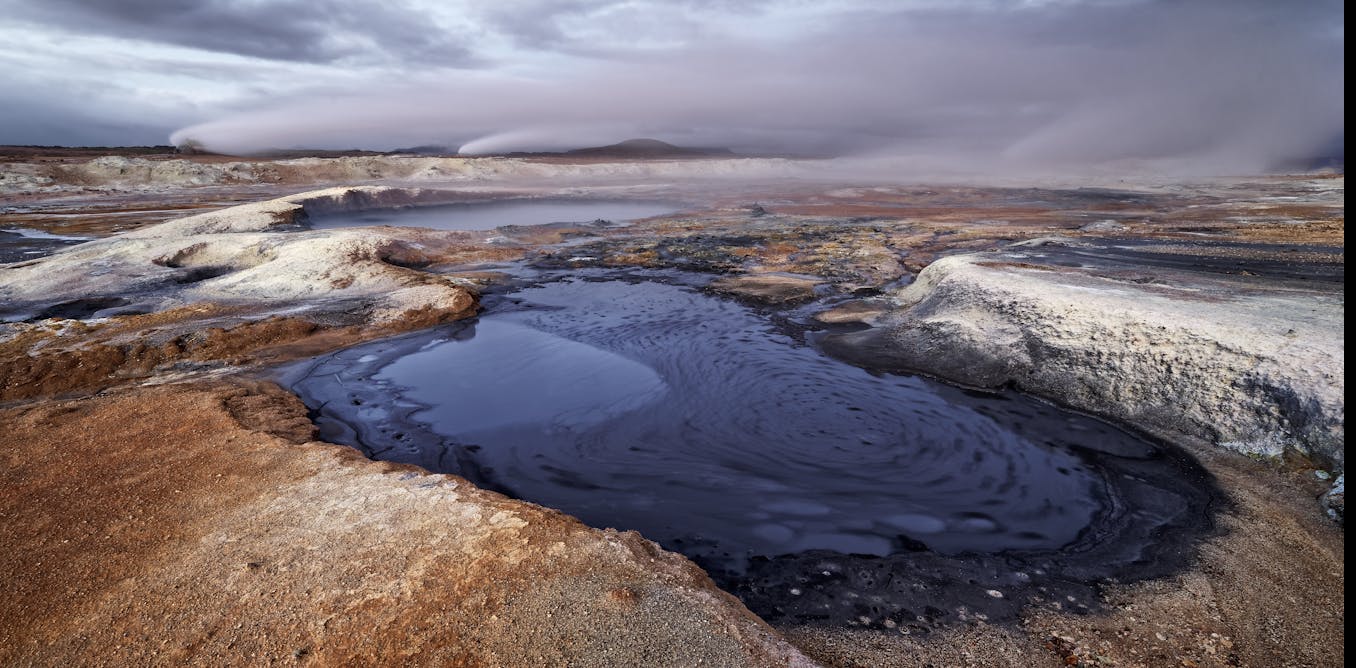
A new study published in Nature Geoscience reveals that fresh water and dry land existed on Earth 4 billion years ago, half a billion years earlier than previously thought. This discovery, based on the analysis of ancient zircon crystals from the Jack Hills in Western Australia, provides crucial insights into the early conditions that could have supported the emergence of life on our planet.

geology1 year ago

"Unearthing Scandinavia's Ancient Origins: The Discovery of a 3.75 Billion Year Old Earth's Crust Segment"

Researchers studying zircon crystals in river sand and rocks in Finland have discovered a hidden chunk of Earth's crust that originated in Greenland and played a crucial role in the formation of Scandinavia. The crystals, dating back 3.75 billion years, provide insights into the formation and growth of the oldest parts of the continental crust, shedding light on the birth of continents and their influence on Earth's habitability. This discovery may help understand how other landmasses on Earth formed and spread across the planet.

science-and-space2 years ago

New Research Reveals Surprising Age of the Moon

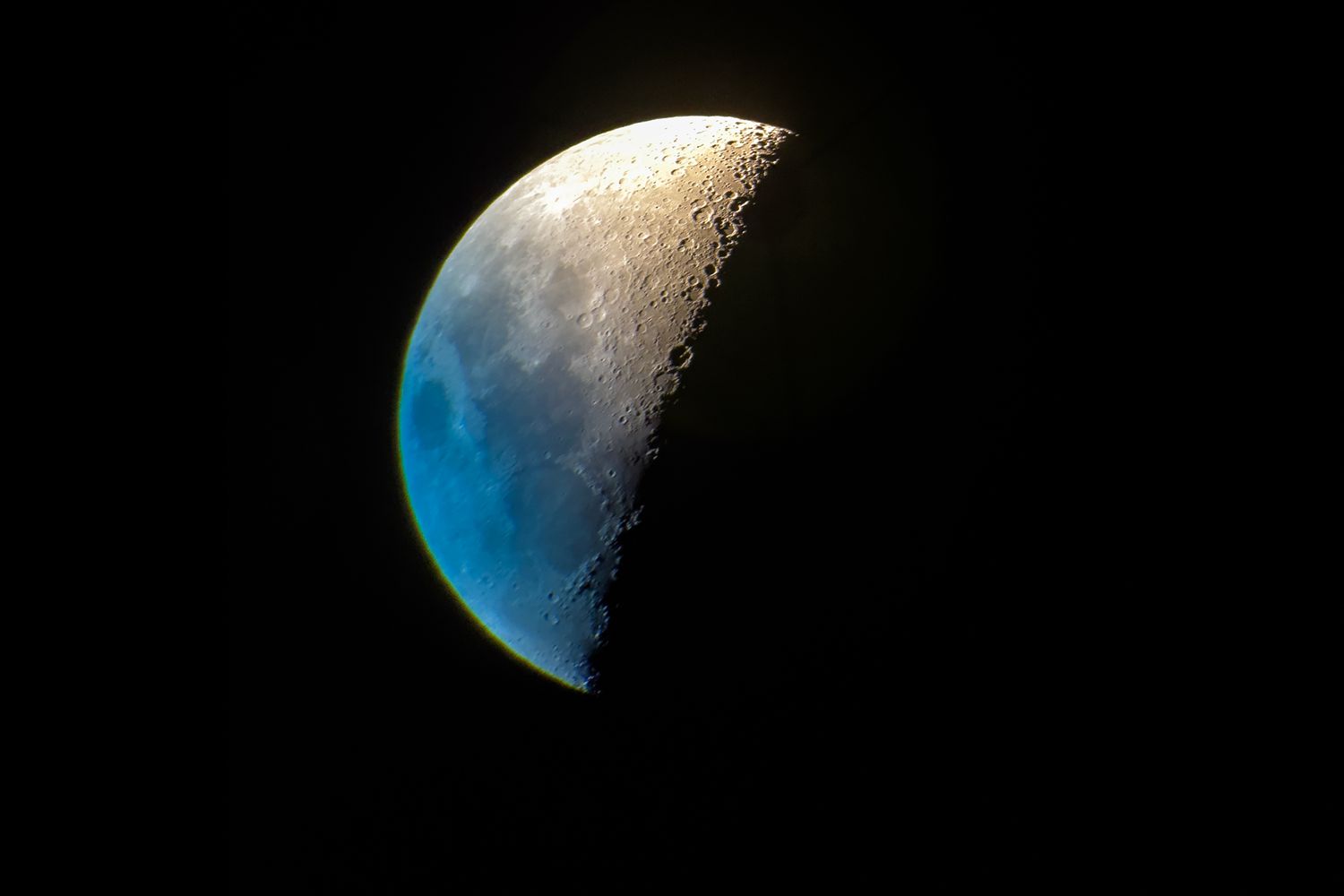
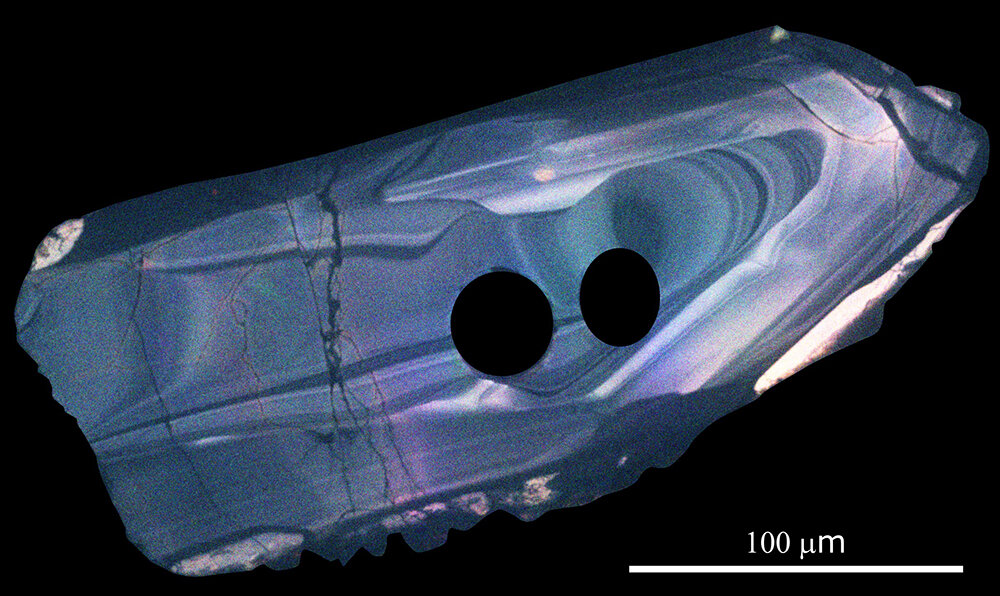
New research from Northwestern University suggests that the moon may be 40 million years older than previously believed. Scientists studying zircon crystals in lunar dust brought back by Apollo 17 astronauts estimated the age of the crystals to be 4.46 billion years old using atom probe tomography and radiometric dating. The moon's formation is thought to have occurred over 4 billion years ago when a Mars-sized object collided with a young Earth. Understanding the moon's age and composition is crucial as it plays a significant role in stabilizing Earth's rotational axis and influencing tides. NASA's upcoming Artemis missions are expected to provide further insights into our lunar companion.

science-and-space2 years ago

Apollo 17 astronauts' rock collection unveils moon's true age, 40 million years older than believed

Lunar dust collected by Apollo 17 astronauts in the 1970s has revealed that the moon is 40 million years older than previously believed. A new analysis of the collected sample detected zircon crystals and dated them to 4.46 billion years old, indicating that the moon must also be at least that old. The findings provide valuable insights into the moon's formation and its role in stabilizing Earth's rotational axis and tides. The study marks the first use of atom probe tomography to determine the age of the crystals, shedding light on the moon's true age.

science2 years ago

"Newly Discovered Moon Rock Challenges Lunar Age Estimates"

Lunar dust collected by Apollo 17 astronauts in the 1970s has revealed that the moon is 40 million years older than previously believed. Analysis of zircon crystals in the collected rocks and dust dated them to 4.46 billion years old, indicating that the moon must also be at least that old. The findings provide valuable insights into the moon's formation and its role in stabilizing Earth's rotational axis.

science-and-space2 years ago

"Newly discovered moon rock reveals surprising age discrepancy"

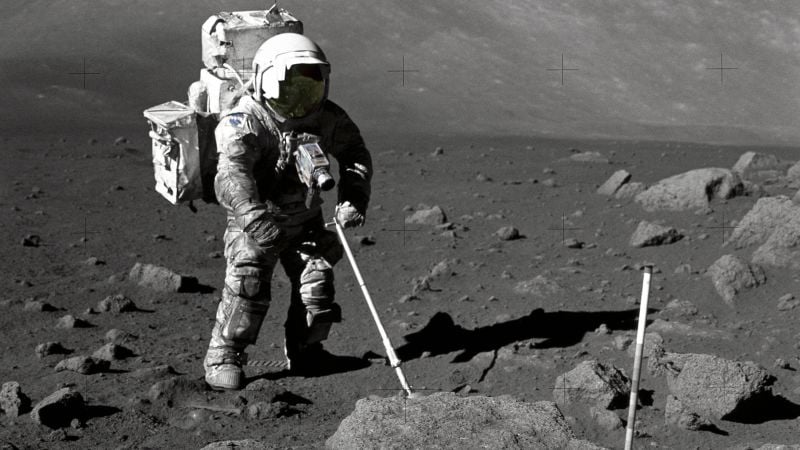
Zircon crystals found in a rock collected by Apollo 17 astronaut Harrison Schmitt in 1972 have provided scientists with new insights into the moon's formation and its age. Using a method called atom probe tomography, researchers confirmed that the moon formed more than 4.46 billion years ago, about 40 million years earlier than previously believed. The crystals, which formed after a giant impact between Earth and a Mars-sized object called Theia, help shed light on the moon's role in stabilizing Earth's axis and its significance for future space exploration.

earth-science2 years ago

The Relationship Between Plate Tectonics and the Origin of Life on Earth.

Researchers at the University of Rochester used zircon crystals to study plate tectonic activity in early Earth. The chemical evidence suggests that plate tectonics was most likely occurring more than 4.2 billion years ago when life is thought to have first formed on our planet. The study provides insights into the geodynamics and lithological diversity of early Earth, which could lead to revelations of how life first began on our planet.