An Italian study finds centenarians are more likely to carry Western Hunter-Gatherer DNA, with about 38% higher odds of reaching 100, suggesting ancient ancestry may influence aging, but causation isn’t proven and more research is needed.
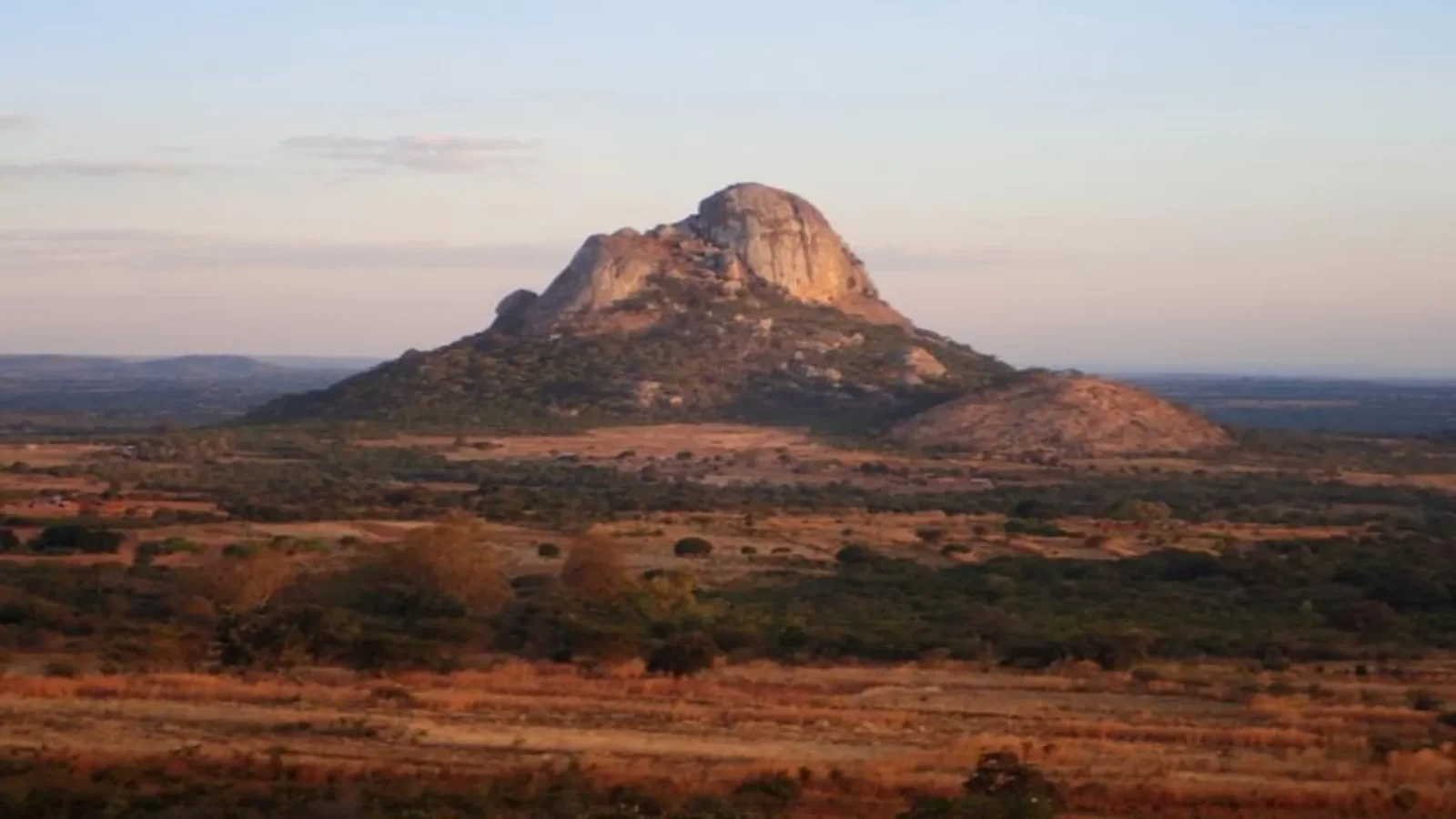
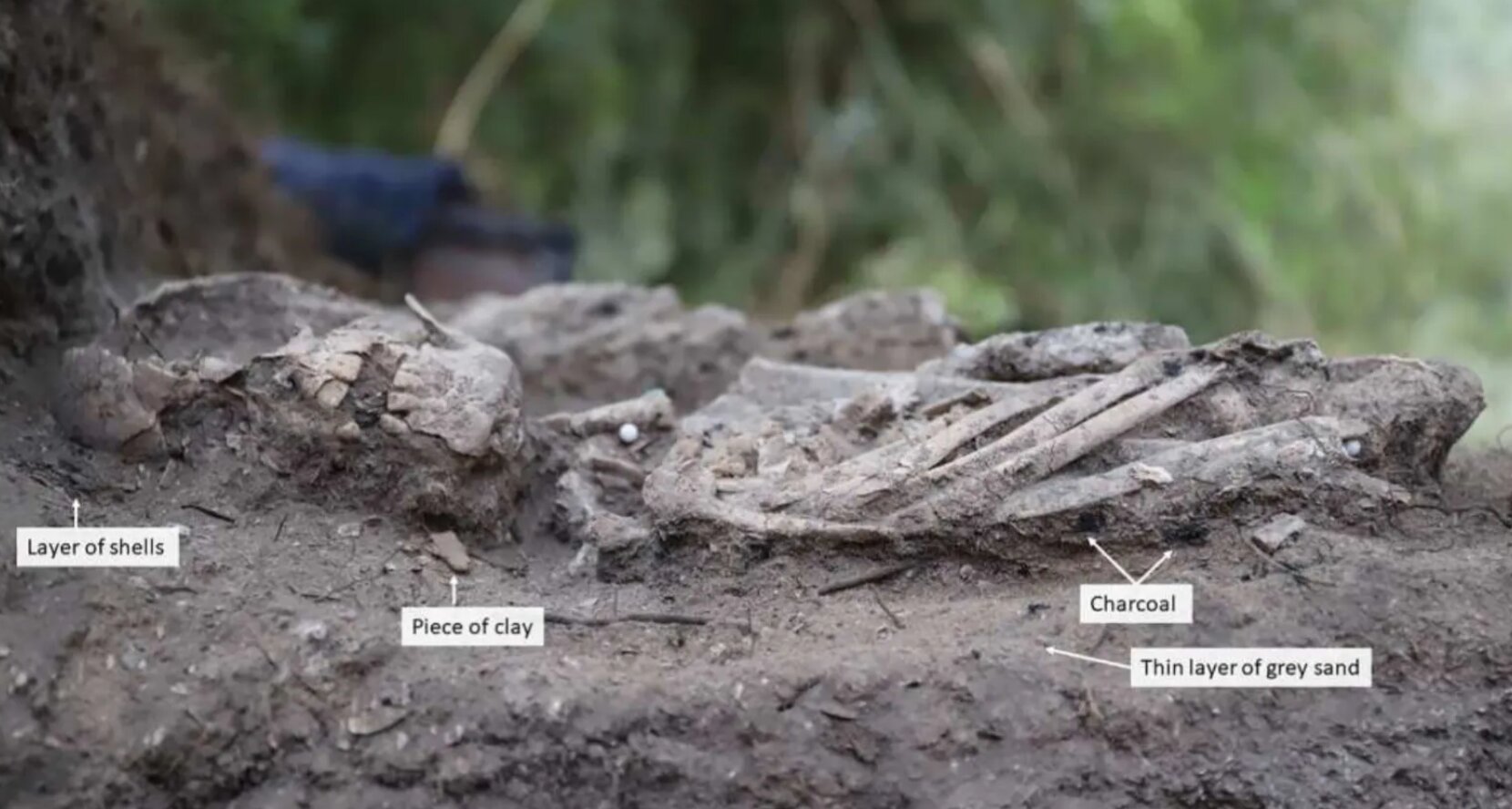
Researchers discovered the oldest known cremation pyre in Africa, dating back 9,500 years in Malawi, revealing complex funerary practices among early hunter-gatherers and raising questions about their cultural beliefs and social structures.
Archaeologists discovered the world's oldest intentional cremation pyre at Mount Hora in Africa, dating back around 9,500 years, revealing complex social and mortuary rituals among early hunter-gatherers, including dismemberment and bone relics as acts of remembrance.
A study finds that Italian centenarians have a higher proportion of DNA inherited from ancient Western Hunter-Gatherers, which may contribute to longevity, especially in women, by improving metabolism and stress resistance.
A study reveals that ancient Patagonian hunter-gatherers cared for injured members, with evidence of social support systems for severe injuries, challenging assumptions about mobility and caregiving in non-sedentary societies.
Michael Gurven's book 'Seven Decades' explores the evolutionary history of human aging, emphasizing that longevity is not a recent phenomenon but built into our biology, and highlights lessons from traditional communities like the Tsimané to improve our understanding of aging and health today.
A recent study of three non-adult burials at the Mesolithic site of Cabeço da Amoreira in Portugal reveals diverse funerary practices, including a unique complex burial structure, providing insights into the social and cultural behaviors of last hunter-gatherer populations in Iberia around 8000–7100 cal BP.
Scientists discovered a 12,000-year-old human skeleton in Vietnam with a quartz projectile injury, possibly indicating early conflict among hunter-gatherers, and the find includes the oldest mitochondrial DNA from the region, offering rare insights into early human life and violence.
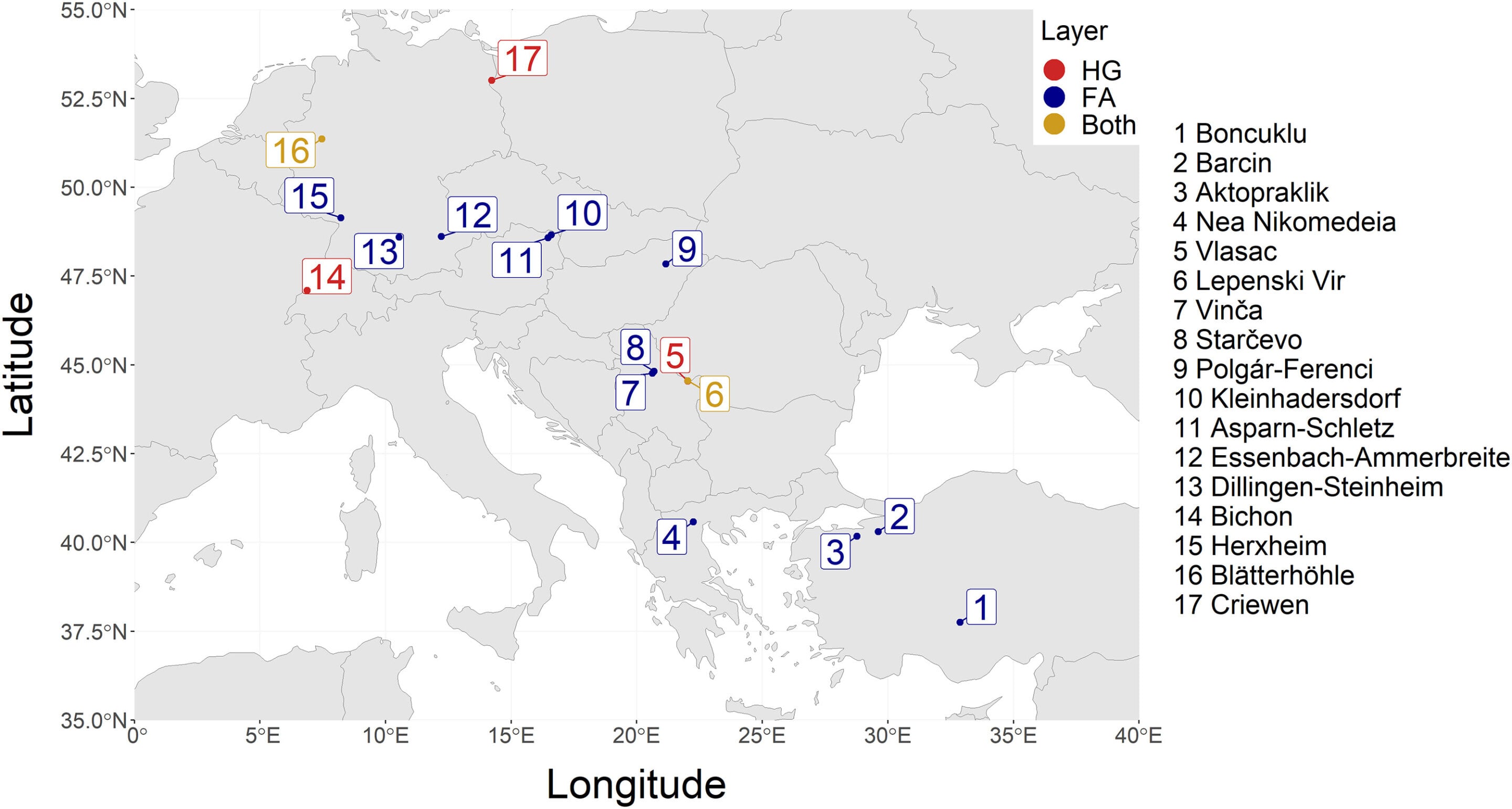
A study combining ancient DNA analysis and computer simulations reveals that during Europe's Neolithic transition, hunter-gatherers and early farmers coexisted and gradually interbred, with increased genetic mixing over time as farmers expanded along the Danube route, challenging the idea of violent replacement and highlighting a complex process of contact and integration.
A study on the Hadza tribe, known for their active lifestyle, revealed that their daily energy expenditure is similar to that of sedentary office workers in the U.S., suggesting that exercise alone may not be effective for weight loss.
A study led by Washington State University reveals that hunter-gatherer children in the Congo Basin learn essential survival skills by age six or seven through a unique social environment where knowledge is passed down by the broader community, not just parents. This research highlights the role of extended family and unrelated community members in cultural transmission, contrasting with the Western nuclear family model. The findings underscore the importance of egalitarianism and autonomy in learning, contributing to 'cumulative culture' and human adaptability across diverse environments.
A study by the University of Zurich reveals that Central African hunter-gatherer groups had extensive social networks and cultural exchanges long before the advent of agriculture, preserving ancient cultural diversity. The research, which analyzed genetic data, musical instruments, and specialized vocabulary, shows that these interactions influenced the genetic, linguistic, and cultural traits of these populations, highlighting deep-rooted cultural networking in the region.
Europe's hunter-gatherers disappeared around 5,000 years ago, coinciding with the spread of farming in the region. Modern Europeans still carry 10-15% of their DNA from these hunter-gatherers, who were genetically distinct from farmers. Some hunter-gatherer communities suffered violent deaths at the hands of farmers and were wiped out after the arrival of farming communities. The exact circumstances leading to their disappearance remain unknown, but their decline coincided with the spread of agriculture in Europe.
In Brazil, researchers have discovered 9,000-year-old rock art created by hunter-gatherers near fossilized dinosaur footprints dating back to the Cretaceous period. The petroglyphs, found at the Serrote do Letreiro site, are believed to have been intentionally placed next to the dinosaur tracks, with some appearing to illustrate the prints. The art, attributed to small seminomadic groups of hunter-gatherers, consists of geometric carvings made using perforation and scraping techniques. This discovery sheds light on the ancient humans' awareness of and interaction with the dinosaur footprints in the region.
Researchers have identified a geographic hub in the Persian Plateau, spanning Iran, southeast Iraq, and northeast Saudi Arabia, where the first humans leaving Africa lingered for thousands of years before dispersing to settle Asia and Europe. This conclusion is based on genomic datasets and paleoecological evidence, suggesting that this region provided an ideal habitat for the early human populations. The study sheds light on the early phases of human colonization of Eurasia and the genetic divergence between present-day East Asians and Europeans.