historyarchaeology2.555 min read
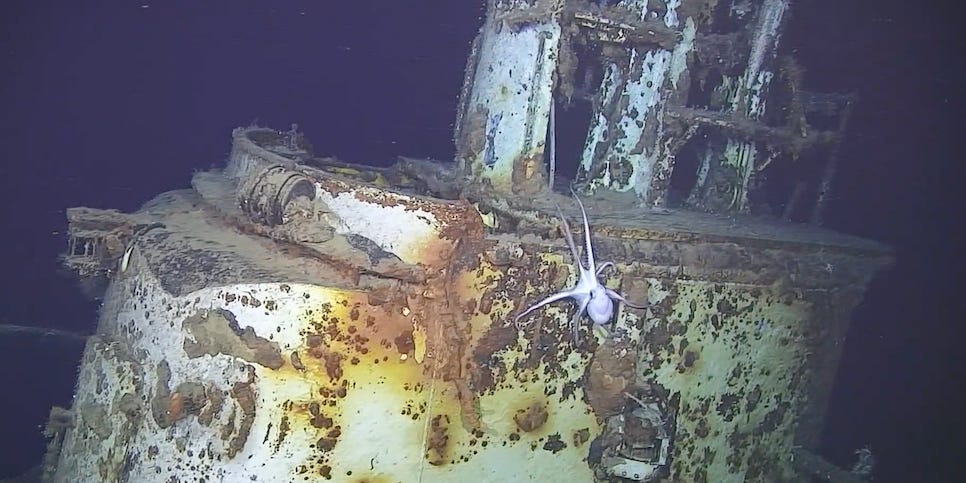
Legendary WWII Submarine USS Harder Discovered in South China Sea
1 year ago•Source: Business Insider

The latest historyarchaeology stories, summarized by AI
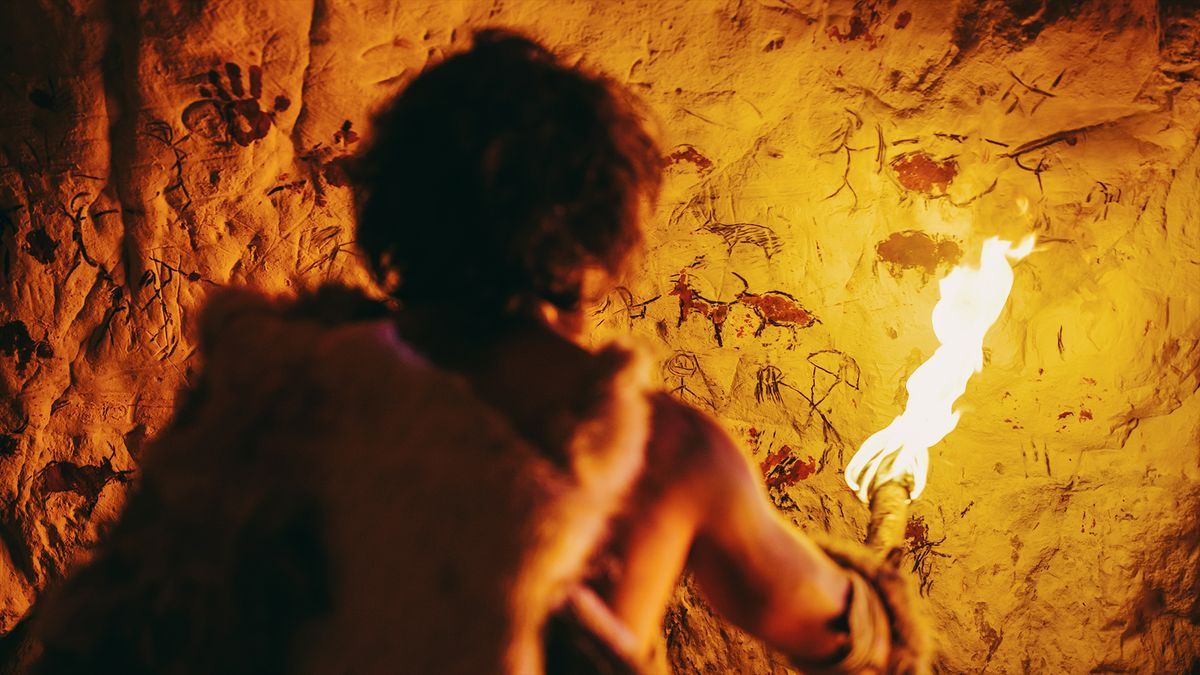
Europe's hunter-gatherers disappeared around 5,000 years ago, coinciding with the spread of farming in the region. Modern Europeans still carry 10-15% of their DNA from these hunter-gatherers, who were genetically distinct from farmers. Some hunter-gatherer communities suffered violent deaths at the hands of farmers and were wiped out after the arrival of farming communities. The exact circumstances leading to their disappearance remain unknown, but their decline coincided with the spread of agriculture in Europe.
The Jerusalem Post•1 year ago
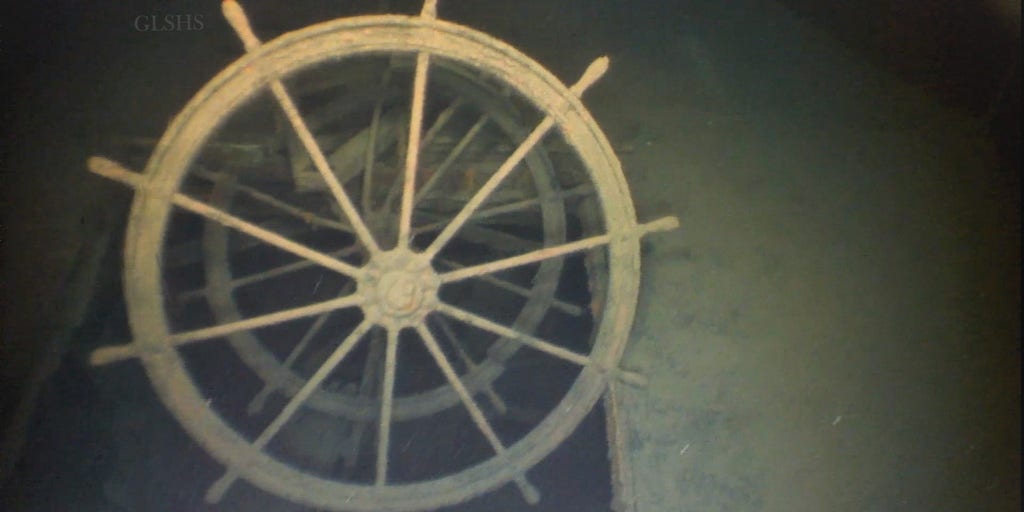
The shipwreck of the SS Arlington, which sank in Lake Superior in 1940, has been discovered more than 80 years later by the Great Lakes Shipwreck Historical Society and researcher Dan Fountain. The vessel, which took its captain down with it under mysterious circumstances during a storm, was found using remote sensing data and sonar. The discovery sheds light on the ship's tragic fate and the enigmatic behavior of its captain, providing closure to the family of Captain Burke and adding to the many mysteries of Lake Superior's shipwrecks.
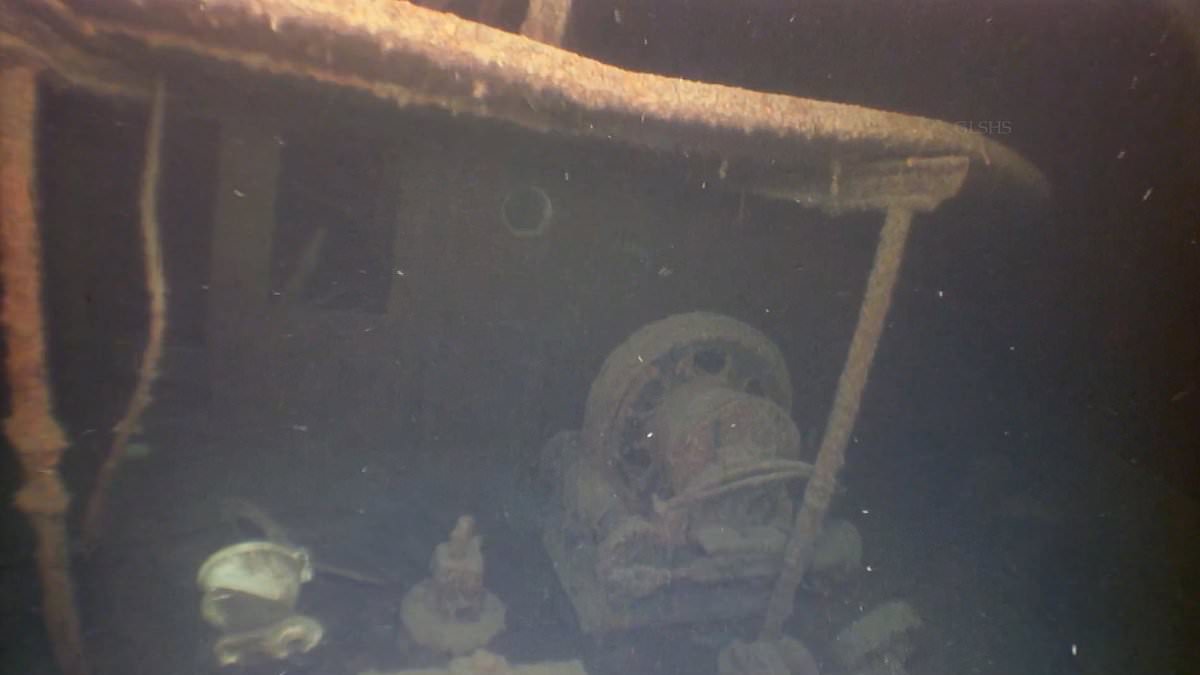
Shipwreck hunters have discovered the WWII-era merchant ship Arlington, which sank in Lake Superior 84 years ago during a storm. The 244-foot bulk carrier was found buried beneath 650 feet of water north of Michigan's Keweenaw Peninsula. The ship was carrying wheat from Port Arthur, Ontario, to Owen Sound when it sank in May 1940. The crew survived, except for the captain, Frederick 'Tatey Bug' Burke, whose behavior remains a mystery. The discovery was made by the Great Lakes Shipwreck Historical Society, and researcher Dan Fountain hopes it will bring closure to the captain's descendants.
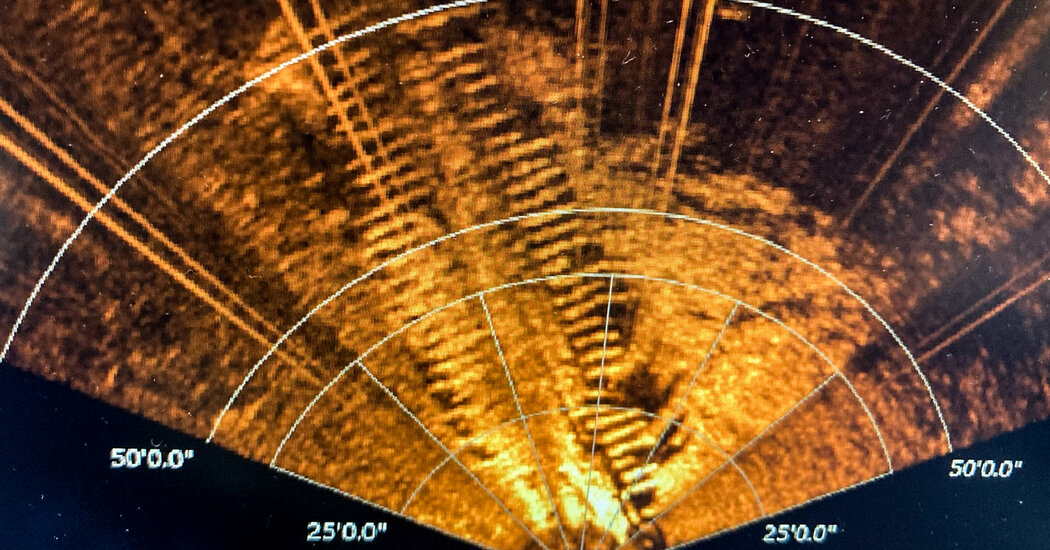
A father and daughter exploring the waters of Lake Michigan stumbled upon a shipwreck from 1871, most likely the George L. Newman, which sank during the Peshtigo fire. The ship, partially buried and forgotten, was identified by historians in Wisconsin after the father posted sonar images online. The George L. Newman was a 122-foot-long wooden vessel that became grounded on Green Island during the devastating fire. The wreck will undergo further investigation for listing on the National Register of Historic Places.
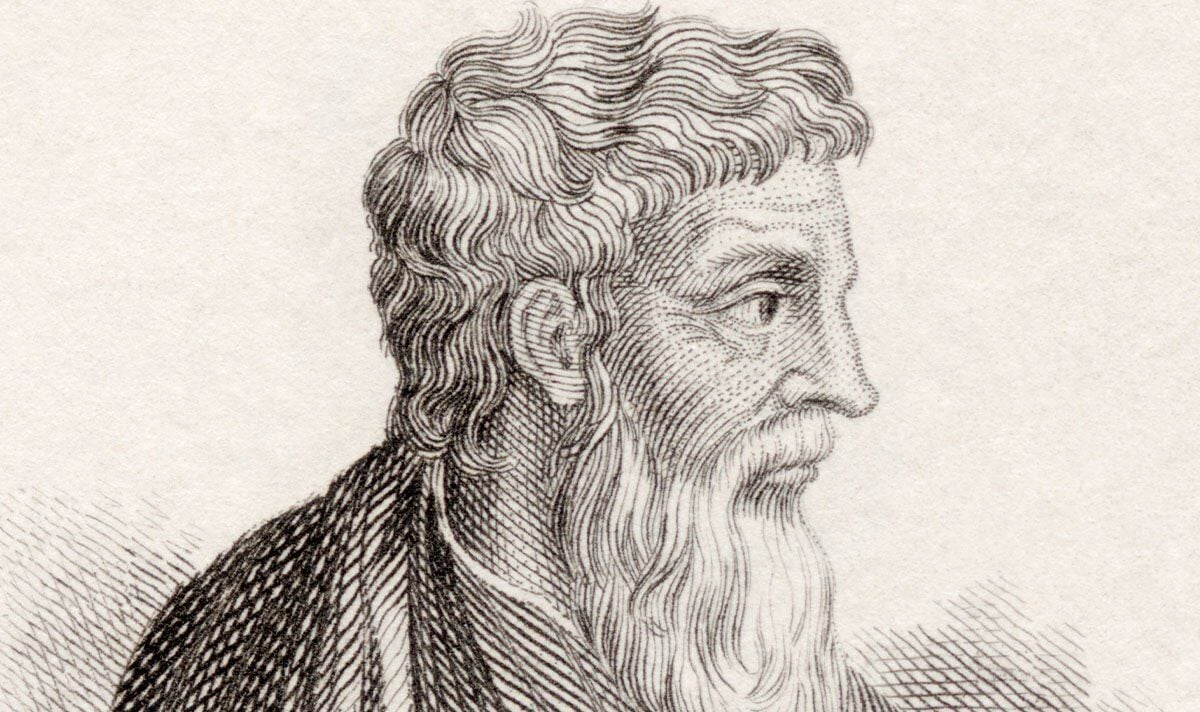
Archaeologists have rediscovered the remarkable medical knowledge of Dioscorides, an ancient Greek physician who traveled extensively throughout the Roman Empire in search of natural cures. Dioscorides documented thousands of links between illnesses and plants, minerals, and vegetables that could treat them. His major work, De materia medica, written over 1,500 years ago, served as a pharmacopoeia of medicinal plants and medicines and remained widely read for centuries. Dioscorides' discoveries included the use of cardamom to treat sciatica and kidney stones, as well as unconventional remedies like beaver testicles for abortions and spider webs for wound healing.
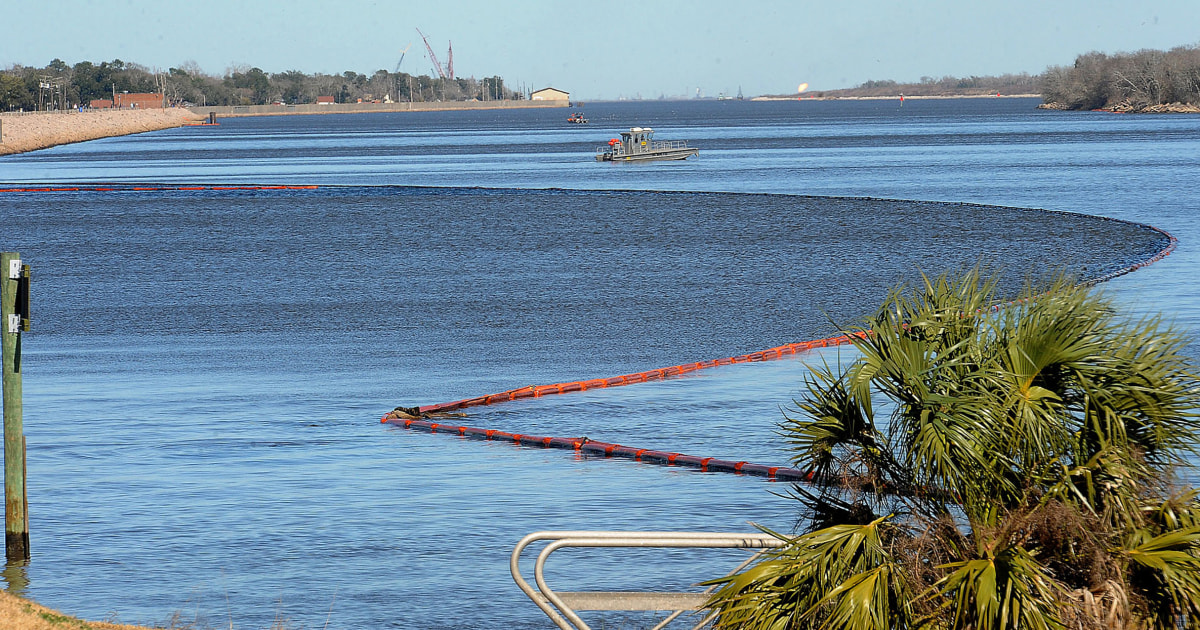
Five World War I-era ships have been discovered at the bottom of the Neches River in southeast Texas due to ongoing drought conditions. A retiree-turned-amateur shipwreck hunter stumbled upon the wooden vessels, each measuring 80 to 100 feet long, during his regular trips to the river. The region was once a shipbuilding hub, and many of these ships were abandoned after the war. Historians and museum curators are now studying the wrecks, urging visitors to respect the law and not disturb or scavenge from the sunken vessels.
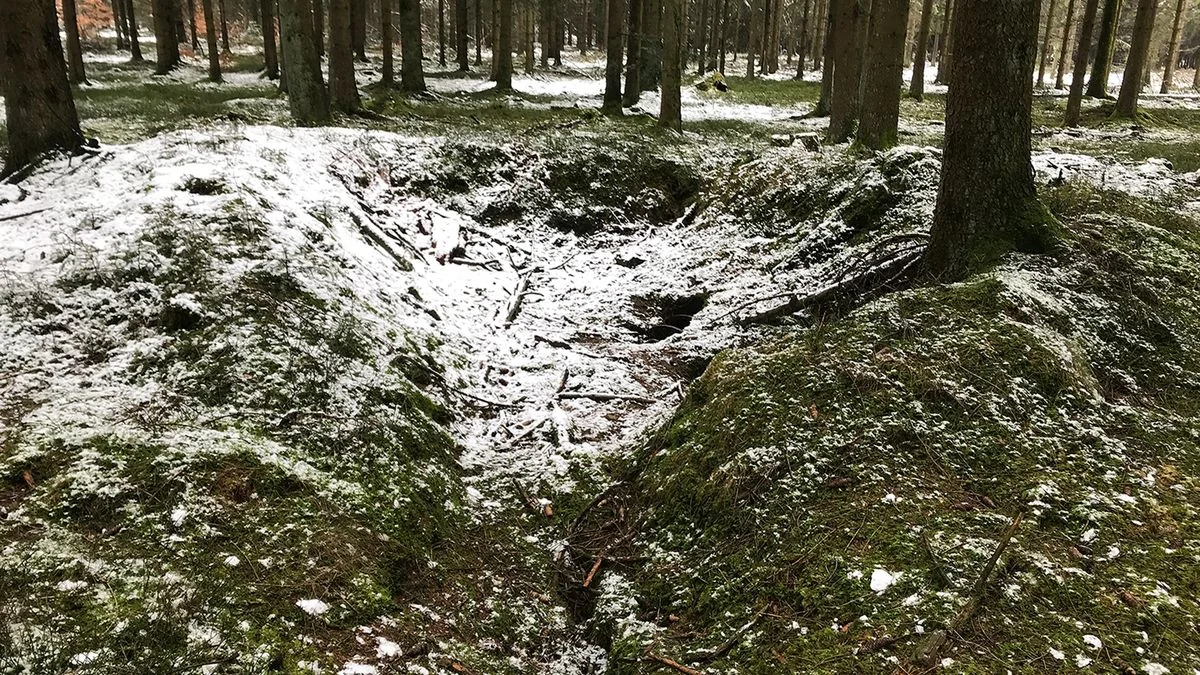
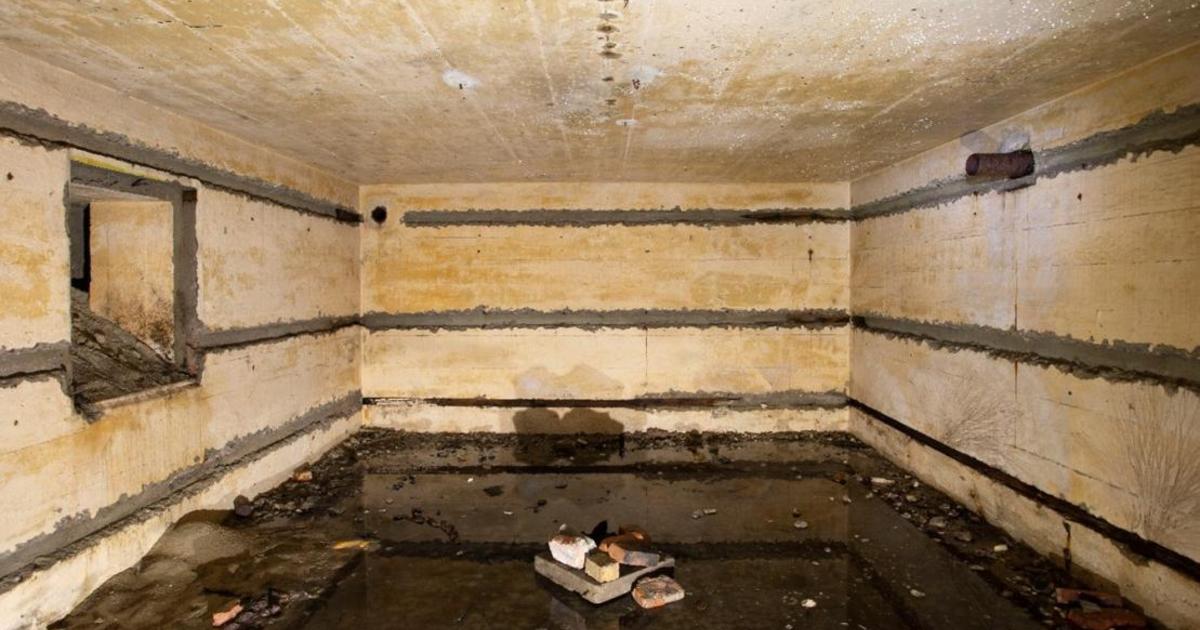
Aerial drones equipped with lidar technology have uncovered 941 traces of the Battle of the Bulge, the largest and bloodiest battle fought by the U.S. in World War II. The drones revealed various remnants of the battle, including dugouts, bomb craters, artillery platforms, trenches, and foxholes. This study highlights the use of new technology in archaeology and sheds light on well-known historical events. The technique could be applied to other forested areas of Europe to further our understanding of different battlefields and protect valuable heritage sites.