anthropology49.14 min read
Sex-biased interbreeding left a lasting Neanderthal DNA pattern in modern humans
1 day ago•Source: Archaeology News Online Magazine

The latest anthropology stories, summarized by AI
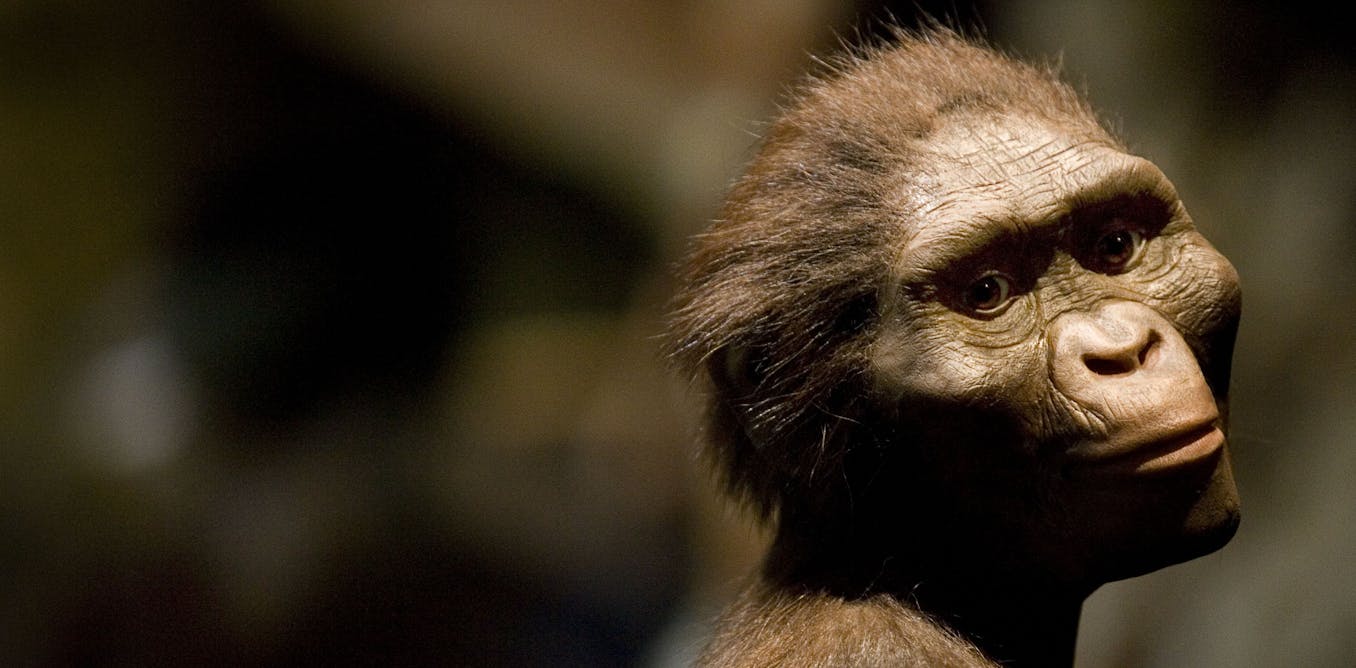
The 3.2-million-year-old Lucy fossil, a key specimen of Australopithecus afarensis, challenges our understanding of early human nudity and cultural perceptions of shame. Technological advancements suggest Lucy may have been less hairy than previously thought, aligning with theories that early humans lost most body hair millions of years ago. The depiction of Lucy in modern media often reflects contemporary cultural biases rather than scientific accuracy, revealing more about our own views on nudity, shame, and gender roles.
Livescience.com•2 years ago
IFLScience•2 years ago

A new study published in Nature Human Behavior reveals that height differences between men and women in Neolithic Europe were strongly influenced by cultural and environmental factors. Researchers analyzed skeletal remains from the Early Neolithic Period and found that women in North Central Europe experienced high environmental stress but did not reach the same height as men, suggesting cultural preferences that favored men's recovery time. In contrast, the height differences between sexes in the Mediterranean population were less pronounced, indicating a more equal distribution of rest and recovery time. The study highlights the importance of culture in shaping physical development and calls for further research to explore the interactive impact of genetics, environment, and culture on human biology.
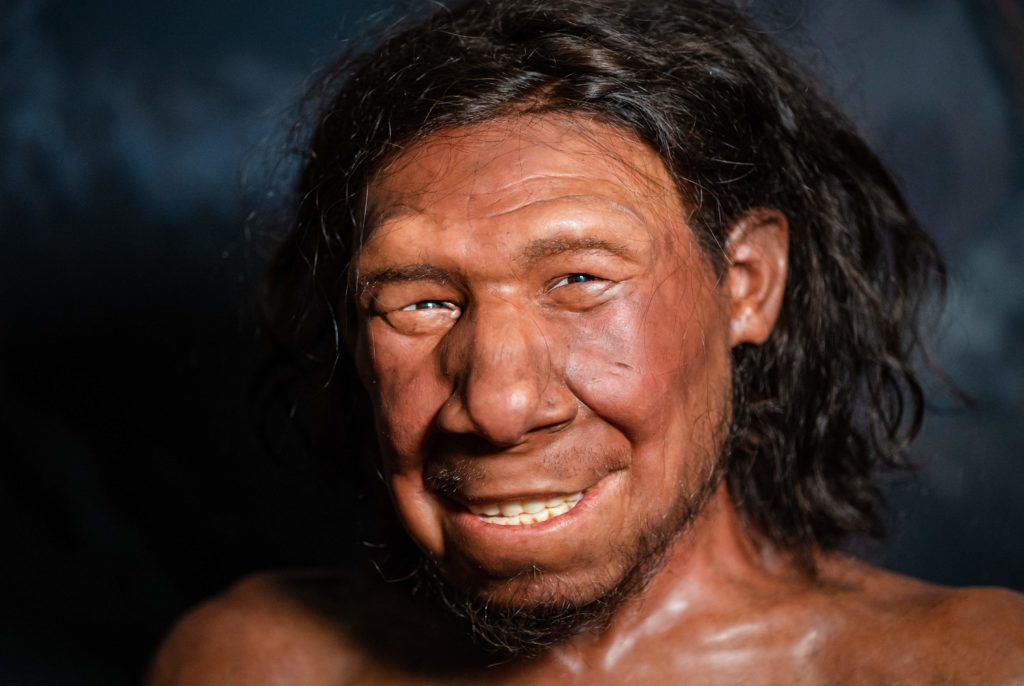
Recent discoveries have shed new light on the lives of Neanderthals, our closest-known relatives. Archaeological findings have revealed evidence of Neanderthals engaging in creative activities such as making rope, using pigments for body adornment, and creating jewelry. Studies of the Neanderthal genome have confirmed that interbreeding occurred between Neanderthals and Homo sapiens. Research on brain development genes suggests potential cognitive differences between the two species. Neanderthals likely had a shorter childhood and smaller social networks compared to Homo sapiens. The decline of Neanderthals may have been influenced by factors such as environmental fluctuations and competition with Homo sapiens. However, their genetic legacy lives on in modern humans.
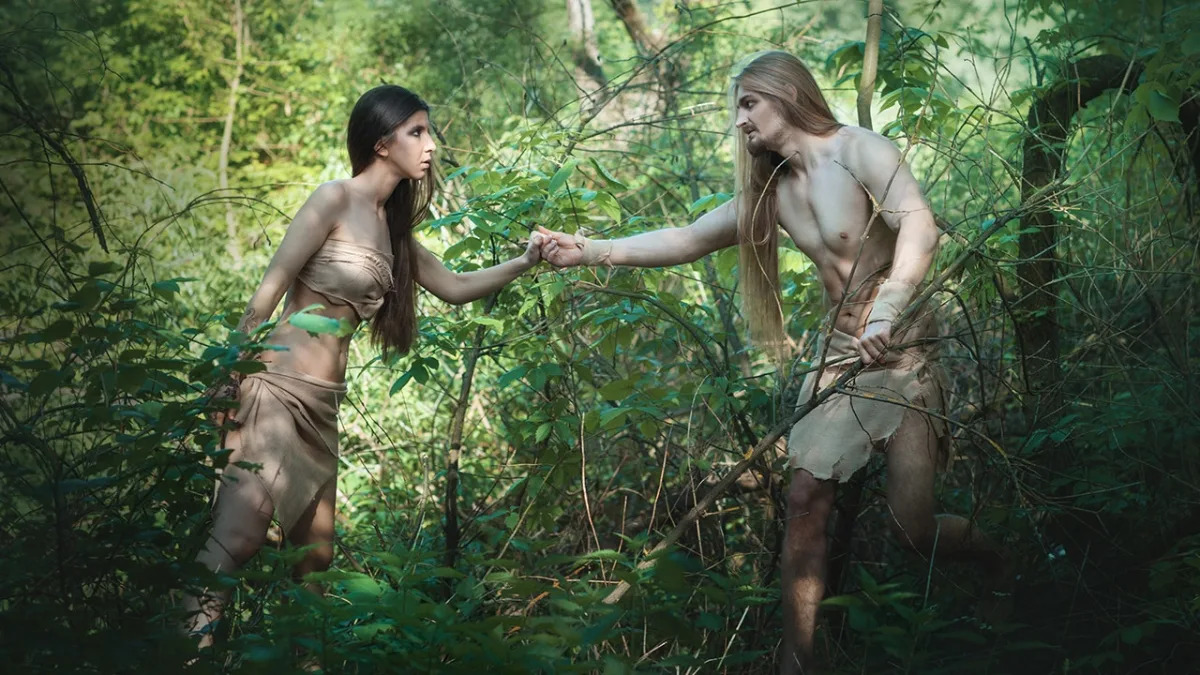
New studies published in the journal American Anthropologist suggest that prehistoric women were not just gatherers, but also hunters. Research conducted by anthropologists Cara Ocobock and Sarah Lacy found that prehistoric female fossils showed hunting injuries similar to those of men, and females were often buried with weapons. The studies also highlighted the hormonal and genetic factors that make female bodies well-suited for endurance activities like hunting. These findings challenge the traditional belief that women were solely responsible for food preparation and childcare in prehistoric times, emphasizing the equal role women played in labor and obtaining sustenance.

Two new studies challenge the traditional notion that men were the primary hunters in prehistoric times, suggesting that women were likely the superior hunters. Physiological advantages such as women's better endurance, hormone levels, and skeletal structure make them well-suited for the arduous task of hunting. Archaeological evidence also shows that women suffered hunting-related injuries and were buried with hunting equipment, indicating their active participation in hunting. The researchers aim to correct the historical erasure of women's role in hunting and challenge the idea of female physical inferiority.
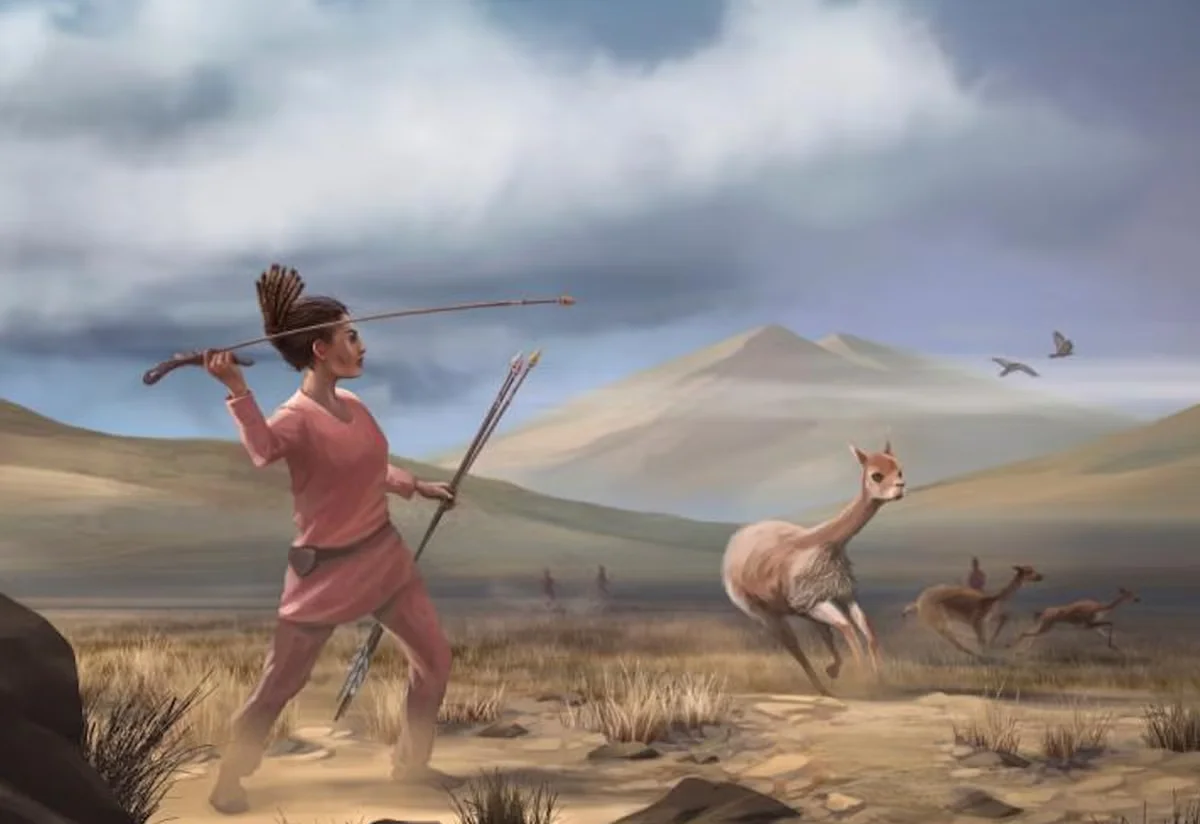
Contrary to popular belief, prehistoric women were actively involved in hunting and were better suited for it due to their physiology, according to two new studies. Fossil remains suggest that women were capable of endurance hunting, using their hormone levels and wider hip structures to their advantage. Injuries found on early human fossils indicate that both men and women participated in ambush-style hunting. Additionally, archaeological evidence shows that women hunters were buried with their hunting weapons, suggesting the importance of hunting in their lives. These findings challenge the notion of a strict sexual division of labor in prehistoric societies.
Physiological and archaeological evidence challenges the assumption of a gendered division of labor in prehistoric times. The idea that men were hunters and women were gatherers is a narrative that has been perpetuated by biased interpretations and lacks sufficient evidentiary support. Recent research suggests that women may have been better suited for endurance-dependent activities like hunting. Female bodies have physiological advantages such as higher estrogen levels, which contribute to endurance performance, fat metabolism, and post-exercise recovery. Archaeological evidence from Neanderthals and early modern humans also indicates a lack of gendered labor roles. The notion that women were limited to gathering due to reproductive capabilities ignores female physiology and perpetuates existing power structures.
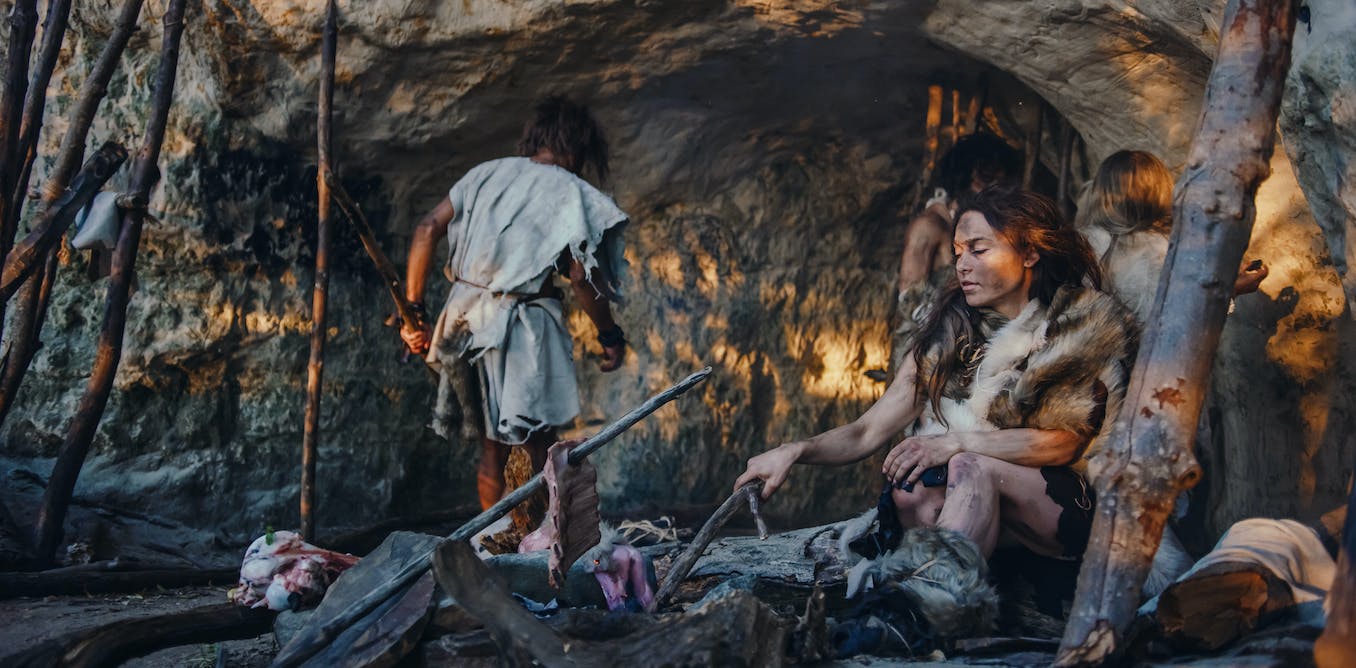
The traditional narrative of "Man the Hunter" in prehistoric times is being challenged by a growing body of evidence. Physiological, anatomical, ethnographic, and archaeological research suggests that women not only hunted alongside men but may have been better suited for endurance-dependent activities. Female bodies have certain advantages, such as higher estrogen levels that enhance endurance, a greater proportion of type I muscle fibers that metabolize fats for sustained energy, and faster post-exercise recovery. There is no evidence of gendered labor roles in the Paleolithic era, and both men and women likely participated in hunting and gathering activities. The myth that women were limited to gathering due to reproductive capabilities perpetuates existing power structures and ignores the diverse roles played by our ancestors.
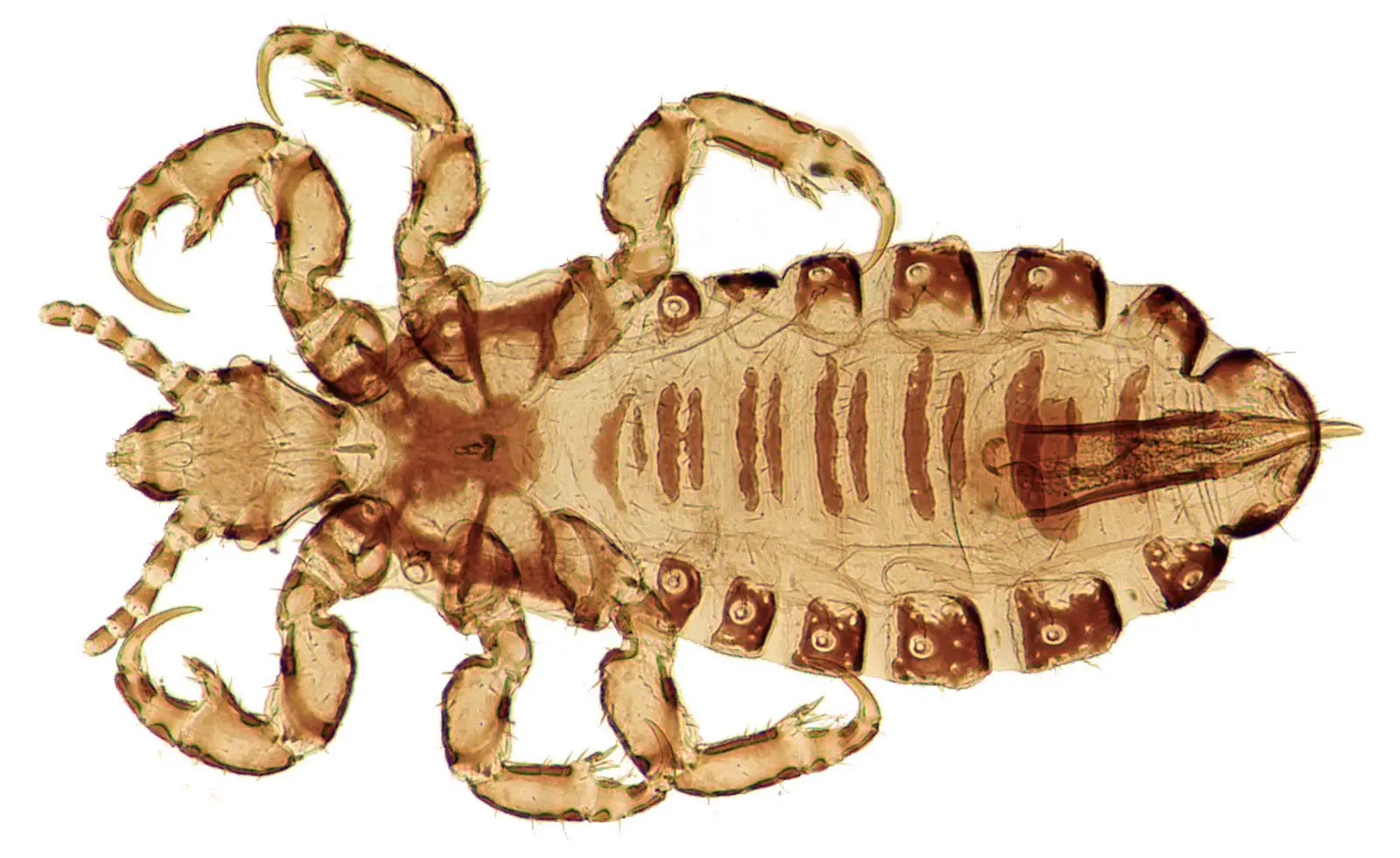
A genetic analysis of lice suggests that they arrived in the Americas twice - once during the initial human migration across the Bering Strait and again during European colonization. The study reveals two distinct clusters of lice, with a unique group in the Americas resulting from a mixture of lice descended from the First People and European lice. The research also supports the idea that people from East Asia migrated to North America and became the first Native Americans. The study highlights the coevolutionary history between humans and lice and provides insights into human migration patterns.
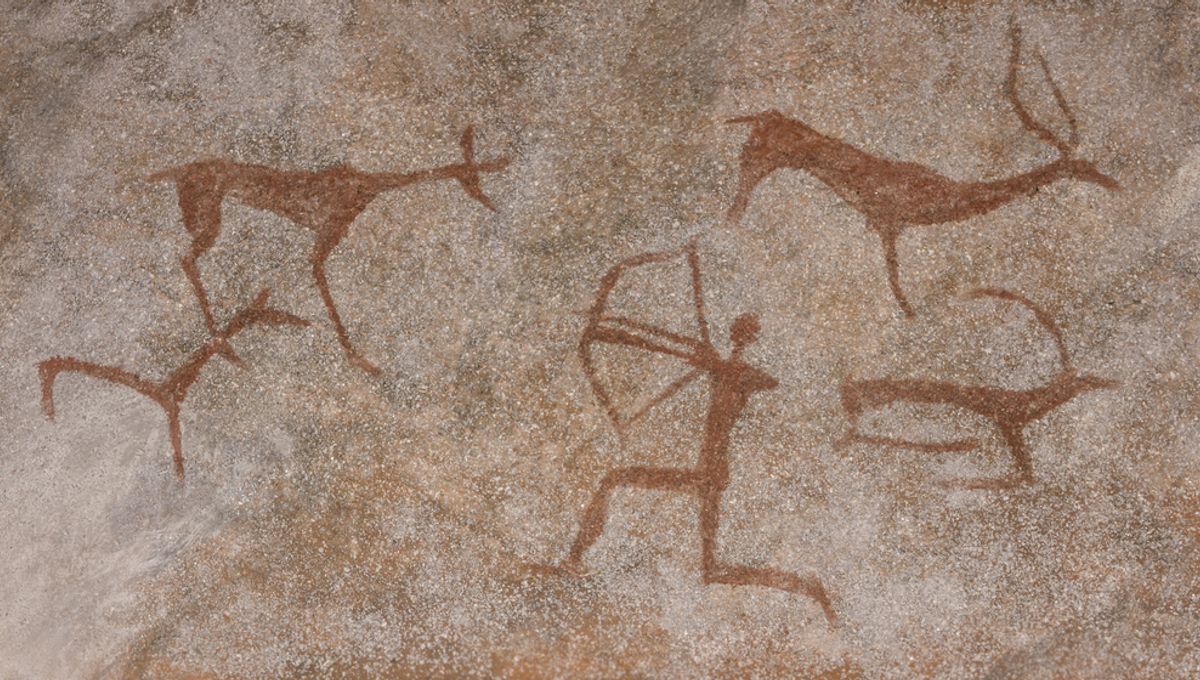
A new review of archaeological and physiological evidence challenges the long-held belief that only men were hunters in Paleolithic societies. The assumption that men were the primary hunters and women were gatherers has been based on little empirical evidence. The studies highlight that gender roles in early human societies were likely more equal, with women being just as capable of hunting as men. The assumption of male dominance in hunting can be traced back to a set of papers published in 1968, which influenced public consciousness and perpetuated stereotypes about gender roles. The researchers hope that future studies will embrace the idea of a more equal division of labor between the sexes in prehistoric societies.
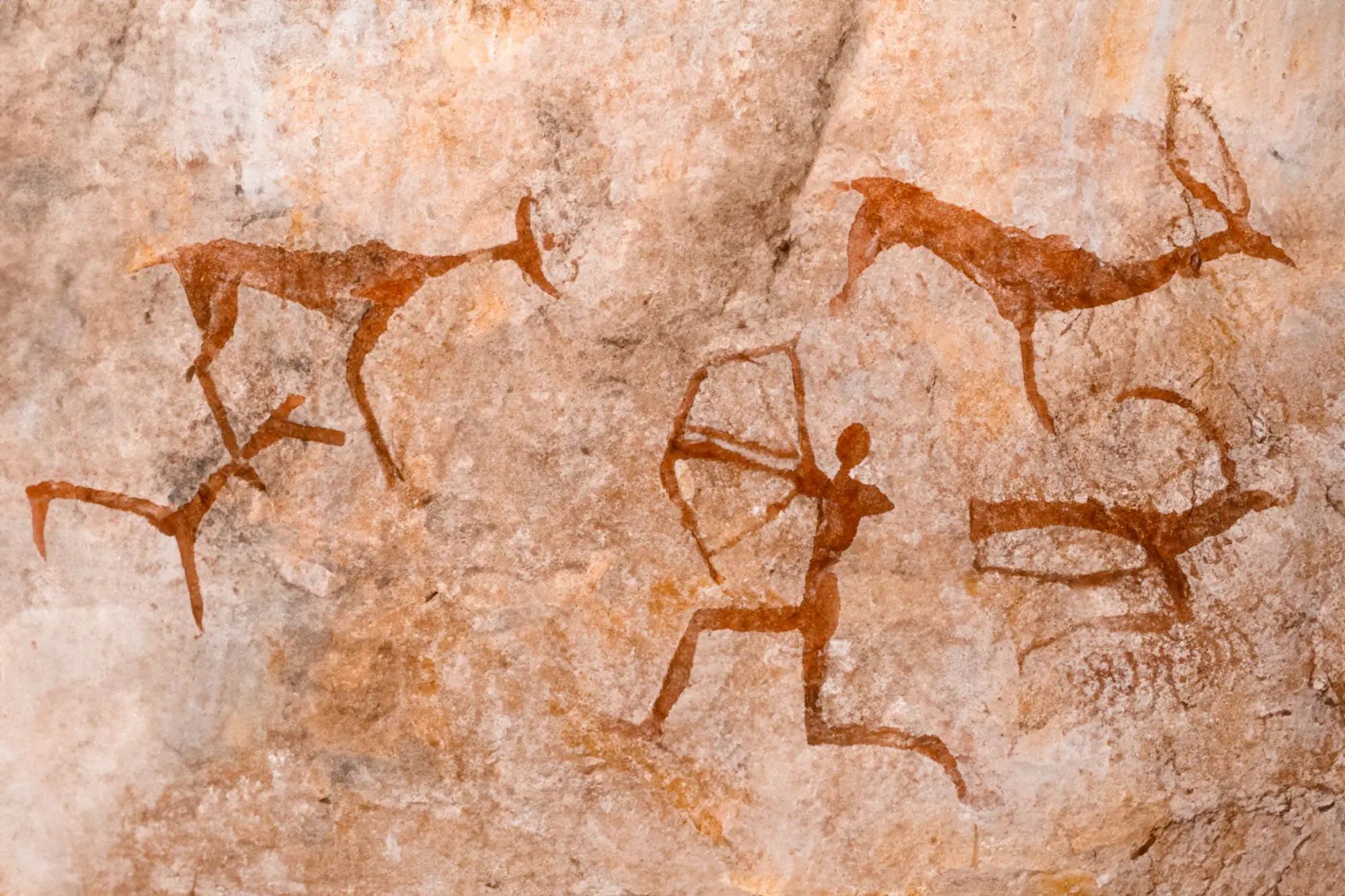
University of Delaware anthropology professor Sarah Lacy challenges the traditional narrative that men were hunters and women were gatherers during prehistoric times. Lacy's research, published in Scientific American and American Anthropologist, found little evidence to support the idea that roles were assigned specifically to each sex. The study also examined female physiology and concluded that women were physically capable of hunting. The team highlighted the role of estrogen in conferring advantages to women in activities requiring endurance, which were essential to hunting. Lacy hopes her view that labor was divided among both sexes will become the default approach for future research.