Archaeologists discovered the world's oldest intentional cremation pyre at Mount Hora in Africa, dating back around 9,500 years, revealing complex social and mortuary rituals among early hunter-gatherers, including dismemberment and bone relics as acts of remembrance.
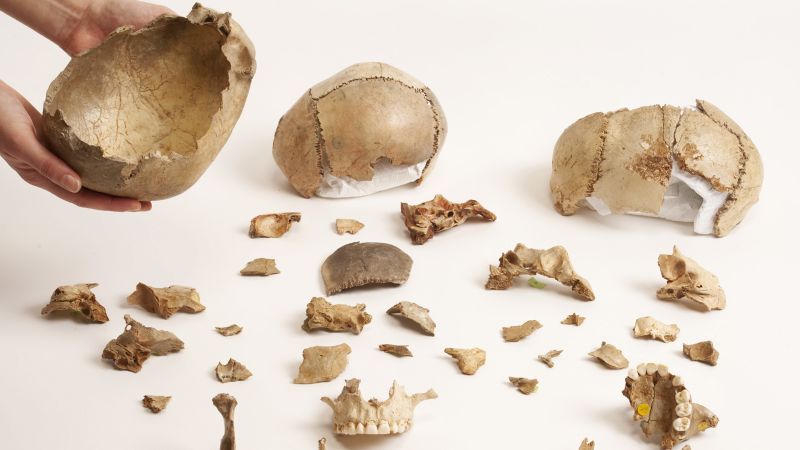
A new study published in the journal Quaternary Science Reviews reveals that cannibalism was a common funerary practice in Europe approximately 15,000 years ago. Researchers identified 59 Magdalenian sites with human remains, primarily in France but also in other European countries. Evidence of cannibalism was found at 15 of these sites, including chewing marks on bones, cut marks on skull bones, and deliberate bone breakage for marrow extraction. The study suggests that cannibalism was a burial practice rather than a dietary necessity, indicating its cultural significance in Magdalenian society. The research also highlights a shift towards burial practices in a different culture called the Epigravettian. Further analysis is needed to fully understand these findings.