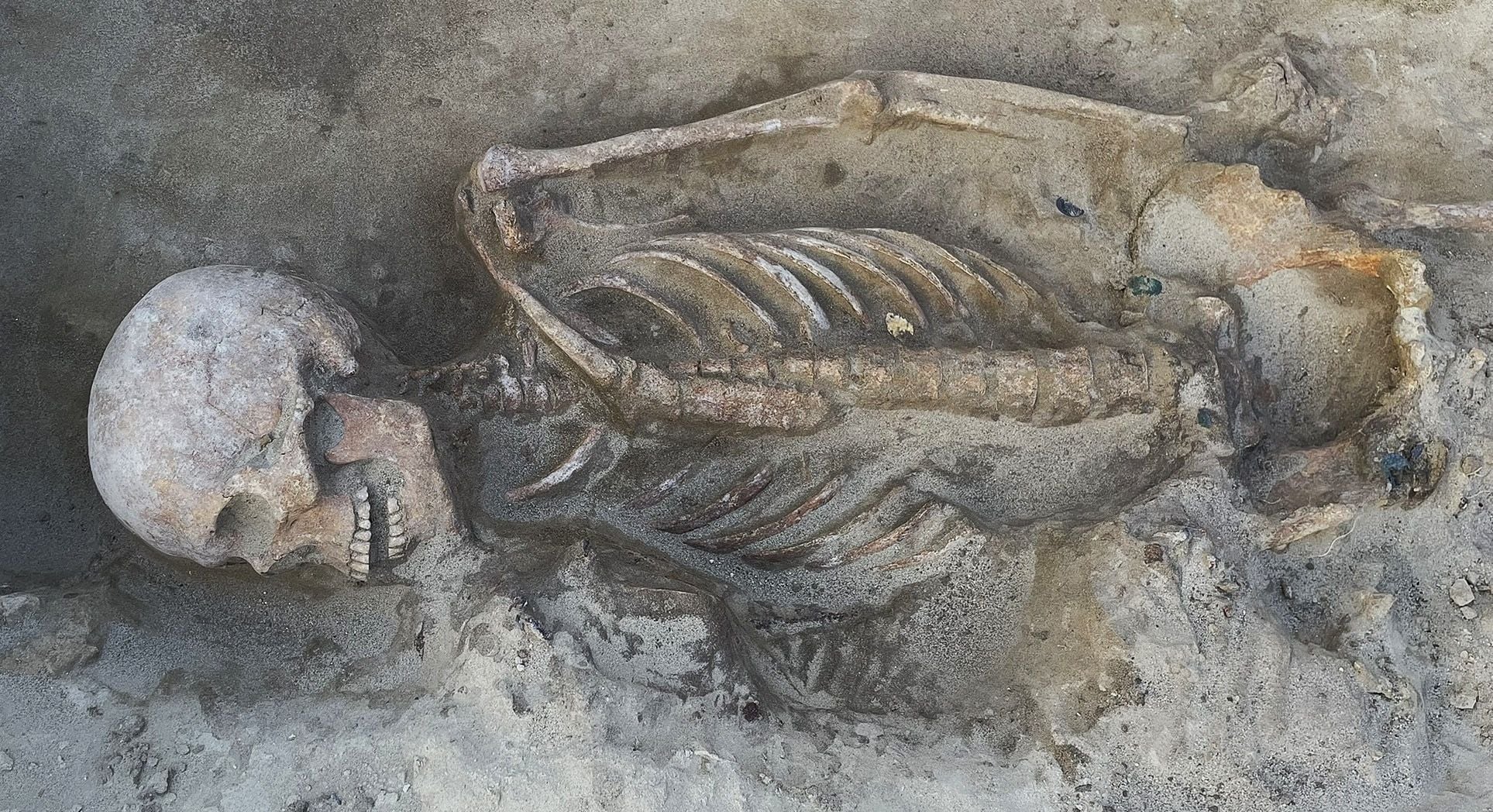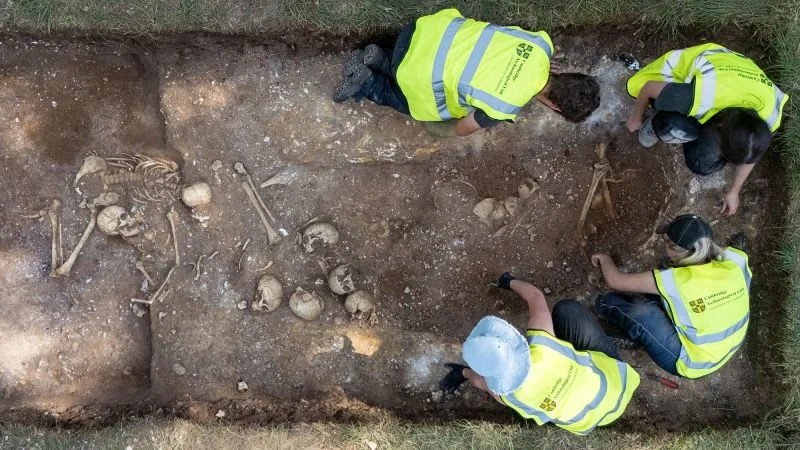
Archaeologists in Hungary discovered 1,100-year-old burials of three related elite warriors, including ornate weapons and coins, with DNA suggesting familial ties, shedding light on the military elite of early medieval Hungary.
Researchers have discovered the world's oldest mummies in southern China and Southeast Asia, dating back between 4,000 and 14,000 years, challenging the traditional association of mummies with Egypt and revealing advanced preservation techniques among early hunter-gatherer populations.
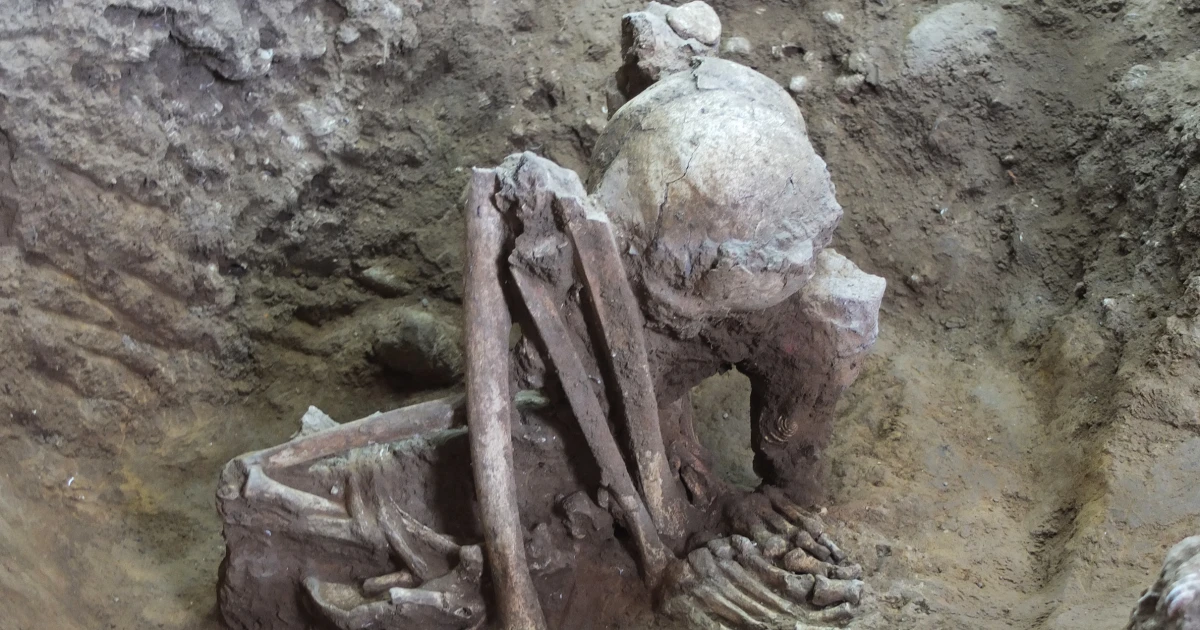
A recent study of three non-adult burials at the Mesolithic site of Cabeço da Amoreira in Portugal reveals diverse funerary practices, including a unique complex burial structure, providing insights into the social and cultural behaviors of last hunter-gatherer populations in Iberia around 8000–7100 cal BP.
DNA analysis of ancient human remains dating back 5,000 years revealed six individuals with Down Syndrome, indicating that they were recognized and given noble burials in their respective communities. The research also uncovered an individual with Edwards Syndrome, a more severe genetic condition. The findings shed light on the care and appreciation these individuals received in ancient societies, providing insight into how ancient communities reacted to individuals with special needs.
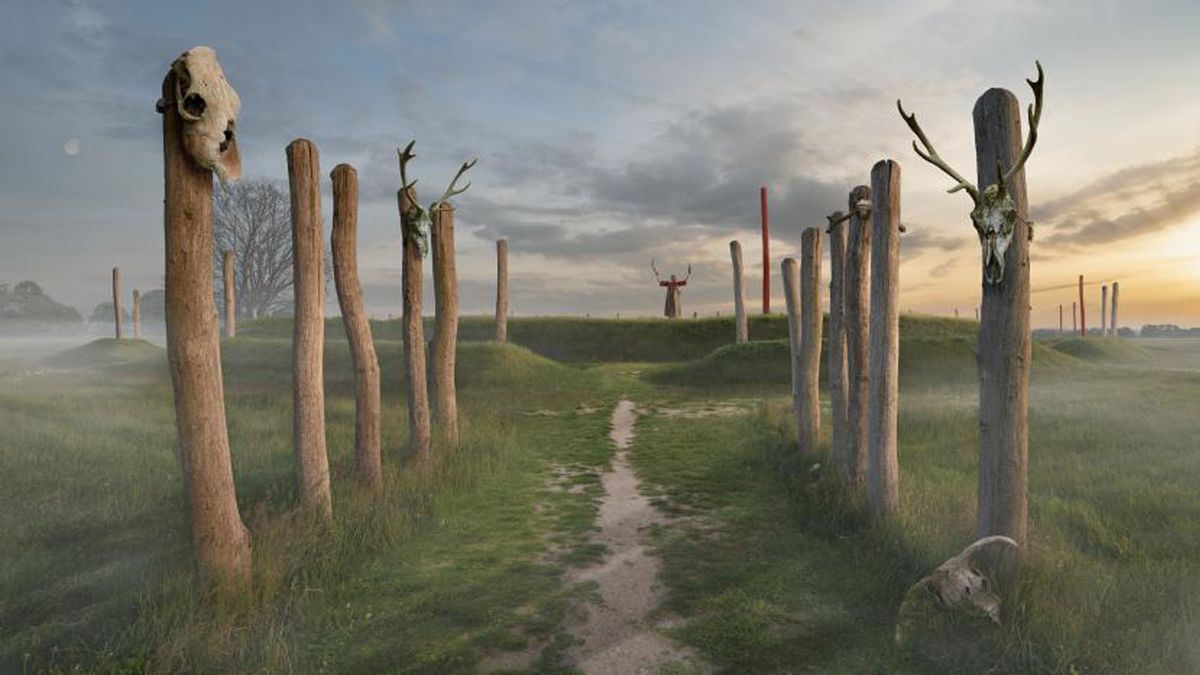
Archaeologists in the Netherlands have discovered a 4,500-year-old sanctuary that was used for burials and rituals, and whose earthen mounds align with the sun on solstices and equinoxes. The largest of the three mounds holds the remains of men, women and many children who died between about 2500 B.C. and 1200 B.C. The sanctuary doesn't have stone boulders like Stonehenge, but it appears that the largest burial mound served as a calendar that helped people mark the sun's movements. The site is about 9.4 acres (3.8 hectares), larger than seven American football fields, and includes pits and the remains of poles and buckets that were involved in cleansing rituals.
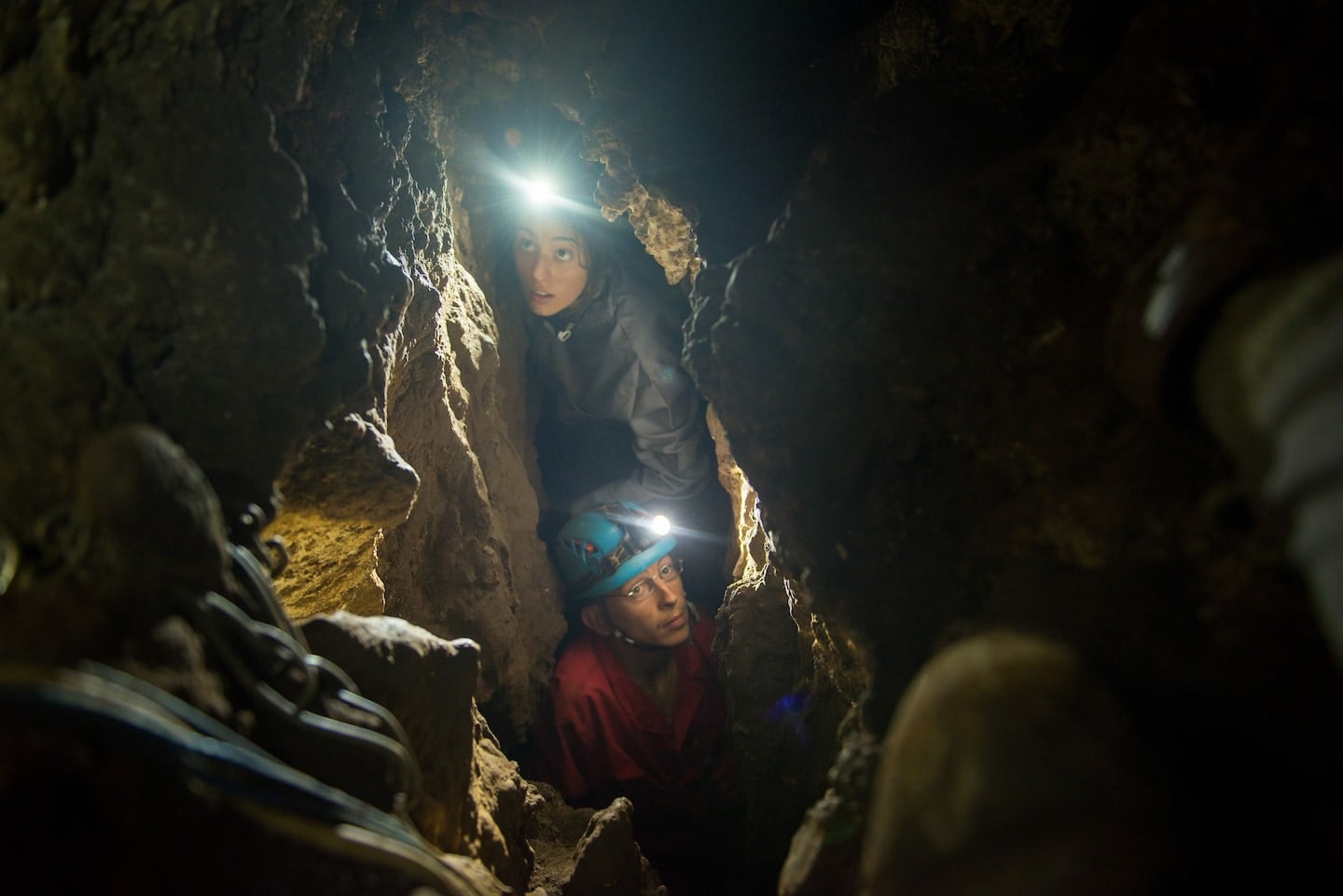
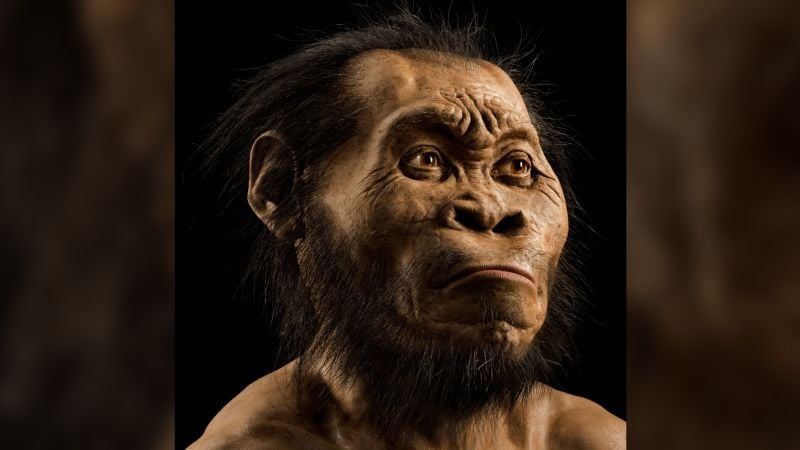
Researchers have discovered graves dug by Homo naledi, our ancient, small-brained relatives, more than 100,000 years before the oldest known human burials, a claim that would revise the story of our evolution. The findings, announced at the Richard Leakey Memorial Conference at Stony Brook University in New York and in three papers posted online, triggered fierce debate among experts not involved in the work. The dispute reflects how much is at stake for our understanding of ancient history and for the reporting of other potentially important discoveries.
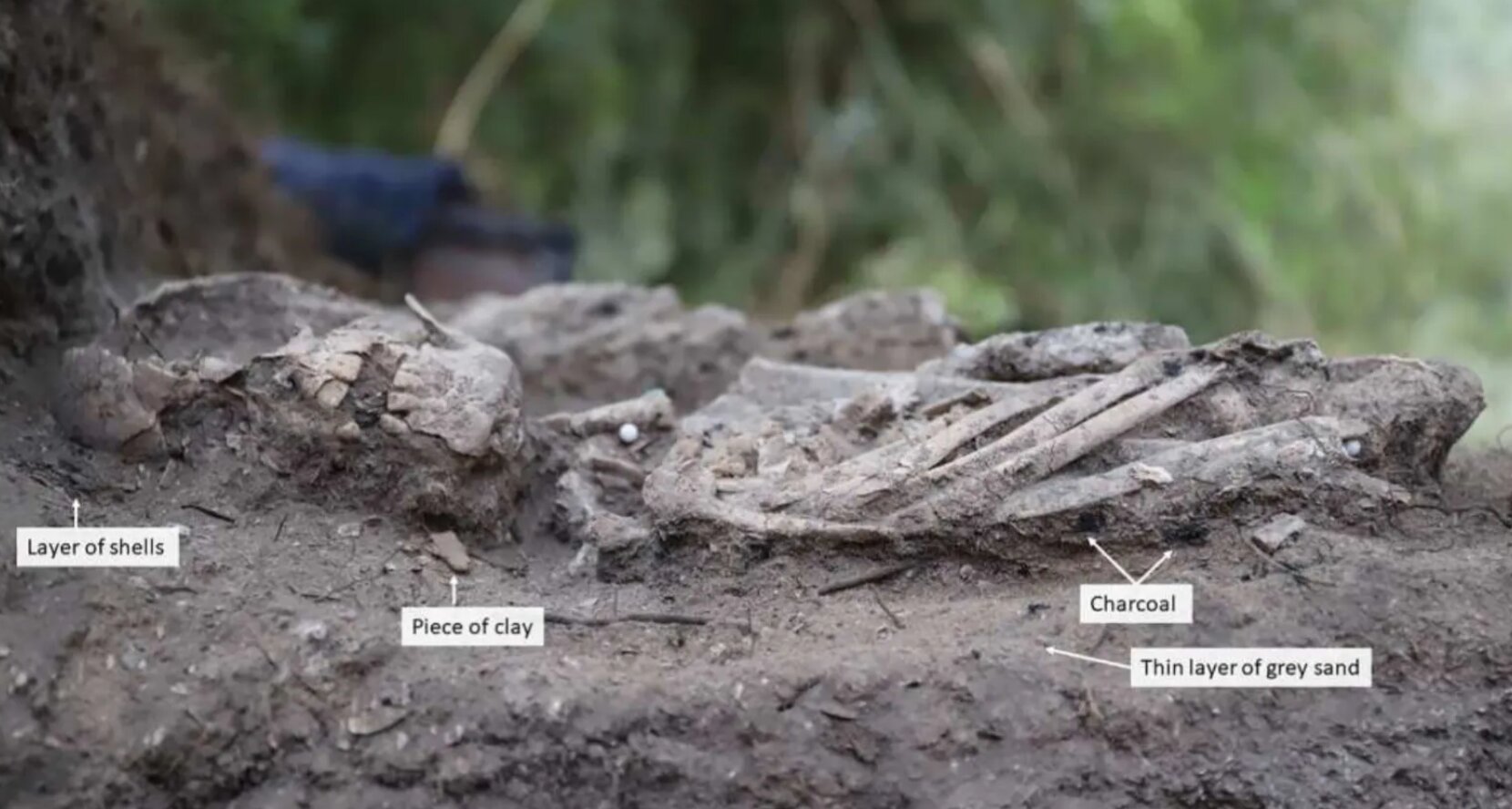
Researchers have discovered evidence that Homo naledi, a mysterious archaic human species, buried their dead and carved symbols on cave walls at least 100,000 years before modern humans. The revelations could change the understanding of human evolution, as such behaviors were previously only associated with larger-brained Homo sapiens and Neanderthals. The findings, detailed in three studies, suggest that Homo naledi was capable of engaging in meaningful behaviors, including the use of fire, and imply that larger brains can't be the only connection with complex behavior that researchers once assumed related only to humans.
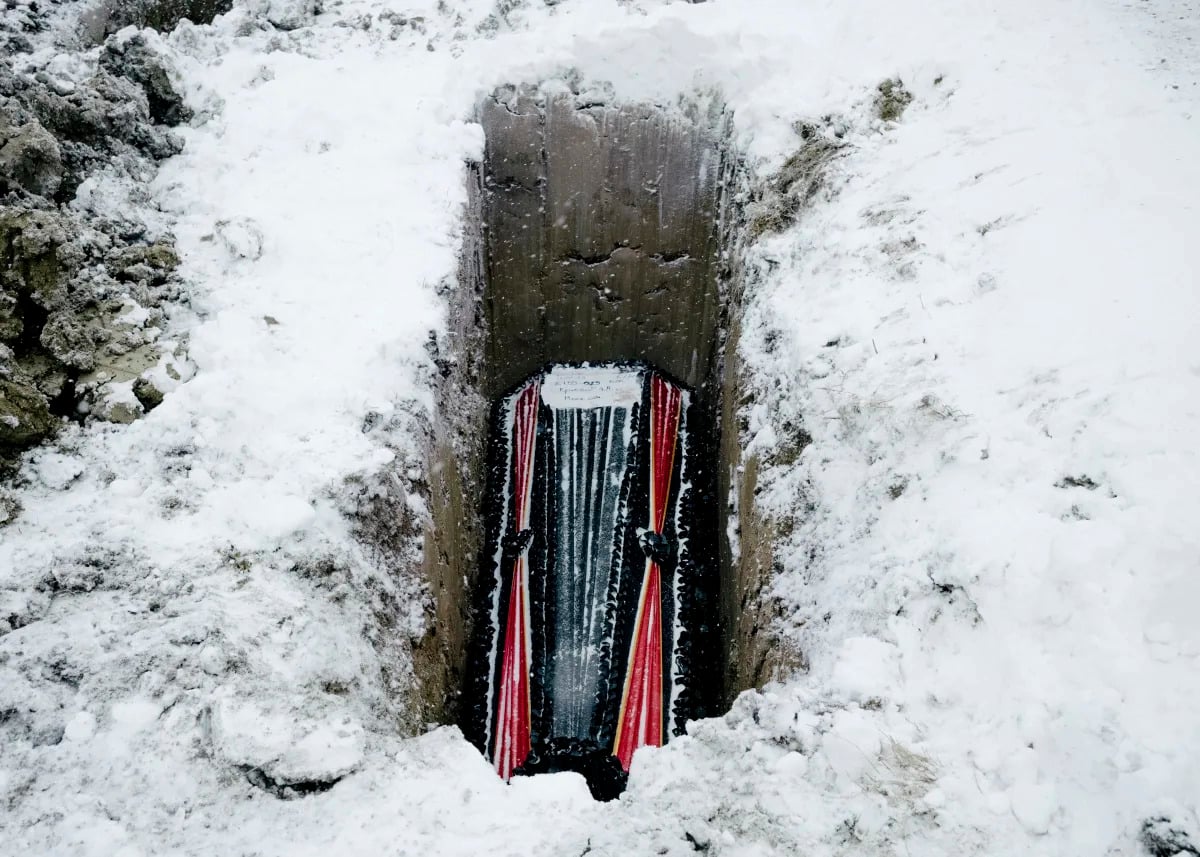
The return of convicts killed while fighting in Ukraine with the Wagner private military group is dividing Russian villages and pitting neighbors against each other. Some residents want to give the fighters a hero's burial, while others cannot forget the crimes they committed before being recruited. The tension between the jingoistic narrative of the war and the grim realities of coping with soldiers' deaths is an especially acute phenomenon in small villages. The move allowed the Kremlin to replenish its ranks and postpone a conscription of civilians until last September, but it also alienated some Russians.