Tag

Ancientdna

All articles tagged with #ancientdna

Northwestern Europe’s Hunter-Gatherers Outlasted Farming by Millennia, DNA Reveals
science5 days ago

Northwestern Europe’s Hunter-Gatherers Outlasted Farming by Millennia, DNA Reveals

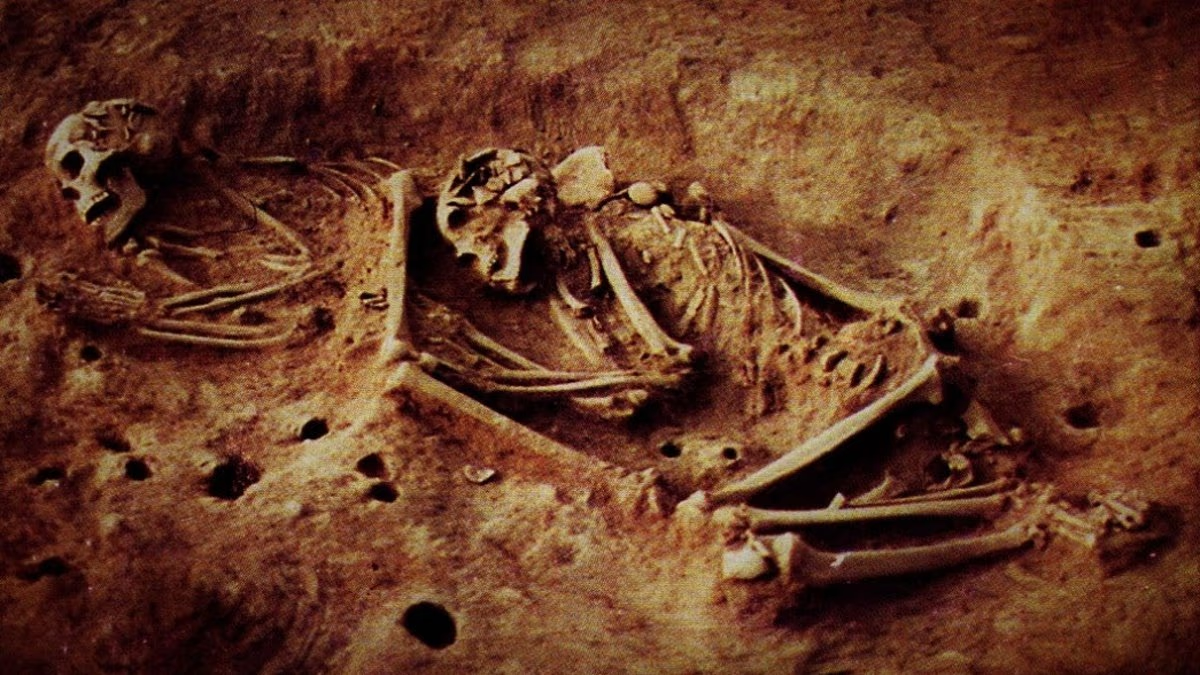
Ancient DNA from individuals in the Belgium–Netherlands region dating 8,500–1,700 BCE shows hunter-gatherers persisted thousands of years after farming arrived (~4,500 BCE), with only limited genetic input from incoming farmers. The farmer influx was largely women marrying into local communities, enabling a gradual cultural transition rather than a rapid population turnover, and hunter-gatherer ancestry remained common until about 2,500 BCE when new populations fully mixed. The study, part of a Reich Lab collaboration, was published in Nature and underscores the strong, gender-skewed role in knowledge transfer during Europe’s Neolithic transition.

DNA Pinpoints Northern Britain’s Oldest Known Mesolithic Burial
science7 days ago

DNA Pinpoints Northern Britain’s Oldest Known Mesolithic Burial

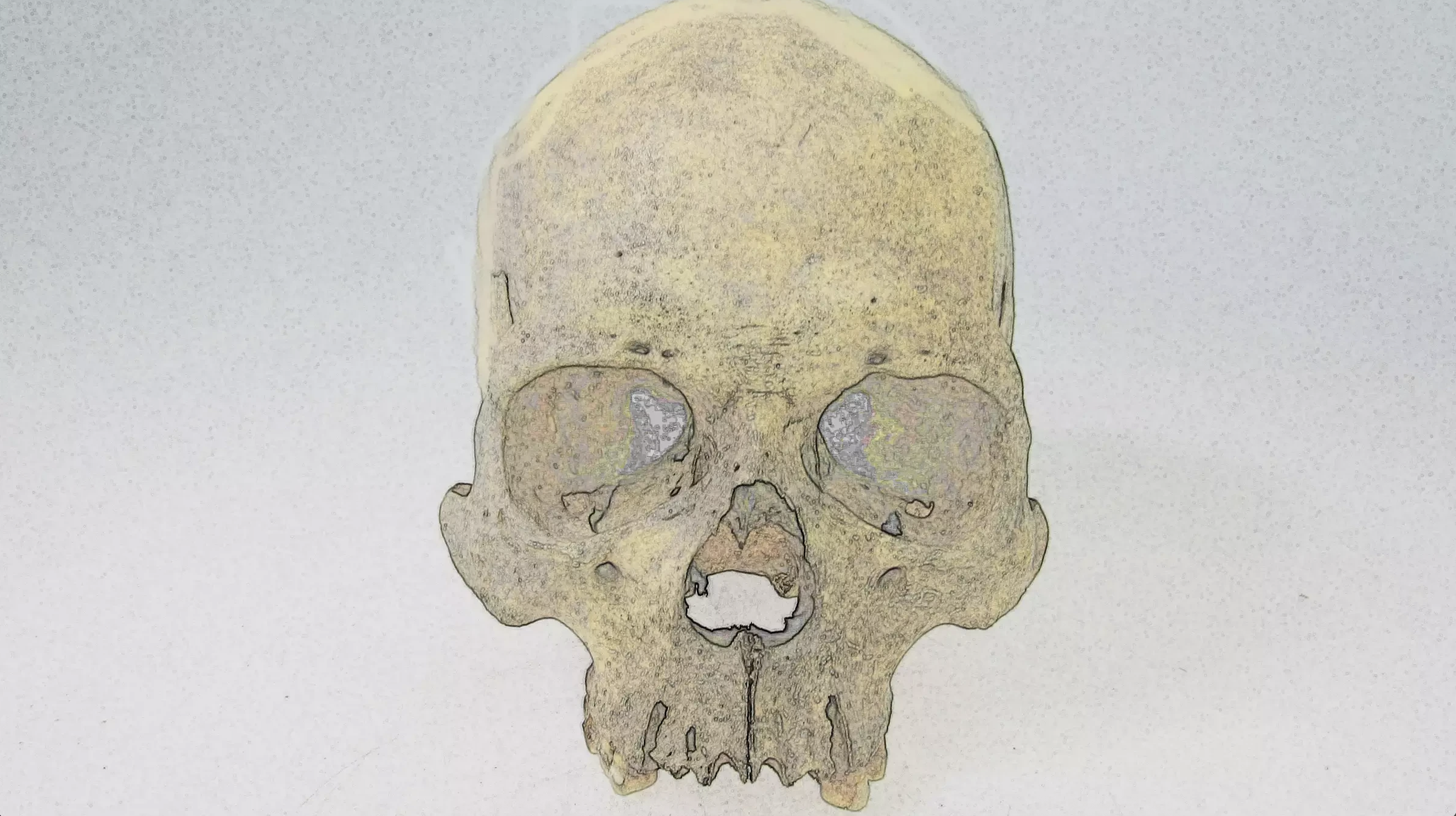
DNA analysis of an 11,000-year-old child from Heaning Wood Cave in Cumbria confirms the remains belong to a young girl and marks her as Northern Britain’s oldest known burial from the Mesolithic era. The find, one of the NW European region’s oldest Mesolithic burials, includes a perforated deer tooth and shell beads radiocarbon dated to about 11,000 years ago, suggesting deliberate burial practices by early hunter-gatherers. Local archaeologist Martin Stables helped uncover the site, which also reveals multiple burials across distinct periods, underscoring long-term use of caves for funerary rites in post-Ice Age Britain.

Ancient genome reshapes the origin map of syphilis
science1 month ago

Ancient genome reshapes the origin map of syphilis

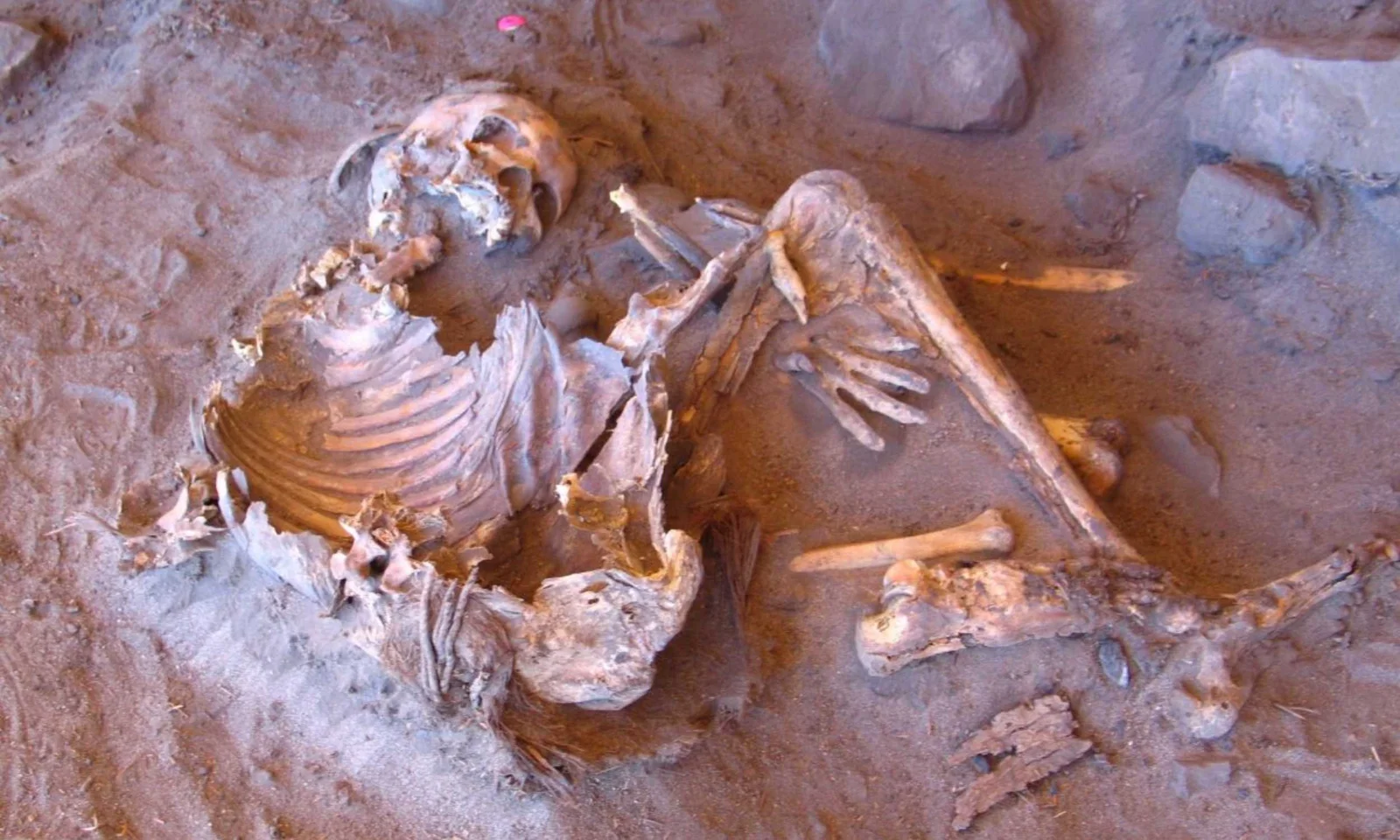
A team analyzing a 5,500-year-old Treponema pallidum genome from a Colombian rock shelter found the pathogen’s lineage was already diverse and not a direct ancestor of modern syphilis, bejel, or yaws. Instead, it’s a sister lineage that diverged around 13,700 years ago, suggesting treponemal diseases spread with ancient humans across continents long before the 1495 Naples outbreak. The discovery challenges single-origin stories and points to a richer, pan-human history of these pathogens, though details about virulence and transmission remain unresolved.

Ancient DNA Discovered in Unexpected Location
science4 months ago

Ancient DNA Discovered in Unexpected Location

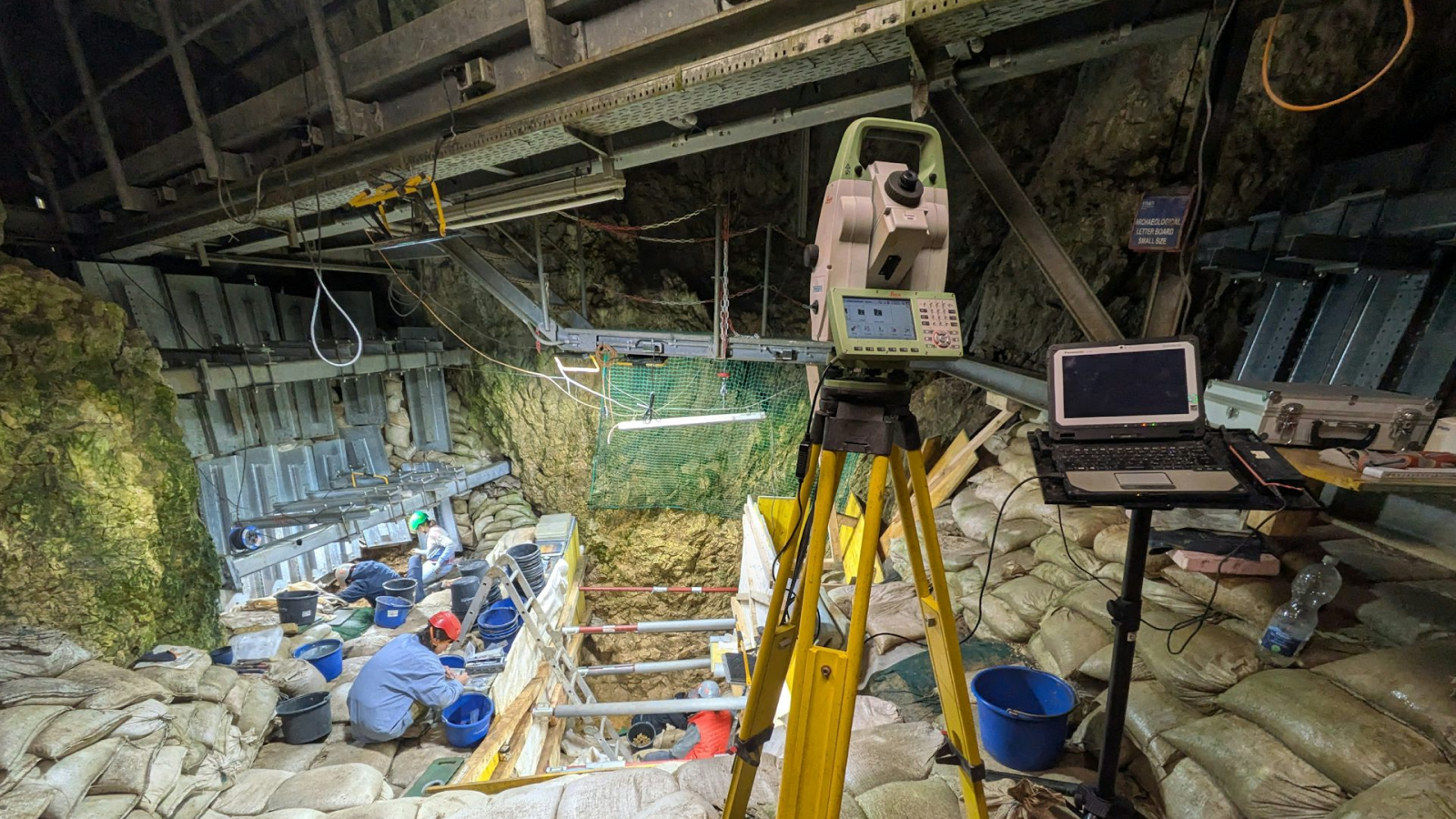
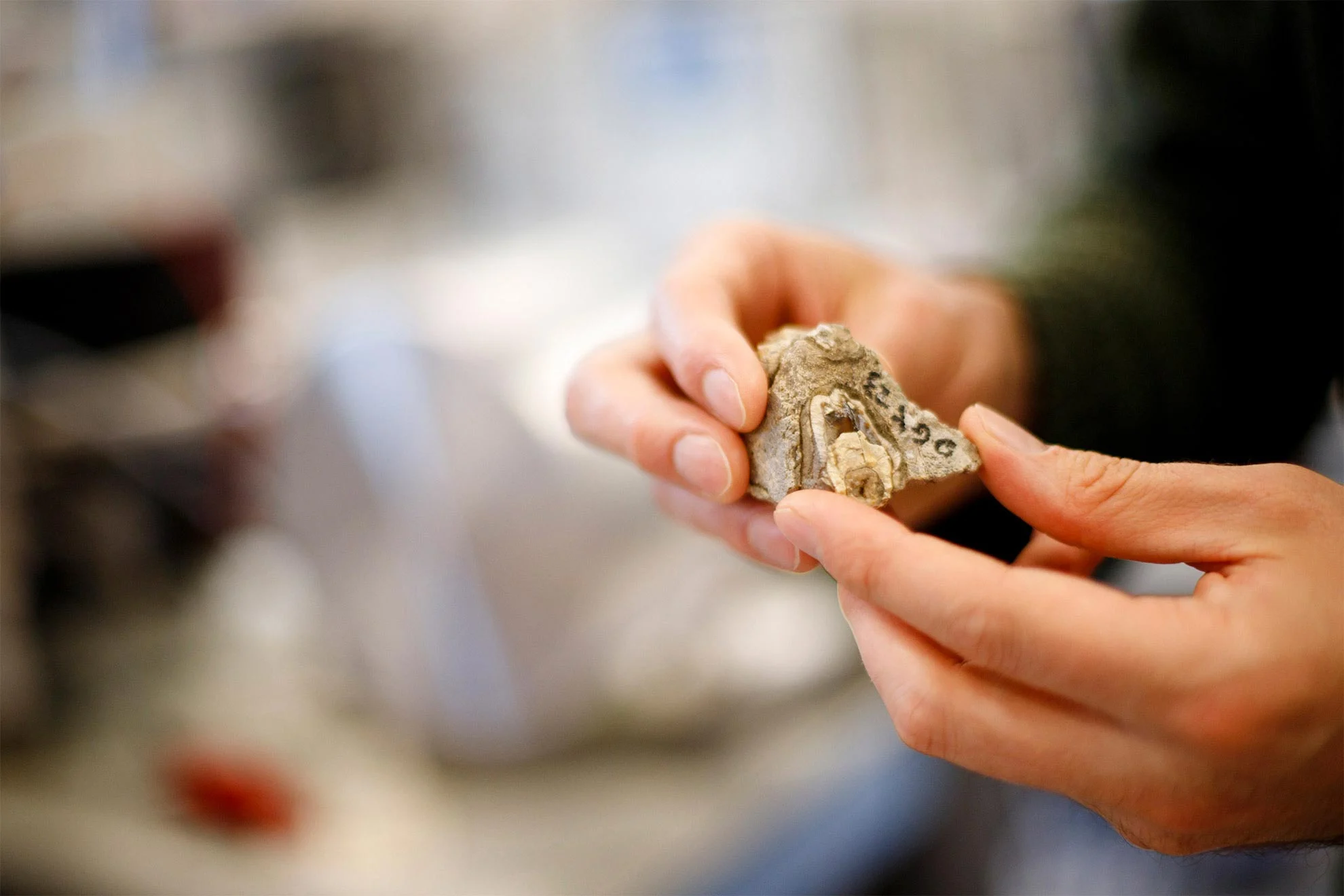
Scientists have recovered 200,000-year-old DNA from horse remains at the open-air Schöningen site in Germany, challenging previous assumptions that such genetic material could only survive in cold or sheltered environments. The DNA belongs to an extinct horse species, Equus mosbachensis, and provides new insights into ancient horse lineages and early human hunting practices. This discovery suggests that ancient DNA can be preserved in less protected environments, opening new avenues for archaeological genetic research.

Ancient DNA Unveils Secrets of Italy's Pre-Roman Piceni Civilization
science1 year ago

Ancient DNA Unveils Secrets of Italy's Pre-Roman Piceni Civilization

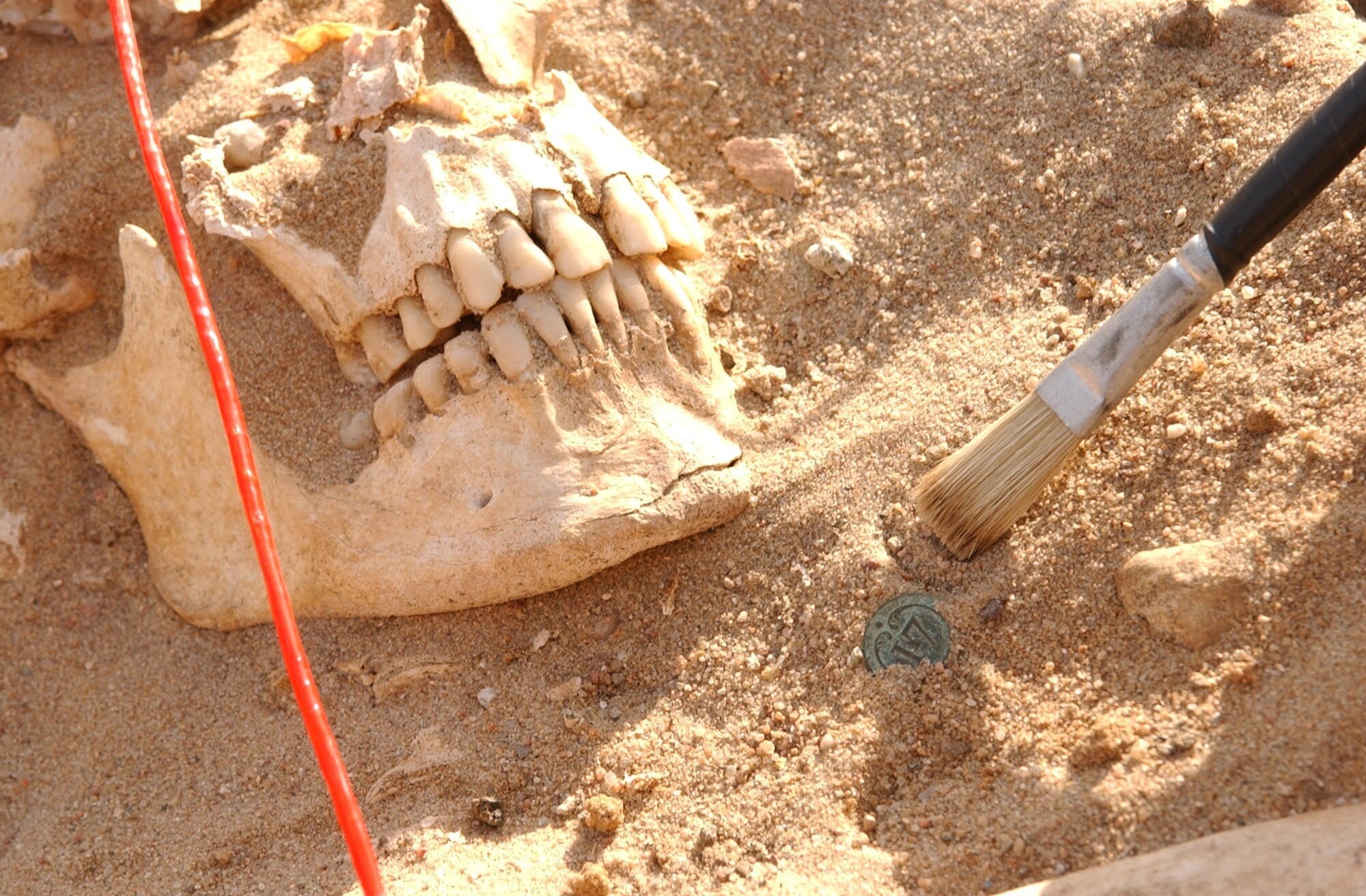
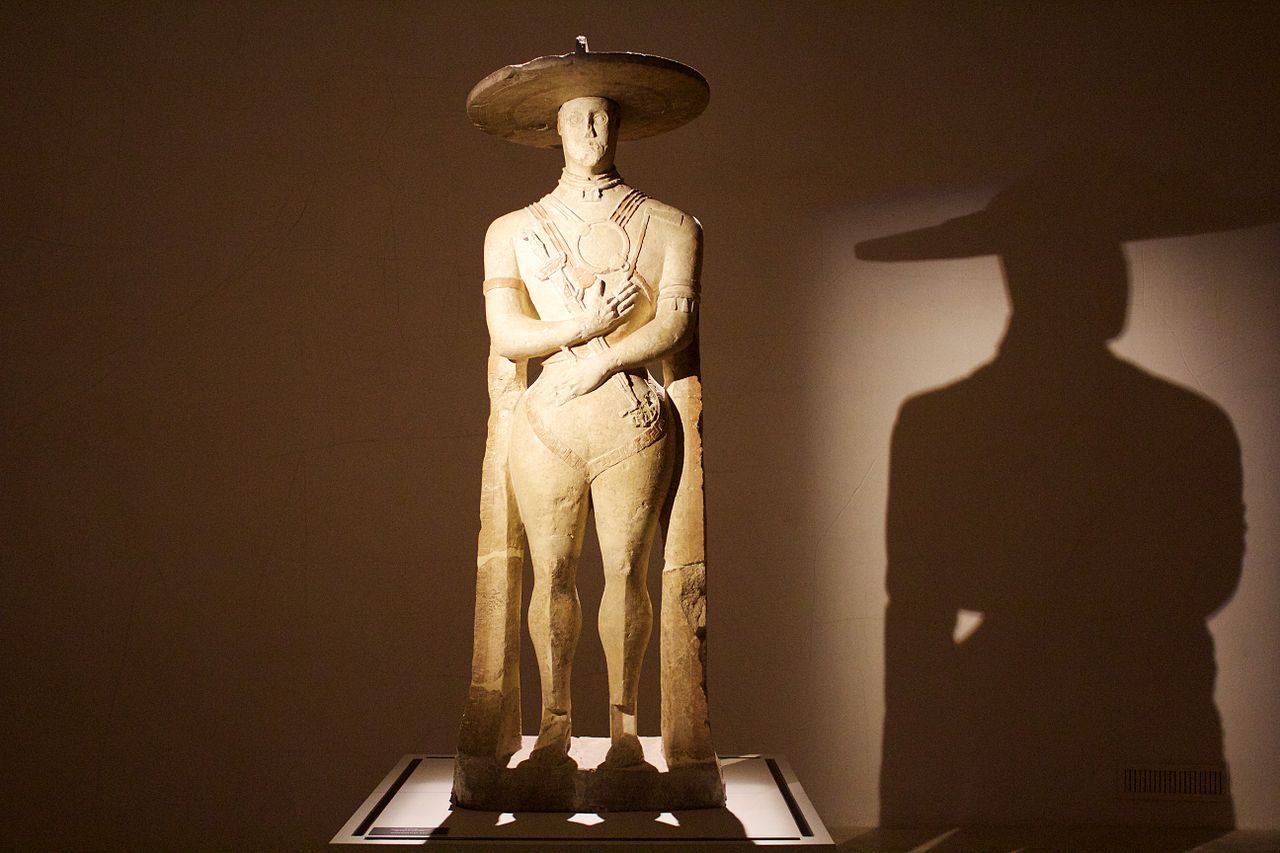
A study published in Genome Biology analyzed DNA from over 100 ancient skeletons to explore the origins and cultural ties of the Piceni, a pre-Roman people in central Italy. The research revealed that the Piceni had unique genetic traits compared to other Italian communities, likely due to their distinct location and cultural interactions. Notably, the Piceni exhibited phenotypic diversity, with features like light-colored eyes and blond hair, suggesting genetic links to Northern Europe and the Near East. These findings highlight the Piceni's unique genetic and cultural identity in ancient Italy.

science1 year ago

Whole-Genome Study Challenges Herodotus on Armenian Origins

A new whole-genome study has debunked the long-held belief that Armenians are descendants of Phrygian settlers from the Balkans, a theory largely based on Herodotus' accounts and linguistic ties. The research, published in the American Journal of Human Genetics, found no significant genetic link between Armenians and Balkan populations. It also disproved claims of Assyrian ancestry for the Sasun, an Armenian group. The study highlights a genetic input from Neolithic Levantine farmers and reveals a high level of genetic similarity among different Armenian groups.