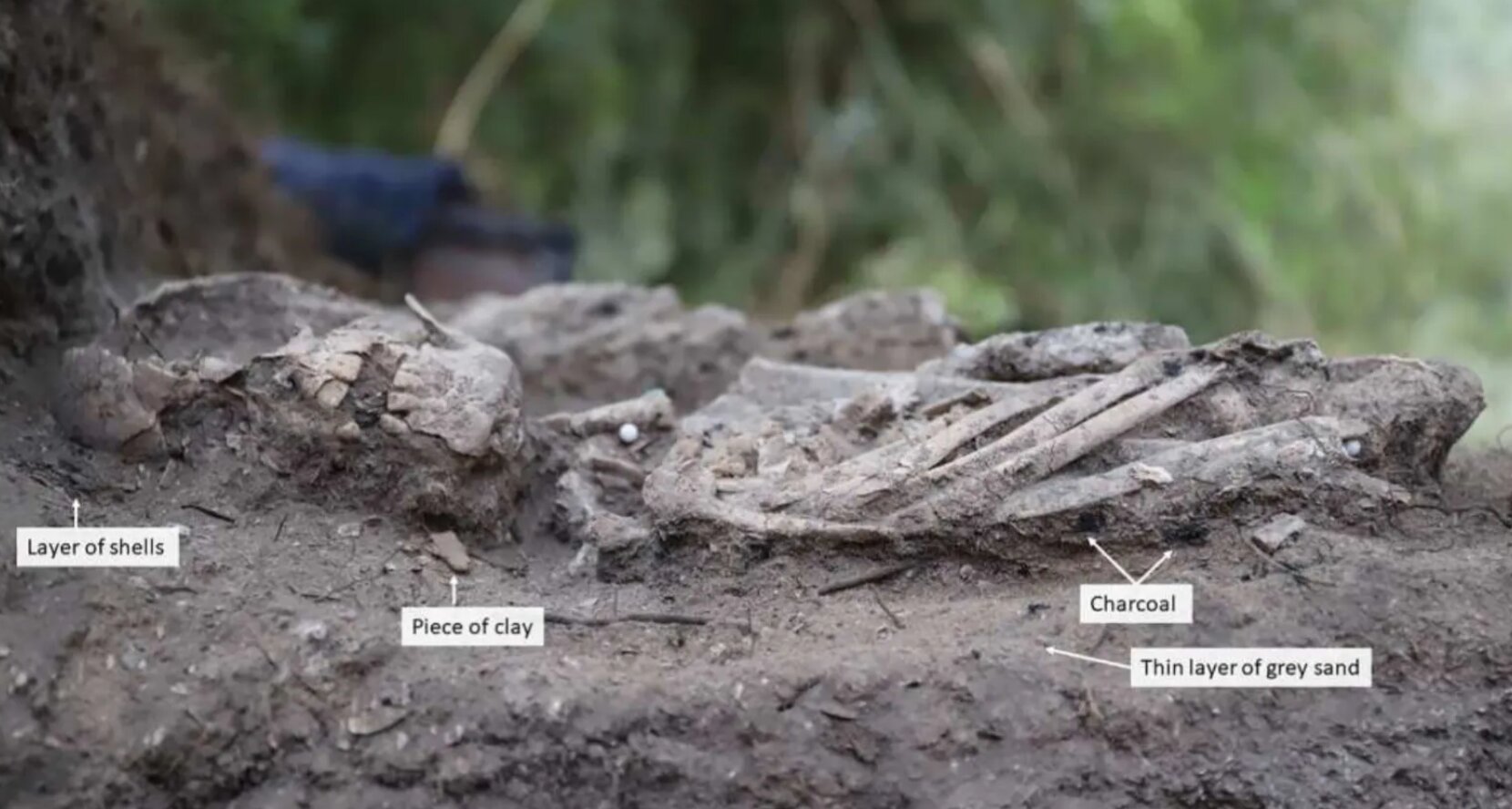
Researchers discovered the oldest known cremation pyre in Africa, dating back 9,500 years in Malawi, revealing complex funerary practices among early hunter-gatherers and raising questions about their cultural beliefs and social structures.
A recent study of three non-adult burials at the Mesolithic site of Cabeço da Amoreira in Portugal reveals diverse funerary practices, including a unique complex burial structure, providing insights into the social and cultural behaviors of last hunter-gatherer populations in Iberia around 8000–7100 cal BP.
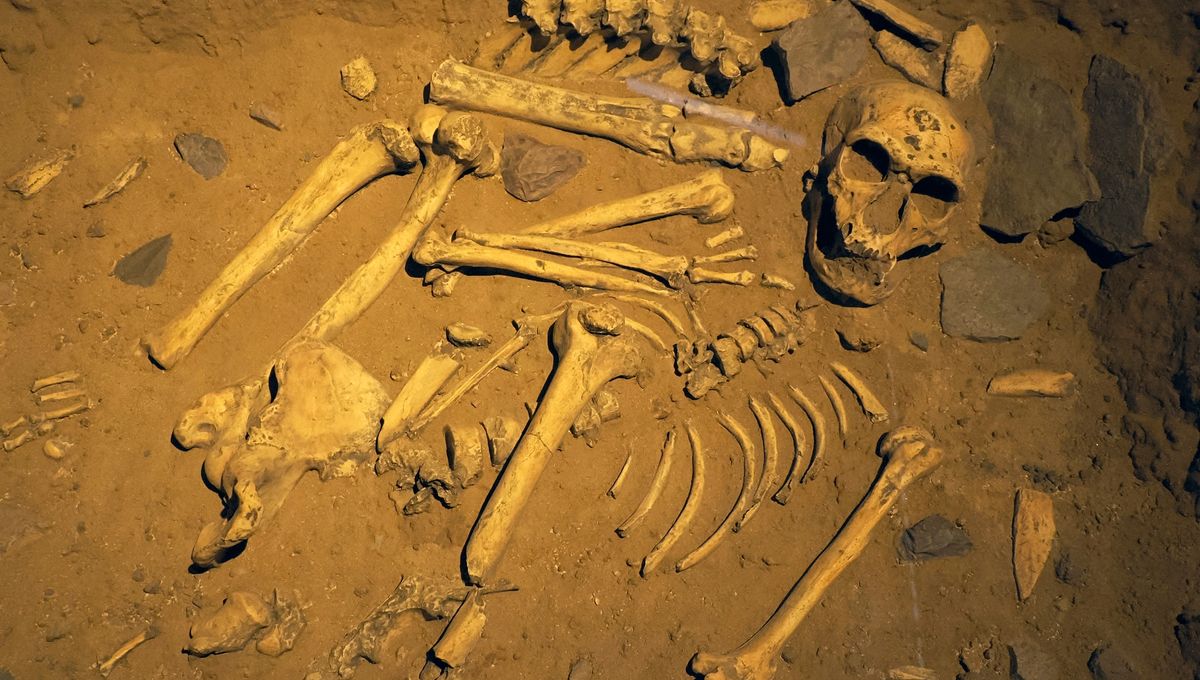
Recent archaeological findings suggest that Neanderthals in Iberia engaged in complex funerary behaviors, including intentional deposition of bodies in caves, which broadens our understanding of their social and cultural practices beyond formal burial rituals, with no clear link to climate or ecological factors.
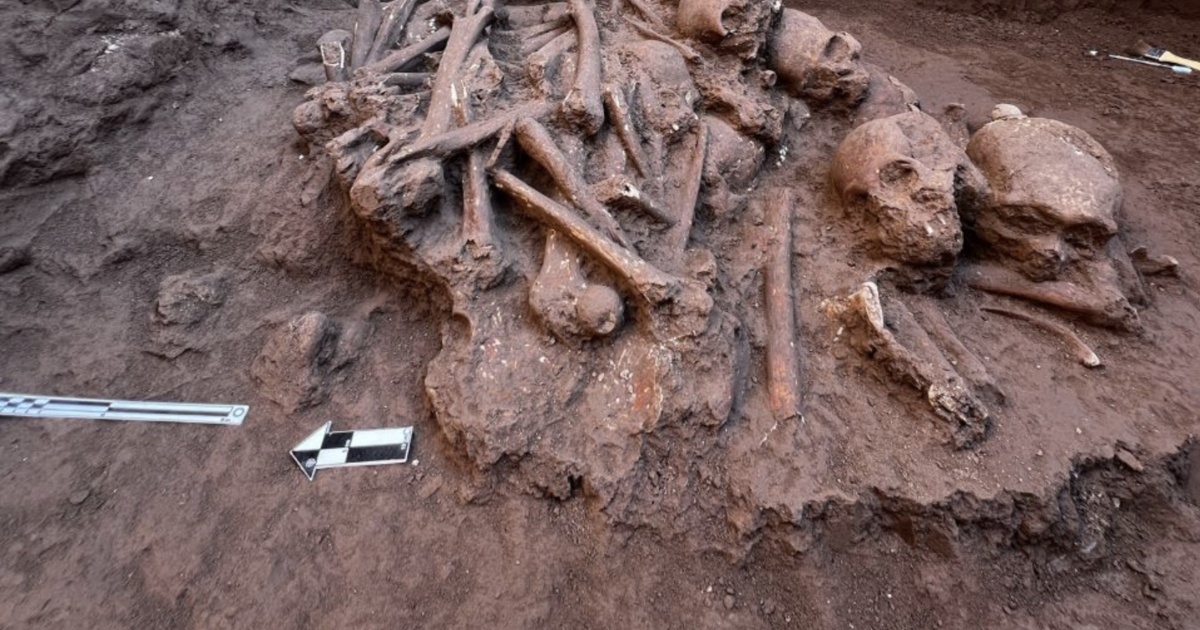
Archaeologists in Mexico discovered a trove of ancient skulls and bones stacked on top of each other during a construction project in Pozo de Ibarra, Jalisco. The remains, likely belonging to at least seven male individuals of different ages, were found arranged in a complex funerary system dating back to the Amapa cultural era. The bones, including skulls with cranial modifications, were buried at the same time, suggesting a unique funeral practice with no precedents. The discovery offers insight into ancient funerary practices in the region and will be preserved for further research by the National Institute of Anthropology and History (INAH).
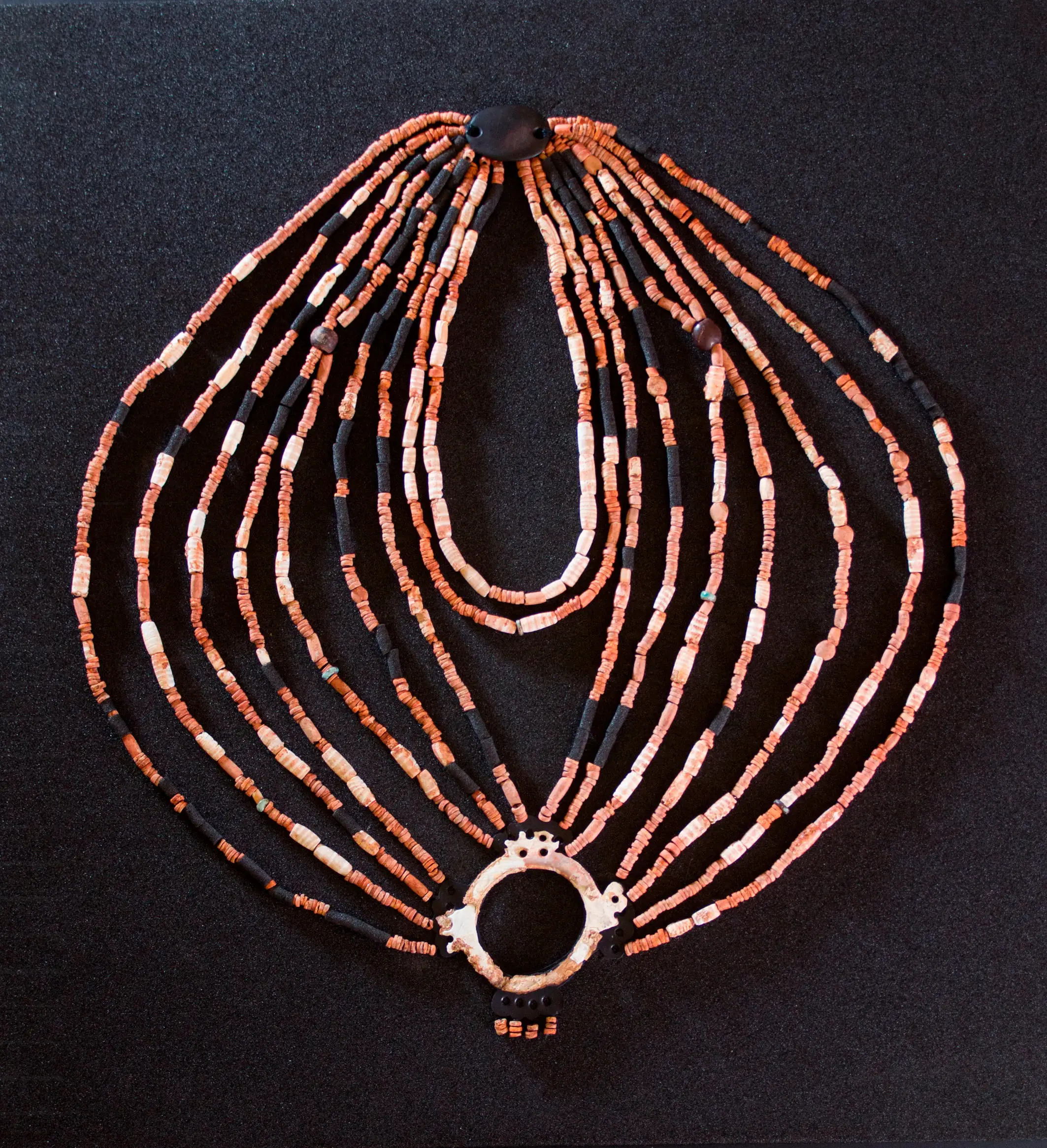
The discovery of an ornate necklace in a child's grave in ancient Jordan provides insights into the social complexity and funerary practices of Neolithic culture. The necklace, composed of over 2,500 colorful stones and shells, along with exceptional amber beads and a stone pendant, belonged to an individual of high social status. The meticulous craftsmanship and import of exotic materials suggest complex social dynamics within the community. The findings highlight the significance of body adornments in communicating cultural values and personal identities.
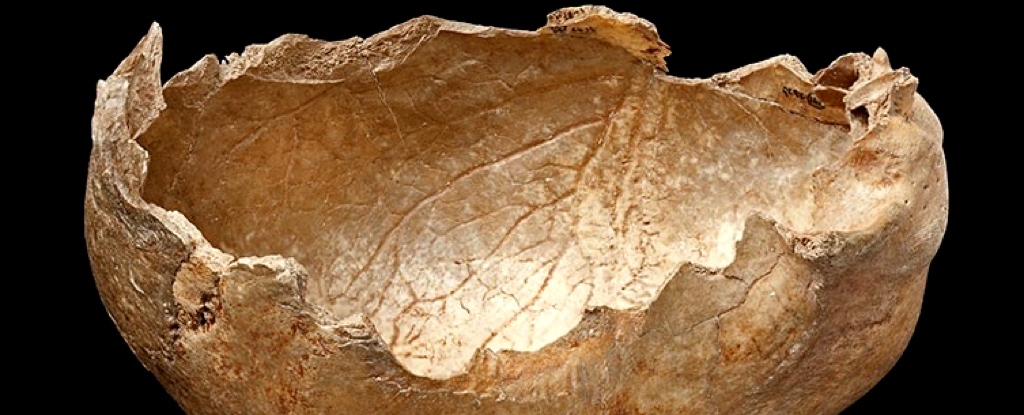
A new analysis of Paleolithic human remains from Northern Europe suggests that cannibalism was a widespread funerary practice among the Magdalenian culture, which existed around 15,000 years ago. The study found evidence of cannibalism, including cut and tooth marks associated with butchering and repurposing bones, at multiple sites across north-western Europe. Genetic analysis revealed that the Magdalenians, who practiced cannibalism, were genetically distinct from the Epigravettians, who buried their dead. The findings suggest that the Epigravettians replaced the Magdalenians, indicating a turnover in both genetic ancestry and funerary behavior during the terminal period of the Paleolithic. Further research is needed to understand the reasons behind this grisly funerary practice.
Cannibalism was a common funerary practice among Magdalenian human groups in northwestern Europe around 15,000 years ago, according to research from London's Natural History Museum. The study analyzed archaeological and genetic evidence, revealing consistent signs of chew marks and bone manipulation. The discovery was made at Gough's Cave in Cheddar Gorge, known for its Paleolithic artifacts. The cannibalistic behavior was likely part of a funerary ritual rather than a necessity. The practice eventually died out due to population replacement by Epigravettian groups who practiced standard burials.