Tag

European History

All articles tagged with #european history

science1 year ago

Ancient DNA Reveals Early European Adaptations to Agriculture

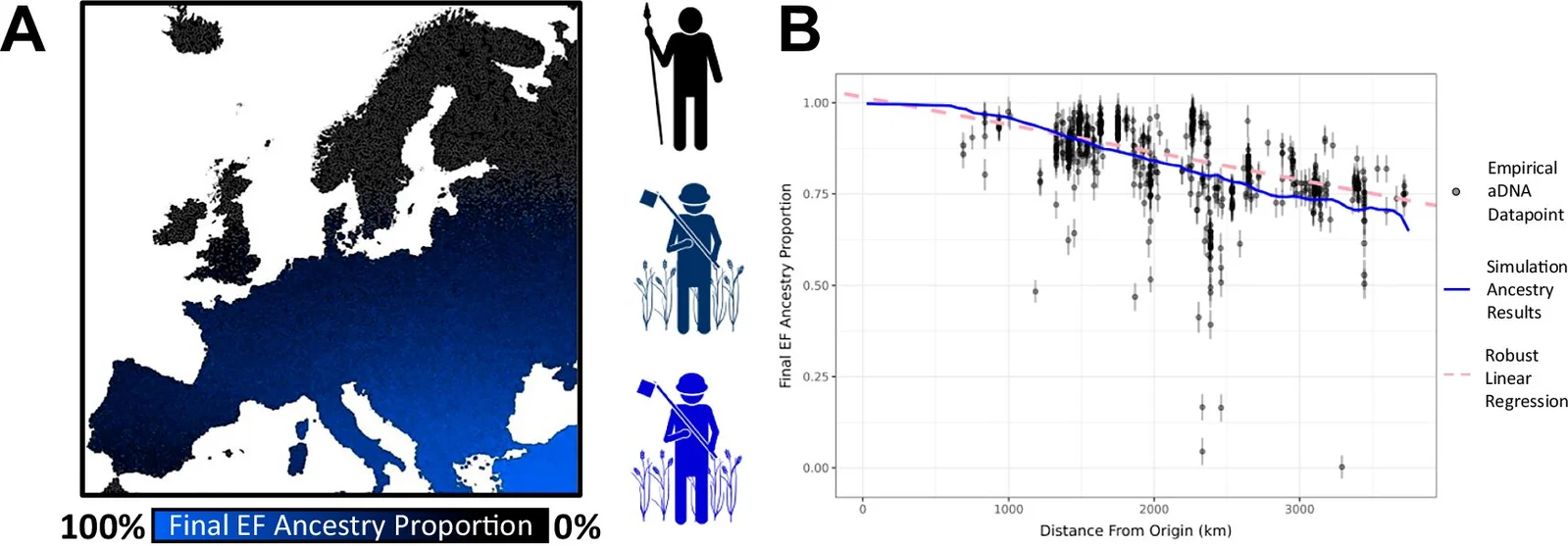
Researchers from The University of Texas at Austin and UCLA have used ancient DNA to uncover how early Europeans adapted to environmental changes over 7,000 years. By analyzing over 700 samples from different historical periods, they identified genetic adaptations, such as the ability to digest milk and produce vitamin D, that were crucial for survival but have since become less detectable in modern genomes. This study highlights the role of ancient DNA in understanding human evolutionary history and the impact of agriculture and population mixing on genetic traits.

archaeologyanthropology1 year ago

"45,000-Year-Old Bones Rewrite Early Human History in Europe"

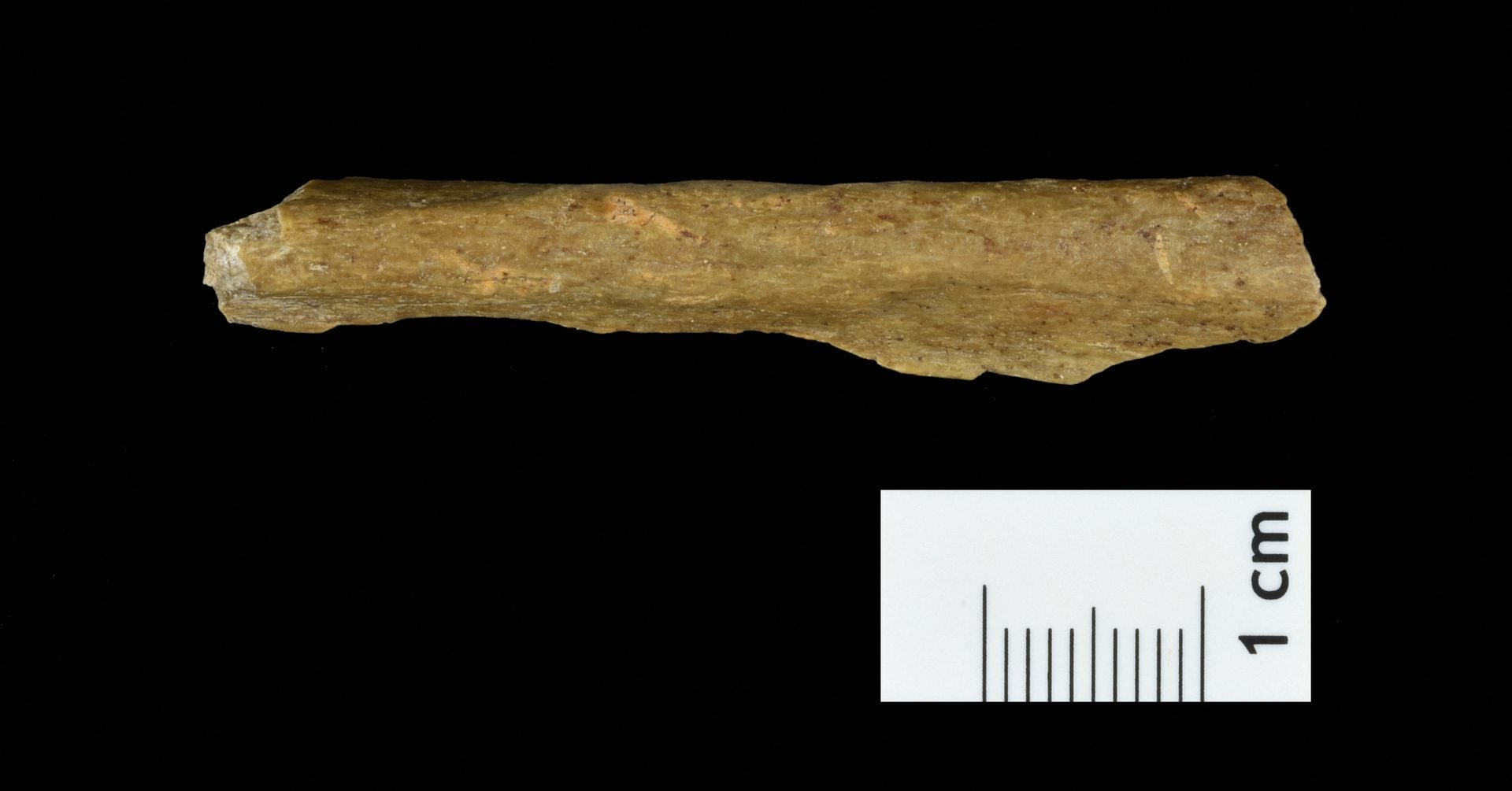
Bone fragments found in a cave in Germany have pushed back the timeline for the arrival of Homo sapiens in Europe to over 45,000 years ago, challenging previous estimates. The discovery, based on ancient DNA analysis of 13 skeletal remains, sheds light on how Homo sapiens adapted to cold climates and interacted with Neanderthals. The findings also suggest that stone artifacts previously attributed to Neanderthals were likely made by Homo sapiens, indicating an early presence of our species across northern Europe. The research provides new insights into the diet, mobility, and potential interactions between Homo sapiens and Neanderthals during this period.

archaeology2 years ago

Ancient Sandals Unearthed in Spanish Cave Rewrite History of Early Humans

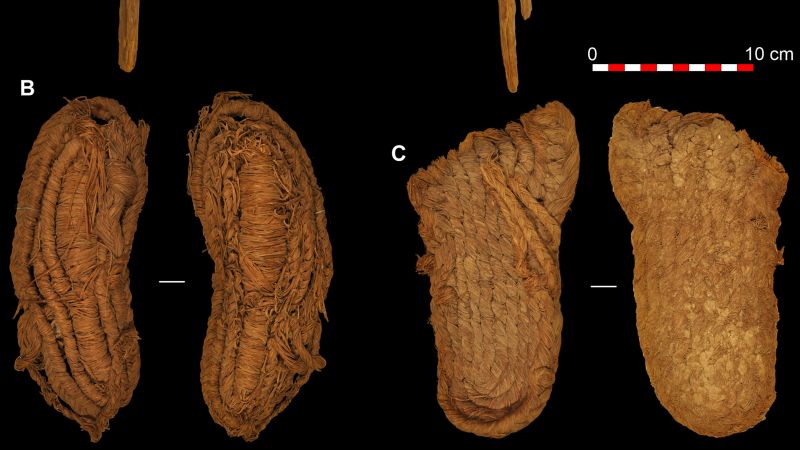
The oldest shoes ever discovered in Europe have been identified as 6,000-year-old woven sandals found in a Spanish cave. Radiocarbon analysis revealed their true age, contradicting previous estimates. The cave's dry conditions preserved the sandals, along with other perishable materials, such as baskets and wooden tools. The artifacts provide insights into the craftsmanship and plant resources of prehistoric communities. The study also found that the objects were deposited at the site during two different eras, associated with hunter-gatherer populations and farmers.