Researchers at UC Irvine have discovered that injecting a specific fatty acid can reverse age-related vision decline in mice, offering potential new treatments for age-related eye diseases like macular degeneration, and possibly impacting immune system aging as well.
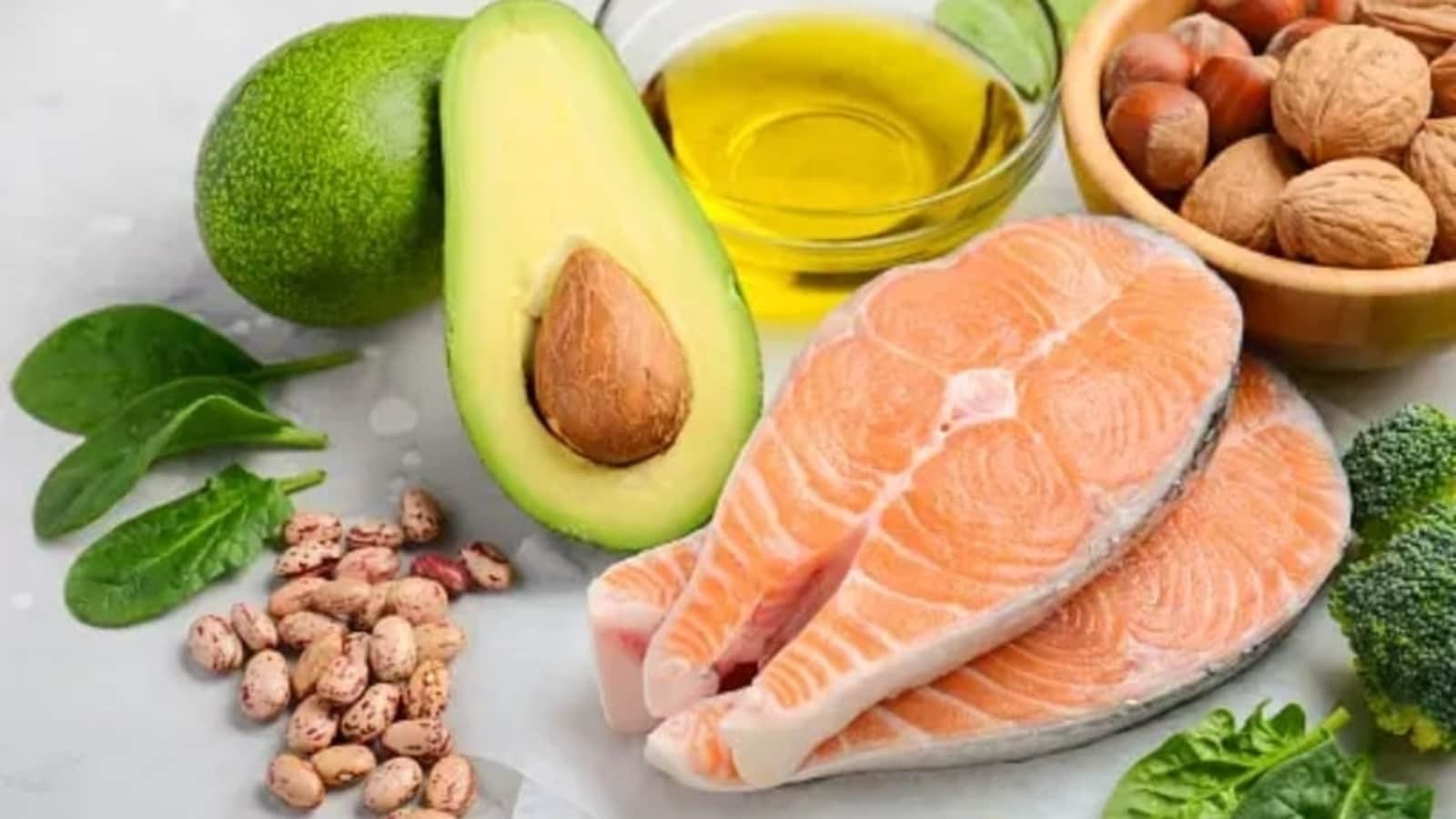
Fatty acids, particularly omega-3s, omega-6s, and the newly recognized C15:0, are essential for overall health, including heart, brain, skin, and immune function. These nutrients can be obtained through diet or supplements like fatty15, which offers a convenient way to ensure adequate intake. Understanding and incorporating fatty acids into your diet can help improve longevity and well-being.
Fatty15 CEO Stephanie Venn-Watson discusses the discovery of C15:0, a simple fatty acid with significant longevity benefits, and the need to revisit dietary guidelines on saturated fats. Studies have shown that odd-chain saturated fats like C15:0 are associated with better health, while even-chain saturated fats have negative effects. C15:0, discovered through studying US Navy dolphins, supports healthy aging by protecting cell membranes, repairing mitochondrial function, and supporting healthy cellular signaling. Clinical trials have demonstrated C15:0's benefits in lowering LDL cholesterol, reducing body fat, and improving gut microbiome.
Researchers at the University of Queensland have discovered the significant role of saturated fatty acids in the brain's storage of memories, shedding light on potential treatments for neurodegenerative diseases like Alzheimer's. The study, published in the EMBO Journal, identified the genes and enzymes involved in the process of memory creation, highlighting the importance of free fatty acids in memory acquisition. Manipulating this memory acquisition pathway could hold promise as a treatment for neurological disorders, as human mutations in the relevant genes have been linked to cognitive decline.
Scientists have discovered critical patterns of fatty acid attachment in the model organism C. elegans, shedding light on the protein modification process and its link to specific fat metabolic pathways. This finding has implications for understanding and treating various human diseases, including cancer, neurodegeneration, cardiovascular disorders, and infectious diseases. The study also reveals the first example of abundant protein modification with branched-chain fatty acids, potentially opening new avenues in nutritional science and highlighting the connection between diet, gut health, and protein modification.
Scientists have simulated the formation of fatty acids, a crucial component in the creation of Earth's first cells, shedding light on the origins of life on our planet and potentially on other moons and planets. The study, published in Communications Earth and Environment, demonstrates how fatty acids can form under conditions replicating hydrothermal vents, suggesting a potential key stepping stone to the creation of protocells. These findings may also inform the search for similar chemistry and the origin of life elsewhere in our solar system, such as on Jupiter's moon Europa, Saturn's moon Enceladus, or in the past at active hydrothermal vent sites on Mars.
A study published in The Journals of Gerontology: Series A suggests that higher levels of certain fatty acids in the blood, particularly clupanodonic acid, are linked to a lower risk of Alzheimer's disease by being associated with reduced amyloid-beta levels in the brain. The research, part of the COGFRAIL cohort study, analyzed blood samples from older adults with mild cognitive impairment for various nutrients and found that while clupanodonic acid showed a consistent negative association with amyloid-beta, linoleic acid was positively associated, and mead acid and adrenic acid were negatively associated, though less consistently. These findings could aid in the development of blood biomarkers for early Alzheimer's diagnosis, although further research is needed to confirm these results in different populations and to understand the causality and timing of these associations.
The debate between full-fat and low-fat dairy continues, with recent research challenging the perception that low-fat options are healthier. While governments and health bodies advocate for dairy as a vital part of a balanced diet, a study suggests that children consuming full-fat dairy may have better health outcomes. Emerging evidence also suggests that certain fatty acids in dairy fats could reduce the risk of heart disease and type 2 diabetes. Fermented dairy products like unsweetened full-fat yogurt and specific cheeses are linked to potential health benefits. The myth associating low-fat milk and cheese with weight gain is debunked, and the fat content in dairy may not be a significant concern for those incorporating these products into their diet.
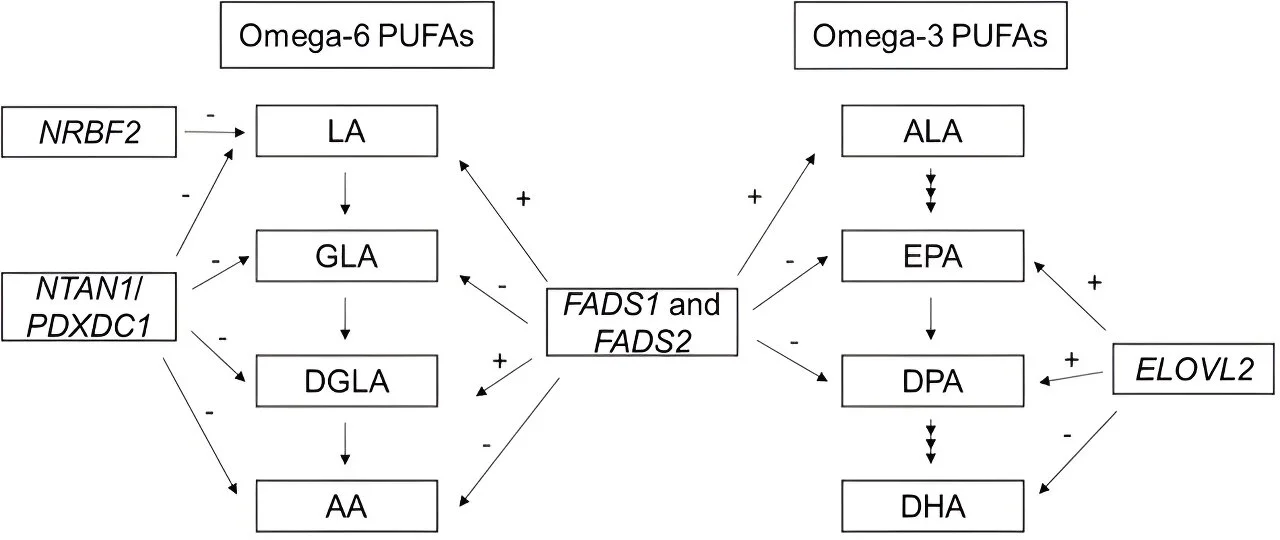
Researchers at the University of Virginia School of Medicine have made significant progress in understanding how genes influence the utilization of Omega-3 and Omega-6 fatty acids for good health, particularly among African-American and Hispanic-American populations. The study highlights the importance of conducting genetic studies in diverse groups and reveals both shared genetic influences and notable differences in fatty acid metabolism among different ethnicities. These findings pave the way for future research on how fatty acid variations impact disease outcomes and immune system function, potentially leading to personalized nutrition strategies for improved health.
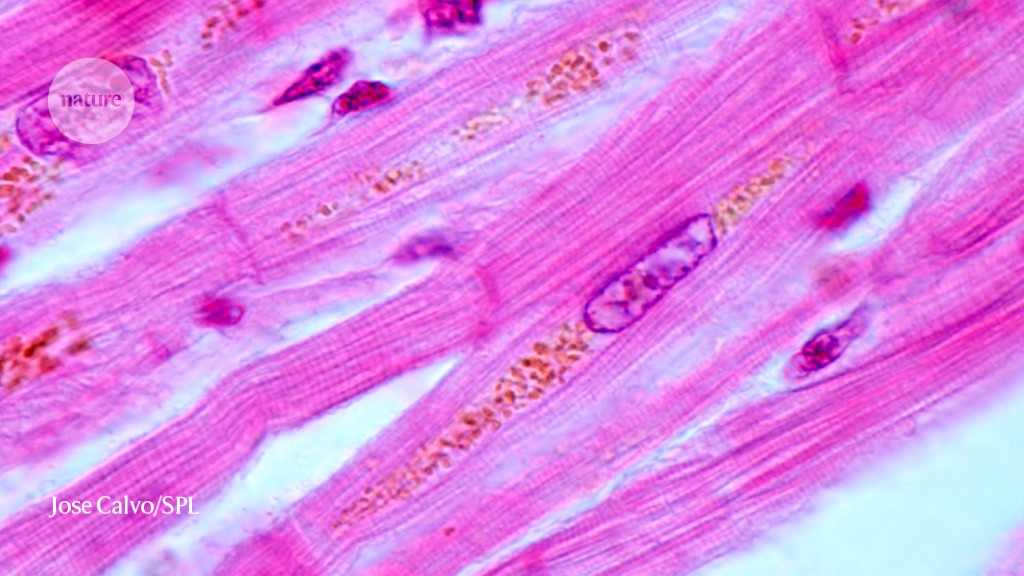
A fatty acid called ɣ-linolenic acid (GLA) found in mother's milk triggers a shift in heart cells' metabolism, which helps in the development of heart muscles in newborn mice. The study found that GLA prompts the cardiomyocytes to shift to a different food source, which then powers the cells through adulthood. The research could allow for the study of heart diseases in adults.
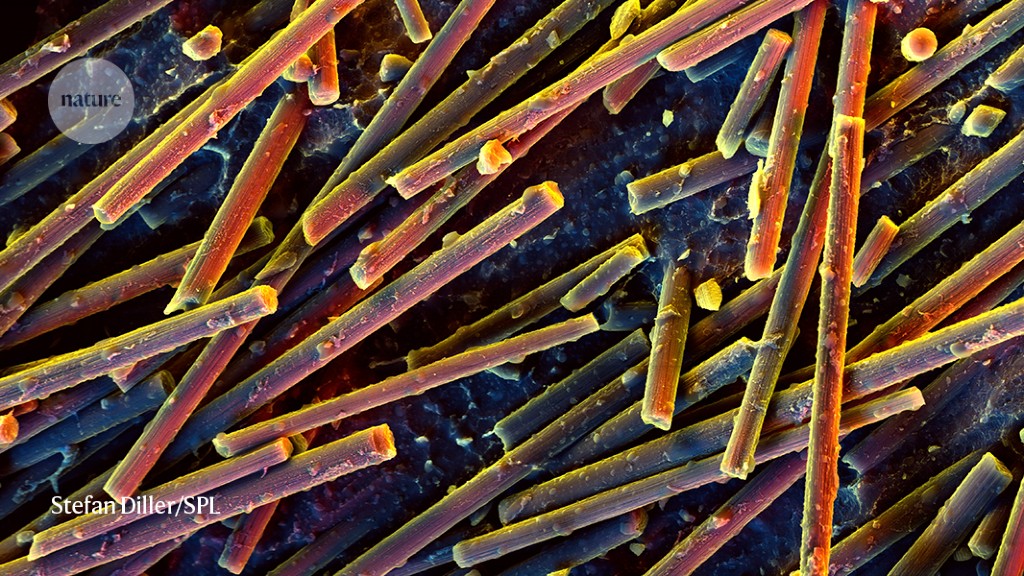
New research in mice suggests that bacteria in the digestive tract can break down ingested carbon nanomaterials, leading to changes in the microbiome. The breakdown of these nanoparticles can also result in excessive amounts of fatty acids, which may inhibit the normal function of intestinal stem cells. This raises concerns about the potential effects of accidental ingestion of nanomaterials in consumer products on human health.
Reduced levels of long-chain polyunsaturated fatty acids in blood plasma are linked to poor sleep quality and disrupted sleep patterns in children on the autism spectrum, according to a study by the Autism CRC. The study also found that lipidome signatures in autistic children with sleep disorders were similar to signatures associated with an unhealthy diet. The research highlights the importance of screening for and managing sleep problems in children with neurodevelopmental differences to improve their long-term health.
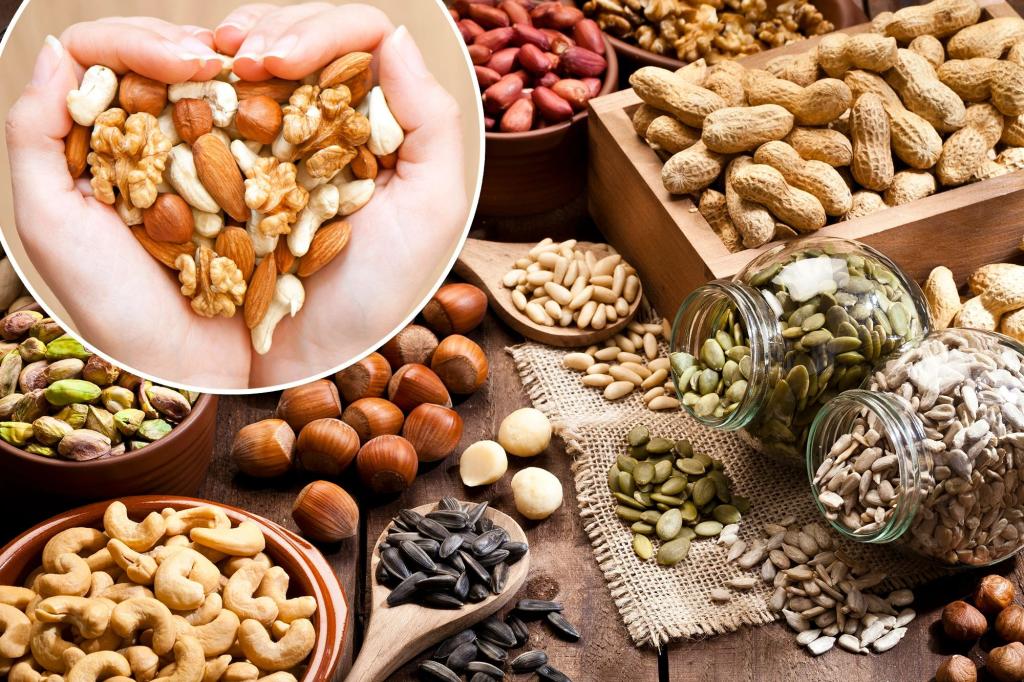
Eating a small amount of nuts and seeds every day can reduce the risk of heart attack and strokes by 20% to 25%, according to a new study published in the Food Nutrition Research journal. The study found that nuts have a beneficial effect on cholesterol levels in the blood, which is important to keep low in order to prevent the buildup of fat in the arteries. The composition of fatty acids in nuts is beneficial for aiding overall health. The findings align with research finding the popular Mediterranean diet is known to lower the risk of cardiovascular disease and other chronic conditions.