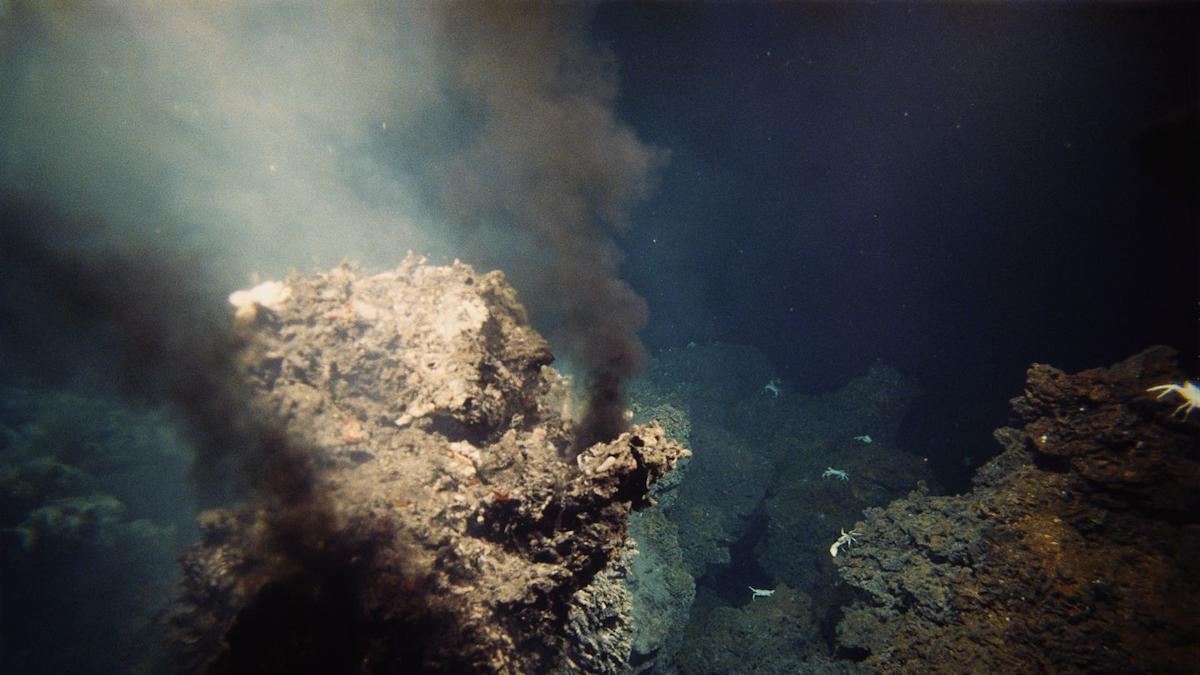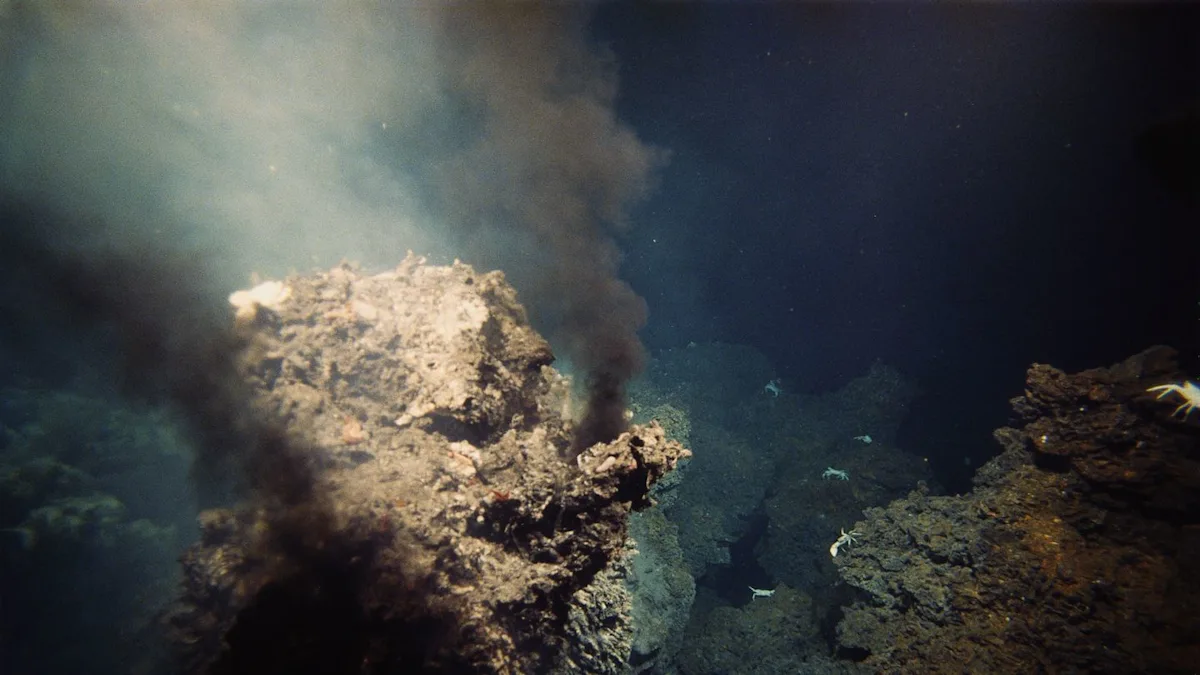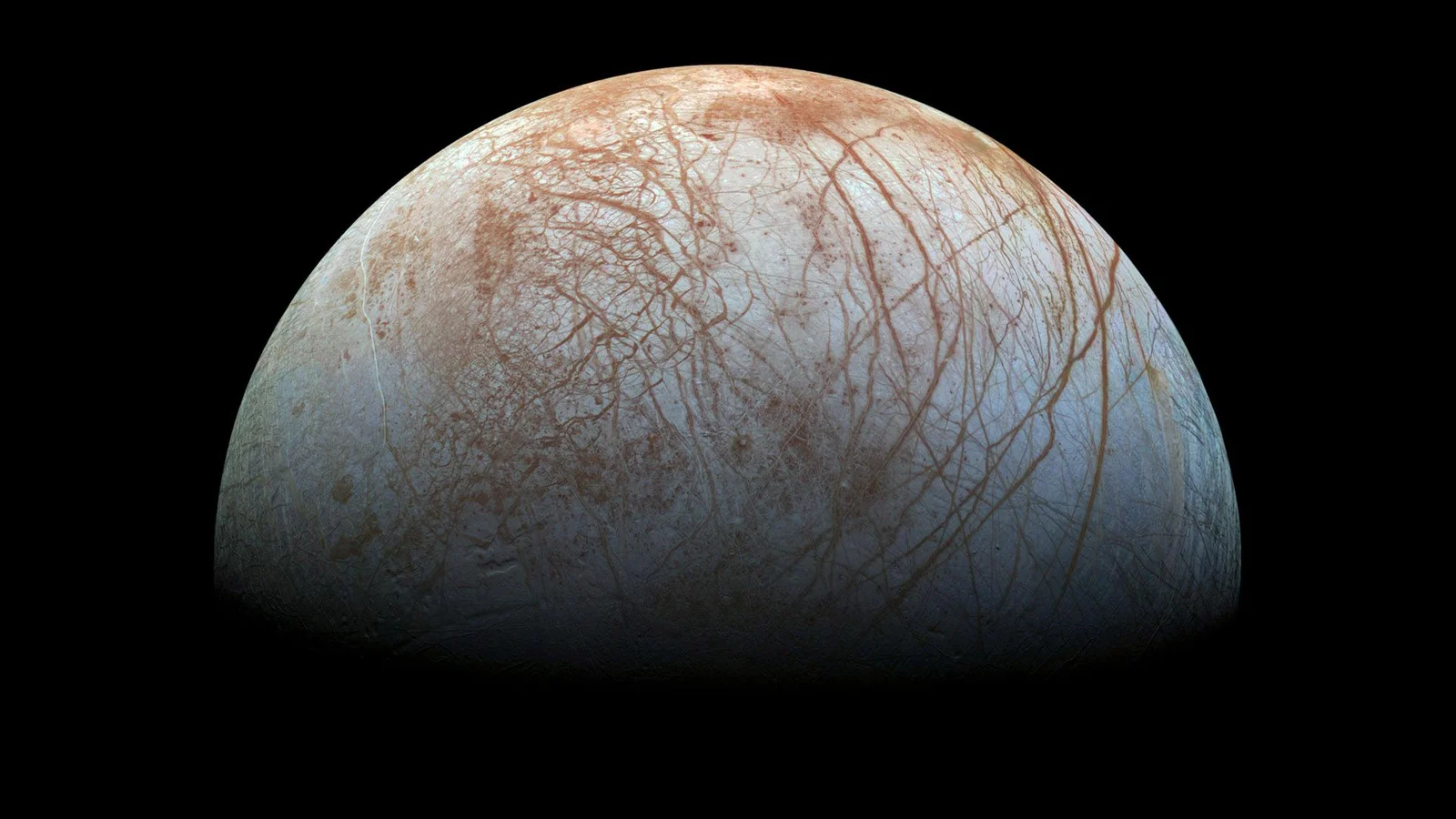
A new study suggests that Europa's ocean floor likely lacks significant tectonic activity and hydrothermal vents, reducing its chances for supporting life, though other energy sources might still exist. The findings imply that Europa may be less hospitable for life than previously thought, but the search continues with upcoming missions like NASA's Europa Clipper.
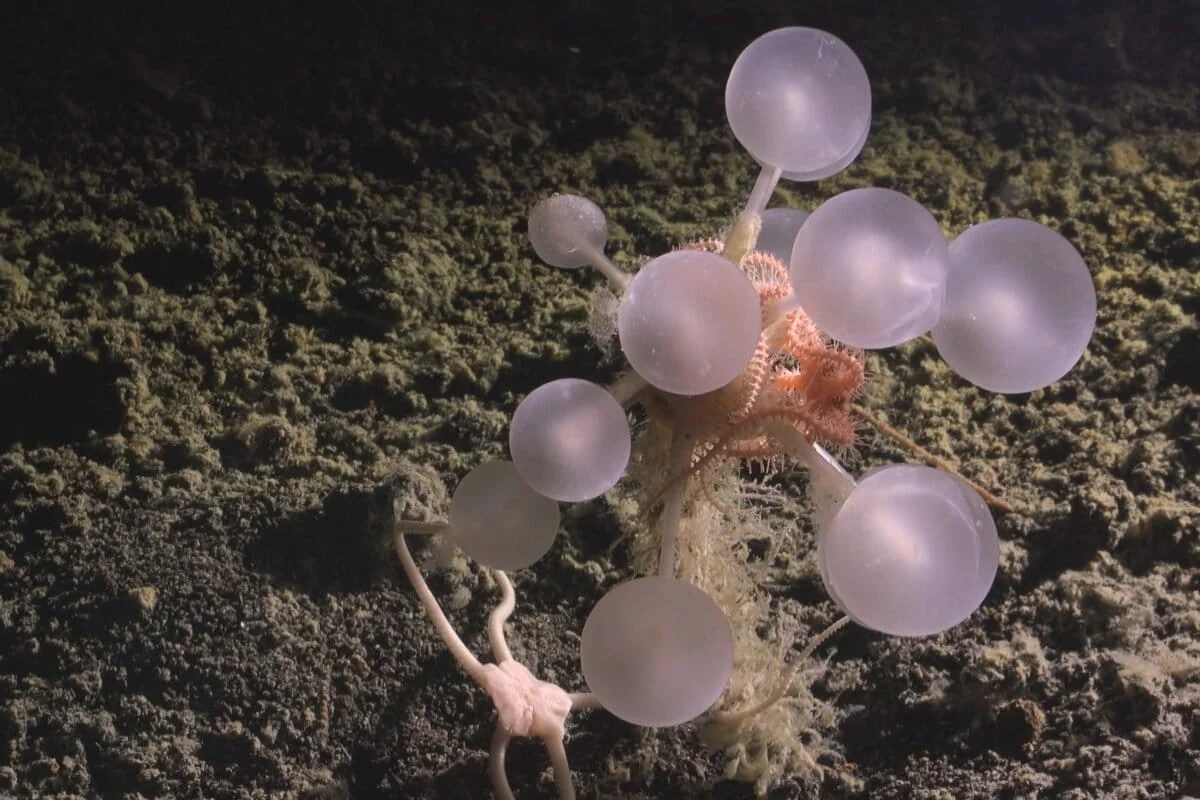
A 2025 deep-sea expedition in the Southern Ocean discovered 30 new species, including a carnivorous sponge, armored worms, and a juvenile colossal squid, highlighting the vast, largely undocumented biodiversity of the ocean's depths and emphasizing the urgency of conservation efforts amid ongoing threats to marine life.
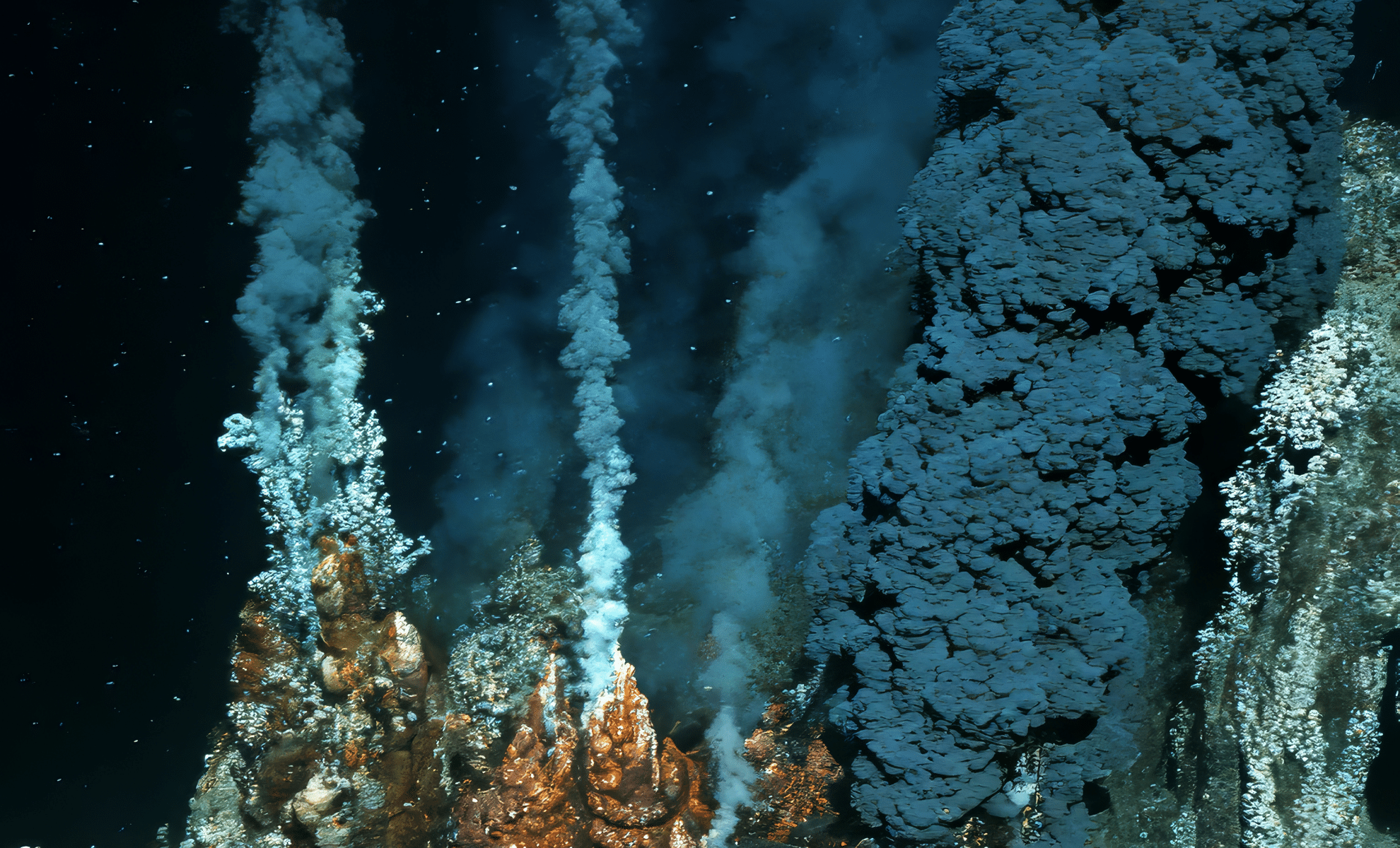
Scientists recreated ancient ocean conditions in the lab, demonstrating that natural gradients at hydrothermal vents could have driven the first chemical reactions of life, supporting the theory that life’s building blocks formed through inorganic processes powered by environmental energy, without the need for enzymes or organic molecules.
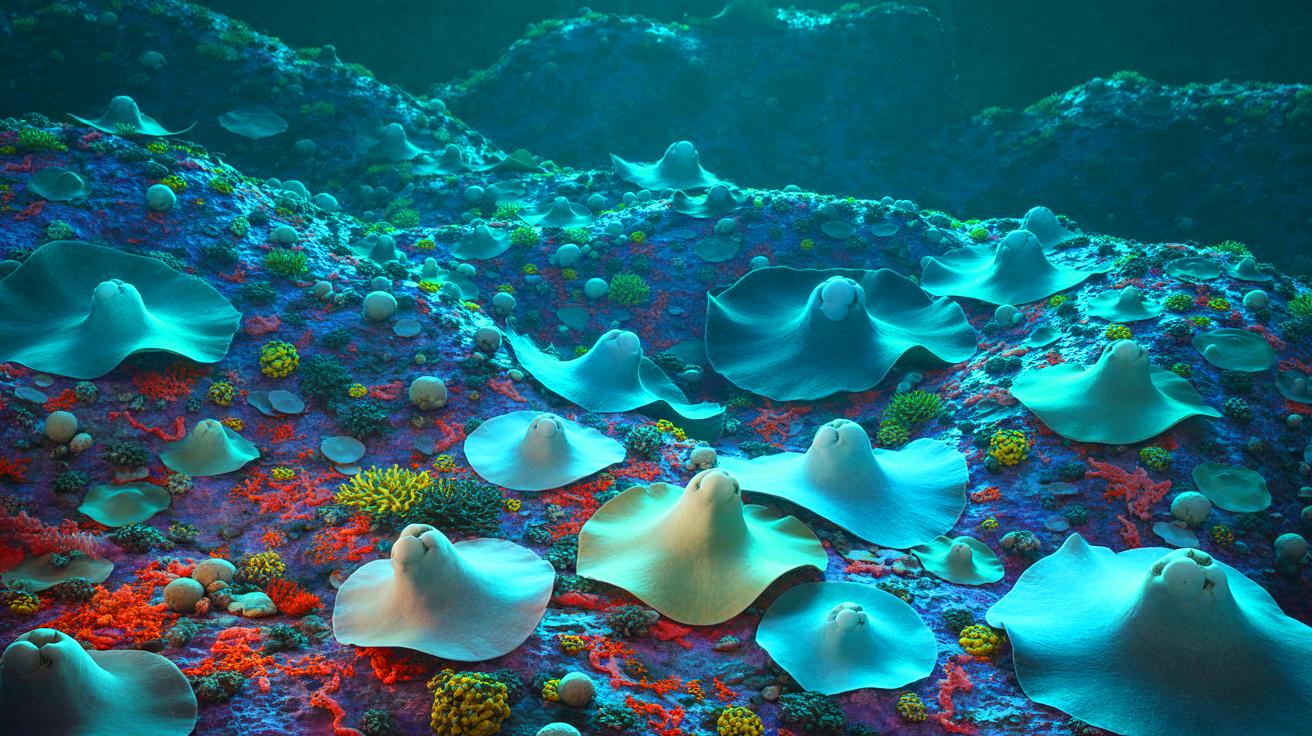
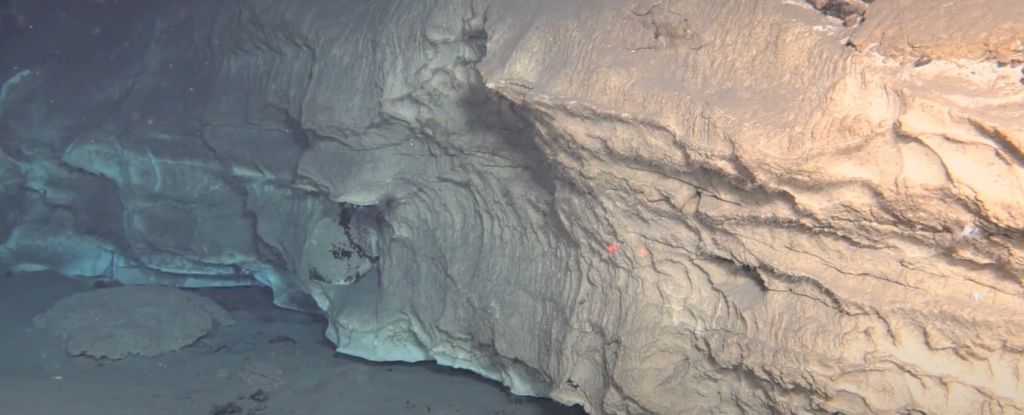
Scientists discovered a thriving marine ecosystem within a previously thought dormant underwater volcano off Vancouver Island, featuring a large nursery of white skate ray eggs, highlighting the resilience of deep-sea life and the importance of conserving these fragile environments.
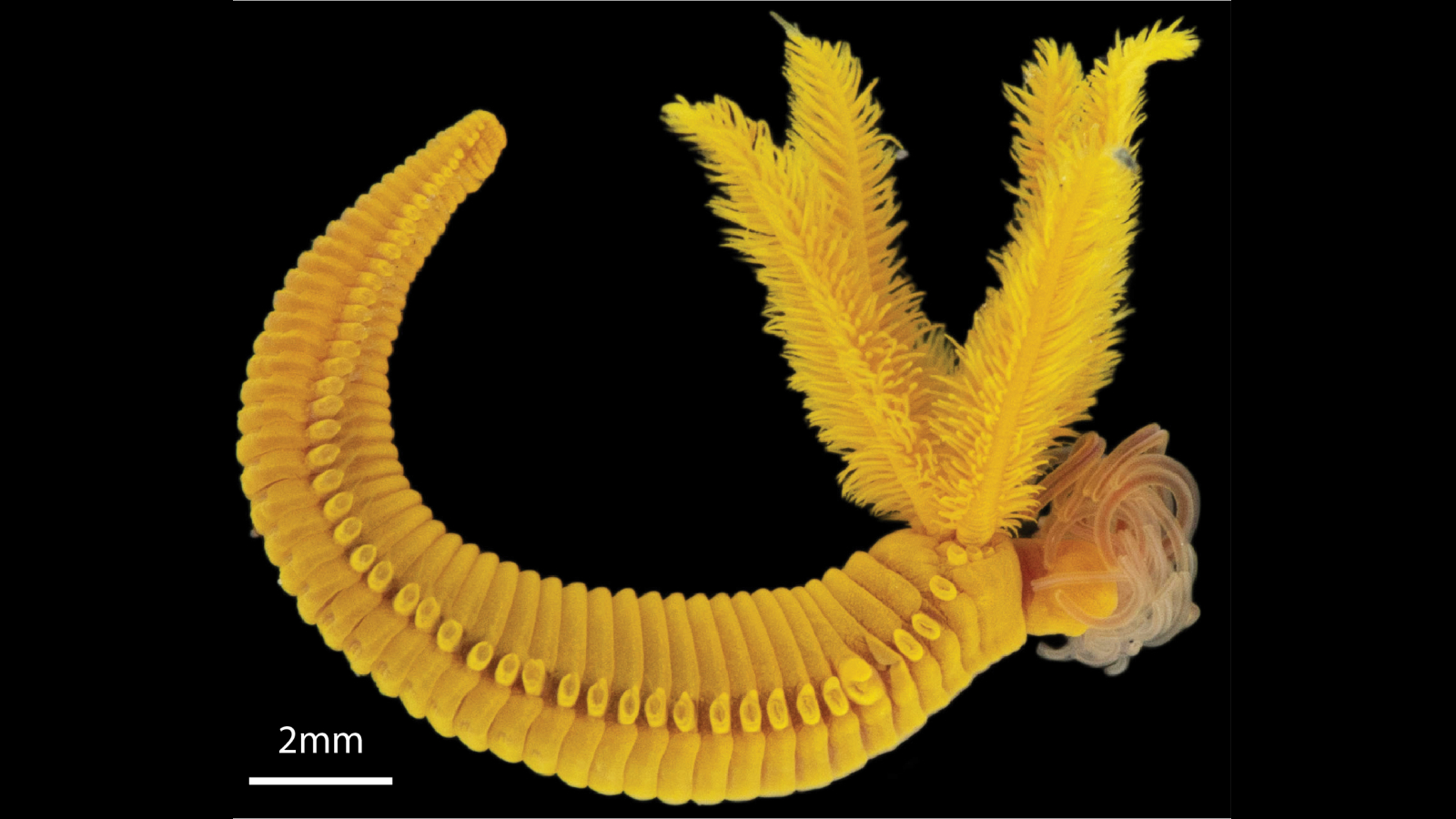
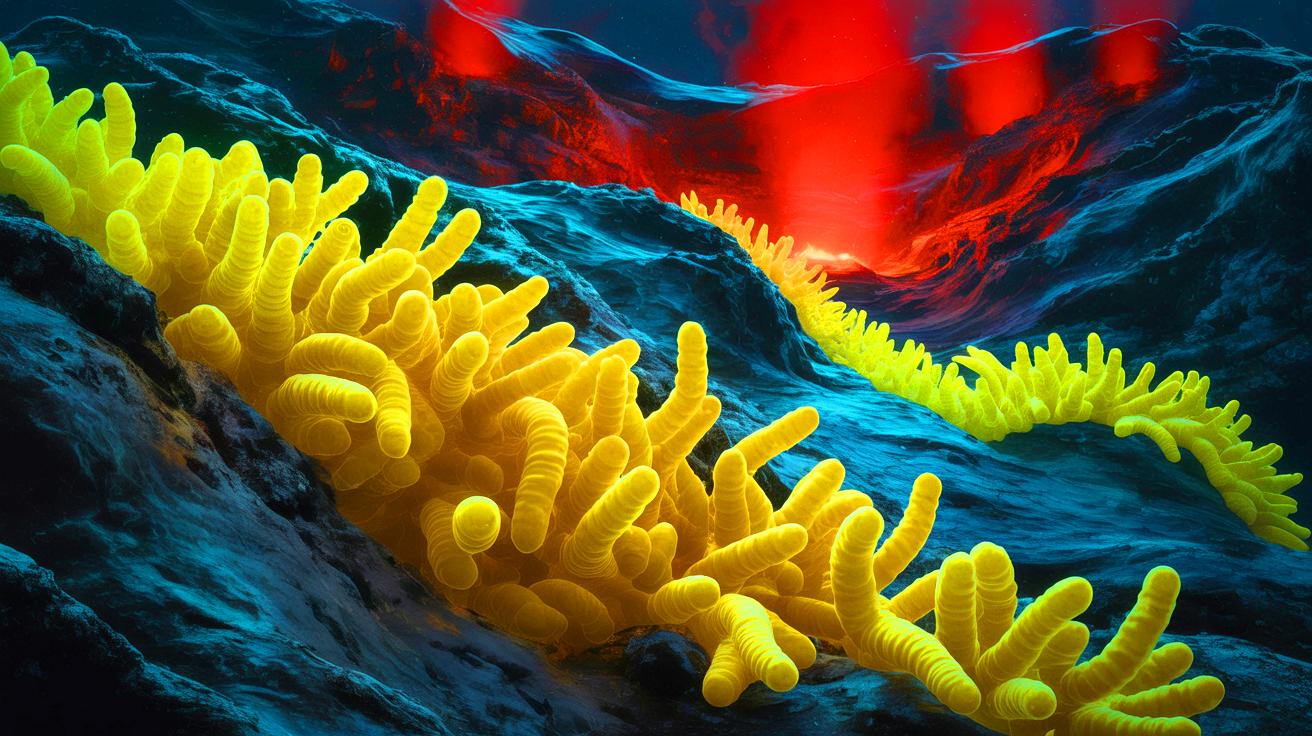
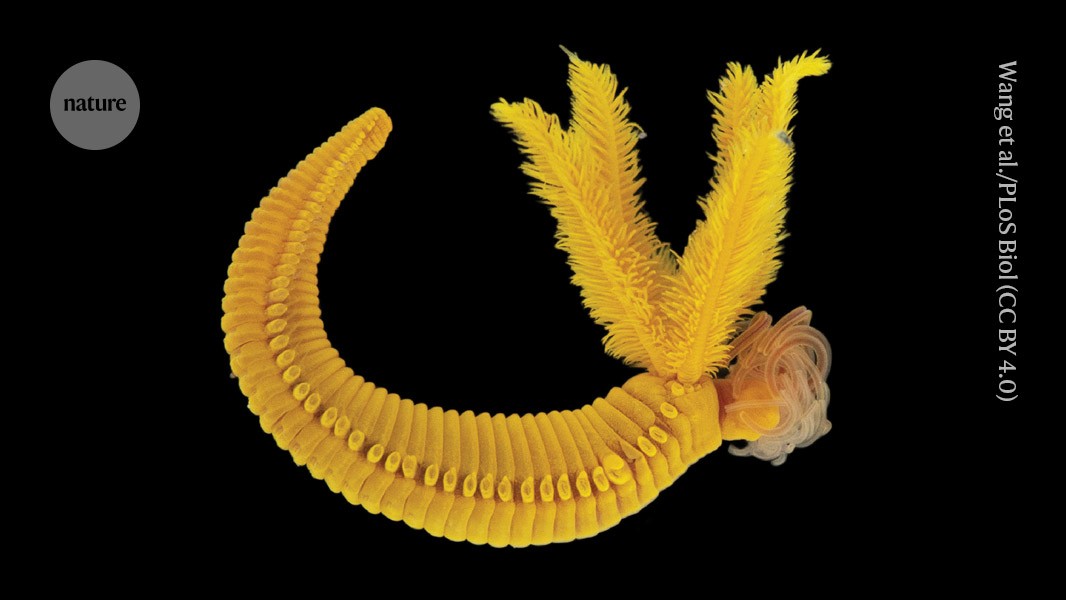
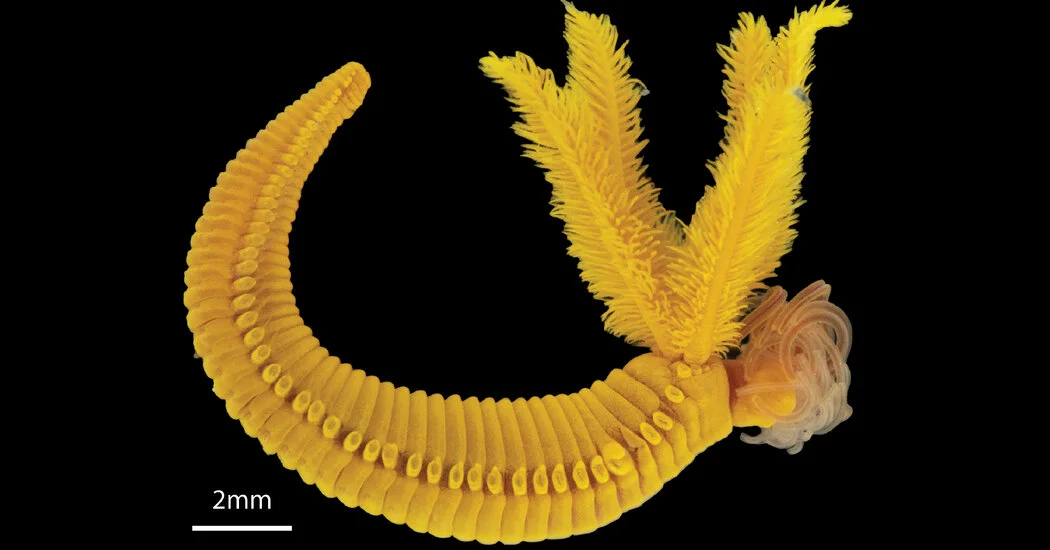
Paralvinella hessleri is a yellow worm living in the toxic, high-temperature hydrothermal vents of the Pacific Ocean that survives by storing arsenic in its skin, where it reacts with sulfide to form a less harmful mineral, effectively fighting poison with poison.
Scientists have discovered that Paralvinella hessleri worms thrive in toxic hydrothermal vents by detoxifying arsenic with sulfur, forming non-toxic minerals, showcasing remarkable adaptation and resilience in extreme conditions, with potential implications for environmental and medical sciences.
Scientists discovered a thriving marine ecosystem and a massive nursery of giant skate ray eggs near an active underwater volcano off Vancouver Island, highlighting the resilience of deep-sea life and emphasizing the importance of conserving these fragile environments amid environmental threats.
Scientists discovered a bright yellow worm, Paralvinella hessleri, thriving in the toxic, high-temperature environment of Pacific hydrothermal vents. The worm's survival strategy involves detoxifying arsenic by forming a non-toxic mineral called orpiment, which also gives it its distinctive color. This finding offers insights into extreme life adaptations and potential environmental applications, though further research into the molecular mechanisms is needed.
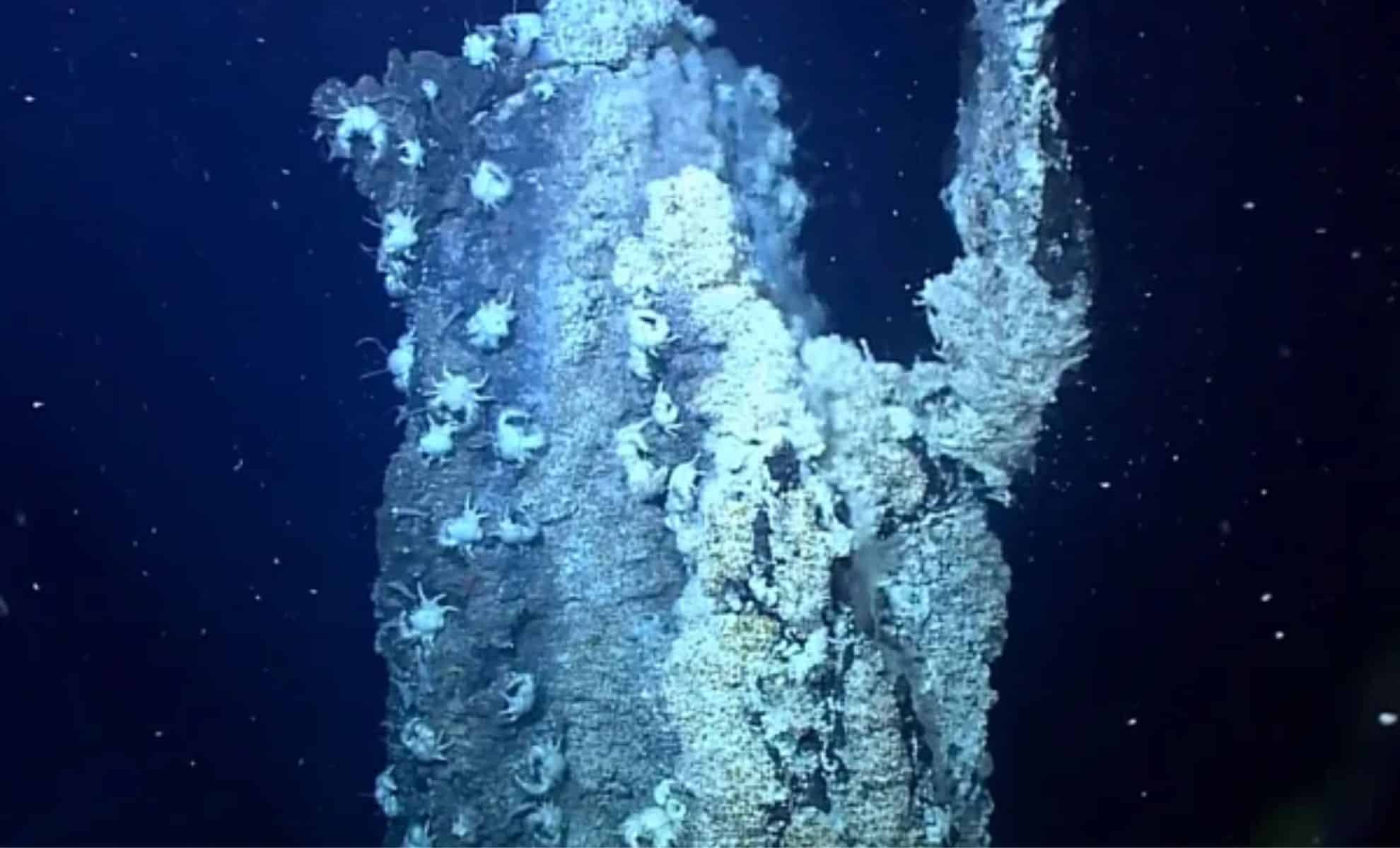
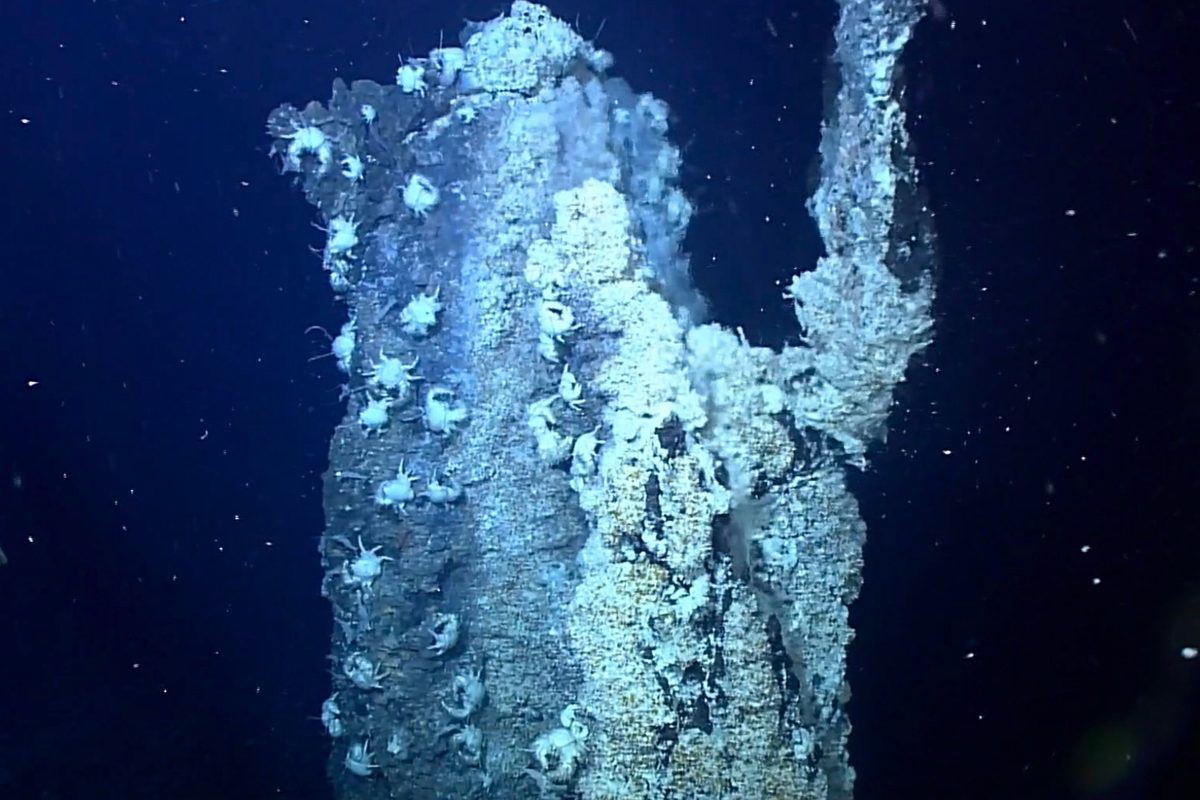
Scientists have discovered a massive new hydrothermal field called Kunlun in the Pacific Ocean, which is over a hundred times larger than the famous Lost City. This site features unique, hydrogen-rich vents that could provide insights into the origins of life on Earth and potential energy sources, challenging previous assumptions about where such systems can occur. The discovery highlights the ocean's vast, unexplored ecosystems and geological diversity.
A massive new hydrothermal field called Kunlun has been discovered in the Pacific Ocean, significantly larger than the famous Lost City, with unique geological features and rich hydrogen emissions that could shed light on the origins of life and potential energy sources. The site hosts diverse deep-sea life and challenges previous assumptions about hydrogen generation far from mid-ocean ridges.
Scientists exploring deep Pacific hydrothermal vents discovered a yellow worm, Paralvinella hessleri, thriving in toxic conditions by forming a mineral called orpiment with arsenic and sulphide, revealing a unique natural detoxification method that could inform environmental toxin management.
A deep-sea worm, Paralvinella hessleri, is the first known animal to produce orpiment, a toxic yellow pigment historically used by artists, by accumulating arsenic particles that react with sulfide in hydrothermal vent environments to form a microscopic armor, offering protection in its extreme habitat.
A deep-sea polychaete worm, Paralvinella hessleri, survives high arsenic levels by converting it into a less toxic mineral through a process that combines arsenic with sulfide, revealing a novel biological adaptation to extreme environments.
Scientists discovered the Kunlun hydrothermal system in the Pacific Ocean, which is over 100 times larger than the previously known Lost City system, and may provide new insights into the origins of life due to its size, unique geological setting, and rich ecosystem.
Scientists have discovered the Kunlun hydrothermal system in the Pacific Ocean, which is over 100 times larger than the previously known Lost City system, and could provide new insights into the origins of life on Earth due to its unique geological features and rich biodiversity.