Tag

Gut Microbes

All articles tagged with #gut microbes

Scientists find innovative method to combat diabetes by targeting gut microbes

Originally Published 4 months ago — by Times of India

Featured image for Scientists find innovative method to combat diabetes by targeting gut microbes
Source: Times of India

Canadian scientists have discovered a new approach to managing diabetes by targeting gut microbes, specifically the molecule D-lactate, which influences blood sugar and fat storage. They developed a 'gut substrate trap' that captures D-lactate, improving blood sugar control and liver health in obese mice without dietary changes. This innovative strategy could lead to new, internal-focused diabetes treatments that address root causes rather than just symptoms.
Scientists Confirm the Gut-Brain Connection as a 'Sixth Sense'

Originally Published 5 months ago — by SciTechDaily

Featured image for Scientists Confirm the Gut-Brain Connection as a 'Sixth Sense'
Source: SciTechDaily

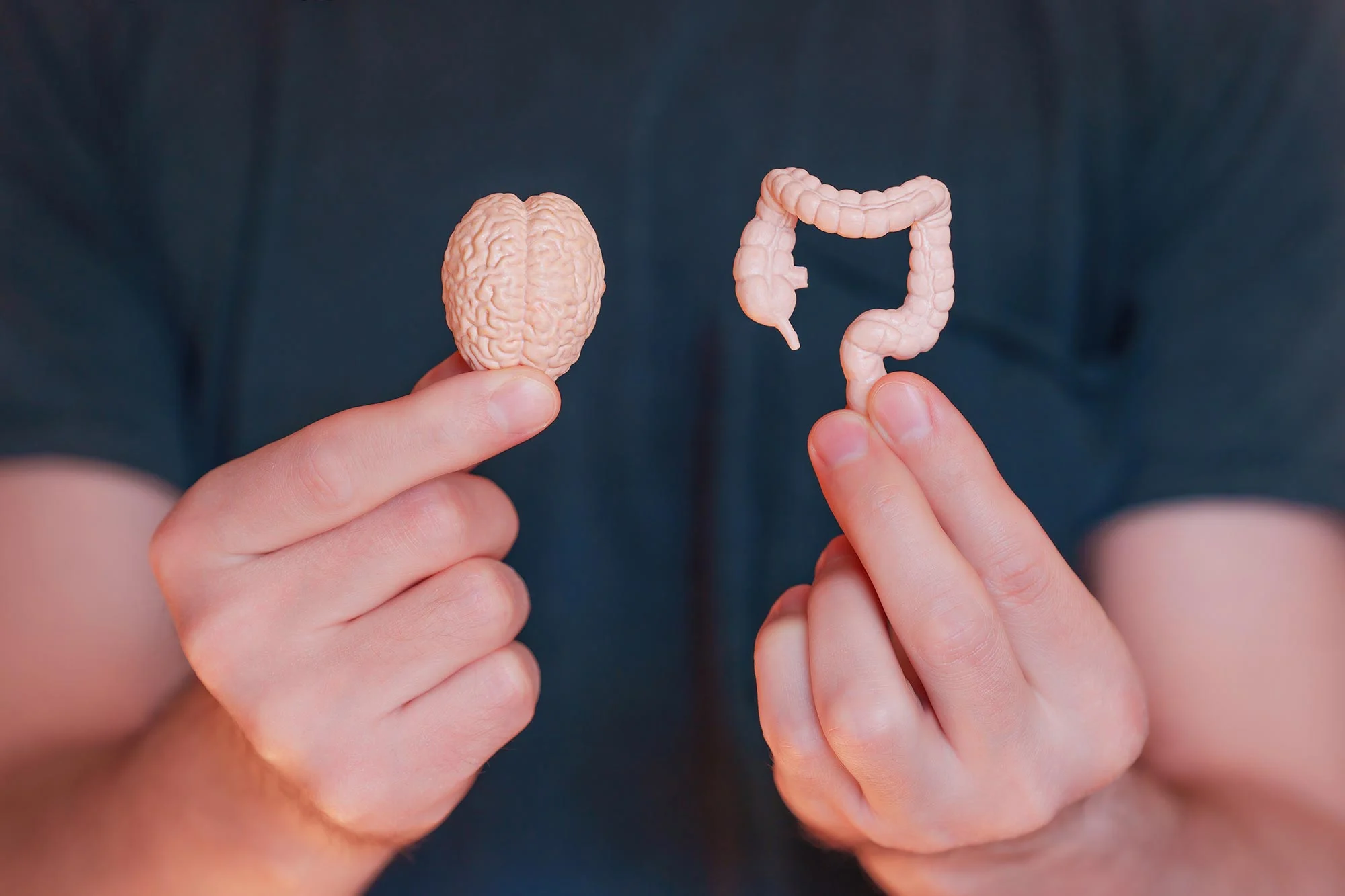
Scientists from Duke University have discovered a new neural communication system between gut microbes and the brain, involving specialized cells called neuropods that detect bacterial proteins like flagellin and send signals via the vagus nerve to regulate appetite and potentially influence behavior, revealing a 'sixth sense' linking the gut and brain in real time.

Gut Microbes May Help Remove 'Forever Chemicals' from the Body

Originally Published 6 months ago — by The Guardian

Featured image for Gut Microbes May Help Remove 'Forever Chemicals' from the Body
Source: The Guardian

Research from the University of Cambridge shows that certain gut microbes can absorb and help expel 'forever chemicals' (PFAS) from the body, potentially leading to probiotic treatments to reduce these toxic compounds, which are linked to serious health issues. The microbes removed up to 75% of some PFAS in mice, offering a promising, side-effect-free approach to detoxification, though broader environmental and health strategies are still necessary.

"The Science Behind the Color of Urine"

Originally Published 1 year ago — by Ars Technica

Featured image for "The Science Behind the Color of Urine"
Source: Ars Technica

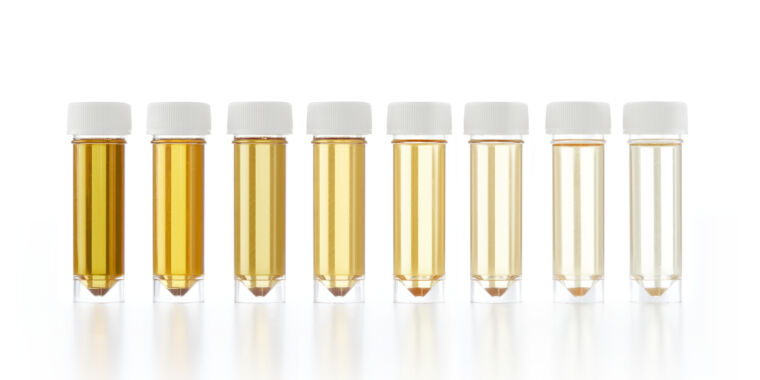
After 125 years, scientists have finally discovered that the yellow color of urine comes from bacteria metabolizing waste from red blood cells using an enzyme called bilirubin reductase. This discovery not only explains the origin of urine color but also has implications for health, as the absence of bilirubin reductase is associated with jaundice in newborns and pigmented gallstones in adults with inflammatory bowel disease. Further research is needed to explore the potential links between bilirubin metabolism and various health conditions.

"The Science Behind the Yellow Color of Urine"

Originally Published 2 years ago — by The Independent

Featured image for "The Science Behind the Yellow Color of Urine"
Source: The Independent

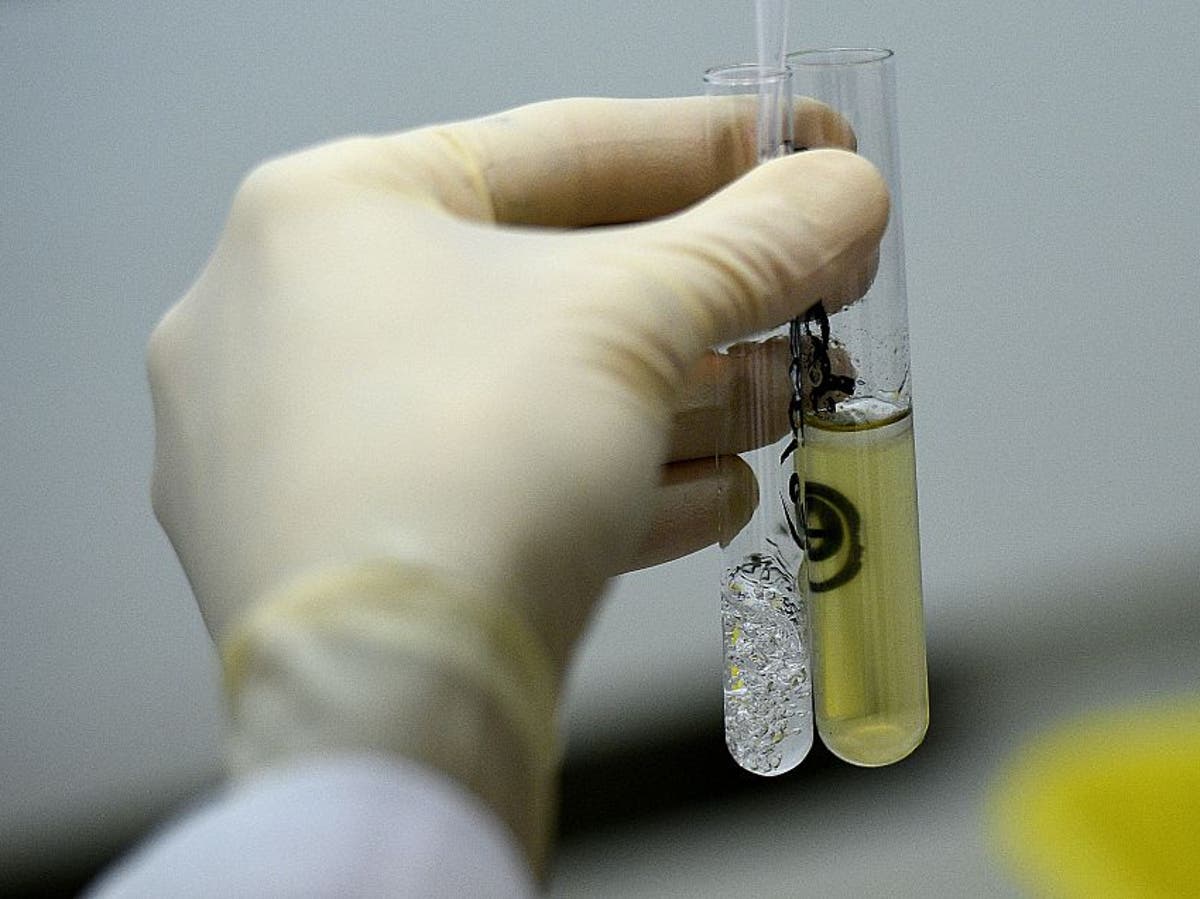
Scientists have finally identified the enzyme responsible for producing urobilin, the compound that gives urine its yellow color, shedding light on how gut microbes influence conditions like jaundice and inflammatory bowel disease. The enzyme, bilirubin reductase, was discovered through recent advances in genetics, and its absence may contribute to certain diseases. This breakthrough could lead to further studies on how gut microbes affect bilirubin levels in the body.

Microbes and Probiotics Aid in Detoxifying Mercury in Gut

Originally Published 2 years ago — by Neuroscience News

Featured image for Microbes and Probiotics Aid in Detoxifying Mercury in Gut
Source: Neuroscience News

Researchers at Pennsylvania State University have found that gut microbes could be used to block the absorption of toxic metals like mercury while promoting the absorption of beneficial ones like iron. The team developed a probiotic specifically designed to detoxify a harmful type of mercury frequently found in the human diet by inserting genes from a highly resistant bacteria into a genus of lactic acid bacteria. The ultimate goal of the research is to understand how gut microbes interact with various metals, aiming to create interventions that can reduce levels of dangerous metals and boost absorption of beneficial ones.

Gut toxins linked to weight gain.

Originally Published 2 years ago — by The Guardian

Featured image for Gut toxins linked to weight gain.
Source: The Guardian

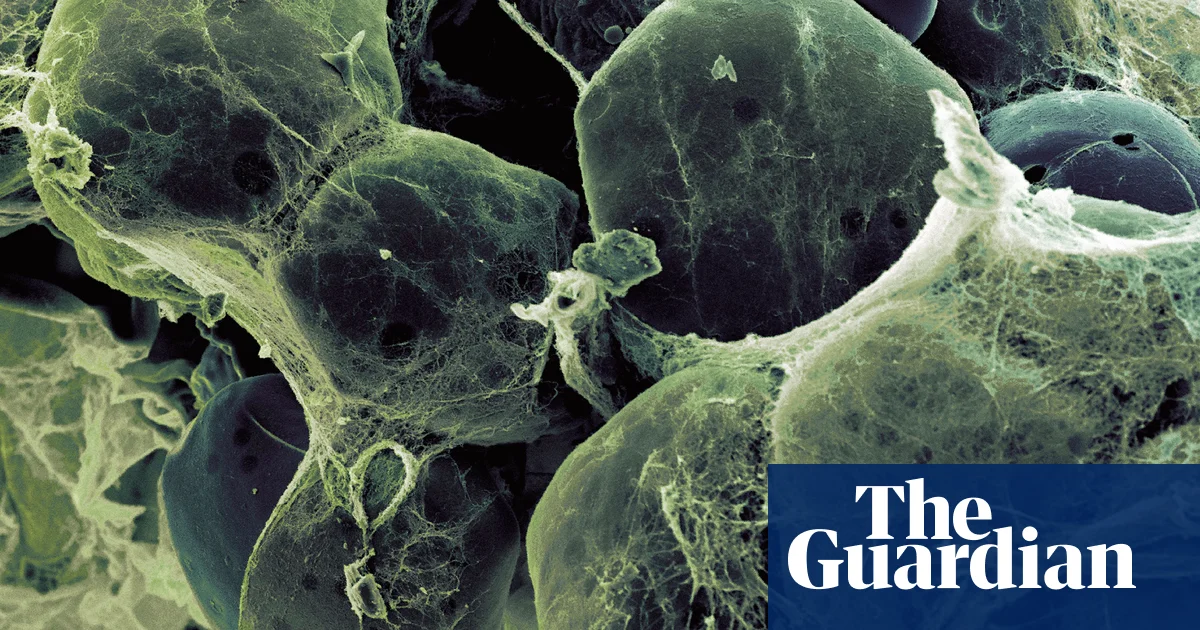
Fragments of bacteria from the gut, known as endotoxins, are damaging fat cells and driving weight gain, according to a study by scientists at Nottingham Trent University. The researchers found that endotoxins can enter the bloodstream and directly affect how well fat cells function, which can contribute to obesity and type 2 diabetes. The study also found that weight loss interventions such as bariatric surgery can reverse the damage caused by endotoxins. The researchers suggest that limiting endotoxin-induced fat cell damage is even more important when you have excess weight, as the endotoxin contributes to reducing healthy cellular metabolism.

Nanoparticles Alter Microbiome via Gut Microbes.

Originally Published 2 years ago — by Nature.com

Featured image for Nanoparticles Alter Microbiome via Gut Microbes.
Source: Nature.com

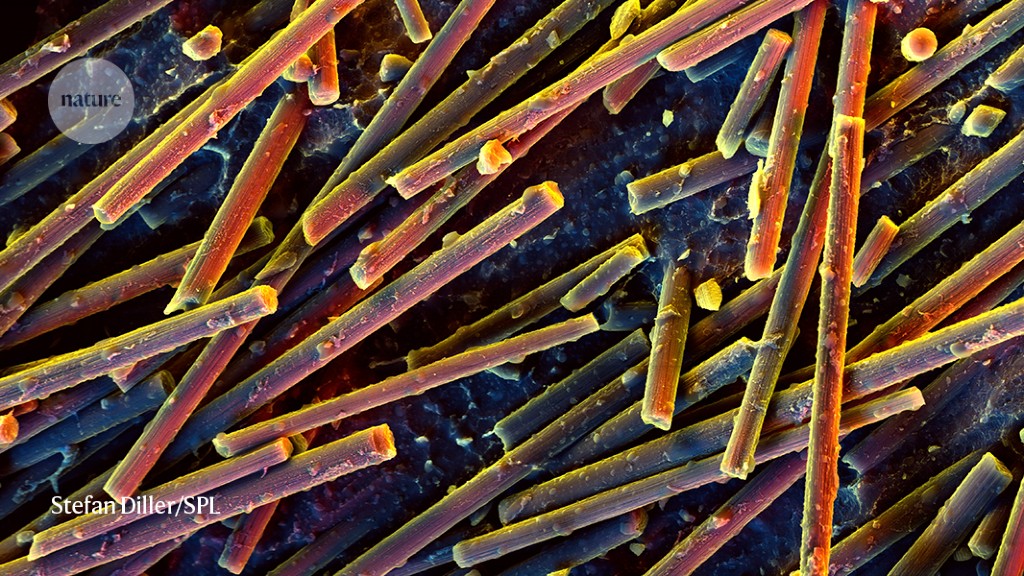
New research in mice suggests that bacteria in the digestive tract can break down ingested carbon nanomaterials, leading to changes in the microbiome. The breakdown of these nanoparticles can also result in excessive amounts of fatty acids, which may inhibit the normal function of intestinal stem cells. This raises concerns about the potential effects of accidental ingestion of nanomaterials in consumer products on human health.

Relieving Covid-Related Burning Mouth Pain: Expert Advice.

Originally Published 2 years ago — by Daily Mail

Featured image for Relieving Covid-Related Burning Mouth Pain: Expert Advice.
Source: Daily Mail

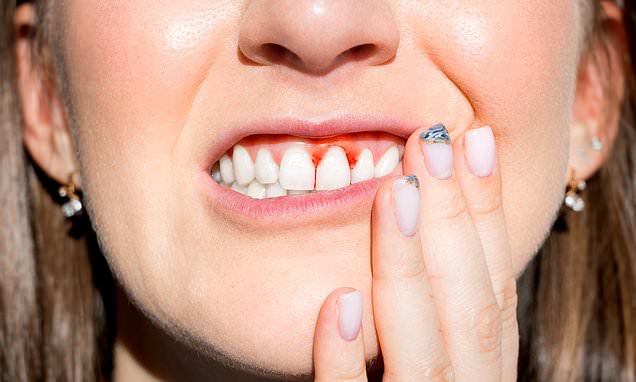
Burning mouth syndrome, which causes a persistent burning sensation on the tongue and lower gums, can be treated with drugs such as anticonvulsants, pramipexole, pregabalin or gabapentin. Covid-19 has been linked to burning mouth syndrome, but it is rare and tends to occur during or immediately after the infection. Aortic stenosis, a type of heart valve disease, may be the cause of sudden breathlessness in a 90-year-old patient. Chronic fatigue syndrome may arise from a disorder of the gut or the microbes that live there, according to a study in the journal Cell Host & Microbe.

Gut Microbes Predict Diabetes Risk in Pregnancy and Infancy

Originally Published 2 years ago — by The Times of Israel

Featured image for Gut Microbes Predict Diabetes Risk in Pregnancy and Infancy
Source: The Times of Israel

A new study from Bar-Ilan University has found that it is possible to predict whether a pregnant woman will develop gestational diabetes mellitus (GDM) by studying her gut microbes as early as the first trimester. The study applied a machine learning model to fecal and saliva samples and medical records of a cohort of 400 Israeli women. Those who were found to have specific combinations of bacteria, types of fatty acids, and inflammatory markers in their guts had a much higher chance of developing GDM. The findings could lead to better prevention and treatment of the disease.

The Link Between Gut Health and Mental Health

Originally Published 2 years ago — by The Guardian

Featured image for The Link Between Gut Health and Mental Health
Source: The Guardian

Scientists are exploring the potential of psychobiotics, an approach that involves modifying gut bacteria to treat mental health disorders such as anxiety and depression. Studies have shown that gut microbes may exert a powerful influence on the brain, and by shifting the composition of microbes in the gut, experts hope to help treat these disorders. While evidence is growing, questions remain about which microbes might influence which disorders, and whether it is the microbes themselves or the chemicals they produce that are affecting the brain. A healthy diet rich in fiber, fermented foods, and colorful vegetables and nuts can promote the growth of good bacteria and benefit the microbiome.