Methylene blue, a dye with medical uses since the 1870s, is being promoted online for its supposed wellness benefits, such as improved mitochondrial function and cognitive enhancement. However, scientific evidence in humans is limited and preliminary, and the supplement poses significant risks including serotonin toxicity and unknown quality control. Experts warn against self-medicating with over-the-counter methylene blue without medical guidance, emphasizing the need for caution and professional consultation.
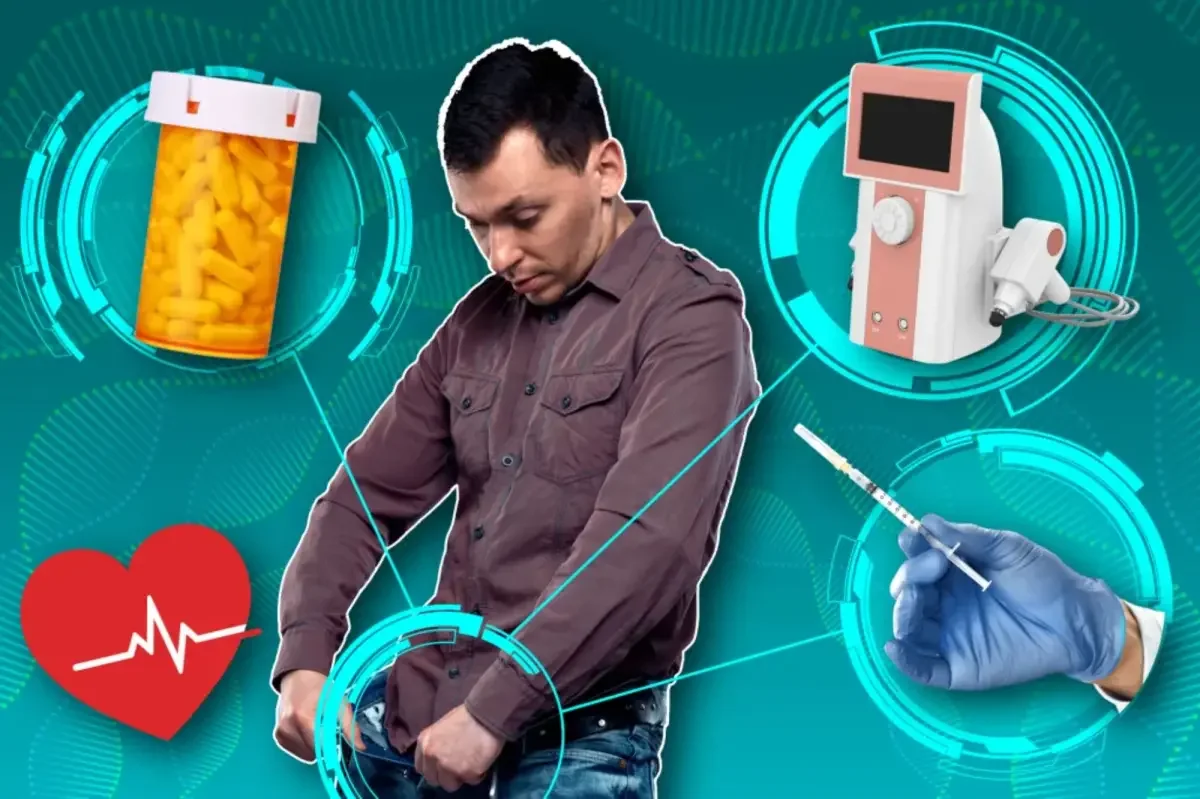
Women are increasingly using low-dose testosterone to improve energy, mood, and libido, challenging traditional gender norms and medical practices, and sparking a hormonal revolution that emphasizes self-empowerment and biohacking, though medical caution remains due to potential side effects and limited long-term research.
The article critiques the trend of female biohacking and supplement use, especially among exhausted mothers, highlighting the risks of over-reliance on unproven products like creatine and weighted vests, and emphasizing the importance of rest and natural strength over constant self-optimization.
The article explores the MAHA movement among men, emphasizing self-care, physicality, and a return to traditional masculinity, while highlighting the movement's blend of nostalgia, skepticism of modern medicine, and interest in biohacking and technology. It discusses how MAHA appeals to men's desire for control and physical strength, and the potential risks and benefits of their health practices.
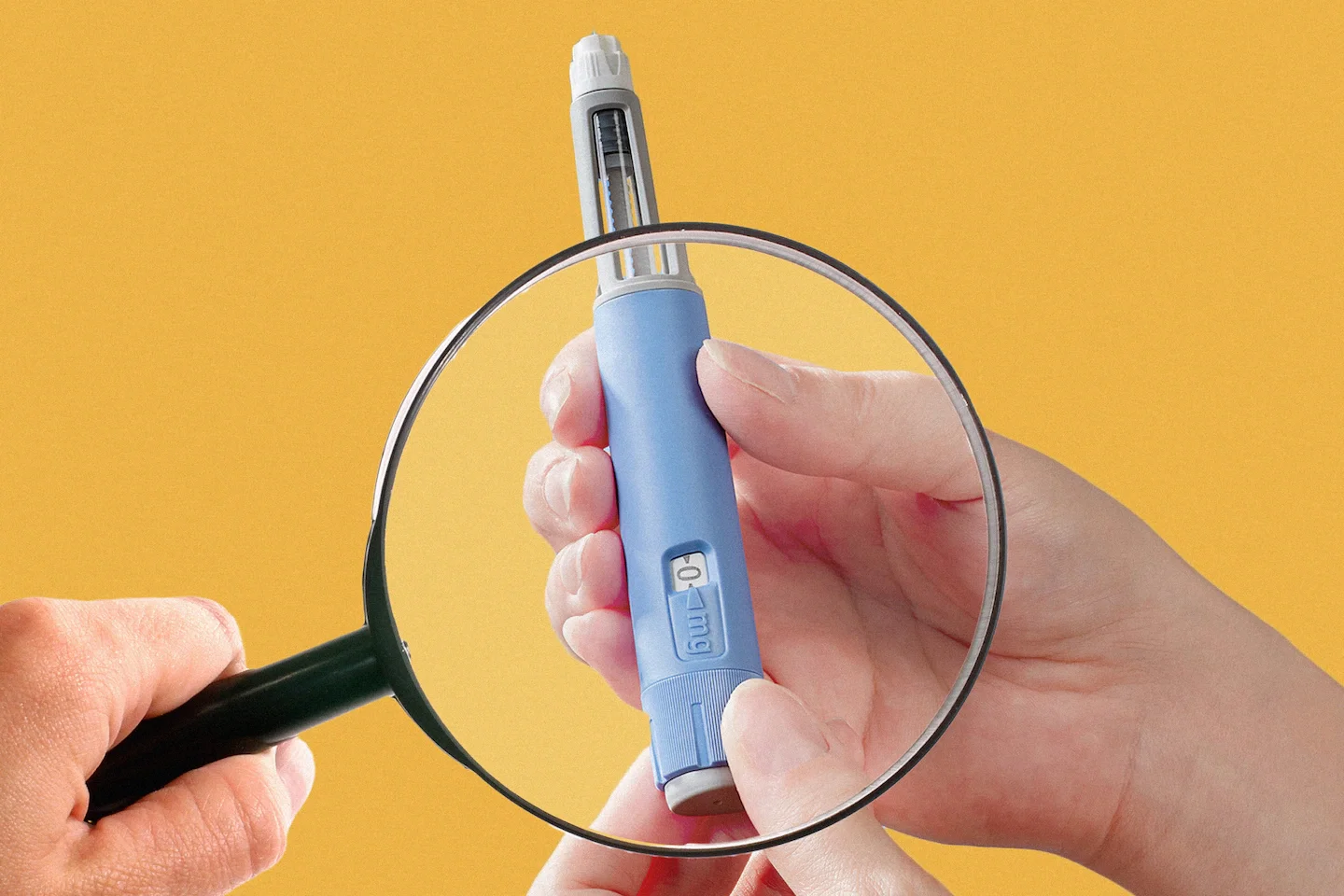
A 62-year-old woman from Maine, Christine Babb, joins the trend of microdosing GLP-1 drugs for longevity and health optimization, despite initial adverse effects from the medication.
A biohacker shares five beauty secrets for maintaining youthful skin, hair, and nails, including prioritizing quality sleep, supplementing with silica and collagen, consuming healthy fats, avoiding processed sugars, and getting morning sunlight, all supported by scientific research.
A woman shared her experience with Methylene Blue, a substance used for medical and biohacking purposes, highlighting a concerning side effect of blue urine when taken without vitamin C and emphasizing the importance of proper dosage and medical advice.
Experts warn against the use of methylene blue, a synthetic dye used medically for blood disorders and aquatic treatments, which has gained popularity among celebrities and influencers as a 'brain fuel' or 'miracle drug' for mental clarity and longevity, despite limited scientific evidence and potential serious health risks such as seizures and serotonin syndrome.
A recent study challenges the belief that taurine levels decline with age and that supplementing it can promote longevity. The research shows taurine levels remain stable or increase with age, making it an unreliable biomarker for aging, and high doses may cause side effects. This questions the efficacy of taurine as an anti-aging supplement popular among biohackers like Bryan Johnson.
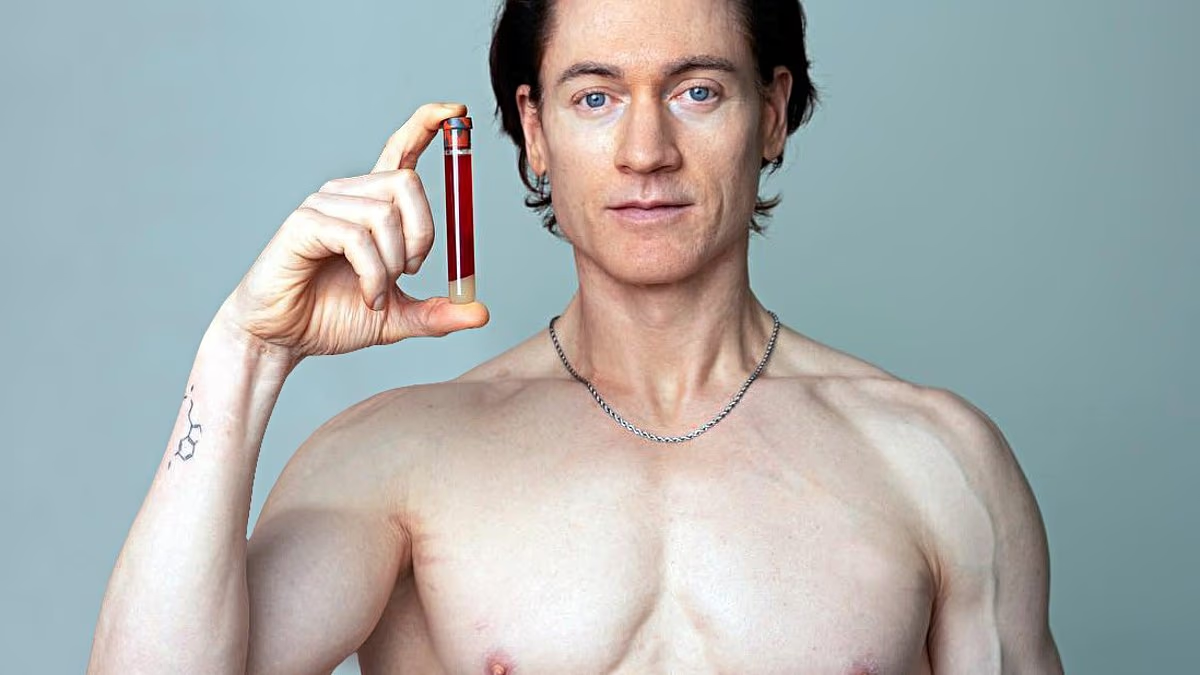
Bryan Johnson, a biohacker who has spent $2 million on experiments to extend his lifespan, reports significant health improvements after 90 days of hyperbaric oxygen therapy, including increased blood vessel growth, improved gut health, and a younger biological age, as part of his broader efforts to 'live forever.'
Bryan Johnson, a tech millionaire and biohacker, follows an extreme daily routine focused on longevity and health optimization, including a strict diet, supplements, advanced therapies, and social activities, aiming to be the healthiest person in the world and inspiring others to pursue better health.
Biohacker Dave Asprey shares ten habits that can add years to your life, including resistance training, improving VO2 max through interval sprints, quality sleep, meditation, cold exposure, building community, practicing gratitude, tracking health metrics, filtering water and air, and supplementing with essential vitamins and minerals, all aimed at promoting longevity and overall health.
The article argues that many biohackers and longevity seekers overestimate their ability to control complex biological processes, ignoring the inherent randomness and unpredictability of health outcomes, which are often influenced by chance rather than solely by lifestyle choices or meticulous monitoring.
Dr. Stuart Jay Olshansky, a longevity expert, argues against the possibility of humans living to 150 years, citing the biological limits of the human body. Despite advancements in medicine and public health, he believes life expectancy increases are slowing, and true anti-ageing interventions have yet to be discovered. Olshansky criticizes biohackers and the longevity market for making unsubstantiated claims about reversing ageing. He emphasizes the need for a comprehensive approach to slow ageing and improve healthspan rather than just lifespan.
Brooke Burke shared her thoughts on the pros and cons of Ozempic, warning of its potential dangers while emphasizing the importance of a purposeful plan and partnership with a doctor. She discussed her holistic approach to health and fitness, crediting biohacking for helping her manage her autoimmune diseases and maintain her physique. Burke also detailed her upcoming wellness retreat and the experiences attendees can expect, emphasizing the mind-body-energy focus and the transformative nature of the retreat.