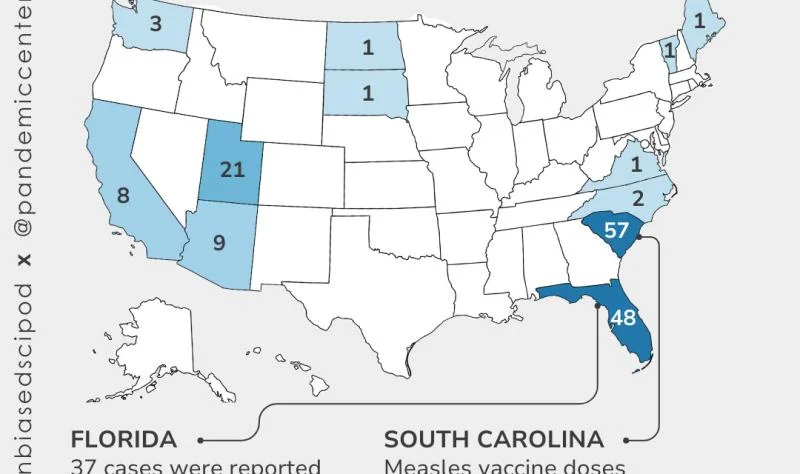
New data reinforce that RSV vaccines dramatically reduce hospitalizations, with pregnancy-based protection around 70% and newborn monoclonal antibodies about 81%, and four JAMA studies confirm declines. Despite this, the administration’s restrictions to high‑risk infants could raise RSV hospitalizations and complicate vaccine logistics in a fragmented US system. Safety reviews are underway after trial deaths, though officials say there’s no proven vaccine link, and many countries rely on universal prenatal vaccination.
The FDA upgraded a nationwide cheese recall to Class I—the agency’s most serious risk category—after detecting Listeria monocytogenes at The Ambriola Company's New Jersey facility. While no illnesses have been confirmed, the recall’s escalation signals potential serious health risks for vulnerable groups. The affected products span multiple brands and formats (consumer packs and by-the-pound), including Locatelli Pecorino Romano, Boar’s Head, and others, totaling thousands of units recalled across numerous lot numbers.
Addyi, marketed as the 'female Viagra,' was approved over a decade ago amid controversy, but it has proven to be only marginally effective with significant side effects. Despite lobbying efforts and expanded indications for older women, the drug's actual benefits are minimal, with only a slight increase in satisfying sexual events, and it remains a poor choice compared to other medications. The article criticizes the drug's approval process and marketing tactics, emphasizing that it is not a safe or effective solution for female sexual desire issues.
Nearly 40,000 cases of McCain Foods' tater tots, including Ore-Ida and Sysco brands, were recalled across multiple states due to the potential presence of hard plastic fragments, prompting a voluntary safety recall by the company.
The FDA has flagged 8 common OTC drugs as high-risk for people over 60 due to age-related changes in drug metabolism, including antihistamines, NSAIDs, PPIs, decongestants, and laxatives, urging seniors to review their medications with healthcare providers to avoid serious side effects and interactions.
Over 38,000 cases of popular tater tots from Ore-Ida and Sysco brands have been recalled across 26 states due to the presence of hard plastic fragments, with the recall classified as a moderate health risk (Class II).
The FDA announced plans to ease regulation of digital health products, including AI-enabled clinical decision support software, to promote innovation and faster market entry, signaling a shift towards more Silicon Valley-style regulation in healthcare technology.
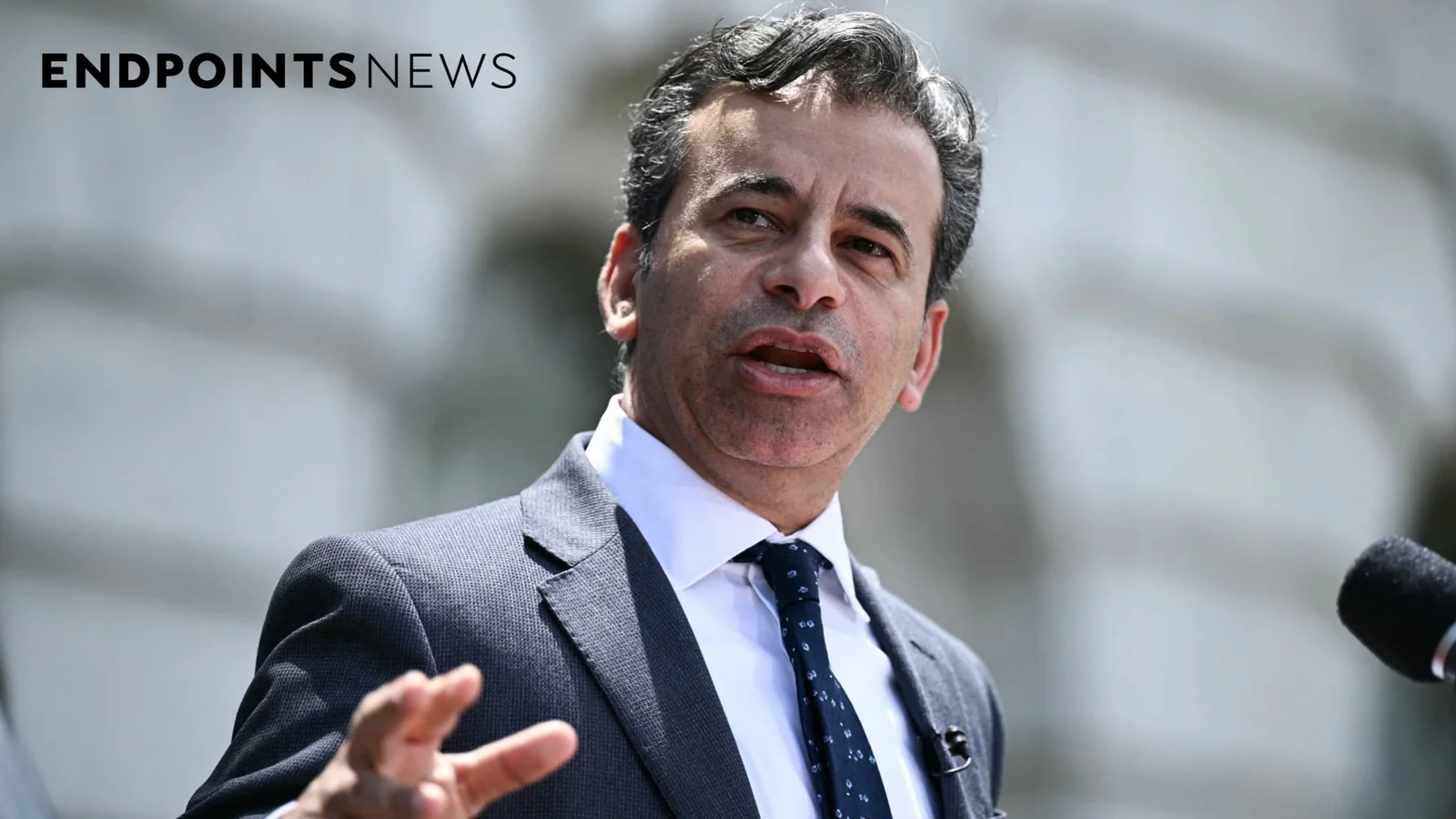
The US FDA has appointed Tracy Beth Høeg, a Danish-American epidemiologist with a controversial stance on vaccines, as acting director of the Center for Drug Evaluation and Research, raising concerns about her qualifications and the agency's direction on vaccine regulation and public health policies.
The FDA has recalled products from Gold Star Distribution due to insanitary conditions at the facility, including rodent and bird feces, which pose serious health risks such as Salmonella and leptospirosis to consumers and animals. The recall affects a wide range of FDA-regulated products distributed across numerous stores, though no illnesses have been reported yet.
The FDA has recalled over 83,800 bags of frozen raw shrimp imported from Indonesia, sold under the Market 32 and Waterfront Bistro brands, due to potential contamination with the radioactive isotope cesium-137. No illnesses have been reported, and consumers are advised to dispose of or return the product. The affected shrimp were sold across multiple states after late June 2025.
Price Chopper and Market 32 have voluntarily recalled certain frozen shrimp products due to potential Cesium-137 contamination, with no reported illnesses so far. Customers are advised to return the affected shrimp for a full refund.
ProPublica investigated the FDA's limited testing of generic drugs, revealing irregularities and quality concerns in widely used medications like bupropion and metoprolol, which could compromise their effectiveness and patient safety, highlighting the agency's reliance on manufacturers and sporadic testing practices.
Frozen shrimp imported from Indonesia and sold under the Market 32 and Waterfront Bistro brands has been recalled across multiple states due to possible contamination with radioactive cesium-137, though no illnesses have been reported. Consumers are advised to discard or return the affected products, and the recall involves over 83,800 bags sold in various states. The contamination may have occurred during processing, packing, or shipping.
Multiple product recalls in Wisconsin include cheese contaminated with metal, dog food with plastic, mislabeled tamales, baby formula linked to infant botulism, and tomato soup with undeclared allergen, urging consumers to check their purchases and dispose of or return affected items for safety.
The article warns that federal budget cuts are weakening the U.S. food safety system, leading to reduced surveillance, staffing shortages, and fewer inspections, which could result in increased foodborne illnesses and outbreaks, especially from imported foods and fresh produce.