Tag

Electrolysis

All articles tagged with #electrolysis

science-and-technology6 months ago

Japan Discovers Cost-Effective Metal Boosting Hydrogen Production by 1,000%

Researchers in Japan have developed a cost-effective manganese oxide catalyst with a unique 3D structure that significantly increases hydrogen production efficiency and durability in water electrolysis, potentially replacing expensive rare metals like iridium in PEM electrolysers and advancing sustainable hydrogen energy.

beauty-and-wellness1 year ago

"Effective Methods for Removing Chin Hairs"

Cassie seeks advice on dealing with chin hairs that cause breakouts when plucked and look like a prickly beard when shaved. The options suggested include laser hair removal or electrolysis, with a recommendation to consult a dermatologist first to rule out any underlying medical conditions. Laser hair removal targets pigment in the hair and requires multiple sessions, while electrolysis is a truly permanent option suitable for all hair colors and skin types. At-home hair removal devices are not recommended due to potential complications.

science-and-technology2 years ago

Efficient and Affordable Electrocatalyst Produces Clean Hydrogen and Oxygen from Water

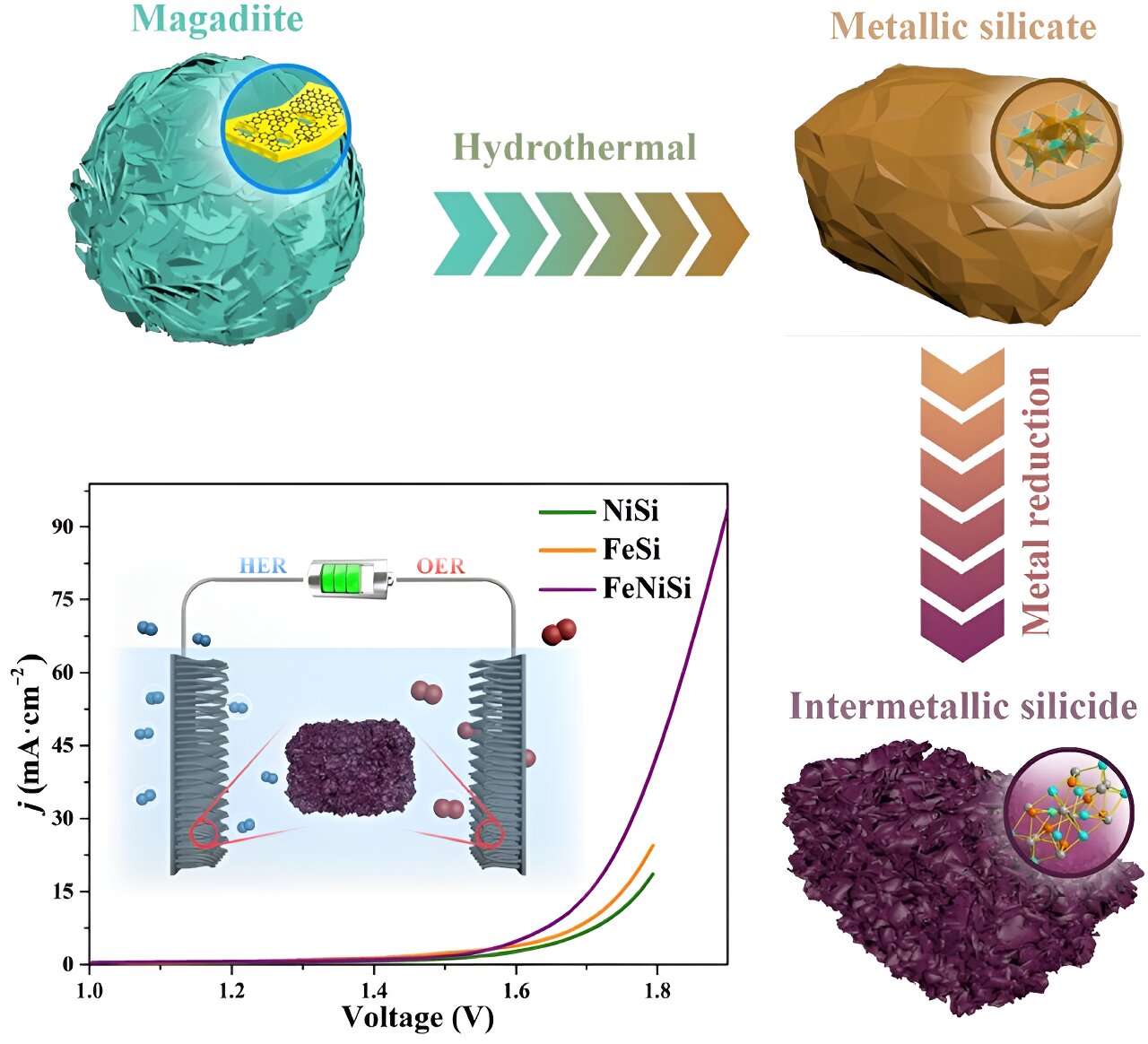
Researchers from Dalian University of Technology in China have developed a durable and inexpensive electrocatalyst made of nickel, iron, and silicon that significantly reduces the energy required to generate clean hydrogen and oxygen from water. The catalyst, known as ferric-nickel silicide (FeNiSi) alloy, is bifunctional, meaning it can efficiently produce both hydrogen and oxygen gas. The manufacturing process involves heating natural clay magadiite with iron chloride and nickel chloride to create a metallic silicate, which is then reduced using magnesium and salt to form the FeNiSi alloy. The electrocatalyst demonstrated promising performance and durability, offering new opportunities for renewable energy conversion.

science-and-technology2 years ago

"Revolutionary Copper Catalysts Convert CO2 into Methane with High Efficiency"

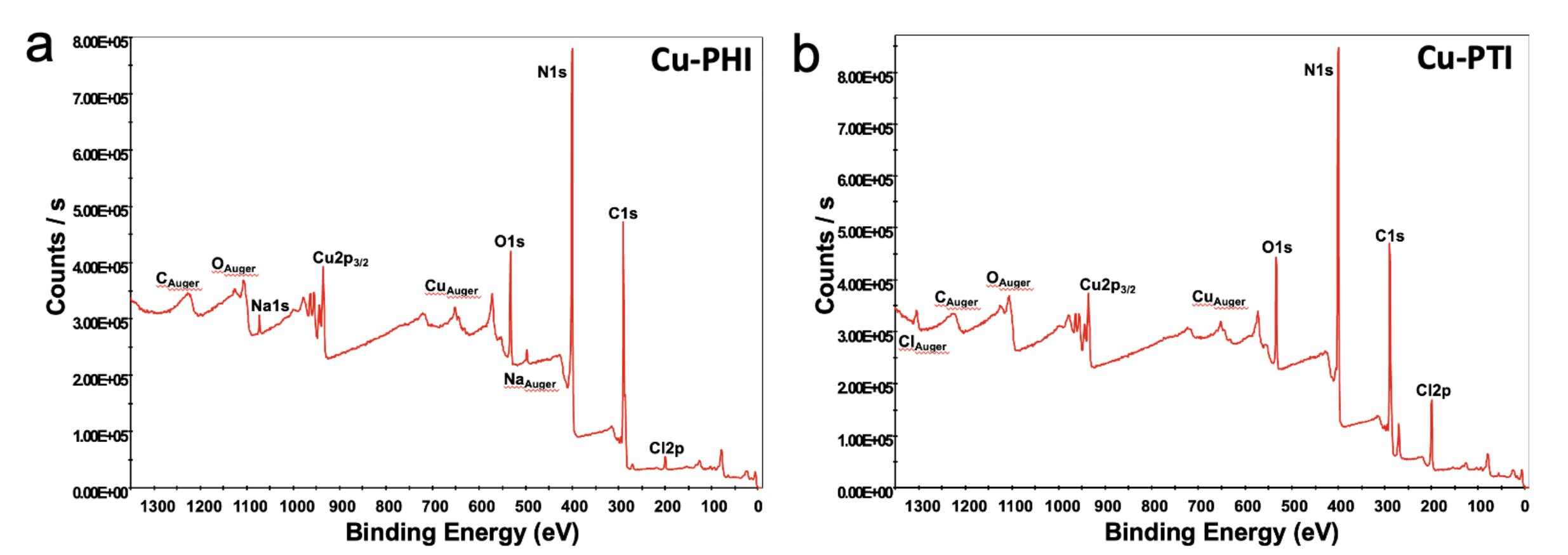
Researchers at Rice University have developed a method to efficiently convert carbon dioxide into methane using copper-based catalysts and electrolysis. The catalysts, made by grafting isolated copper atoms onto two-dimensional polymer templates, enabled the reduction of carbon dioxide to methane with high selectivity and efficiency. By modulating the distances between the copper atoms, the energy required for key reaction steps was lowered, resulting in faster chemical conversion. This advancement in carbon dioxide conversion technology could help close the artificial carbon cycle and contribute to sustainable energy solutions.

science-and-technology2 years ago

"Water-Powered Nano Rocket Thruster: Fingertip-Sized Innovation"

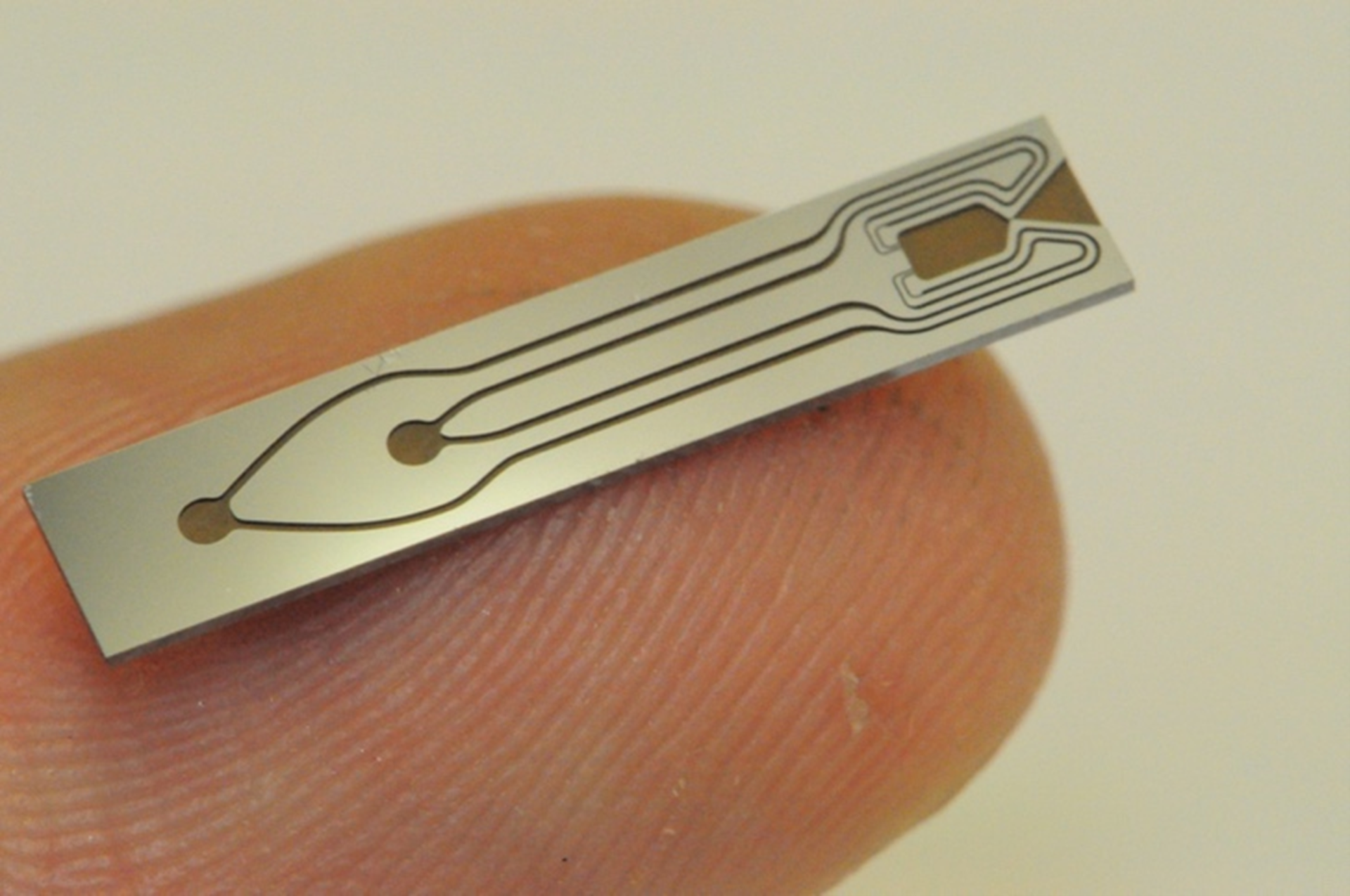
Researchers from Imperial College London have developed a nano rocket engine called the ICE-Cube Thruster that runs on water and could be used to maneuver small satellites in space. The engine utilizes electrolysis to split water into hydrogen and oxygen, which are then fed into a combustion chamber and nozzle less than 1mm in length to produce thrust. This eliminates the need for bulky storage tanks, making it easier to miniaturize propulsion systems.

space-technology2 years ago

Water-Powered Mini Space Thruster Revolutionizes Space Travel

Researchers at Imperial College in the UK have developed a miniature space thruster chip, called the ICE-Cube Thruster, that runs on water. The thruster uses an electrolysis process to produce hydrogen and oxygen, eliminating the need for bulky gaseous propellant storage. With a combustion chamber and nozzle measuring less than 1mm in length, the thruster was assembled using a MEMS approach. Testing achieved 1.25 millinewtons of thrust, and the data gathered will guide the development of a flight-representative propulsion system.

science-and-technology2 years ago

"Breakthrough Catalyst Lowers Energy for Hydrogen Gas Extraction from Water"

A team of chemical engineers has developed a new catalyst, carbon compound nickel-iron-molybdenum-phosphide anchored on nickel foam (NiFeMo-P-C), that significantly reduces the energy required for the electrolysis of water to produce hydrogen and oxygen. The catalyst, which is cost-efficient and easily manufactured, lowers the activation energy of both the hydrogen evolution reaction (HER) and oxygen evolution reaction (OER), making clean hydrogen production more commercially viable. The NiFeMo-P-C catalyst demonstrates excellent catalytic performance and durability, making it a promising candidate for large-scale hydrogen production.

science-and-technology2 years ago

"Future Mars Astronauts: Producing Rocket Fuel on the Red Planet Explained"

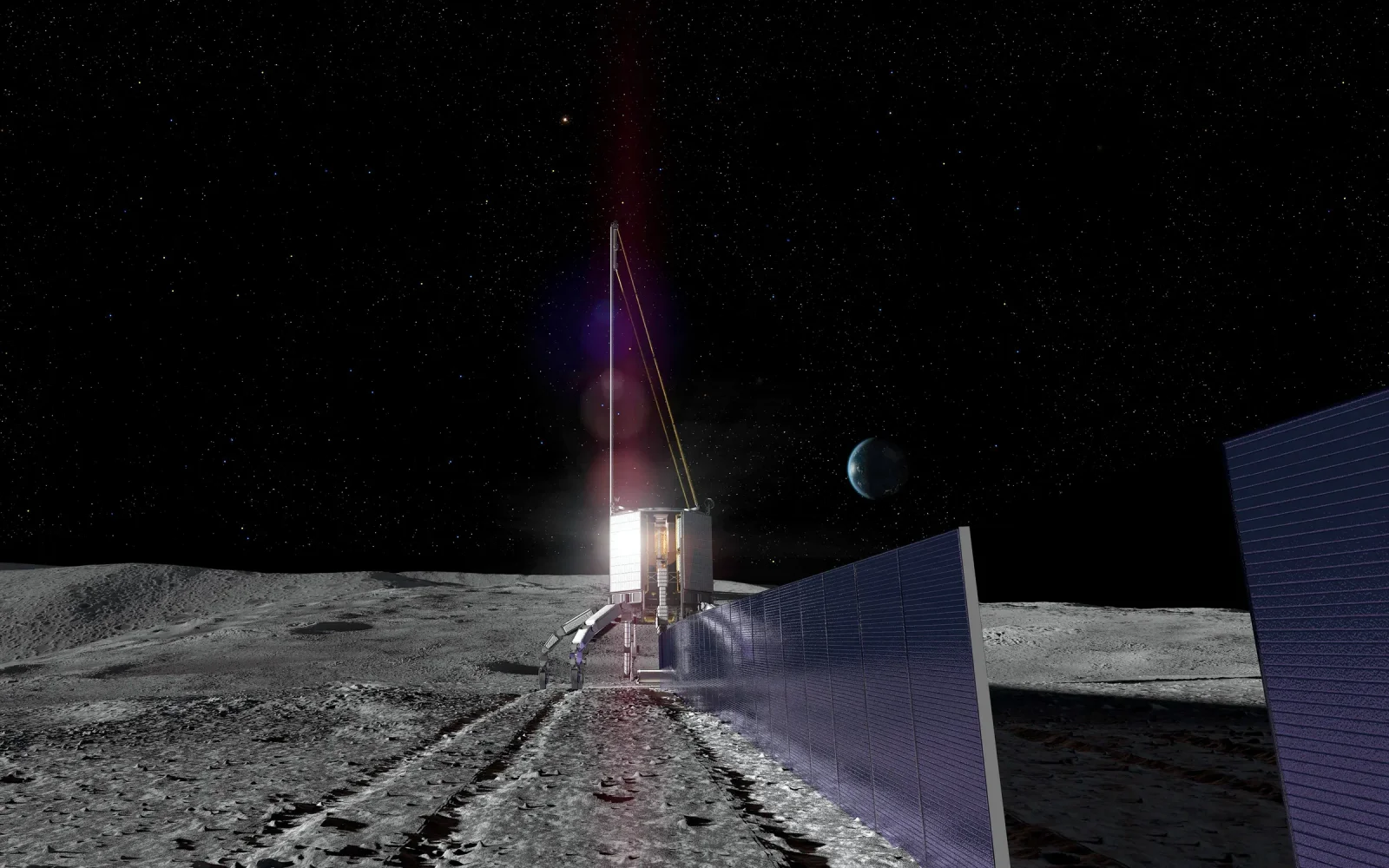
Scientists have proposed a method to produce oxygen on Mars using electrolysis, which could potentially generate 3 kilograms of oxygen per hour. The process involves compressing and heating carbon dioxide from the Martian atmosphere, running electricity through the molecules to split out oxygen atoms, and then cooling the oxygen into a liquid. If operated for a typical 14-month mission, astronauts could create about 30 metric tons of oxygen, enough to break free of Martian surface gravity. This method could be crucial for future crewed missions to Mars.

space-technology2 years ago

"Artificial Photosynthesis: A Solution for Oxygen on Mars and Sustainable Space Travel"

Artificial photosynthesis could be the solution to the limited oxygen supply for astronauts during space exploration, especially on long-duration missions like a one-way trip to Mars. Currently, most of the oxygen on the International Space Station is obtained through electrolysis, but the process is limited by the amount of water that can be carried. Artificial photosynthesis could provide a sustainable source of oxygen by using sunlight to convert carbon dioxide into oxygen.

science-and-technology2 years ago

Challenges of CO2 to Fuel Conversion.

Researchers at Helmholtz-Zentrum Berlin für Materialien und Energie are working on the clogging problem in CO2 electrolysis, which can convert the greenhouse gas into useful hydrocarbons. The process requires energy, water, suitable electrodes and special catalysts. The team is using a "zero-gap" electrolysis cell, which is particularly suitable for industrial processes, but the cathodes clog up quickly due to potassium crystals. The researchers are studying the process of crystal formation at the cathode in detail and plan to use X-rays to find out how ion migration in the cell affects the chemical reaction processes.

science-and-technology2 years ago

Cactus-Inspired Catalysts Could Revolutionize Hydrogen Production.

Engineers at the University of Texas at El Paso have developed a low-cost, nickel-based material as a catalyst to help split water more cheaply and efficiently, inspired by the prickly pear cactus. The process of splitting water into hydrogen, called electrolysis, remains unperfected and current techniques rely heavily on platinum as a catalyst, which is expensive. The team designed a 3D nickel-based catalyst in the shape of the prickly pear cactus, which accommodates more electrochemical reactions, creating more hydrogen than nickel typically can. The process needs further refinement, but it's a step in the right direction towards eliminating carbon footprint.