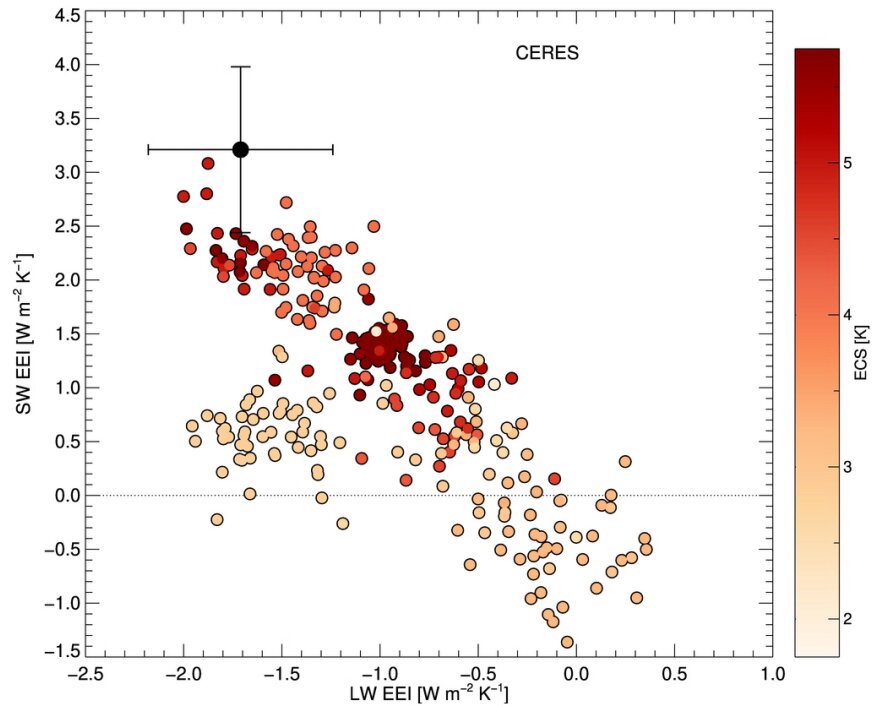
A recent study shows that climate models with low sensitivity to greenhouse gases do not match satellite data, indicating that future global warming may be more severe than previously estimated unless emissions are reduced further.
Recent research suggests that diminishing cloud cover may be contributing to unexpectedly high global temperatures, as less cloud cover allows more sunlight to heat the Earth's surface. This reduction in cloud cover could be linked to global warming, maritime shipping regulations, or unidentified climate feedback loops, indicating that the planet may be warming faster than anticipated. The study highlights the complexity of cloud behavior in climate models and raises concerns about the sensitivity of the climate to human pollution, potentially bringing the world closer to exceeding emission targets.
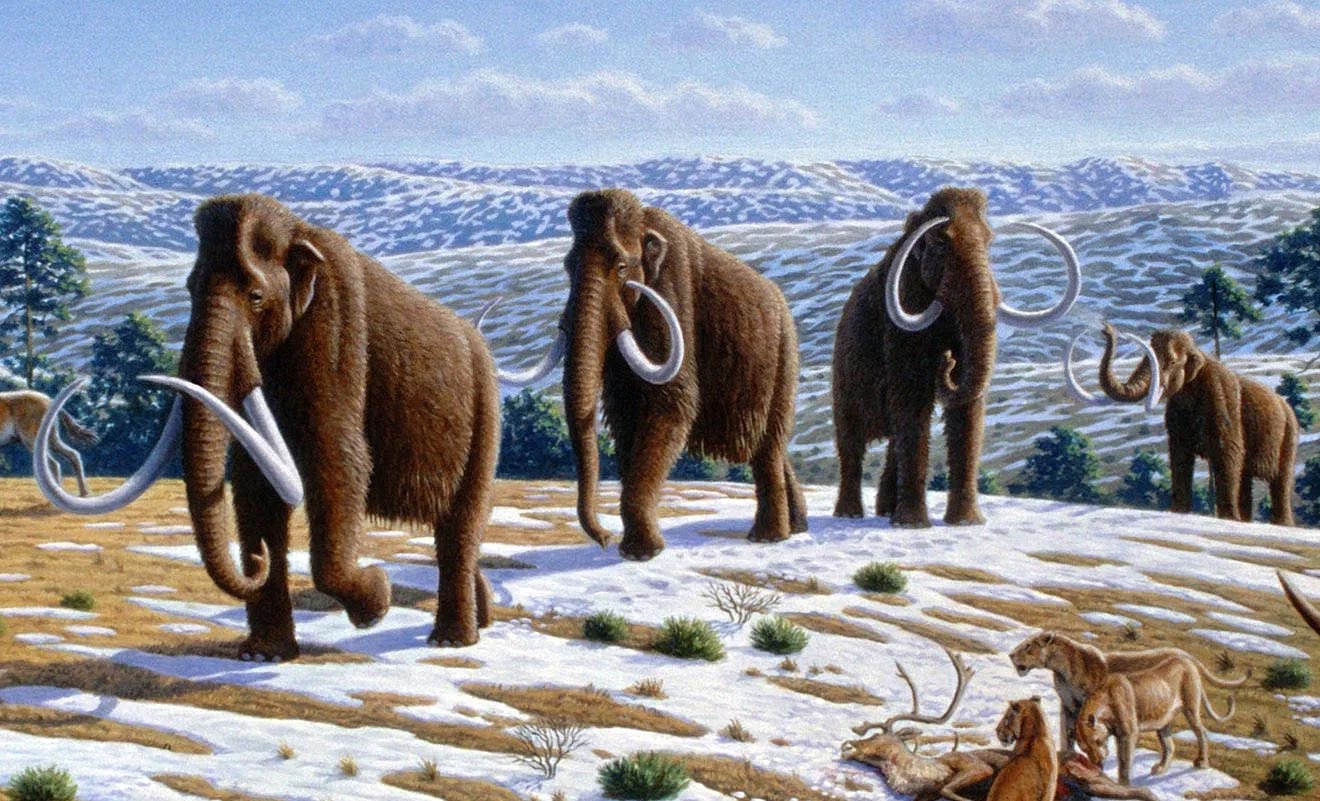
New research analyzing the last ice age suggests a decrease in the likelihood of the worst-case global warming scenarios, refining our understanding of climate sensitivity and predicting future warming under rising CO2. While the best-case and most likely warming estimates remain unchanged, the absolute worst-case scenario for doubling CO2 has been reduced from 5 to 4 degrees Celsius. By studying ancient climate conditions, researchers have narrowed the estimate of climate sensitivity, providing more confident predictions and indicating that the most extreme warming scenario is less likely.
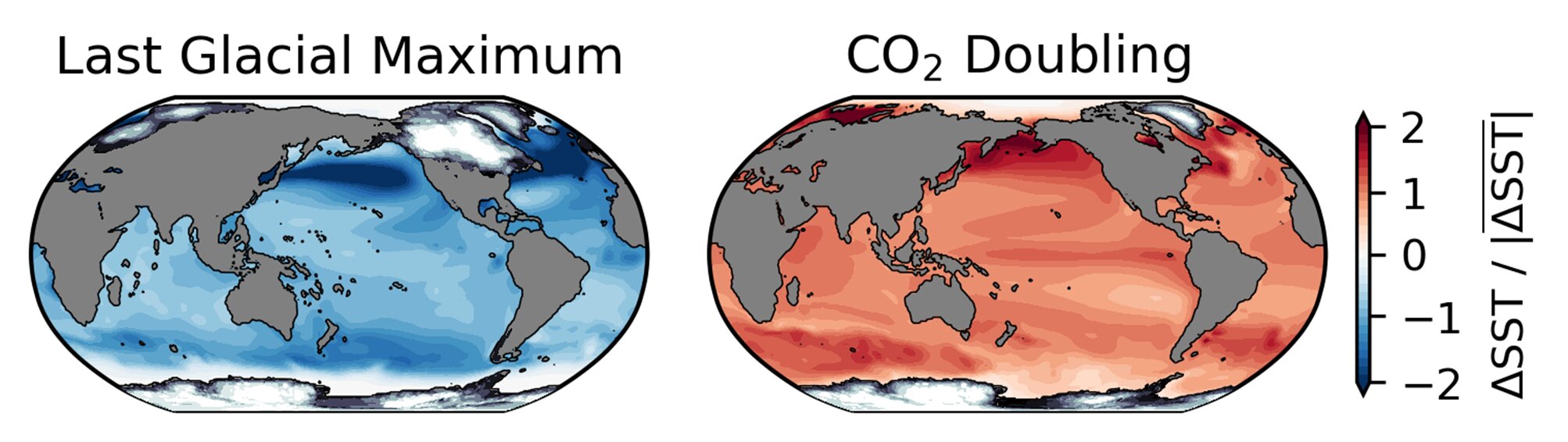
A new study led by the University of Washington analyzes the last ice age to better understand the relationship between CO2 and global temperature. The research suggests that the worst-case scenario for future warming due to doubling of CO2 is less likely, reducing the estimate from 5 to 4 degrees Celsius. By examining the cooling effects of the North American ice sheet during the last glacial maximum, the study indicates that CO2 played a smaller role in setting ice age temperatures than previously estimated. This research provides more confident predictions for future warming and emphasizes the limitations of using recent decades as a predictor of future global warming.
A comprehensive study spanning 66 million years reveals that the last time atmospheric carbon dioxide (CO2) consistently reached today's human-driven levels was 14 million years ago, highlighting the sensitivity of long-term climate to greenhouse gas emissions. The study, conducted by a consortium of over 80 researchers, emphasizes the potential cascading effects of CO2 on the climate over millennia. While the research does not provide specific temperature predictions for the future, it strengthens the understanding of the relationship between CO2 and temperature throughout Earth's history, emphasizing the need for urgent climate action.
A new study led by scientists at the University of Miami Rosenstiel School of Marine, Atmospheric, and Earth Science reveals that carbon dioxide (CO2) becomes a more potent greenhouse gas as its concentration increases in the atmosphere. The researchers found that the cooling of the stratosphere caused by increasing CO2 concentrations leads to subsequent increases in CO2 having a larger heat-trapping effect, making it more potent as a greenhouse gas. This finding has significant implications for understanding past and future climate changes and highlights the urgency of curbing carbon emissions to mitigate the severe impacts of climate change.