Tag

Photocatalysis

All articles tagged with #photocatalysis

science-and-technology1 year ago

Revolutionary Solar Tech Converts Water to Hydrogen Fuel

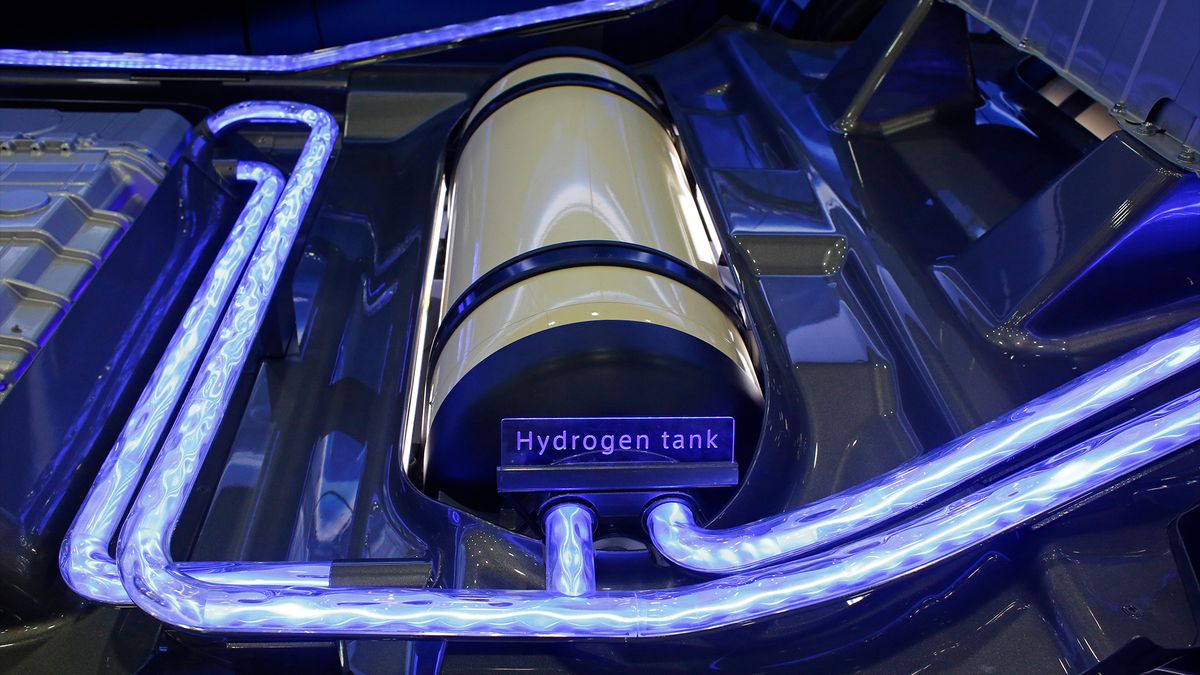
Scientists in Japan have developed a prototype reactor that uses photocatalytic sheets to split water molecules, producing hydrogen fuel from sunlight and water. This proof-of-concept technology, while still inefficient for commercial use, shows promise for creating sustainable hydrogen fuel if more efficient photocatalysts can be developed. The reactor's efficiency is currently low, but researchers are hopeful that advancements in photocatalyst materials and larger reactors could lead to practical applications, potentially transforming solar energy conversion and infrastructure.

science-and-technology1 year ago

Revolutionary Solar Tech Converts Water to Green Hydrogen Fuel

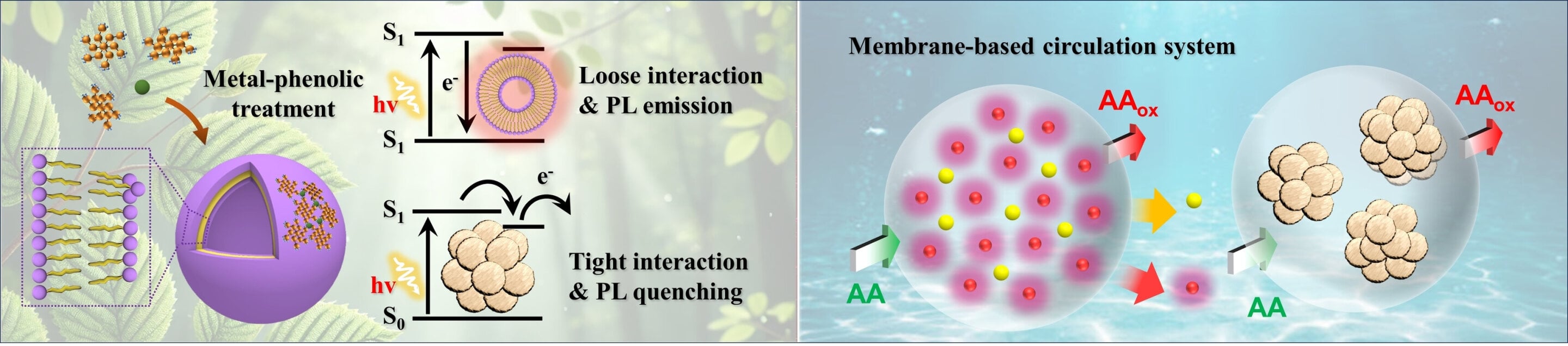
Researchers have developed a new solar hydrogen production technology by creating a supramolecular fluorophore nanocomposite that mimics natural photosynthesis. This system uses tannic acid-based metal-polyphenol polymers to enhance the stability and efficiency of photocatalytic reactions, achieving a hydrogen production rate 5.6 times higher than previous methods. The technology combines modified rhodamine dyes with bacteria to convert sunlight and ascorbic acid into hydrogen, offering a sustainable energy solution.

science-and-technology1 year ago

"Revolutionary Research Unlocks CO₂ Conversion into Sustainable Fuel"

Researchers have developed a material consisting of copper anchored on nanocrystalline carbon nitride, which, when exposed to sunlight, can efficiently convert CO2 into methanol, a green fuel. This breakthrough paves the way for creating sustainable fuels and reducing the impact of carbon dioxide, the primary contributor to global warming. The new catalyst, made of abundant elements like carbon, nitrogen, and copper, demonstrates high efficiency and selectivity, offering a promising pathway for the development of highly tunable catalysts at the nanoscale for CO2 conversion.

environment-science2 years ago

Revolutionary Recycling Method Eliminates Polyethylene Waste

Researchers at the University of Adelaide have developed a method to convert polyethylene waste into valuable chemicals using light-driven photocatalysis and solar energy, offering a sustainable solution to plastic pollution and contributing to a circular economy. The process upcycles polyethylene plastic waste into ethylene and propionic acid with high selectivity using atomically dispersed metal catalysts, harnessing renewable solar energy and addressing contemporary environmental and energy challenges. This innovative approach could revolutionize waste management and chemical manufacturing while reducing plastic pollution.

science-and-technology2 years ago

"Titanium Dioxide: Pioneering Green Chemical Synthesis"

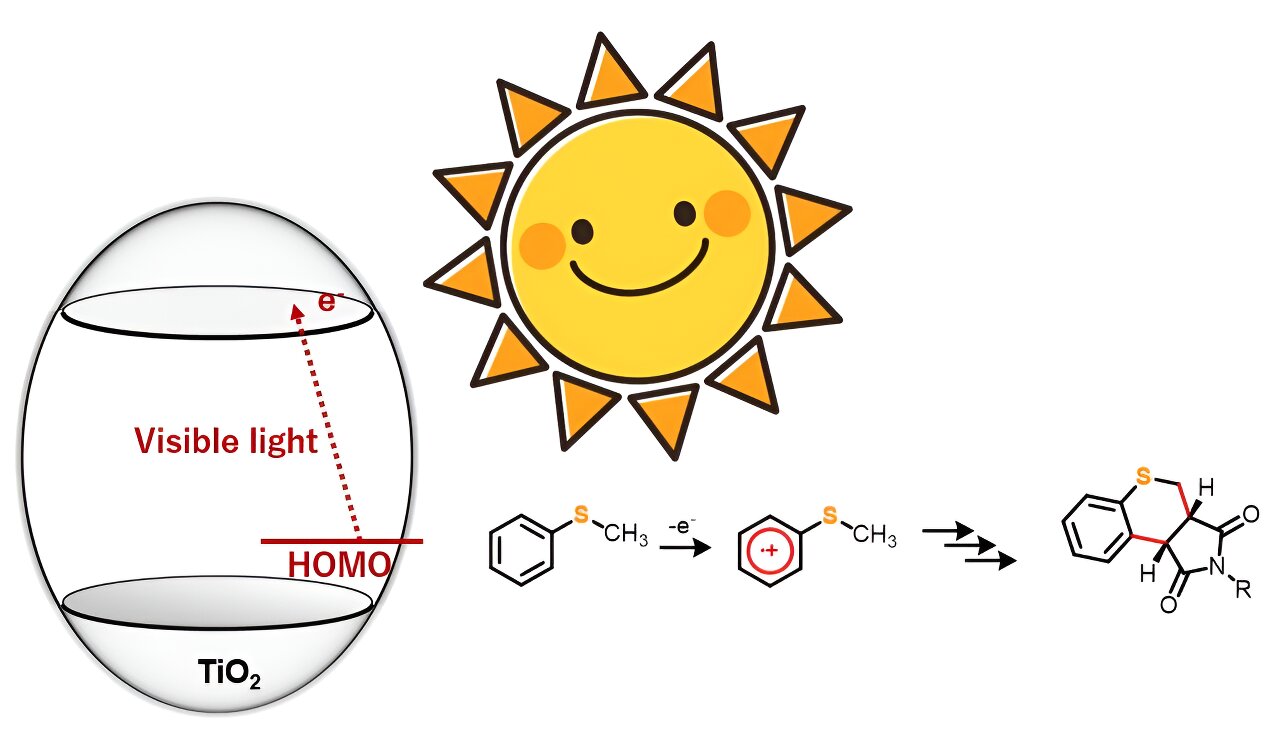
Researchers have developed an eco-friendly method for synthesizing heterocyclic thiochromenopyrroledione derivatives using titanium dioxide as a photocatalyst under blue light. This innovative approach, led by Professor Yutaka Hitomi, offers a more sustainable and less resource-intensive alternative to traditional high-temperature, high-pressure synthesis methods, potentially revolutionizing the chemical and pharmaceutical industries by enabling accessible and affordable production of important organic compounds.

science-and-technology2 years ago

"Maximizing Solar Energy Output with 2D Supercrystals"

Researchers at LMU's Nano-Institute have developed a two-dimensional supercrystal that generates hydrogen from formic acid using sunlight. The supercrystal, made of gold and platinum nanoparticles, concentrates solar energy and enhances light absorption, resulting in highly localized and strong electric fields. By placing platinum nanoparticles in the hotspots between the gold particles, the researchers achieved a hydrogen production rate of 139 millimoles per hour and per gram of catalyst, setting a world record for H2 production with sunlight. This material solution offers potential for other reactions and could contribute to greener hydrogen production and the conversion of CO2 into usable substances.

science-and-technology2 years ago

Revolutionary Breakthrough: Acetone Extraction Made Affordable, Safer, and Easier

Scientists from Brazil and Germany have developed a safer and more economical method for producing acetone, a key component in the chemical industry. The new process uses light and a photoactive iron chloride catalyst, eliminating the need for high-temperature and high-pressure steps. This innovation simplifies acetone production, enhances safety, and reduces costs. The researchers plan to scale up the process for industrial use and are seeking partnerships with companies. The method also has the potential to be used with other substances and can be further optimized for sustainable production.

science2 years ago

"Revolutionary Breakthrough: Chemists Unveil Game-Changing Method to Effortlessly Split Water for Hydrogen Production"

German chemists from Münster University have developed a new photocatalytic method to split water using light energy, simplifying the production of hydrogen. This breakthrough could have significant implications for various fields, including chemistry and the synthesis of compounds from simpler materials.

science-and-technology2 years ago

Revolutionary Water Splitting Method Simplifies Hydrogen Production

German chemists have discovered a new process of water splitting that allows for easier production of hydrogen. The breakthrough method involves a photocatalytic process using triaryl phosphines, which activate water in a reaction accelerated by light energy. This discovery could lead to advancements in chemistry, including the synthesis of compounds using hydrogen atoms. The ease of hydrogen production is significant as it is considered a potential energy solution for the future and plays an active role in the formation of essential compounds. The research findings open up possibilities for applications in material sciences, agriculture, and pharmaceutical research.

science-and-technology2 years ago

Redefining the Role of Metal Cocatalysts in Photocatalysis

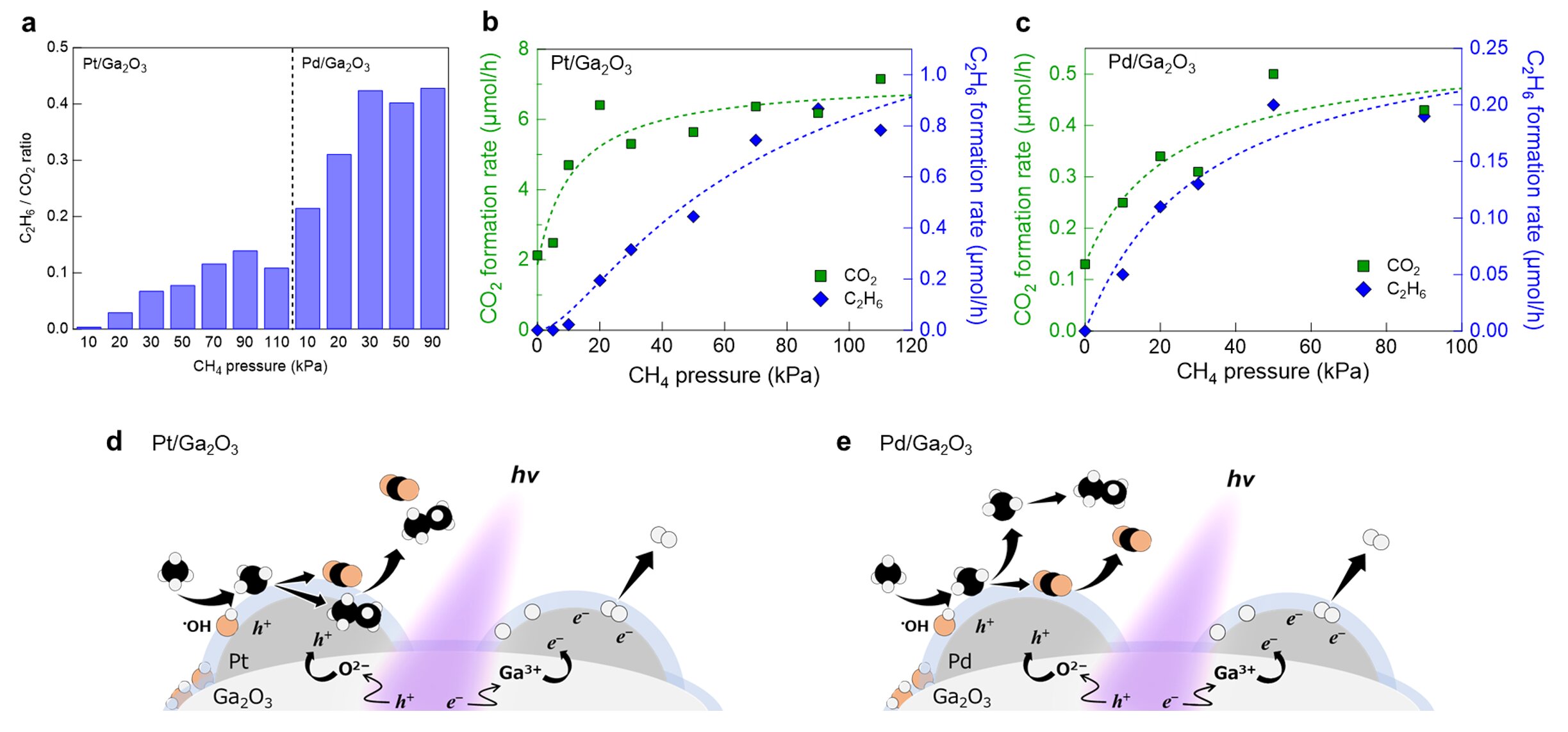
Researchers have discovered that metal cocatalysts loaded on a semiconductor photocatalyst play a crucial role in modulating surface oxidation kinetics and selectivity in the photocatalytic conversion of methane with water. The study found that platinum (Pt) cocatalysts predominantly promote the total oxidation of methane to carbon dioxide (CO2), while palladium (Pd) cocatalysts exhibit a higher selectivity for ethane (C2H6) formation. The research also revealed that metal cocatalysts act as reservoirs of photogenerated holes and effective reaction sites for methane oxidation. This new understanding challenges the conventional assumption that metal cocatalysts only accumulate photogenerated electrons and promote reduction reactions, highlighting their potential for controlling non-thermal oxidation reactions and advancing green technology.

science-and-technology2 years ago

"Revolutionary Porous Materials: Advancing Electronics and Photocatalysis"

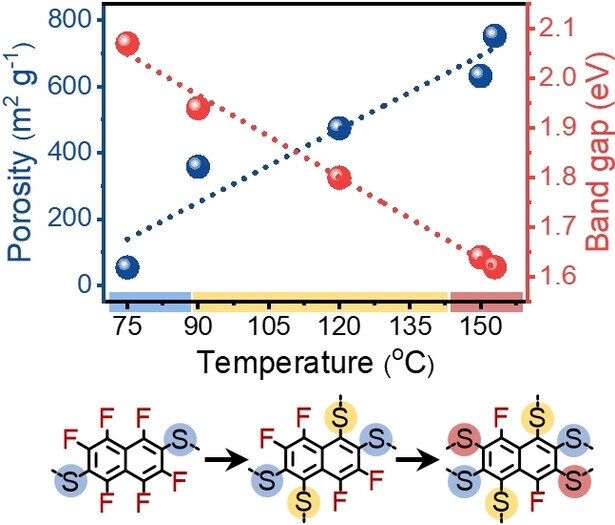
Researchers at KAUST have developed a simple and reproducible technique for creating highly porous poly(aryl thioether) materials, which have potential applications in photocatalysis and optoelectronics. The material, made through a polycondensation reaction, exhibits a high surface area and pore size of less than a nanometer. It has shown promise in removing organic micropollutants and toxic mercury ions from water. The researchers aim to collaborate with the electronics industry and water treatment facilities to further explore the material's potential.