Tag

Greenhouse Effect

All articles tagged with #greenhouse effect

science4 months ago

Contrasting Venus and Earth: From Hell to Eden

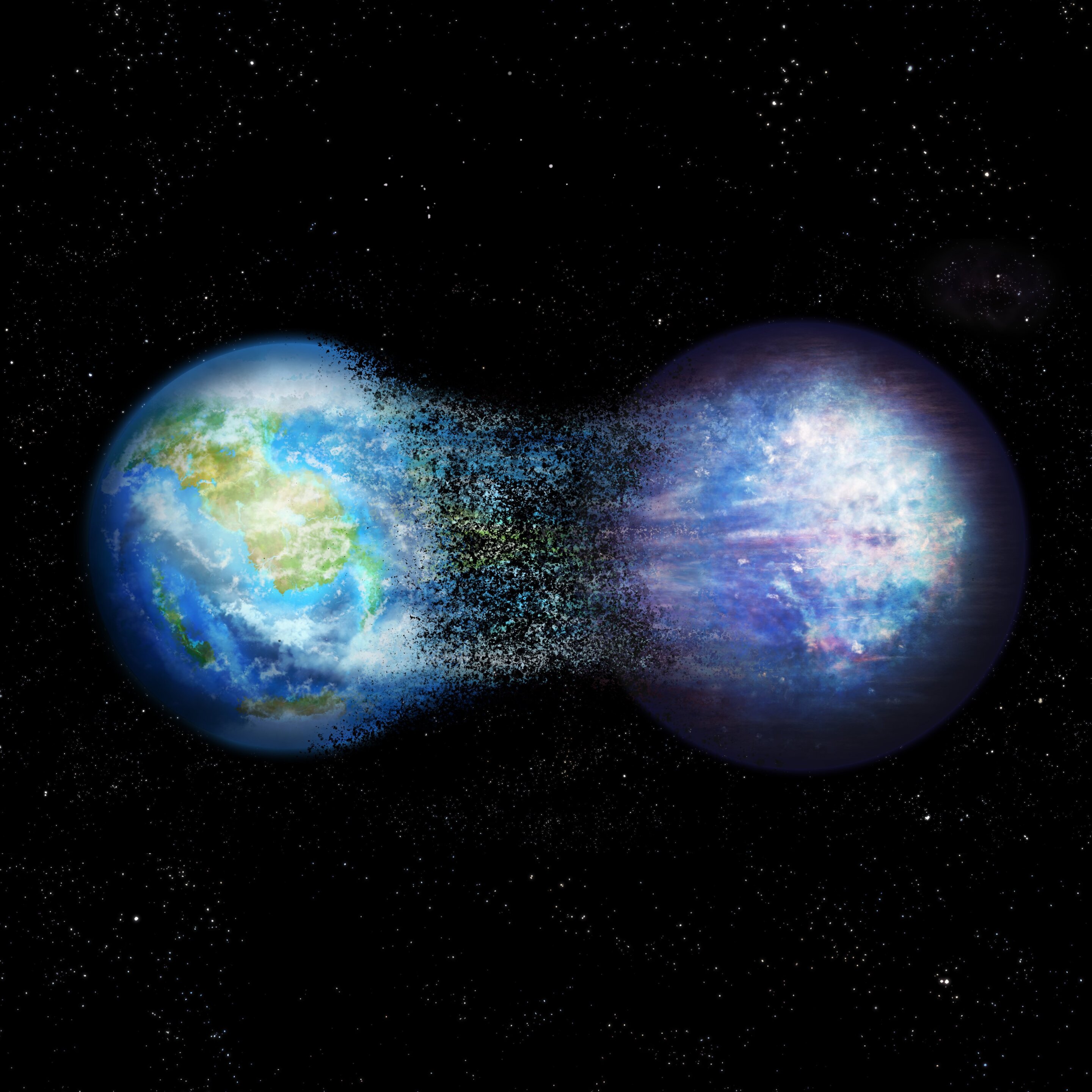
Scientists explore why Venus became a hellscape while Earth remains habitable, investigating Venus's past and modeling Earth's future. The research suggests Venus's extreme state resulted from intense volcanic activity and loss of water, leading to a runaway greenhouse effect. Future models indicate Earth could face a similar fate in billions of years as the sun brightens, but it is unlikely to reach Venus's current extreme conditions due to differences in geological processes. The study highlights the importance of planetary geology and climate regulation in planetary habitability.

science1 year ago

Scientists Unveil Plans to Transform Mars with Tree Planting

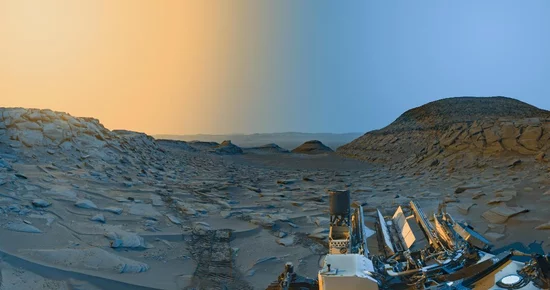
Scientists propose that Mars' Hellas Basin, rather than its equatorial regions, could be the first site for forests if terraforming becomes feasible. This choice is due to Mars' eccentric orbit, which gives the Southern Hemisphere a long summer with intense sunlight, and the basin's low altitude, which offers atmospheric protection. Key challenges include increasing atmospheric pressure, regulating temperature, and ensuring a water supply. While speculative, this idea highlights the potential for a green Mars, with Hellas Basin as a possible starting point.

science-and-environment1 year ago

"Visualizing One Year of Atmospheric Carbon Dioxide Accumulation"

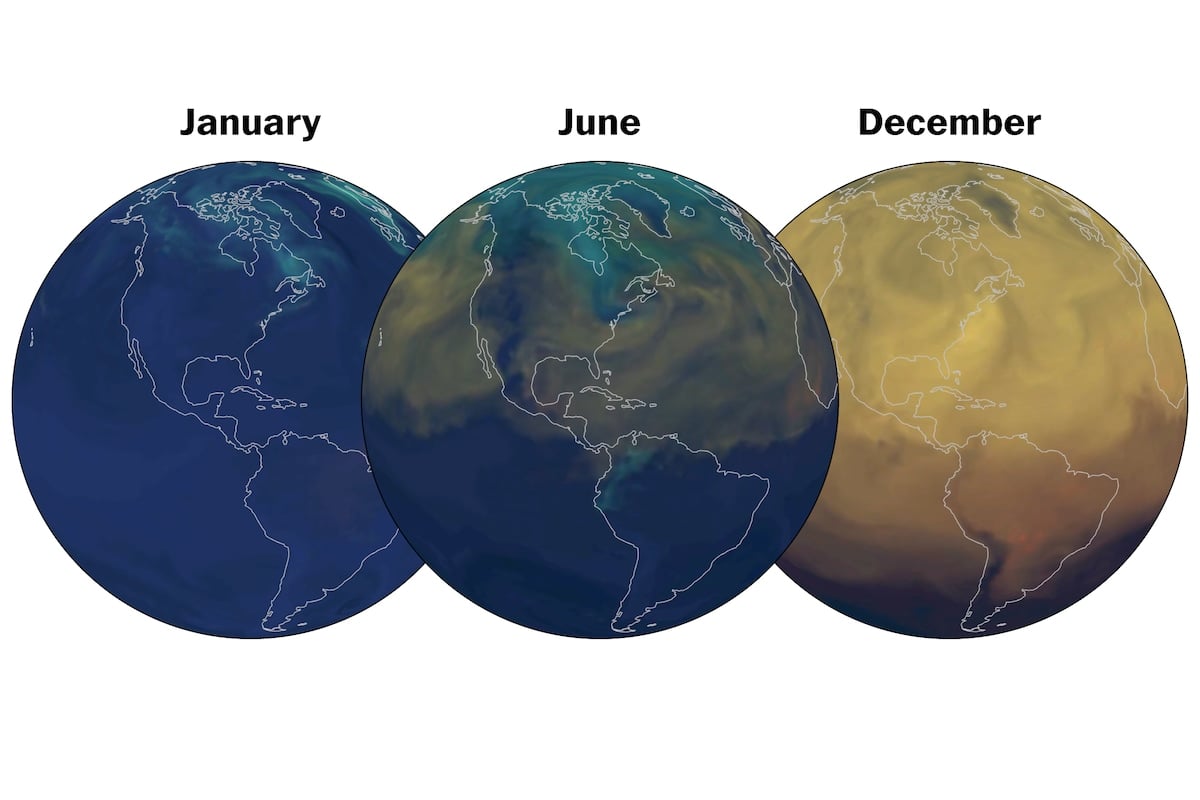
French physicist Joseph Fourier discovered the greenhouse effect in the 1820s, realizing that certain gases like carbon dioxide and water vapor trap infrared light, causing Earth to retain extra heat. NASA's satellites track the accumulation of CO2 in the atmosphere over the course of 2021, showing that despite natural absorption by oceans and plants, CO2 levels continue to rise. With atmospheric CO2 levels surpassing 420 parts per million today, efforts to mitigate global warming focus on reducing greenhouse gas emissions and increasing their absorption, but no single solution exists. As Earth grapples with the effects of a warmer planet, the bicentennial of humanity's awareness of the greenhouse effect serves as a reminder of the ongoing battle against global warming.

science2 years ago

"Simulated Runaway Greenhouse Effect: Earth's Terrifying Future Revealed"

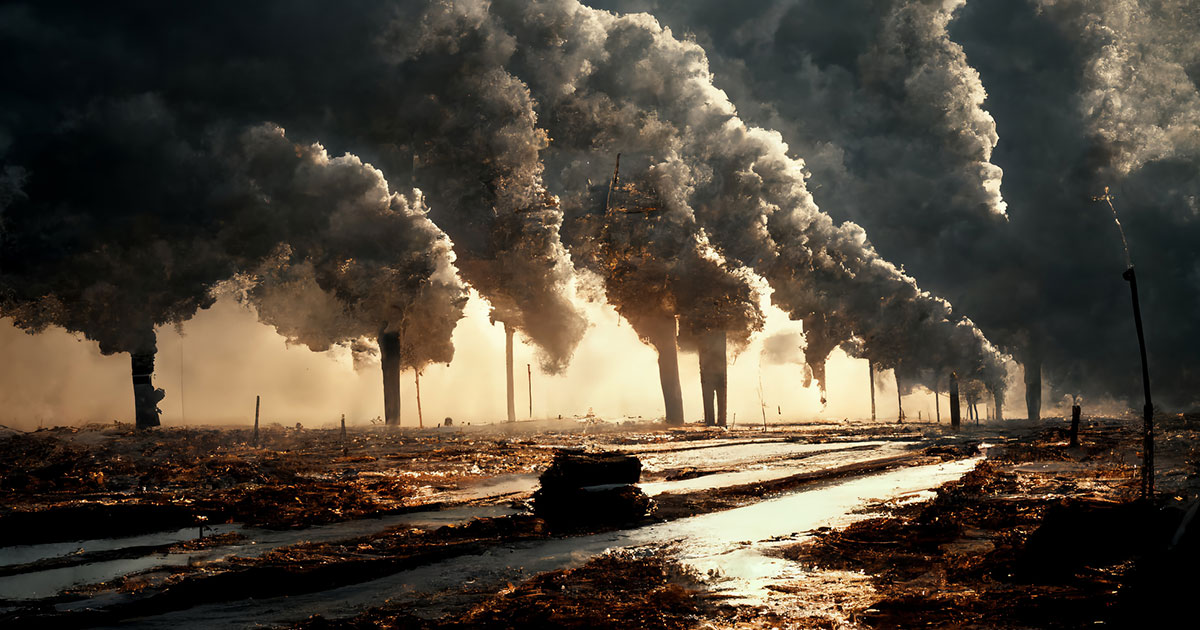
Scientists have simulated the consequences of a runaway greenhouse effect caused by trapped greenhouse gases in Earth's atmosphere, resulting in a rapid rise in temperature that would make the planet as inhospitable as Venus within a few hundred years. The study, conducted by researchers from the University of Geneva and the French National Centre for Scientific Research, highlights the critical threshold of water vapor beyond which the planet cannot cool down, leading to the evaporation of oceans and temperatures reaching several hundred degrees Fahrenheit. The findings could also aid in the search for alien life on exoplanets by identifying cloud patterns in their atmospheres.

science2 years ago

Exoplanets' Climate: From Habitable to Hell in an Instant, Researchers Warn

Researchers from the University of Geneva have successfully simulated the runaway greenhouse effect, which can transform a habitable planet into a hostile environment. They found that even a slight increase in temperature can trigger irreversible changes in the atmosphere, leading to the evaporation of oceans and surface temperatures exceeding 1,000°C. The study highlights the importance of understanding climate dynamics on exoplanets and the potential for detecting specific signatures of the runaway greenhouse effect. The research also raises questions about the impact of greenhouse gases on Earth's climate and the potential for a similar catastrophic scenario.

climate-change2 years ago

The Growing Threat of Carbon Dioxide: Scientists' Findings

New research published in the journal Science reveals that the greenhouse effect of carbon dioxide (CO2) becomes even more potent as more of it is emitted. The study shows that CO2's cooling effect in the stratosphere actually intensifies the greenhouse effect, making it stronger at heating up the planet. The radiative forcing of CO2 is increasing by about 25 percent with each doubling, suggesting that future increases in CO2 will lead to a faster rate of global warming. This finding underscores the urgent need to curb carbon emissions to mitigate the severe impacts of climate change.

science2 years ago

"CO2's Impact on Aging: Earth's Fortunate Discovery"

Earth's good fortune in having a warm climate and supporting life is attributed to plate tectonics, which allows for the recycling of carbon dioxide through volcanic eruptions. Unlike Mars, Earth's internal heat sustains the plasticity of its mantle, enabling the movement of continents and the continuous release of CO2 into the atmosphere. This carbonate-silicate cycle maintains Earth's greenhouse effect, preventing the planet from freezing and supporting the existence of liquid water and diverse life forms.

science2 years ago

The Devastating Consequences of Ozone Layer Depletion.

The ozone layer in the Earth's upper atmosphere is critical for blocking ultraviolet radiation from the Sun and has a warming effect on our surface temperatures, on average increasing the surface temperature of the Earth by about 3.5 Kelvin. If the ozone layer were to disappear, whether through human or some other means, this would have a catastrophic effect on our climate, including a cooling of the upper stratosphere, destabilization of the atmosphere, and drastic consequences for seasonal weather patterns at all latitudes.