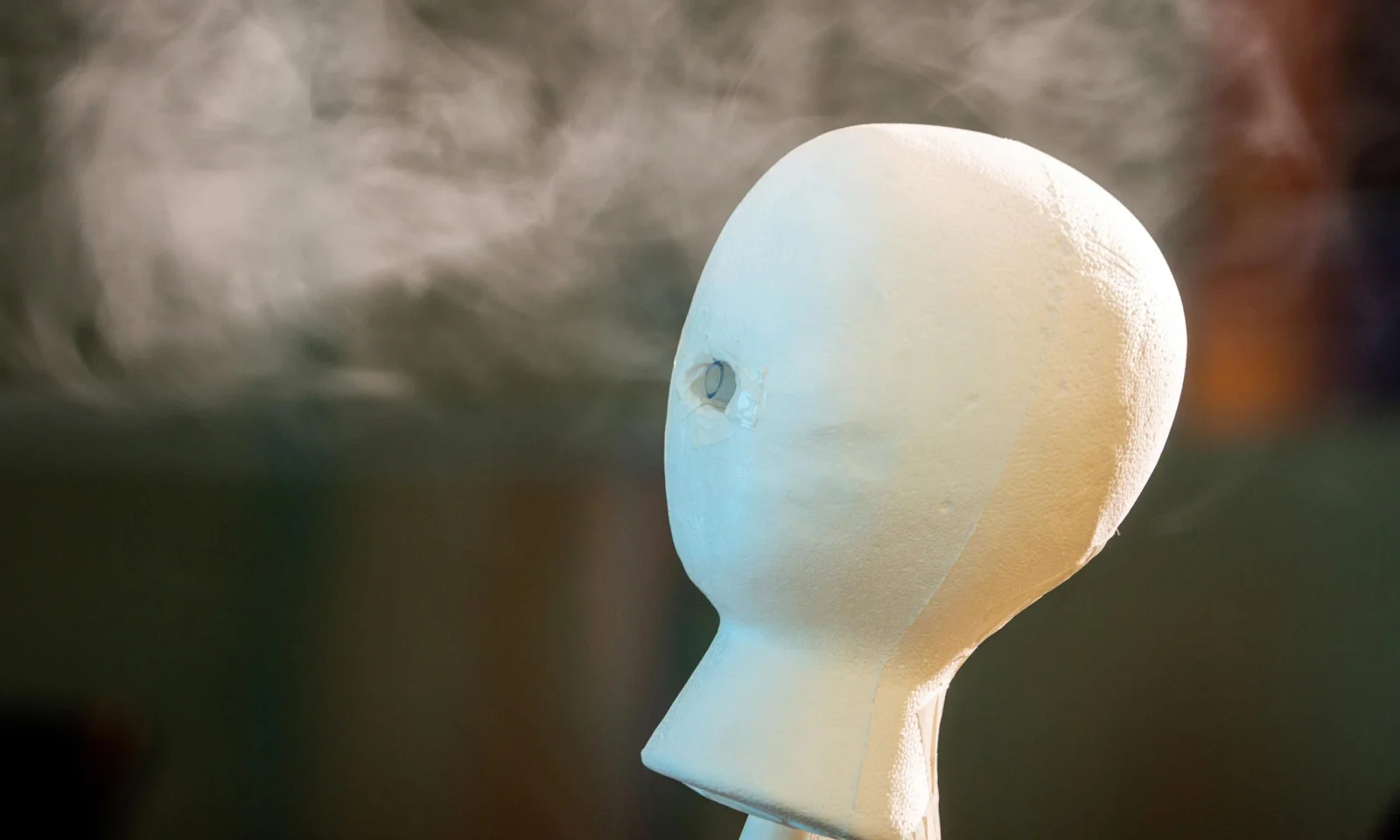
In a controlled hotel-room study with five influenza patients and 11 healthy volunteers, close face-to-face contact did not result in transmission, likely due to limited coughing, rapid mixing and dilution of airborne virus, and possibly age-related protection; the findings underscore ventilation, air movement, and masking as effective defenses against indoor flu spread and could inform infection-control guidelines.
A year after the devastating Los Angeles wildfires, residents continue to face hazardous indoor conditions due to lingering toxins like lead and asbestos, with many struggling to get proper cleanup and insurance coverage, leading to ongoing health risks and emotional distress.
Air pollution, especially PM 2.5, poses significant health risks including heart disease, diabetes, and brain damage. With regulatory standards being rolled back, individuals can protect themselves by using masks like N95s and staying informed about air quality. The article emphasizes the importance of awareness and personal action to mitigate the dangers of invisible airborne toxins.
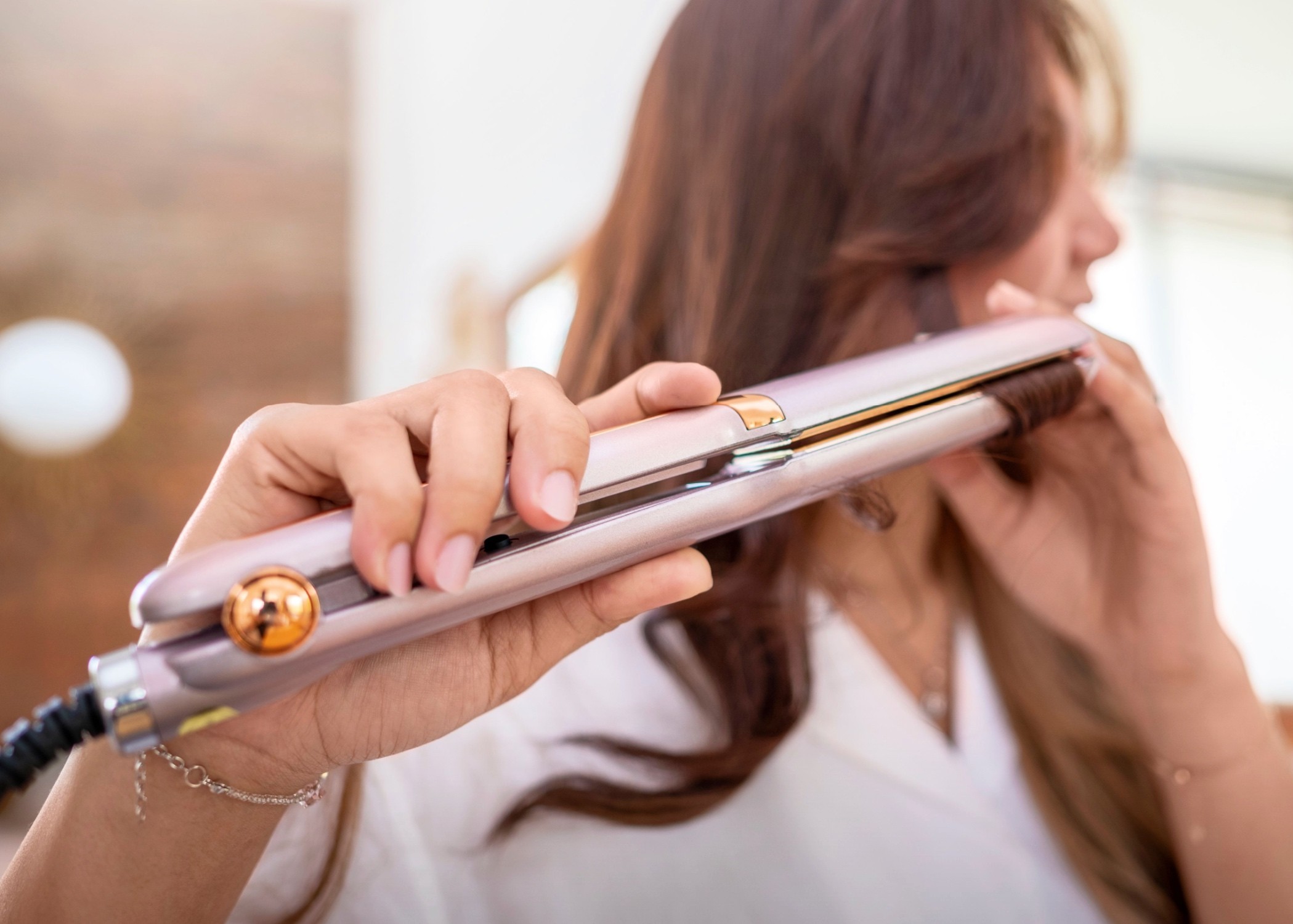
Research from Purdue University reveals that typical hair styling routines, especially those involving heat tools above 300°F, release billions of tiny nanoparticles that can penetrate deep into the lungs, potentially causing respiratory and other health issues. The study highlights the role of heat and certain chemicals like D5 siloxane in nanoparticle formation and emphasizes the importance of good ventilation to reduce exposure. Future research aims to better understand the full health impacts of these emissions.
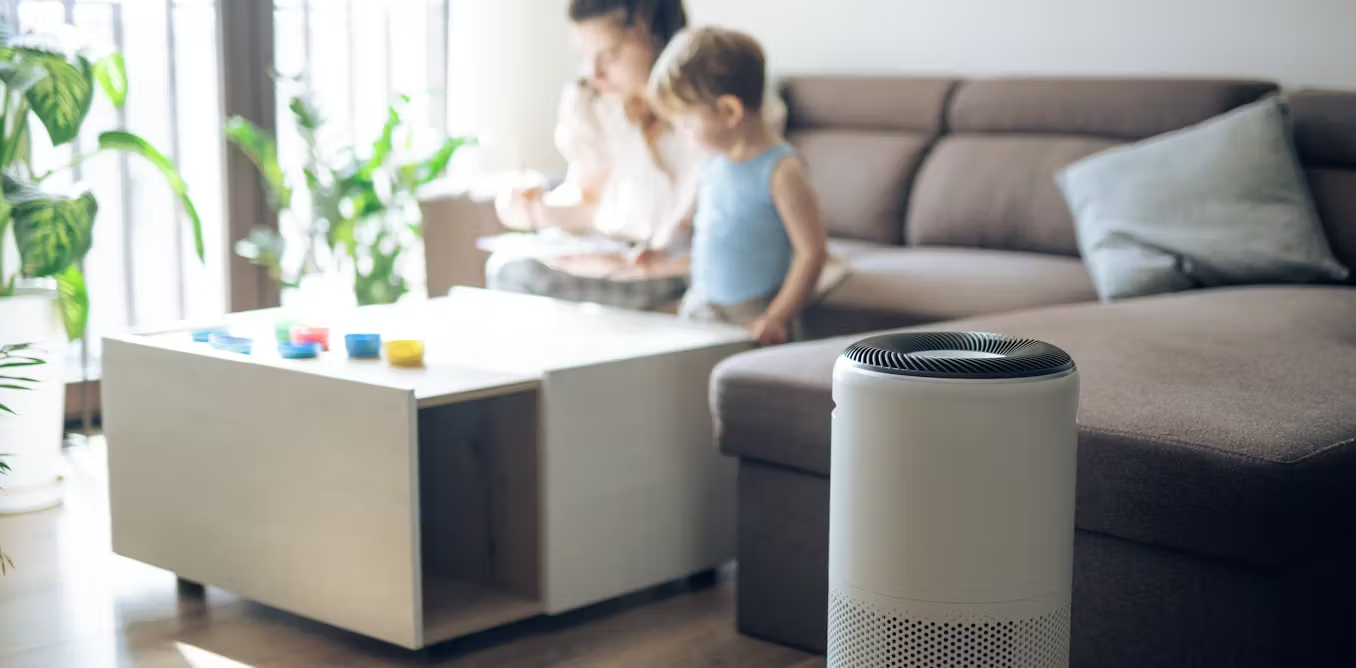
A comprehensive review found that most portable air cleaning devices are rarely tested on people for their effectiveness and potential harms, with many generating chemicals like ozone and formaldehyde that could be harmful. The study highlights the need for real-world testing and safety assessments before widespread use, especially given the marketing claims of these products.
Research shows that personal care products like lotions and fragrances can reduce the formation of reactive compounds around the body that impact indoor air quality, potentially influencing human exposure to indoor pollutants by acting as physical barriers or sinks for ozone-related reactions.
Ukrainian architecture firm Makhno Studio has developed breathable clay panels that serve as both insulation and interior decoration, inspired by traditional Ukrainian mazanka houses. These panels, made from Ukrainian white clay mixed with plant materials, naturally regulate humidity and improve indoor air quality by absorbing dust and microorganisms. The project, which reflects a blend of Ukrainian traditions and modern design, is shortlisted for the Dezeen Awards 2024 in the surface design category.
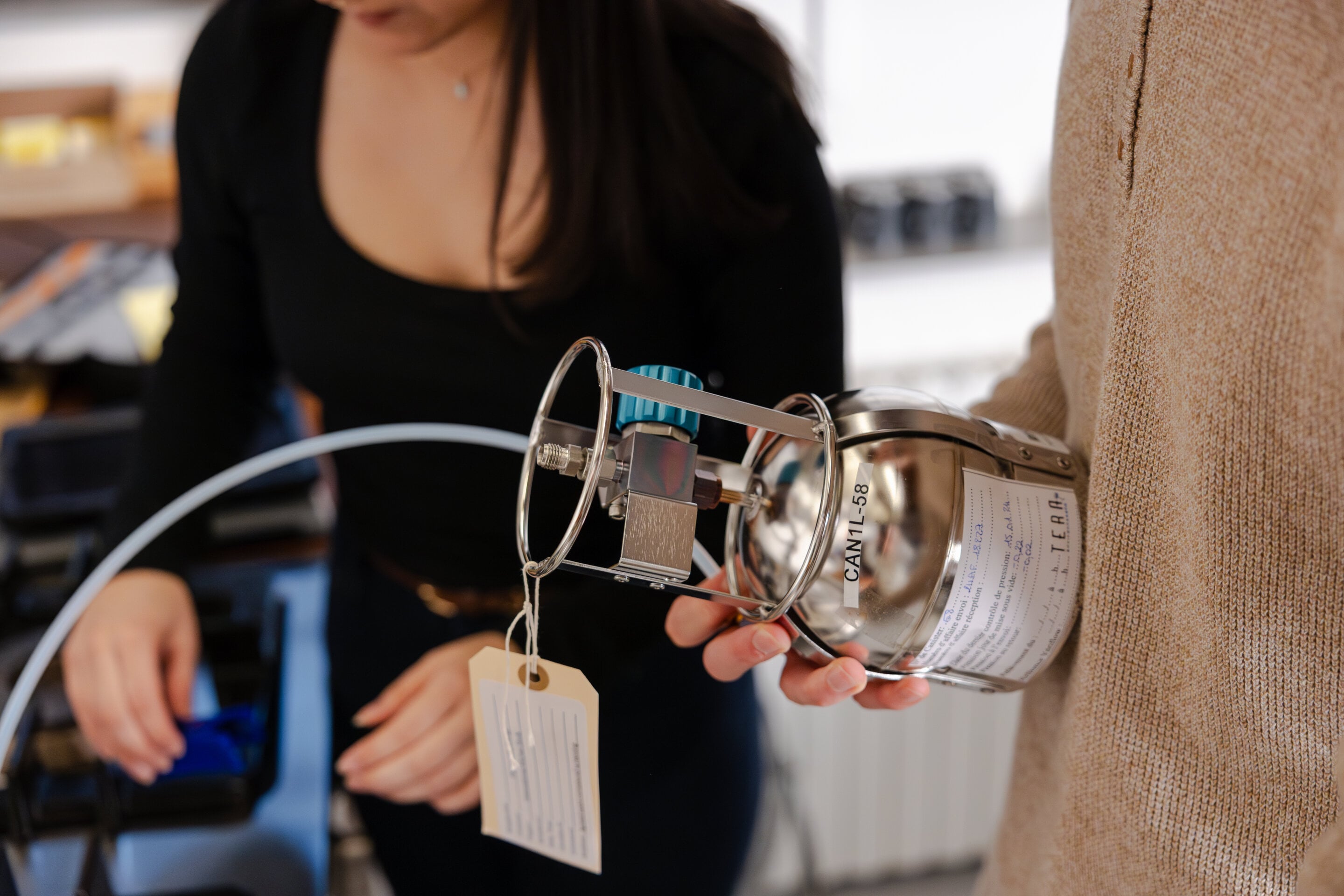
A new study published in Environmental Research Letters reveals that small, often undetectable natural gas leaks can introduce hazardous air pollutants, including benzene, into indoor environments. Researchers found benzene in 97% of natural gas samples across North America, with significant variations in odorant levels and benzene concentrations among different cities. The study highlights the limitations of relying solely on smell to detect gas leaks and suggests that improved transparency, stricter odorization standards, and enhanced leak detection methods are necessary to protect public health.
New research from the University of Bristol reveals that higher concentrations of carbon dioxide (CO2) in indoor environments can significantly extend the lifespan of airborne viruses like SARS-CoV-2, challenging long-held beliefs about CO2 as merely an indicator of poor ventilation. This discovery underscores the need for improved indoor air quality standards to mitigate the risk of viral transmission, especially in poorly ventilated spaces.
Neo Px, a bioengineered plant developed by French startup Neoplants, can purify indoor air at a scale equivalent to 30 regular houseplants. It uses a symbiotic system where bacteria colonize the plant's roots, soil, and leaves to absorb harmful volatile organic compounds (VOCs). The plant, sold in the U.S. for $120, aims to address indoor air pollution, which can be significantly more polluted than outdoor air due to VOCs from household products. Future plans include genetically modified plants for direct air purification and tackling global warming issues.
New research suggests that cooking on a gas stove can release more harmful nanoparticles than a car's tailpipe, posing health risks such as respiratory diseases, heart and lung issues, and even cognitive decline. The study found that cooking a simple grilled cheese sandwich may expose residents to as many as 10 million nanocluster aerosols per cubic nanometer, compared to the up to around 1 million released by cars near a busy street. The findings reignite the debate over the safety of gas stoves, with some officials considering bans, while others propose using vent fans to reduce exposure to harmful particles.
A Purdue University study found that cooking on a gas stove can emit more nano-sized particles into the air than vehicles running on gas or diesel, potentially increasing the risk of respiratory illnesses. The study, using state-of-the-art air quality instrumentation, revealed that as many as 10 quadrillion nanocluster aerosol particles could be emitted per kilogram of cooking fuel, matching or exceeding those produced from vehicles with internal combustion engines. The researchers recommend using kitchen exhaust fans while cooking on gas stoves and suggest that nanocluster aerosol be considered as a distinct air pollutant category.
During the winter, hot, dry indoor environments from constant heating can exacerbate or cause symptoms like headaches, fatigue, and coughing due to decreased air circulation, increased exposure to indoor pollutants, and dehydration. Dry air can pull moisture from the body, leading to dry skin and mucus membranes, making individuals more susceptible to illness. To combat these effects, it's recommended to drink more water, use a humidifier, maintain heating equipment, and improve indoor air quality with filters and purifiers.
Indoor air quality has been largely overlooked in public health discussions during the pandemic, but researchers are now emphasizing its importance in curbing the spread of respiratory infections like COVID-19. Aerosol scientists argue that viruses can travel through the air much farther than six feet, making social distancing alone insufficient. Improving ventilation and air filtration systems in indoor spaces is crucial to reducing the risk of transmission. Companies like Amazon are investing in state-of-the-art HVAC systems to ensure the health and safety of their employees, and experts believe that prioritizing indoor air quality will have long-term benefits for public health.
A Harvard professor and founder of the Healthy Buildings Program emphasizes the importance of ventilation in preventing the spread of COVID-19 and other respiratory infections. He argues that indoor air systems have been overlooked in building design and public health discussions, leading to the rapid spread of the virus. Studies have shown that improving ventilation can significantly reduce the risk of infections. Companies are now prioritizing indoor air quality for the health of their employees, and experts believe that "healthy buildings" with proper ventilation will become the preferred choice for workers in the future.