Cargill, the largest private company in the U.S., is reducing its global workforce by 5%, affecting around 8,000 employees. Despite having a plant in Guntersville, Alabama, the company expects minimal impact on its operations in the state. Cargill emphasizes its commitment to supporting employees during this transition, aligning its workforce with strategic goals.

Photographer George Steinmetz uses drones to capture 'foodscapes' from around the world, showcasing the intersection of modern industrial food production and traditional agricultural practices. His book, "Feed the Planet," features images from six continents, highlighting both the mechanization of food production and the environmental impacts, such as deforestation in Brazil and overfishing in Mauritania. Steinmetz's work aims to balance the marvel of increased productivity with the need to preserve natural ecosystems.
Schwan's Co. has purchased 142 acres in Sioux Falls' Foundation Park to build a 700,000-square-foot Asian food production facility, expected to cost hundreds of millions and create over 600 jobs. The project includes a state-of-the-art wastewater treatment facility and a regional office downtown, adding up to 100 high-paying jobs. The new plant will primarily produce for Schwan's bibigo brand, enhancing the company's market position in the U.S. and contributing to local economic growth.
Chick-fil-A is abandoning its "no antibiotics ever" pledge for chicken due to diminishing supply, opting for a looser industry standard of "no antibiotics important to human medicine." This change follows Tyson's similar decision and reflects the challenges of controlling diseases in chicken coops. The use of antibiotics in food production has raised concerns about antibiotic resistance in humans, prompting WHO to emphasize the need to prevent important antibiotics for humans from being used in animal production.
Food manufacturers are using a chemical process called hydrolysis to create pre-digested edibles that are cheaper and tastier, but may not be great for human health. This process breaks down core crops like potatoes and corn into their most basic molecular structures, resulting in a slurry that is then flavored and molded into favorite treats. Consuming these ultra-processed foods can lead to overeating and bypass the body's fullness signals, contributing to concerns about the impact on human health. Experts recommend opting for fresh or canned fruits and vegetables, nuts, and beans over ultra-processed snacks.
A study published in mSystems suggests that two yeasts commonly used in food production, Cyberlindnera jadinii and Kluyveromyces lactis, may have probiotic properties that could benefit gut inflammation and potentially lead to new treatments for inflammatory bowel diseases. These yeasts, which have been extensively used in the food industry, were found to have potential beneficial effects on gut health in a mouse model of ulcerative colitis. Further research is needed to understand the mechanisms by which these strains act on gut health and their effectiveness in humans.
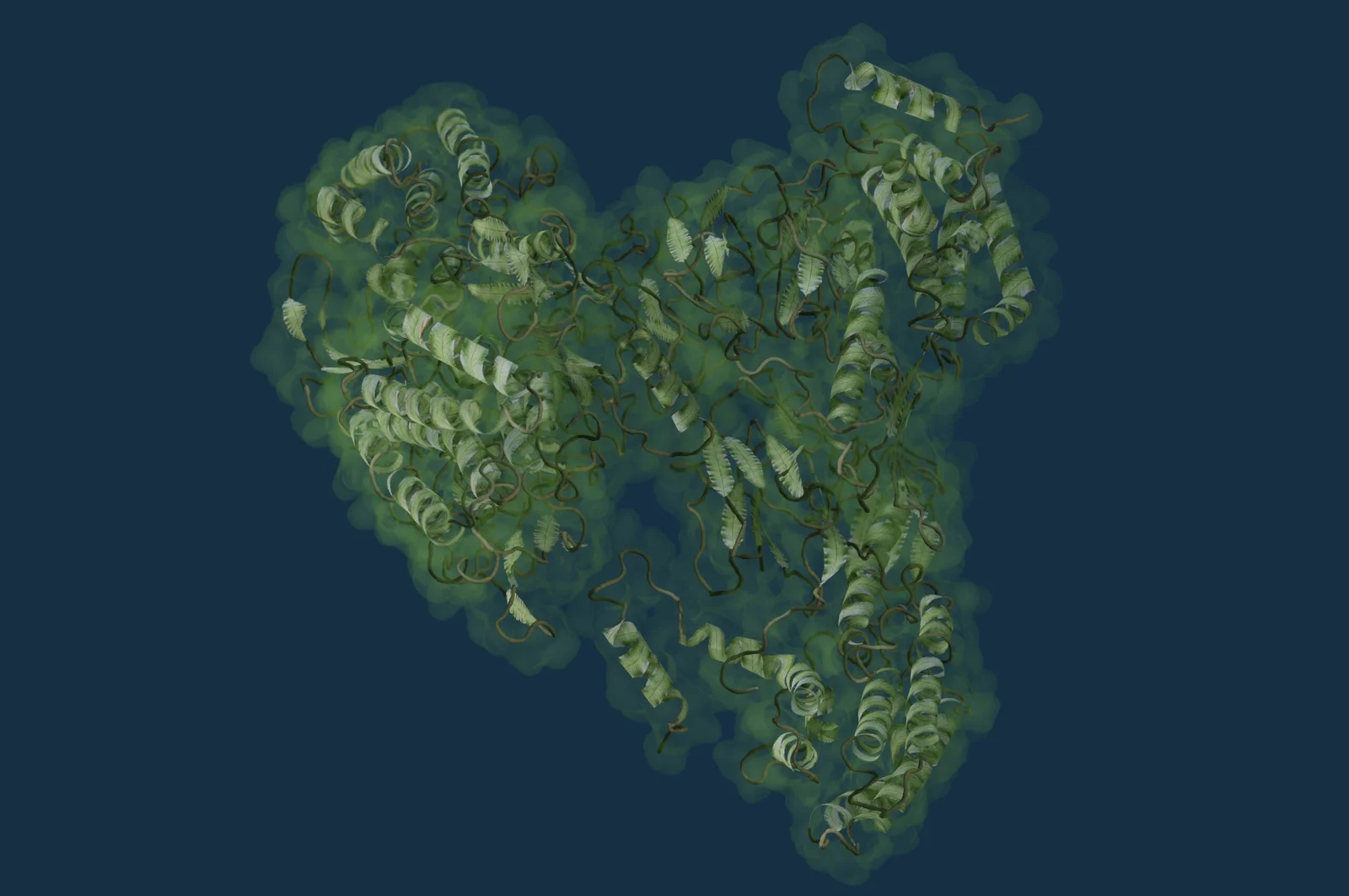
A study has discovered novel insecticidal proteins in ferns, which could potentially be used for plant-made protein pest control in crop plants. These proteins, designated as IPD113, were found in ferns like Pteris species and were effective against major lepidopteran pests of maize and soybeans. The proteins showed a surprising similarity to certain insecticidal proteins derived from bacteria, even though they are derived from plants. This discovery offers an alternative mode of action and a potential solution to pest resistance to existing insecticidal methods.
Ultra-processed foods (UPF) not only pose health risks but also have a significant negative impact on the environment. UPFs rely on energy-intensive manufacturing processes, long supply chains, and contribute to substantial greenhouse gas emissions. Additives like palm oil and high-fructose corn syrup have detrimental environmental effects, including deforestation and plastic waste. Embracing sustainable agricultural practices, supporting local businesses, and collaborating with indigenous communities can help mitigate the environmental impact of UPFs. Public and health agencies should advocate for policies that protect public health and the environment.
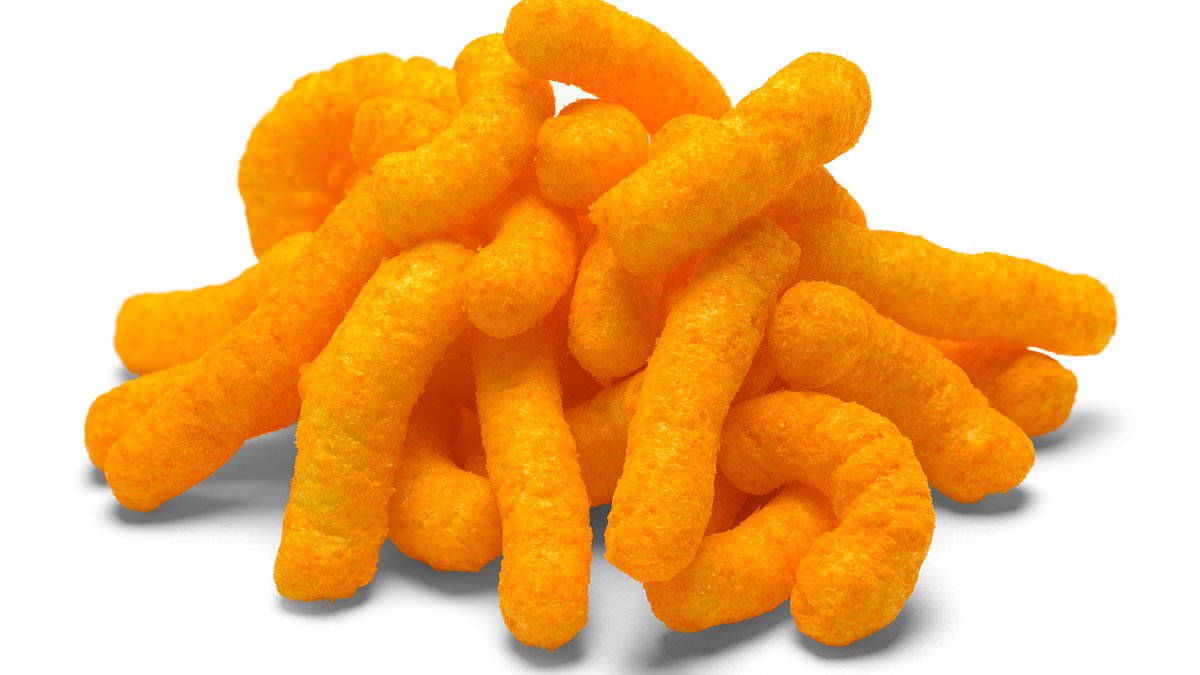
People are vowing not to eat certain foods after discovering stomach-churning details about their production. Some examples include red velvet cake made with crushed cochineal insects, cheese puffs created through spray drying, hot dogs made from leftover scraps of pork, beef, and chicken, caviar extracted from Sturgeon fish by gutting their bellies, cocktail cherries packed with added sugar and high-fructose corn syrup, and jelly beans coated with shellac derived from insect secretions. Additionally, milk pots are revealed to contain ingredients like sugar, oil, and thickeners instead of milk.
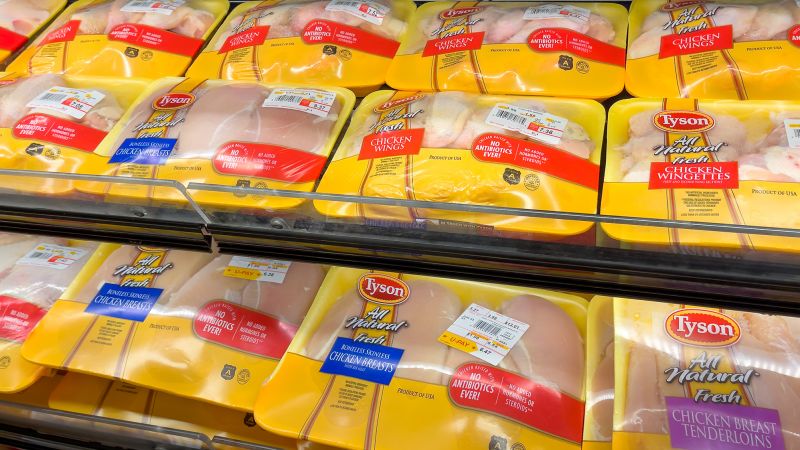
Tyson Foods will no longer use its "no antibiotics ever" label on chicken packaging, as the company plans to reintroduce certain antibiotics in its chicken production. The antibiotics used will not be important for human treatment, and Tyson claims that its decision is based on sound science and the well-being of animals. The company will transition to a "no antibiotics important to human medicine" label by the end of 2023. This change marks a departure from Tyson's previous stance in 2015 when it aimed to eliminate antibiotics from its chicken production. The use of antibiotics in poultry farming has been a topic of concern due to the rise of antibiotic-resistant bacteria.
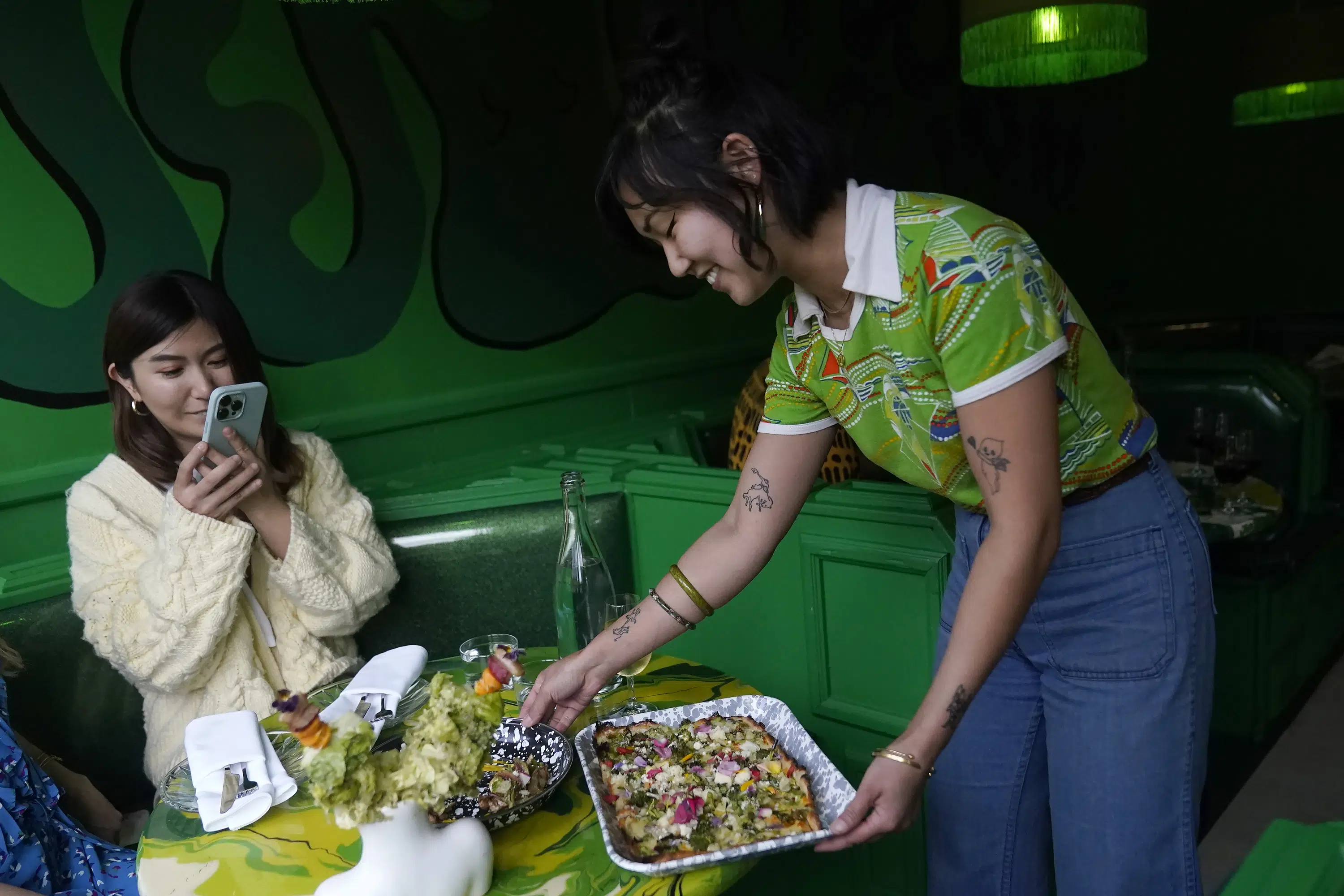
The upcycling movement is gaining ground in the US as consumers become more aware of food waste and its impact on the environment. Upcycling involves creating high-quality products from leftover food, such as using cacao pulp from chocolate production to make ice cream. The Upcycled Food Association issues an official "Upcycling Certified" seal to qualifying products, raising awareness with consumers that the company making the food used such ingredients. The movement is not confined to recycled products found in trendy stores, as a San Francisco restaurant serves pizza and wine using upcycled ingredients such as ugly mushrooms and discolored tomatoes.
Satellite images reveal that the Kakhovka Dam in southern Ukraine, which was destroyed on June 6, has caused four canal networks to become disconnected from the reservoir, leading to a water crisis that could affect over 700,000 people. The canals were a source of drinking water and irrigation for vast areas of farmland, which yielded about two million tonnes of grain and oil seeds in 2021. Rebuilding the dam seems to be one of the only long-term solutions to restore water security to the area, which is at greater risk of both drought and flooding.
Satellite images reveal that the Kakhovka Dam in southern Ukraine has been destroyed, causing one of Europe's largest reservoirs to dry up. The loss of water from the canals would be critical for food production in the region, affecting more than 700,000 people's drinking water supplies. The dam acted as a flood defence to places downstream, and without it, some areas may prove unsuitable for settlement. Rebuilding the dam seems to be one of the only long-term solutions to restore water security to the area.
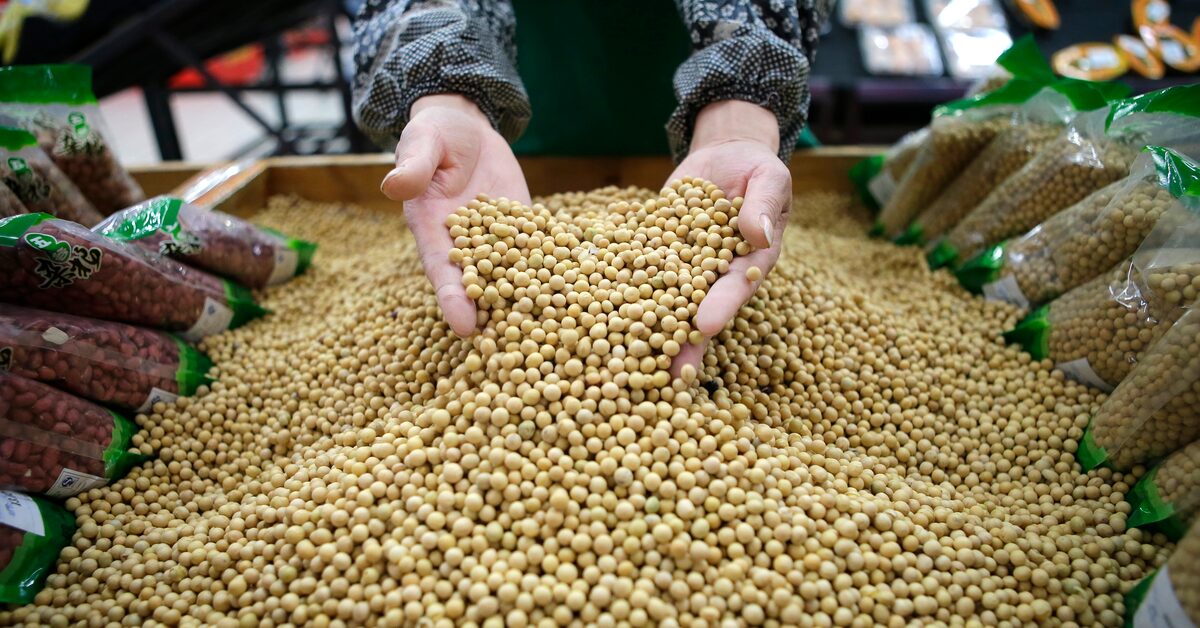
China has approved the safety of a gene-edited soybean, developed by Shandong Shunfeng Biotechnology, which has two modified genes that significantly raise the level of healthy fat oleic acid in the plant. Gene editing is considered less risky than GMOs and is more lightly regulated in some countries, including China. The approval comes as China looks to science to boost food production amid trade tensions, erratic weather, and war in major grain exporter Ukraine.
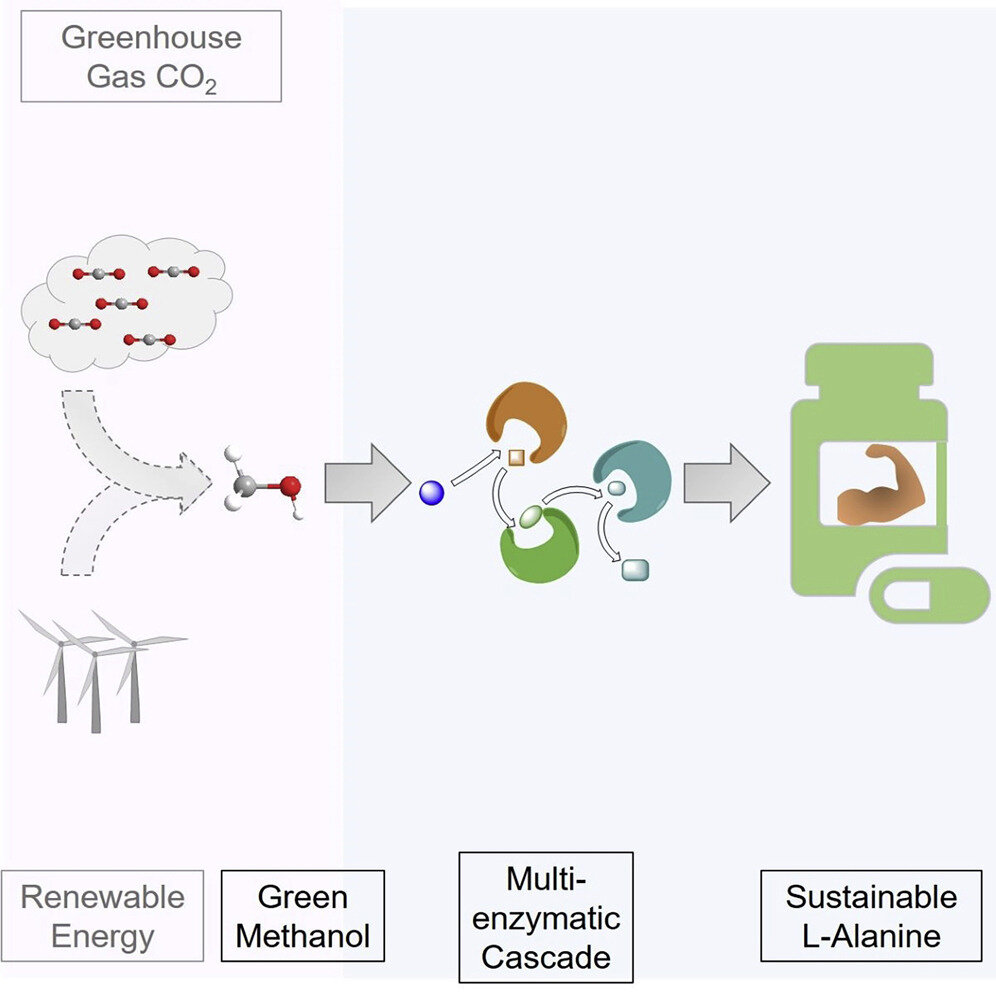
Researchers at the Technical University of Munich have developed a method for the synthetic manufacture of nutritional protein using a type of artificial photosynthesis. The method involves converting CO2 into methanol using green electricity and hydrogen, and then converting the methanol into L-alanine, an essential building block in proteins, using synthetic enzymes. The process is extremely effective and generates very high yields, requiring far less space than traditional methods of protein production. The researchers aim to produce other amino acids from CO2 using renewable energy and to further increase efficiency in the realization process.