Tag

Hydrothermal Activity

All articles tagged with #hydrothermal activity

science3 months ago

Organic Compounds and Complex Chemistry Detected in Enceladus's Subsurface Ocean

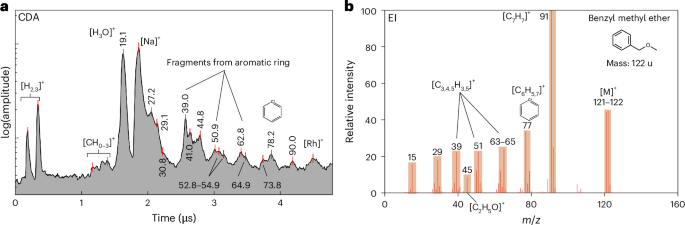
The study reanalyzes Cassini's high-speed fly-by data of Enceladus, revealing the presence of diverse organic compounds, including aromatics, esters, ethers, and N- and O-bearing species, in freshly ejected ice grains. These findings suggest complex organic chemistry within Enceladus's subsurface ocean, likely driven by hydrothermal processes, and provide insights into the moon's potential habitability.

science7 months ago

Unveiling the Mysteries of the Ocean's Ancient Lost City

A 120,000-year-old hydrothermal seafloor structure called the Lost City Hydrothermal Field, discovered in 2000, features towering carbonate formations and hosts unique microbial communities that thrive without oxygen, offering insights into early Earth life and potential extraterrestrial ecosystems. Recent recovery of mantle rock samples aims to deepen understanding of life's origins and the possibility of similar habitats on other planets.

science-and-nature1 year ago

"Uncovering a Mysterious Magnetic Anomaly in Lake Rotorua, New Zealand"

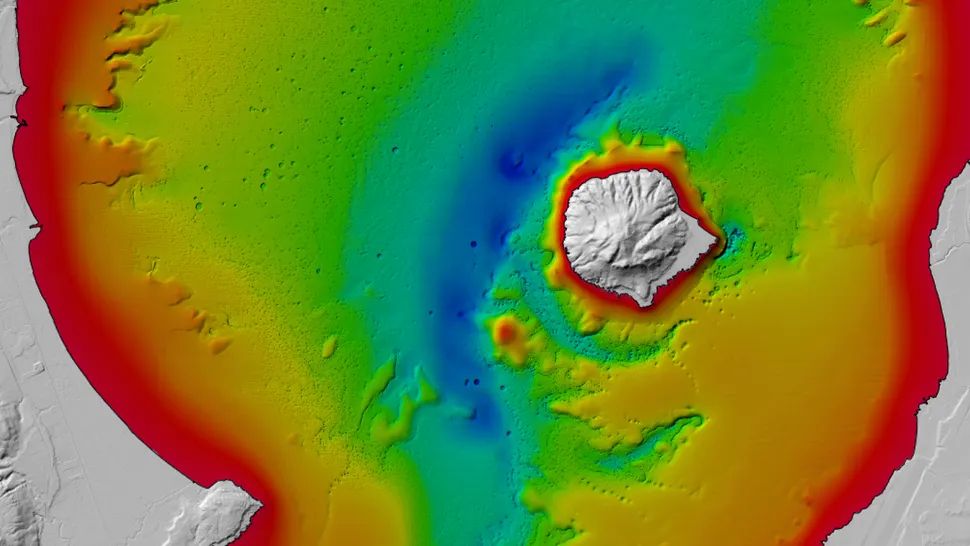
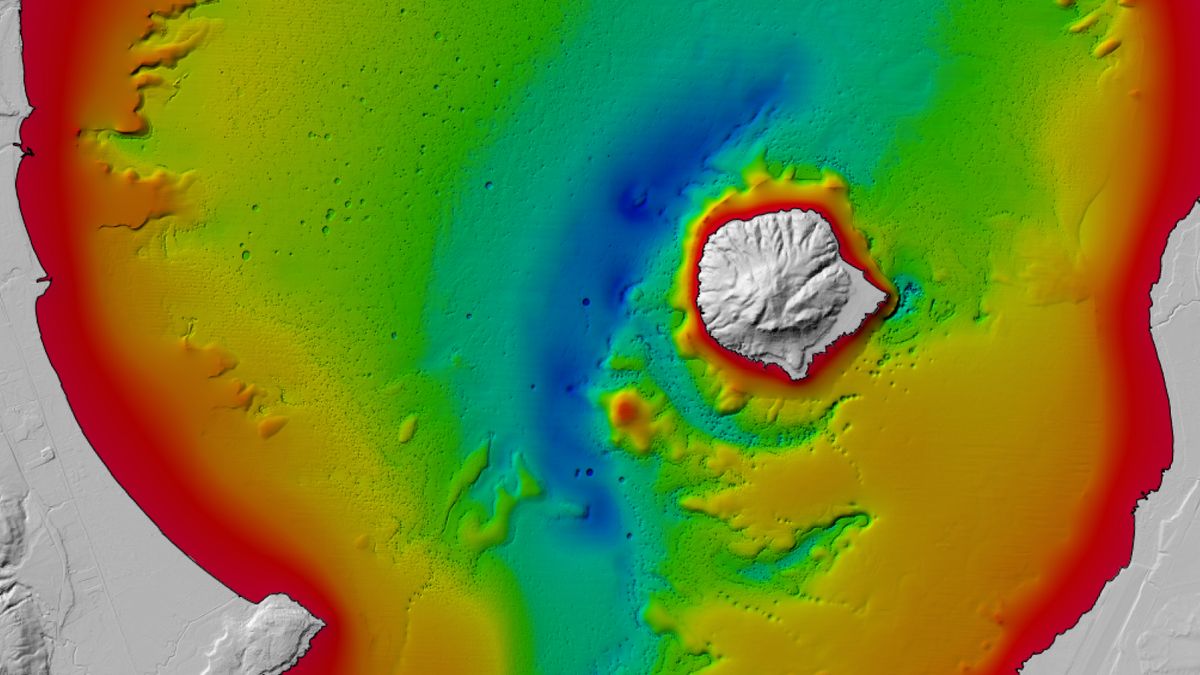
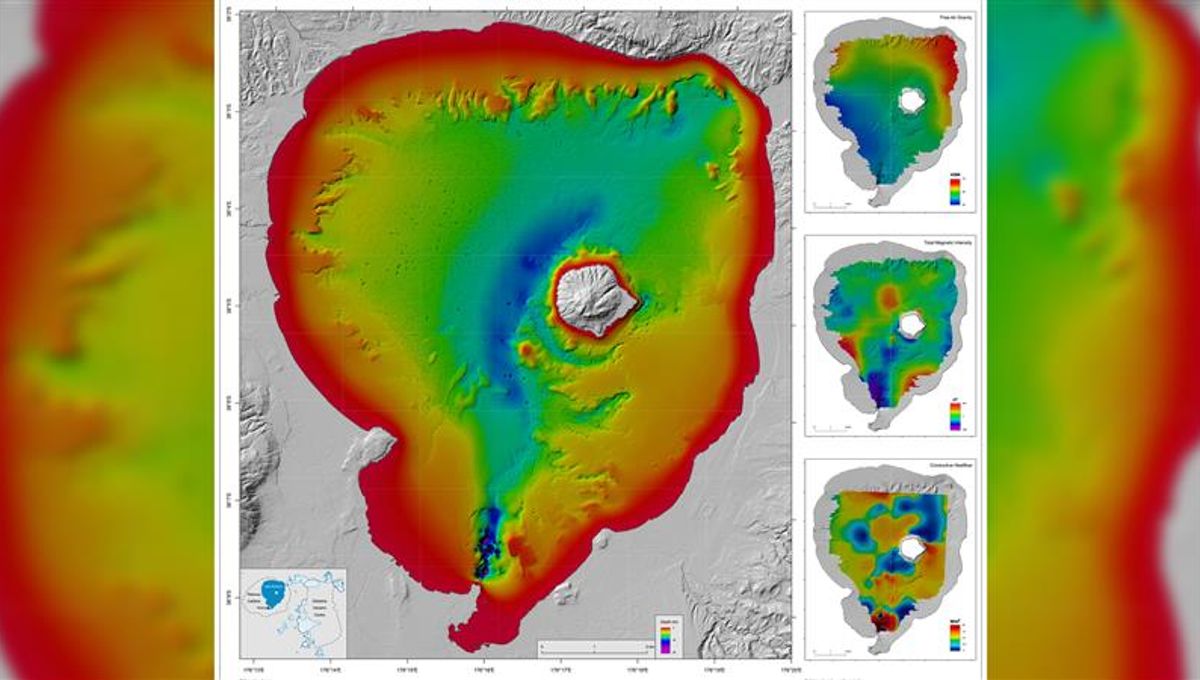
Scientists have completed the first comprehensive mapping of New Zealand's Lake Rotorua, uncovering ancient features and a peculiar magnetic anomaly. The maps reveal thousands of pockmarks on the lake's floor, evidence of an ancient river, and magnetic anomalies that suggest the presence of another hydrothermal system beneath the lake. This mapping provides new insights into the lake's geological history and hydrothermal processes, shedding light on the violent volcanic activity that formed the lake 200,000 years ago.

science1 year ago

"Uncovering a Magnetic Anomaly Beneath New Zealand's Lake Rotorua"

Detailed maps of Lake Rotorua in New Zealand have uncovered hidden subsurface features, including hydrothermal explosion craters, traces of an old river, and a significant magnetic anomaly in the lake's southern section. GNS Science researchers used various measurement techniques to probe beneath the lake's surface, revealing the presence of hydrothermal activity and pinpointing active regions.

science1 year ago

"Uncovering a Magnetic Anomaly Beneath Lake Rotorua in New Zealand"

New maps have revealed a hidden hydrothermal system beneath New Zealand's Lake Rotorua, located in the crater of a dormant volcano. The maps, created by researchers at GNS Science, show eruption craters, an ancient river, and a large magnetic anomaly in the lake's southern part, indicating that the mainland hydrothermal systems extend into the lake's depths. The anomaly is likely due to hydrothermal fluids transforming highly magnetic minerals into fool's gold, severely diminishing the magnetic signal. Despite this activity, water temperatures near the lake's bottom remain cool due to the large size of the lake.

science1 year ago

"Uncovering a Magnetic Anomaly Beneath Lake Rotorua in New Zealand"

New maps have revealed a hidden hydrothermal system beneath New Zealand's Lake Rotorua, uncovering eruption craters, an ancient river, and a large magnetic anomaly in the southern part of the lake. The anomaly is likely due to hydrothermal fluids transforming highly magnetic minerals into fool's gold, severely diminishing the magnetic signal. Despite this activity, water temperatures near the lake's bottom remain cool due to the lake's size, with enough cool water counteracting the heat from below.

space2 years ago

"Exploring Europa's Evolution: Implications for Habitability"

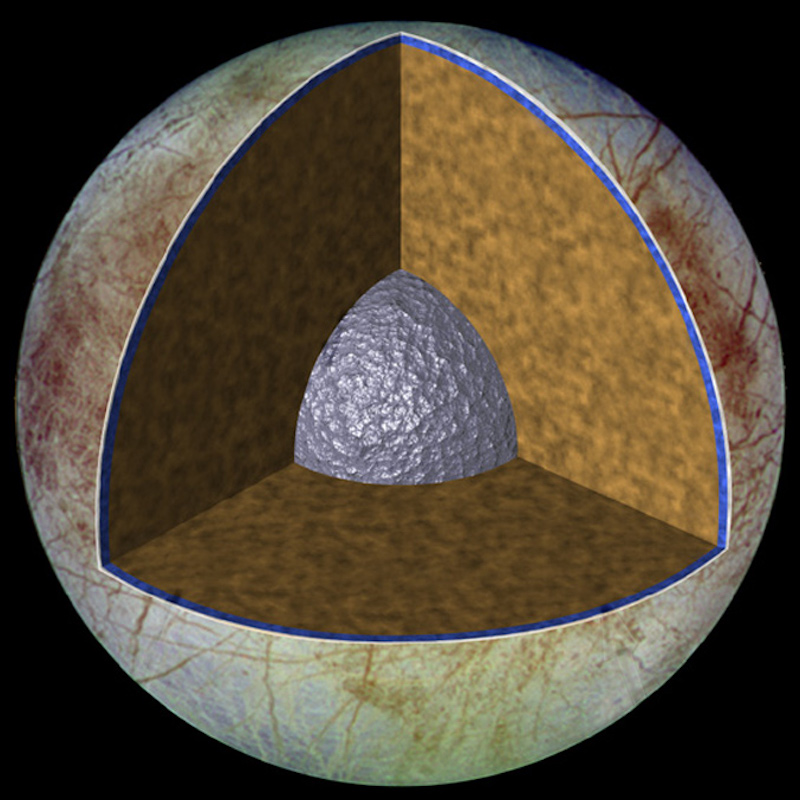
A new study from Arizona State University suggests that Europa, Jupiter's moon, may have formed slower than previously thought, with less interior heat. This has implications for the potential habitability of Europa's ocean, as the formation of a metallic core and hydrothermal activity on the ocean floor are crucial for supporting life. The study proposes an alternative origin for Europa, involving a cooler formation process with hydrated rocks. The upcoming Europa Clipper mission is expected to provide more insights into Europa's internal heat and habitability.

science2 years ago

Exploring the Depths of Petit-Spot Volcanoes and Their Hydrothermal Activity

Research from Waseda University has found that petit-spot volcanoes on the ocean floor contribute significantly to marine biogeochemical cycles, including the carbon cycle, due to their release of CO2 and methane-enriched alkaline magma. The study of a petit-spot volcano in the Japan Trench revealed it as the deepest known hydrothermal site, with iron and manganese oxides identified as evidence of hydrothermal activity. These findings highlight the need for further study of these underwater volcanoes.