Tag

Sars Cov 2

All articles tagged with #sars cov 2

health7 months ago

Nimbus and NB.1.8.1: New COVID variants with sharp sore throat symptoms

The epidemiological update reports a rise in SARS-CoV-2 infections in some Asian countries linked to the NB.1.8.1 variant, which is currently under monitoring by WHO and ECDC. In the EU/EEA, infection levels remain low with no significant impact on healthcare, but a potential increase in cases and hospitalizations is expected due to waning immunity and suboptimal vaccination coverage among older adults. Continued surveillance, vaccination, and public health measures are recommended to mitigate future waves.

health7 months ago

COVID Vaccines Offer Partial Protection Against Emerging Variants, Study Finds

A recent study shows that prior COVID-19 vaccination continues to produce protective immune responses against new SARS-CoV-2 strains like Delta and Omicron, despite reduced antibody levels to mutated virus parts, indicating ongoing protection from severe disease. Additionally, a phase 2b trial of an oral norovirus vaccine demonstrated a 30% reduction in gastroenteritis and decreased viral shedding, suggesting promising progress in vaccine development. Meanwhile, Ethiopia has reported its first mpox cases, and outbreaks are increasing in Sierra Leone and other African countries, amid vaccine shortages.

health1 year ago

Zoo Animals Test Positive for SARS-CoV-2, Human Transmission Suspected

A study at Belo Horizonte Zoo in Brazil found that 19.1% of tested animals were positive for SARS-CoV-2, likely contracted from humans. Researchers identified Alpha and Omicron variants in animals like wolves, deer, and gorillas, suggesting human-to-animal transmission. The findings highlight the need for continuous monitoring and genomic surveillance of SARS-CoV-2 in wildlife to understand transmission dynamics and prevent future zoonotic outbreaks.

health1 year ago

Exploring Long COVID's Impact on Brain Health and Cognitive Decline

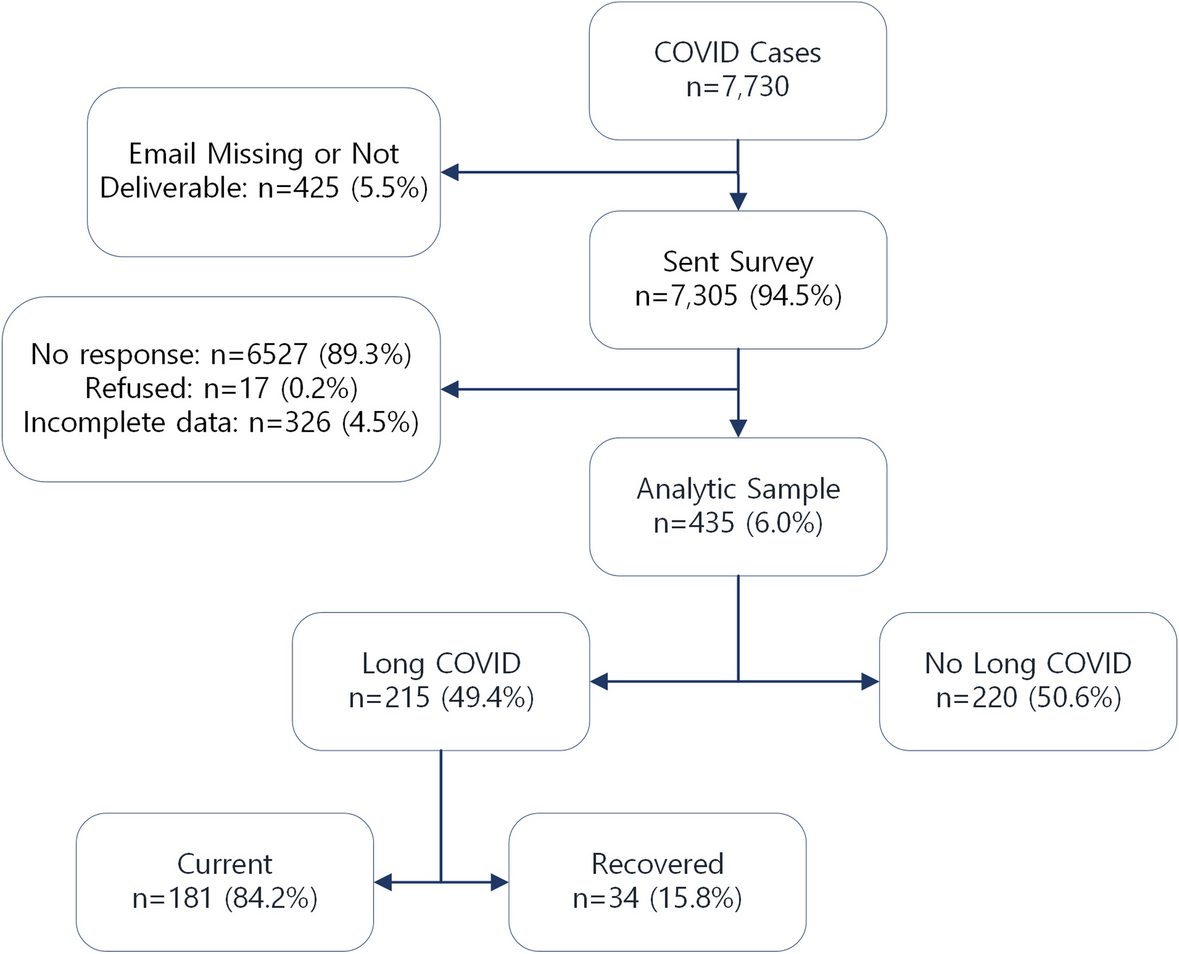
A study published in BMC Infectious Diseases examines the long-term effects of Long COVID on quality of life and cognitive function, finding significant impairments even two years post-infection. Among 435 surveyed patients, those with Long COVID reported higher rates of fatigue, pain, and cognitive decline compared to those who recovered within three months. The study highlights that older age, lower education levels, and pre-existing comorbidities increase the risk of Long COVID, emphasizing the need for ongoing support and research into recovery strategies.

medical-research-news1 year ago

"Long-Term Health Impacts of COVID-19 Revealed in New Studies"

A study by MedUni Vienna reveals that COVID-19 causes long-term changes in the immune system, even in mild cases. Researchers found significant reductions in immune cells and changes in cytokine and growth factor patterns in recovered patients, suggesting potential long-term impairments in immune response and providing insights into Long-COVID.

health1 year ago

COVID-19 Virus Can Persist in Sperm for Over 3 Months

Researchers at the University of São Paulo have discovered that SARS-CoV-2 can remain in sperm for up to 110 days after initial infection, potentially reducing semen quality. The study, published in Andrology, suggests a "quarantine" period for those planning to conceive post-COVID-19 recovery. The virus was detected in sperm from 69.2% of the patients studied, highlighting a new role for sperm in the immune response against pathogens.

health1 year ago

"N95 Masks Proven Most Effective in Blocking COVID-19 Airborne Spread"

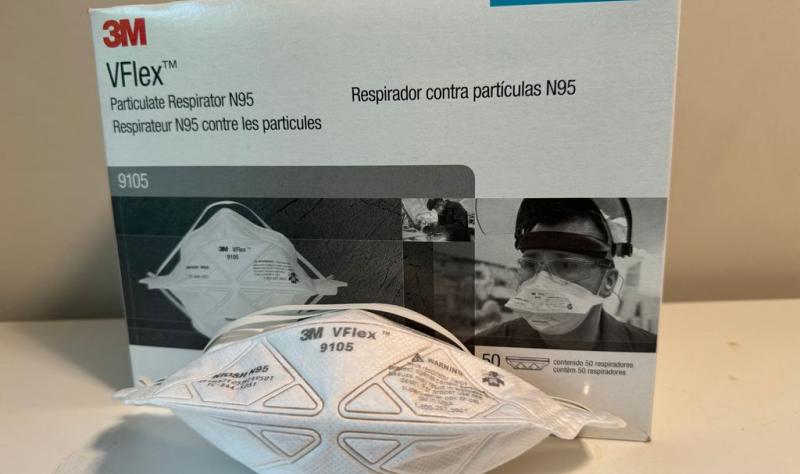
A University of Maryland study found that N95 respirators, particularly the "duckbill" type, are highly effective in preventing SARS-CoV-2 leakage into the air, blocking 98% of the virus. The research compared various face coverings and highlighted the superior performance of N95s over cloth, surgical masks, and KN95s, suggesting N95s should be the standard in healthcare settings during high transmission periods.

science-and-health1 year ago

"CO2 Prolongs Airborne Virus Survival"

New research from the University of Bristol reveals that higher concentrations of carbon dioxide (CO2) in indoor environments can significantly extend the lifespan of airborne viruses like SARS-CoV-2, challenging long-held beliefs about CO2 as merely an indicator of poor ventilation. This discovery underscores the need for improved indoor air quality standards to mitigate the risk of viral transmission, especially in poorly ventilated spaces.

science-and-technology1 year ago

"Super-Resolution Microscopy Reveals Viruses in Action"

Stanford University researchers have used super-resolution microscopy to capture highly detailed images of SARS-CoV-2 viral RNA and replication structures within infected cells. This breakthrough could enhance antiviral drug development by providing precise insights into the virus's replication process and how it evades cellular defenses.

science1 year ago

"Physicist's Discovery Suggests We Could Be Living in a Simulation"

A physicist studying mutations of the SARS-CoV-2 virus claims to have found evidence for a new law of physics, the "second law of Infodynamics", which could indicate we are living in a simulated universe. He suggests that mutations are not entirely random and that information entropy tends to decrease over time. While these claims require further evidence, the study opens up possibilities for genetic therapies, pharmaceuticals, and pandemic research. The physicist proposes experiments to test his theory, including measuring the mass of information and observing the behavior of elementary particles, which could provide insights into the nature of the universe.

health-research1 year ago

"Tea's Potential: 99.9% Virus Reduction in New Study"

A study from the University of Georgia suggests that certain teas can deactivate the SARS-CoV-2 virus in saliva by up to 99.9%, potentially reducing the introduction of the virus to the lower respiratory system. The research found that teas like raspberry zinger, eucalyptus mint, mint medley, green tea, and black tea significantly reduced the virus in saliva, with black tea showing the greatest reduction. While clinical trials are needed to understand the full effect on COVID-19 patients, the findings offer a promising additional layer of intervention to supplement medical care.