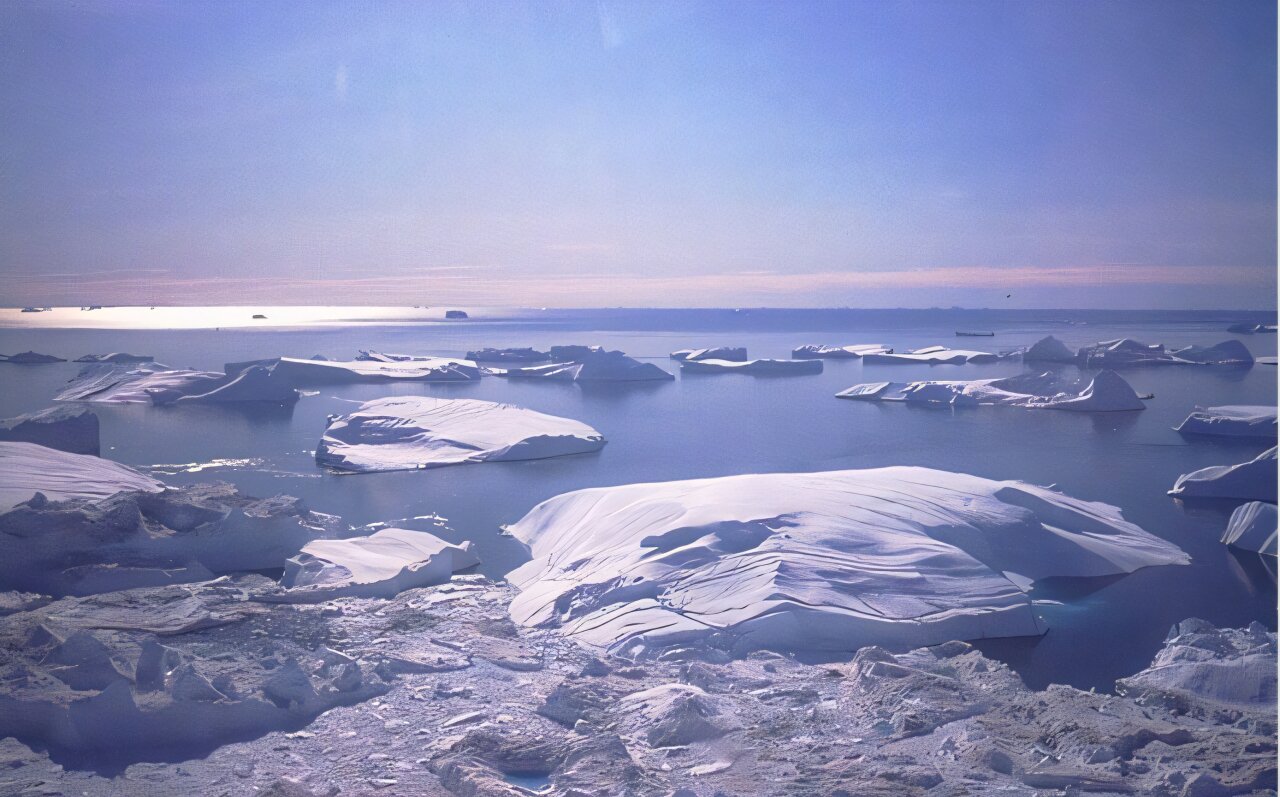
A study shows that sea-level projections from the 1990s were remarkably accurate when compared to over 30 years of satellite data, confirming the understanding of human-induced climate change and highlighting the importance of regional monitoring for coastal decision-making.
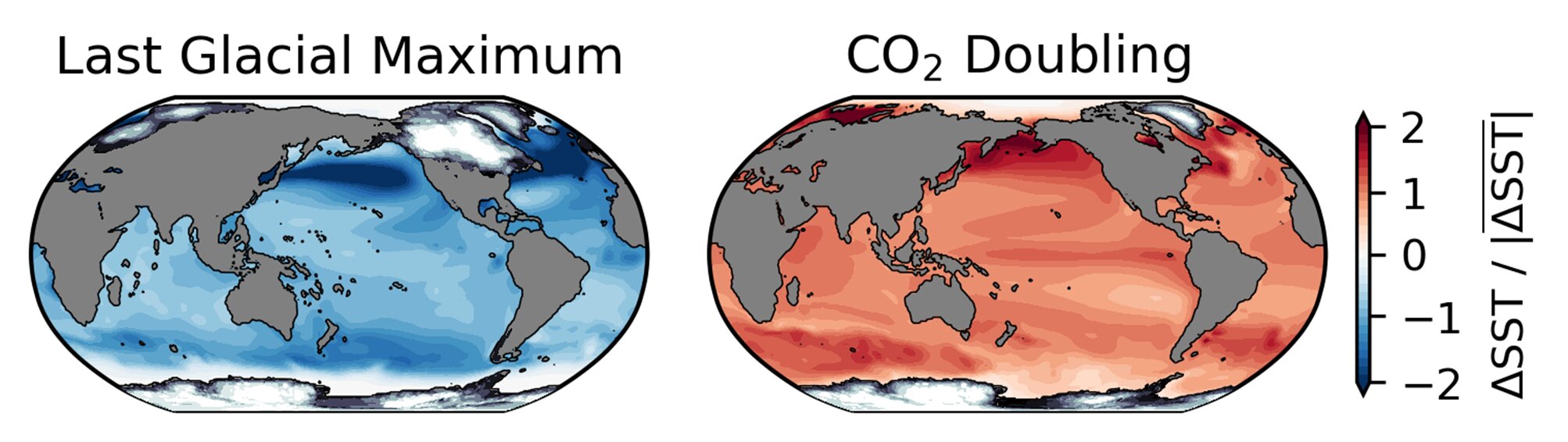
A new study led by the University of Washington analyzes the last ice age to better understand the relationship between CO2 and global temperature. The research suggests that the worst-case scenario for future warming due to doubling of CO2 is less likely, reducing the estimate from 5 to 4 degrees Celsius. By examining the cooling effects of the North American ice sheet during the last glacial maximum, the study indicates that CO2 played a smaller role in setting ice age temperatures than previously estimated. This research provides more confident predictions for future warming and emphasizes the limitations of using recent decades as a predictor of future global warming.
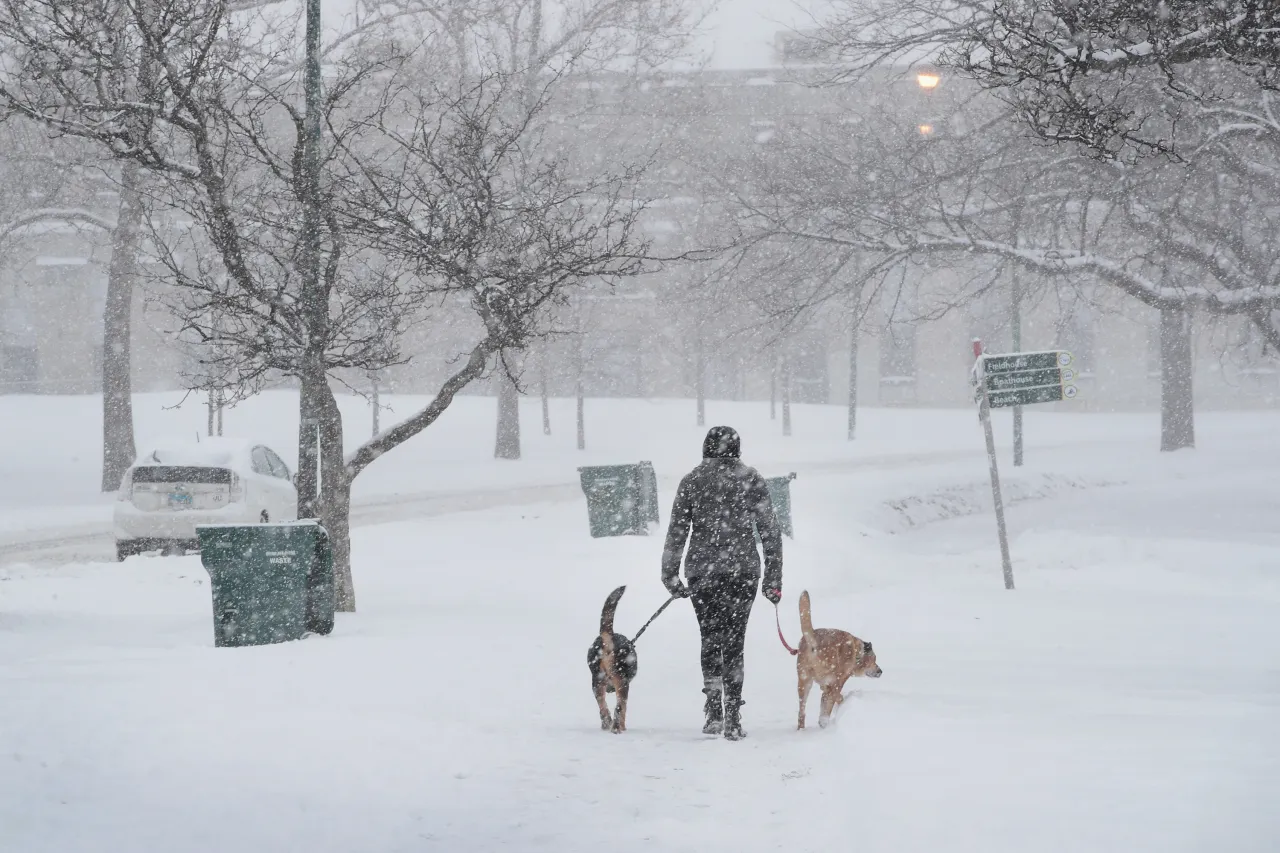
A new federal climate report suggests that dependably snowy winters may be in jeopardy due to climate change. The report projects that rising temperatures will lead to more precipitation falling as rain instead of snow, and the snowpack will stick around for a shorter period of time. This could result in decreased snowfall and snow water volume in areas that rely on it for runoff. The report also indicates that while extreme events with greater precipitation may become more common, overall precipitation totals could still decrease. These changes could disrupt water infrastructure and have implications for water availability and hydropower.
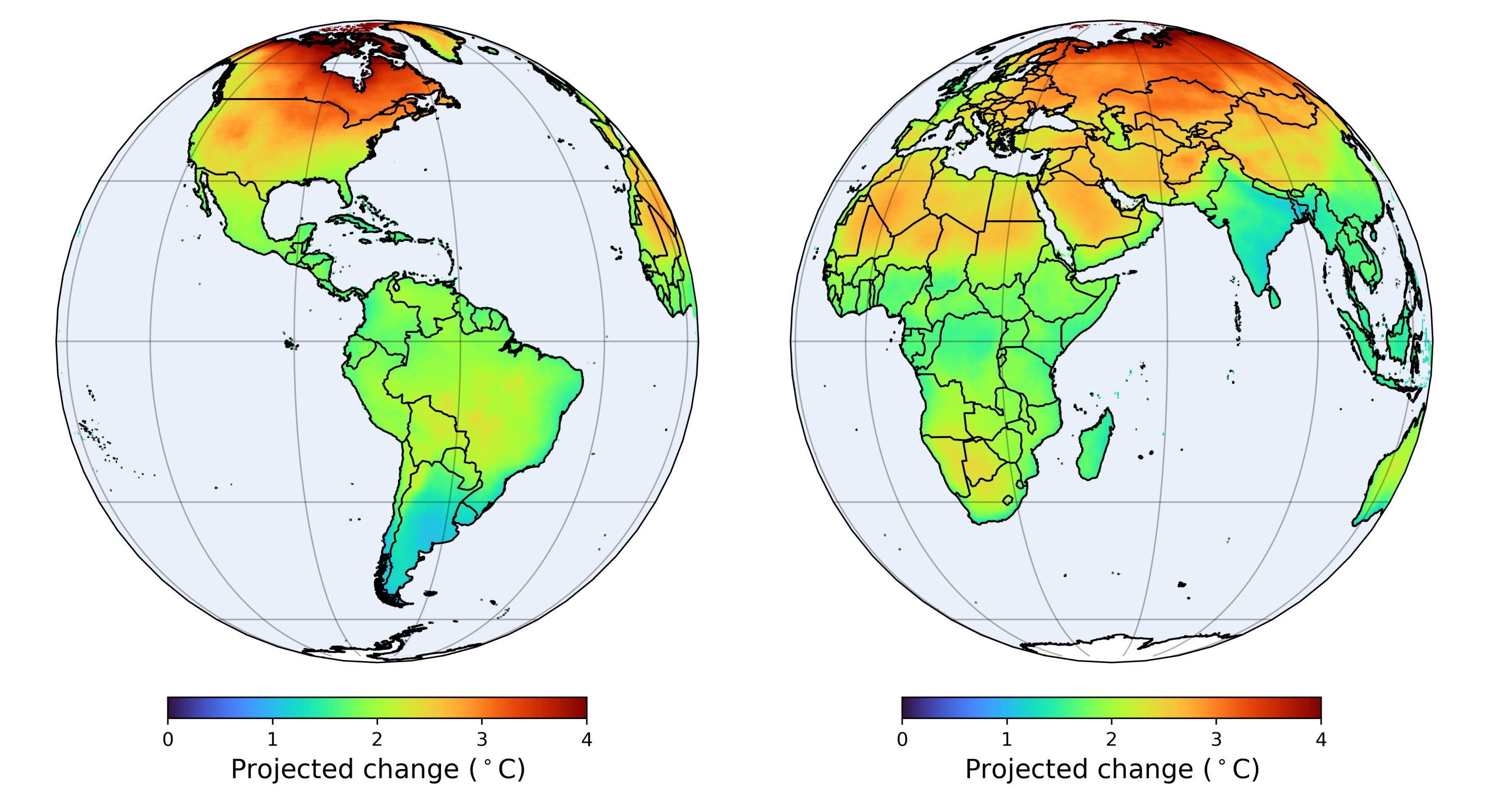
A study by the Bay Area Environmental Research Institute (BAERI) and NASA details how extreme weather events will worsen as the Earth's temperature rises. Using the NEX-GDDP dataset, the research provides insights on climate impacts like heat stress and fire weather, urging local leaders to develop targeted climate plans using this data. The study highlights the severe climate impacts resulting from a 2°C temperature rise and emphasizes the need for decision-makers to understand the compounding climate impacts projected for their regions. The NEX-GDDP dataset, which provides global, daily climate projections, can help local leaders develop climate adaptation and mitigation plans specific to their communities.
A recent study conducted by scientists at the Bay Area Environmental Research Institute (BAERI) and NASA Ames Research Center examines how extreme weather events will worsen as global temperatures rise. The study focuses on the geographic patterns of projected changes to key climate variables and highlights the compounding impacts of these variables on human lives. It reveals that most regions of the world will experience higher heat stress and an increase in extreme fire weather in the 2040s compared to the baseline period. The study emphasizes the urgent need for decision-makers to understand the projected climate impacts and develop targeted adaptation and mitigation plans. The researchers provide a publicly available dataset that can help local leaders develop climate plans specific to their communities.
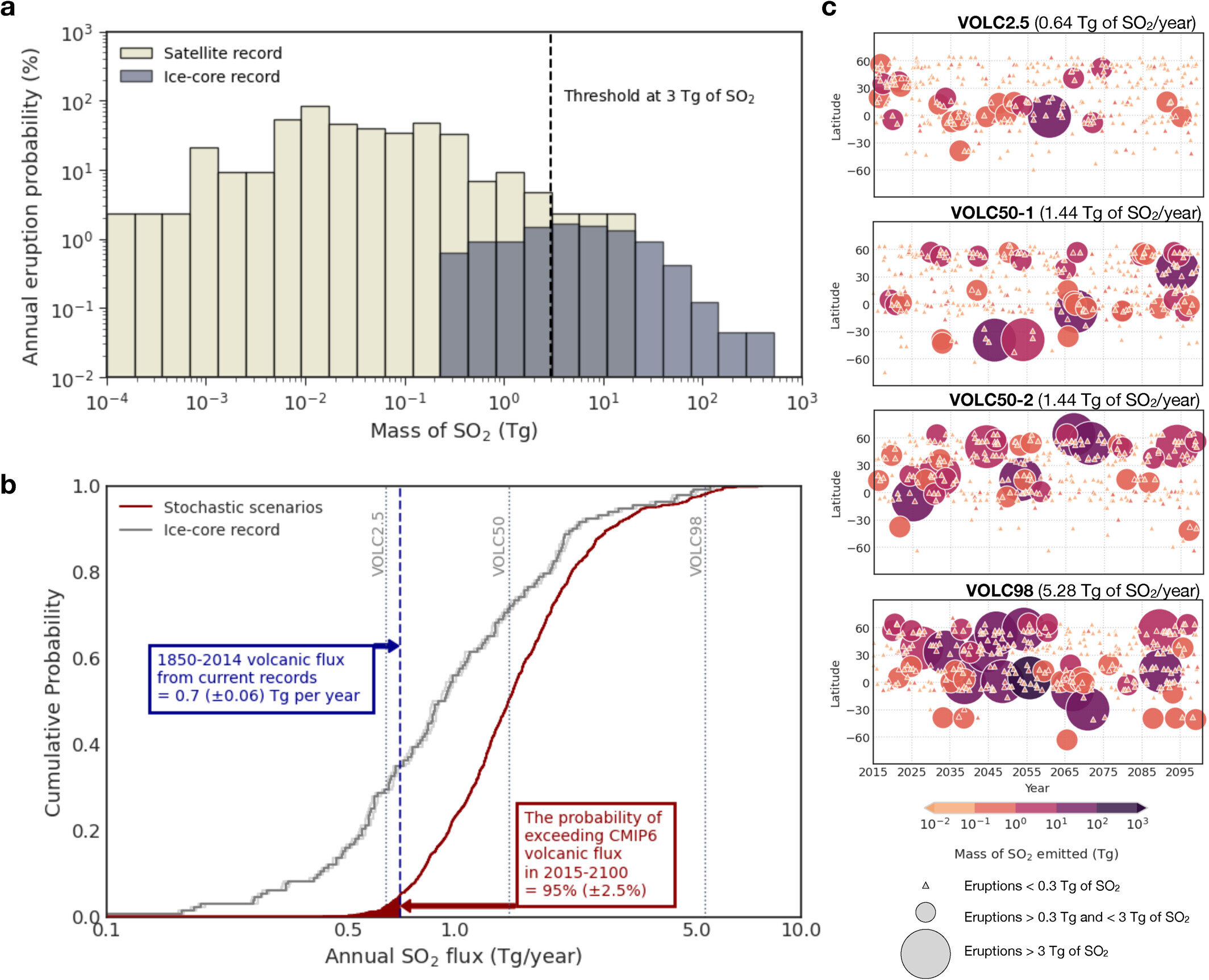
A study led by the University of Cambridge suggests that the cooling effect of volcanic eruptions on Earth’s surface temperature is likely underestimated in standard climate projections, possibly by up to four times. The researchers discovered that small-magnitude eruptions, which occur more frequently than large ones, contribute significantly to volcanic cooling effects by emitting sulphur gases into the atmosphere, highlighting the need for improved representation of all volcanic activities in climate modeling. Although the cooling effect of volcanoes is being underestimated in climate projections, the researchers stress that it does not compare with human-generated carbon emissions.
The cooling effect of volcanic eruptions on Earth's surface temperature is likely underestimated by a factor of two to four in standard climate projections, according to a study led by the University of Cambridge. Small-magnitude eruptions are responsible for as much as half of all sulfur gases emitted into the upper atmosphere by volcanoes. The researchers generated 1,000 different scenarios of future volcanic activity and found that the impacts of volcanic eruptions on climate, including global surface temperature, sea level, and sea ice extent, are underestimated because current climate projections largely overlook the effects of small-magnitude eruptions.