climate-science5.395 min read
"Insights from Ice Age Discoveries: Reassessing Climate Change Alarms"
1 year ago•Source: SciTechDaily

The latest climate science stories, summarized by AI
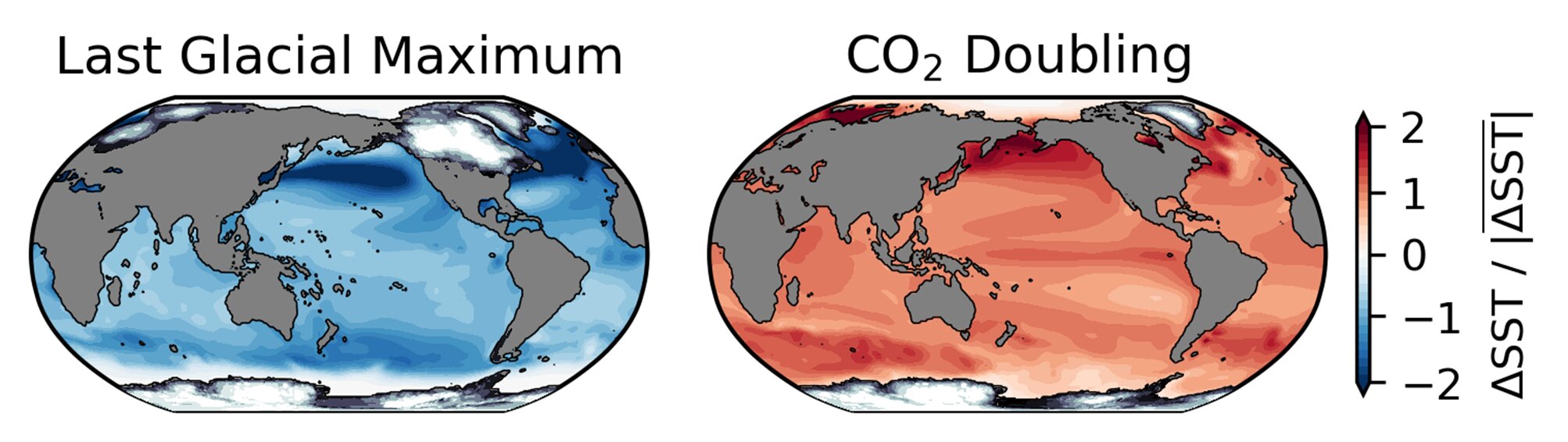
A new study led by the University of Washington analyzes the last ice age to better understand the relationship between CO2 and global temperature. The research suggests that the worst-case scenario for future warming due to doubling of CO2 is less likely, reducing the estimate from 5 to 4 degrees Celsius. By examining the cooling effects of the North American ice sheet during the last glacial maximum, the study indicates that CO2 played a smaller role in setting ice age temperatures than previously estimated. This research provides more confident predictions for future warming and emphasizes the limitations of using recent decades as a predictor of future global warming.
Technology Times Pakistan•1 year ago
SciTechDaily•1 year ago
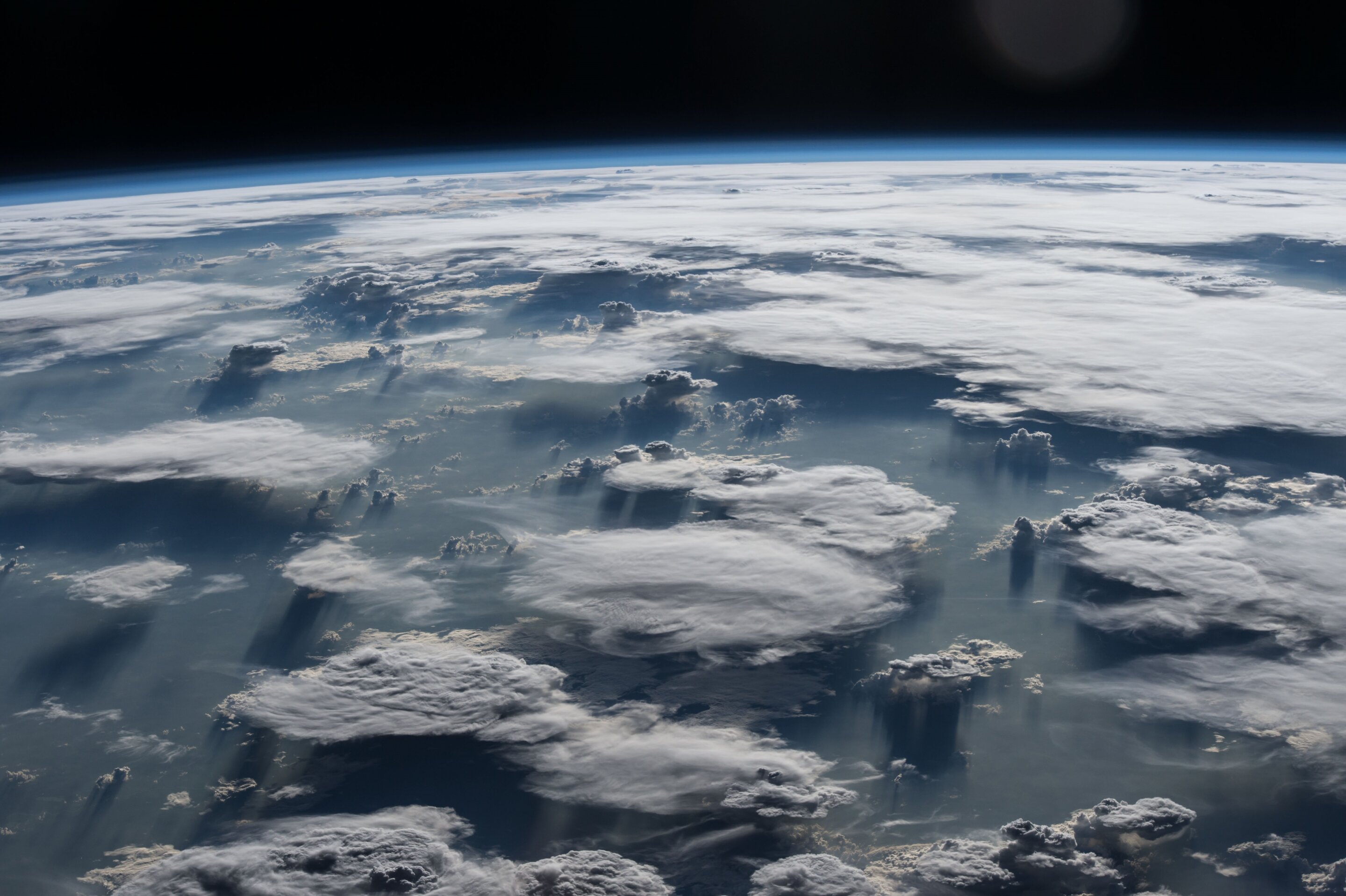
A new study by researchers from the University of Exeter and the Laboratoire de Météorologie Dynamique in Paris has used simple equations to reduce uncertainty about how changes in the surface area of anvil clouds will affect global warming. By creating a model that predicts the impact of these storm clouds on global warming and testing it against observations, the researchers confirmed its effectiveness and reduced uncertainty in climate predictions. The study suggests that changes in the area of anvil clouds have a weaker impact on global warming than previously thought, but emphasizes the need to further investigate how warming will affect the brightness of clouds.
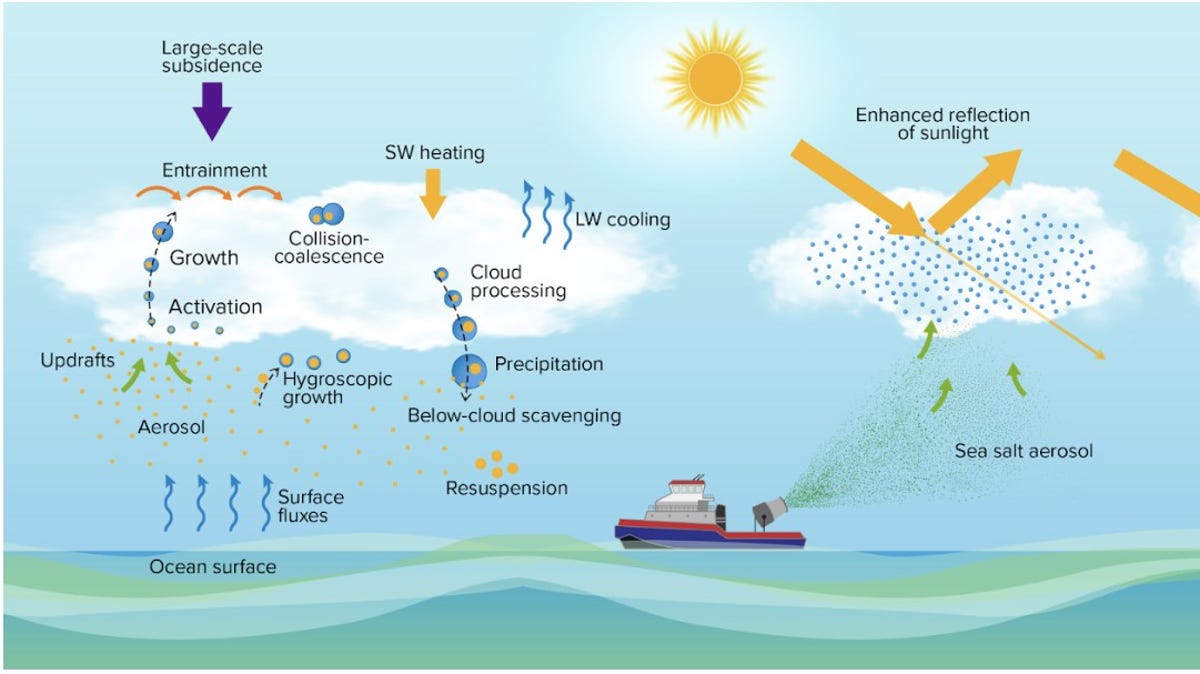
Scientists are considering the possibility of using a geoengineering technique called "marine cloud brightening" (MCB) to combat climate change by making clouds over the oceans thicker and brighter. This would involve a fleet of ships spraying seawater into the clouds to cool the atmosphere underneath. While the idea has been around for 30 years, a new study published in Science Advances lays out the viability of this technique and proposes a research program. However, challenges and potential side effects, such as changes in weather patterns, need to be addressed before considering widespread deployment.
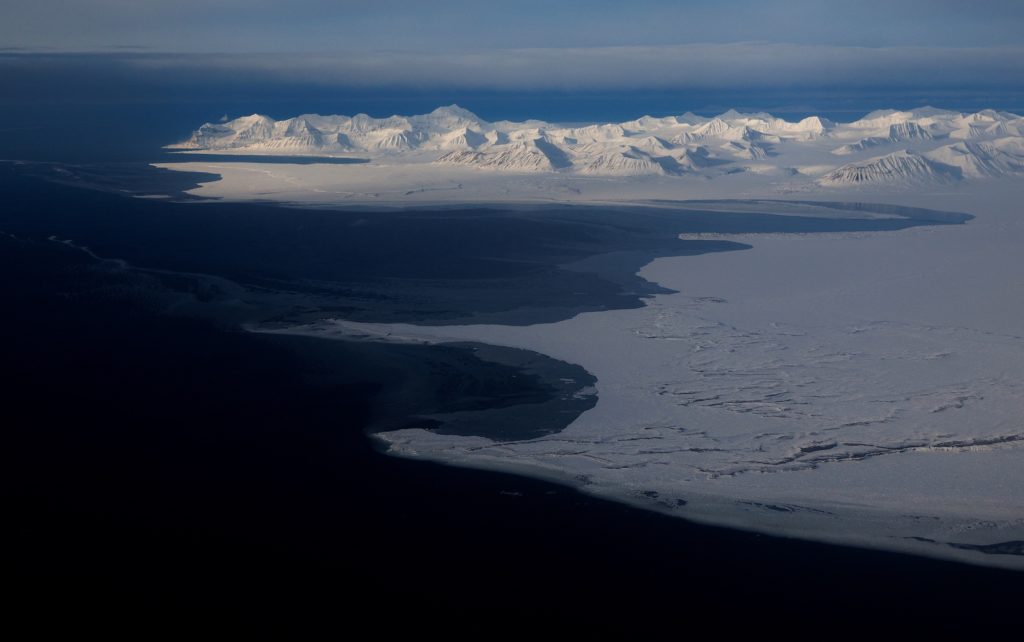
Climate researcher John Abraham discusses the unprecedented rise in ocean temperatures, attributing about half of the effect to global warming and a third to El Nino, with the remaining 20 percent being a question mark. He emphasizes the significant impact of ocean warming on global weather patterns and society, urging conservation of energy and the maximization of clean, renewable energy development as immediate actions to change the current trajectory.
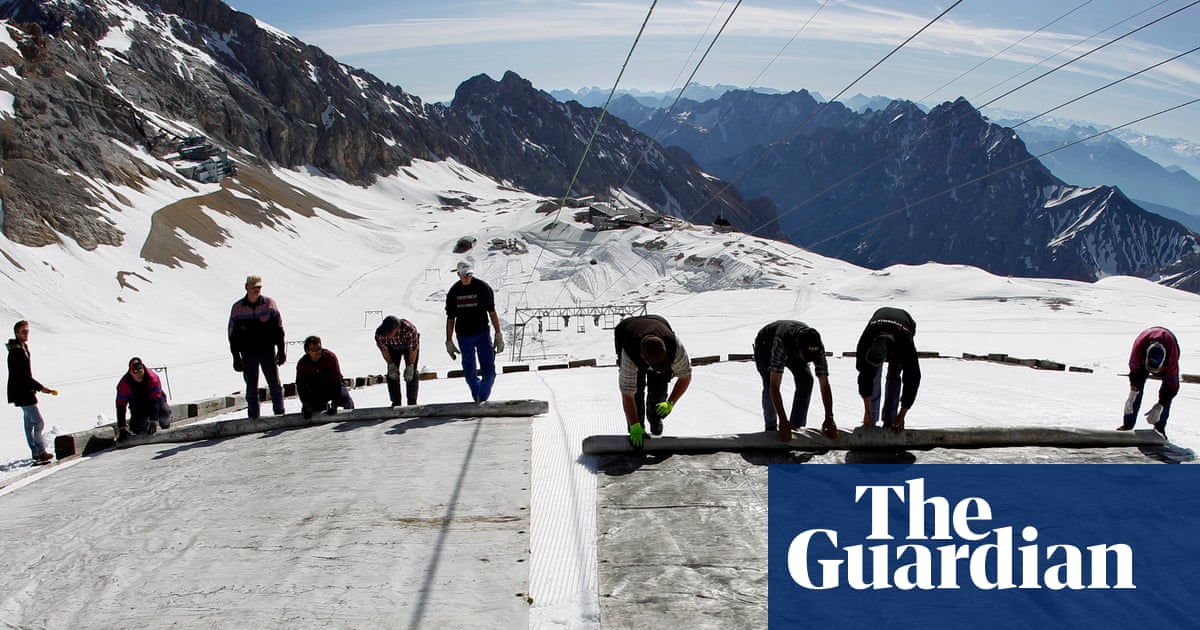
The chief of the US atmospheric science agency, NOAA, emphasizes the urgent need for scientists to investigate the potential impacts of climate geoengineering, including techniques such as ocean seeding and cloud spraying. With a focus on the oceans' ability to sequester CO2 and the potential shutdown of the Gulf Stream ocean currents, NOAA is collaborating with UK scientists to monitor the Atlantic Meridional Overturning Circulation. Despite political challenges, the agency stresses the non-partisan importance of strong climate science in addressing national and global security concerns, as the effects of the climate crisis are increasingly felt by US citizens.
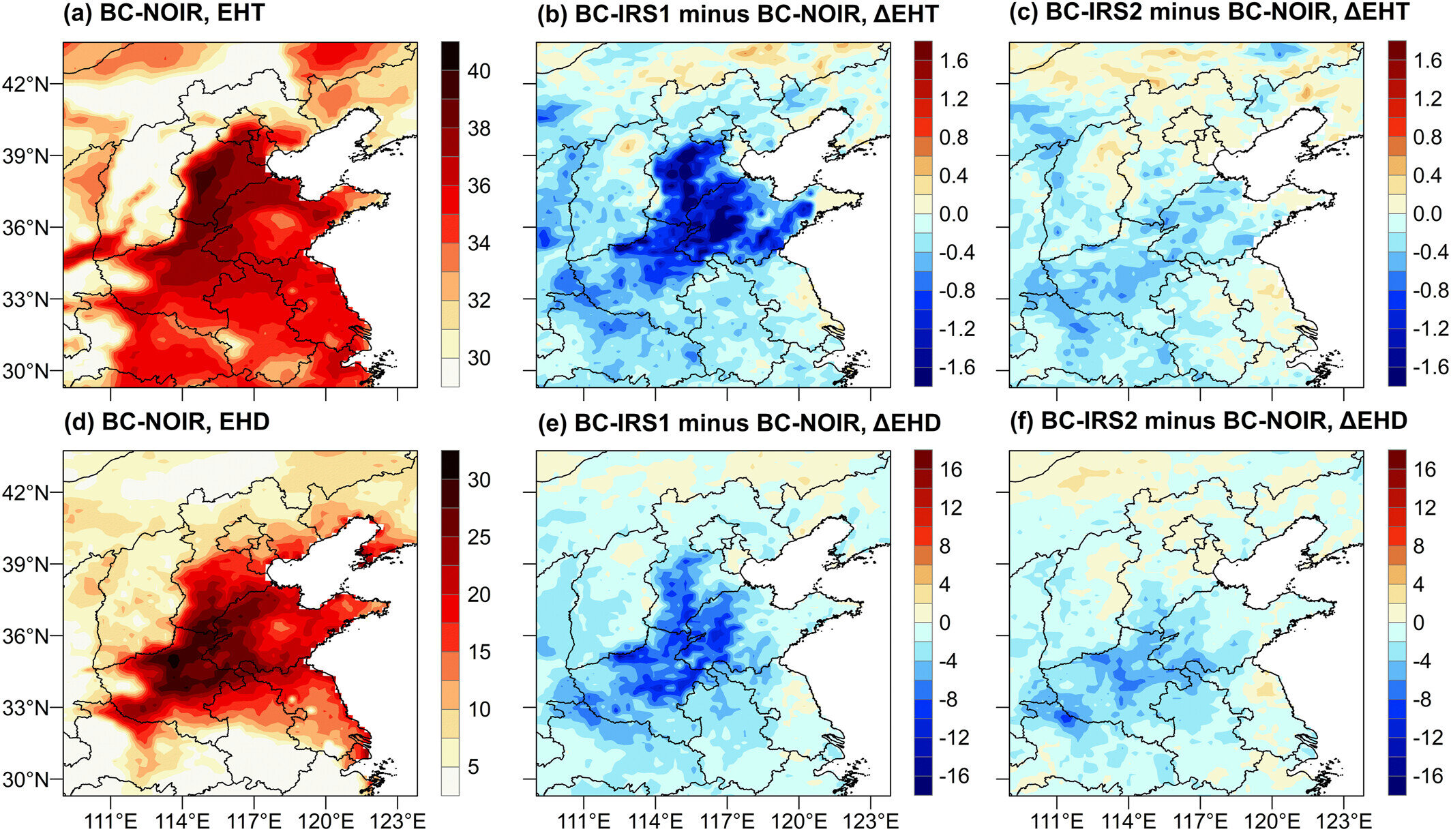
New research suggests that spring irrigation can reduce the intensity and duration of summer heat waves by retaining higher soil moisture levels between seasons, known as soil moisture memory. The study focused on the North China Plain, an intensively irrigated agricultural area, and found that spring irrigation alone reduced the intensity of summer heat waves by 0.29°C and 2.5 days, while combined spring and summer irrigation extended this reduction to 1°C and 6.5 days. This research highlights the potential of spring irrigation to alleviate water stress in the following summer months and support regions experiencing imbalances in precipitation, offering insights for water resource management and adaptation planning strategies in the face of climate change.
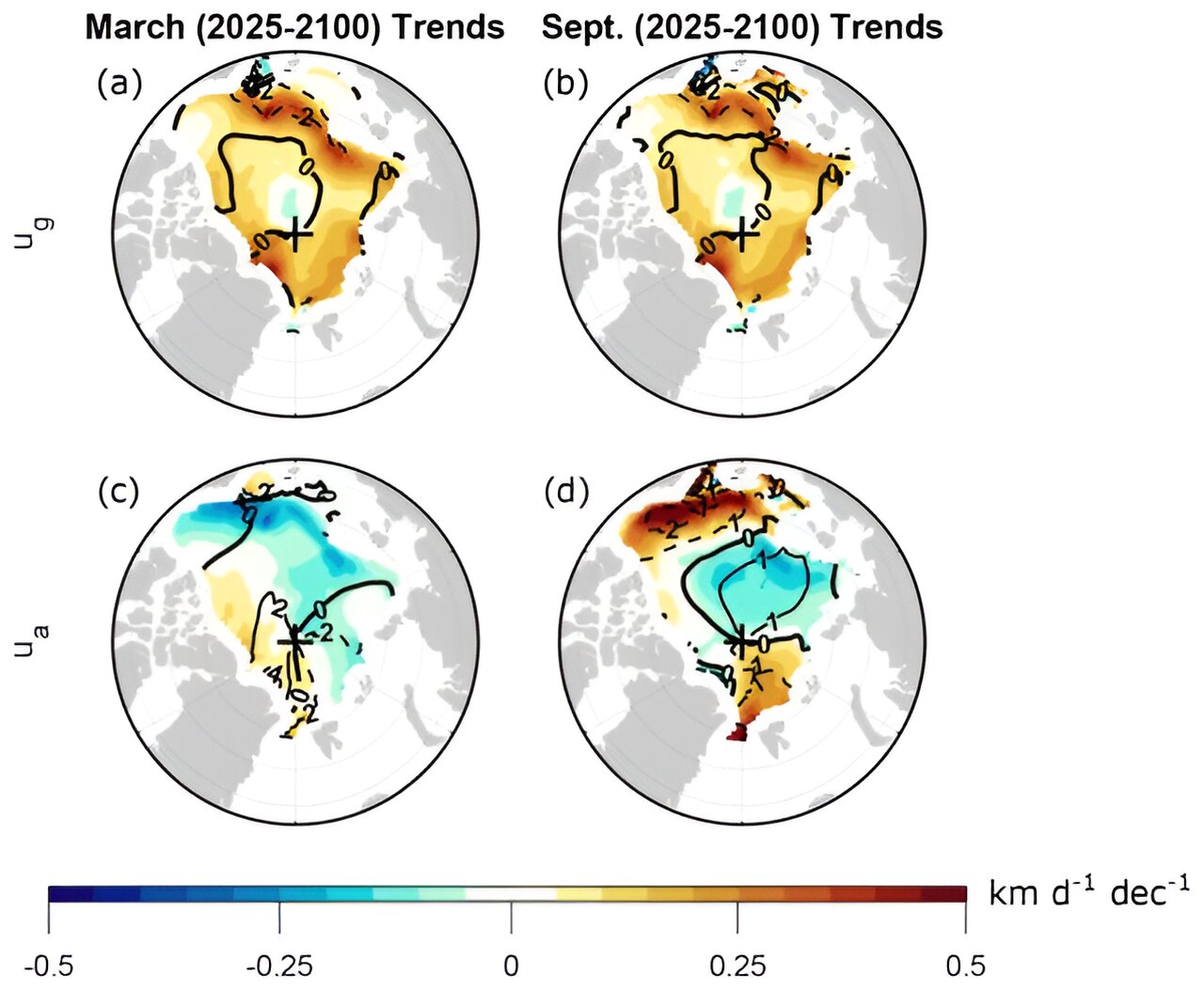
Observational data suggests that Arctic sea ice has been moving faster, but climate models project a future slowdown in ice speeds during the summer season. This projected reversal has implications for marine transportation safety and the rate of ice cover loss, which affects Northern Indigenous communities, ecosystems, and the global climate system. While the mechanisms driving the ice slowdown are plausible, questions remain about the timing of the slowdown, with some models suggesting it could occur within the next decade. Despite potential benefits for marine transport, the overall decline in sea ice cover remains a concern due to its impact on ecosystems, Indigenous populations, and the global climate.
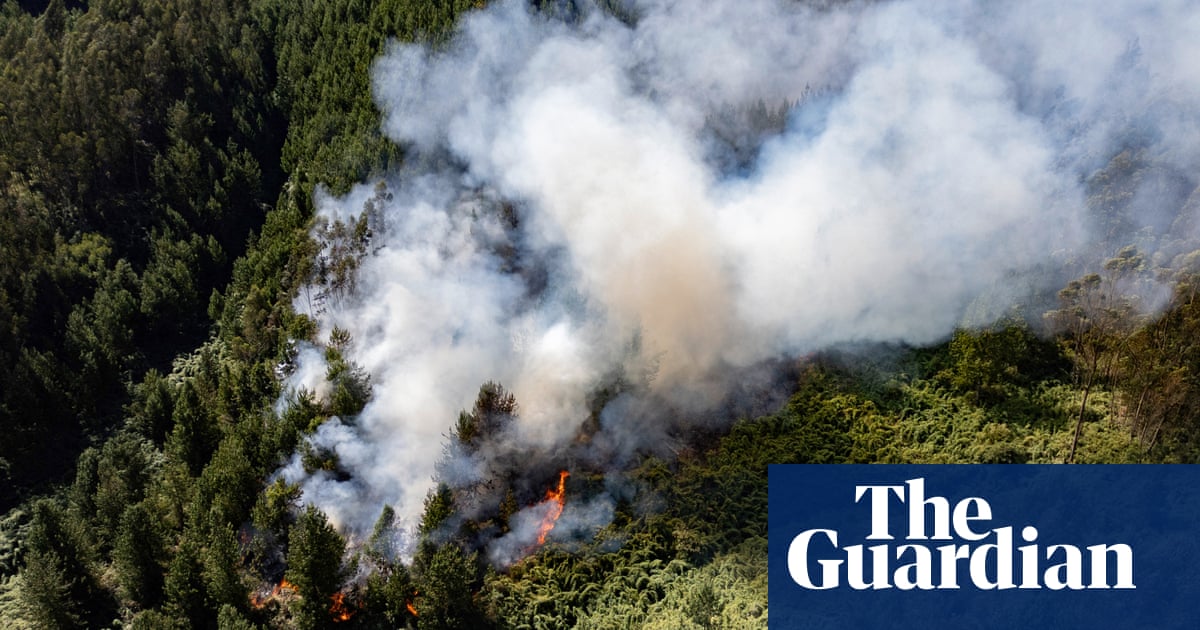
The current El Niño event is expected to exacerbate global heating and bring record-breaking temperatures to regions including the Amazon, Alaska, coastal areas of India, the Philippines, and the Caribbean in 2024. The analysis suggests a 90% chance of setting a new global temperature record during this period, with potential impacts including intense heatwaves, tropical cyclones, wildfires, and coastal erosion. The study, published in Scientific Reports, highlights the urgent climate crisis and the challenges in adapting to and mitigating its consequences.
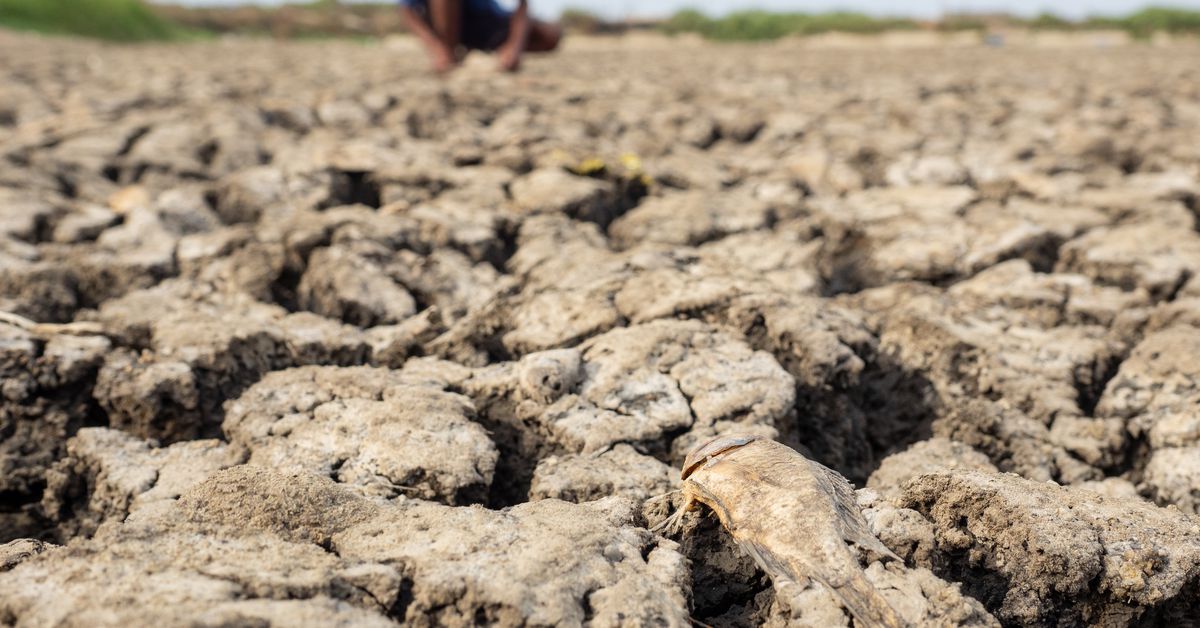
New research predicts a 90 percent chance of record high global average surface temperatures leading up to June 2024, largely due to the impact of El Niño. The heat is expected to hit parts of Asia particularly hard, raising the risk of drought, wildfires, and other cascading effects. While a moderate El Niño is most likely, it still has the potential to push global temperatures to new highs, with a strong El Niño posing even greater risks to regions such as the Caribbean, South China Sea, Amazon, and Alaska.
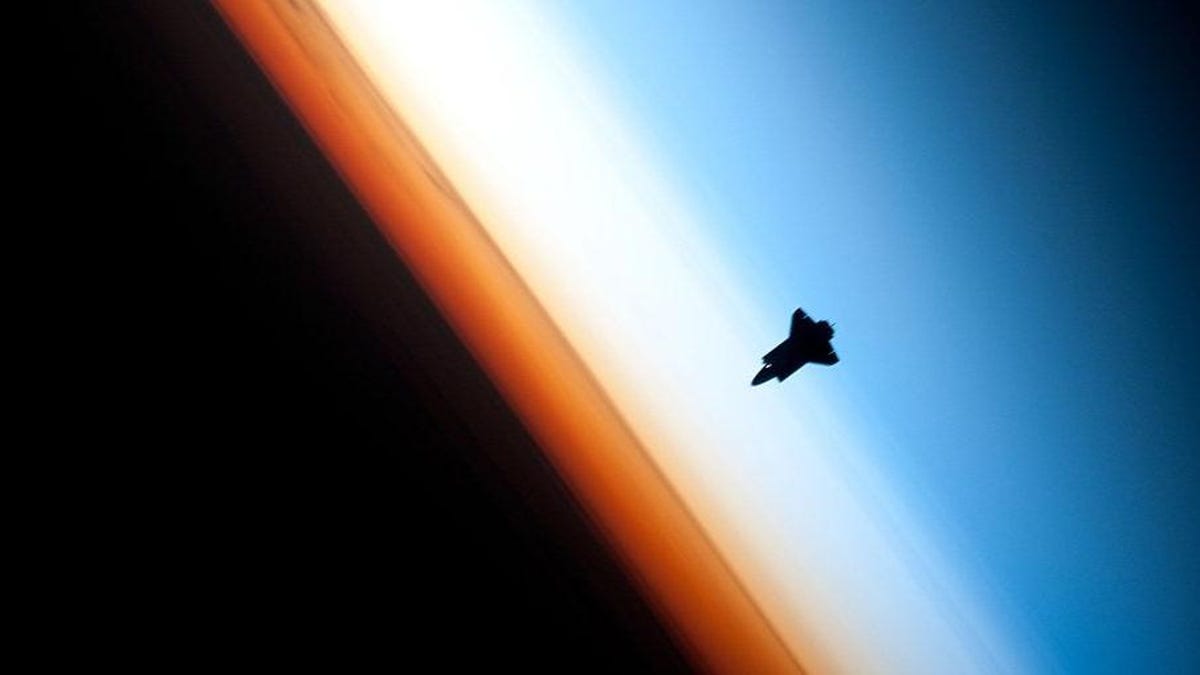
Scientists propose a climate intervention strategy to reduce water vapor in the stratosphere by injecting it with ice-forming nuclei, aiming to allow more heat to escape into space. The idea, described in a study published in Science Advances, targets a small amount of water vapor to mitigate the greenhouse effect. While models suggest the idea can work, technical challenges remain in implementing the strategy, and further research is needed to identify potential risks and unintended effects.
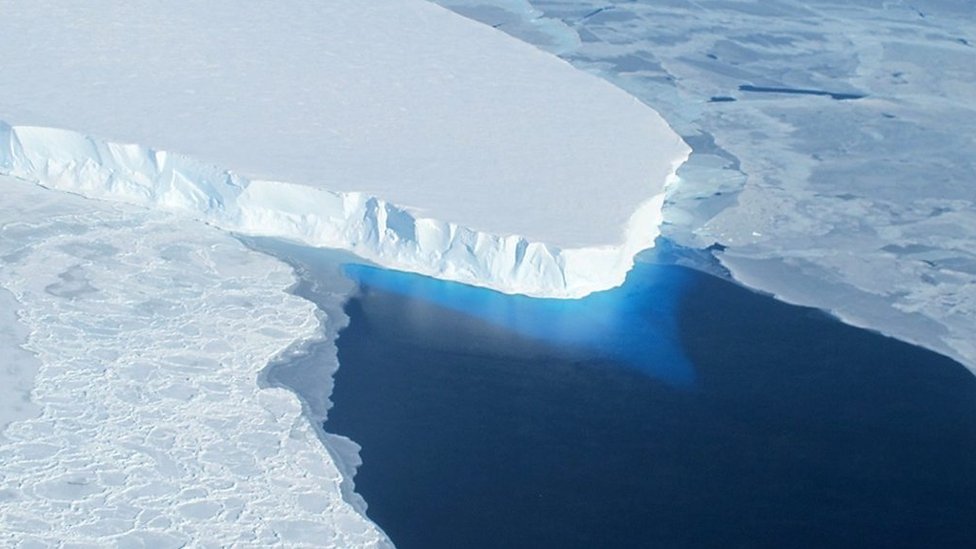
Scientists have used the changing shapes of "ice bumps" on the Antarctic ice surface to track the melting of glaciers anchored in place, revealing that more than a third of these pinning points have reduced in size since 2000. This acceleration in melting underscores the increasing contribution of Antarctic ice losses to future global sea-level rise. The study, published in Nature, focused on the ice shelves that fringe 75% of Antarctica's coastline, highlighting the vulnerability of these floating fronts of glaciers to warm water and thinning. By analyzing decades of satellite images, researchers gained a deeper understanding of when and where ice loss began, emphasizing the importance of these pinning points in providing structural support to the ice sheet.