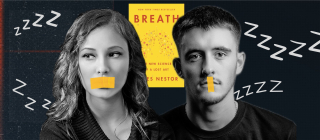
The trend of mouth taping to improve sleep and athletic performance is unproven and potentially dangerous, especially for individuals with sleep conditions or nasal issues, as it can cause breathing problems and health risks. Experts recommend safer sleep hygiene practices instead.
Mouth taping, a trend popularized by James Nestor's book 'Breath', involves sealing the mouth to promote nose breathing and purported health benefits. However, scientific evidence supporting these claims is minimal, and for some with sleep apnea or nasal obstructions, it could be harmful. The trend is driven by social media influencers and fringe health figures, often without rigorous scientific backing.
Mouth taping, a trend popularized on social media, involves sealing the mouth with tape to promote nose breathing during sleep, potentially reducing snoring and mild sleep apnea. Preliminary studies show some benefits, but experts caution that more research is needed to confirm its effectiveness and safety. It is considered low-risk for most people, but those with nasal breathing issues should consult a doctor before trying it. Mouth taping should not replace established treatments like CPAP for sleep apnea, and medical advice is recommended to avoid masking underlying health problems.
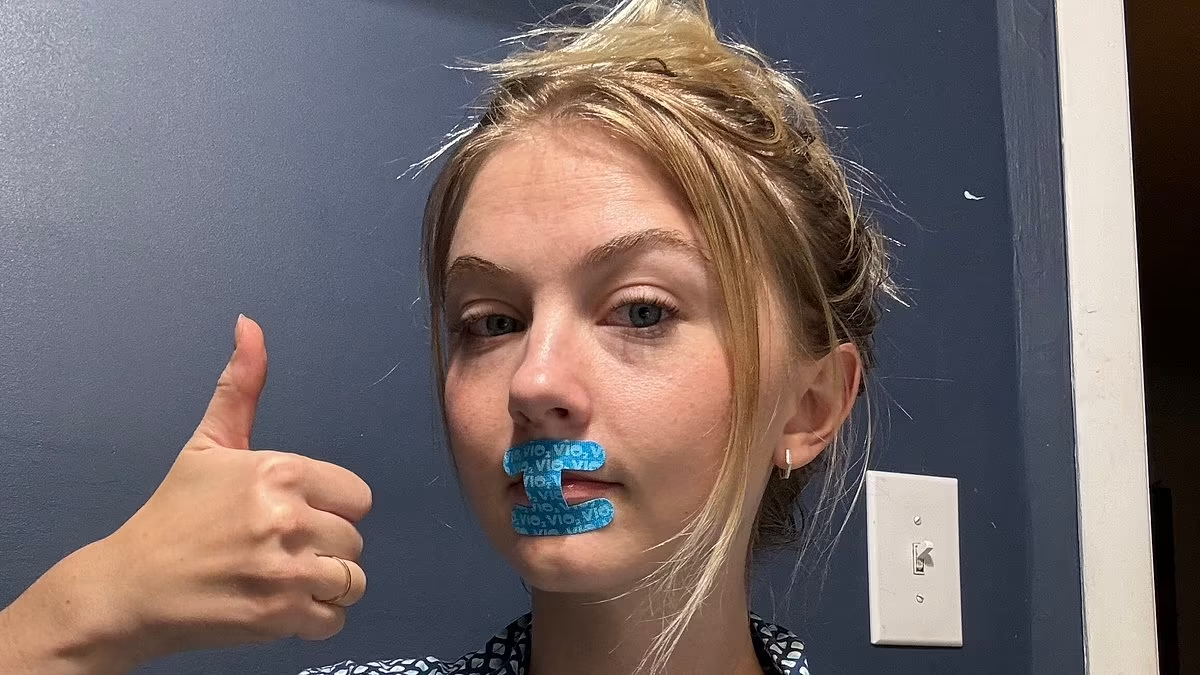
A health reporter experimented with the viral trend of mouth taping during sleep, which claims to improve sleep quality and facial aesthetics by promoting nose breathing. Despite anecdotal support, medical experts caution against its use due to a lack of scientific evidence and potential risks like disrupted sleep and aspiration pneumonia. The reporter experienced discomfort, skin irritation, and no noticeable benefits, concluding that while it might work for some, consulting a doctor is advised before trying it.
Mouth taping, the practice of taping one's mouth shut during sleep to encourage nasal breathing, has gained popularity on TikTok as a way to improve sleep quality and address issues associated with mouth breathing. Mouth breathing can lead to dry mouth, sore throat, bad breath, tooth decay, and even sleep apnea. By taping the mouth shut, individuals may reduce snoring, improve sleep quality, increase daytime energy levels and focus, and reduce the risk of oral health problems. However, it is important to consult with a medical professional before trying mouth taping, especially for those with underlying health issues like sleep apnea. Other alternatives, such as sleeping on your side or using nasal sprays, may also help alleviate breathing difficulties during sleep.