The Rubin Observatory, set to operate for ten years, will revolutionize space observation by collecting more data than all previous telescopes combined, discovering millions of asteroids, and providing detailed insights into dark matter and dark energy, with innovative tools for public engagement.
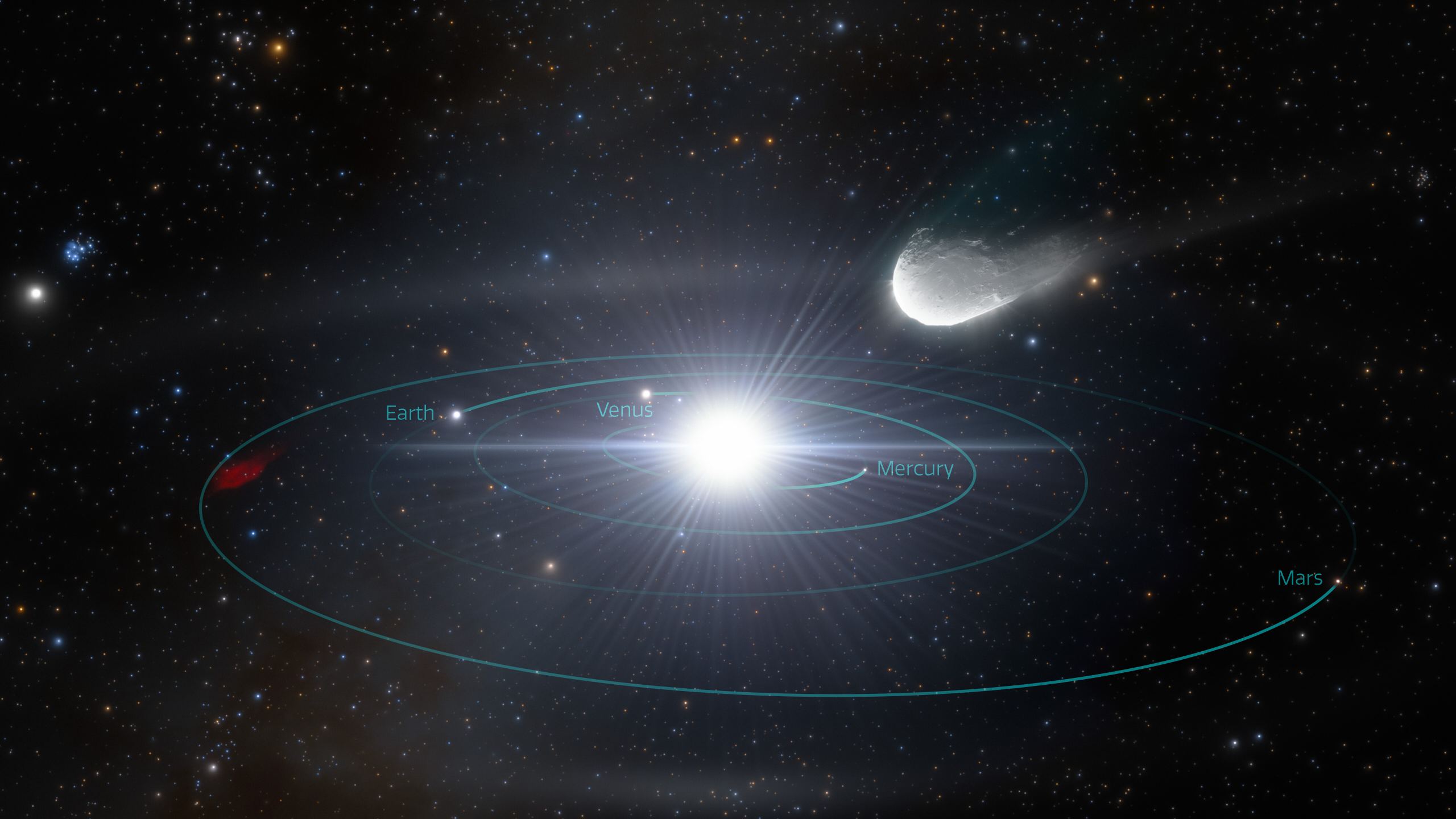
The Vera C. Rubin Observatory has demonstrated its groundbreaking capabilities in asteroid detection by discovering over 2,000 new asteroids in its initial test, including seven near-Earth objects, highlighting its potential to revolutionize planetary defense efforts. Despite its success, NASA has remained silent on these achievements, possibly due to internal budget and political issues, raising concerns about the future of planetary defense initiatives.
The Vera C. Rubin Observatory will unveil its first images in a live broadcast on June 23, showcasing its powerful 3,200-megapixel camera and marking a major milestone in its mission to explore the universe, study dark matter, and capture dynamic cosmic events over the next decade.
Astronomers have developed a new technique to detect potentially hazardous long-period comets (LPCs) years in advance by analyzing meteoroid trails left by these comets. This method, which tracks the paths of meteoroid streams, could provide critical lead time for planetary defense by identifying dangerous comets while they are still far from Earth. The Legacy Survey of Space and Time (LSST) at the Vera Rubin Observatory will enhance this technique by capturing detailed images of meteoroid trails, improving the ability to track LPCs and offering years of advance notice for potential threats.
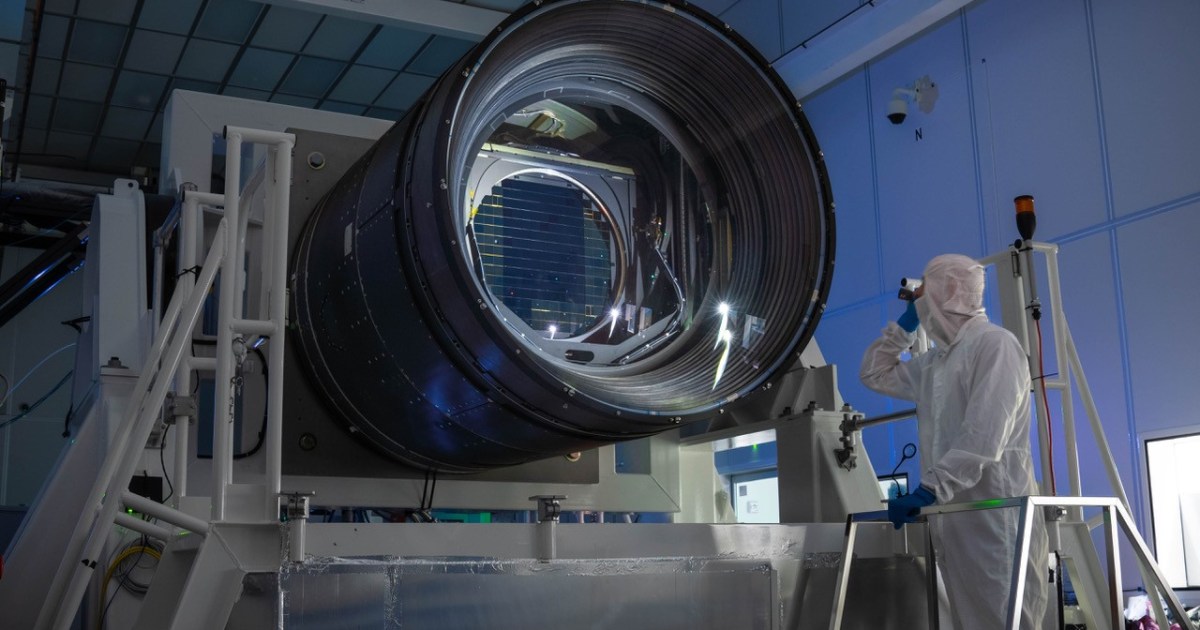
The world's largest digital camera for astronomy, with 3,200 megapixels, has been completed at the SLAC National Accelerator Laboratory for the upcoming Vera Rubin Observatory in Chile. Weighing 3 metric tons and featuring a 5-foot front lens, the camera will be used for the Legacy Survey of Space and Time (LSST) to capture detailed images of the southern sky and transient objects like supernovae. It is set to begin its survey in 2025 and will help uncover information about dark matter and other key topics in astronomy.
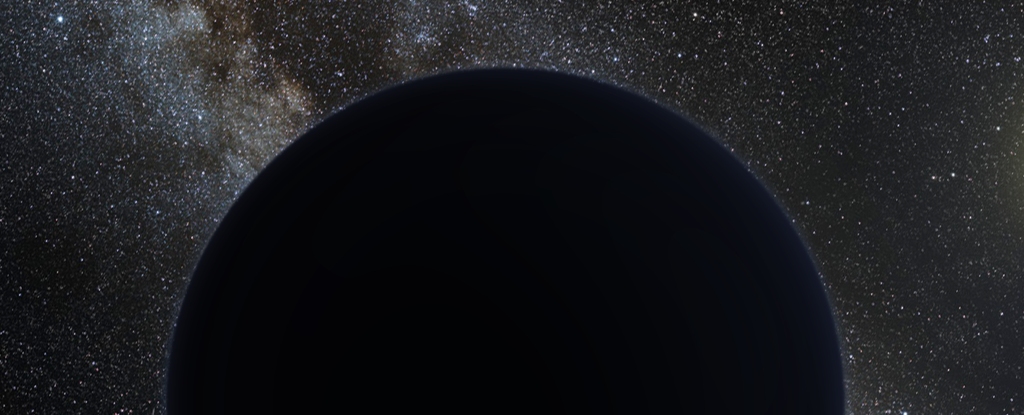
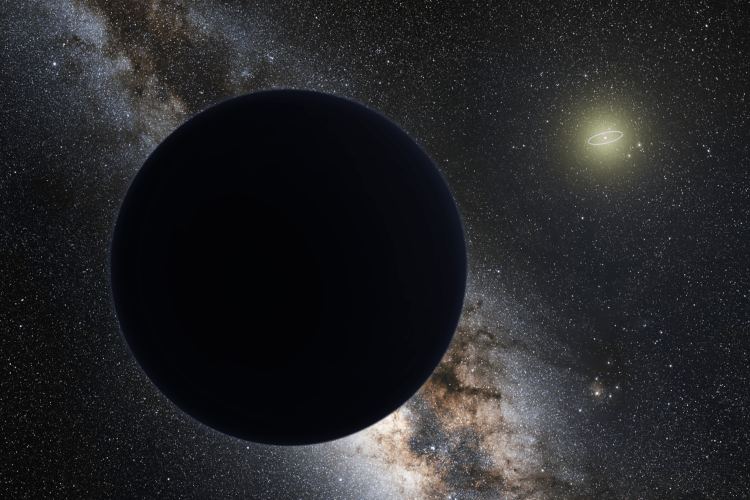
A recent study in The Astronomical Journal aims to narrow down the potential location of the elusive Planet Nine, a hypothetical planet in the outer solar system. Using data from Pan-STARRS, researchers eliminated 78% of possible locations calculated from past studies and provided new estimates for its approximate size. While the study did not find Planet Nine, it significantly narrowed the search area, with follow-up studies planned using the LSST at the Vera C. Rubin Observatory in Chile. Discovering Planet Nine would provide valuable insights into the solar system's formation and evolution.
A recent study in The Astronomical Journal aimed to narrow down the potential location of the elusive Planet Nine, a hypothetical planet in the outer solar system. Using data from Pan-STARRS, researchers eliminated 78% of possible locations and provided new estimates for its size. While Planet Nine remains undiscovered, the study significantly narrowed the search area, with follow-up studies planned using the LSST. Finding Planet Nine would provide valuable insights into our solar system and its formation, and could potentially explain various unexplainable phenomena in the outer solar system.
The Vera C Rubin Observatory, equipped with a state-of-the-art 3,200-megapixel camera, is set to revolutionize astronomy by capturing an unprecedented amount of data in a 10-year survey called the LSST. Located in the Chilean desert, the $1.9bn project aims to address uncertainties about dark matter and dark energy, making Chile the leading destination for astronomical observation by 2025. The telescope will constantly shift and observe changes in the sky, detecting 10m events every night, and is expected to challenge fundamental theories in physics while generating a staggering 60 petabytes of data over 10 years.
Astrophysicists are using Type 1a supernovas to study dark energy and the universe's expansion. The Dark Energy Survey collaboration has detected 1,500 of these supernovas using machine learning algorithms, and the upcoming Legacy Survey of Space and Time (LSST) at the Rubin Observatory is expected to discover a million more. This data will help researchers understand the nature of dark energy and its impact on the universe's expansion, potentially revealing new insights into the cosmos.
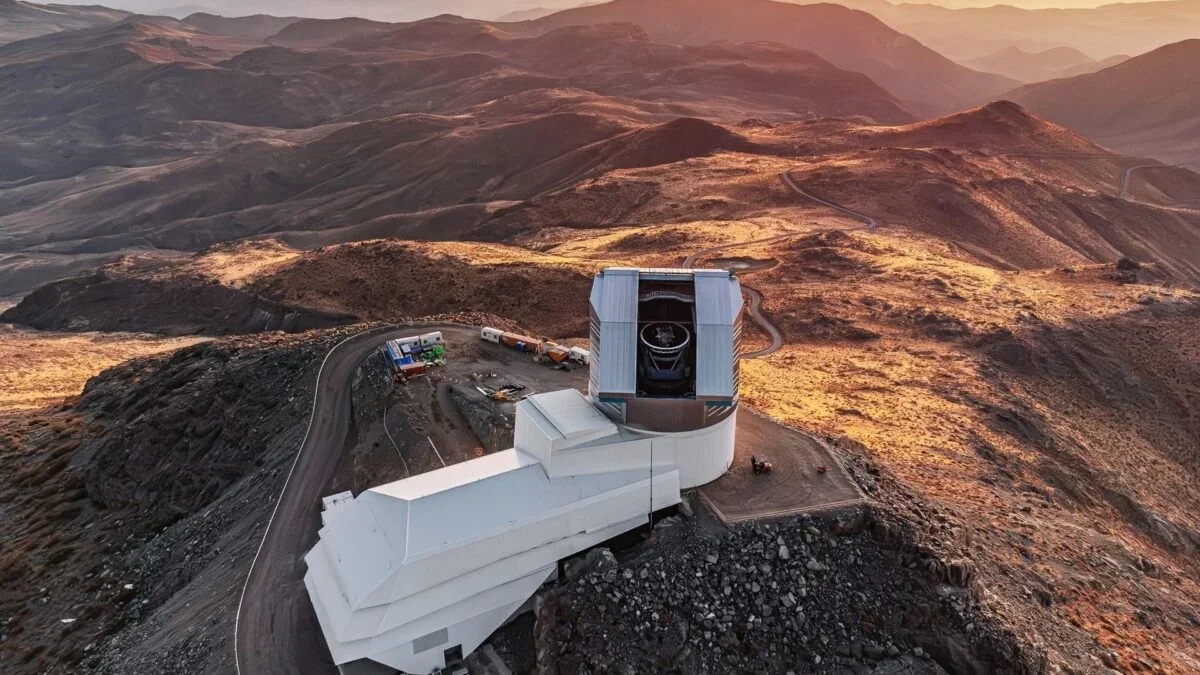
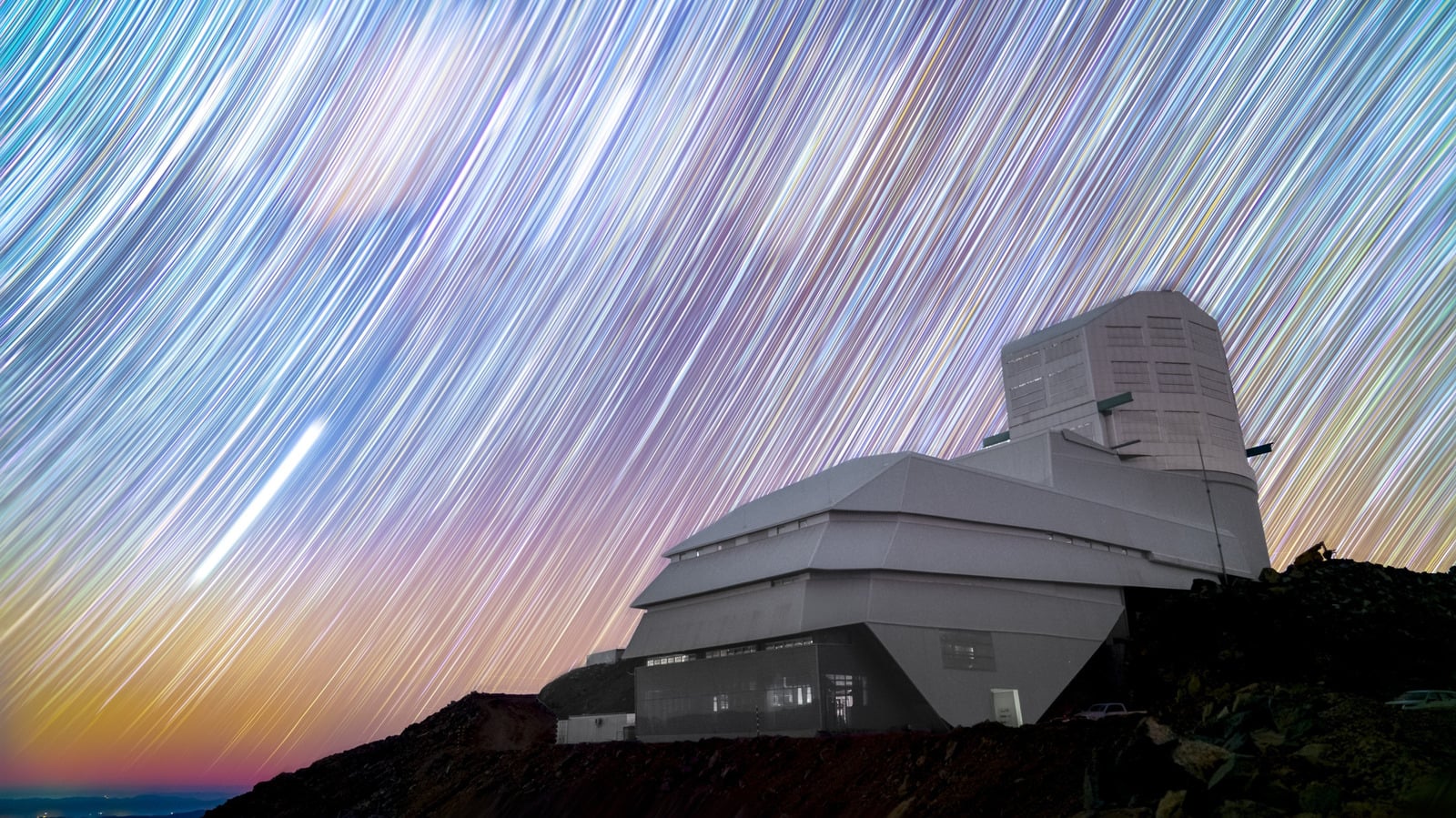
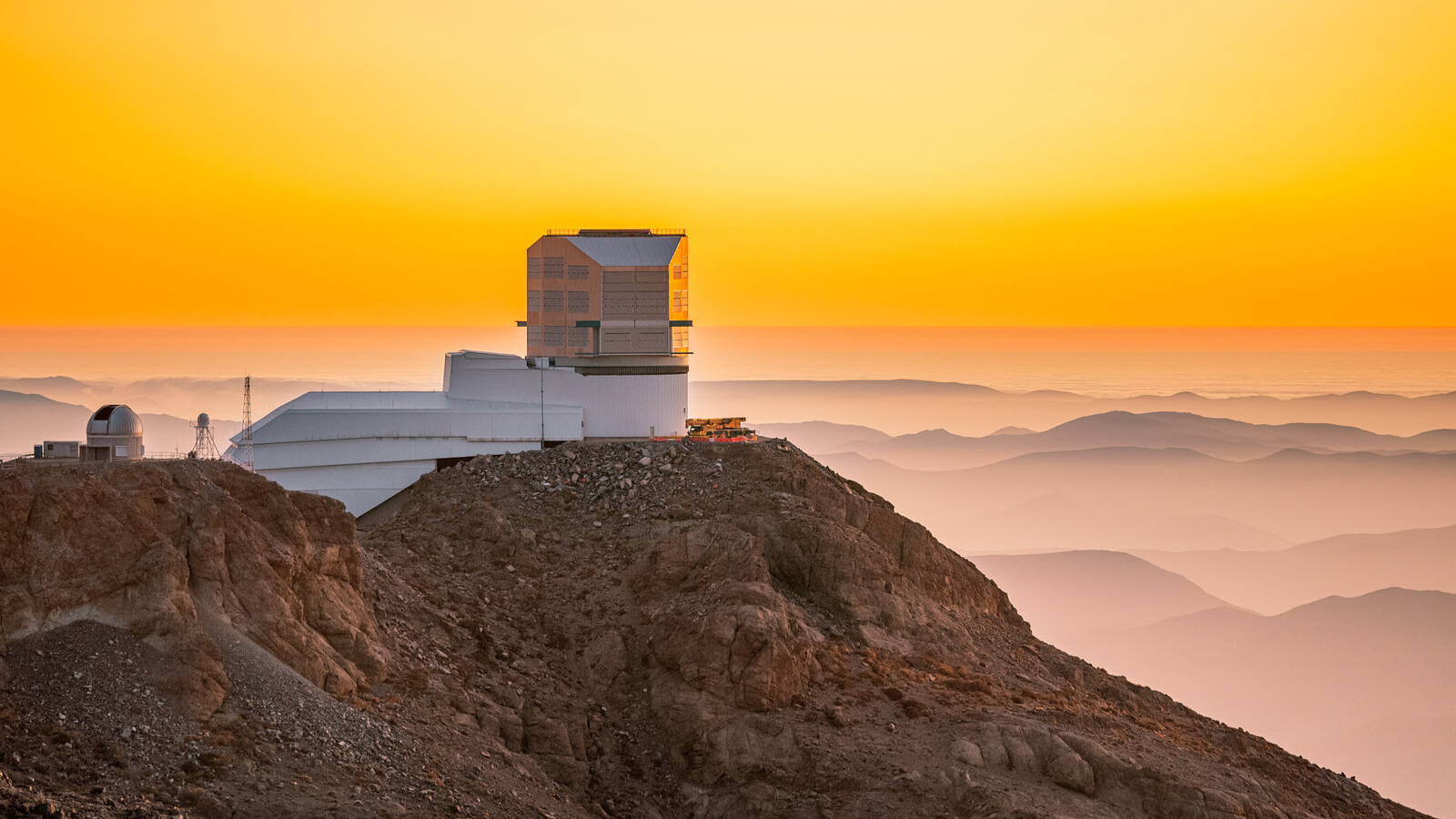
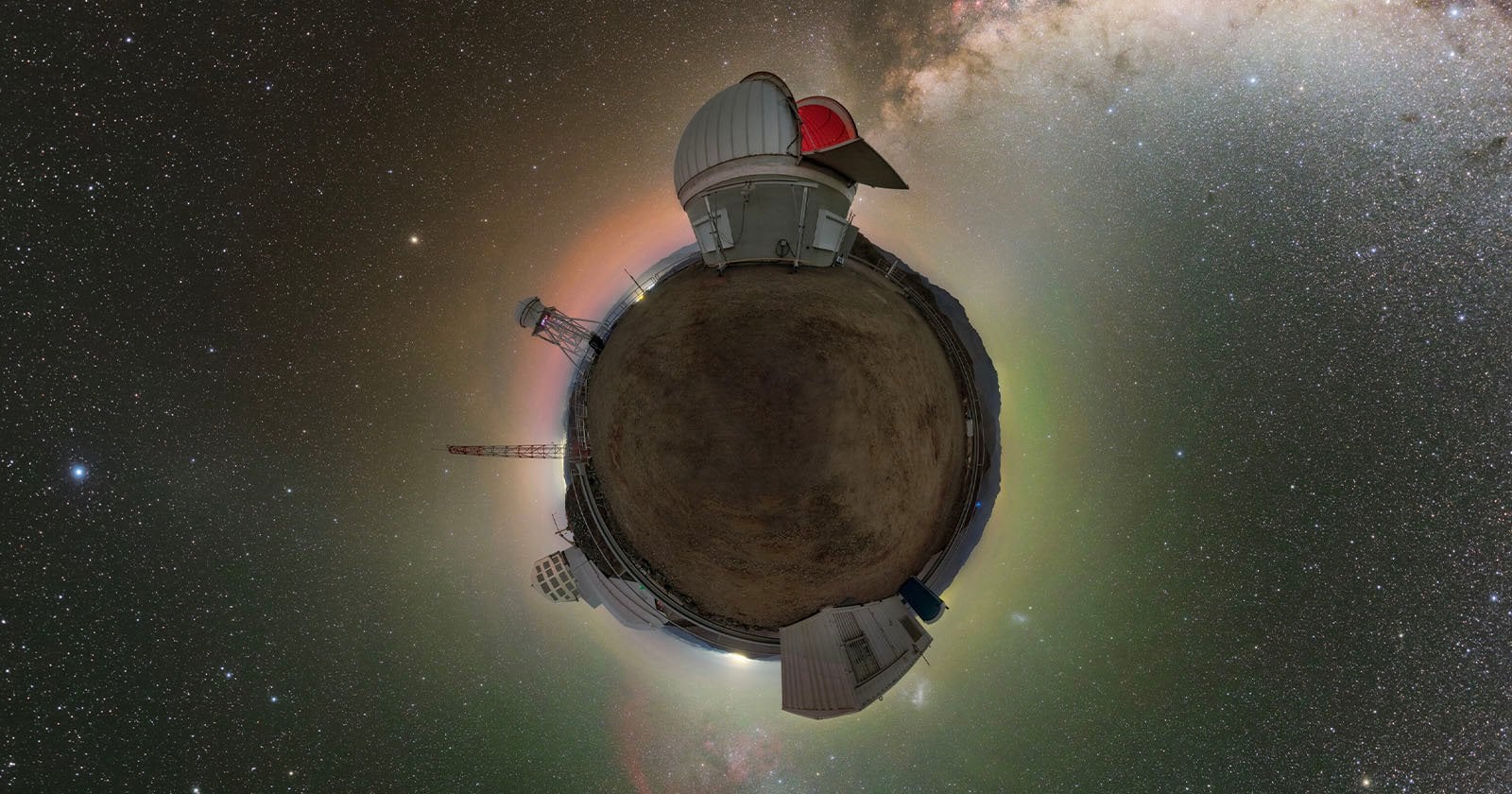
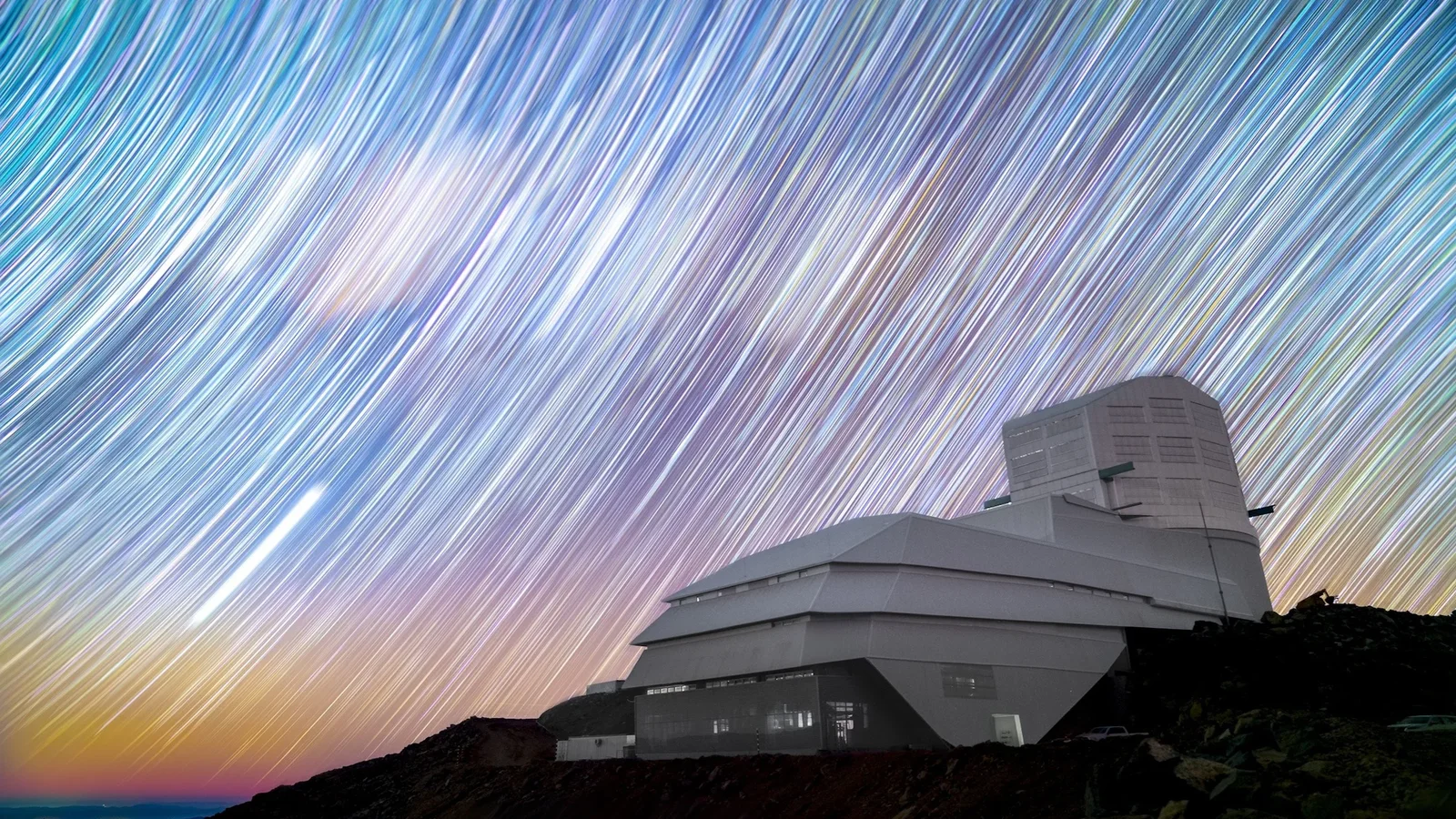
Astrophotographer Petr Horálek captured a stunning 360-degree image of the Vera C. Rubin Observatory in Chile, where the world's largest digital camera will be housed. The observatory, located atop Cerro Pachón, will host the powerful 3,200-megapixel LSST Camera, which will conduct a decade-long survey of the sky, generating 20 terabytes of data nightly. Scientists anticipate the camera will identify asteroids, supernovas, and an estimated 20 billion galaxies and stars, making it a groundbreaking tool for astronomy.
The upcoming Vera Rubin Observatory is expected to revolutionize our understanding of interstellar objects visiting our solar system. While we have only discovered two such objects, 'Oumuamua and Borisov, the observatory's Legacy Survey of Space and Time (LSST) project aims to catalog millions of objects in our solar system, including interstellar visitors. With its ability to map the night sky every few days, the observatory is expected to discover dozens of interstellar objects within its first year of operation. This will provide valuable insights into the origins and chemical compositions of these objects, as well as enhance our understanding of planetary systems.
The upcoming Rubin Observatory, with its Legacy Survey of Space and Time (LSST) project, is expected to discover dozens of interstellar objects within its first year of operation. These objects, which come from beyond our solar system, will provide valuable insights into the origins and chemical compositions of planetary systems. The LSST project will create a comprehensive database of objects in our solar system, including the occasional visitors from distant stars, revolutionizing our understanding of the Sun's family.