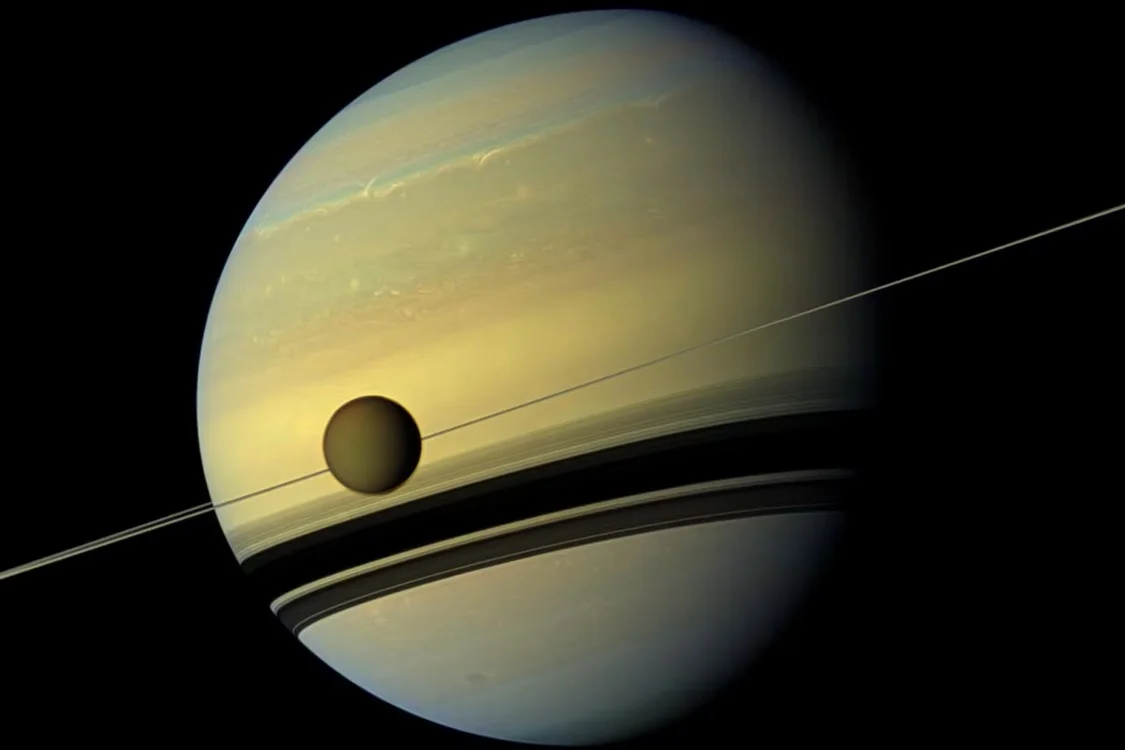
A planetary scientist proposes Titan grew large after an ancient collision with an extra moon, a cataclysm that could explain Saturn’s tilt and rings and align Cassini-era data with Neptune’s gravitational influence.
Felix Salmon reviews FP Journe’s Chronomètre à Résonance, a 38mm wristwatch that uses two independent balance wheels which synchronize to show identical times on both displays. The piece argues this watch blends physics and art, earning its status as a landmark of 21st‑century horology; retail price is $170,000, but secondary-market versions can fetch hundreds of thousands up to millions, underscoring its dual role as timekeeper and conceptual artwork.
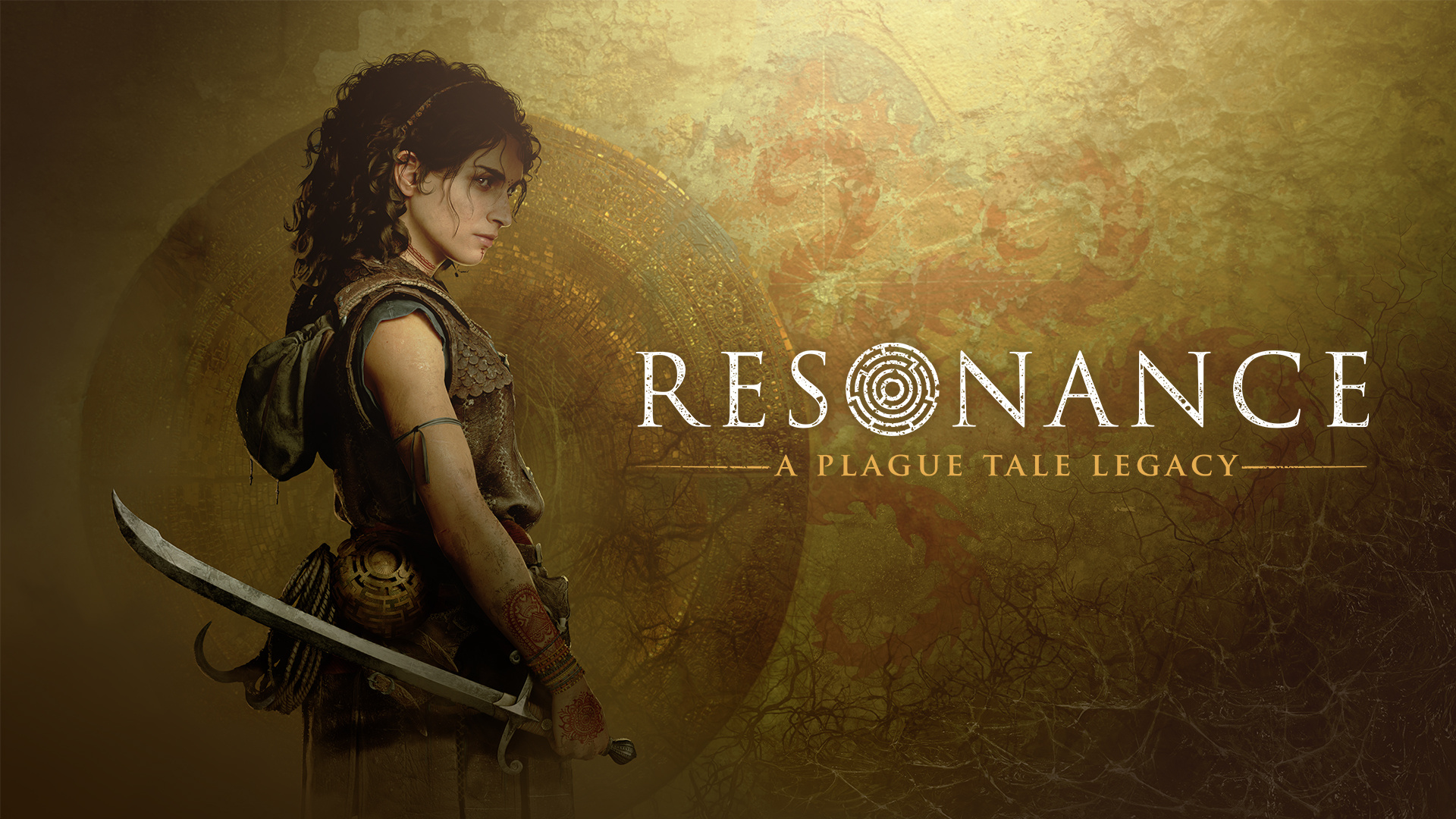
A new game titled Resonance: A Plague Tale Legacy was accidentally leaked online through a teaser, revealing a potential prequel set to release in 2026 on PC, PS5, and Xbox Series, with an official announcement expected at the Xbox Games Showcase 2025.
A third game in the A Plague Tale series, titled Resonance: A Plague Tale Legacy, has leaked and is officially confirmed to be coming to PS5 in 2026, with an official reveal expected during the Xbox Games Showcase.
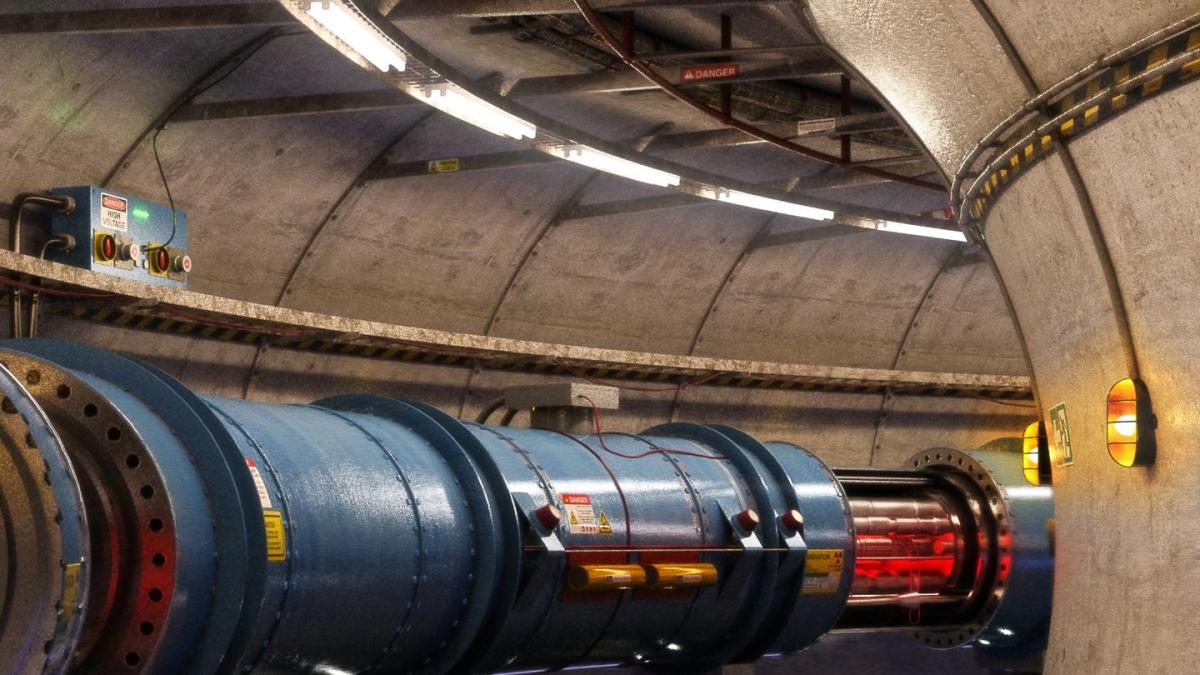
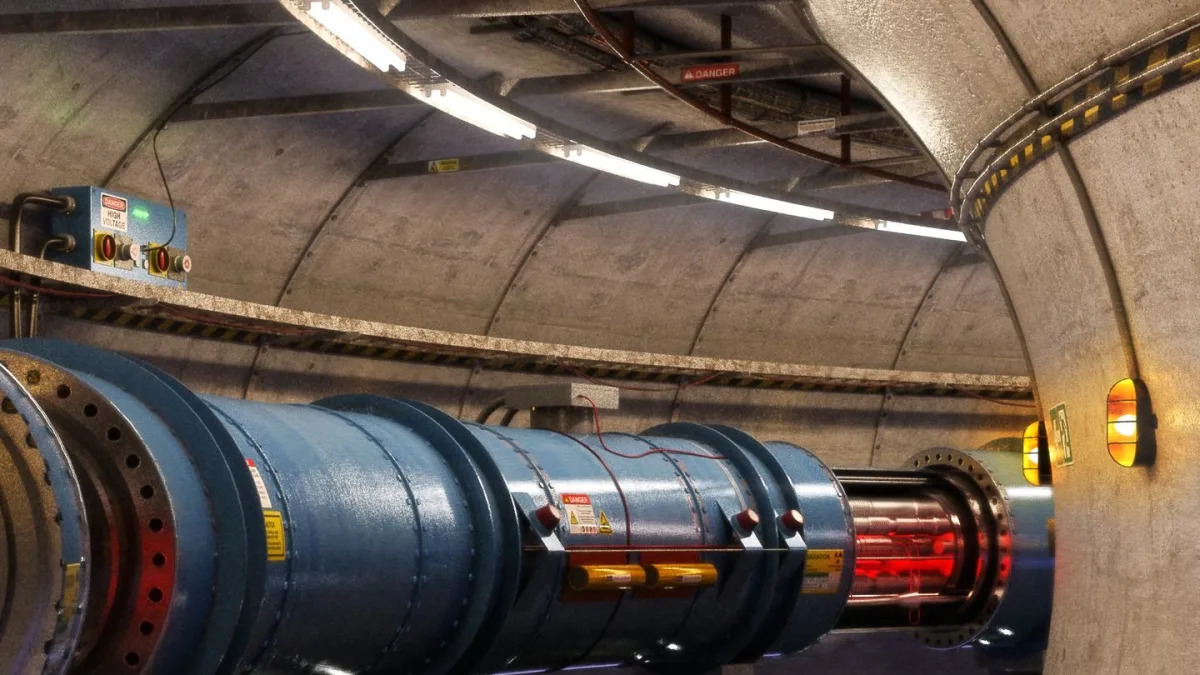
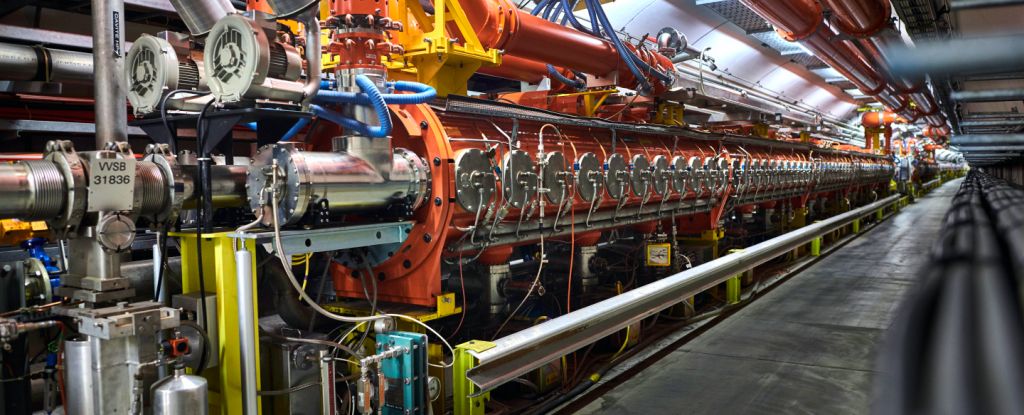
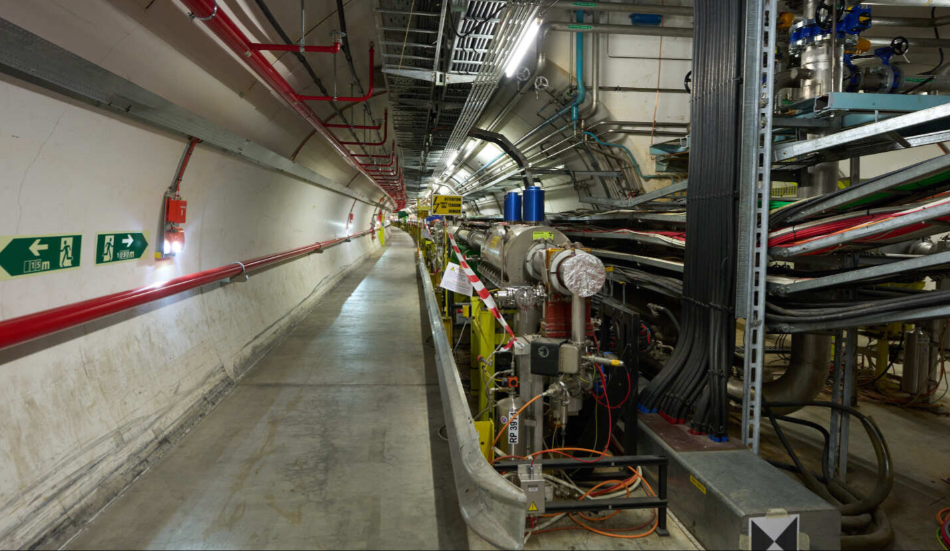
Physicists at CERN and Goethe University Frankfurt have discovered a resonant "ghost" affecting particle behavior inside the Super Proton Synchrotron (SPS) using a 4D mathematical model. This ghost, caused by resonance, leads to beam degradation and poses a significant challenge for maintaining beam particles in accelerators. By studying and modeling this phenomenon, researchers aim to develop strategies to mitigate its effects and prevent the creation of similar "ghosts" in future particle accelerators.
Physicists at CERN and Goethe University Frankfurt have discovered a resonant "ghost" affecting particle behavior inside the Super Proton Synchotron (SPS) using a 4D mathematical model. This ghost, caused by resonance, leads to beam degradation and poses challenges for particle accelerators and nuclear fusion research. By studying and modeling this phenomenon, researchers aim to develop strategies to mitigate its effects and prevent the creation of similar "magnet ghosts" in future particle accelerators.
Physicists at CERN have successfully measured and quantified a 4D resonance structure in the Super Proton Synchrotron particle accelerator, which can cause beam degradation and hinder particle research. This structure, resulting from a phenomenon known as resonance, requires four states to represent and affects the path of particles in the accelerator. By carefully measuring particle positions, the researchers were able to map the resonance and demonstrate how individual particles behave within it. Understanding this phenomenon could lead to new ways to mitigate beam degradation and achieve high-fidelity beams for future particle acceleration experiments.
After 20 years, scientists at CERN have discovered a beam killer resonance in high-intensity circular particle accelerators, which causes particles to deviate from their course and results in beam loss. This discovery was made through collaboration between scientists at the Super Proton Synchrotron and GSI in Darmstadt, and it proves the existence of a particular resonance structure.
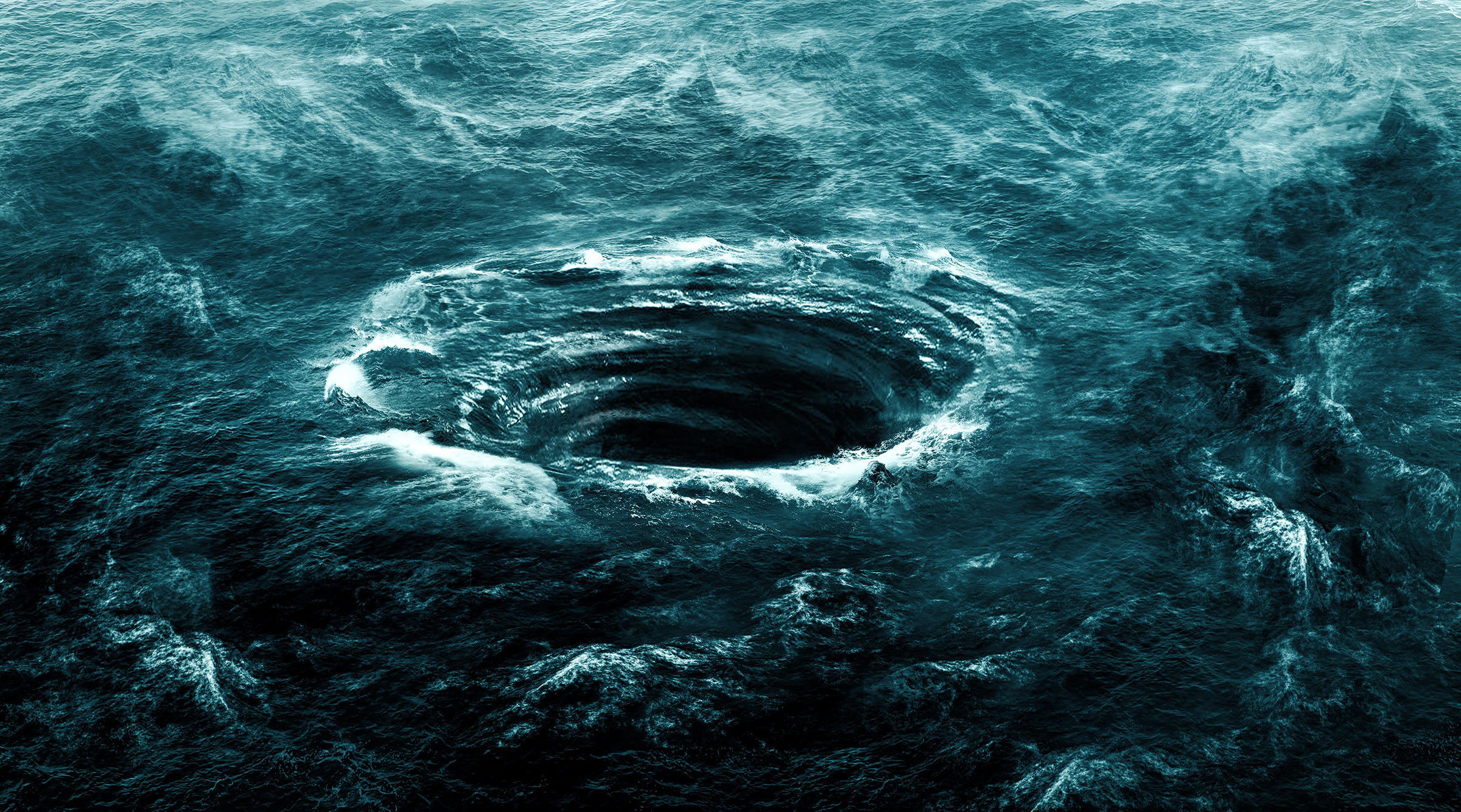
New research suggests that Mars's gravitational influence on Earth may be causing giant whirlpools in the deep ocean through a phenomenon called resonance, where the two planets exert gravitational forces on each other. These deep-sea currents affected by Mars erode the seafloor and create large accumulations of sediment, providing insights into Earth's natural climate cycles. The findings also hint at a potential role in mitigating impacts of a possible collapse of the Atlantic Meridional Overturning Circulation, a crucial ocean current.
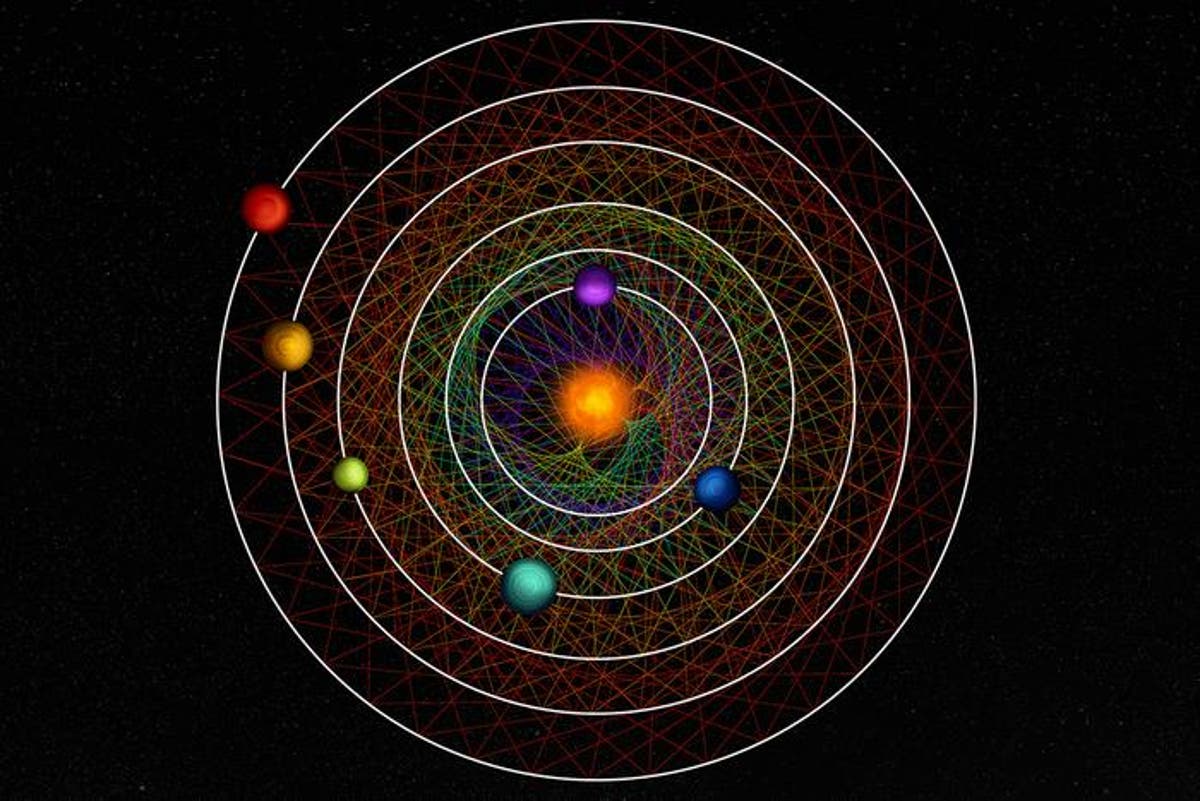
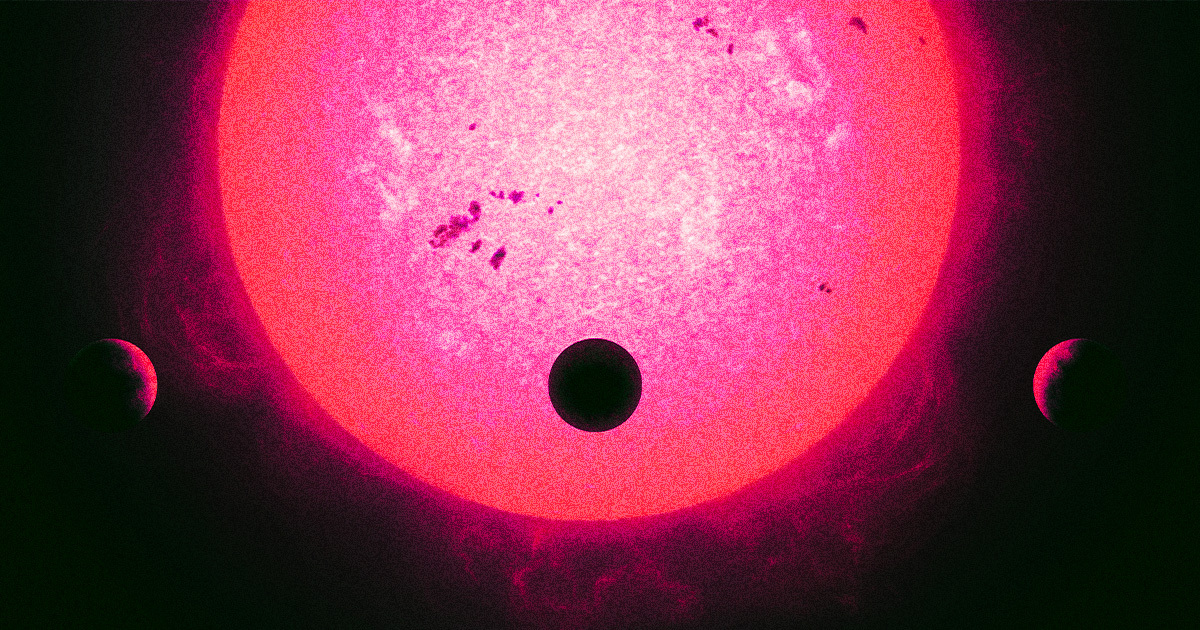
Scientists are investigating a solar system 100 light years away with six perfectly synchronized planets orbiting an orange dwarf star, suggesting they have remained undisturbed for a billion years. They are searching for signs of alien technology, or technosignatures, using radio signals, as the planets may have liquid water and could potentially harbor alien life. While no signals were found in the current study, the unique solar system remains an intriguing target for future searches.
The whoosh-whoosh sound produced by carbon wheels is a result of resonance, which is influenced by construction methods, materials, and cavity volume. Deep-profile rims are louder because they have a larger surface area that can vibrate and move air to create noise. Construction techniques, such as tension in the sidewall or disc brake wheel skin, also affect the loudness of the wheels. Additionally, the use of low-temperature resins with rubber or elastomer additives in modern wheels increases damping and reduces noise. Tubeless tires and disc brakes also play a role in reducing wheel noise.
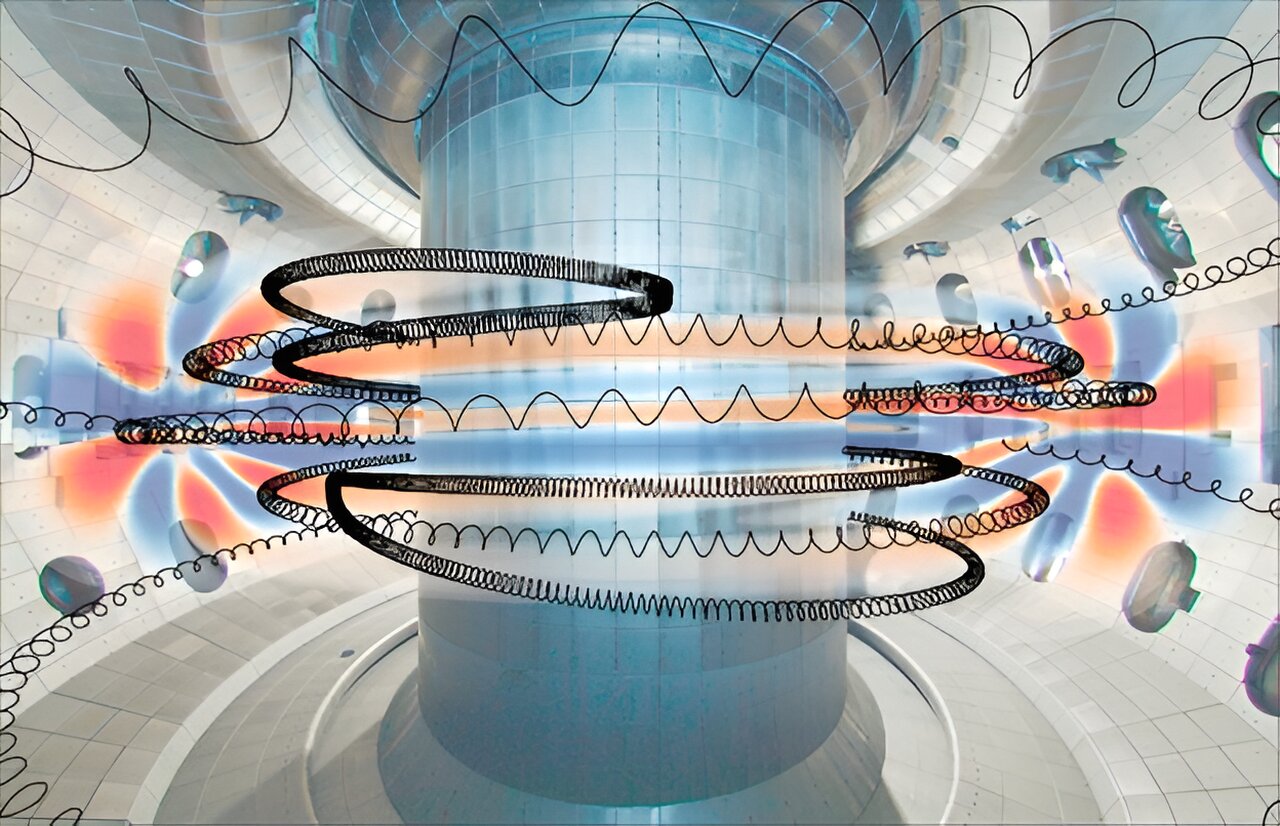
Collisions between fast ions and plasma waves in fusion experiments can affect the efficiency of energy transfer and the behavior of particles. Different types of collisions, such as diffusive scattering and convective drag, compete to determine the resonance between fast ions and waves. Researchers have used mathematical calculations and computer simulations to understand these interactions and develop models for sustaining fusion reactions. This understanding can also be applied to astrophysical research and gravitational interactions in galaxies. The study reveals that drag collisions can shift the speed at which resonance occurs, creating new resonances and extending the range of interaction. The derived resonance function provides insights into wave-particle interactions in plasmas and can be used to improve simulations for developing commercial fusion power plants.
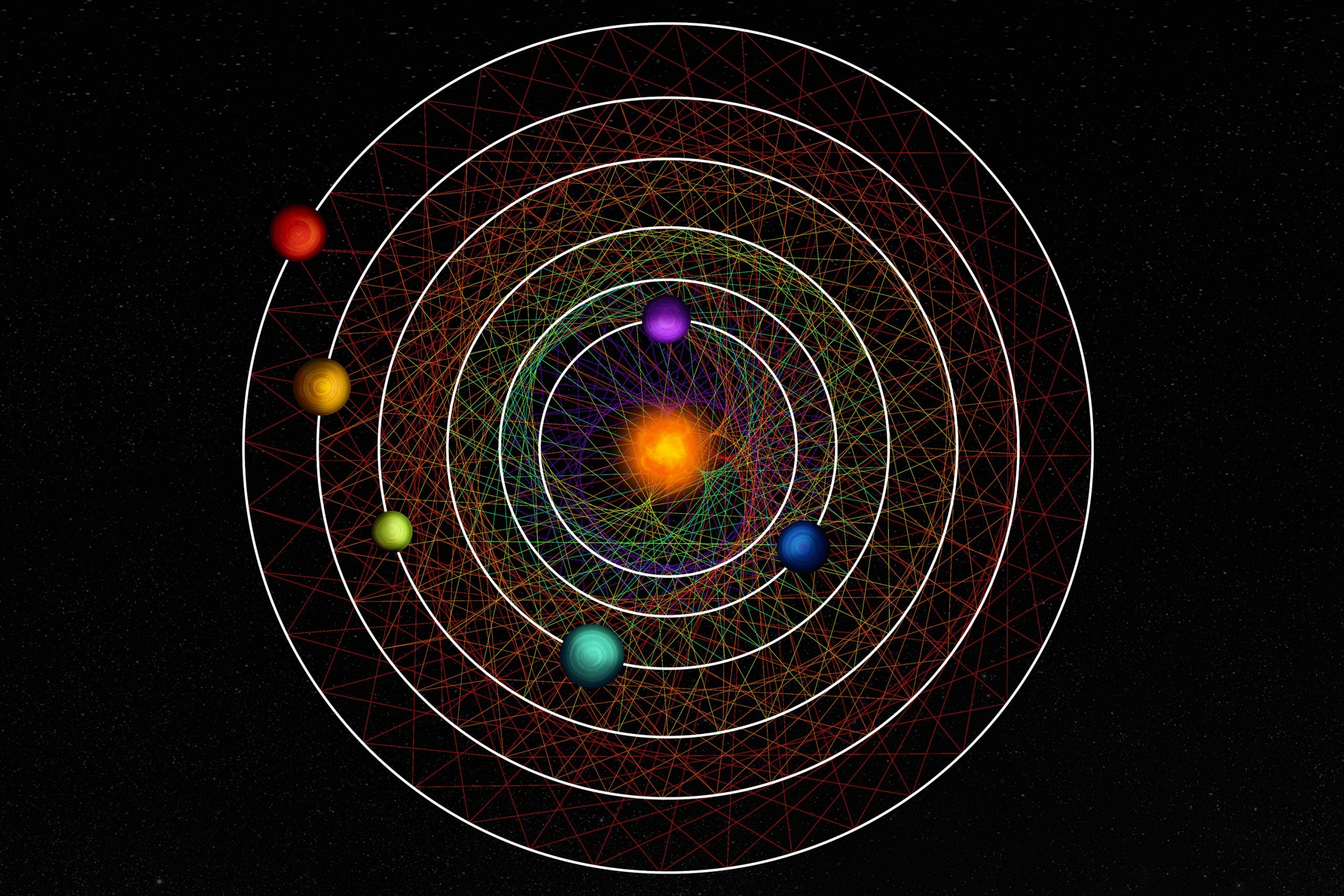
Astronomers have discovered a rare solar system in the Milky Way with six planets that move in perfect synchrony, resembling a grand cosmic orchestra. The system, located 100 light-years away, provides insights into the formation of solar systems across the galaxy. The planets are not within the habitable zone and are larger than Earth, with densities similar to gas giants. Their orbits range from nine to 54 days, and the system exhibits a precise resonance pattern. This discovery offers a unique opportunity for comparison and further study of planetary systems.
Astronomers have discovered a star system, HD 110067, with six exoplanets that orbit their star in a rare and mathematically harmonious resonance. The system, located 100 light years away, showcases a pristine configuration that has survived untouched, providing insights into the formation of such extraordinary systems. The exoplanets, classified as "sub-Neptunes," revolve in precise ratios relative to each other, with the first four planets exhibiting a 3:2 resonance and the outermost two in a 4:3 resonance. The system's stability over billions of years raises questions about the chaotic nature of planetary formation. Further observations will shed light on the system's longevity and formation process.
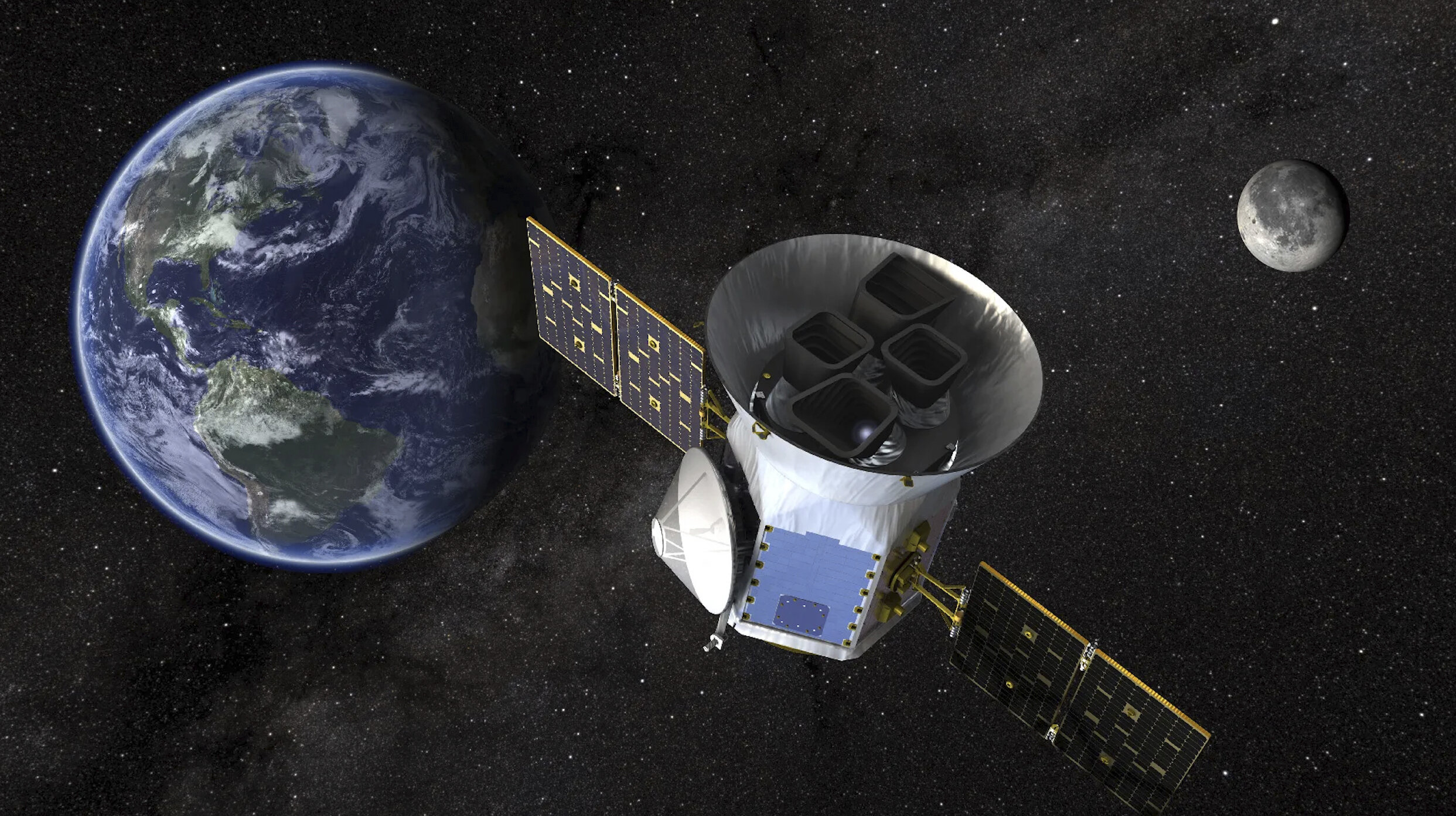
A team of researchers has discovered a unique planetary system orbiting the star HD110067, consisting of six sub-Neptune planets that are all in direct resonance with each other. The discovery was made using data from NASA's TESS and ESA's Cheops satellites. This system provides valuable insights into planetary formation and system evolution, as well as the potential for studying the atmospheric composition of sub-Neptunes. It is also a promising target for future observations using the James Webb Space Telescope.