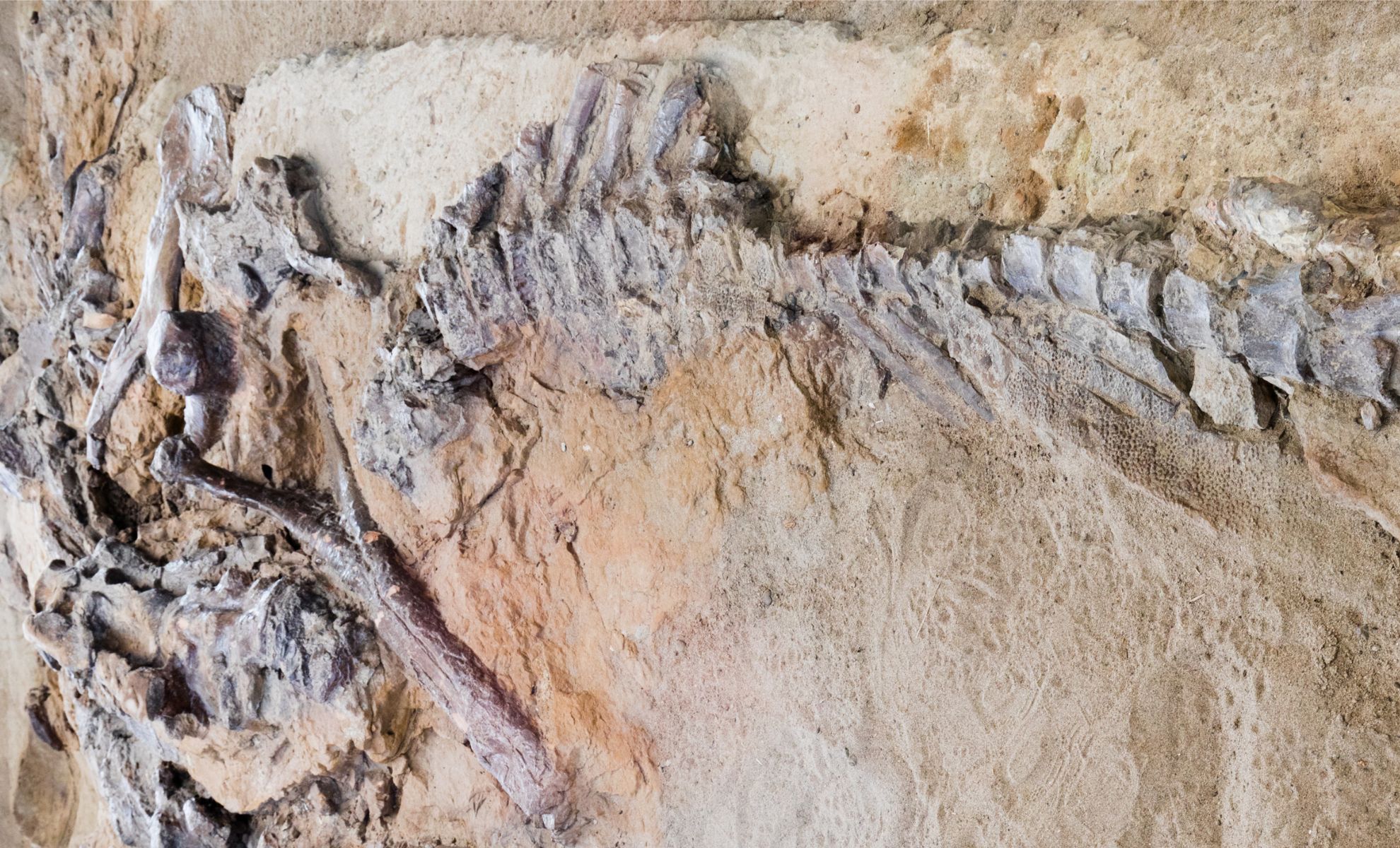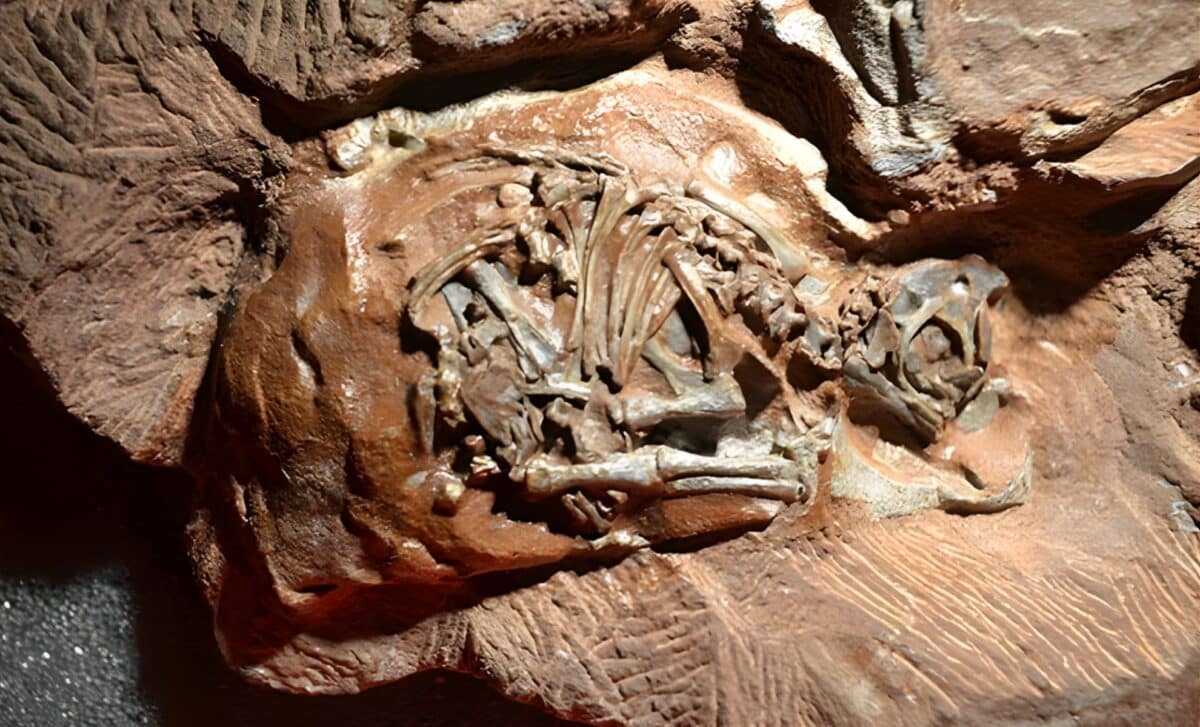
Scientists used advanced synchrotron imaging to reveal detailed 3D models of 200-million-year-old dinosaur embryos, uncovering new insights into their development, including the presence of two types of teeth and skull similarities to modern reptiles, providing valuable clues about early dinosaur evolution.
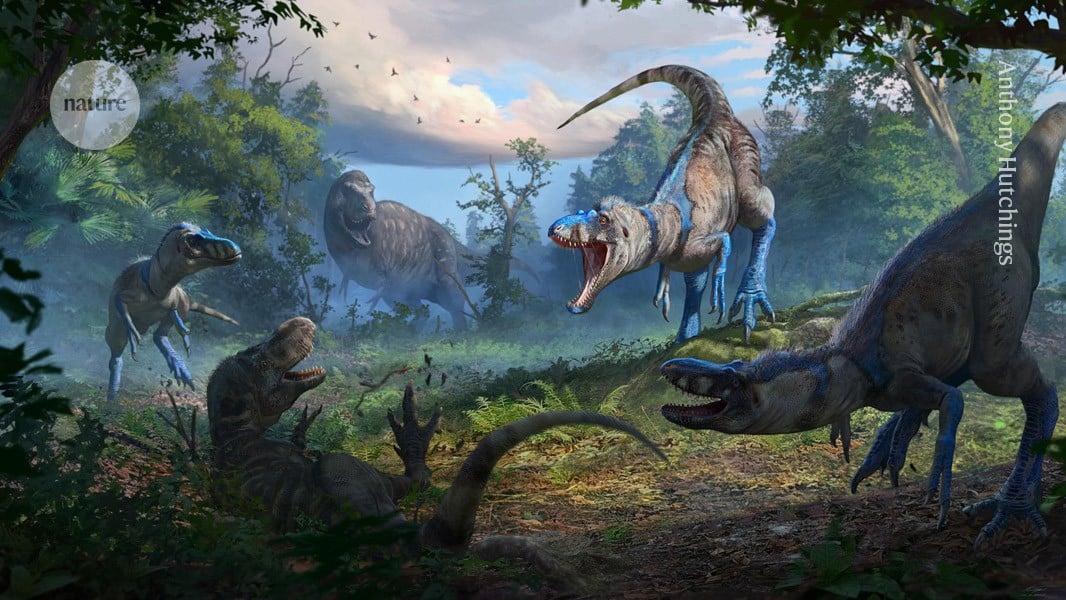
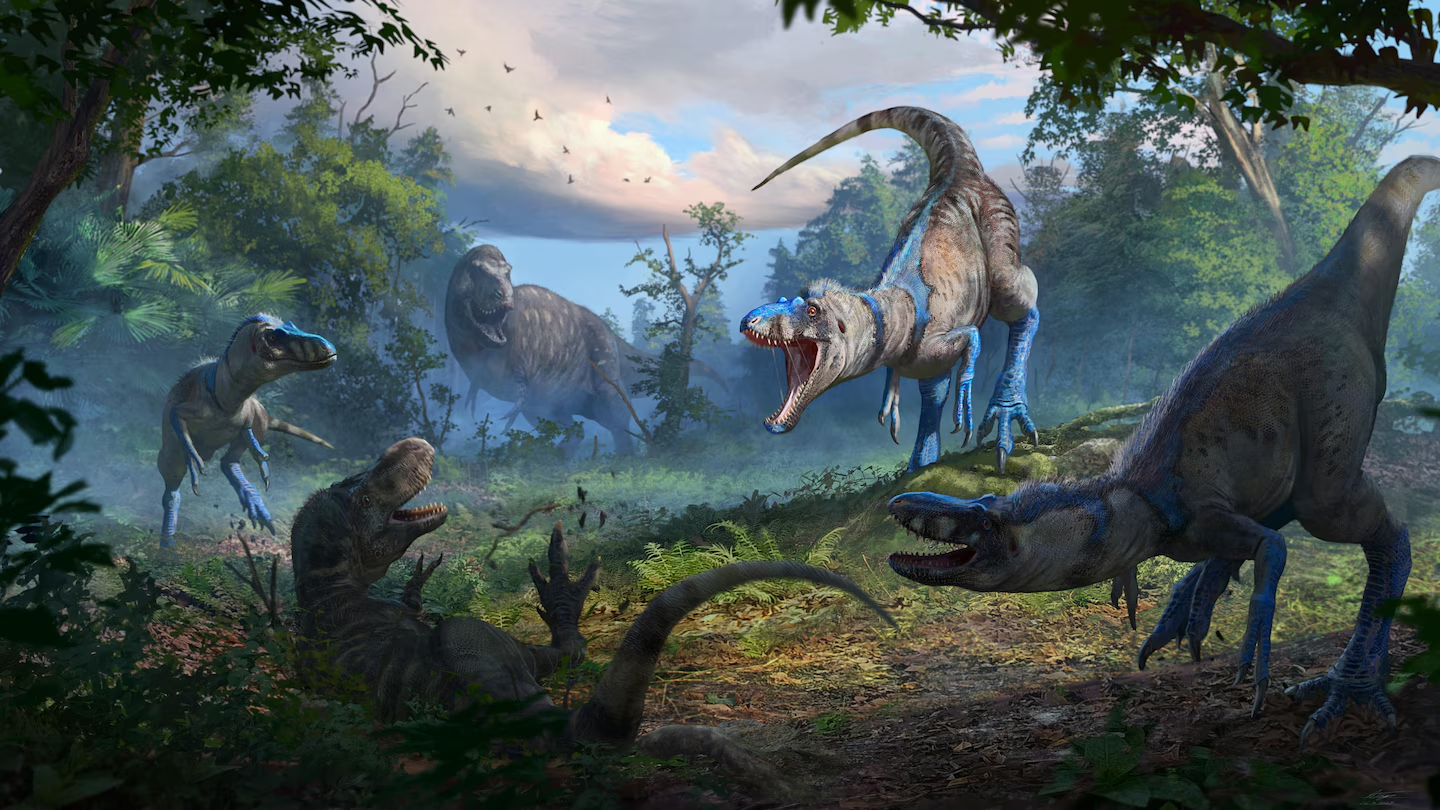
A fossil previously thought to be a juvenile Tyrannosaurus rex has been identified as a different species, Nanotyrannus, which was a fully grown, agile predator with distinct physical features, prompting a re-evaluation of tyrannosaur evolution.
A new, well-preserved tyrannosaur fossil from Montana provides strong evidence that Nanotyrannus is a distinct species, challenging decades of scientific consensus that these small tyrannosaurs were just juvenile T. rex, leading to a major reassessment of tyrannosaur classification and evolution.
Argentinian researchers discovered a new Carnian theropod, Anteavis crurilongus, with features previously thought to appear only in later dinosaurs, indicating greater early dinosaur diversity and complex climate-related faunal shifts during the late Triassic period.
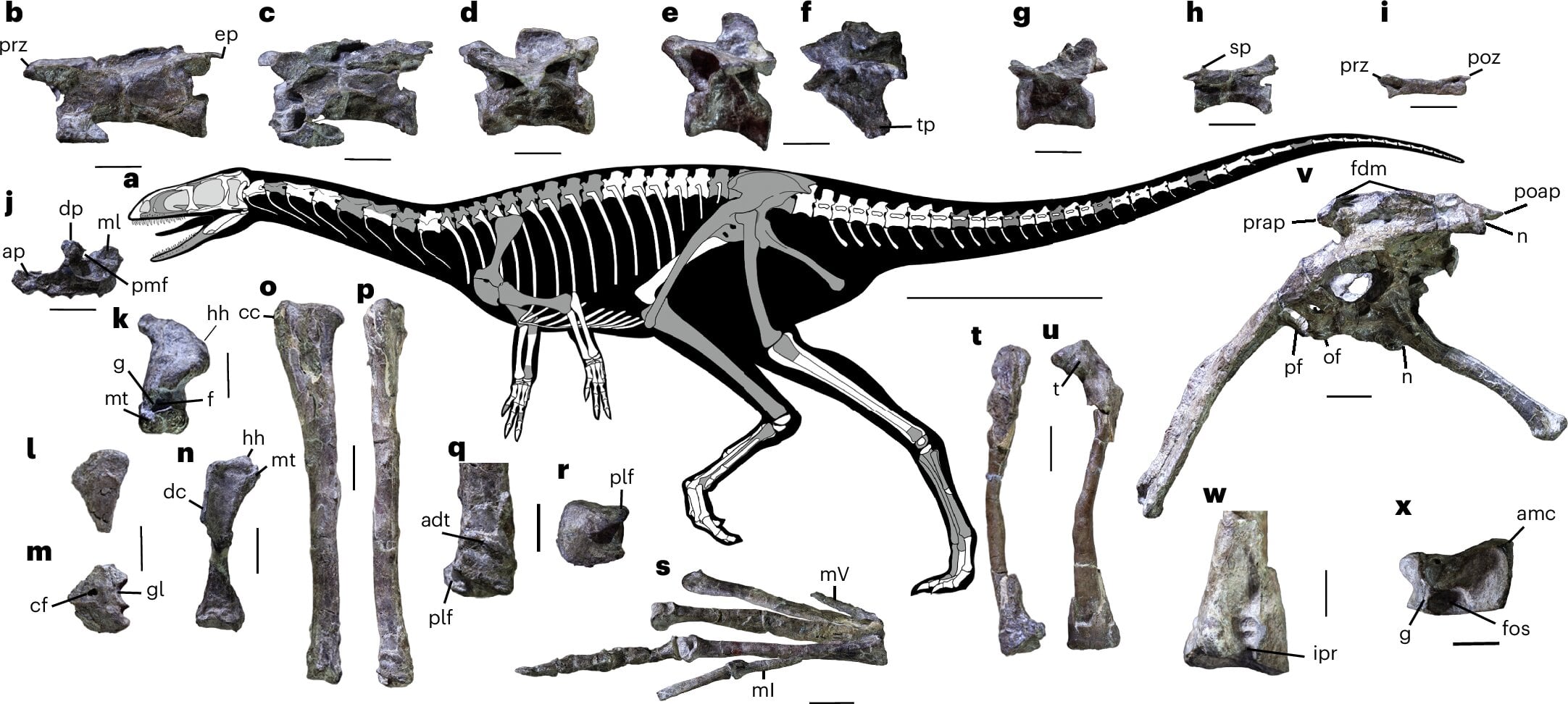
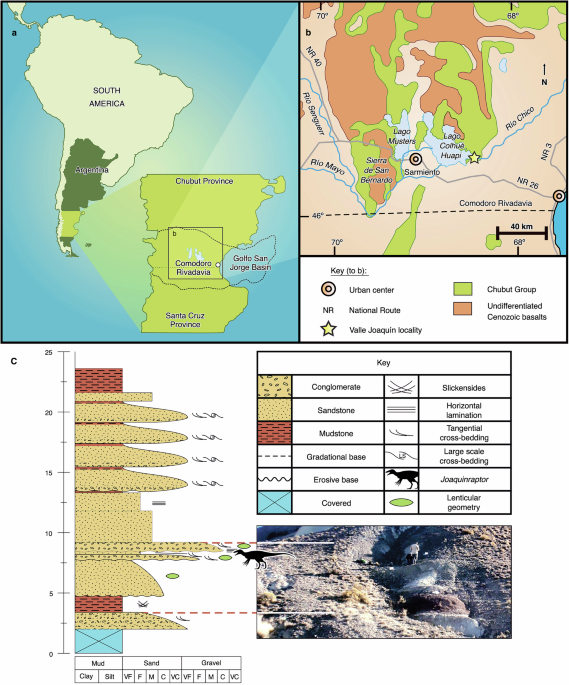
A new Maastrichtian megaraptorid dinosaur from Patagonia, Joaquinraptor casali, provides significant insights into megaraptoran morphology, phylogeny, and paleobiology, representing one of the youngest and most complete specimens of its group, and shedding light on their evolutionary relationships and biology.
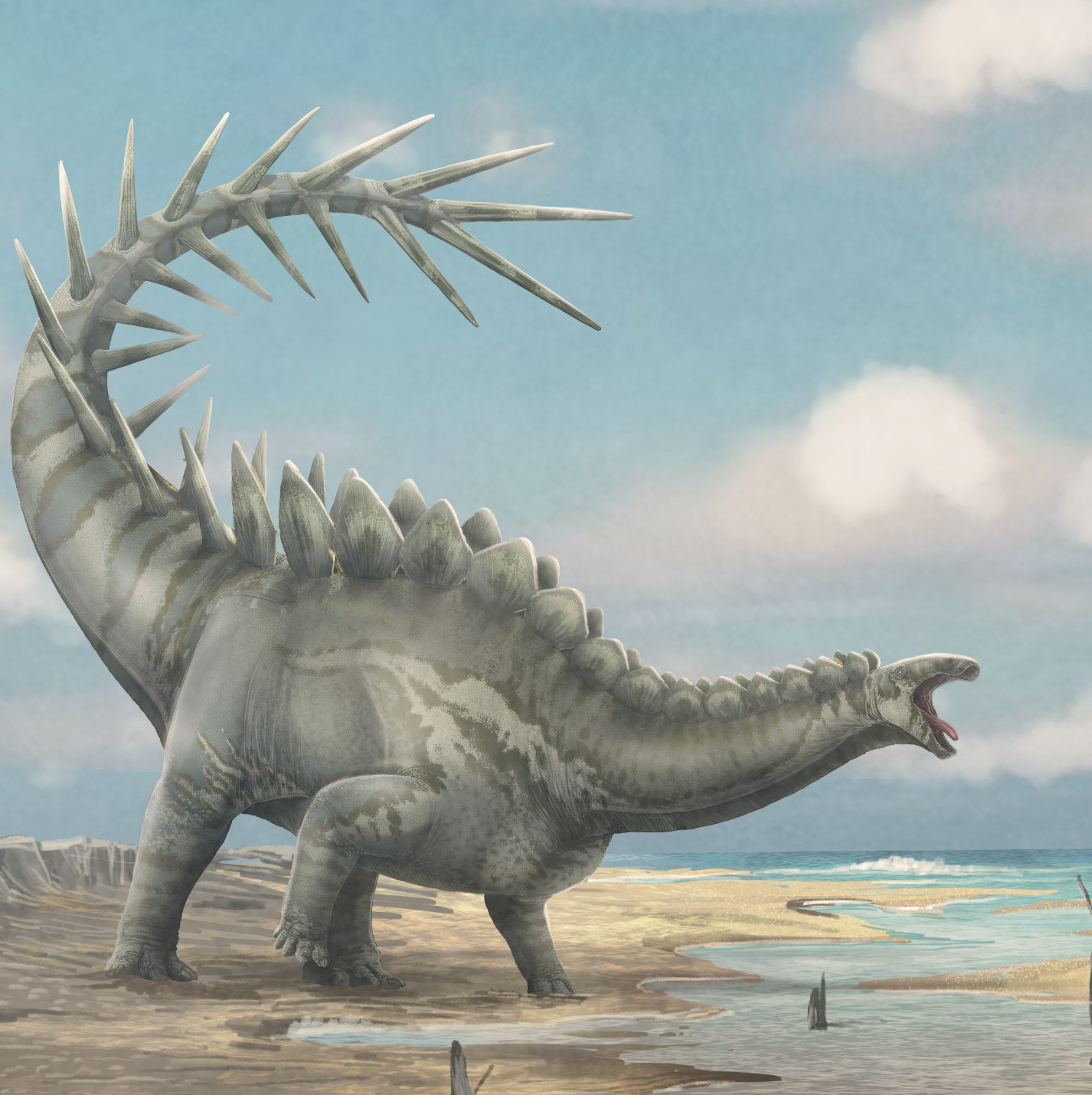
A rare 150-million-year-old stegosaur skull found in Spain has led to the identification of a new dinosaur group called Neostegosauria, reshaping our understanding of stegosaur evolution and their geographic distribution during the Jurassic period.
Paleontologists discovered a new dinosaur species, Taleta taleta, in Morocco's Maastrichtian phosphates, shedding light on dinosaur dispersal and evolution in Africa during the late Cretaceous, and suggesting a complex adaptive radiation driven by dispersal from Europe.