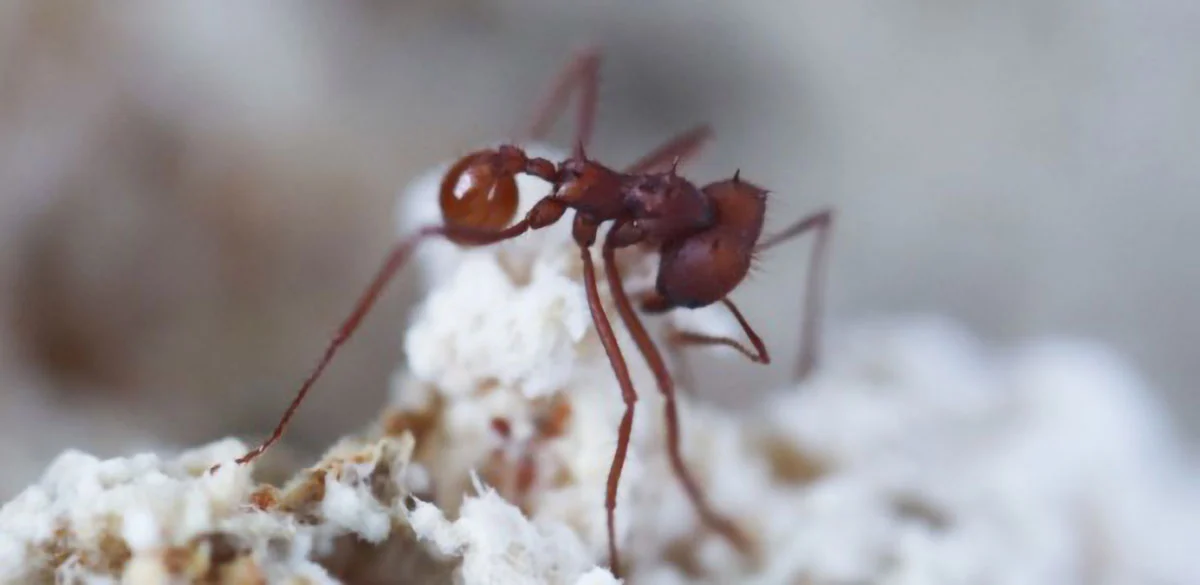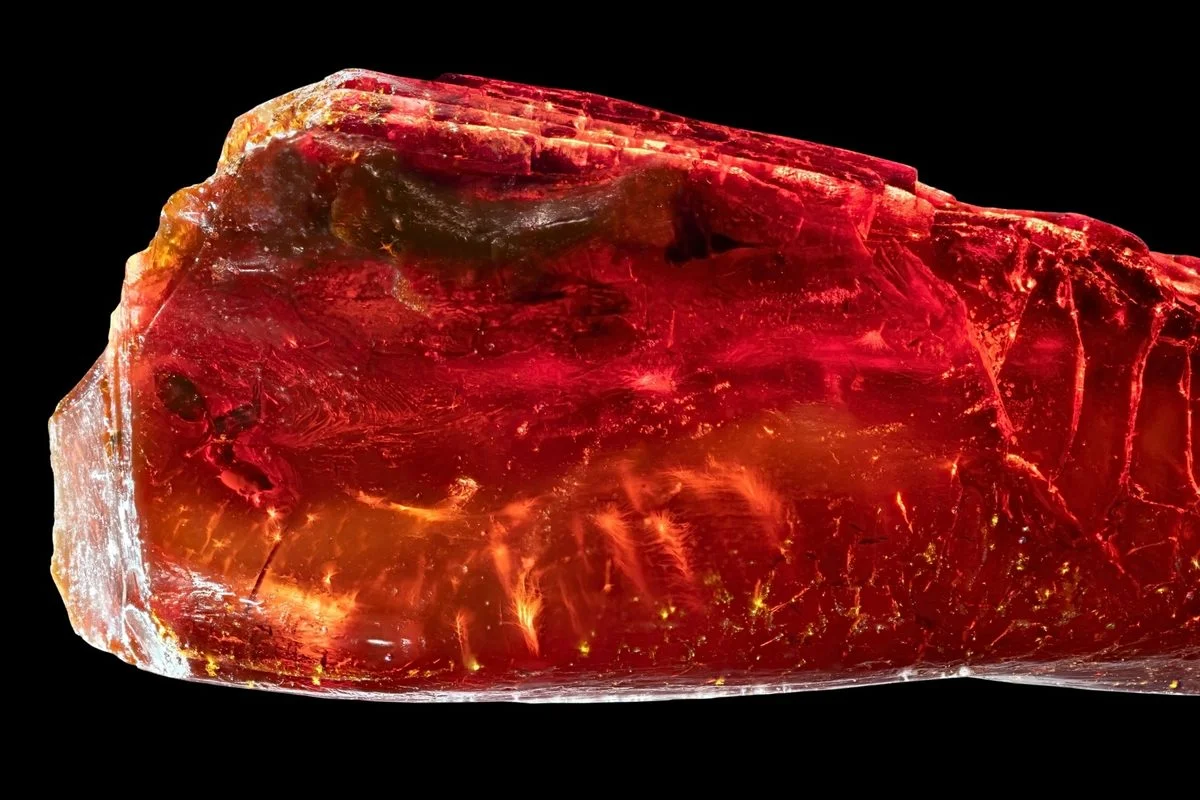
A study reveals that the fungus Escovopsis, previously thought to be a parasite of ant-associated fungi, actually originated 56.9 million years ago and may have played a more complex role in nature, evolving alongside ants over millions of years with adaptations that suggest a coevolutionary relationship rather than simple parasitism.
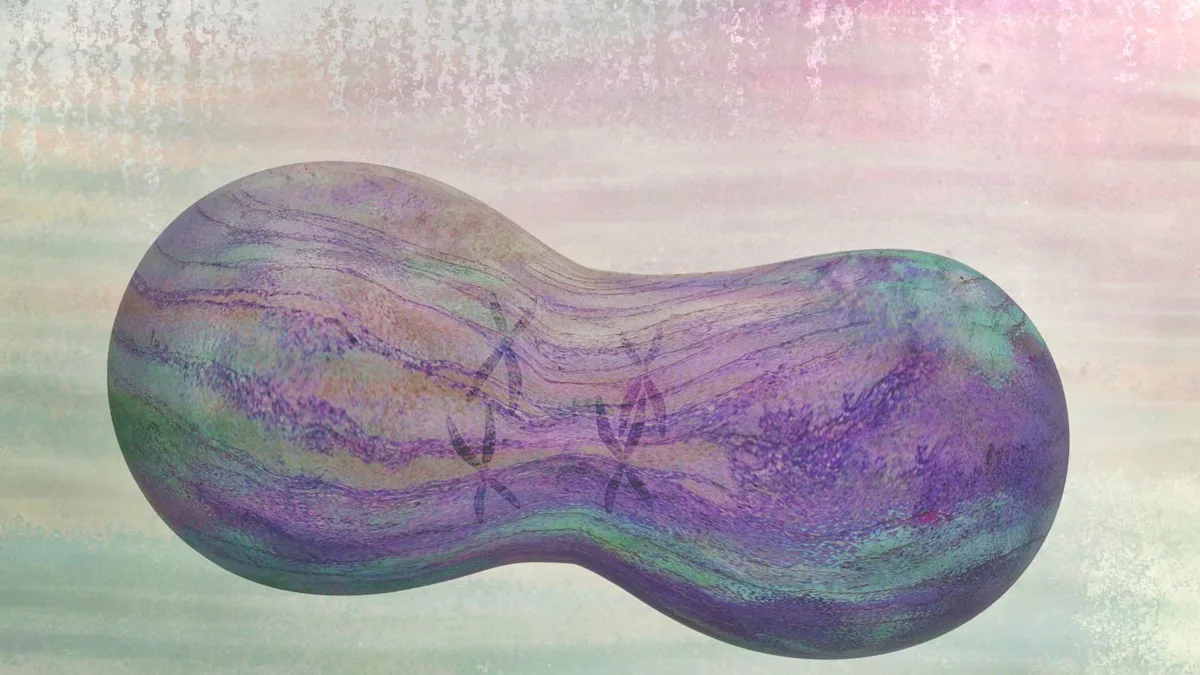
Scientists discovered that the Iberian harvester ant queen can produce offspring from two different species through a complex process involving cloning and cross-species reproduction, challenging current understanding of evolutionary biology.
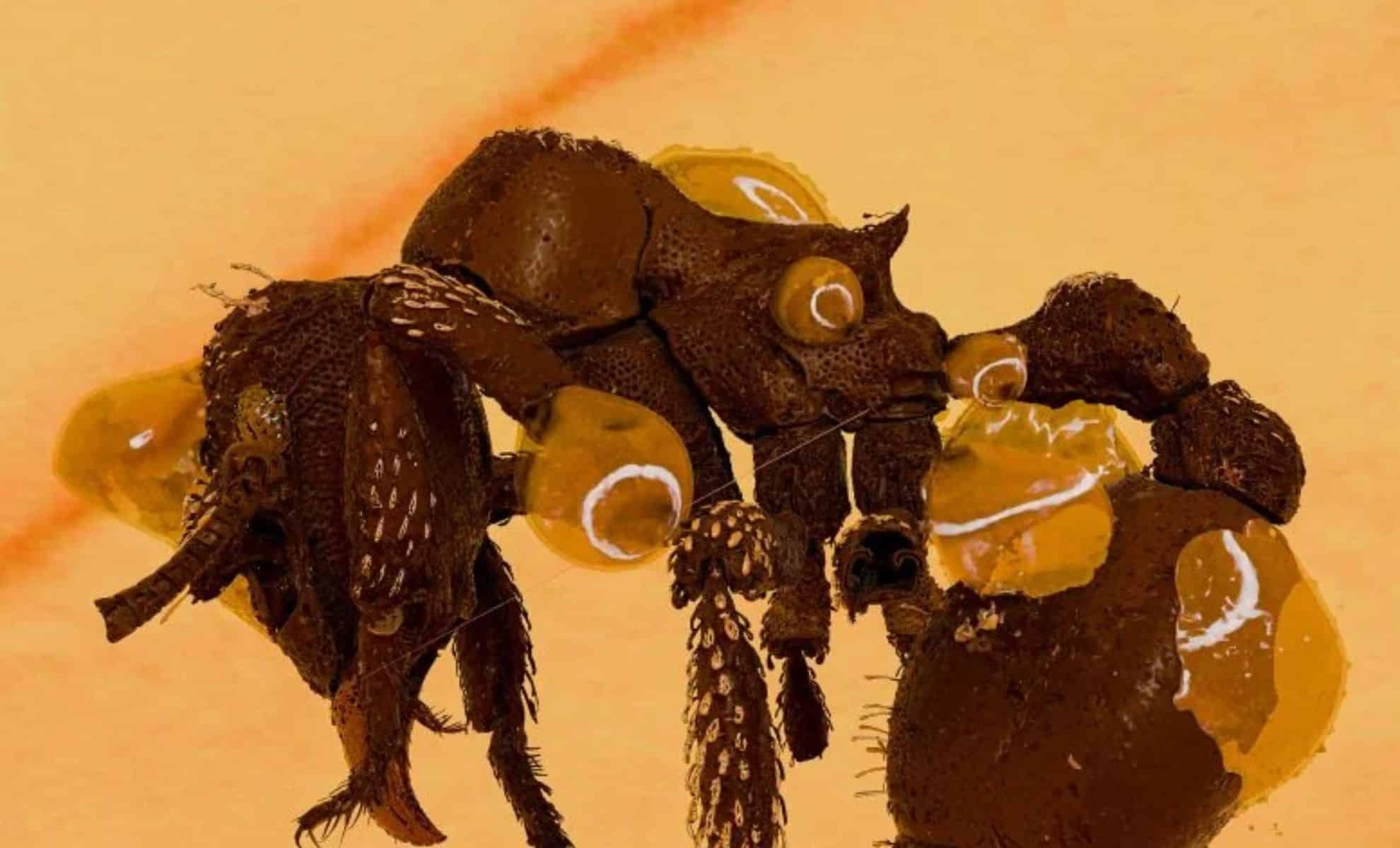
A 16-million-year-old fossil of a tiny dirt ant from Dominican amber has challenged previous beliefs by showing that the Basiceros ant lineage once lived in the Caribbean, indicating a more complex evolutionary history and biogeographic distribution than previously thought. The discovery also suggests that these ants nearly doubled in size over 20 million years and highlights their advanced survival strategies, despite their eventual extinction due to environmental changes and competition.
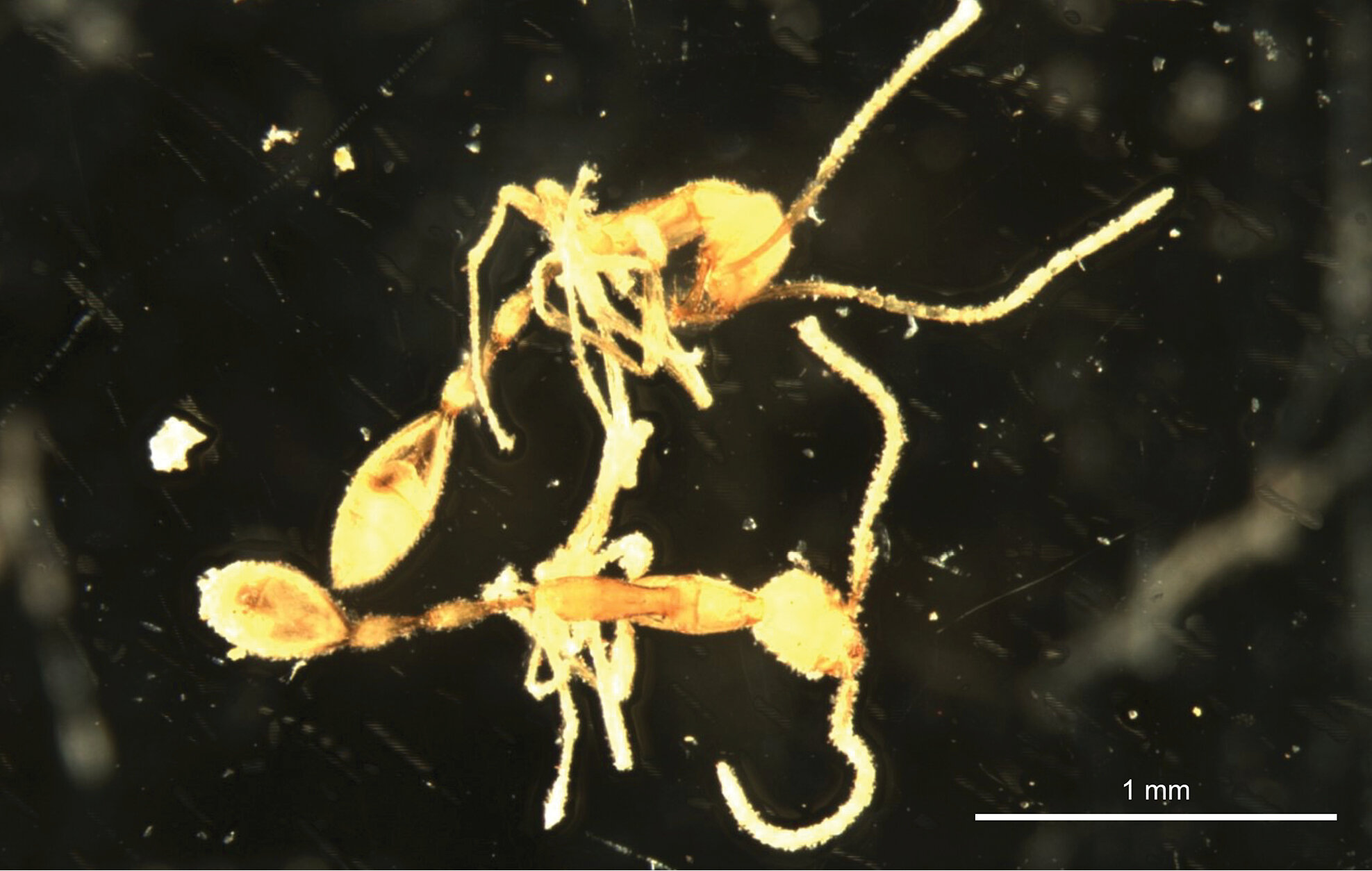
A new species of subterranean ant, Leptanilla voldemort, has been discovered in the Pilbara region of Western Australia, with its slender appearance and underground lifestyle leading researchers to name it after the Harry Potter villain, Lord Voldemort. The ant, only the second of its genus found in Australia, is blind, pale, and measures just one to two millimeters, living in small underground colonies and likely being a predator with sharp mandibles and powerful stings. This discovery adds to the rich diversity of ants in Australia and sheds light on the unique adaptations of these underground insects.