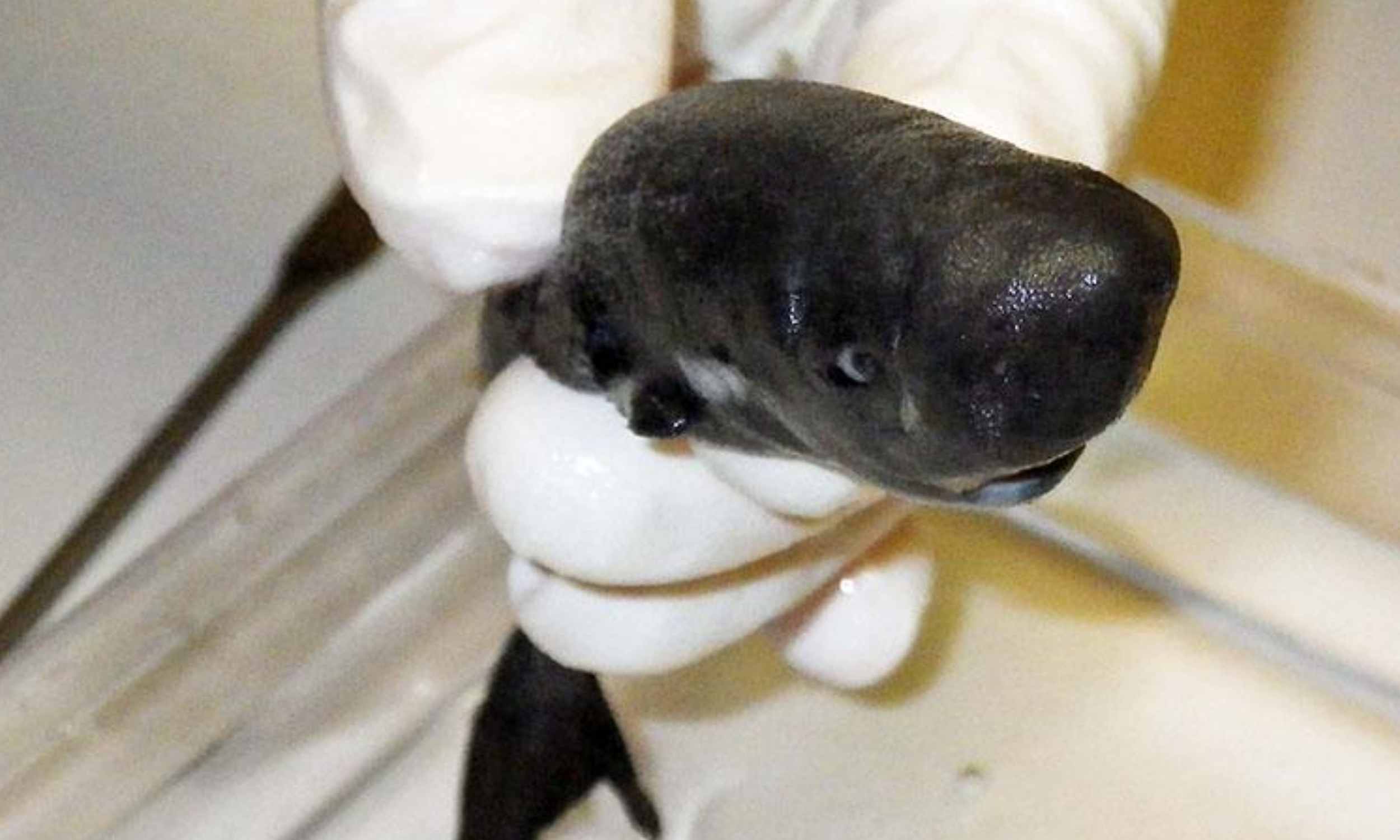
Pocket-sized glowing shark
Scientists discovered a new tiny, glowing shark species called the American pocket shark in the Gulf of Mexico, notable for its bioluminescent pockets and rarity, highlighting the vast unknown diversity of deep-sea life.

All articles tagged with #deep sea creatures
Scientists discovered a new tiny, glowing shark species called the American pocket shark in the Gulf of Mexico, notable for its bioluminescent pockets and rarity, highlighting the vast unknown diversity of deep-sea life.
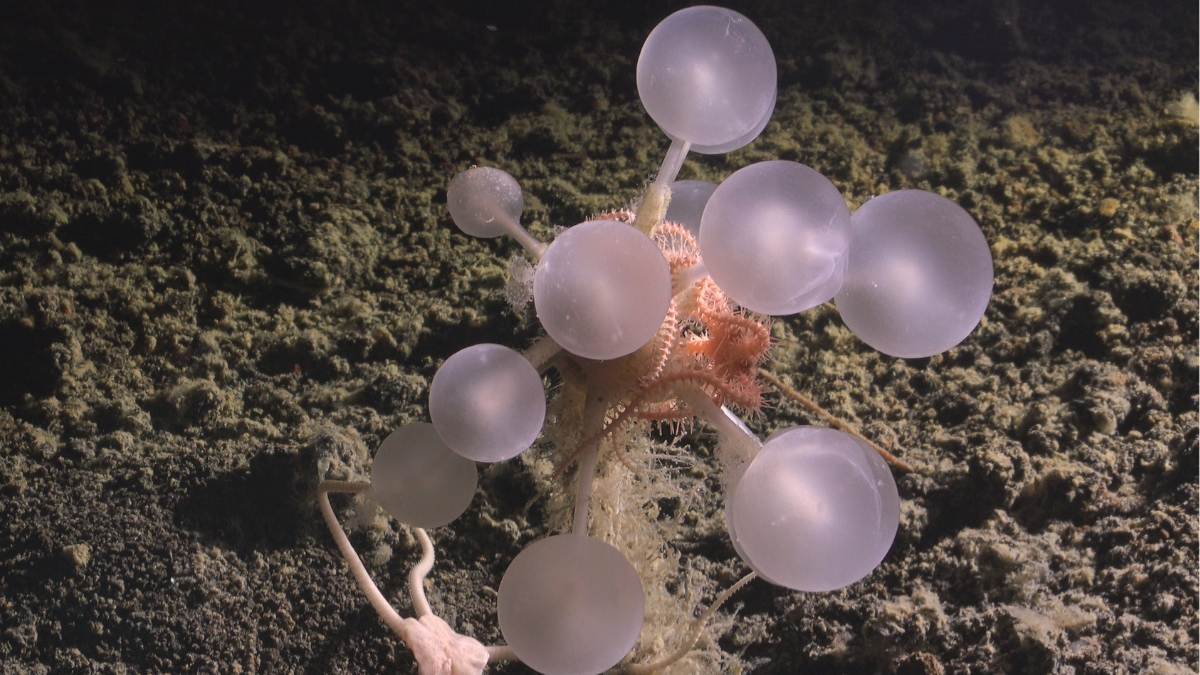
A recent deep-sea expedition near Antarctica discovered 30 new species, including a carnivorous 'death-ball' sponge that captures prey with tiny hooks, highlighting the vast and largely unexplored biodiversity of the Southern Ocean.
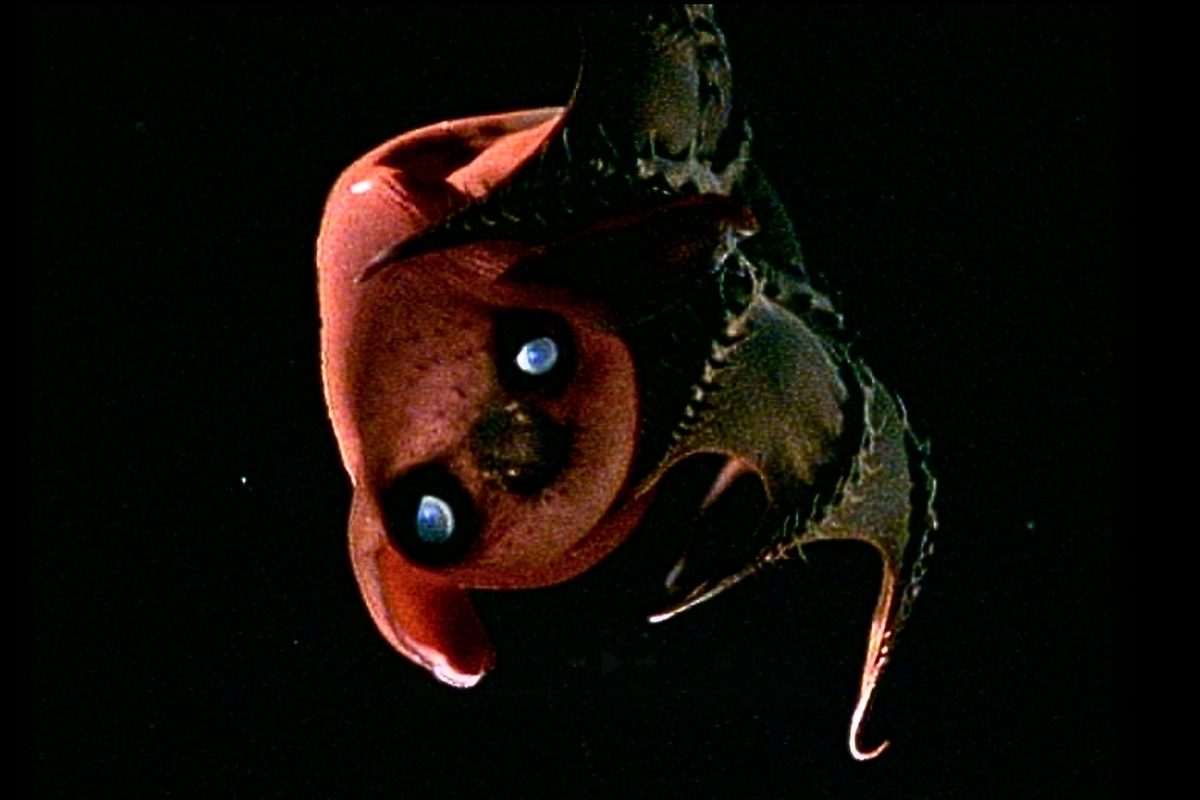
Scientists have extracted DNA from the vampire squid, revealing that its genome is the largest among cephalopods and providing new insights into the evolutionary history of squids and octopuses, indicating that their common ancestor was more squid-like than octopus-like 300 million years ago.

Scientists from The University of Western Australia discovered an invisible 'soft barrier' in the North Atlantic that influences the distribution of deep-sea jellyfish, particularly the genus Botrynema, revealing how ocean currents and morphological adaptations affect their survival and migration across different oceanic regions.
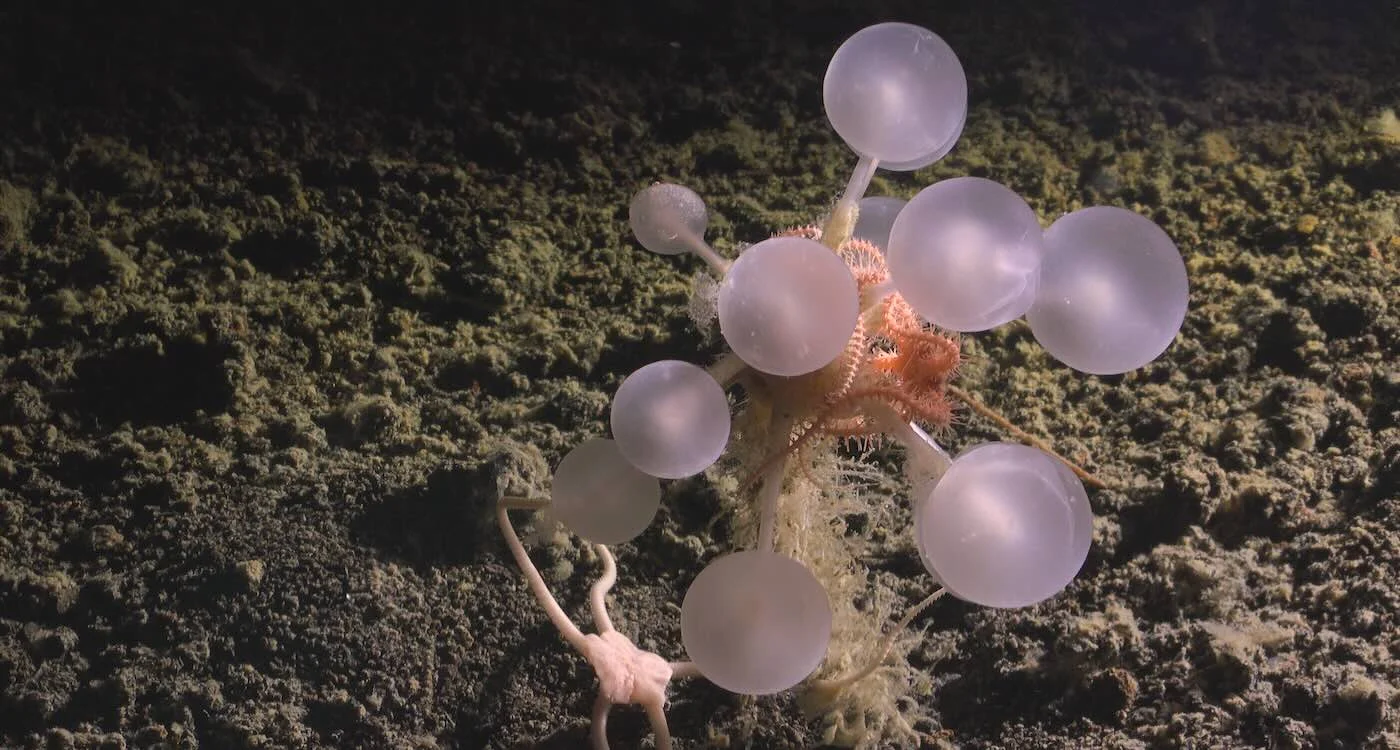
Scientists discovered 30 new deep-sea species, including a unique carnivorous 'death-ball' sponge, during expeditions near Antarctica, utilizing advanced technology and a rapid, collaborative taxonomy approach to accelerate marine biodiversity research.
A recent study describes 14 new marine species discovered at depths over 5,000 meters, including a tusk shell with a sea anemone attached, highlighting the vast unknowns of ocean life and showcasing advanced imaging techniques used in deep-sea research.
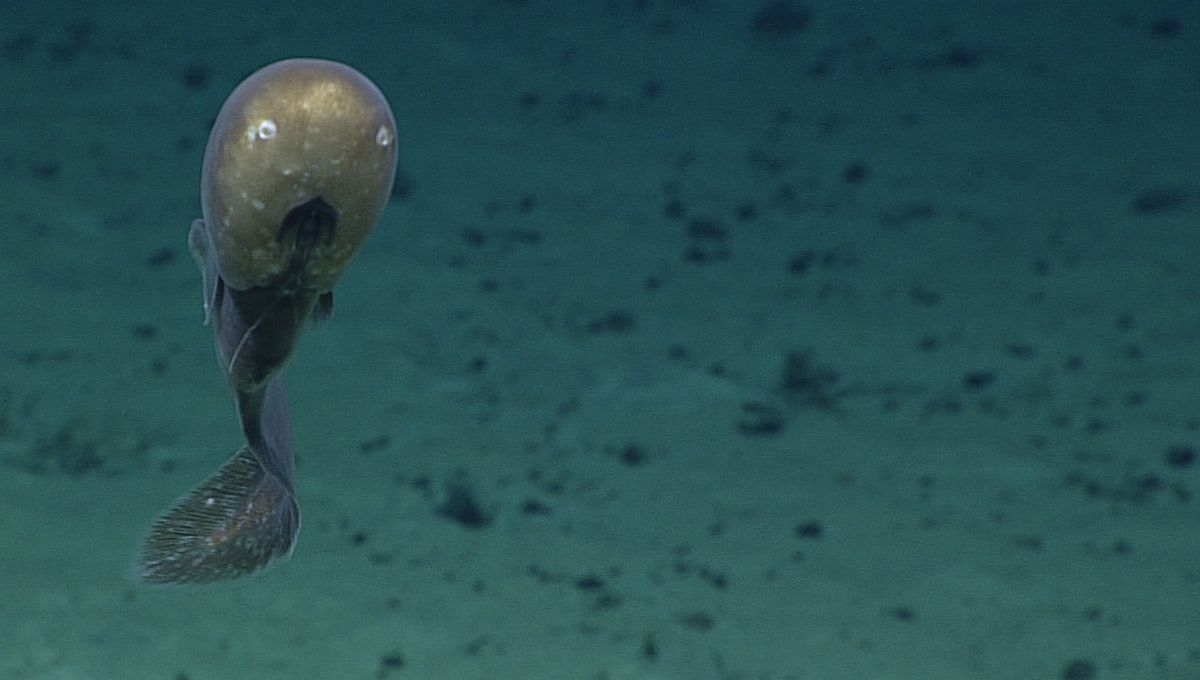
A rare sighting of faceless cusk eels, deep-sea fish with reduced facial features and no visible eyes, was made during an expedition in the Cook Islands, highlighting the mysterious and bizarre life forms inhabiting the ocean's depths.
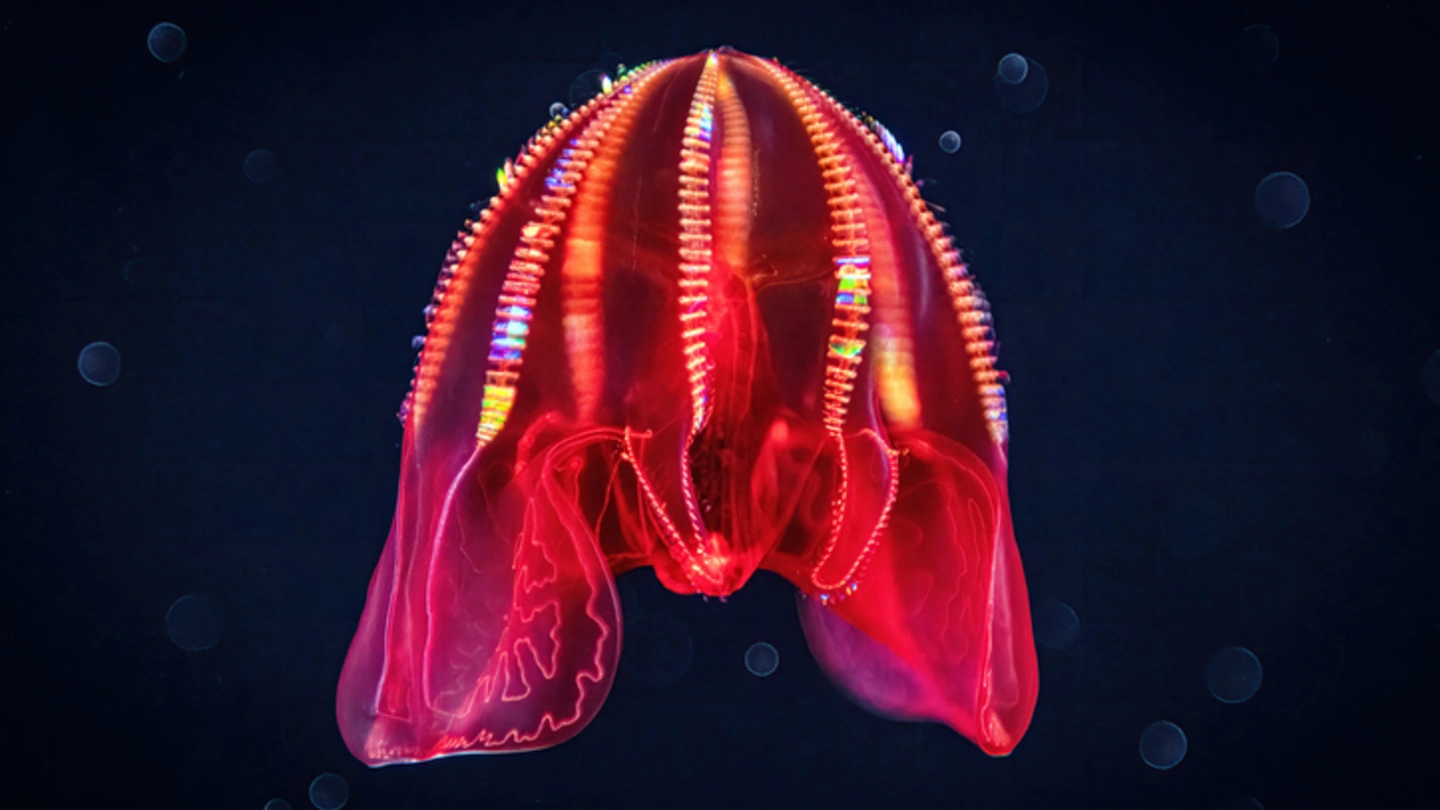
The article explores eight bizarre and terrifying deep-sea creatures, highlighting their unique adaptations to the dark, cold, and pressurized environment of the ocean's depths, including their roles in climate regulation, survival strategies, and potential insights into extraterrestrial life.
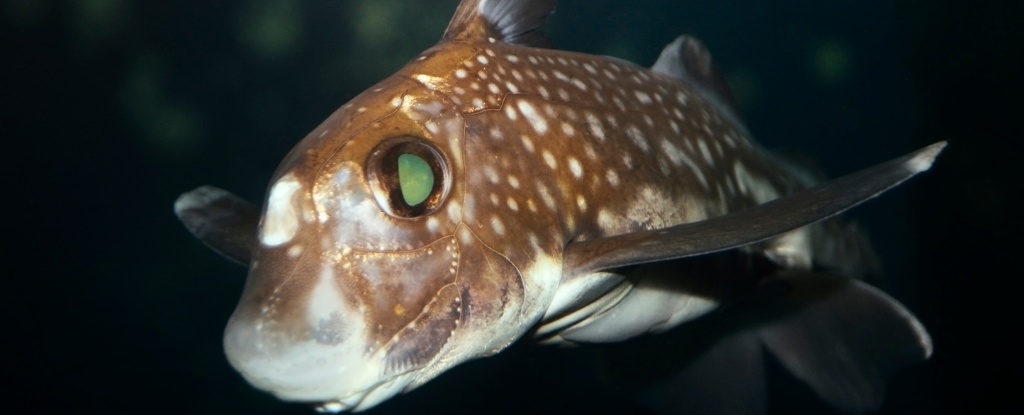
Scientists studied ghost sharks, or chimaeras, revealing that their forehead teeth, used for reproduction, are evolutionarily related to their mouth teeth, showcasing the reuse of biological structures in evolution.
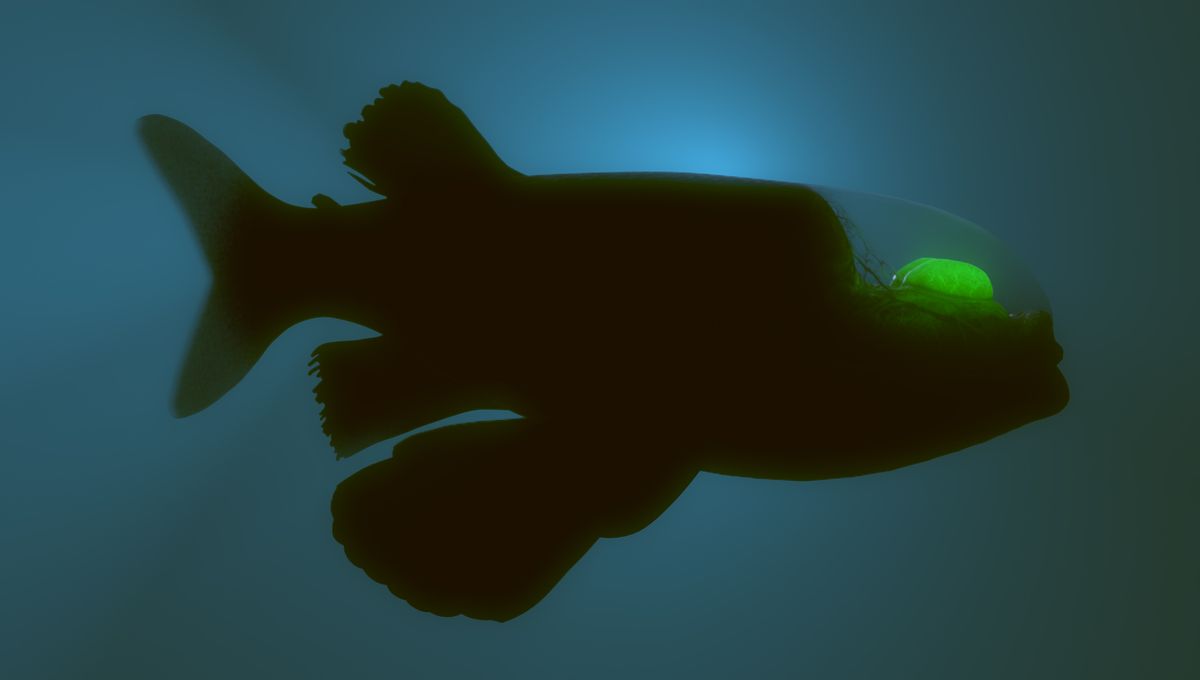
The barreleye fish, a deep-sea species found mainly in the North Pacific, has a transparent head and upward-facing tubular eyes that help it detect prey in dark waters. Its unique visual system and fluid-filled shield protect it from stinging tentacles of jellyfish, and it can rotate its eyes forward to focus on food, showcasing remarkable adaptations for survival in the deep ocean.
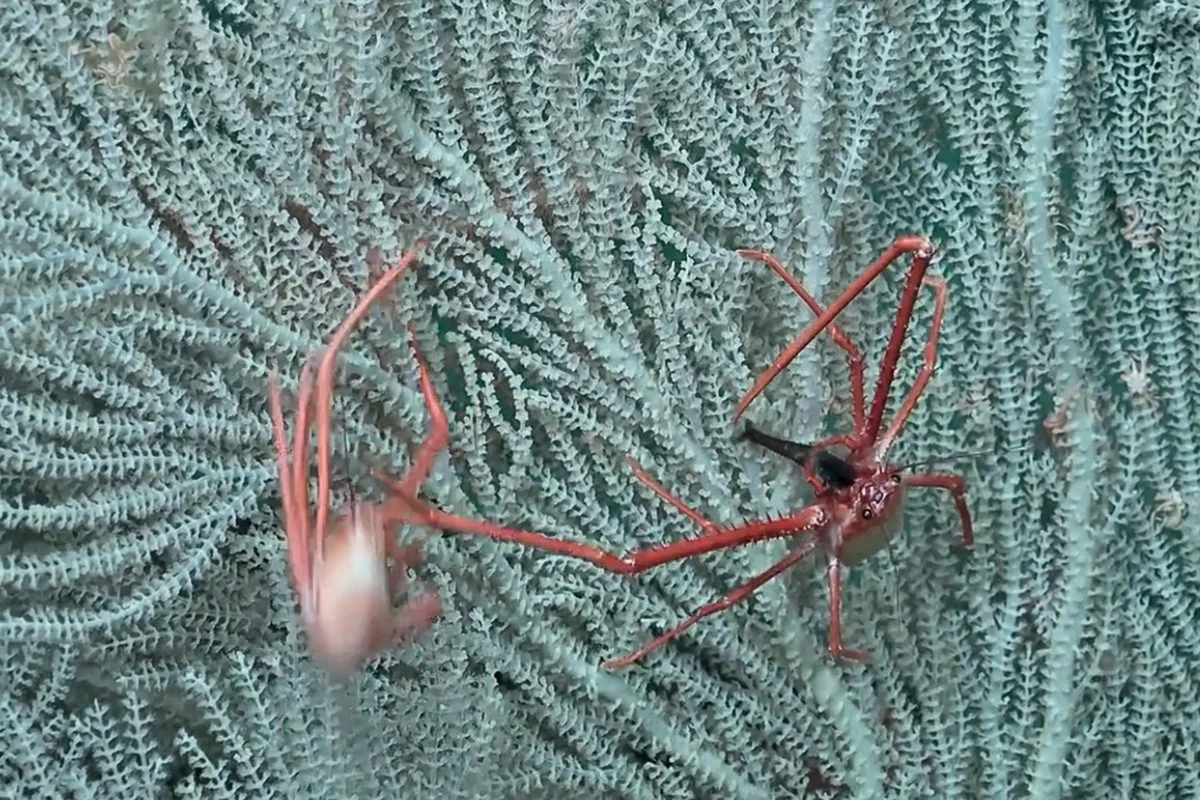
Scientists from the Schmidt Ocean Institute were astonished when a crab appeared to conjure and steal a fish from behind a coral, revealing surprising behavior in deep-sea marine life.

This week in science, a design for a 400-year trip to Alpha Centauri was proposed, AI models were found to transmit potentially malicious secret messages, life may exist on icy worlds beyond traditional habitable zones, ancient cranial modifications in Europe were discovered, and new deep-sea creatures were filmed in extreme ocean depths. Additionally, concerns about reduced funding for mRNA vaccines and other scientific discoveries were highlighted.
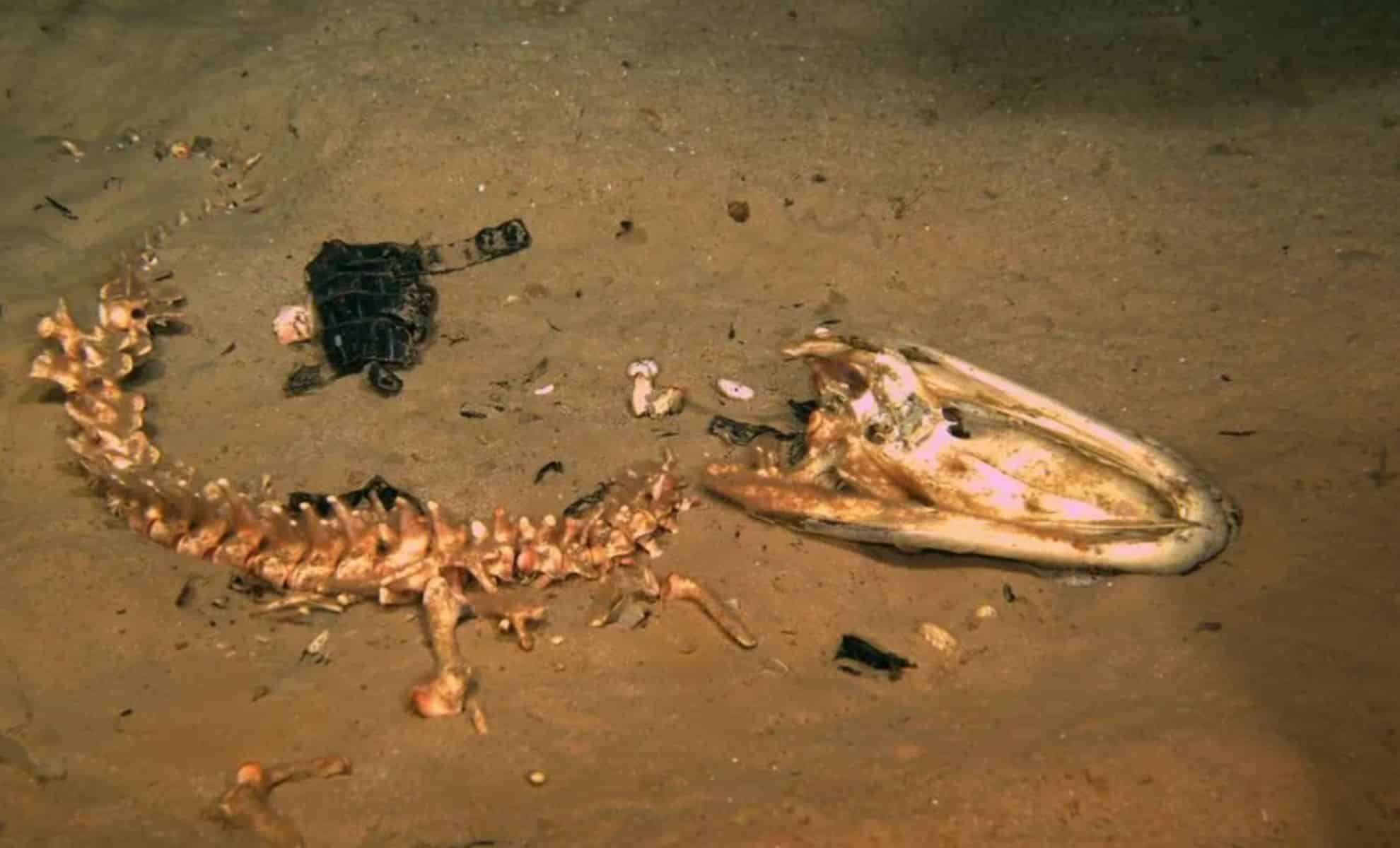
Researchers at LUMCON discovered a new species of bone-eating 'zombie worms' in the Gulf of Mexico after dropping dead alligators into deep water, revealing unexpected rapid scavenging by isopods and large predators like sharks, highlighting the surprising complexity of deep-sea ecosystems.
A new species of sea worm, Pectinereis strickrotti, was discovered off Costa Rica's coast, notable for its graceful, floating movement resembling a magic carpet, highlighting the rich biodiversity of deep-sea methane seeps and the ongoing exploration of these extreme environments.
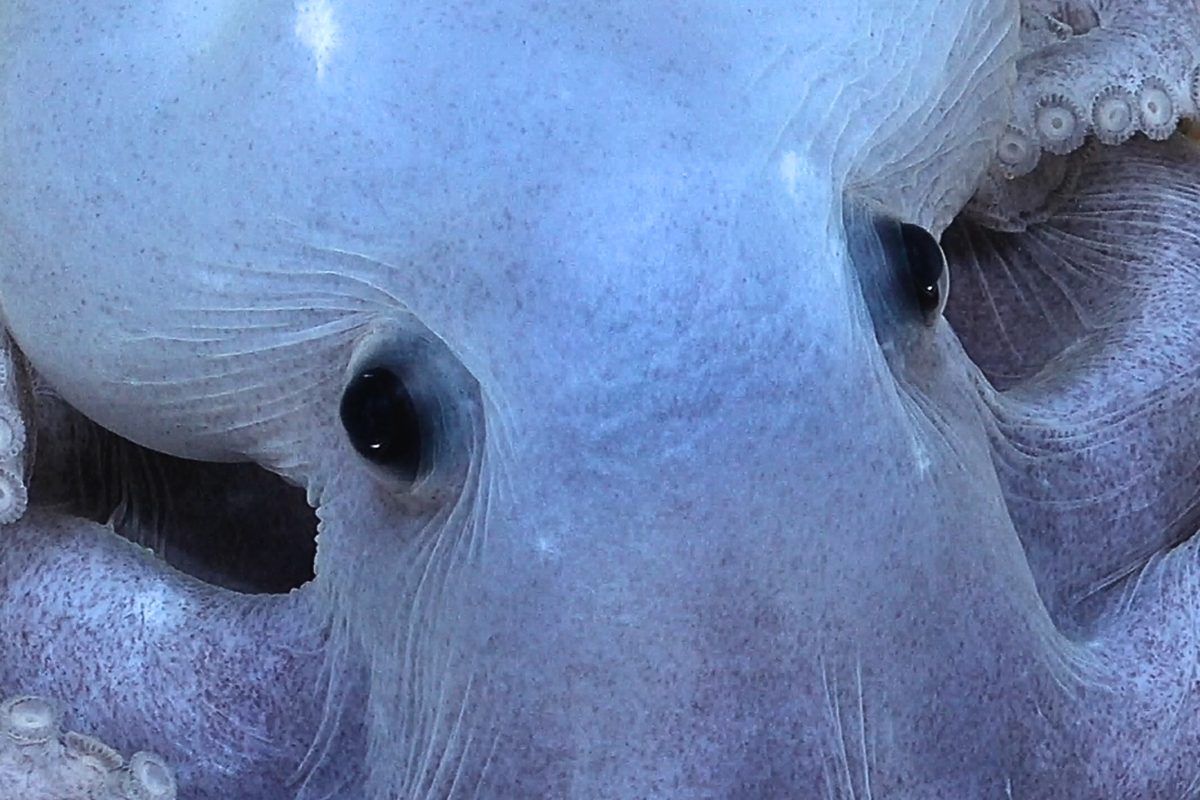
A 2024 expedition to the Nazca Ridge in the South Pacific captured rare footage of deep-sea creatures, including the first live recording of a 'Casper octopus' at 4,443 meters depth, revealing new insights into abyssal marine life.