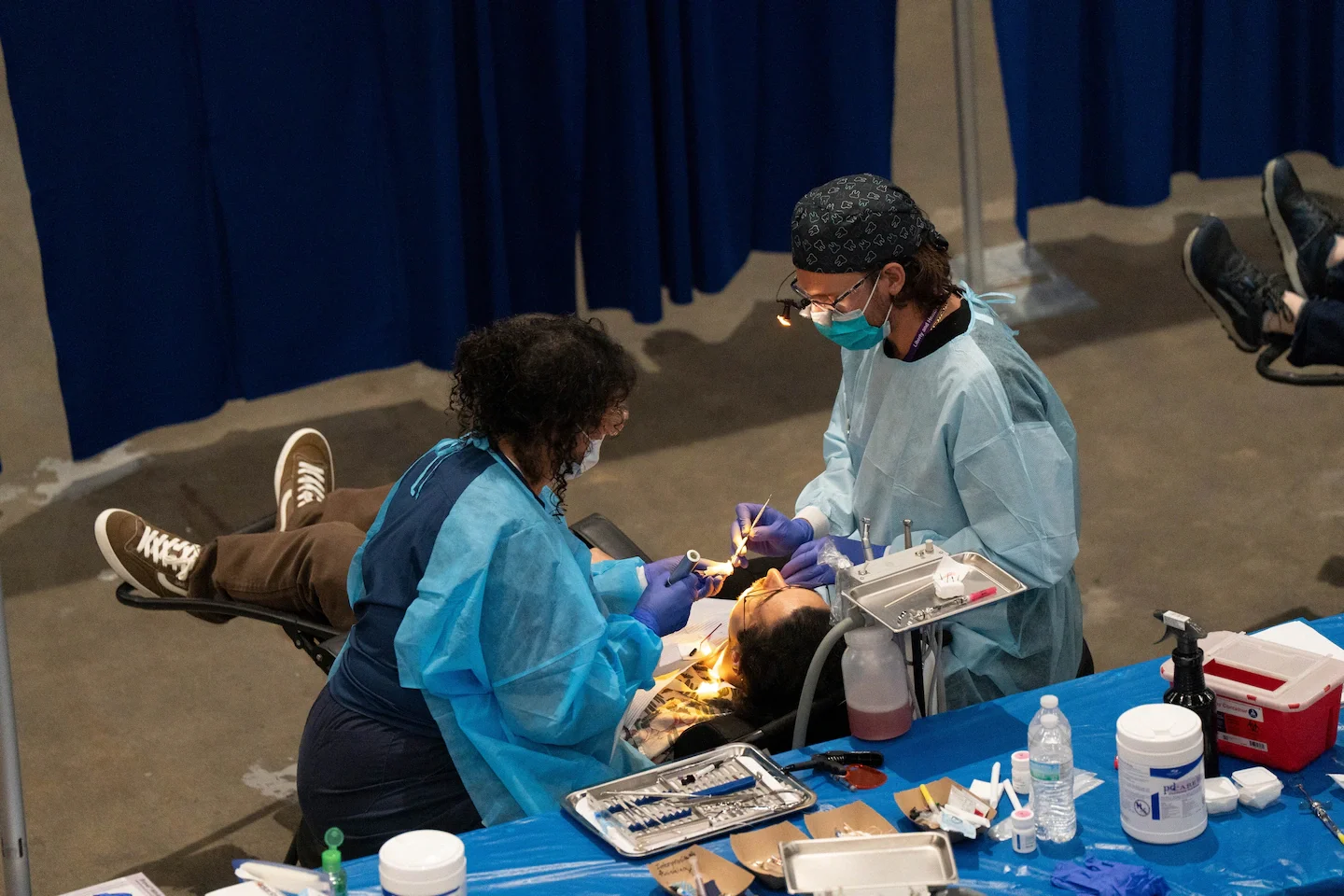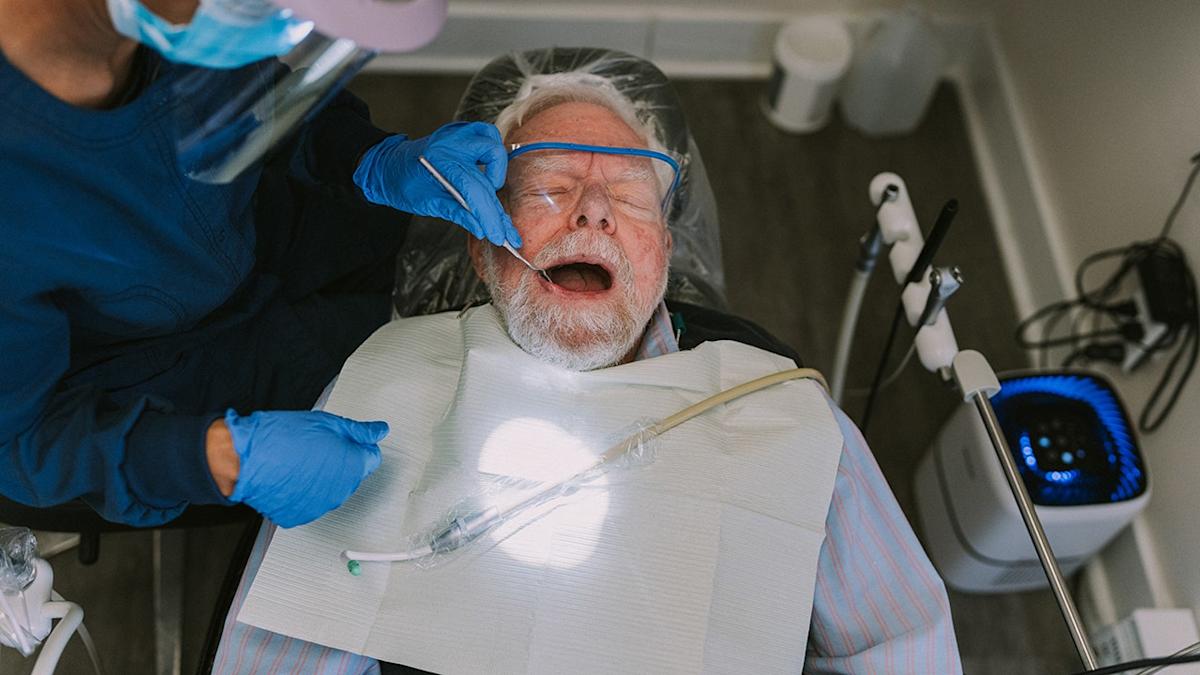
A Washington Post piece notes that young adults, particularly Gen Z, are the most likely to skip dental care—about 1 in 3 didn’t see a dentist in the past year—prompting clinicians to use TikTok, YouTube and other digital outreach to stress the future consequences of neglecting oral health.
Researchers have discovered that disrupting bacterial communication signals in dental plaque using enzymes can promote the growth of beneficial bacteria and potentially prevent gum disease, offering a new approach to maintaining oral health without harming good bacteria.
A review of human studies suggests kefir can alter gut and oral bacteria, potentially supporting digestive, immune, and metabolic health, but inconsistent results and small trials mean its true health impact remains uncertain.
Scientists at the University of Minnesota discovered that disrupting bacterial communication signals, specifically AHLs, in the mouth can promote healthier oral bacteria and potentially prevent gum disease by maintaining a balanced microbiome. The effectiveness of this approach varies with oxygen levels, offering new avenues for targeted periodontal therapies.
A study from the University at Buffalo reveals that human saliva has evolved significantly from primates, with gene duplications and changes influenced by diet and environment, highlighting saliva's potential in personalized medicine and oral health diagnostics.
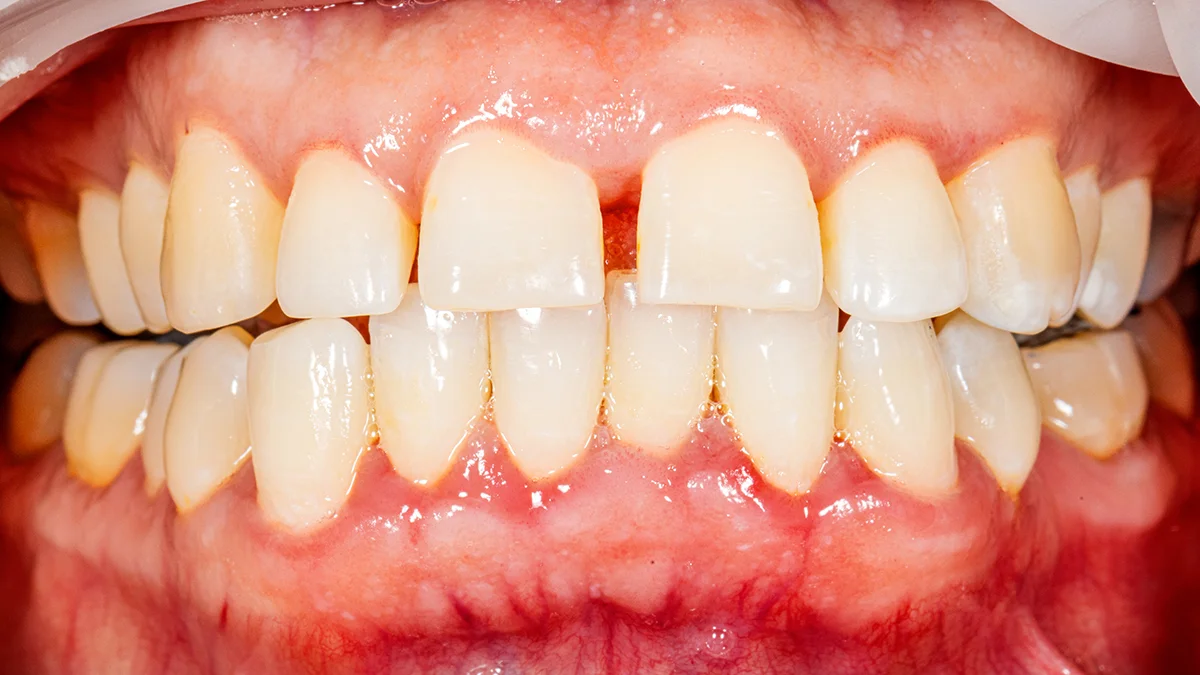
A study finds a link between gum disease and increased white matter hyperintensities in the brain, which are associated with memory, balance, and stroke risk, suggesting oral health may impact brain health, especially in older adults.
A two-year study suggests that intensive treatment of gum disease through deep cleaning can slow artery thickening and improve blood vessel function, potentially reducing the risk of heart attacks and strokes by about 10% annually, highlighting the importance of oral health in cardiovascular prevention.
The article highlights that two common dental issues, gum disease and periodontal disease, are linked to an 86% higher risk of stroke, emphasizing the importance of maintaining good oral health to reduce stroke risk.
Maintaining good oral hygiene, including regular brushing, flossing, and dental visits, can significantly reduce the risk of serious health issues such as heart disease, stroke, and dementia. Consuming omega-3 rich foods, nitrate-rich vegetables like beetroot, and high-fiber foods, along with regular exercise and possibly deep cleaning treatments, can improve oral and overall health, highlighting the mouth-body connection.
Dry mouth, or xerostomia, is a common condition affecting about 22% of the global population, characterized by reduced saliva flow leading to symptoms like bad breath, sore throat, and cracked lips. It is often caused by medications, cancer treatments, or lifestyle factors, and can damage oral health if left untreated. Treatment includes over-the-counter products and lifestyle changes, but consulting a dentist is recommended for proper diagnosis and management.
Dry mouth, or xerostomia, affects about 20% of people and can cause symptoms like burning, bad breath, and cavities. It results from reduced saliva flow due to various causes such as medications, mouth breathing, or medical treatments. Dentists recommend over-the-counter products like mouthwashes, tablets, lozenges, gels, and chewing gums that stimulate saliva or act as substitutes, emphasizing alcohol-free and sugar-free options. Lifestyle changes and regular dental checkups are also crucial for managing dry mouth and preventing long-term damage.
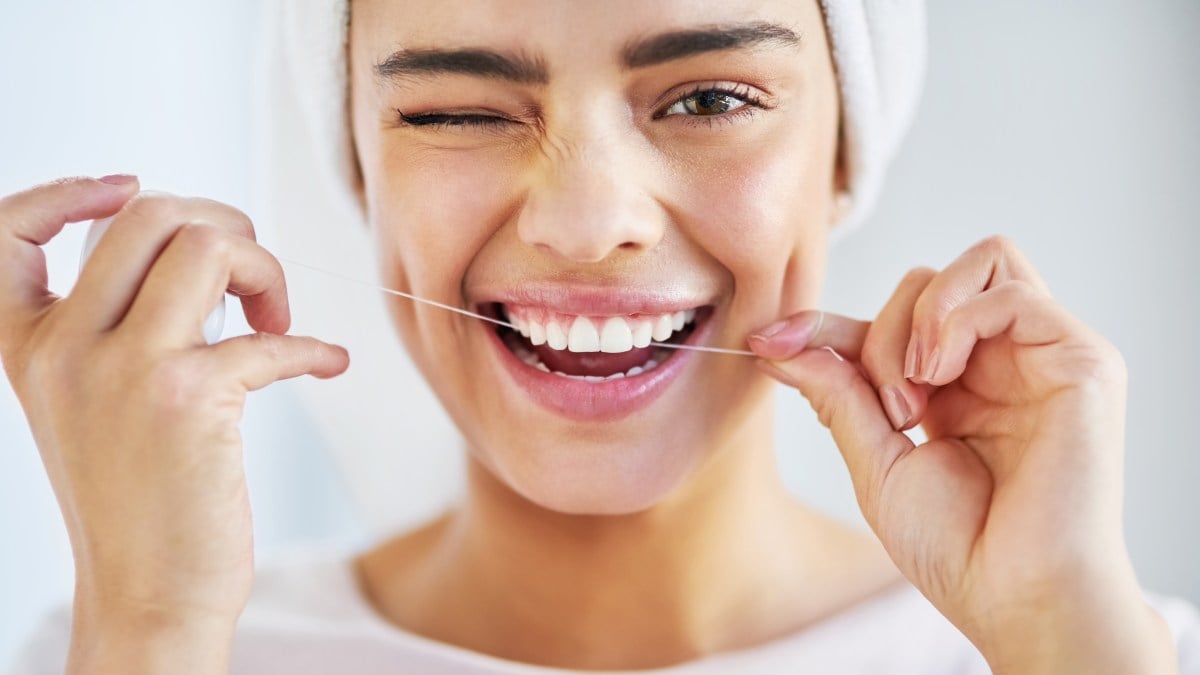
Dentists recommend flossing before brushing to effectively remove debris and plaque, allowing fluoride from toothpaste to better strengthen teeth and improve oral health. Flossing first dislodges particles from between teeth, making brushing more effective, especially when done at night as part of a daily routine. The best flossing tool is the one you will use consistently, whether traditional floss, picks, or water flossers.
A study links gum disease in older adults to increased signs of white matter damage in the brain, which is associated with memory decline, balance issues, and stroke risk, suggesting that maintaining good dental hygiene may support brain health as we age.
New research suggests that gum disease may be linked to an increased risk of stroke and brain damage, with poor oral health associated with higher inflammation and arterial issues; maintaining good oral hygiene could significantly reduce these risks.
A study from Sichuan University found that rapid tooth loss in older adults is linked to a higher risk of death, suggesting that tooth loss could serve as an indicator of overall health and mortality risk, emphasizing the importance of good oral hygiene and regular dental care.