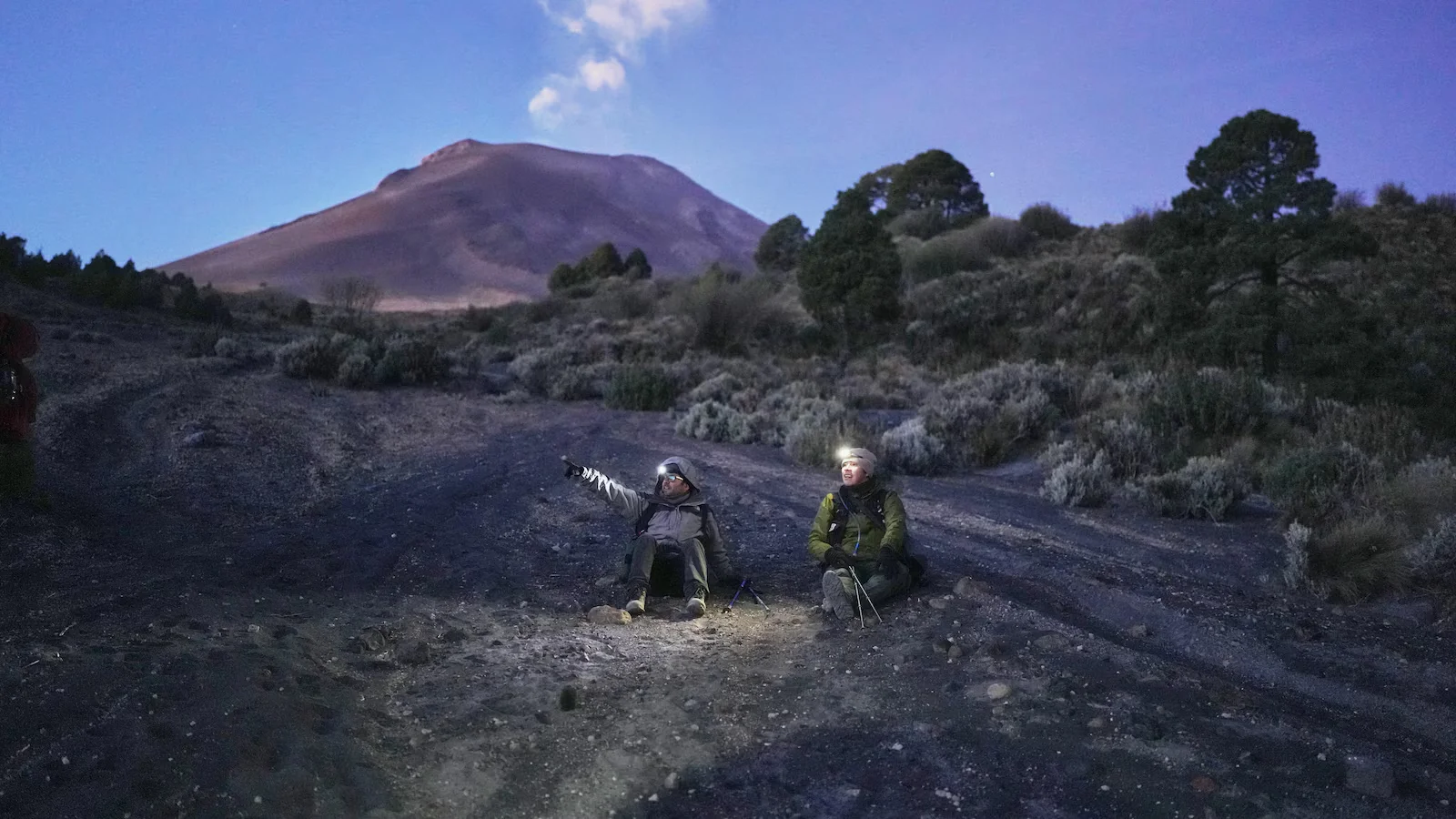
Scientists from Mexico's UNAM have created the first detailed 3D images of Popocatépetl's interior, revealing magma pools and improving understanding of its activity to better predict eruptions and protect nearby populations.
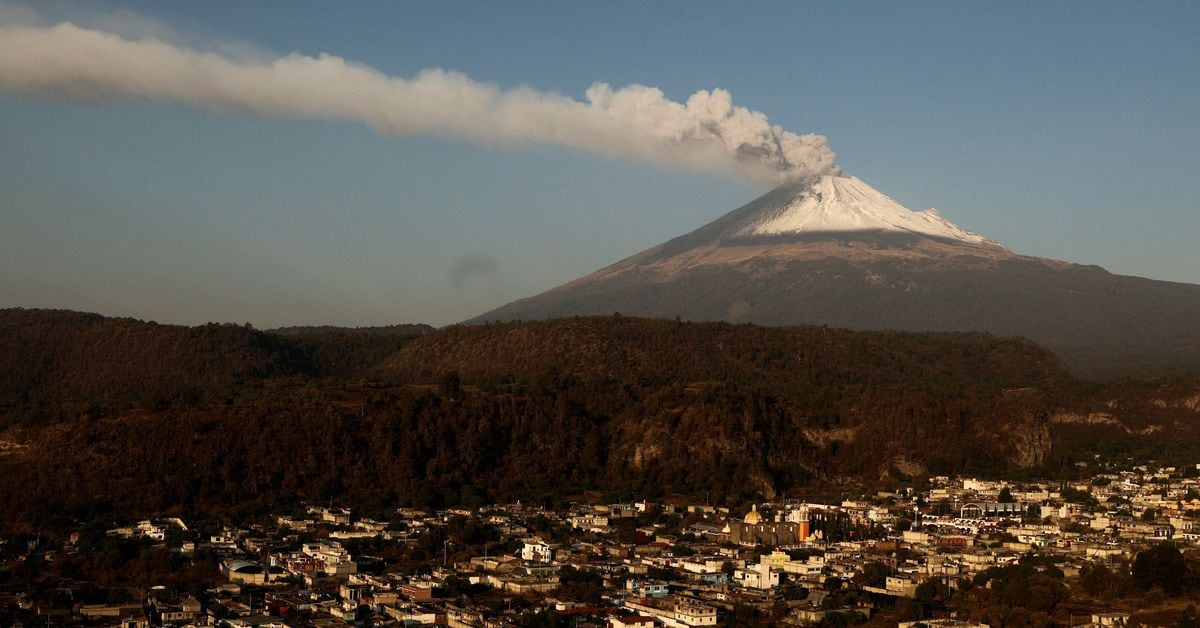
Mexico's Popocatépetl volcano, located near the country's capital, has erupted 13 times in the past day, leading to airport delays and cancellations due to volcanic ash. Flights out of Mexico City's largest airport were disrupted, with at least 22 flights cancelled and others rerouted. The volcano's activity also prompted the temporary suspension of airport operations in Puebla. The ash poses safety concerns for aviation, as it can reduce visibility and damage aircraft. Despite its regular eruptions, last year's large eruptions caused alarm in nearby towns, but experts consider the activity as "nothing new or surprising".
Millions of people in Mexico have been warned to prepare for a possible evacuation as the Popocatépetl volcano, the country's most dangerous active volcano, has been spewing ash into several nearby towns since last week. The National Civil Protection Coordination (CNPC) increased its volcanic threat level to "yellow phase 3," calling on some 3 million people who live in towns and villages adjacent to the volcano to stay alert and prepare for a possible evacuation. The volcano's activity has delayed flights in Mexico City and led authorities to close schools in dozens of municipalities.
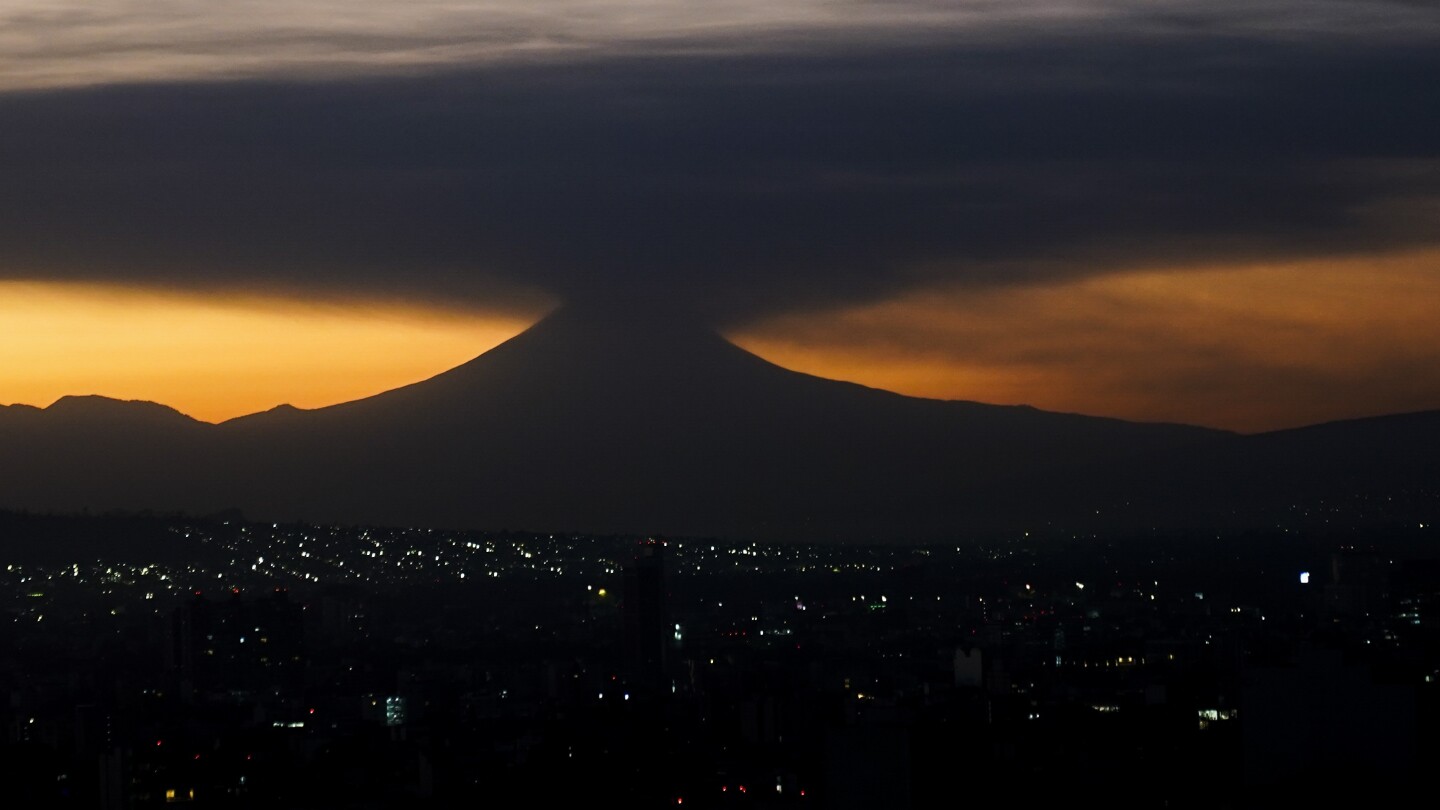
Mexico City's two main airports, Benito Juarez International and Felipe Angeles, temporarily shut down operations due to ash spewing from Popocatepetl volcano. Volcanic ashes are dangerous for aviation as they reduce visibility and can damage aircraft. The volcano has been active this week, forcing 11 villages to cancel school sessions, and authorities are maintaining the threat at an intermediate level.
Mexico City's two main airports temporarily shut down operations due to ash spewing from Popocatepetl volcano, located 45 miles southeast of the country's capital. Volcanic ashes are especially dangerous for aviation, not only because they reduce visibility but because they can act as an abrasive, damaging an aircraft's wings and fuselage. The Popocatepetl rumbled to life again this week, belching out towering clouds of ash that forced 11 villages to cancel school sessions.
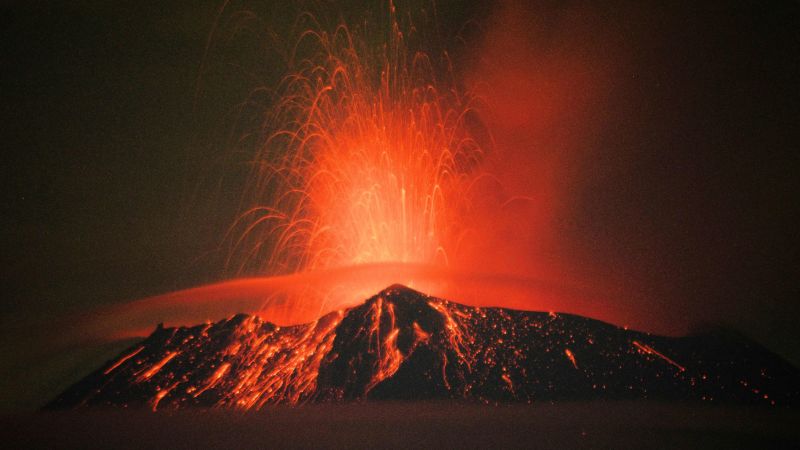
Mexico's Popocatepetl volcano, located 45 miles southeast of Mexico City, has been spewing toxic fumes, ash, and lumps of incandescent rock persistently for almost 30 years. The volcano is the most visible potential danger to the city of 22 million people and is closely monitored by a network of sensors, cameras, and scientists. The National Disaster Prevention Center has implemented a volcano "stoplight" system to warn residents of potential danger. The center also monitors earthquakes and other natural disasters in Mexico.
Mexican authorities have suspended in-person classes for over 100,000 students in 22 towns near the Popocatepetl volcano due to falling ash and gases spewed by the volcano, which can be harmful when inhaled. The volcano, located about 45 miles southwest of Mexico City, has had a series of small but powerful eruptions in recent days, prompting health concerns. Popocatepetl is one of the world's most closely monitored volcanoes, and Mexico's disaster prevention center has maintained its alert level at yellow, indicating moderate risk.
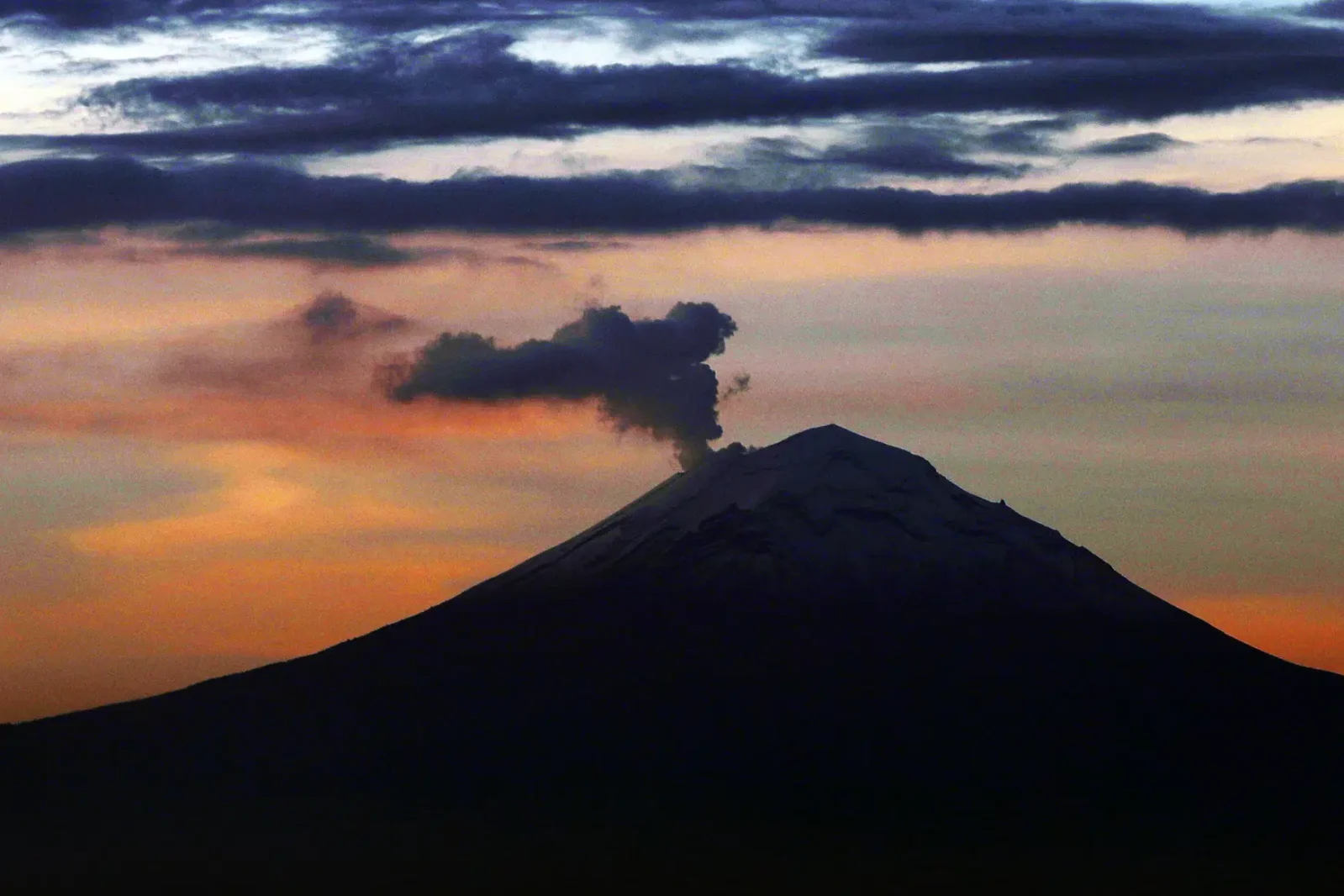
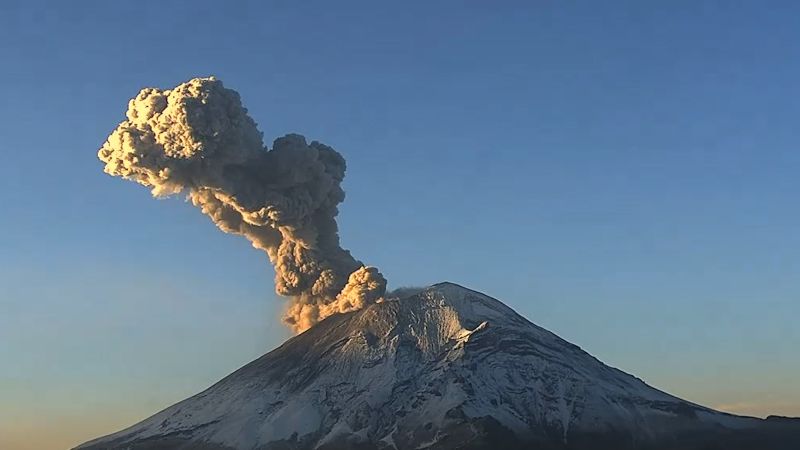
Multiple "moderate" explosions were recorded at Popocatépetl, one of Mexico's most active volcanoes, by the National Center for Disaster Prevention. Video footage captured the eruptions, which occurred near Mexico City.
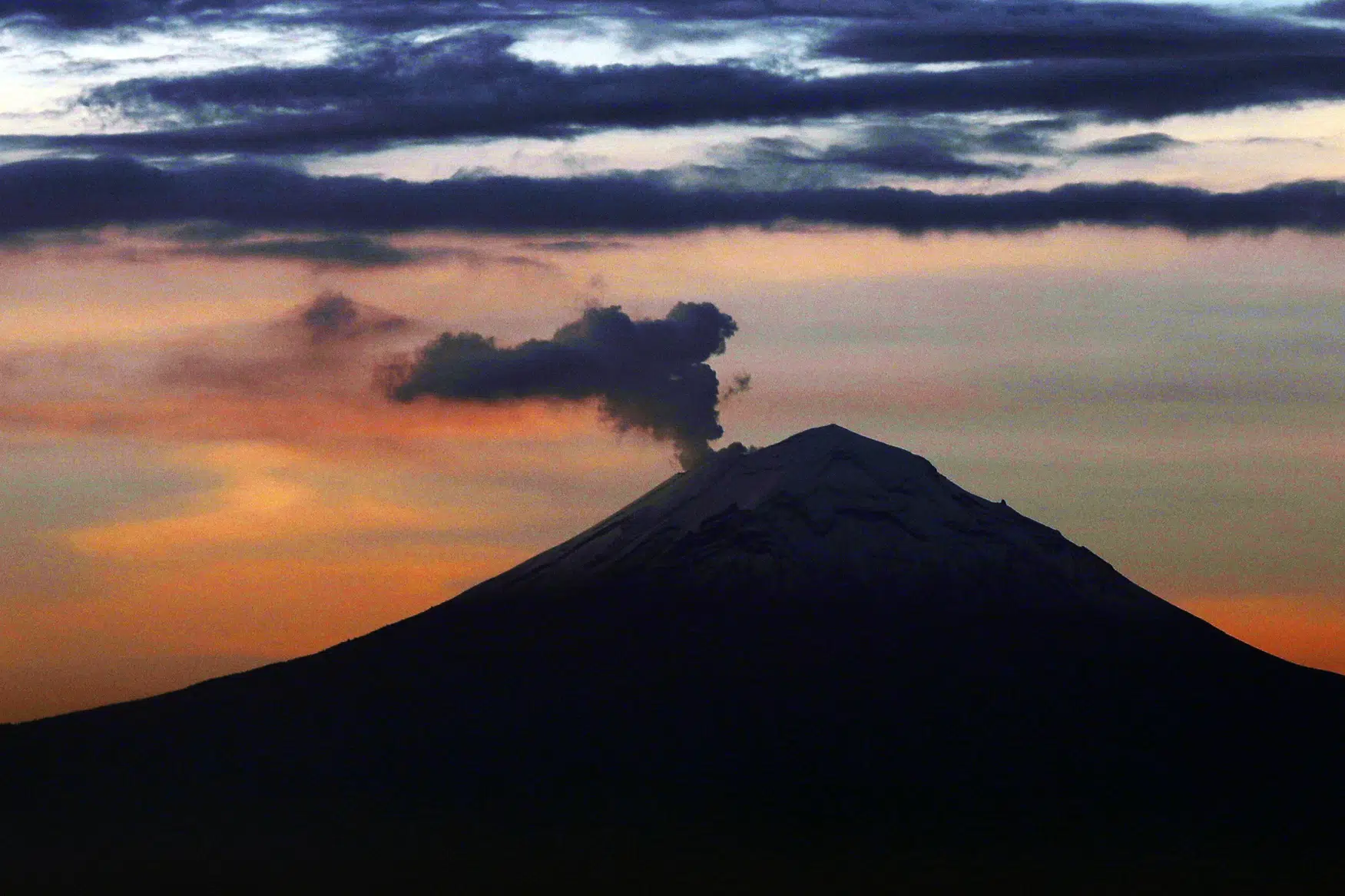
Satellite images captured by Landsat 8 and an astronaut on the International Space Station show ongoing emissions from Mexico's Popocatépetl volcano, which has been erupting since 2005. The images show plumes of water vapor, volcanic gases, and ash rising from the summit crater, with some plumes reaching as high as 7.3 kilometers. The source of another plume between Popocatépetl and the nearby dormant volcano Iztaccihuatl is unclear. The volcanic alert level remains at yellow, the middle level of a three-color scale.