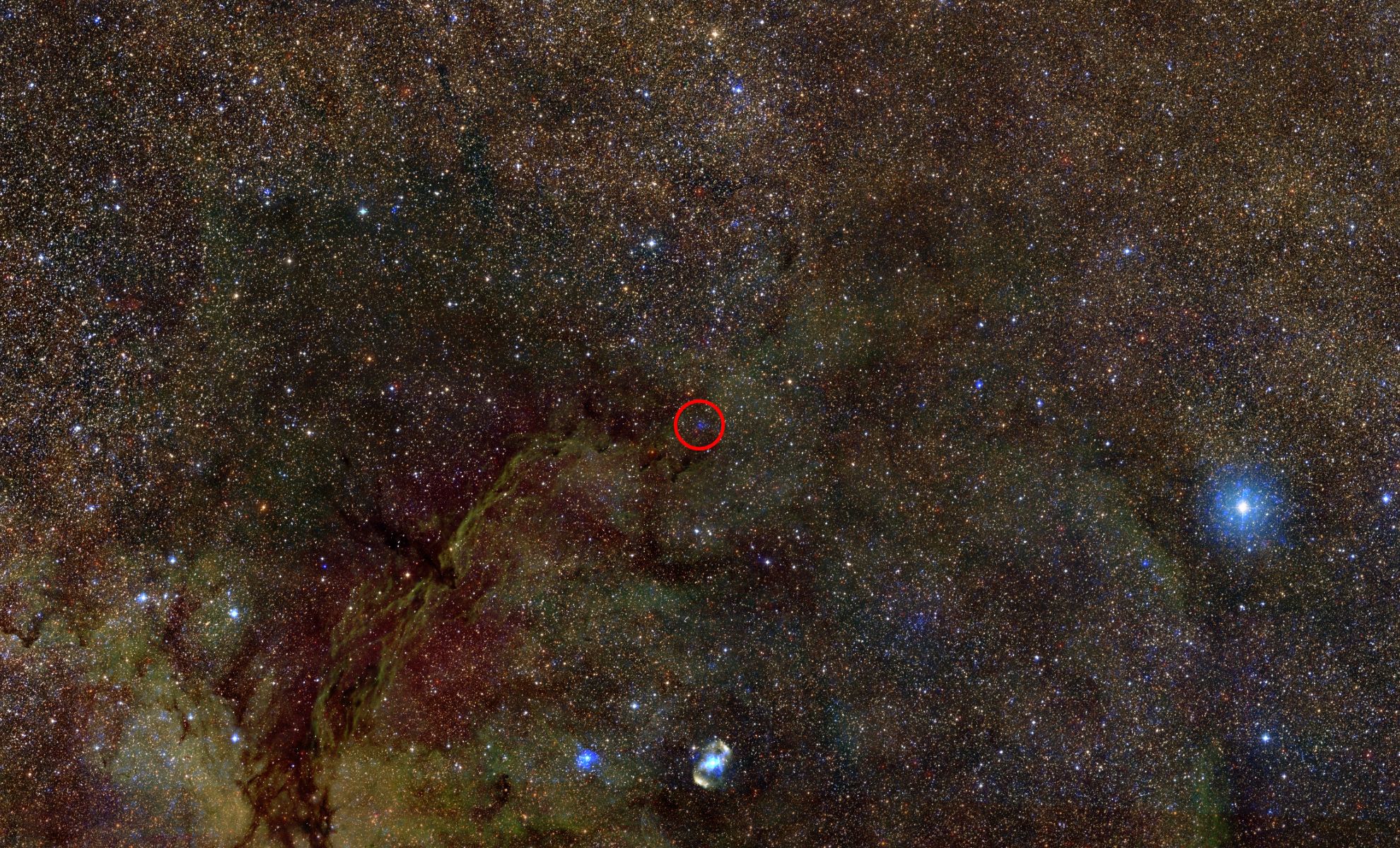
NASA and Japan's XRISM satellite made a groundbreaking discovery by directly detecting both solid and gaseous sulfur in the interstellar medium, providing new insights into the chemical processes that shape our galaxy and potentially influence planet formation and habitability.
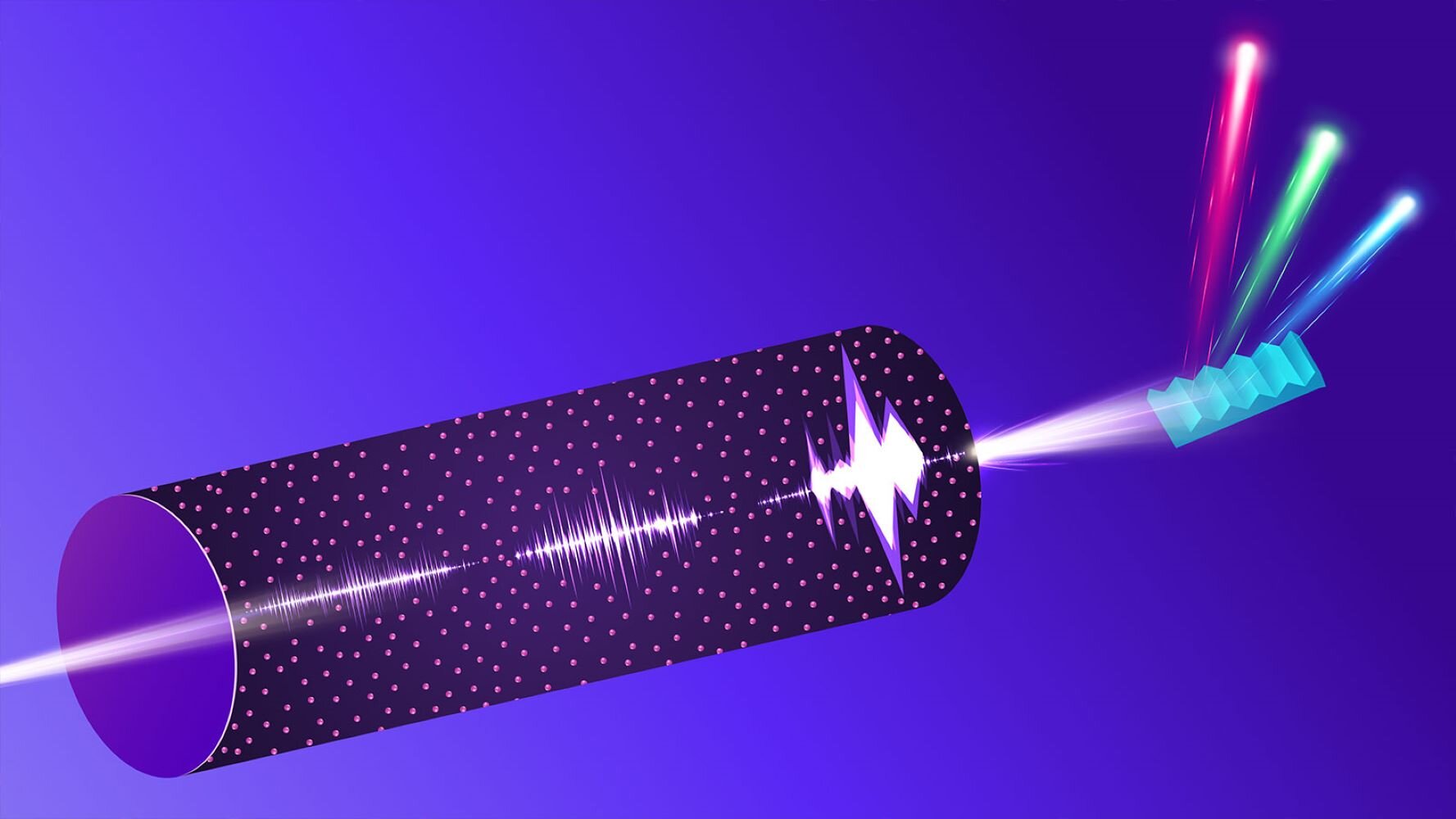
Researchers have developed a novel X-ray technique called stochastic Stimulated X-ray Raman Scattering (s-SXRS) that uses noise to achieve unprecedented resolution in atomic and electronic structure imaging, enabling detailed insights into chemical reactions and material properties, with potential widespread applications in science and industry.
Researchers have discovered that the molecule S-adenosyl-L-methionine (SAM) is a key player in the microbial production of methylmercury, a highly toxic form of mercury that accumulates in fish and poses significant health risks. Using advanced X-ray spectroscopy at the Stanford Synchrotron Radiation Lightsource, the study identified SAM as the methyl donor in the conversion process, challenging previous assumptions. This finding could inform new strategies for environmental remediation of methylmercury contamination.
Scientists have captured the real-time movement of electrons in liquid water for the first time using attosecond X-ray pulses, providing new insights into the electronic structure of molecules and radiation-induced chemistry. This breakthrough opens up possibilities for understanding the effects of radiation exposure in various fields such as space travel, cancer treatments, nuclear reactors, and legacy waste. The research, published in Science, was made possible by a multi-institutional team's collaboration and the development of attosecond X-ray free-electron lasers, marking a significant advancement in the field of attosecond physics.
Scientists have successfully captured the movement of electrons in real-time in liquid water using attosecond X-ray pulses, providing new insights into the electronic structure of molecules in the liquid phase and the immediate electronic response to X-ray exposure. This breakthrough allows for a deeper understanding of radiation-induced chemistry and its effects on objects and people, with potential applications in space travel, cancer treatments, nuclear reactors, and legacy waste. The research, published in the journal Science, involved a multi-institutional collaboration and marks a significant advancement in attosecond physics.
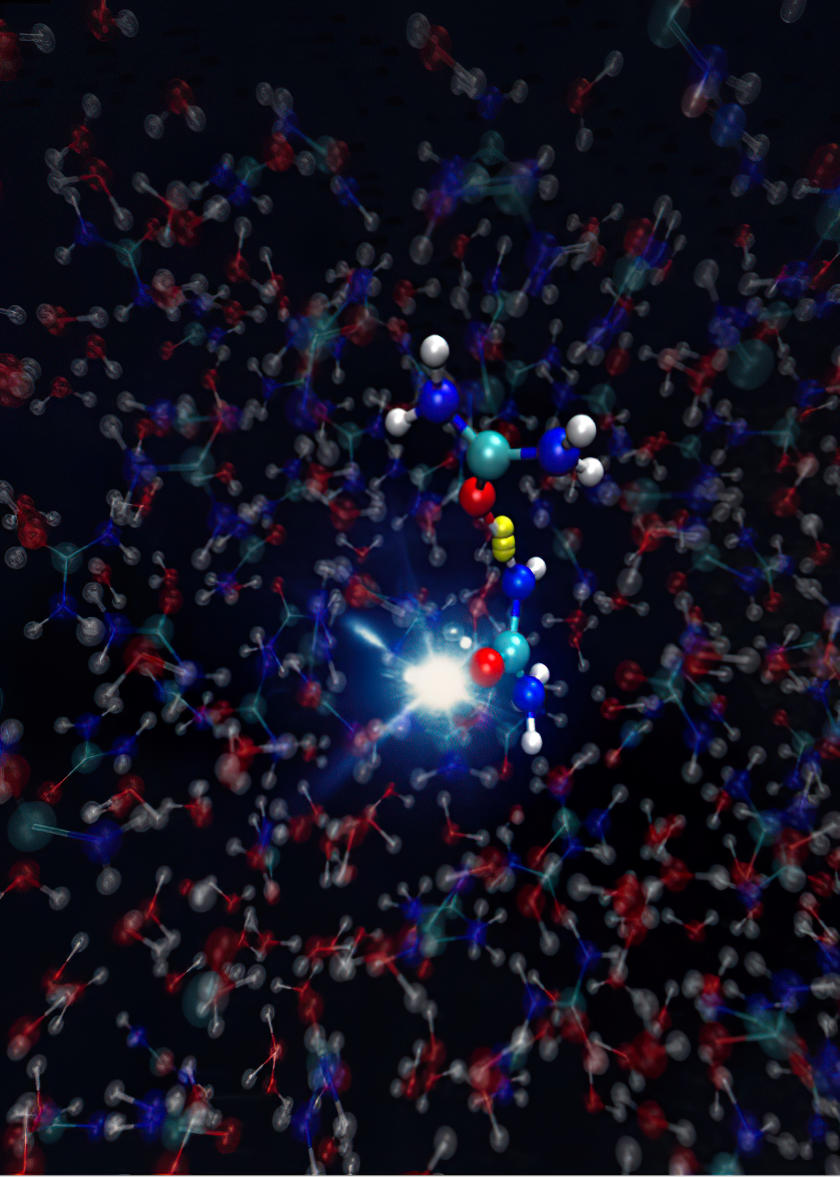
Researchers have used innovative X-ray spectroscopy to gain insights into the origins of life on Earth. By examining the ionization and reaction of urea molecules, which are essential for forming nucleo bases, the study sheds light on the pre-biotic stage when high-energy radiation from space interacted with organic compounds. The groundbreaking approach allowed scientists to investigate the intricate changes in urea molecules at the femtosecond level, providing a deeper understanding of the process and opening new possibilities in the field of attochemistry.
Scientists from ETH Zurich and the University of Geneva have developed a new method to observe chemical reactions in liquids at an extremely high temporal resolution, using X-ray spectroscopy. This breakthrough allows them to track molecular changes within femtoseconds, shedding light on reactions involving molecules like urea that may have played a role in the emergence of life on Earth. The researchers discovered that ionizing radiation causes a hydrogen atom transfer within urea molecules, leading to the formation of urea radicals and potentially the building blocks of RNA and DNA. This new technique has broad implications for understanding biochemical processes and chemical syntheses in liquids.
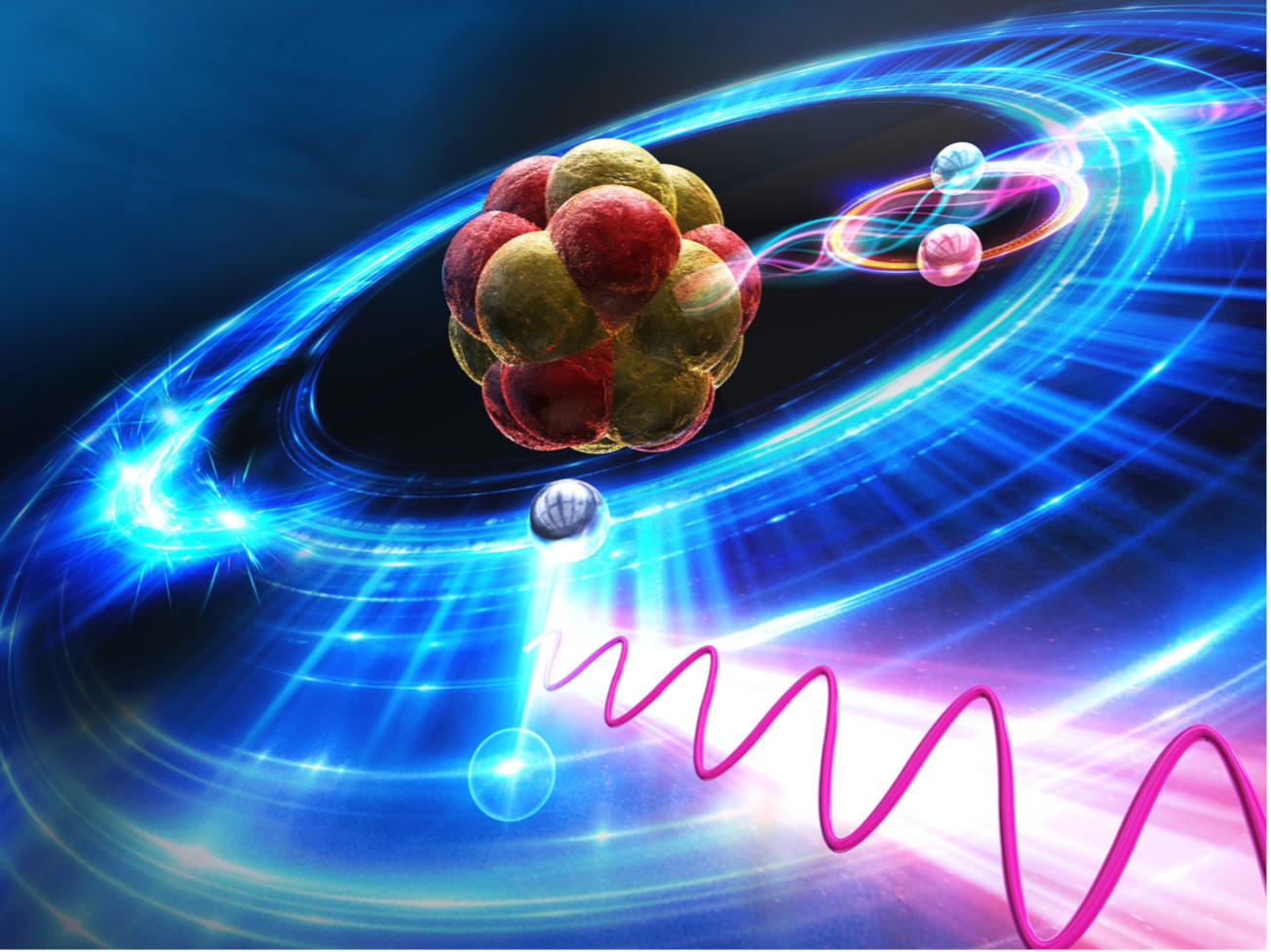
Scientists have successfully conducted a proof-of-principle experiment to verify strong-field quantum electrodynamics within exotic atoms. By measuring the energy spectrum of muonic characteristic X-rays emitted from muonic atoms using a sophisticated X-ray detector, they were able to verify contributions from vacuum polarization in strong-field quantum electrodynamics with a high precision of 5.8%. This achievement marks a significant advancement in the verification of key physical laws and has potential applications in various research areas.
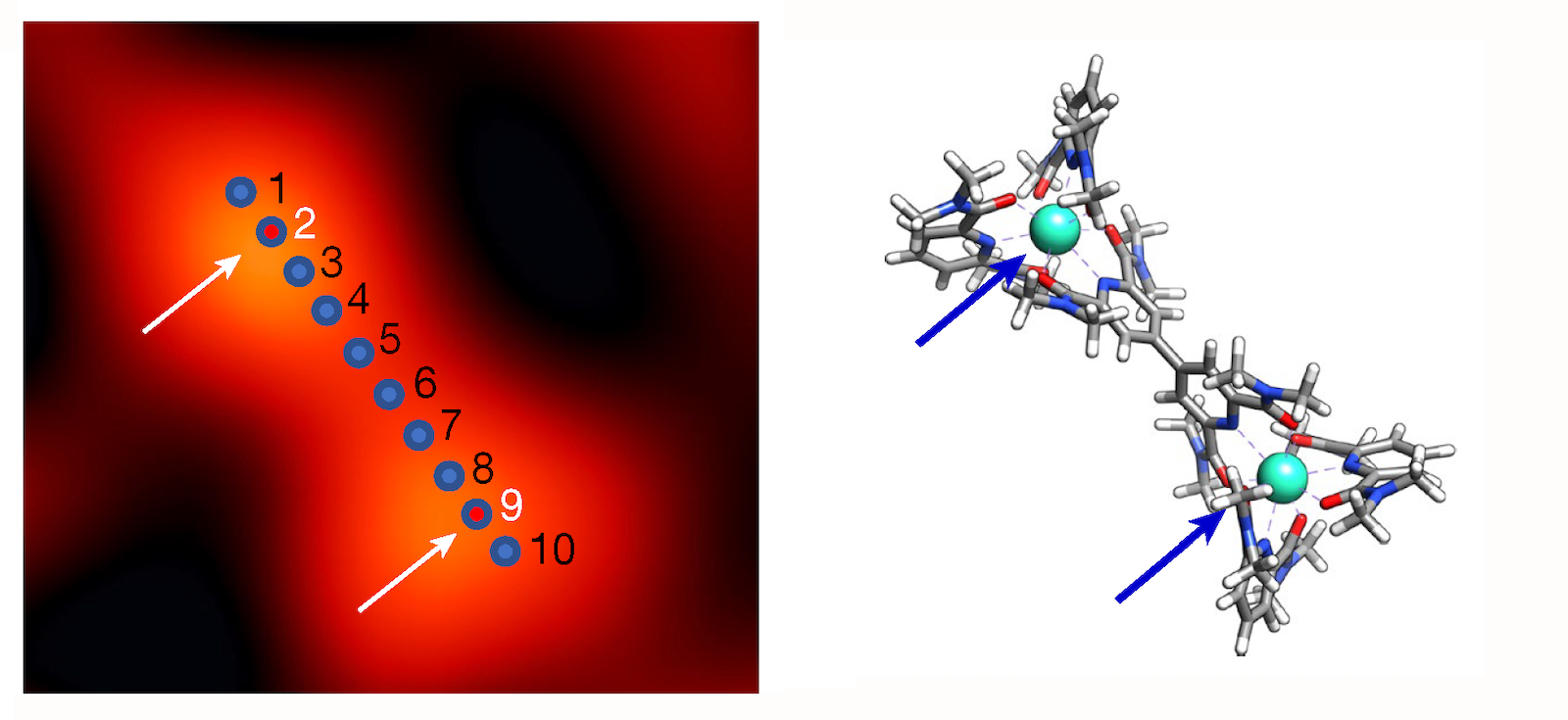
A recent study by Tolulope M. Ajayi and colleagues demonstrates how Scanning Tunneling Microscopes (STMs) and X-ray spectroscopy can be combined to characterize singular atoms. The researchers synthesized supramolecular complexes that could hold the atom under investigation in place and away from atoms of the same species, allowing the atom to be identified using SX-STM. This method provides a very efficient way to get a detailed overview of an atom's properties, and in future studies, researchers hope to use polarized X-rays to obtain information about an atom's spin state, opening interesting possibilities in areas such as spintronics and memory technologies.
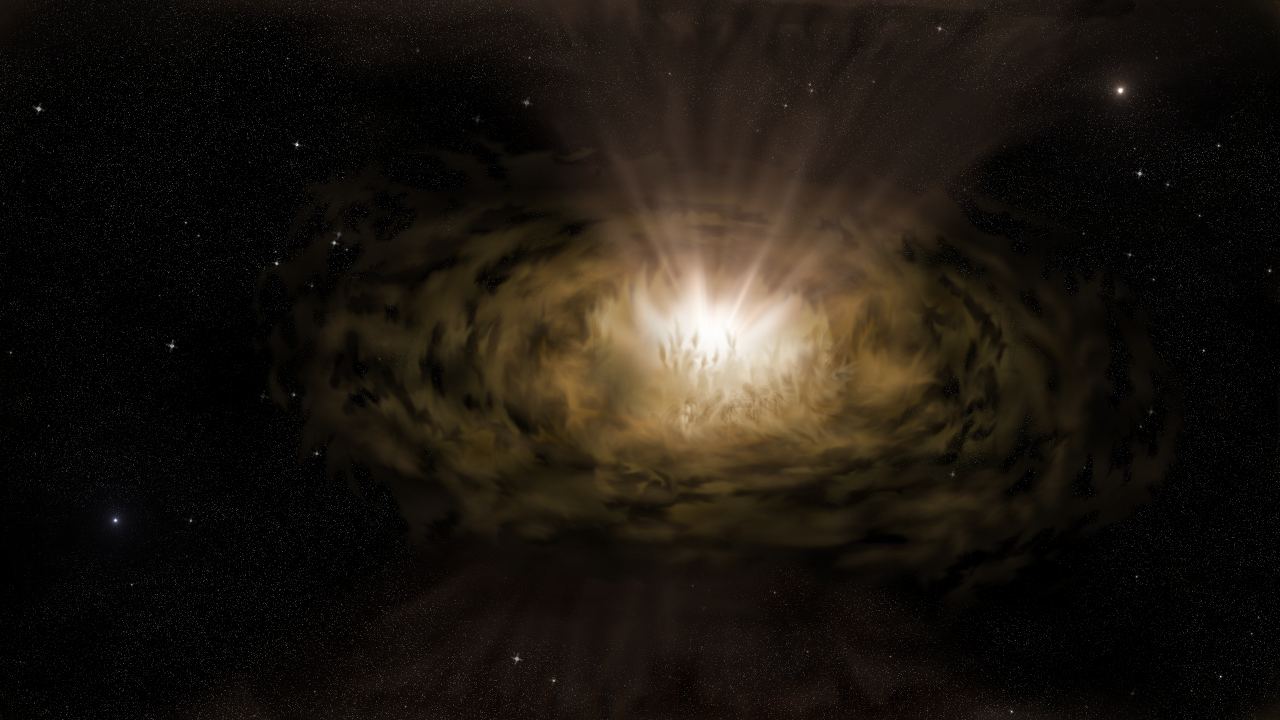
The SUBWAYS project, an international research effort, has used the ESA’s XMM-Newton space telescope to study ultra-fast outflows (UFOs) emitted by supermassive black holes (SMBHs) at the center of active galactic nuclei (AGNs). The team analyzed X-ray spectroscopic data to characterize the properties of UFOs in 22 luminous galaxies and found that in about 30% of the AGNs analyzed, there are space winds traveling at speeds of 10% to 30% of the speed of light. These winds are believed to play a vital role in regulating the process of star formation and shaping the evolution process of galaxies.