NASA highlights five major threats to human survival on a Mars mission, including radiation exposure, effects of low gravity, psychological challenges, life support complexities, and entry/landing risks, emphasizing the need for advanced solutions before such missions can be safely undertaken.
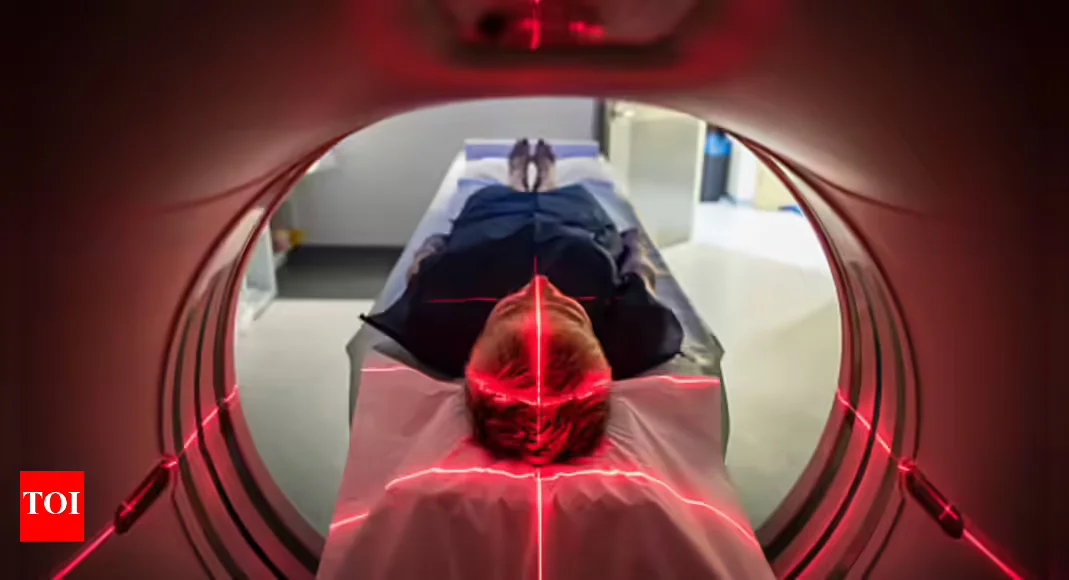
A study estimates that the widespread use of CT scans in the US in 2023 could lead to approximately 103,000 new cancer cases over the lifetime of those exposed, highlighting the need to balance the diagnostic benefits of CT imaging with its potential long-term cancer risks, especially in children and frequent users.
A recent study predicts that the increased use of CT scans in the US could lead to approximately 103,000 future cancer cases due to low-dose radiation exposure, highlighting a potential public health concern while emphasizing the importance of balancing diagnostic benefits against long-term risks.
A study links childhood exposure to radioactive waste from Coldwater Creek near St. Louis to increased cancer risk, leading to legislative efforts to aid affected individuals, highlighting ongoing concerns about radiation safety and environmental cleanup.
Veterans who served at a secret base in the Nevada desert, known as Tonopah Test Range or Area 52, claim they suffer from severe health issues due to radiation exposure but cannot receive aid because the government does not acknowledge their presence there. Despite evidence of toxic chemicals in the area, the government prioritizes national interest over their health, leaving these veterans without the support given to other federal employees in similar situations.
Scientists have successfully captured the movement of electrons in real-time in liquid water using attosecond X-ray pulses, providing new insights into the electronic structure of molecules in the liquid phase and the immediate electronic response to X-ray exposure. This breakthrough allows for a deeper understanding of radiation-induced chemistry and its effects on objects and people, with potential applications in space travel, cancer treatments, nuclear reactors, and legacy waste. The research, published in the journal Science, involved a multi-institutional collaboration and marks a significant advancement in attosecond physics.
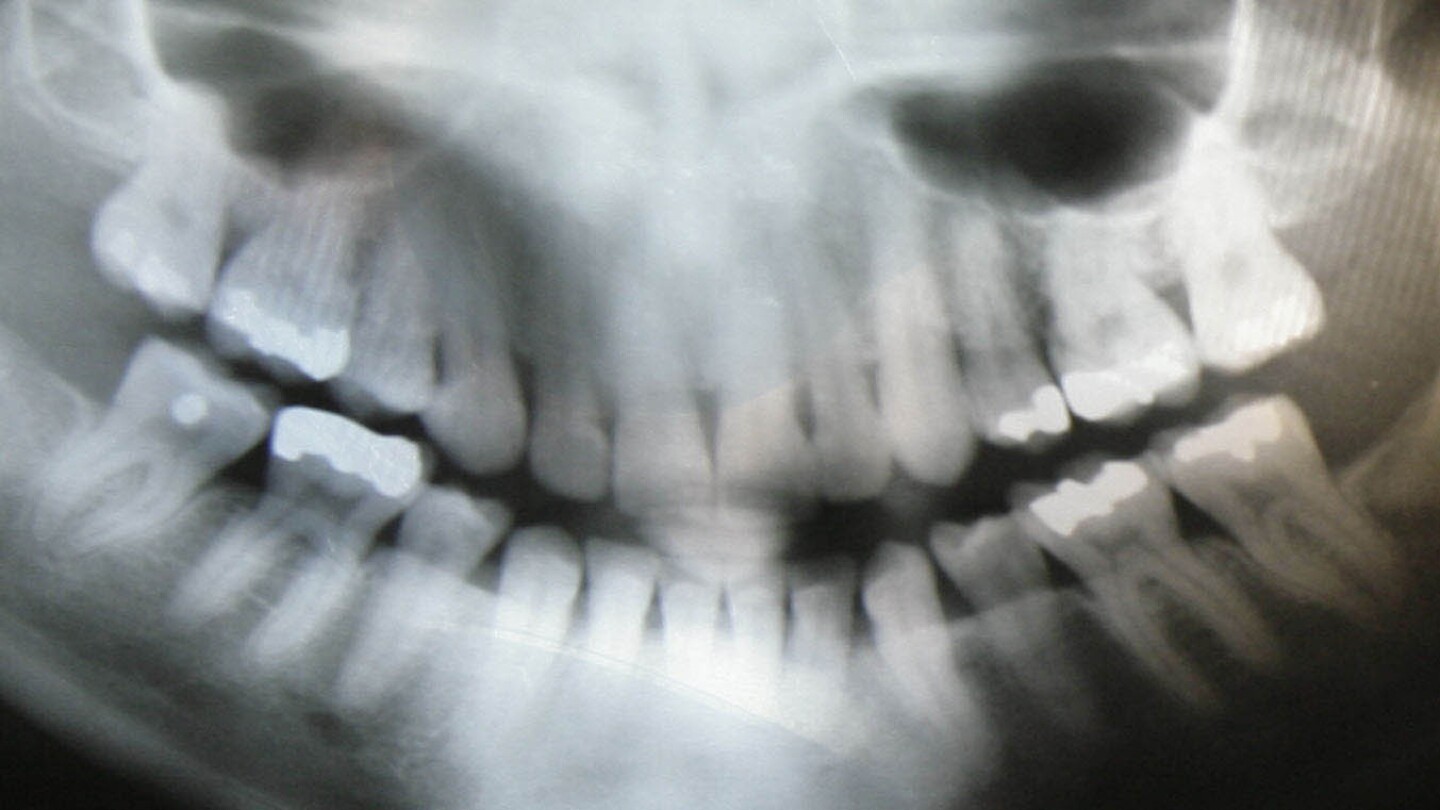
The American Dental Association is no longer recommending the use of lead aprons and thyroid collars for patients getting dental X-rays, citing more focused X-ray beams and potential obstruction of necessary images. The association emphasizes the importance of ensuring the necessity of X-rays and performing them accurately to minimize radiation exposure. While the recommendation is in place, actual change depends on state dental boards, dentists, and patients, with some state rules still requiring the use of aprons. Advocacy and education will be crucial in shifting attitudes and practices regarding the use of lead aprons in dental settings.
Navy veterans who worked at the now-closed Long Beach Naval Shipyard in California may have been exposed to cancer-causing radioactive materials such as radium-226 and strontium-90, but the Navy did not inform them. Gilbert “Kip” Wyand, a Navy veteran, was diagnosed with acute lymphoblastic leukemia and later died, sparking outrage from his family. The contamination occurred from the 1940s to the 1960s, and the Navy detected radiation involving levels of radium-226 and strontium-90 in 2023. The Navy has not alerted veterans to the potential exposure, leaving tens of thousands at risk. The VA's approval process for bone marrow transplants, required comprehensive evaluations, dental assessments, and toxicology screens, causing delays for Wyand.
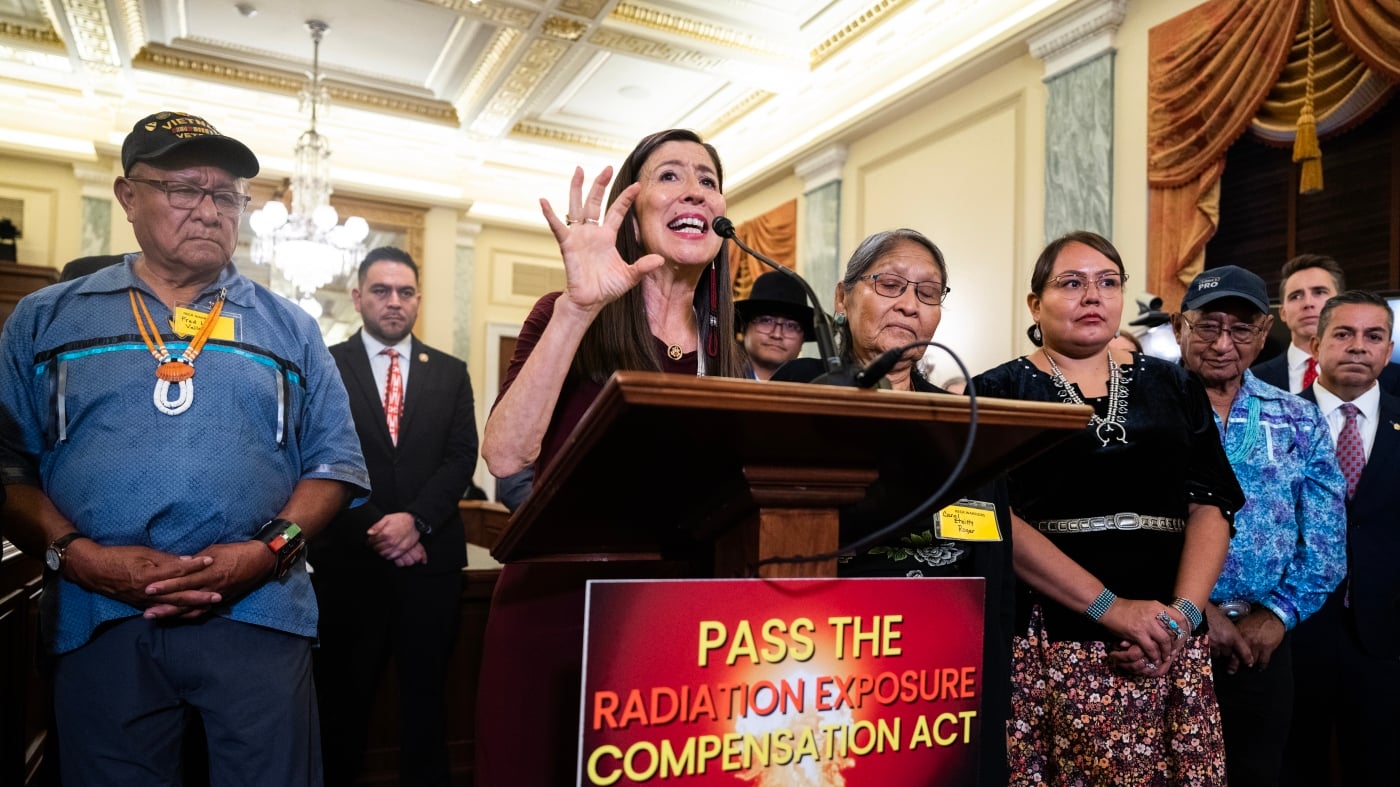
Funding for the Radiation Exposure Compensation Act (RECA), which provides compensation for families exposed to nuclear waste, has been stripped from the final version of the National Defense Authorization Act. Dawn Chapman, who lives near the West Lake Landfill in St. Louis, Missouri, where nuclear waste from the Manhattan Project is stored, has been fighting for years to secure funding for affected communities. Senator Josh Hawley, a Missouri Republican, has vowed to stall the defense bill in retaliation for the removal of the RECA funding provision. The defense bill is expected to pass despite Hawley's objections.
Experts, including those at Tufts University School of Dental Medicine, suggest that heavy lead X-ray aprons used during dental X-rays may no longer be necessary. Modern technology has significantly reduced the risk of radiation scatter beyond the teeth and jaw, making the additional protection provided by lead aprons unnecessary. In fact, the aprons can obstruct the view and may require additional X-rays. However, individual states will need to update their policies before these aprons are phased out.
NASA astronaut Frank Rubio set an American record for the longest continuous space flight, spending 371 days in orbit. However, this record falls short compared to the longest space flight record held by Valeri Polyakov, who spent 437 days aboard the Mir space station. Rubio's extended stay was due to being trapped on the International Space Station after their ship was damaged by space debris. The effects of long-term space travel, including microgravity, isolation, and radiation, pose significant challenges to human health. Despite these challenges, efforts are underway to extend the duration and distance of space missions, including plans for a return trip to the Moon and eventual missions to Mars.
President Joe Biden has expressed his willingness to provide assistance to individuals who were sickened by radiation exposure during nuclear weapons testing, particularly in New Mexico, where the first atomic bomb was tested in 1945. Democratic Senator Ben Ray Lujan of New Mexico has been advocating for an amendment to the Radiation Exposure Compensation Act to ensure that affected families receive the support they deserve. The U.S. Senate recently voted to expand compensation, extending health care coverage and compensation to downwinders exposed to radiation in various regions, including New Mexico. Biden has assured Lujan that he is prepared to help ensure that these individuals are taken care of.
A recent solar eruption provided scientists with simultaneous measurements of its effects on Earth, the moon, and Mars, shedding light on how radiation exposure varies in different worlds. The event launched energetic particles that reached both Mars and Earth, highlighting the potential risks to astronauts on future crewed missions. While Earth's atmosphere and magnetic field offer protection, the moon and Mars lack such shielding. Researchers are studying these solar events to better understand their impact on human health. The upcoming Artemis II mission will test a makeshift radiation shelter on the moon, as astronauts face the risk of radiation sickness and increased cancer risk. The measurements also revealed that radiation exposure on the surface of Mars was significantly lower than in orbit, providing some encouraging news for future Mars missions.
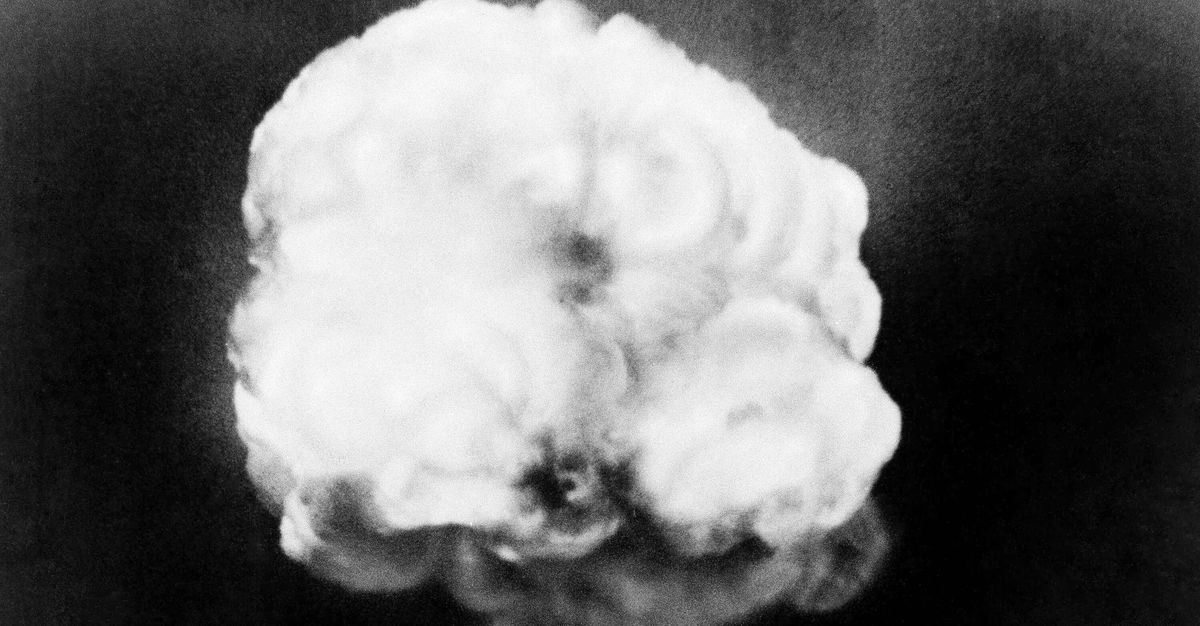
The Senate has passed a measure to provide health care benefits and compensation to communities affected by the first atomic nuclear bomb test in New Mexico, known as the "Trinity" test. Many individuals, including Native Americans and people of color, suffered from deadly cancers due to radiation exposure. The fallout from the test reached as far as Colorado, Idaho, and Montana. The Radiation Exposure Compensation Act, passed in 1990, excluded survivors of the Trinity test, prompting lawmakers and native tribes in New Mexico to seek justice. The Senate amendment, sponsored by Senators Ben Ray Luján and Josh Hawley, was adopted in a bipartisan vote and extends benefits to victims of nuclear tests, uranium mining, and nuclear waste storage. The bill will now go to a conference committee to reconcile differences with the House version.
The Union of Concerned Scientists has produced a 15-second ad to air before screenings of the movie "Oppenheimer" in New Mexico, highlighting the serious issues caused by the development and testing of the atomic bomb in the state. New Mexicans have suffered from the legacy of atomic weapons production, including uranium mining, contamination, and health issues due to radiation exposure. Downwinders, who are still fighting for inclusion in the Radiation Exposure Compensation Act, criticize the movie for telling an incomplete history and avoiding the inconvenient truth of their ongoing struggles.