Tag

Chemical Reactions

All articles tagged with #chemical reactions

Chemical engineers affirm importance of stirring in processes
science4 months ago

Chemical engineers affirm importance of stirring in processes

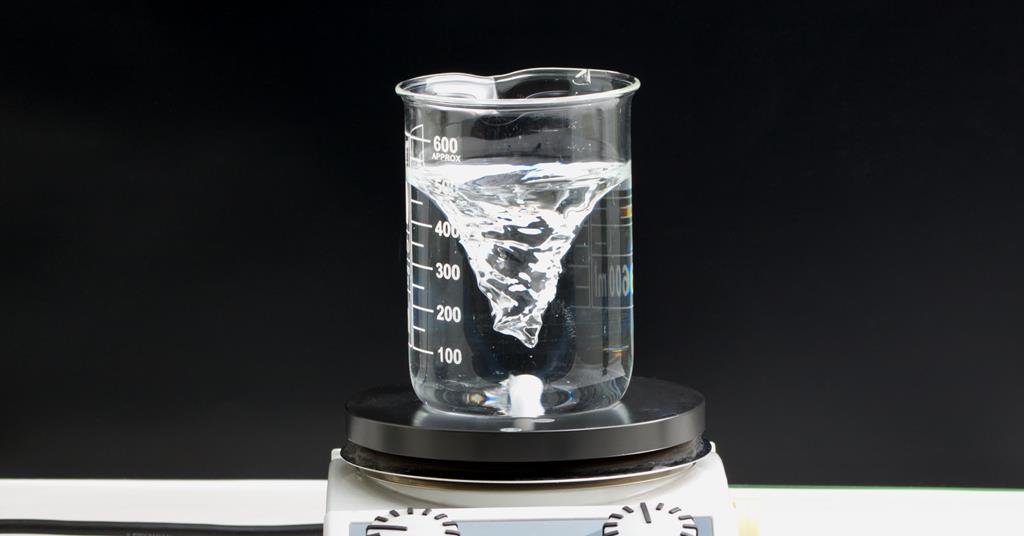
Chemical engineers defend the importance of stirring in chemical reactions, arguing that while some small-scale, homogeneous reactions may not require mixing, it remains critical for reproducibility, safety, and scalability in industrial and heterogeneous systems, especially to prevent hazards like hotspots and runaway reactions. The debate was sparked by a study claiming stirring is unnecessary for certain organic reactions, but experts emphasize that mixing is essential in many practical scenarios, particularly at larger scales.


1958 Vitamin B1 Theory Confirmed by Scientists After Initial Skepticism
science5 months ago

1958 Vitamin B1 Theory Confirmed by Scientists After Initial Skepticism

Scientists have finally proven that reactive carbon species like vitamin B1 can persist in water, challenging the long-held belief that water destroys such molecules instantly. Using protective strategies, they observed and documented a stable carbene in water for the first time, supporting the 1958 hypothesis by Breslow and opening new avenues for greener, water-based chemical reactions.

Scientists Recreate the Universe's First Molecule, Shedding Light on Cosmic Origins
science6 months ago

Scientists Recreate the Universe's First Molecule, Shedding Light on Cosmic Origins

Scientists have recreated the first chemical reactions of the universe, focusing on helium hydride ion (HeH+), to better understand how the earliest molecules formed and contributed to star formation. Their experiments suggest HeH+ played a more significant role in the universe's chemistry than previously thought, especially in cooling the early universe to enable star formation.

Revolutionary Super-Resolution X-Ray Technique Unveils Atomic Details
science7 months ago

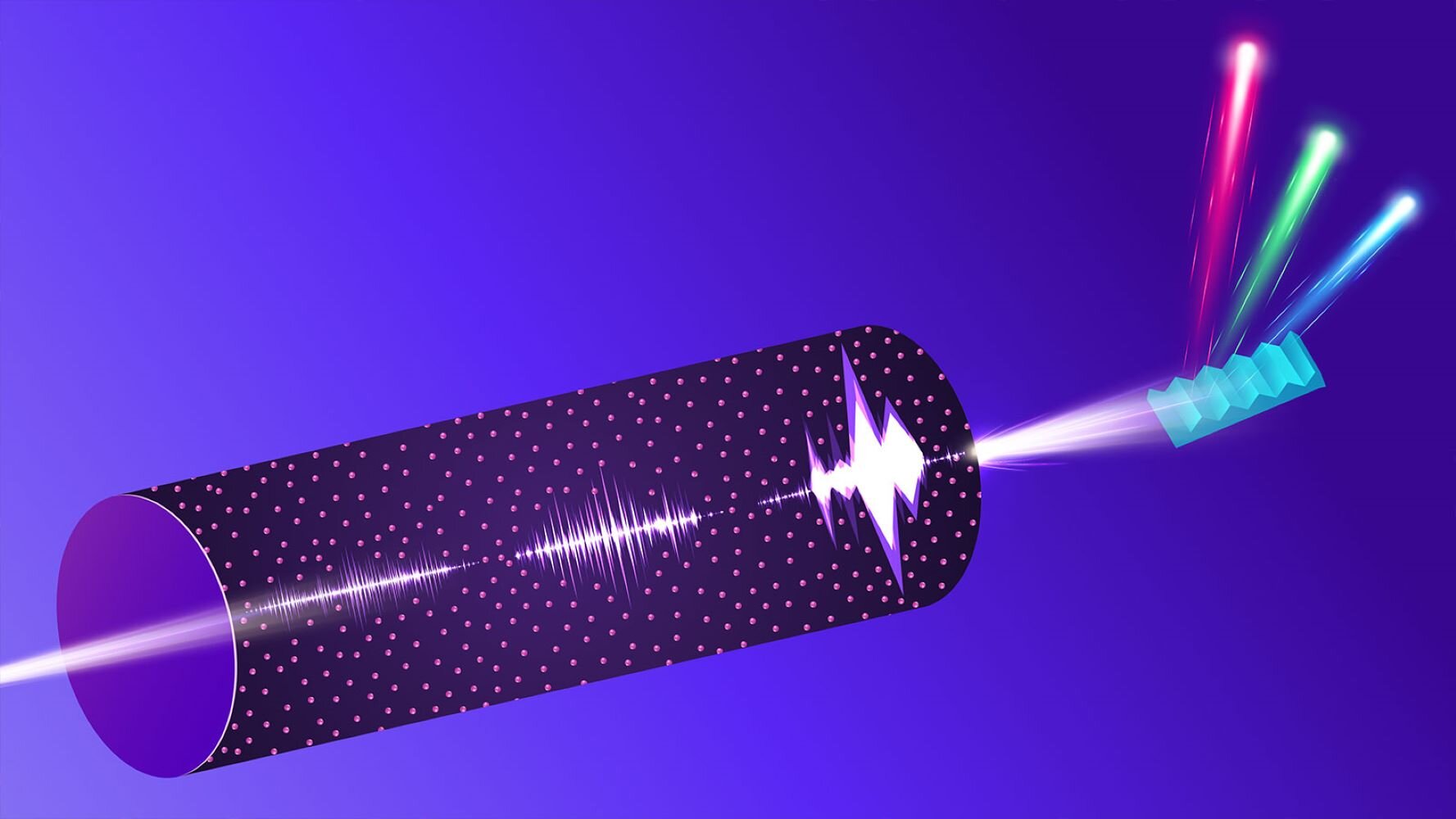
Revolutionary Super-Resolution X-Ray Technique Unveils Atomic Details

Researchers have developed a novel X-ray technique called stochastic Stimulated X-ray Raman Scattering (s-SXRS) that uses noise to achieve unprecedented resolution in atomic and electronic structure imaging, enabling detailed insights into chemical reactions and material properties, with potential widespread applications in science and industry.

"Revolutionizing Chemical Modeling: Advanced Machine Learning for Reaction Simulation"
science-and-technology2 years ago

"Revolutionizing Chemical Modeling: Advanced Machine Learning for Reaction Simulation"

Researchers from Carnegie Mellon University and Los Alamos National Laboratory have developed a new machine learning model, ANI-1xnr, that can simulate reactive processes in a diverse set of organic materials and conditions. This model requires significantly less computing power and time than traditional quantum mechanics models, making it a breakthrough in the field. The researchers tested ANI-1xnr on various chemical problems and found it to be accurate, with potential applications in simulating biochemical processes and drug discovery. They plan to refine the model to work with more elements and in more chemical areas in the future.

"Blockchain Simulations Decode 4 Billion Reactions of Early Life"
chemistry2 years ago

"Blockchain Simulations Decode 4 Billion Reactions of Early Life"

A team of chemists has repurposed blockchain technology to generate the largest network of chemical reactions, termed NOEL, which may have given rise to prebiotic molecules on early Earth. This work suggests that primitive forms of metabolism might have emerged without the involvement of enzymes and demonstrates the potential of using blockchain to solve complex computational chemistry problems. The resulting network contains 4.9 billion plausible reactions, including parts of well-known metabolic pathways, but only a few hundred reactions could be called "self-replicating," indicating that self-replication may have appeared later in evolution. The use of blockchain technology significantly reduced the time and cost required for this extensive computational chemistry task.

Advancing Chemical Reaction Prediction with Object-Aware Equivariant Models
science-and-technology2 years ago

Advancing Chemical Reaction Prediction with Object-Aware Equivariant Models

Researchers have developed an object-aware equivariant elementary reaction diffusion model for accurate transition state generation in chemical reactions. The model utilizes machine learning techniques and is capable of exploring reaction space and predicting transition state structures with high accuracy. This advancement in computational chemistry has the potential to significantly improve the efficiency and effectiveness of reaction prediction and discovery processes.

Revolutionary AI Model Predicts Chemical Reactions with Unprecedented Accuracy and Speed
science-and-technology2 years ago

Revolutionary AI Model Predicts Chemical Reactions with Unprecedented Accuracy and Speed

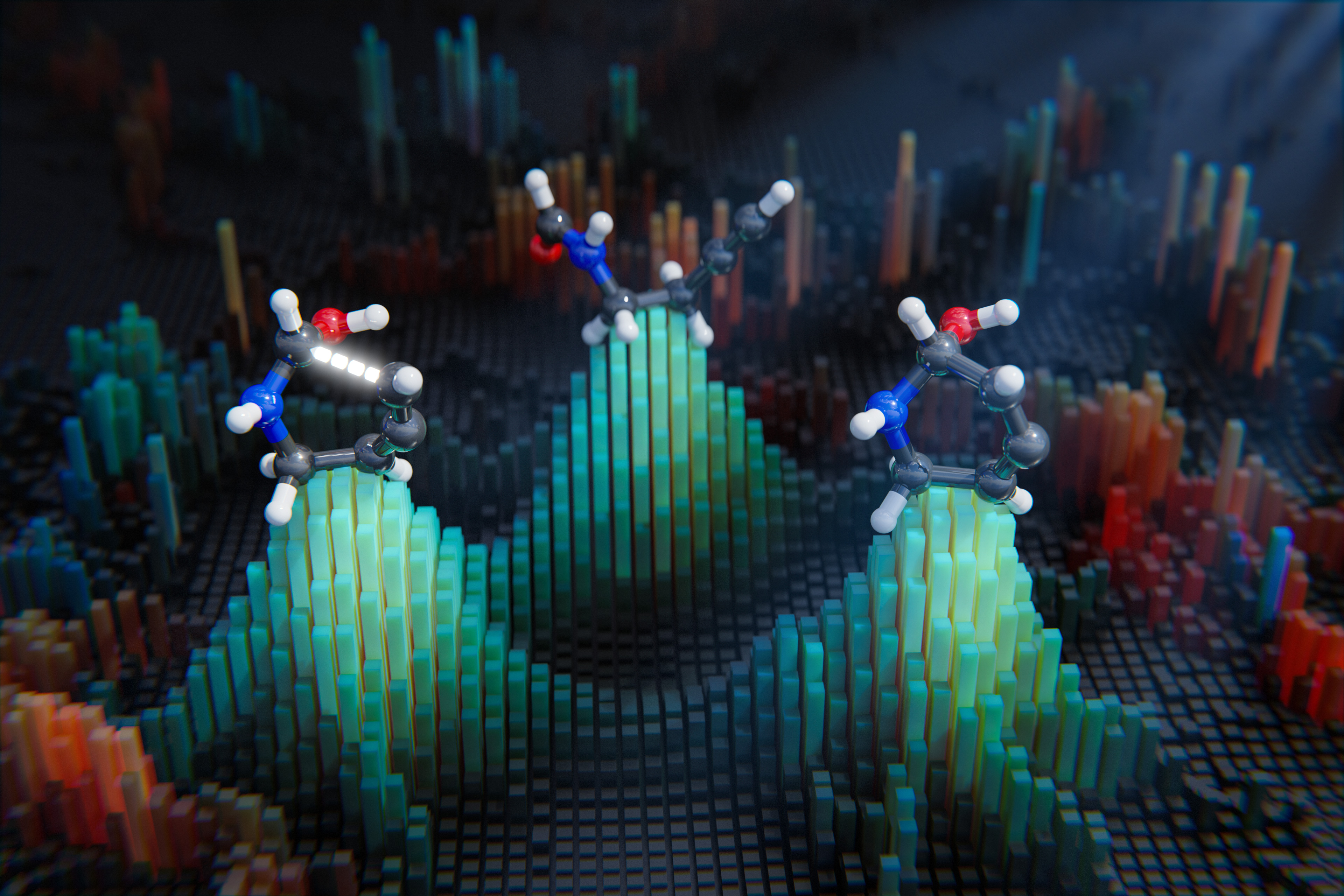
Researchers at MIT have developed a machine learning-based computational model that can quickly calculate the structures of transition states in chemical reactions. Transition states are fleeting and difficult to observe experimentally, but their structures are crucial for designing catalysts and understanding natural chemical reactions. The model, which uses a diffusion model approach, was trained on 9,000 different chemical reactions and accurately predicted transition state structures for 1,000 new reactions. The entire computational process takes just a few seconds per reaction, making it significantly faster than traditional quantum chemistry methods. The model could have applications in designing new reactions and catalysts for fuel and drug synthesis, as well as modeling chemical reactions on other planets or during the early evolution of life on Earth.

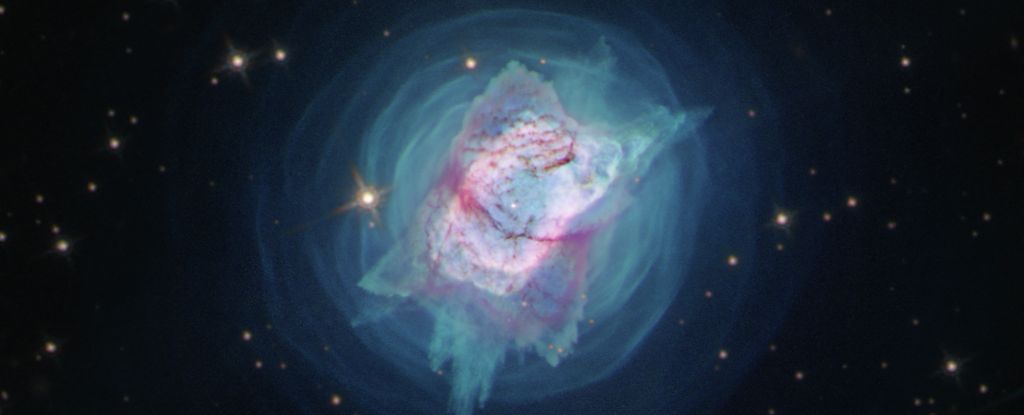
"The Aroma of the Cosmos: Unveiling the Scent of Space"
space2 years ago

"The Aroma of the Cosmos: Unveiling the Scent of Space"

Astronauts have reported that space smells like burnt things such as seared steak, spent gunpowder, burnt cakes, and hot metal. Although space is a near-perfect vacuum, astronauts catch a whiff of this unique odor upon removing their helmets after spacewalks. The smell may be attributed to chemical reactions triggered by atomic oxygen clinging to spacesuits and other items exposed to space, or it could be related to smelly molecules produced by dying stars. To recreate the scent, a perfume called Eau de Space was created based on astronauts' descriptions, but few people have truly experienced the smell of space to comment on its realism.

"The Aroma of the Cosmos: Unveiling the Scent of Space"
science-and-space2 years ago

"The Aroma of the Cosmos: Unveiling the Scent of Space"

Astronauts often describe a unique smell after returning from spacewalks, comparing it to burnt steak, spent gunpowder, and hot metal. While no one has directly smelled space and lived to tell the tale, the scent is believed to come from chemical reactions triggered by atomic oxygen clinging to spacesuits and other items exposed to space, as well as potential molecules from dying stars. NASA commissioned a scent called Eau de Space to simulate the smell of space for astronaut training, based on astronauts' descriptions. However, there is limited data from official studies on the origin of the smell.