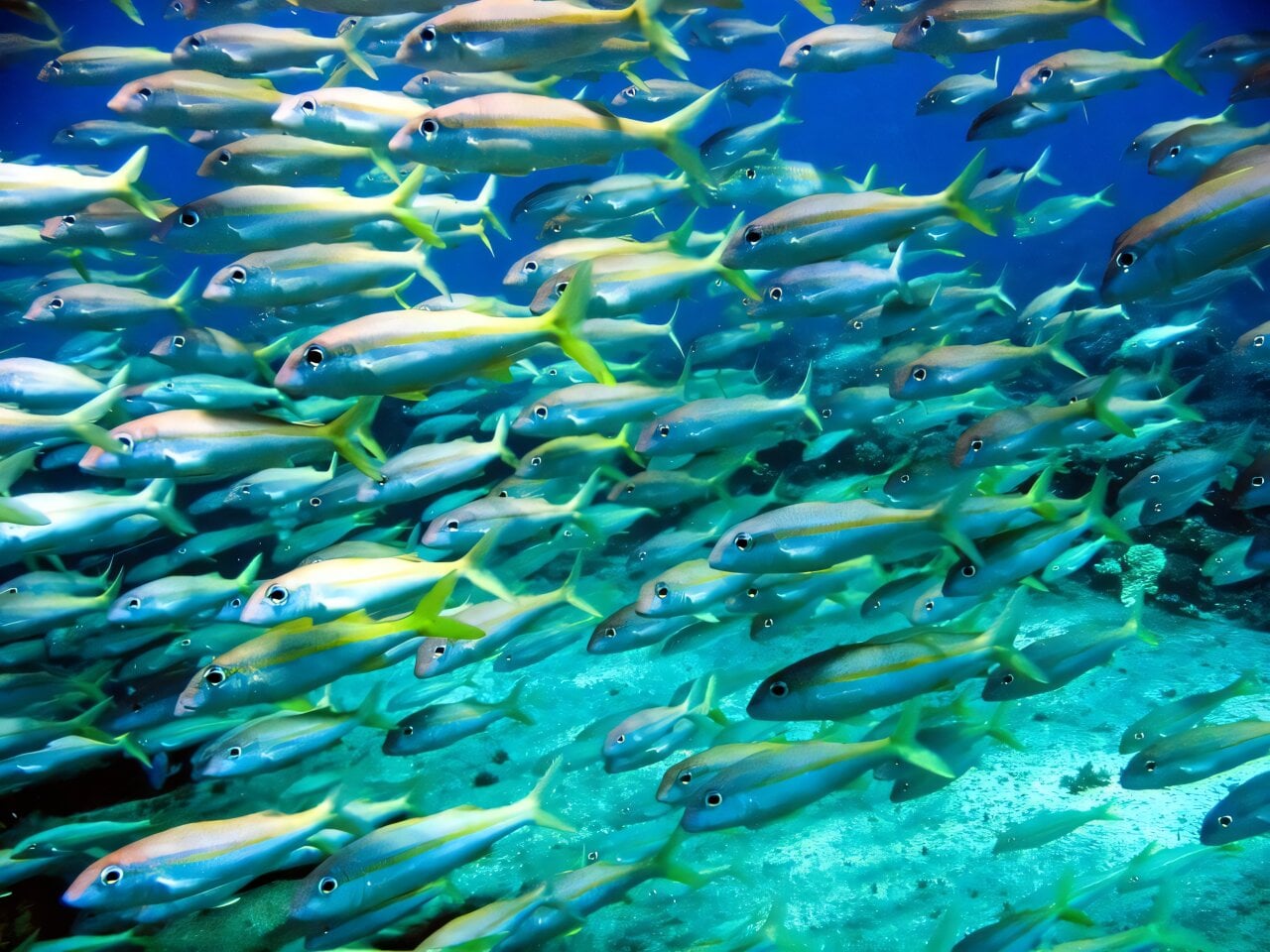
Researchers have discovered that the molecule S-adenosyl-L-methionine (SAM) is a key player in the microbial production of methylmercury, a highly toxic form of mercury that accumulates in fish and poses significant health risks. Using advanced X-ray spectroscopy at the Stanford Synchrotron Radiation Lightsource, the study identified SAM as the methyl donor in the conversion process, challenging previous assumptions. This finding could inform new strategies for environmental remediation of methylmercury contamination.
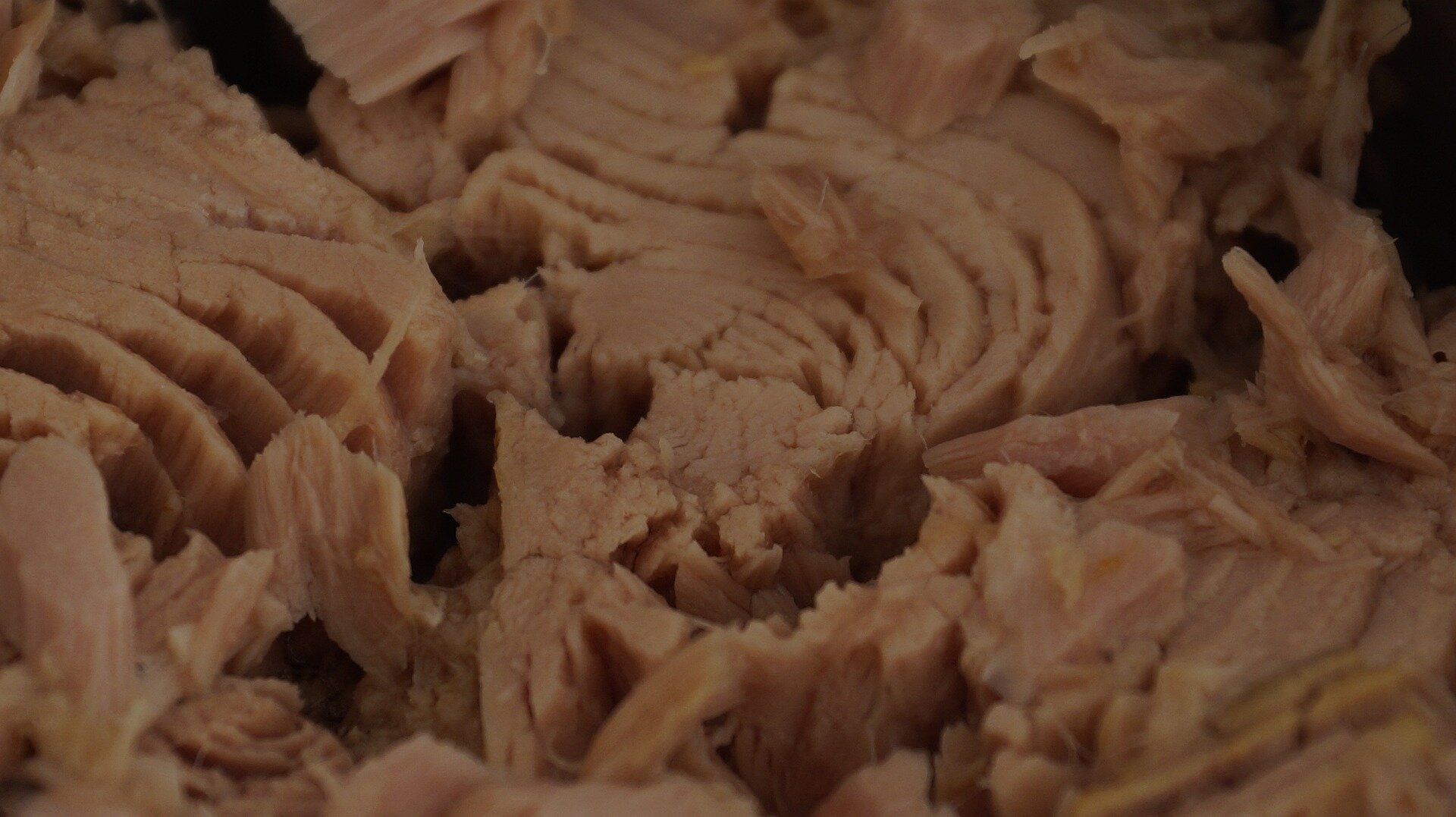
A study published in ACS' Environmental Science & Technology Letters reveals that despite global efforts to reduce mercury emissions, levels of methylmercury in tuna have remained largely unchanged since 1971. Researchers warn that more aggressive emission reduction targets are necessary to lower tuna mercury levels, as the fish accumulate high levels of methylmercury from contaminated prey. The study suggests that legacy mercury from deeper ocean waters may be contributing to the static levels in tuna, and forecasts that even the most restrictive emission policy would take 10 to 25 years to influence oceanic mercury concentrations, with drops in tuna levels following decades later. The findings emphasize the need for stronger global efforts to reduce mercury emissions and continuous monitoring of mercury in ocean life.
Scientists at Oak Ridge National Laboratory have discovered that certain forms of phytoplankton, specifically microalgae, have the ability to break down the neurotoxin methylmercury in water. Phytoplankton are known to accumulate methylmercury and introduce it into the food chain, posing risks to human health. This finding provides new insights into the complex global mercury cycle and could help improve models for assessing the environmental and health risks associated with mercury pollution.
The Illinois Department of Public Health has issued a statewide fish consumption warning due to the presence of Polychlorinated Biphenyls (PCBs) and Methylmercury in certain bodies of water. There are 10 locations with specific fish that should not be eaten by anyone due to PCBs, while the statewide advisory applies to women who are pregnant or nursing and children under 15 years old, limiting their consumption of predatory fish to one meal per week. Additional advisories are in place for over 100 bodies of water across the state, all related to methylmercury and PCBs.