Tag

X Ray Emissions

All articles tagged with #x ray emissions

astronomy1 year ago

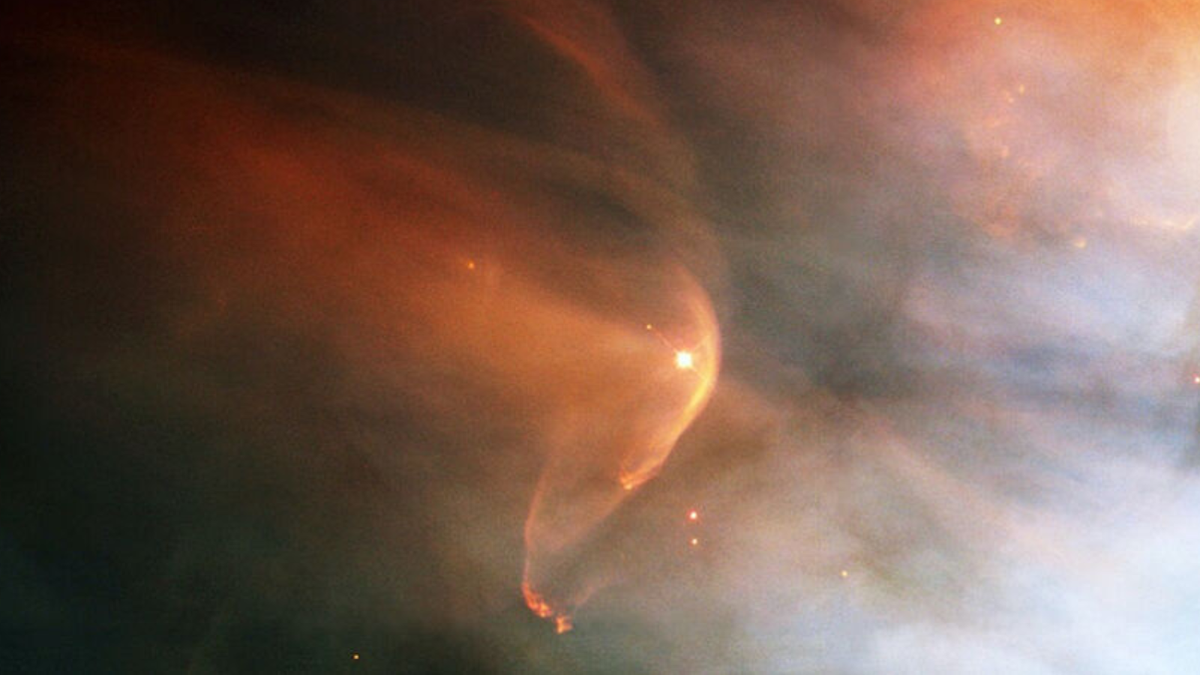
"Rapid Weight Loss: Sun-like Stars Shed Pounds Due to Powerful Stellar Winds"

Astronomers have detected stellar winds blowing from three main-sequence stars similar to the sun, finding that these winds shrink about 67 times as fast as the sun's. These powerful winds can trigger processes that evaporate the atmospheres of planets orbiting these stars, affecting their potential habitability. The observation of X-rays emitted by the stars' hot plasma bubbles has provided crucial insights into the rates at which these stars lose mass via their stellar winds, shedding light on planetary system evolution and the likelihood of habitable planets.
astronomy1 year ago

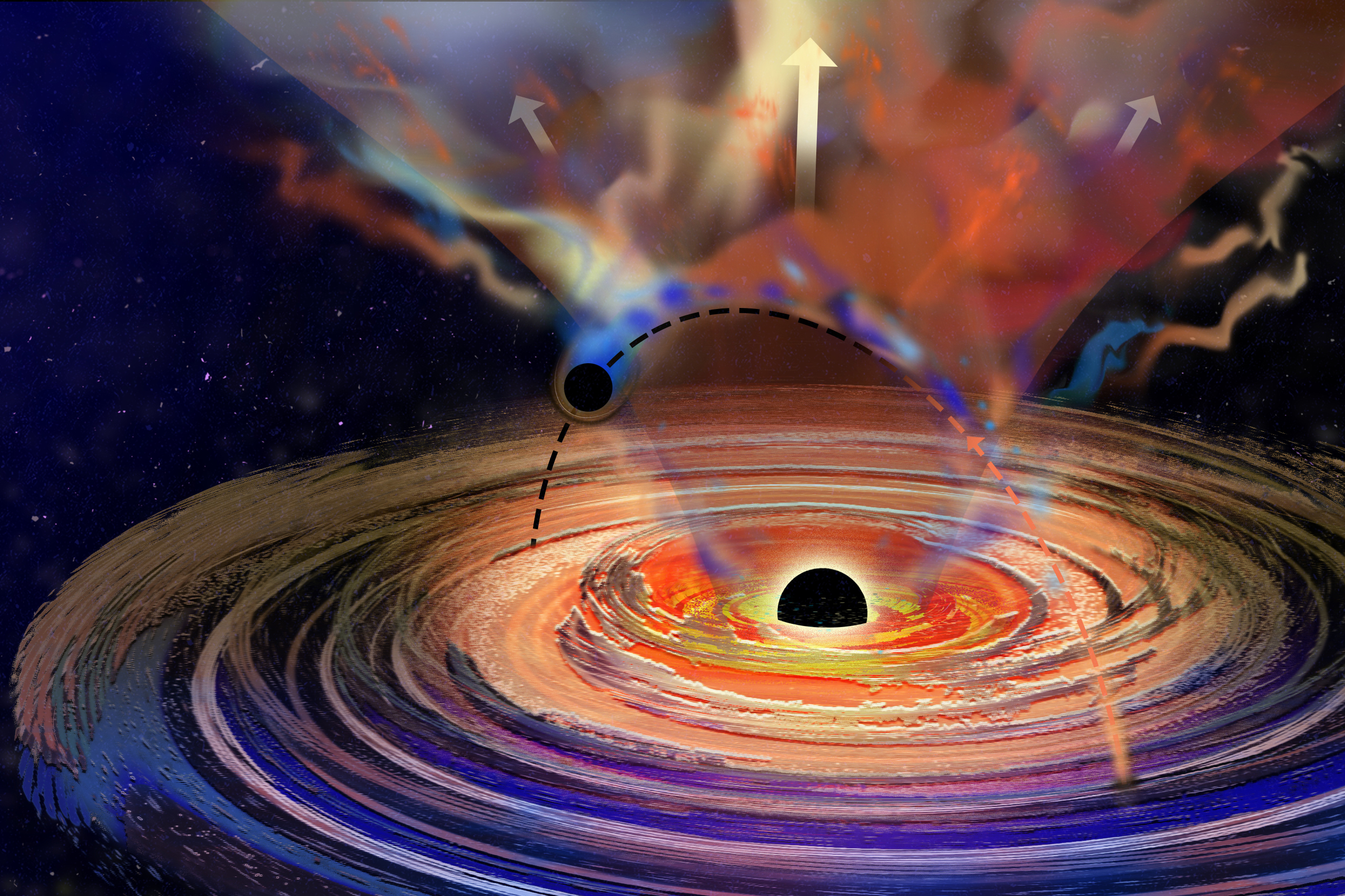
"Distant Galaxy's Black Hole Duo: Unraveling Mysterious Hiccups and Flares"

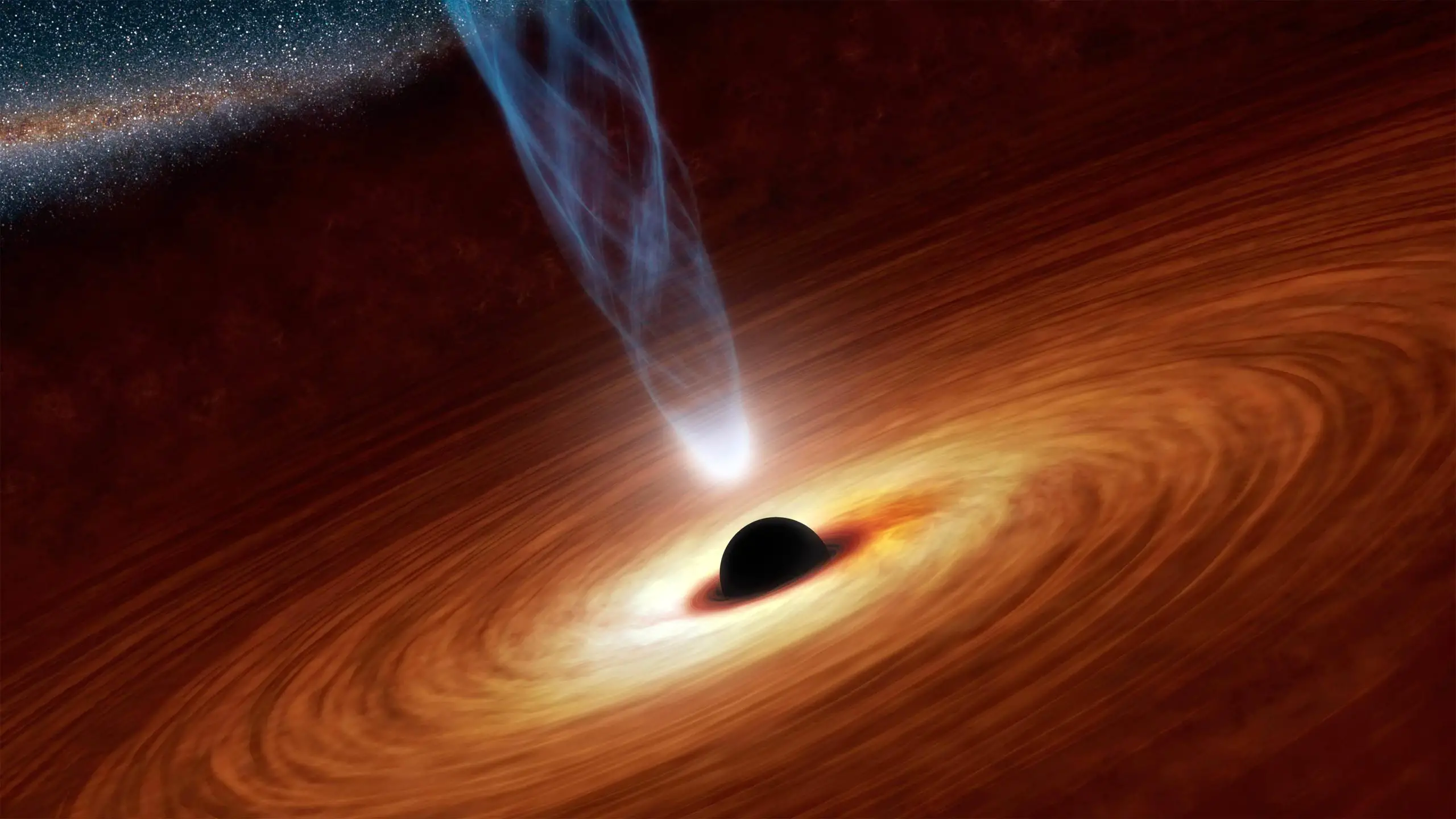
Astronomers have observed a supermassive black hole in a distant galaxy exhibiting periodic outbursts, emitting plumes of gas every 8.5 days before returning to a quiet state. This behavior, never before seen in black holes, is believed to be caused by a smaller black hole orbiting the larger one and disrupting its gas disk. The findings challenge the traditional understanding of black hole accretion disks and suggest the existence of a new population of such systems. The discovery was made using automated telescopes and NASA's NICER X-ray telescope, and the research has implications for understanding the behavior of black hole binaries in galactic nuclei.

science-and-astronomy2 years ago

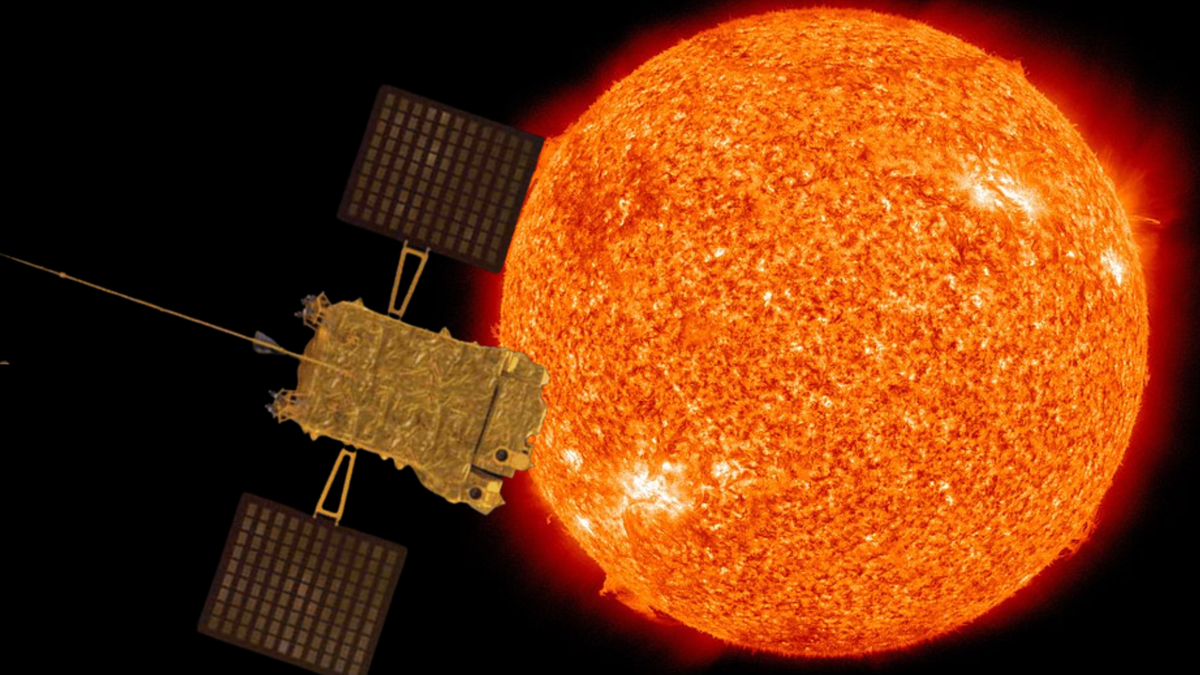
India's Aditya-L1 Mission Makes Groundbreaking Solar Flare Discovery

India's Aditya-L1 sun probe, equipped with the High Energy L1 Orbiting X-ray Spectrometer (HEL1OS) instrument, has detected its first high-energy solar flare. The flare was observed on October 29, less than two months after the probe's launch. Aditya-L1 is stationed at the Sun-Earth Lagrange Point-1 (L1) and carries seven scientific instruments to study various aspects of the sun. HEL1OS focuses on X-ray emissions from solar flares, aiming to understand the relationship between high-energy emissions and the particles released during these events. The instrument is still undergoing calibration and fine-tuning.

astronomy2 years ago

"Record-breaking Discovery: Oldest Black Hole Holds Half the Mass of Early Galaxy"

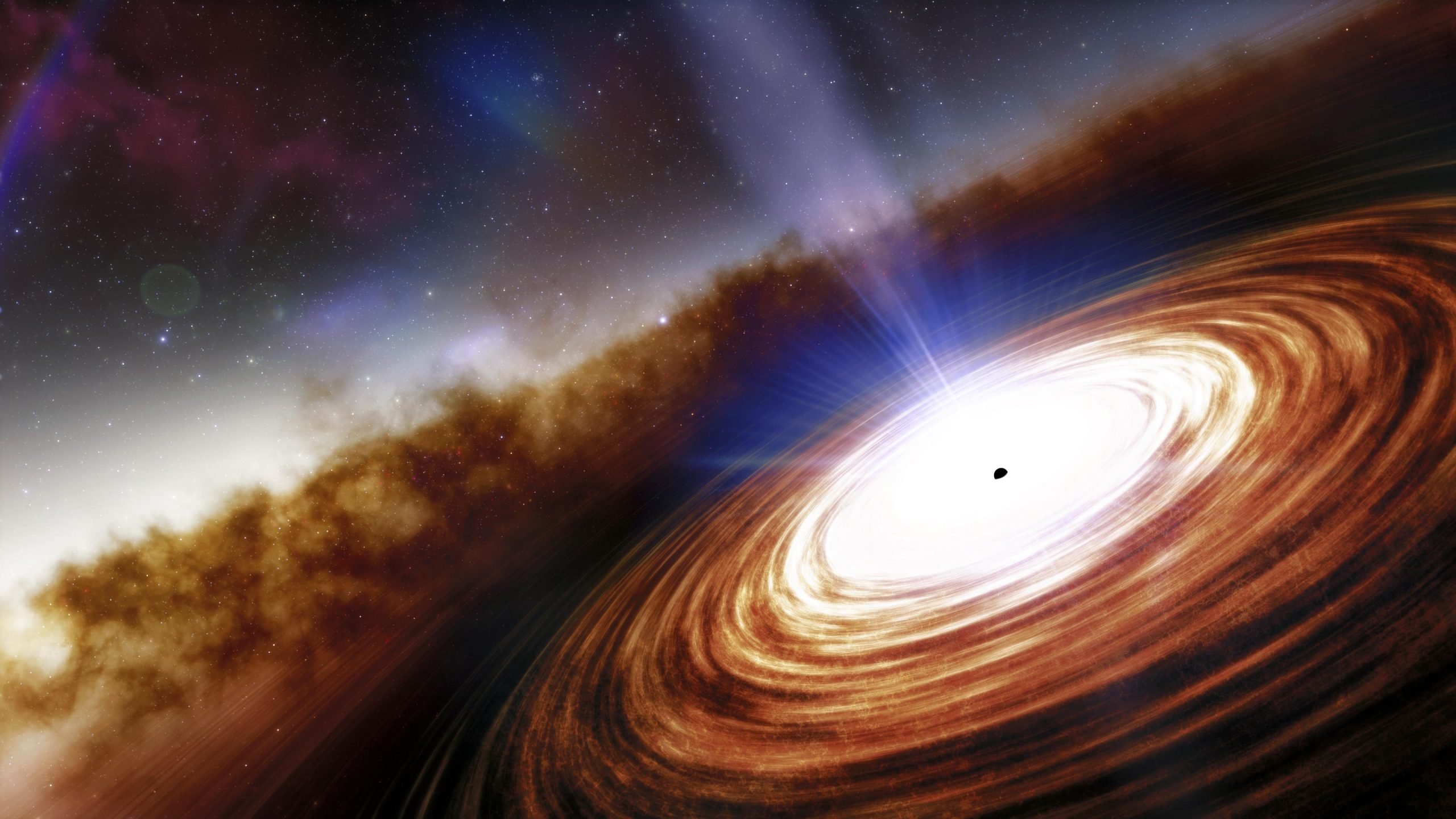
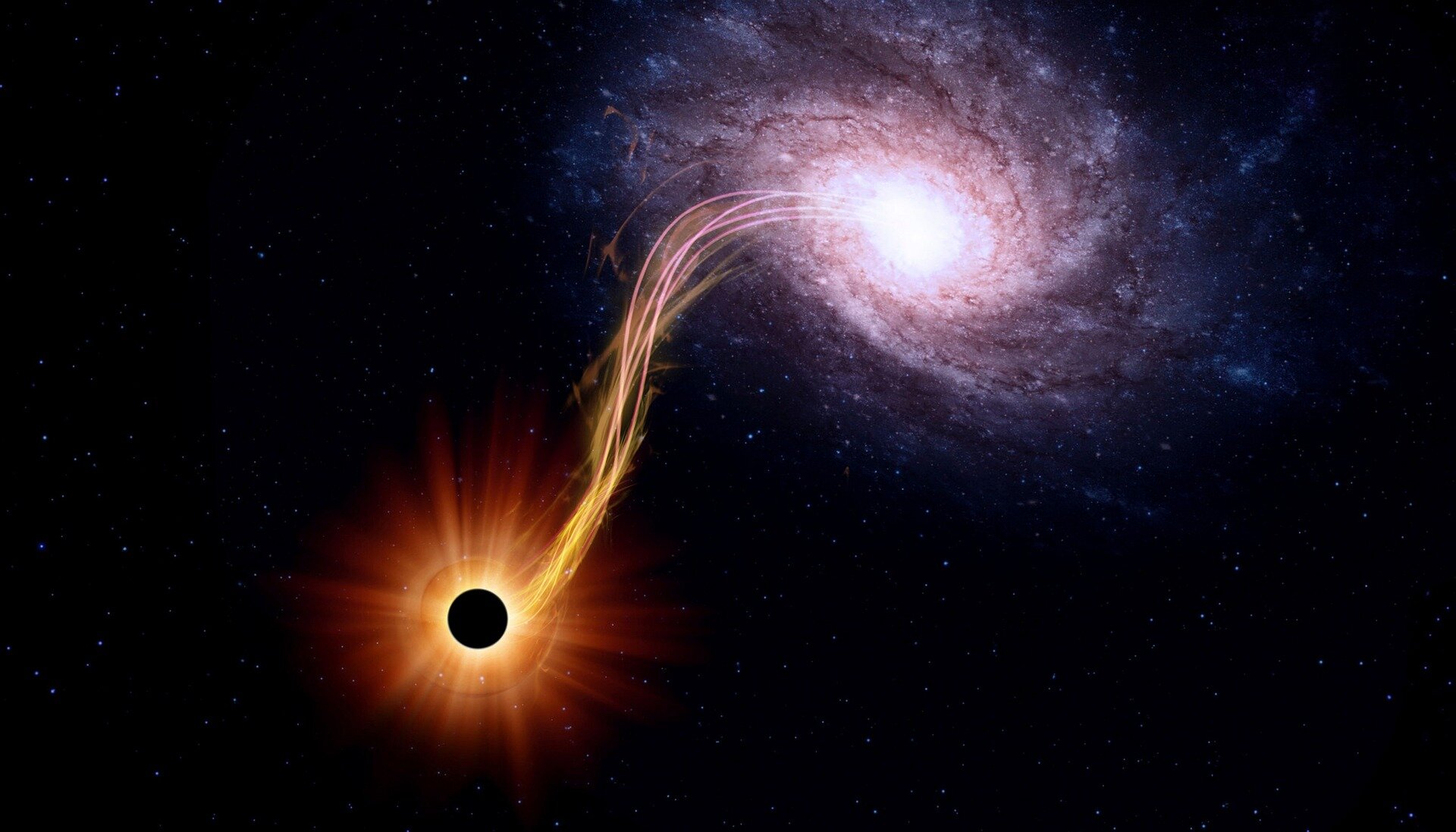
Researchers have discovered a supermassive black hole in a galaxy that existed only half a billion years after the Big Bang. The black hole is estimated to account for about half of the galaxy's mass, a remarkably high fraction compared to modern galaxies. This finding challenges the traditional understanding of how supermassive black holes form, suggesting that they may have formed directly without an intermediate step involving a star. The discovery was made using the James Webb Space Telescope and confirmed with the Chandra X-ray Observatory, which detected X-ray emissions from the black hole.

astronomy2 years ago

"Remarkable Exo-Neptune Defies Expectations, Retains Atmosphere"

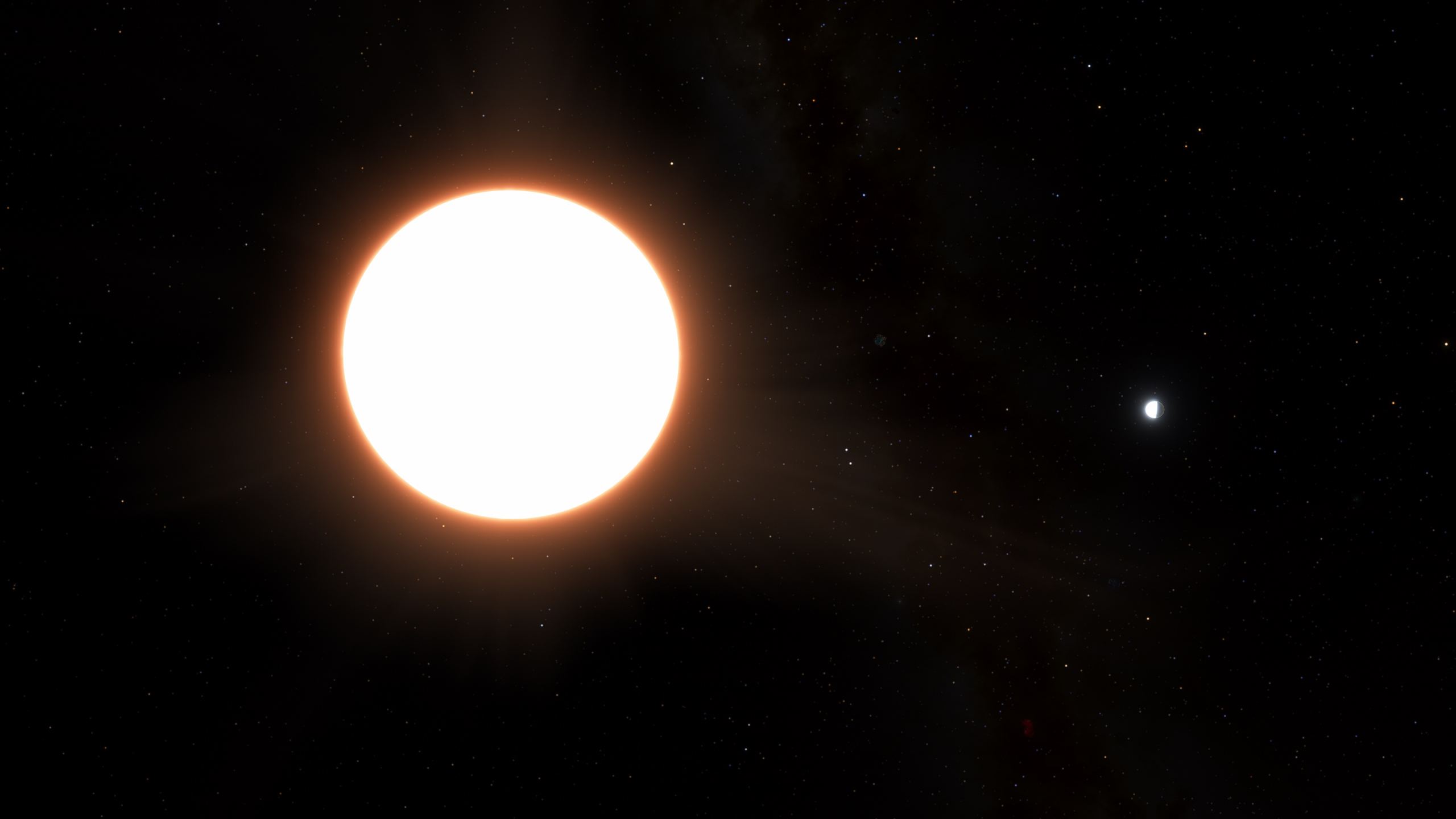
Astronomers have discovered a Neptune-type exoplanet, LTT 9779 b, that has managed to retain its atmosphere despite being located in the Neptunian Desert, where most planets lose their atmospheres due to intense radiation from their host stars. The planet's survival can be attributed to its host star's unusually low X-ray emissions, which are generated by its slow rotation. The research supports the theory that photoevaporation, driven by X-ray radiation, is responsible for the lack of Neptune-size planets in close proximity to their stars. The findings also highlight the importance of a planet's internal structure and its ability to counteract the effects of photoevaporation in determining its atmospheric retention.

astronomy2 years ago

"Unprecedented Quasar Illuminates Cosmic Enigmas: A 9 Billion-Year Brilliance"

Scientists have discovered the brightest quasar ever recorded in the past 9 billion years of cosmic history. Known as J1144, this quasar provides new insights into the inner workings of quasars and their interaction with the surrounding cosmos. Situated approximately 9.6 billion light years away, J1144 shines with a brightness 100,000 billion times greater than the Sun. The study, led by Dr. Elias Kammoun and Zsofi Igo, used data from multiple observatories to measure the temperature of the X-rays emitted by the quasar and found that the black hole at its center has a mass of around 10 billion times that of the Sun. The observations also revealed that the quasar exhibits unusual variability and powerful winds, injecting large amounts of energy into its host galaxy.

space2 years ago

The Awakening of Milky Way's Central Black Hole: Just 200 Years Ago!

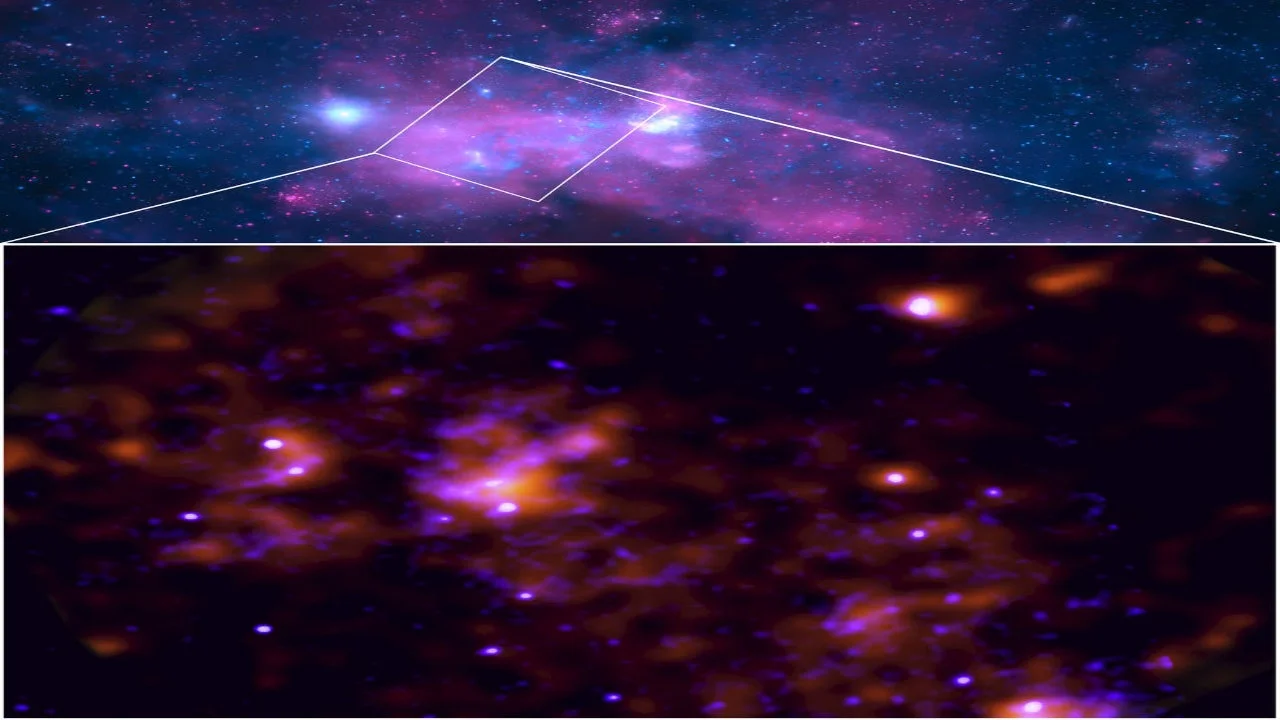
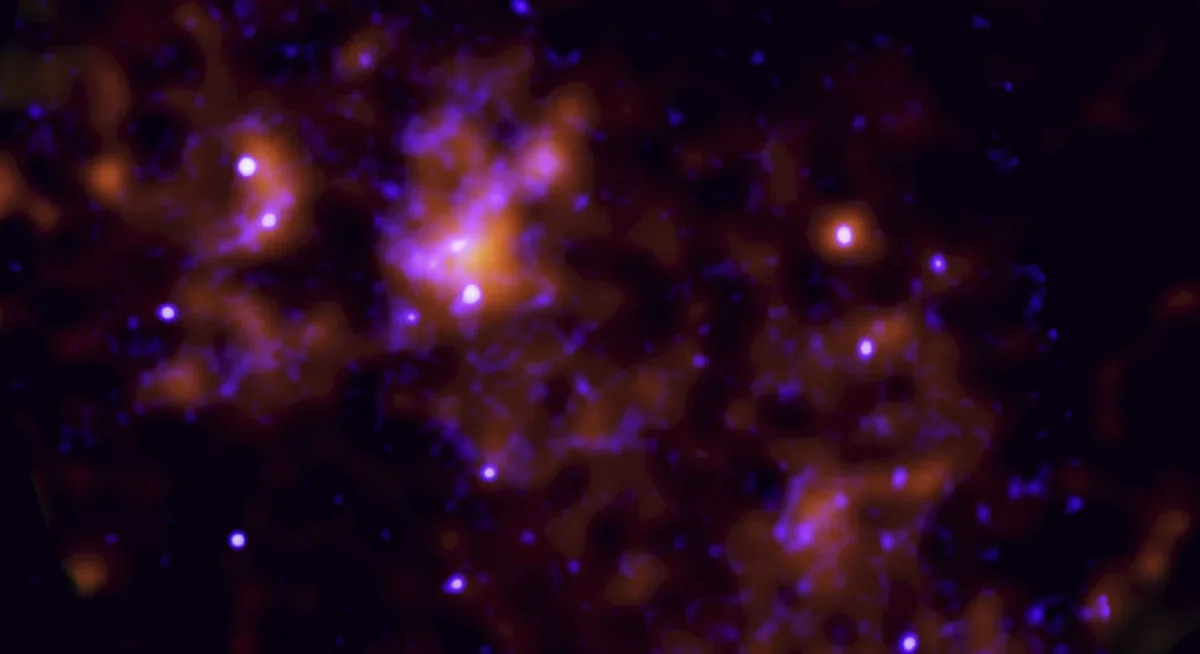
NASA's IXPE telescope has revealed that the supermassive black hole, Sagittarius A*, at the center of the Milky Way galaxy was actively devouring gas and cosmic debris just 200 years ago. Despite its current dormant state, recent X-ray studies have detected bright emissions from giant gaseous clouds near the black hole, suggesting a short-lived flare. Scientists will further investigate the observations to understand the distribution of the molecular clouds and the factors that could awaken the sleeping black hole.

space2 years ago

"The Awakening: Our Galaxy's Black Hole Stirs After 200 Years"

New evidence from NASA's IXPE telescope suggests that the supermassive black hole Sagittarius A* at the center of our Milky Way galaxy "woke up" about 200 years ago and began devouring cosmic debris. Previous X-ray studies detected recent X-ray emissions from giant clouds of gas near the black hole, indicating that it was not as dormant as previously thought. The X-rays from these clouds were reflected light from a short-lived flare produced by Sagittarius A*, possibly caused by the black hole consuming nearby material. The event is estimated to have occurred around the start of the 19th century.

science2 years ago

Supermassive black hole awakens from dormancy, emitting bright echoes.

Sagittarius A*, the closest supermassive black hole to Earth, has awakened from dormancy and intensified its luminosity by a factor of a million. Scientists detected an X-ray "echo" from centuries ago, providing an explanation for the brilliant luminosity observed in galactic molecular clouds surrounding the black hole. The cause of the awakening remains unknown, but researchers are committed to further investigating the black hole and its transition from quiescence to gain insights into the mechanisms that drive such transformations. The recent awakening of Sagittarius A* has profound implications for the field of astrophysics.

astronomy2 years ago

Echoes Reveal Burst of Activity from Milky Way's Supermassive Black Hole 200 Years Ago.

Astronomers have detected an echo of X-ray emissions from the Milky Way's central supermassive black hole, Sagittarius A*, that occurred 200 years ago. The black hole had a brief period of activity and consumed nearby material, resulting in X-ray emissions that were more than a million times greater than usual. The emissions were detected by NASA's Imaging X-ray Polarimetry Explorer (IXPE) and were found to be the source of the brightening of nearby molecular clouds. The discovery could help astronomers better understand the behavior of Sagittarius A* and the causes of its flares.

astronomy2 years ago

Unpredictable X-ray Emissions from Black Holes Challenge Particle Acceleration Theory

A recent study published in Nature Astronomy has challenged the prevailing theories about x-ray emissions from black hole jets. Contradicting long-standing theories, the study found that x-ray emissions from black hole jets vary over short periods and occur throughout the jets rather than solely at their origin. The research, based on data from the Chandra X-ray Observatory, necessitates a reassessment of how particle acceleration works in these jets and potentially the wider universe. The findings open the door to reimagining how particle acceleration works, and the paper spurs future work to come up with jet models that are consistent with what they found.

astronomy2 years ago

Unpredictable X-ray Emissions from Black Hole Jets Challenge Particle Acceleration Theory

X-ray emissions from black hole jets were found to vary over just a few years, challenging one leading theory of particle acceleration in the jets. The study analyzed archival data from the Chandra X-ray Observatory and found rapid changes in X-ray emissions all along the length of the jets, suggesting particle acceleration is occurring all along the jet, at vast distances from the jet's origin at the black hole. The findings poke significant holes in one of the major theories for X-ray production in black hole jets, and researchers hope the paper spurs future work.

science-and-astronomy2 years ago

Big Bang theory bolstered by new galaxy cluster X-ray discovery

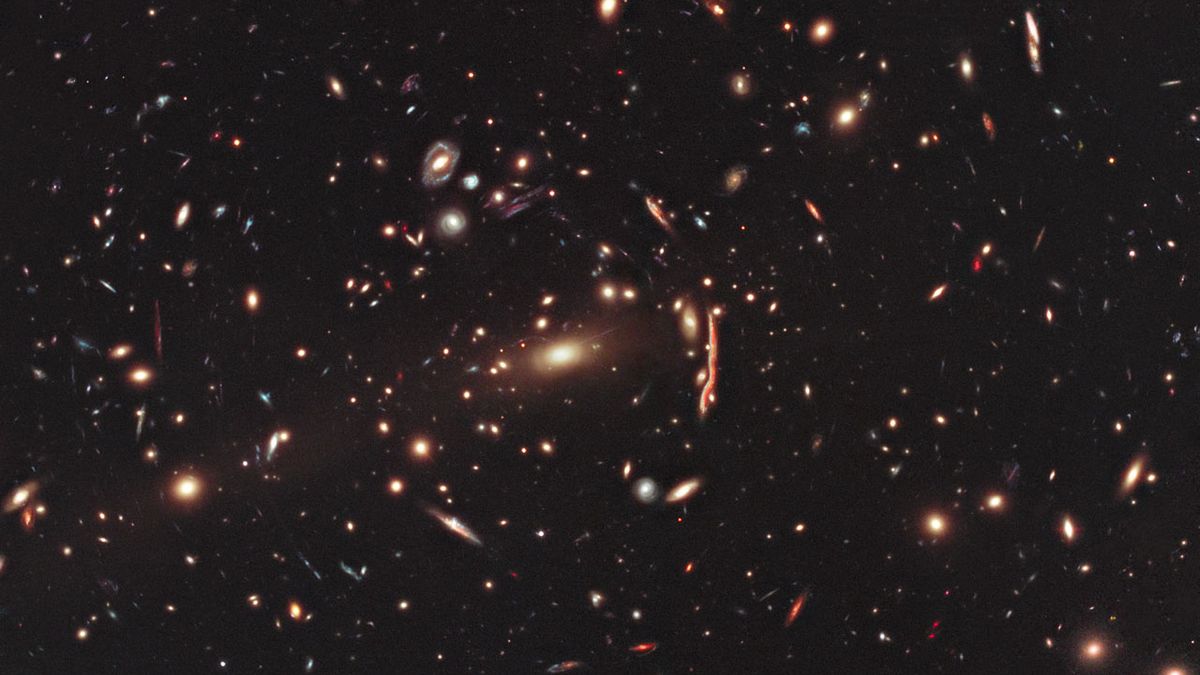
A new study of galaxy clusters using X-ray emissions has provided further evidence supporting the standard model of cosmology, known as the lambda cold dark matter (ΛCDM) model. The research, conducted by physicists from Stanford University, found that the structure of galaxy clusters conforms to the ΛCDM model, which suggests that the universe began as an extremely hot, dense sea of matter and photons that rapidly expanded during a period of inflation. The team hopes to expand their investigation by collecting more observations from real galaxy clusters and simulated galactic clusters.