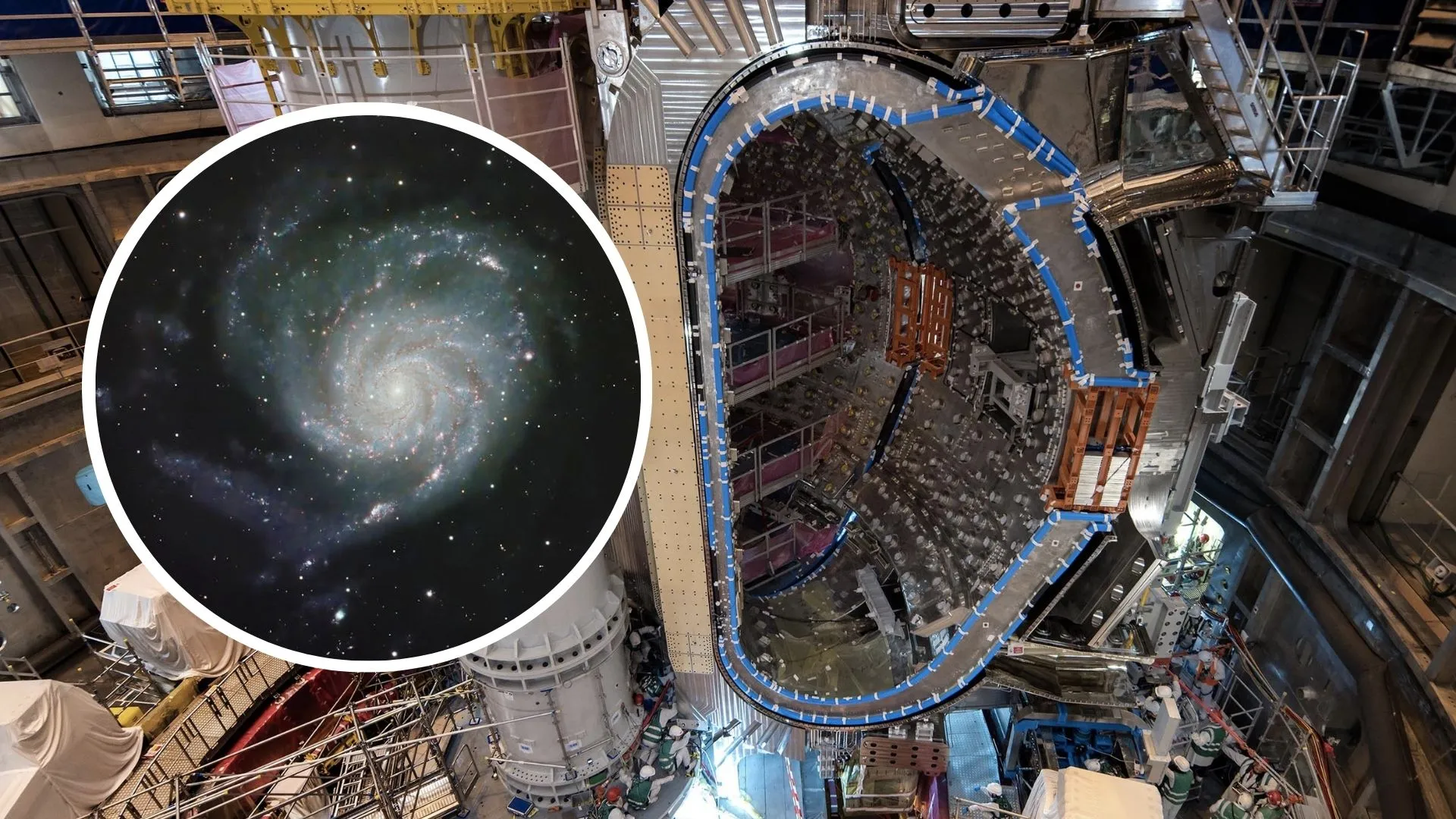
A physicist from the University of Cincinnati has theoretically solved a problem related to producing axions, hypothetical particles linked to dark matter, in fusion reactors—an issue that was humorously depicted as unsolvable by Sheldon Cooper and Leonard Hofstadter in 'The Big Bang Theory.' The research, conducted with international collaborators, explores how neutrons in fusion reactors could generate axions, potentially advancing our understanding of dark matter, and adds a real-world scientific breakthrough to a concept previously only discussed in the sitcom.
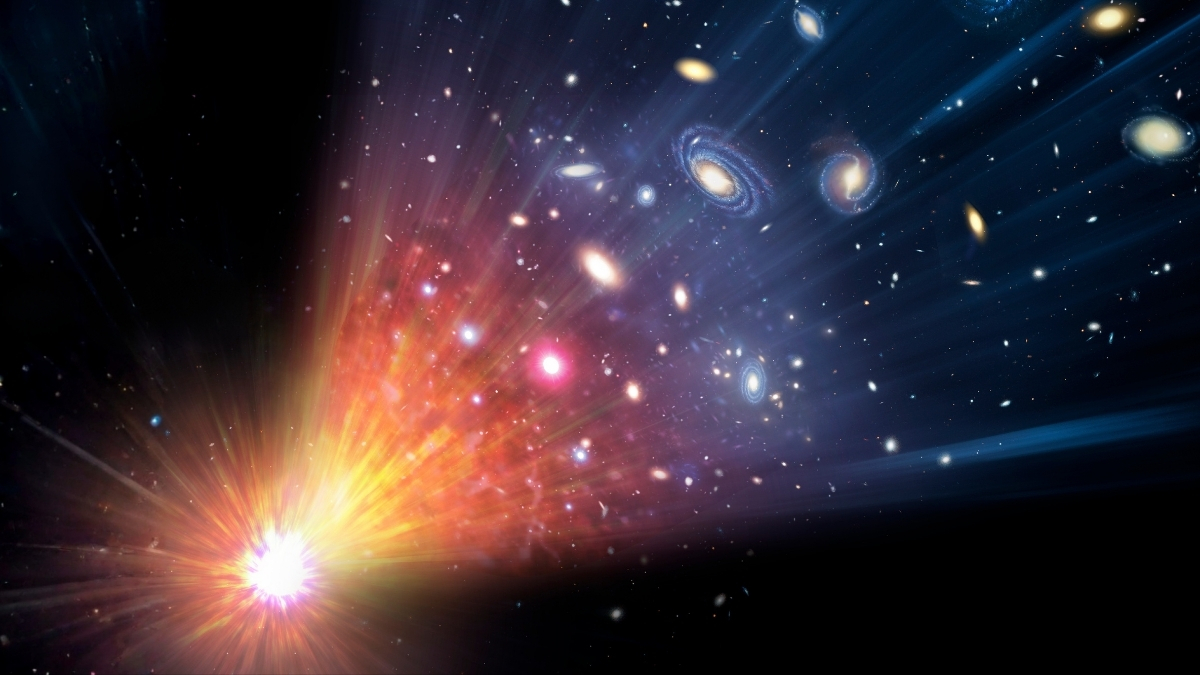
A Japanese research team measured the temperature of the universe 7 billion years ago using data from ALMA, finding it to be about 5.13 K, roughly double today's temperature, which confirms predictions of the Big Bang theory with high precision and supports our understanding of cosmic evolution.
Scientists have proposed a new model for the Big Bang that explains cosmic inflation through gravitational waves and quantum physics, eliminating the need for hypothetical particles like the inflaton, potentially revolutionizing our understanding of the universe's origins.
The article discusses the current state and potential crisis of the Big Bang theory, highlighting unresolved issues such as the nature of dark matter and dark energy, the Hubble tension, and new astronomical observations that challenge existing models, emphasizing the need for humility and openness in scientific inquiry.
Astronomers using the James Webb Space Telescope discovered a nearly pristine galaxy, AMORE6, with no heavy elements, providing strong evidence supporting the Big Bang theory and the existence of the first generation of stars, known as Population III stars, in the early universe.
A new spinoff series titled 'Stuart Fails to Save the Universe' is coming to HBO Max, focusing on Stuart Bloom from 'The Big Bang Theory' as he accidentally causes a multiverse crisis, with original cast members reprising their roles. The show will explore alternate universes and comedic chaos, created by Chuck Lorre, Zak Penn, and Bill Prady.
HBO Max has greenlit a new spin-off series titled 'Stuart Fails to Save the Universe,' centered on Stuart Bloom from The Big Bang Theory, blending sci-fi and comedy as he attempts to restore reality after causing a multiverse Armageddon, featuring characters from the original series and new sci-fi elements.
HBO Max has ordered a new series titled 'Stuart Fails to Save the Universe,' a spinoff from The Big Bang Theory, featuring Stuart Bloom as he tries to restore reality after accidentally causing multiverse chaos, with some original cast members potentially making guest appearances.
HBO Max has ordered a sci-fi spin-off of The Big Bang Theory titled 'Stuart Fails To Save The Universe,' featuring characters from the original series in a multiverse adventure with extensive CGI, exploring alternate versions of beloved characters and set in the future after the original show's events.
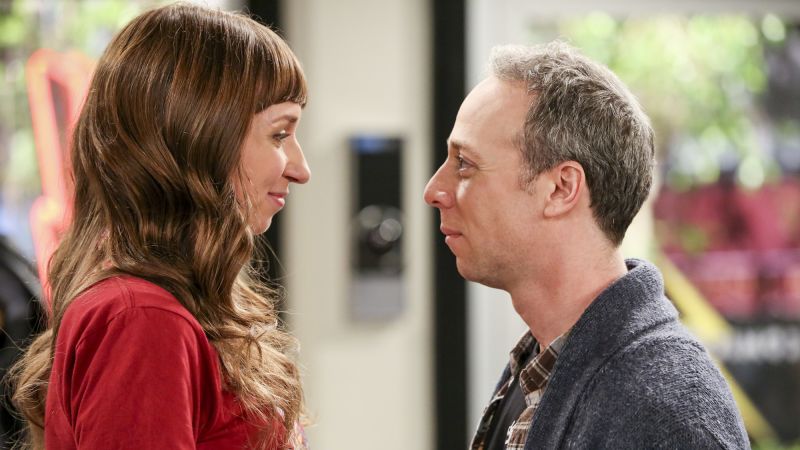
A 'Big Bang Theory' spinoff titled 'Stuart Fails to Save the Universe' has been greenlit at HBO Max, featuring characters from the original series in a science fiction setting involving multiverse chaos, with a cast including Kevin Sussman and Lauren Lapkus, and creative team led by Chuck Lorre.
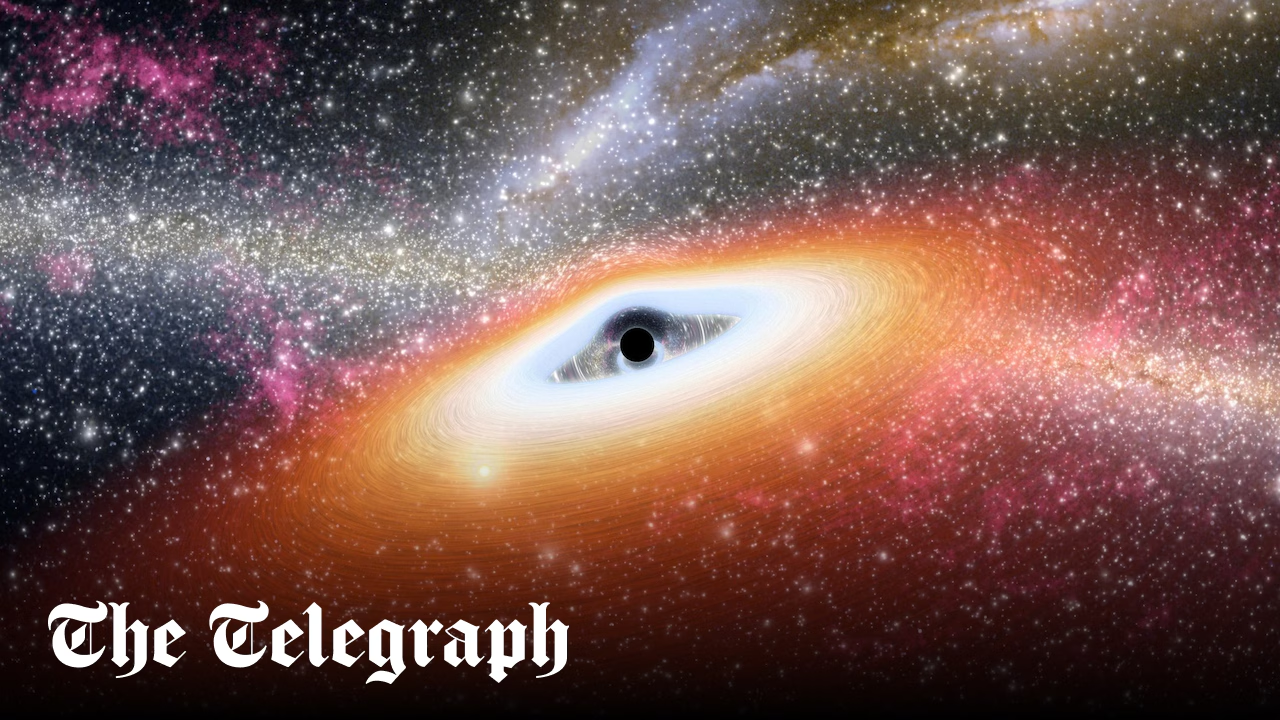
Scientists propose a new theory suggesting the universe is inside a black hole, formed by gravitational collapse and bounce, challenging the traditional Big Bang model and aligning with quantum physics principles, implying a cosmic cycle rather than a creation from nothing.
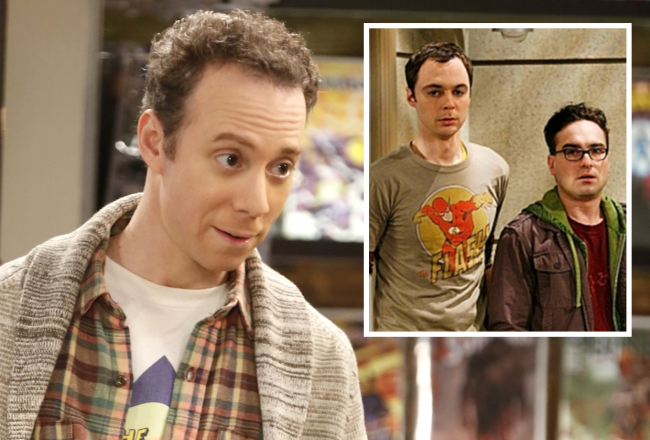
A spinoff of 'The Big Bang Theory' titled 'Stuart Fails to Save the Universe' is in development at HBO Max, featuring significant CGI and sci-fi elements, with ten episodes already written by Chuck Lorre, Bill Prady, and Zak Penn. The show stars Kevin Sussman as Stuart Bloom and includes other familiar characters, aiming to stand on its own while building on the original series' success.
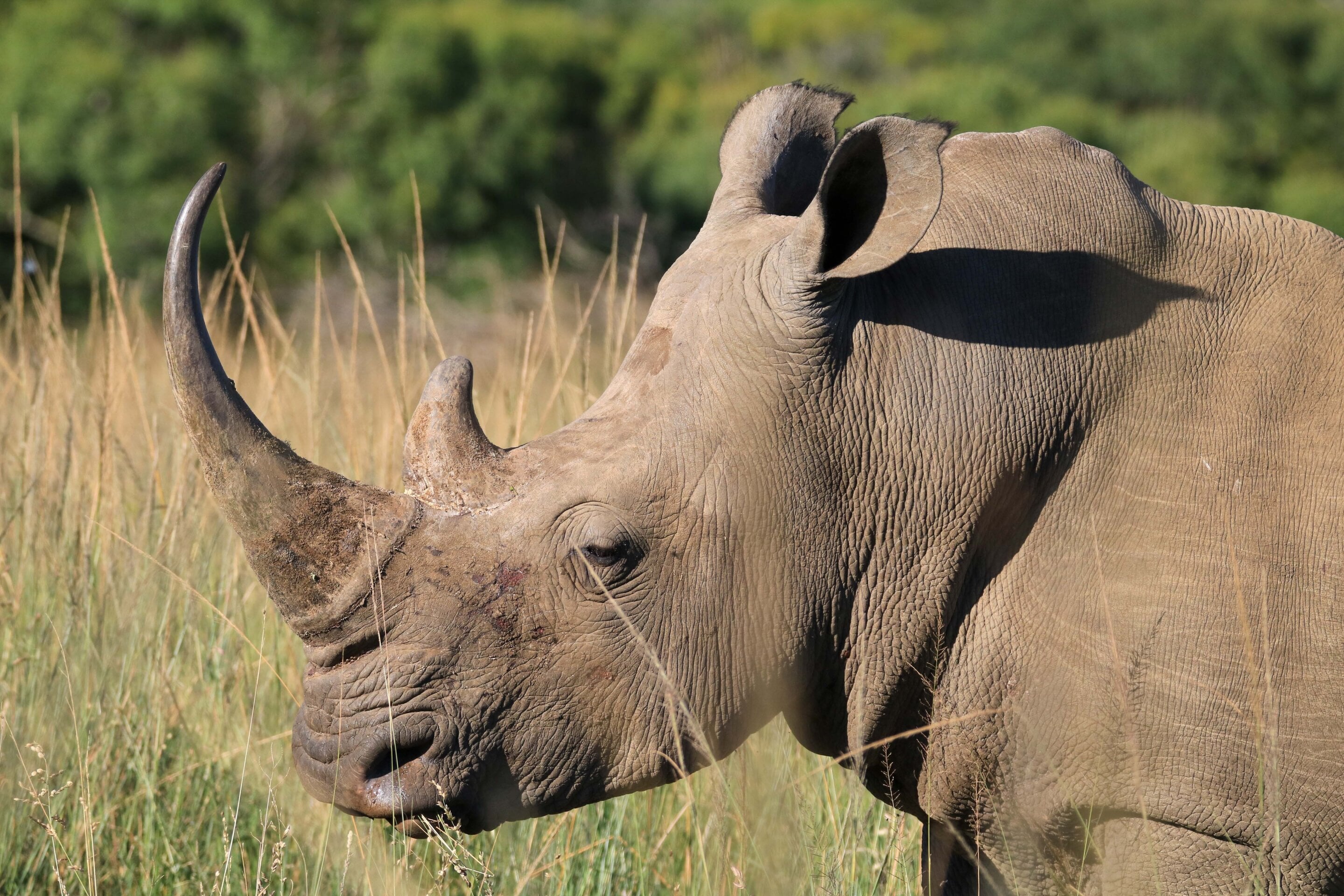
Recent research identifies the fusiform gyrus as key to distinguishing reality from imagination, while conservation efforts using dehorning have significantly reduced rhino poaching. Additionally, a new mathematical model supports the 'big bounce' theory, challenging the traditional Big Bang concept.
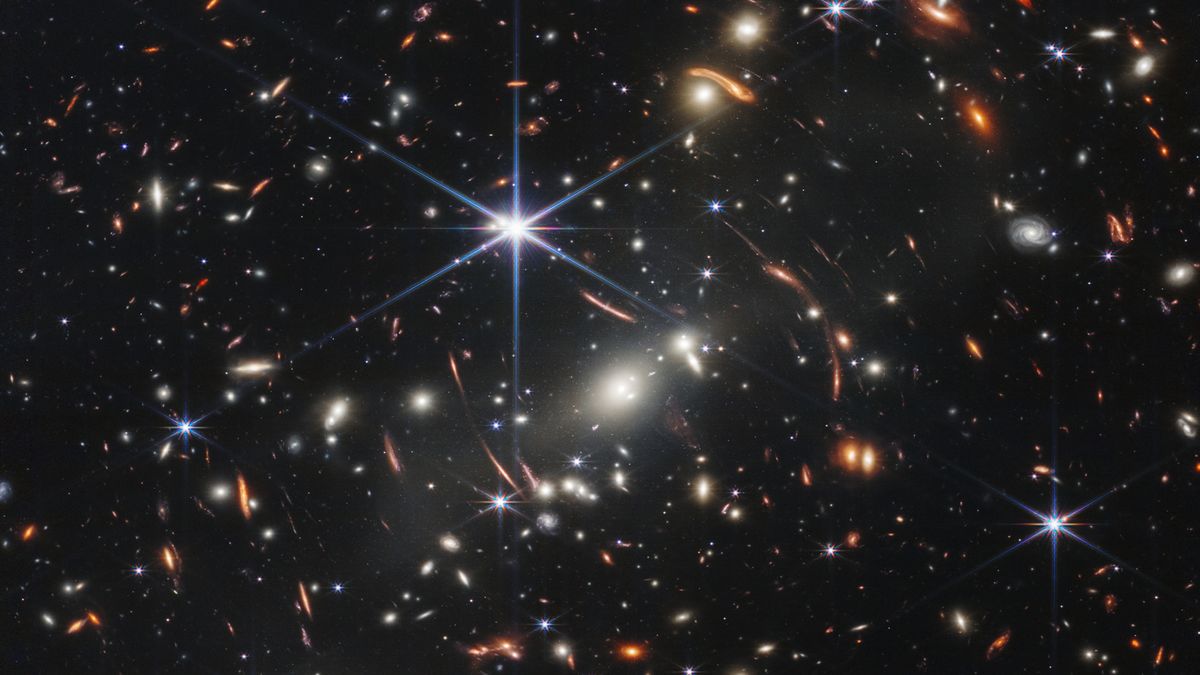
The James Webb Space Telescope (JWST) has discovered early galaxies that initially seemed to challenge the Big Bang theory due to their unexpected size and brightness. However, more precise measurements have shown these galaxies to be less extraordinary than first thought, aligning with current cosmological models. While JWST's findings raise intriguing questions about early galaxy formation, they do not "break" the Big Bang theory, but rather enhance our understanding of the universe's early stages.
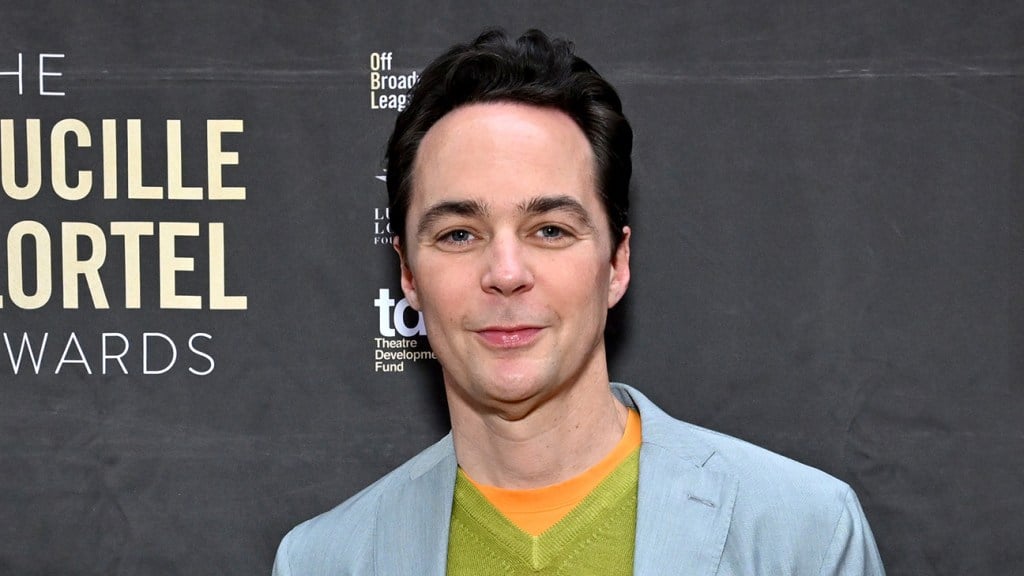
Jim Parsons shared his experience reprising his role as Sheldon Cooper for the series finale of "Young Sheldon," describing it as a beautiful and sweet reunion with his beloved character and co-star Mayim Bialik. The actor, who played Sheldon for 12 seasons on "The Big Bang Theory," expressed excitement about the heartfelt script and the special experience of revisiting the characters in a different setting. The series finale, set to air on May 16, will mark the first on-screen reunion of Parsons and Bialik since the end of "The Big Bang Theory" in 2019.