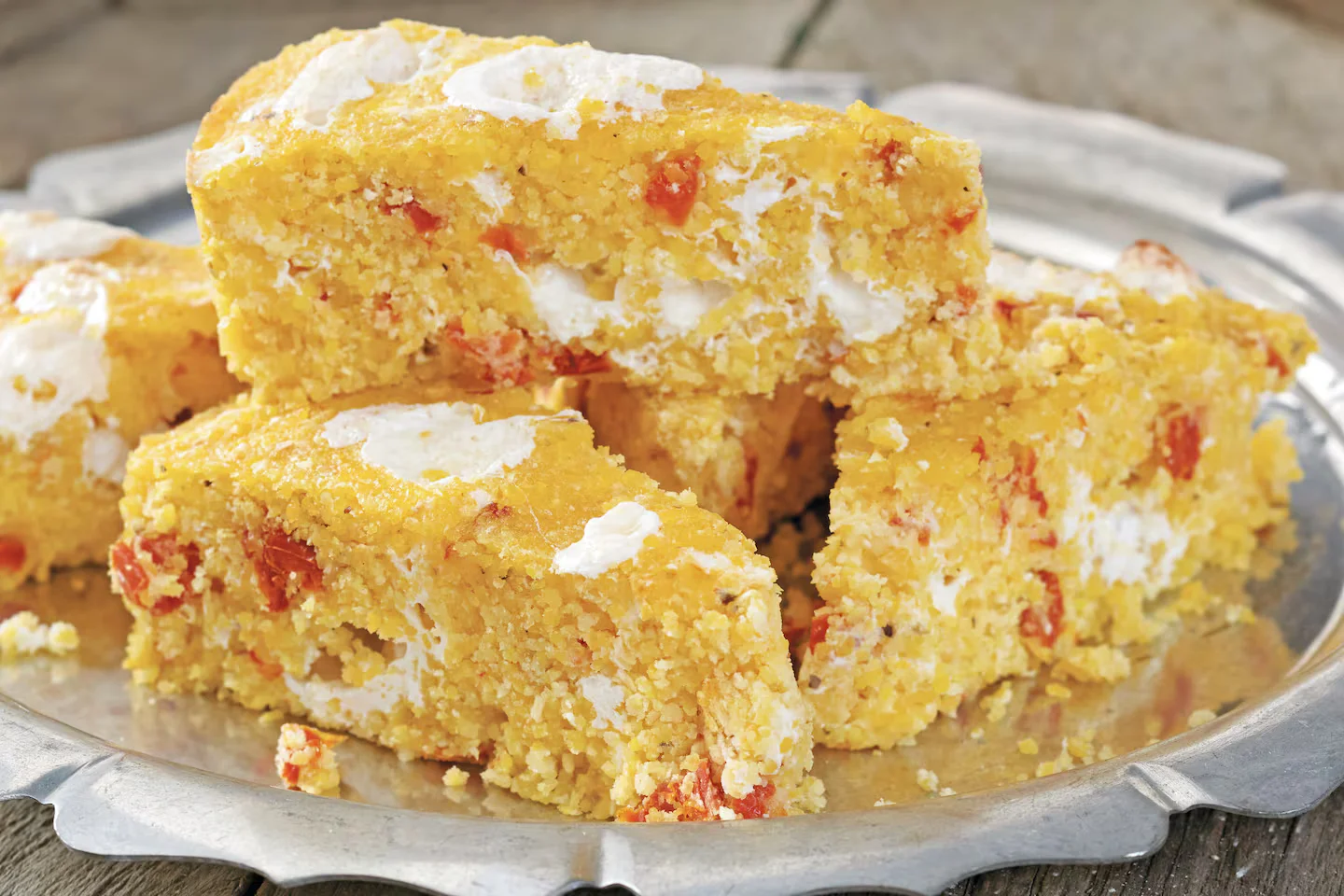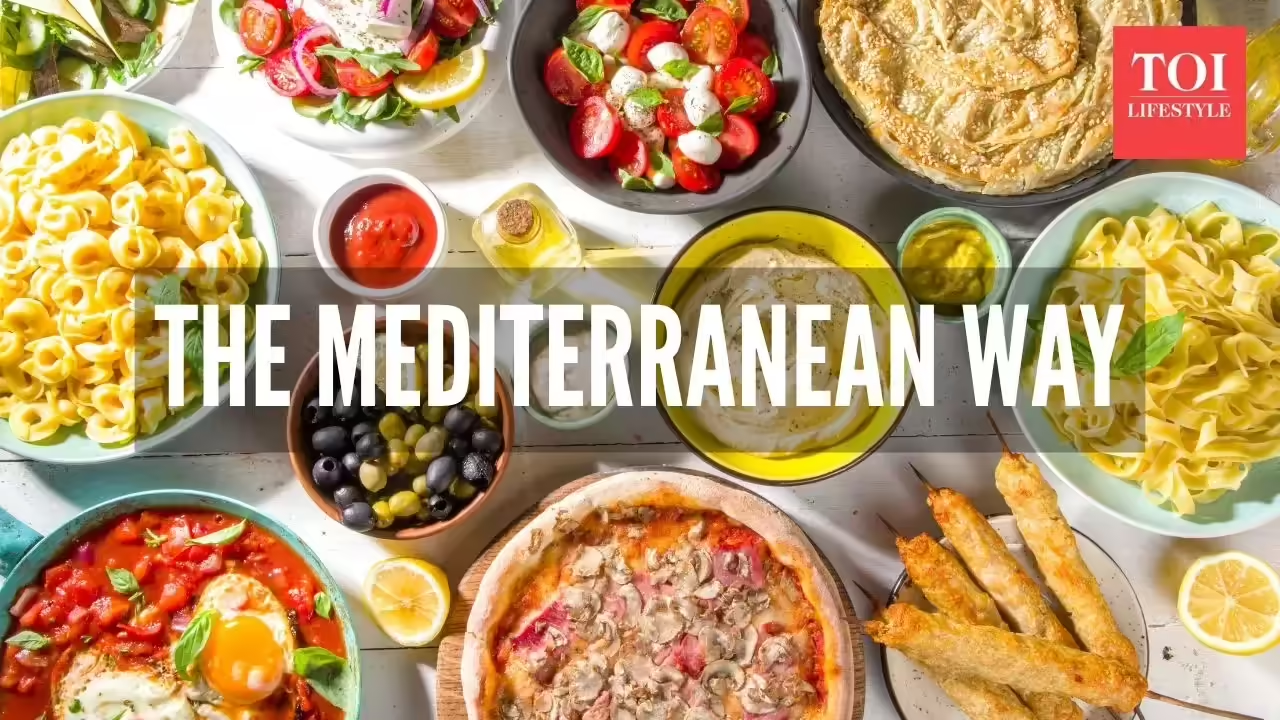
The article highlights the health benefits of the Mediterranean diet, emphasizing recipes like rosemary shrimp over polenta, lemon baked cod with pistachios, roasted Brussels sprouts, Mediterranean cornbread, and asparagus frittata, which promote longevity, mental health, and disease prevention through simple, flavorful, and nutritious ingredients.
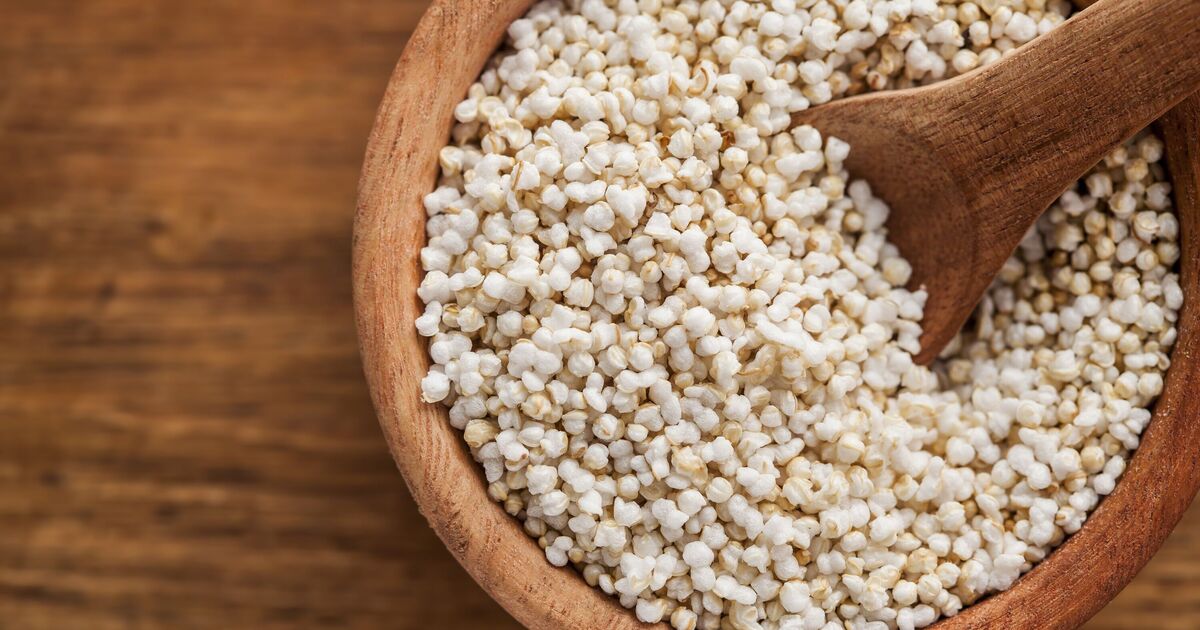
Amaranth, an ancient grain revered by the Aztecs, is hailed as one of the healthiest carbs due to its high protein, fiber, and nutrient content, surpassing brown rice and quinoa. It is versatile, gluten-free, and can be incorporated into various dishes, making it a highly nutritious addition to a balanced diet.
Research indicates that consuming high-quality, natural carbohydrates like whole grains, fruits, vegetables, and legumes during midlife can significantly increase the likelihood of healthy aging, while refined carbs may have a negative impact. The study suggests that these healthy carbs could help extend life and reduce chronic illnesses in older age.
The article compares the Mediterranean and Indian diets, highlighting how the Mediterranean diet's emphasis on monounsaturated fats, whole grains, and moderate protein intake can reduce diabetes risk, and offers five ways to incorporate these healthy practices into Indian meals.
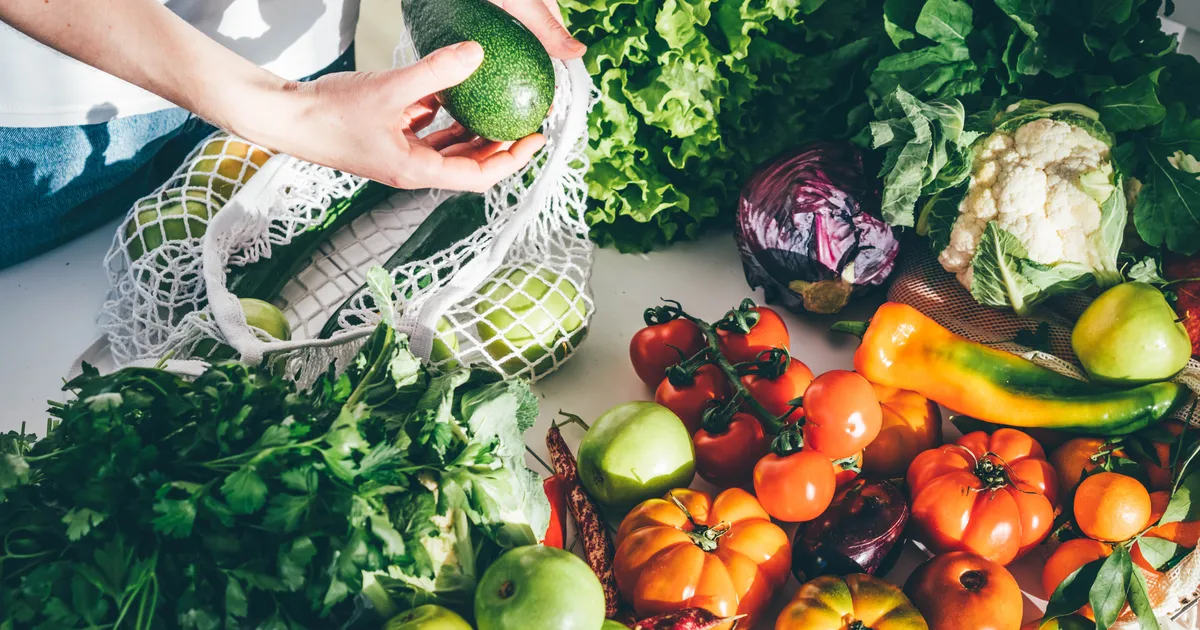
Eating a diet rich in whole, minimally processed foods such as cruciferous vegetables, dark leafy greens, fatty fish, whole grains, and healthy fats like extra virgin olive oil, along with berries, fermented foods, nuts, yogurt, dark chocolate, legumes, and tomatoes, can significantly boost your chances of living a longer, healthier life according to longevity experts.
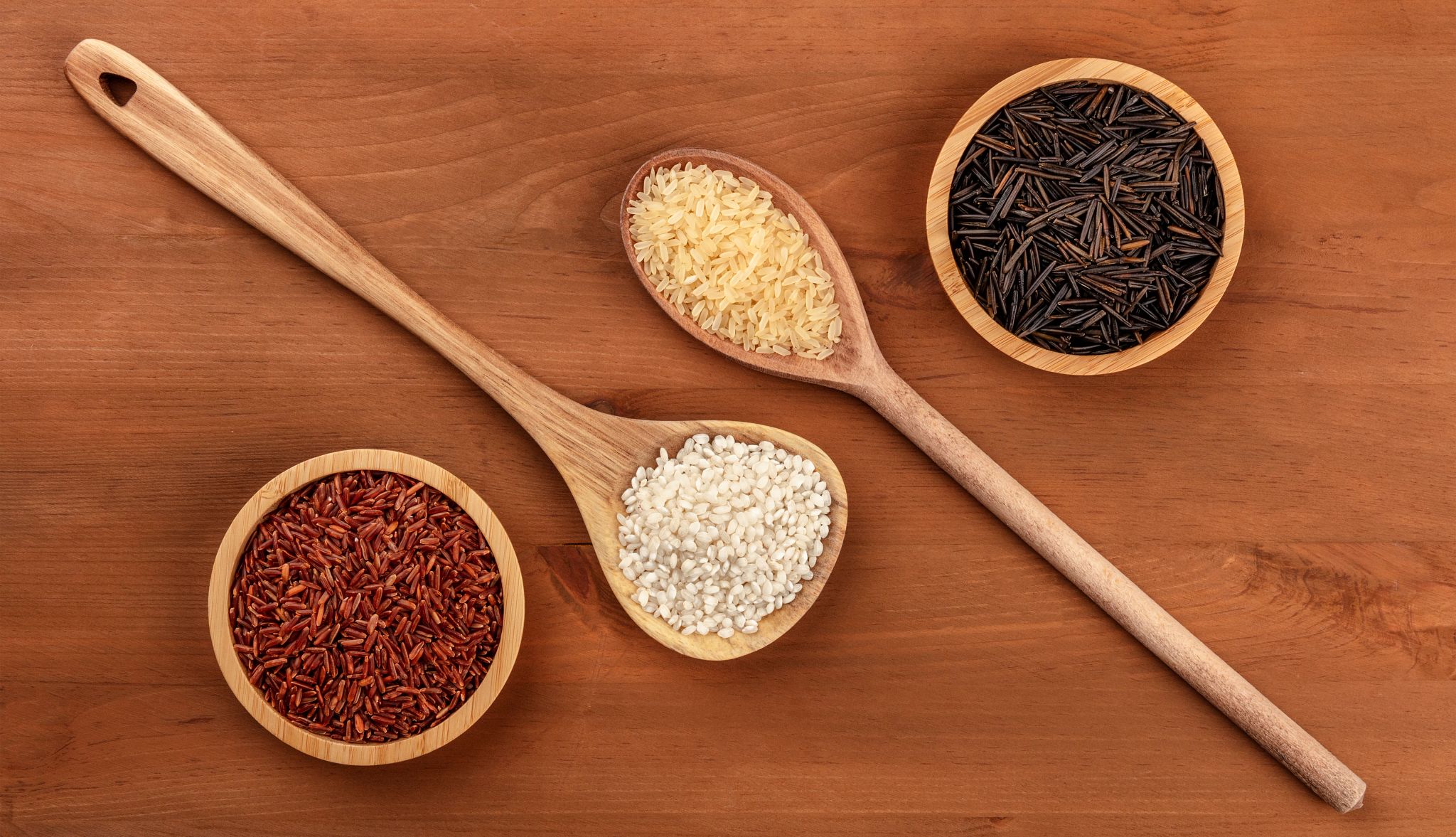
The article provides tips to make rice healthier, including choosing brown rice for more nutrients, soaking and rinsing rice properly to reduce arsenic and nutrients loss, cooling cooked rice to increase resistant starch, experimenting with different rice varieties like black or wild rice, and being cautious with leftovers to prevent bacterial growth.
A study finds that eating French fries increases the risk of type 2 diabetes, while other potato preparations do not, and replacing potatoes with whole grains can lower risk, highlighting the importance of preparation methods and food choices in diabetes prevention.
A long-term study found that eating French fries increases the risk of type 2 diabetes, while other potato preparations do not. Replacing potatoes with whole grains may reduce this risk, emphasizing the importance of food preparation and substitution choices in diabetes prevention.
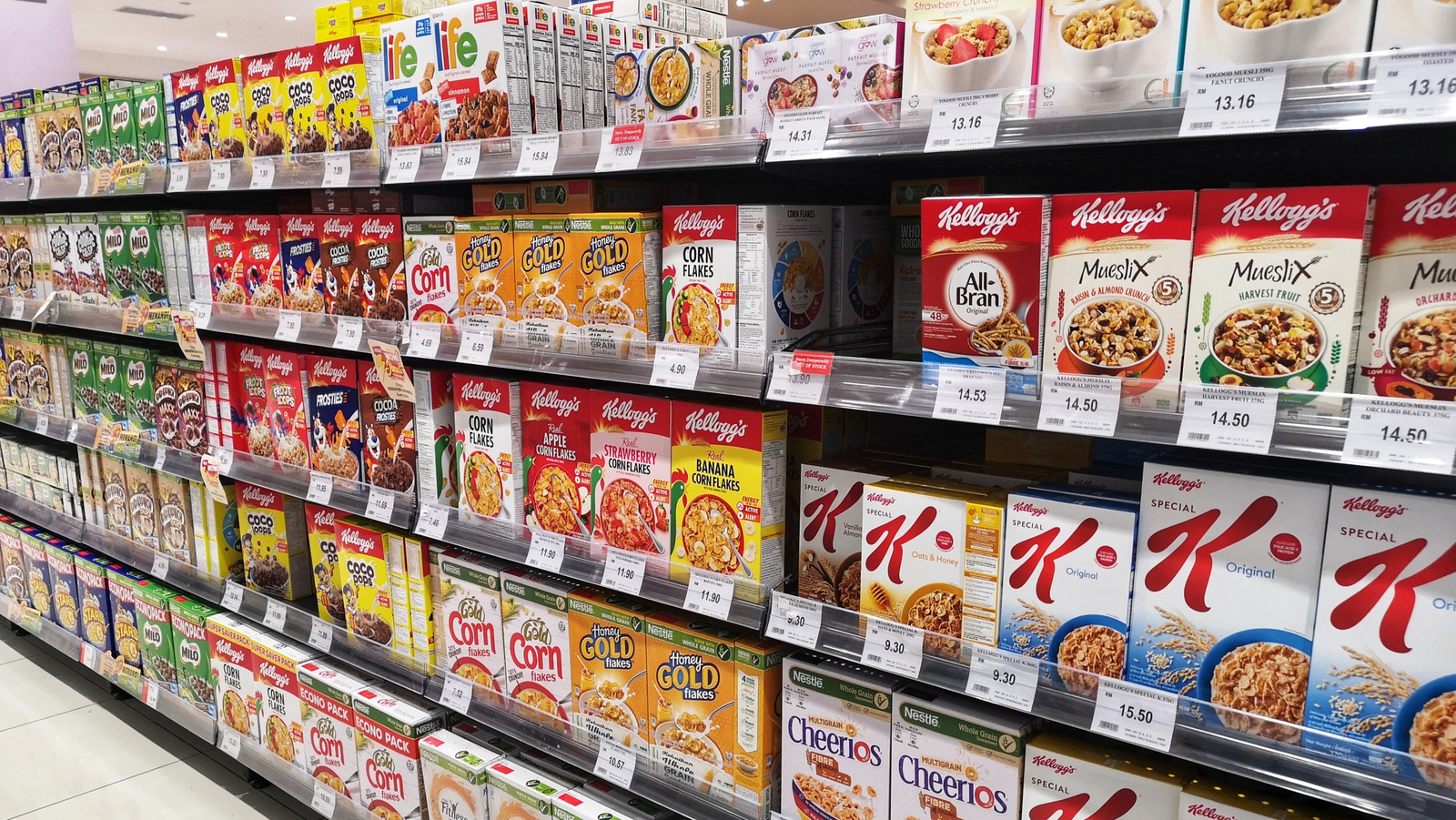
Cheerios, made primarily from whole grain oats and low in sugar, is considered the healthiest popular cereal according to Cleveland Clinic guidelines and recent data, making it a nutritious and affordable breakfast choice, especially when enhanced with nuts or seeds for added protein and healthy fats.
A new study suggests that consuming high-quality carbohydrates, especially dietary fiber from whole grains, fruits, and vegetables, is linked to healthier aging and increased longevity, challenging the negative perception of carbs and emphasizing the importance of diet quality.
Oats are highlighted as the top energy-boosting grain due to their high fiber, complex carbs, and nutrient-rich profile, especially when consumed as whole grains, offering sustained energy and health benefits. They are versatile and can be incorporated into various meals, making them an excellent choice for maintaining energy levels throughout the day.
Eating a high-fiber dinner rich in plant-based proteins, whole grains, and vegetables can promote regular morning bowel movements by supporting gut health and digestion, with a recommended meal being roasted chickpea and cauliflower pitas with sun-dried tomato sauce.
Eating high-quality carbs such as whole grains, fruits, vegetables, and legumes can promote healthy aging and reduce the risk of chronic diseases, while limiting refined and ultra-processed carbs is beneficial. The article highlights 13 nutritious carbohydrate sources like pears, pasta, red rice, berries, beans, and more, emphasizing their health benefits and role in maintaining physical and cognitive health.
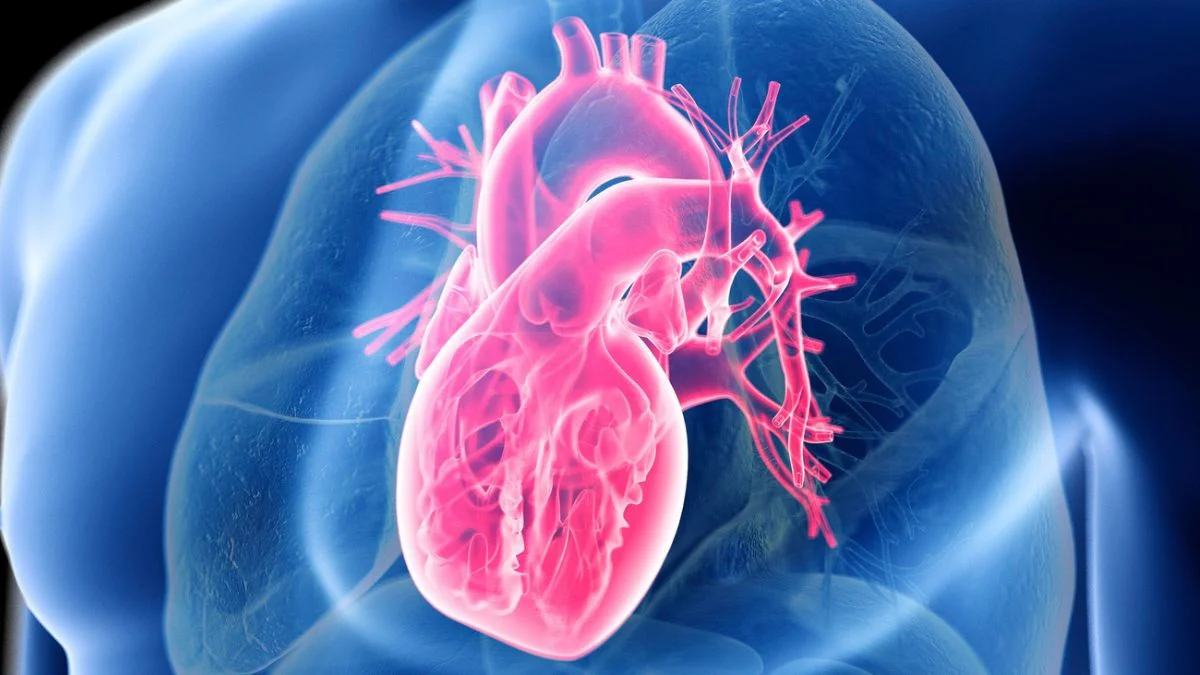
A Harvard study involving nearly 200,000 participants found that the quality of food, especially diets rich in whole grains, fruits, and vegetables, significantly reduces heart disease risk by about 15%, regardless of whether the diet is low-carb or low-fat, emphasizing the importance of food choices over macronutrient focus.
Quinoa, a versatile and nutritious seed, has gained popularity as a high-protein, gluten-free whole grain, with celebrities like Eva Mendes and Katy Perry endorsing it. Cultivated for over 5,000 years, quinoa is rich in antioxidants, vitamins, and minerals, and is known for its quick preparation time. While it's not a high-quality protein source, it's a good option for those watching their weight. Nutritionists recommend enjoying quinoa a few times a week as part of a balanced diet, incorporating other healthy foods like vegetables, healthy fats, and lean proteins.